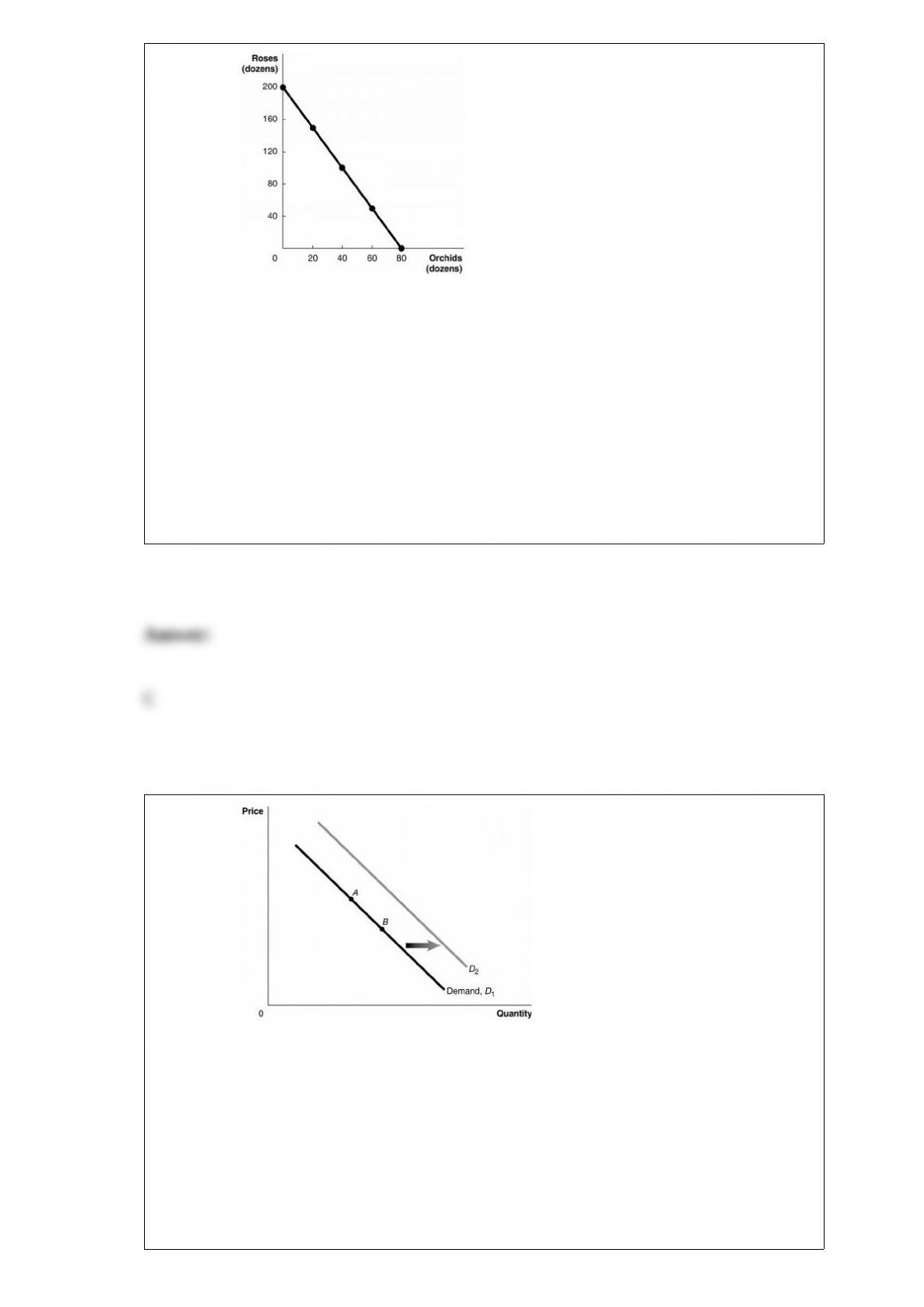
Figure 2-2 Figure 2-2 above shows the production
possibilities frontier for Vidalia, a nation that produces two goods, roses and orchids. If
Vidalia chooses to produce 40 dozen orchids, how many roses can it produce to
maximize production?
A) 30 dozen roses
B) 50 dozen roses
C) 100 dozen roses
D) 150 dozen roses
Figure 3-1
An increase in taste or preference would be represented by a movement from
A) A to B.
B) B to A.
C) D1 to D2.

D) D2 to D1.
The Farm Factory, a booth at the local Farmer’s Market, sells fresh eggs for $1.50 per
dozen and fresh milk for $2.50 per gallon. What is the opportunity cost of buying a
dozen eggs?
A) 1 2/3 gallons of milk
B) 3/5 of a gallon of milk
C) $2.50
D) $1.50
A perfectly competitive wheat farmer in a constant-cost industry produces 3,000
bushels of wheat at a total cost of $36,000. The prevailing market price is $15. What
will happen to the market price of wheat in the long run?
A) The price remains constant at $15.
B) The price falls to $12.
C) The price rises above $15.
D) There is insufficient information to answer the question.
Compensating differentials are
A) non-monetary benefits from being employed, such as health-care benefits.
B) wages paid to workers where the supply of labor is great relative to demand.
C) higher wages that compensate workers for unpleasant aspects of a job.
D) higher wages that compensate the more experienced workers in a field.
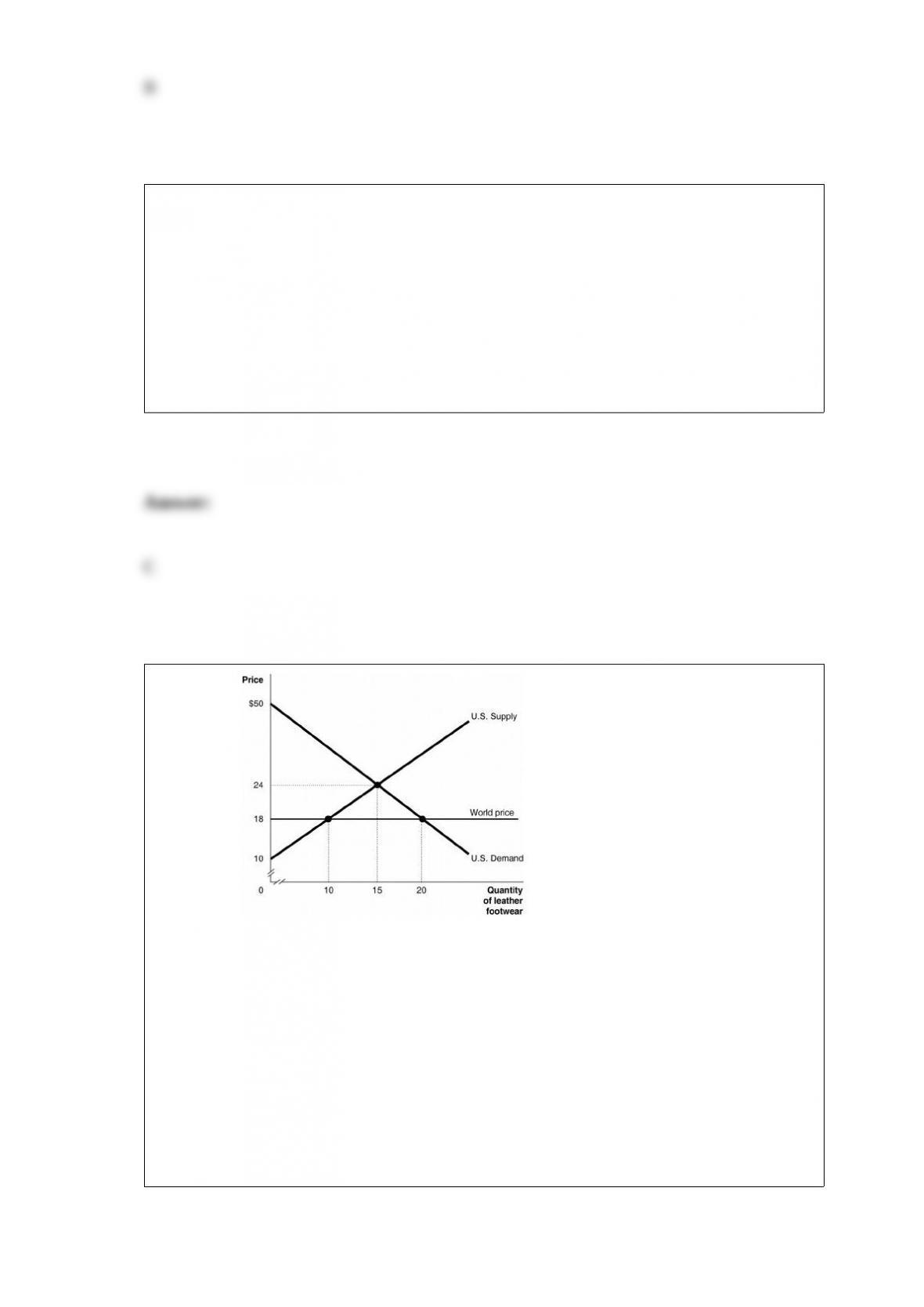
Figure 9-1 Figure 9-1 shows the U.S. demand
and supply for leather footwear.
Under autarky, the consumer surplus is
A) $195.
B) $260.
C) $300.
D) $555.

In October 2008, Congress passed the ________, under which the Treasury provided
funds to banks in exchange for stock.
A) Bank Rescue Alliance Treaty (BRAT)
B) Mortgage Transfer Agency (MTA)
C) Troubled Asset Relief Program (TARP)
D) Financial Assurance Association (FAA)
MPC + MPS =
A) 0.
B) 0.5.
C) 1.
D) 100.
Income elasticity measures

A) how a good’s quantity demanded responds to change in the goods price.
B) how a good’s quantity demanded responds to change in the price of another good.
C) how a good’s quantity demanded responds to change in buyers’ incomes.
D) how a good’s quantity demanded responds to producers’ incomes.
Consider the following statements:
a. Car owners purchase more gasoline from a gas station that sells gasoline at a lower
price than other rival gas stations in the area.
b. Banks do not take steps to increase security since they believe it is less costly to
allow some bank robberies than to install expensive security monitoring equipment.
c. Firms produce more of a particular DVD when its selling price rises. Which of the
above statements demonstrates that economic agents respond to incentives?
A) a only.
B) b only.
C) c only.
D) a and b.
E) a, b, and c.

Which type of business has the most government rules and regulations affecting it?
A) sole proprietorship
B) partnership
C) corporation
D) They all have the same set of rules and regulations affecting them.
Every society faces economic trade-offs. This means
A) some people live better than others do.
B) not everyone can have enough goods to survive.
C) producing more of one good means less of another good can be produced.
D) society’s output cannot be made available to all.
Shrimp is an increasingly popular part of the American diet. Louisiana shrimpers who
represent the bulk of the U.S. industry were almost all put out of business by Hurricane
Katrina. How did this affect the equilibrium price and quantity of shrimp?