
Sam quits his job as an airline pilot and opens his own pilot training school. He was
earning $40,000 as a pilot. He withdraws $10,000 from his savings where he was
earning 6 percent interest and uses the money in his new business. He uses a building
he owns as a hanger and could rent it out for $5,000 per year. He rents a computer for
$1,200, buys office supplies for $500, rents an airplane for $6,000, pays $1,300 for fuel
and maintenance, and hires one worker for $30,000. Sam’s total revenue from pilot
training classes this year equaled $90,400. Sam’s explicit costs this year equals:
a. $84,400.
b. $39,000.
c. $55,000.
d. $45,600.
e. $40,000.
Suppose a new law requires all piercing studios to pass tougher licensing tests and to
begin using more costly sterilization methods. Other things constant, this law would
cause:
a. an increase in the supply of piercings and a lower price for piercings.
b. an increase in the supply of piercings and a higher price for piercings.
c. a decrease in the supply of piercings and a higher price for piercings.
d. a decrease in the supply of piercings and a lower price for piercings.
Which of the following would eliminate scarcity as an economic problem?
a. Moderation of people’s competitive instincts.
b. Discovery of sufficiently large new energy reserves.

c. Resumption of steady productivity growth.
d. None of these.
A monopolist faces a downward-sloping demand curve because:
a. the demand for its product is inelastic.
b. the industry demand curve is horizontal.
c. resource prices increase as the monopolist expands output.
d. the entire market demand curve is the monopolist’s demand curve.
A graph that shows the cumulative shares of income received by a family is a:
a. Distribution curve.
b. Lorenz curve.
c. Ricardian curve.
d. Quintlile curve.

Which of the following is the most accurate definition of a worker’s “marginal revenue
product”?
a. The change in the firm’s profits as the result of hiring an additional worker.
b. The change in the firm’s total revenue as the result of hiring an additional worker.
c. The change in the firm’s output as the result of hiring an additional worker.
d. The change in the firm’s cost as the result of hiring an additional worker.
Which of the following is most likely to shift the demand curve for electricity to the
left?
a. consumers becoming more energy conscious.
b. an increase in income.
c. a decrease in the price of electricity.
d. an increase in the price of natural gas, a substitute source of energy.
Exhibit 2-9 Production possibilities curve
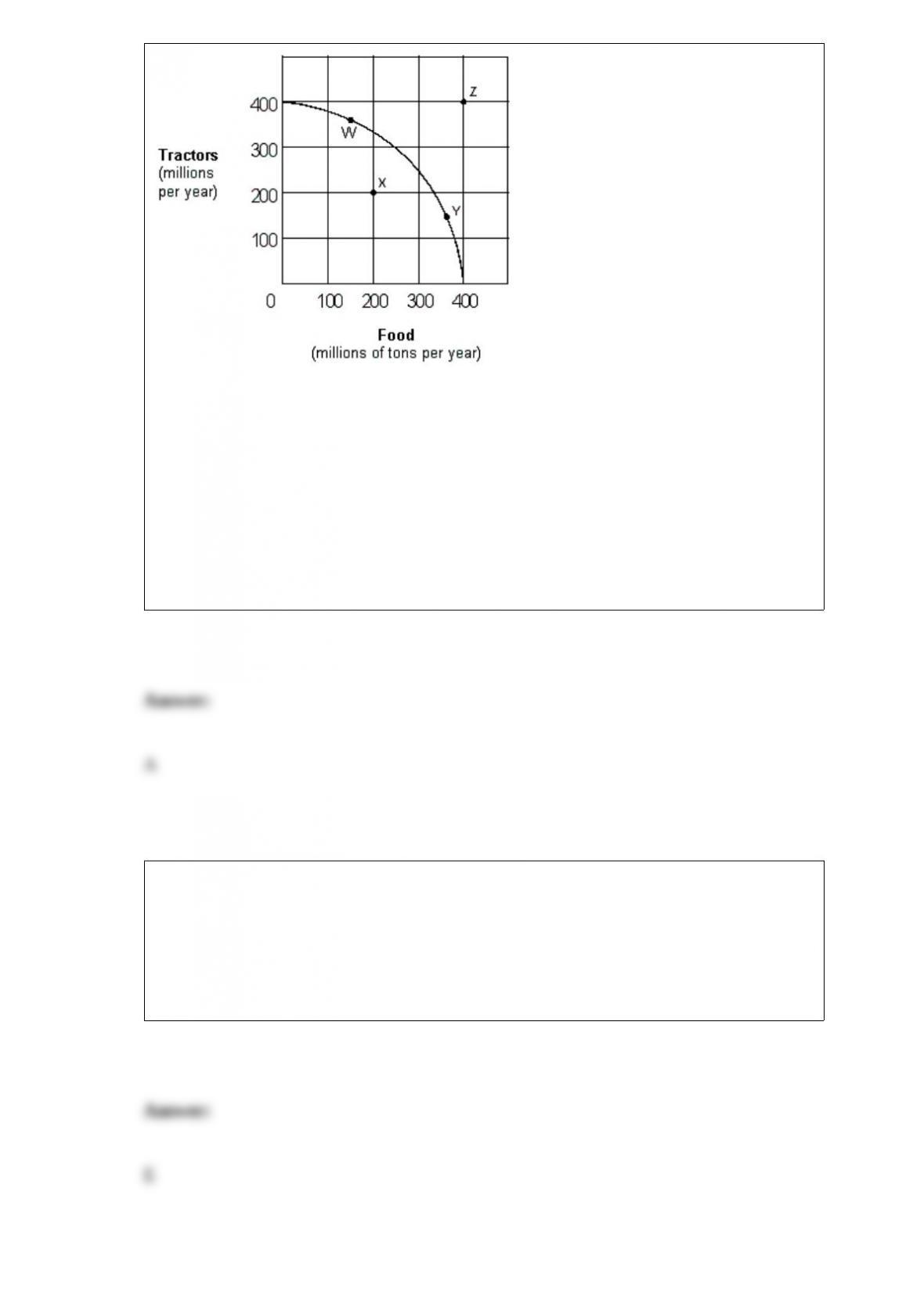
Movement along this production possibilities curve shown in Exhibit 2-9 indicates:
a. that labor is not equally productive or homogeneous (nonhomogeneous).
b. decreasing opportunity costs.
c. all inputs are homogeneous.
d. all of these.
Which of the following is not an in-kind subsidy?
a. Food stamps.
b. Low-cost rental housing.
c. Medicare.
d. Medicaid.
e. Unemployment compensation.
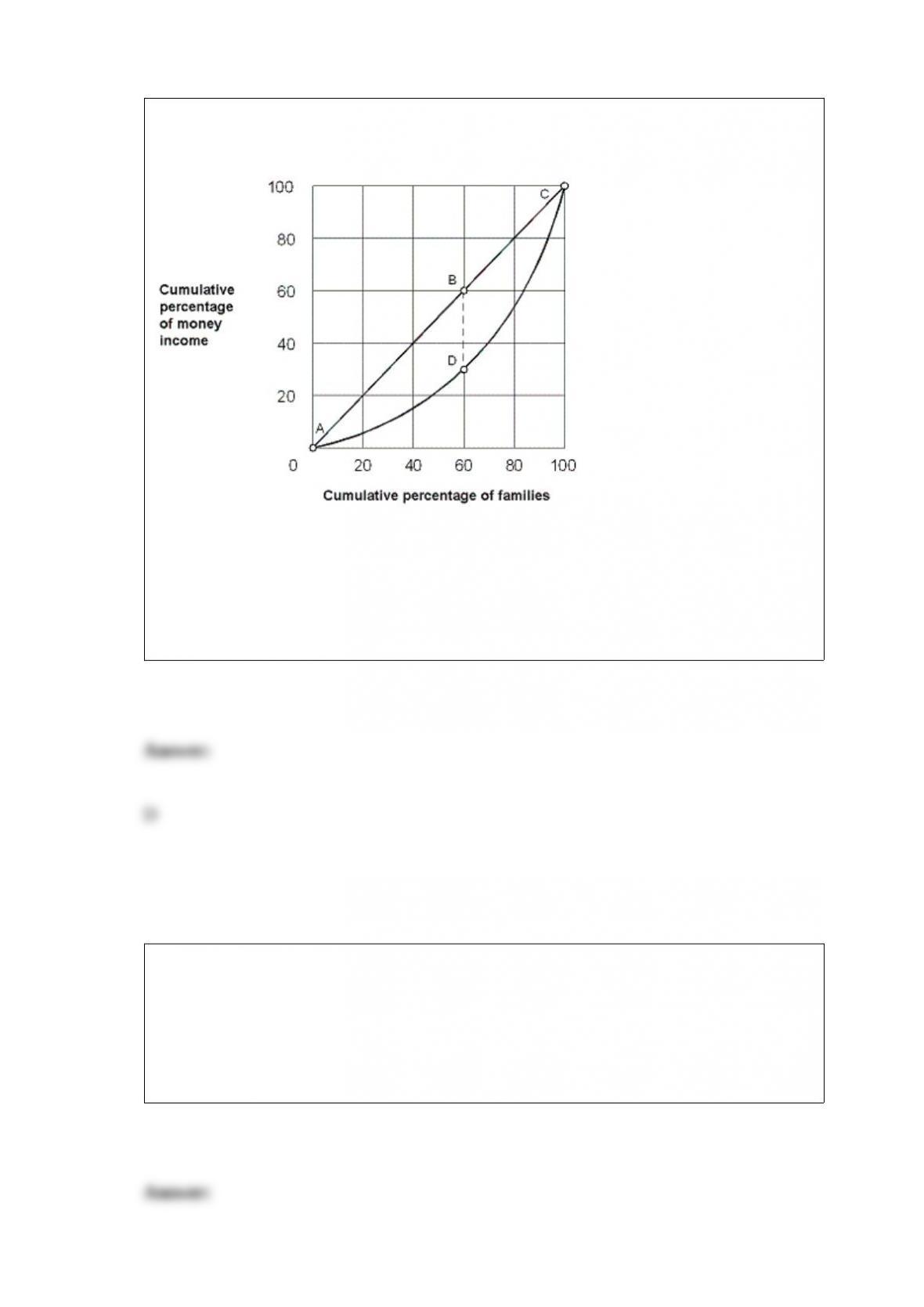
Exhibit 12-2 Lorenz curve
As shown in Exhibit 12-2, 80 percent of families earned a cumulative share of about
____ of income.
a. 5 percent
b. 15 percent
c. 30 percent
d. 50 percent
The point of maximum profit for a business firm is where:
a. P = AC.
b. TR = TC.
c. MR = AR.
d. MR = MC.
e. TR = MR.
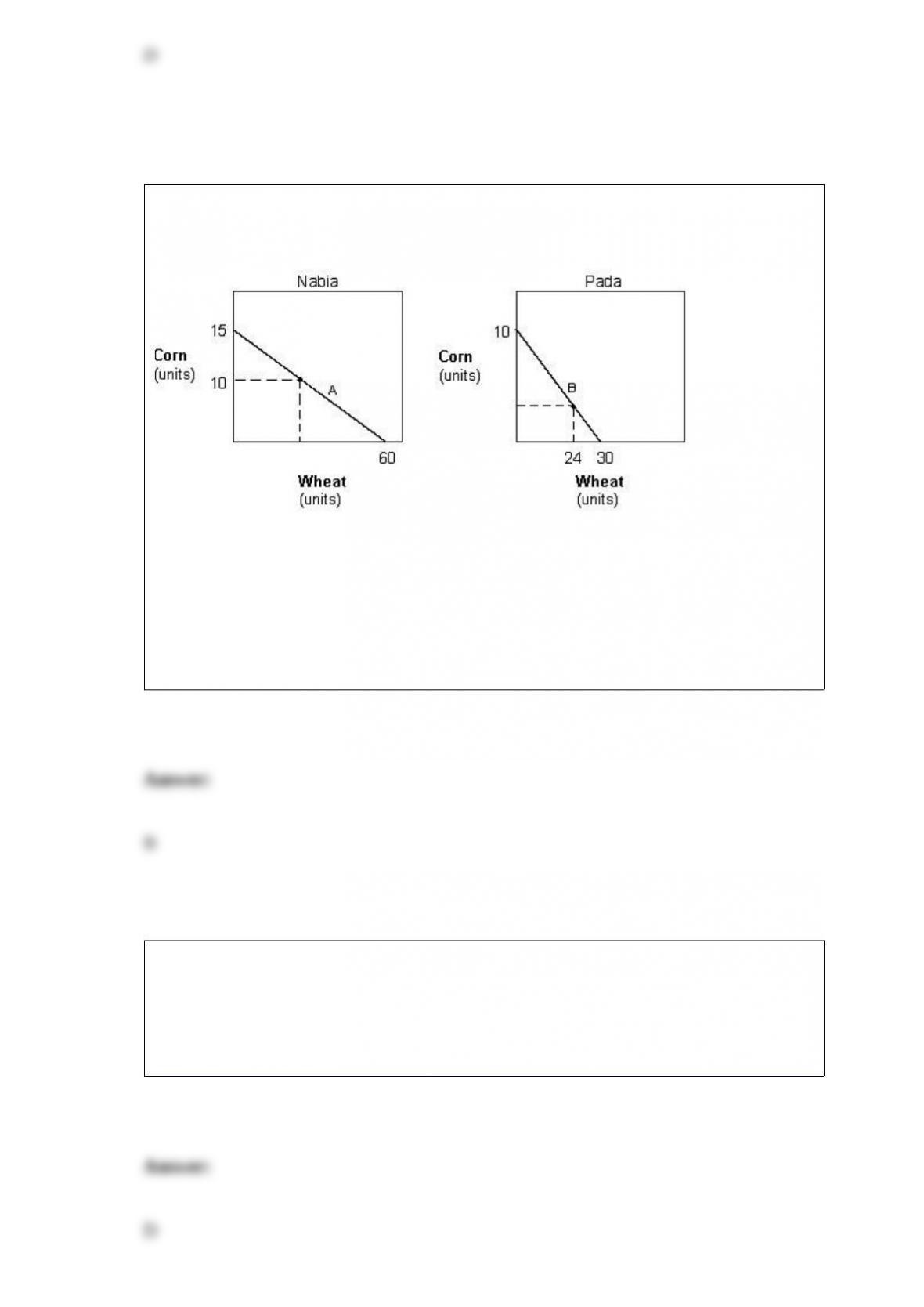
Exhibit 15-1 Production possibilities curves
In Exhibit 15-1, the production possibilities curves of wheat and corn for Nabia and
Pada are presented. In Pada the cost of producing one more unit of wheat is equal to:
a. 3 units of corn.
b. 1/3 unit of corn.
c. 1/3 unit of wheat.
d. 15 units of corn.
e. 30 units of corn.
Scarcity can be eliminated if:
a. people satisfy needs rather than wants.
b. sufficient new resources were discovered.
c. output of goods and services were increased.
d. none of these.

Suppose a price ceiling is set by the government below the market equilibrium price.
Which of the following will result?
a. The demand curve will shift to the left.
b. The quantity demanded will exceed the quantity supplied.
c. The quantity supplied will exceed the quantity demanded.
d. There will be a surplus.
Which of the following would most likely cause the production possibilities curve for
DVDs and food to shift outward?
a. A choice of more food and more DVDs.
b. A choice of more food and less DVDs.
c. A choice of more DVDs and less food.
d. An increase in the quantity of natural resources.
When per capita real GDP is increasing, real output is growing:
a. more rapidly than prices. c. less rapidly than prices.

b. more rapidly than population. d. less rapidly than population.
An economic system characterized by private ownership of the factors of production
and economic activity coordinated through a system of markets and prices is called:
a. capitalism. c. communism.
b. socialism. d. none of these.
Assuming that beef and chicken are substitutes, an increase in the price of beef, other
things being equal, will:
a. increase the demand for chicken. c. not change the demand for chicken.
b. decrease the demand for chicken. d. decrease the demand for beef.
International trade has the potential to ____ the availability of goods and services to
____.
a. increase; those nations who export more than they import

b. increase; nations that have an absolute advantage in the production of a good or
service
c. increase; all nations
d. decrease; all nations
Exhibit 7-1 Production of pizza data
Exhibit 7-1 shows the change in the production of pizzas as more workers are hired.
The marginal product of the fifth employee equals:
a. 4.
b. 18.
c. 19.
d. 3.
e. 1.
If the government imposes a price ceiling, then:
a. producers must charge the ceiling price.

b. the price offered by producers must be at or above the ceiling price.
c. the price offered by producers must be at or below the ceiling price.
d. producers would be inclined to increase the quantity supplied.
e. the market supply curve will shift to the right.
The possibility of a free rider exists:
a. in the presence of external costs and benefits.
b. only in the presence of external costs.
c. only in the presence of external benefits.
d. only in the presence of internal costs.
e. only in the presence of a government-produced good.
When a nation totally bans trade with another country, it is imposing a(n):
a. tariff. c. quota.
b. embargo. d. none of these.
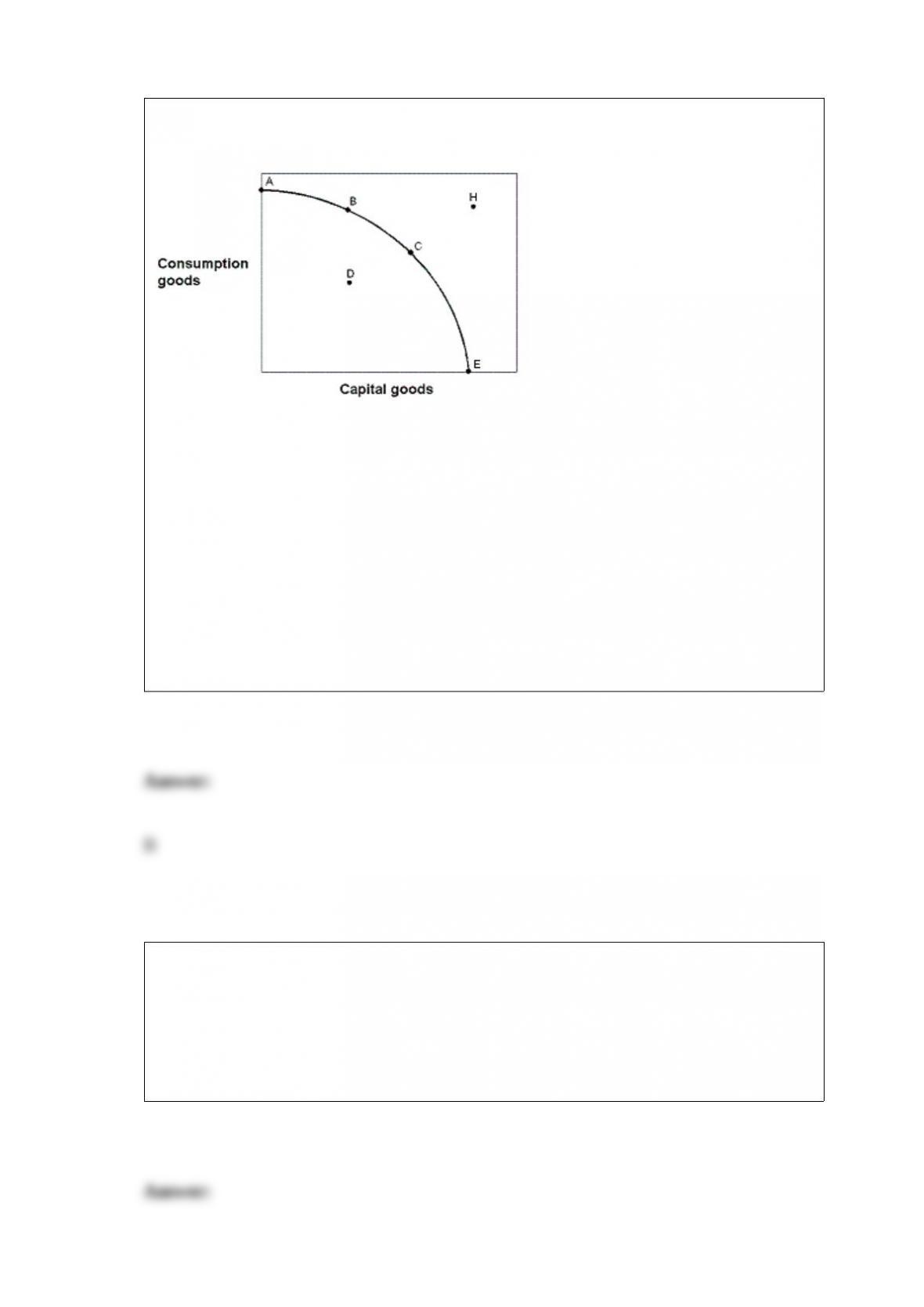
Exhibit 2-13 Production possibilities curve
In Exhibit 2-13, which of the following is not true regarding point H? Point H:
a. cannot be achieved by this economy today.
b. could be achieved today if the economy only achieved full employment.
c. could be achieved in the future by an enlargement of the economy’s resource base.
d. could be achieved in the future by an advancement in technology.
e. could be achieved in the future by growth in the economy.
A firm that is a price taker can:
a. substantially change the market price of its product by changing its level of
production.
b. sell all of its output at the market price.
c. sell some of its output at a price higher than the market price.
d. decide what price to charge for its product.