
1) most of the world’s population now lives in countries that are:
a.integrated into world markets
b.becoming integrated into world markets
c.near poverty
d.a and b
2) small countries tend to have higher measures of openness than larger countries
because:
a.their productivity is higher
b.they are more reliant on international trade
c.they are less reliant on international trade
d.they are more diverse
3) for the united states, a foreign trade zone (ftz) is
a.a site within the united states
b.a site outside the united states
c.always located in poorer developing countries
d.is used to discourage trade
4) all of the following are major goals of the international monetary fund except:
a.promoting international cooperation among member countries
b.fostering a multilateral system of international payments
c.making long-term development and reconstruction loans
d.promoting exchange-rate stability and the elimination of exchange restrictions
5) the market power effect of an international joint venture can lead to welfare losses
for the domestic economy unless offset by cost reductions. which type of cost reduction
would not lead to offsetting welfare gains for the overall economy?
a.r&d generating improved technology
b.development of more productive machinery
c.new work rules promoting worker efficiency
d.lower wages extracted from workers
6) the sdr has replaced the dollar, yen, and mark as the key asset of the international
financial system.
a.true
b.false
7) under the price-adjustment mechanism, trade-deficit nations realize price inflation
and a loss of competitiveness while trade surplus nations realize price deflation and an
improvement in competitiveness.
a.true
b.false
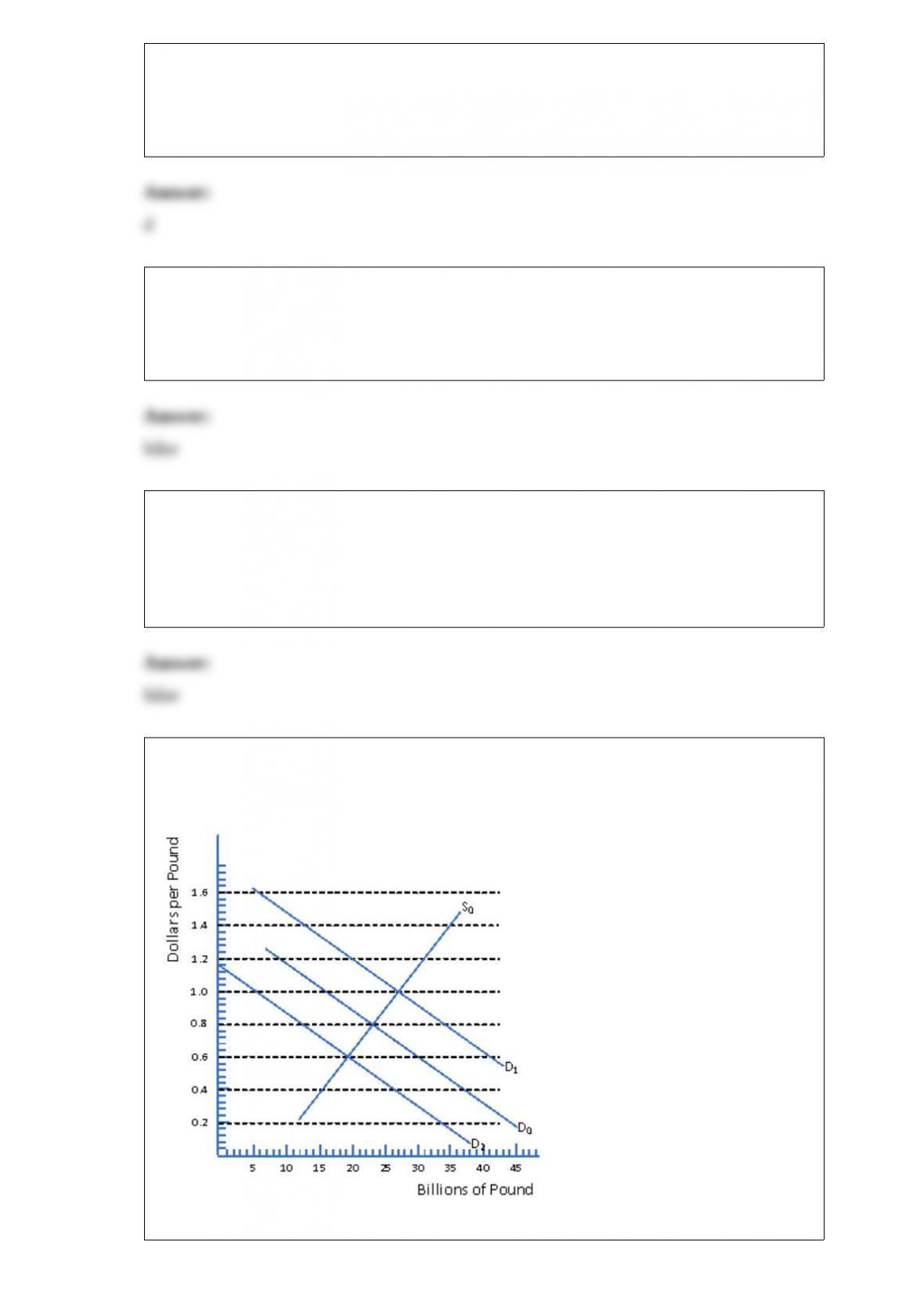
8) figure 15.2market for the british pound
refer to figure 15.2. suppose the united states decreases investment spending in england.
under a floating exchange rate system, the new equilibrium exchange rate would be:
a.$0.40 per franc
b.$0.60 per franc
c.$0.80 per franc
d.$1.00 per franc
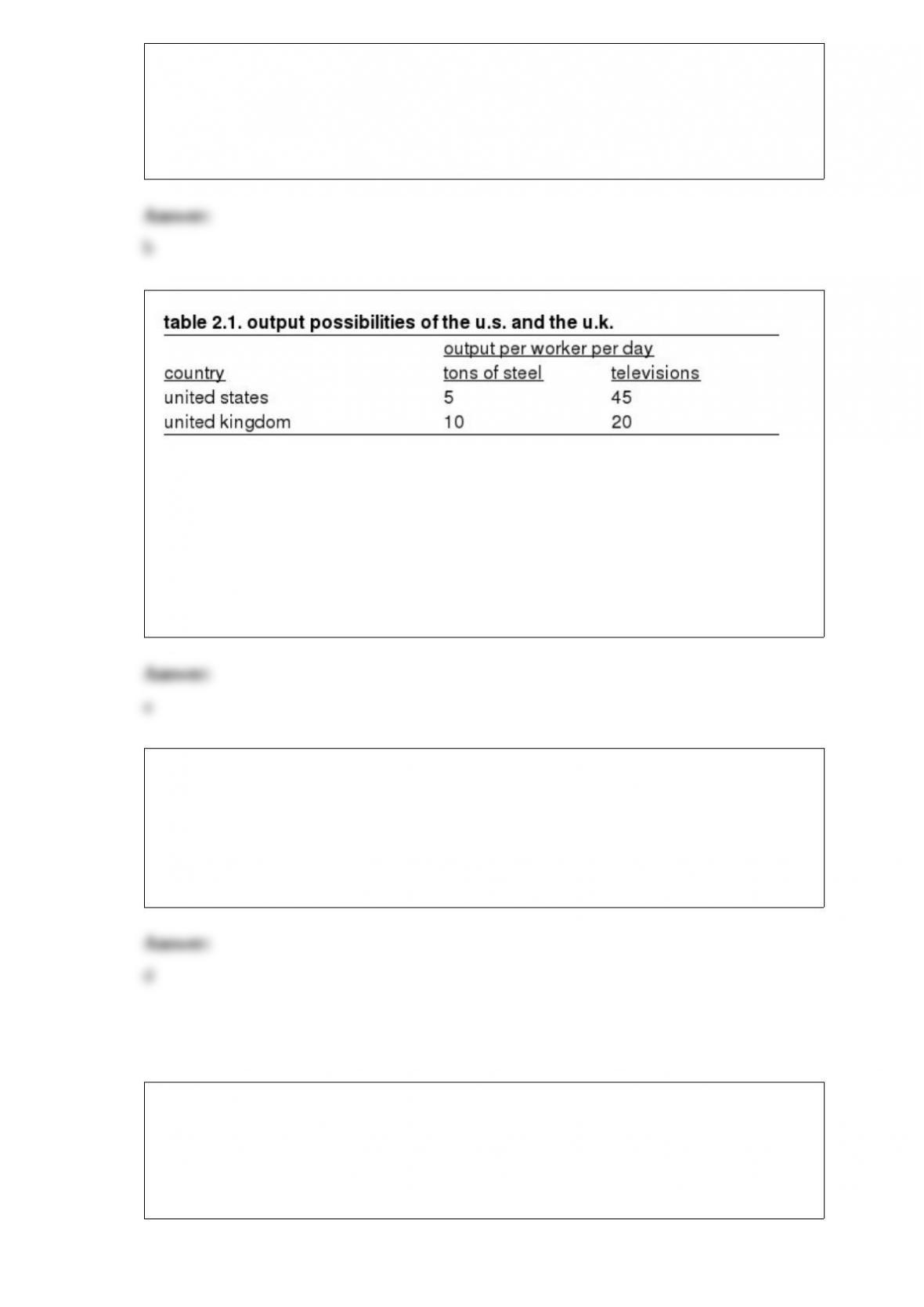
9) referring to table 2.1, the united kingdom has a comparative advantage in the
production of:
a.steel
b.televisions
c.both steel and televisions
d.neither steel nor televisions
10) with floating exchange rates, relatively high productivity growth for a nation leads
to
a.exchange rate depreciation in the short run
b.exchange rate appreciation in the short run
c.exchange rate depreciation in the long run
d.exchange rate appreciation in the long run
11) if japan loses competitiveness in computers, japanese computer workers lose jobs to
foreign computer workers and the wages of japanese computer workers tend to fall
relative to the wages of foreign computer workers.
a.true
b.false
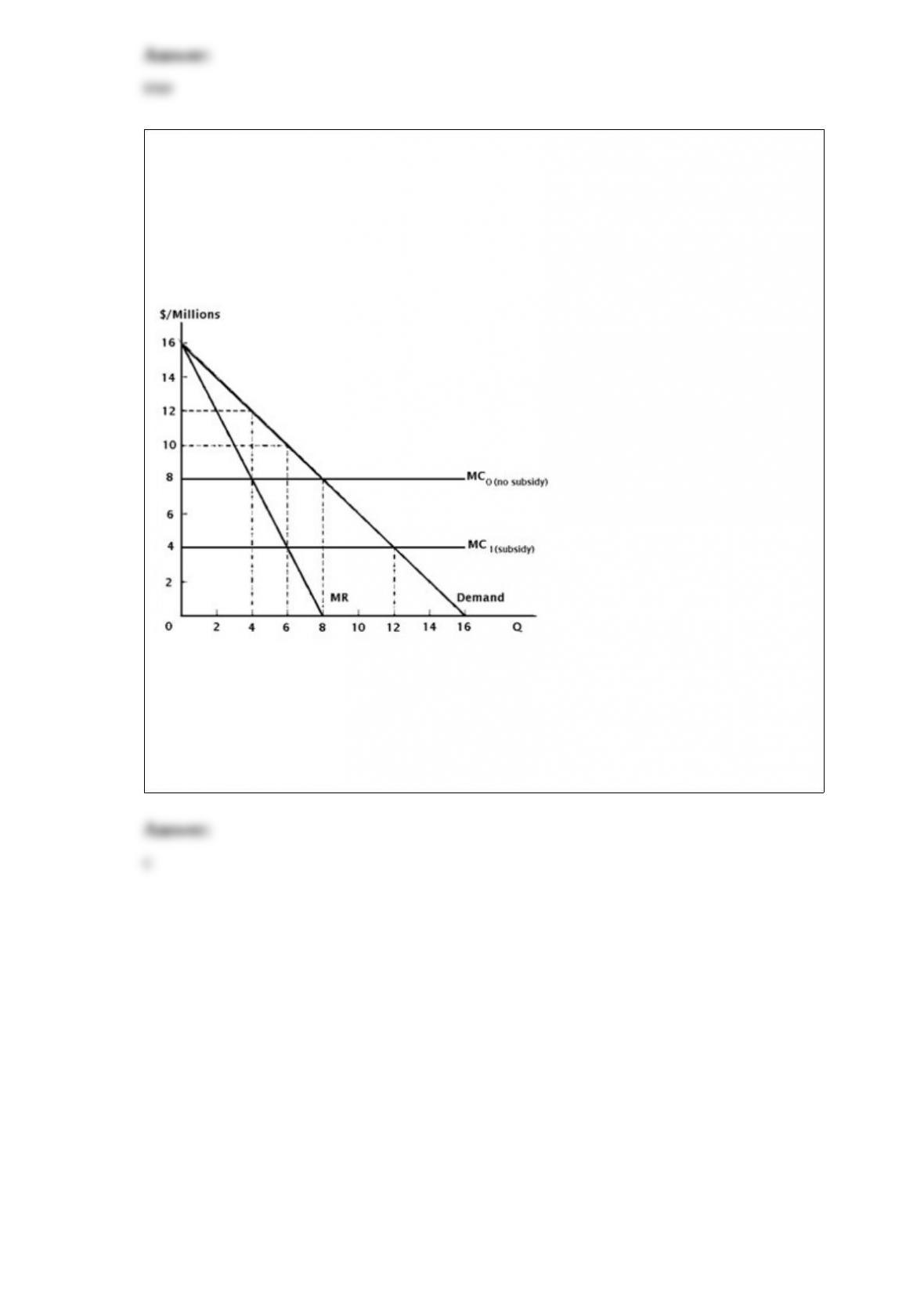
12) assume boeing inc. (of the united states) and airbus industrie (of europe) rival for
monopoly profits in the canadian aircraft market. suppose the two firms face identical
cost and demand conditions, as seen in figure 6.1.
figure 6.1. strategic trade policy: boeing versus airbus
referring to figure 6.1, the total cost of the airbus subsidy to the european taxpayer
equals:
a.$16 million
b.$20 million
c.$24 million
d.$28 million