
The equimarginal rule says that a person will maximize utility by choosing the good for
which the marginal utility is the greatest.
The long-run supply curve for a increasing cost industry is downward sloping.
Suppose that the price elasticity of demand for bagels is 1.60, a 10% increase in price
will decrease the quantity demanded by 6%.
If airlines give passengers under the age of 10 a 25% discount, then this is an example
of price discrimination.

In assessing numerical changes, the brain appears to be naturally inclined to work in
absolute terms rather than percentage terms.
The primary source of smog-causing pollutants is papermill plants.
Consumers can interpret the fact that a product offers a life-time warranty as a sign that
the product is of high quality.
Not practicing limit pricing and allowing entry can hurt an incumbent firm’s profits.
If the price elasticity of demand for pasta is 2 then a 10% increase in the price will
result in a decrease in total revenue.
The model of supply and demand is the most important tool of economic analysis.
The long-run industry supply curve is positively sloped for a decreasing cost industry.
The origin of a graph is the intersection of the two axes, where the value of both
variables is zero.
The price elasticity of supply is measured by dividing the percentage change in price by
the percentage change in quantity supplied.
Using assumptions to make things simpler and focus attention on what really matters is
like using a road map to plan a trip.
People will buy more of an inferior good when their income decreases.

If the opportunity cost of a table is 5 chairs in nation A and 1 chair in nation B, it makes
sense for nation A to produce chairs.
When demand falls, the price charged by a monopoly under an average-cost pricing
policy will fall.
Two goods are substitutes if an increase in the price of one good leads to an increase in
demand for the other.
If the price elasticity of supply is equal to zero, then supply is perfectly inelastic.
Two goods are substitutes if an increase in the price of one good leads to a decrease in
demand for the other.
The free-rider problem is a problem intrinsic to public goods; the good or service is
usually so costly that its provision generally does not depend on whether or not any
single person pays.
States can allow exceptions to Temporary Aid to Needy Families 60 month rule for up
to 20% of recipients.
Compared with average cost at the quantity that an unregulated monopolist would
choose, average costs are higher at the quantity chosen by a monopoly facing an
average-cost pricing policy.
If product prices decrease more than nominal wages decrease, the real value of wages
will increase.
If total revenue is unrelated to price, then demand is unitary elastic.

In a monopolistically competitive market, price will be equal to minimum average total
cost in the long run.
The benefit valuations generated by the dopamine system are cognitively generated.
If the substitution effect of wage increases is greater than the income effect, then the
individual labor supply curve is positively sloped in the short run.
A consumer can afford any combinations of two goods on or below the budget line.
If the reservation price is lower than the discovered price, additional searching by the
consumer is irrational.
Command and control policies are more effective than pollution taxes.
The government uses the buying power of wages rather than face value or nominal
value in reporting changes in “real wages” in the economy.

The signaling effect leads to college graduates earning more because a college degree
signals that a person has learned the required job skills.
Macroeconomics involves the study of the decision-making of individual firms or
individuals.
The merger of two firms selling close substitutes may lead to higher prices.
Recall the Application. The $40,000 franchise fee is a:

A) fixed cost.
B) variable cost from the point of view of the franchise.
C) part of the franchise’s short run profit.
D) part of the franchise’s total revenue.
Because a monopolist has no incentive to control costs under a policy of average-cost
pricing, we can expect:
A) price to increase over time as costs rise.
B) price to fall over time as costs rise.
C) profits to increase over time as costs rise.
D) profits to decrease over time as costs rise.
________ is a simple rule for dealing with a complex situation which provides a “fast
and frugal” decision.
A) A present bias
B) The Nacc

C) Cognitive response
D) Heuristic
Scenario 8.1: Ana used to work for a Advertising agency where she earned a yearly
salary of $60,000. She got tired of working for another company so she opened his own
Advertising company. Ana now pays her designer $40,000 per year and spends $25,000
for rent and utilities. She earns $120,000 in annual revenue.
Refer to Scenario 8.1. Ana’s opportunity cost of running her own business is:
A) $30,000.
B) $60,000.
C) $65,000.
D) $120,000.
When economies of scale are present, but are not sufficiently large to generate a natural
monopoly, the expected market structure is:
A) monopoly.
B) monopolistic competition.

C) perfect competition.
D) oligopoly.
Assume that butter and margarine are substitutes. When the price of butter increases:
A) the demand for margarine increases.
B) the demand for margarine decreases.
C) the supply of margarine increases.
D) the supply of margarine decreases.
If a consumer buys a good we know that her willingness to pay:
A) is greater than its price.
B) is less than its price.
C) is equal to its price.
D) is either greater than or equal to its price.

Increasing cigarette prices has an impact on teenagers’ consumption. Therefore,
decreasing cigarette prices would:
A) increase teenagers’ consumption.
B) allow for more law enforcement.
C) reduce teenagers’ consumption.
D) increase the revenue from cigarette sales.
Recall the Application. Of the following CO2 reduction methods for international
shipping, which has the highest marginal abatement cost (MAC)?
A) weather-sensitive routing
B) switching from diesel to gas-powered engines
C) reducing speed and increasing fleet size
D) installing fixed sails and wings
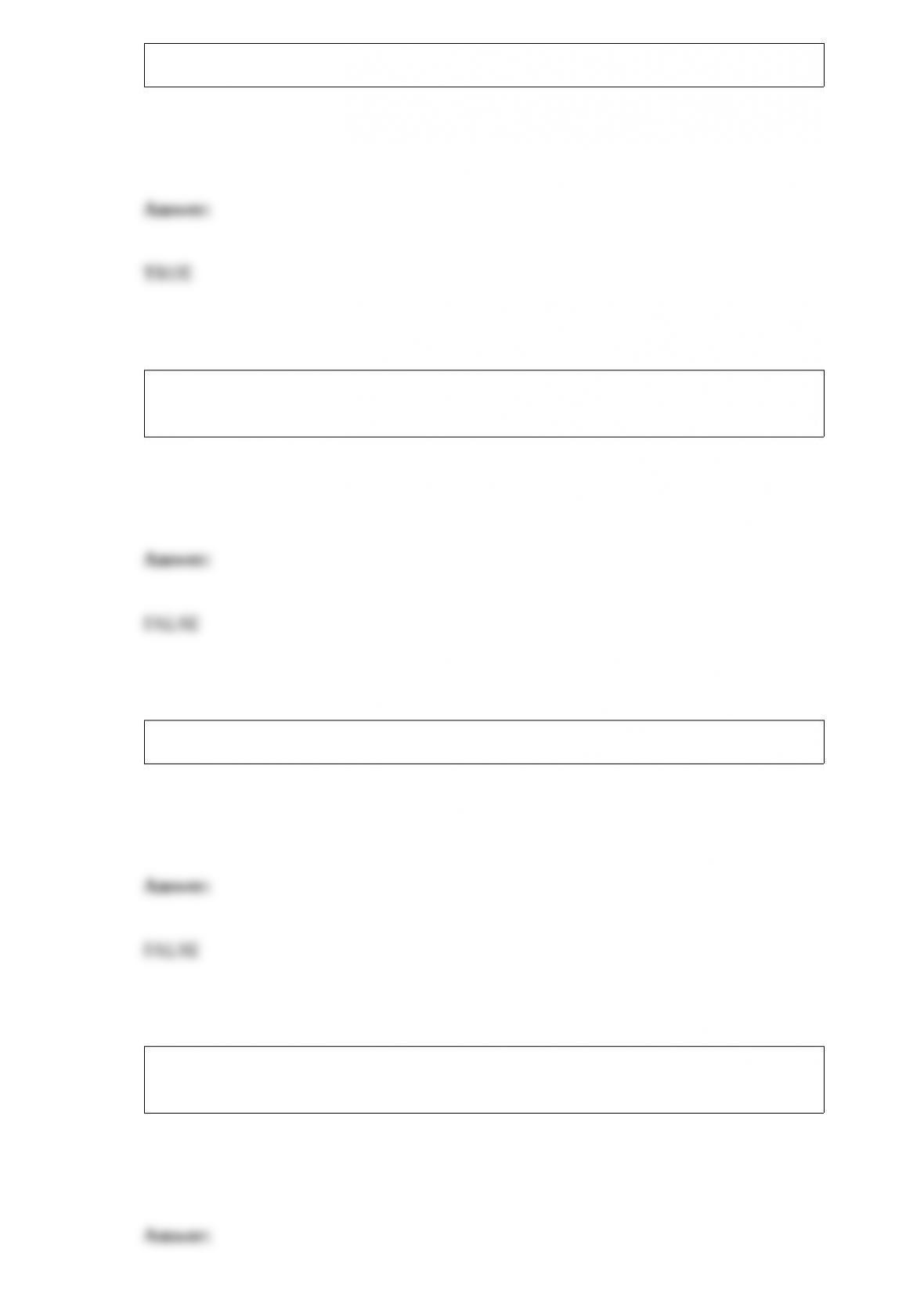
The natural monopoly in Figure 13.3 wants to produce:
A) Q1.
B) Q2.
C) Q3.
D) Q4.
An increase in the amount of subsidies that a public university receives would result in:
A) an upward movement along the supply curve for college classes.
B) an downward movement along the supply curve for college classes.
C) a shift in the supply of college classes to the left.

D) a shift in the supply of college classes to the right.
Command-and-control policies usually:
A) reduce the production of a polluting good more than do pollution taxes.
B) reduce the production of a polluting good less than do pollution taxes.
C) increase price less than do pollution taxes.
D) decrease the quantity demanded by less than do pollution taxes.
For a nation to have a comparative advantage in a good it must have:
A) more resources.
B) better resources.
C) a lower opportunity cost of producing that good.
D) a straight-line production possibilities curve.
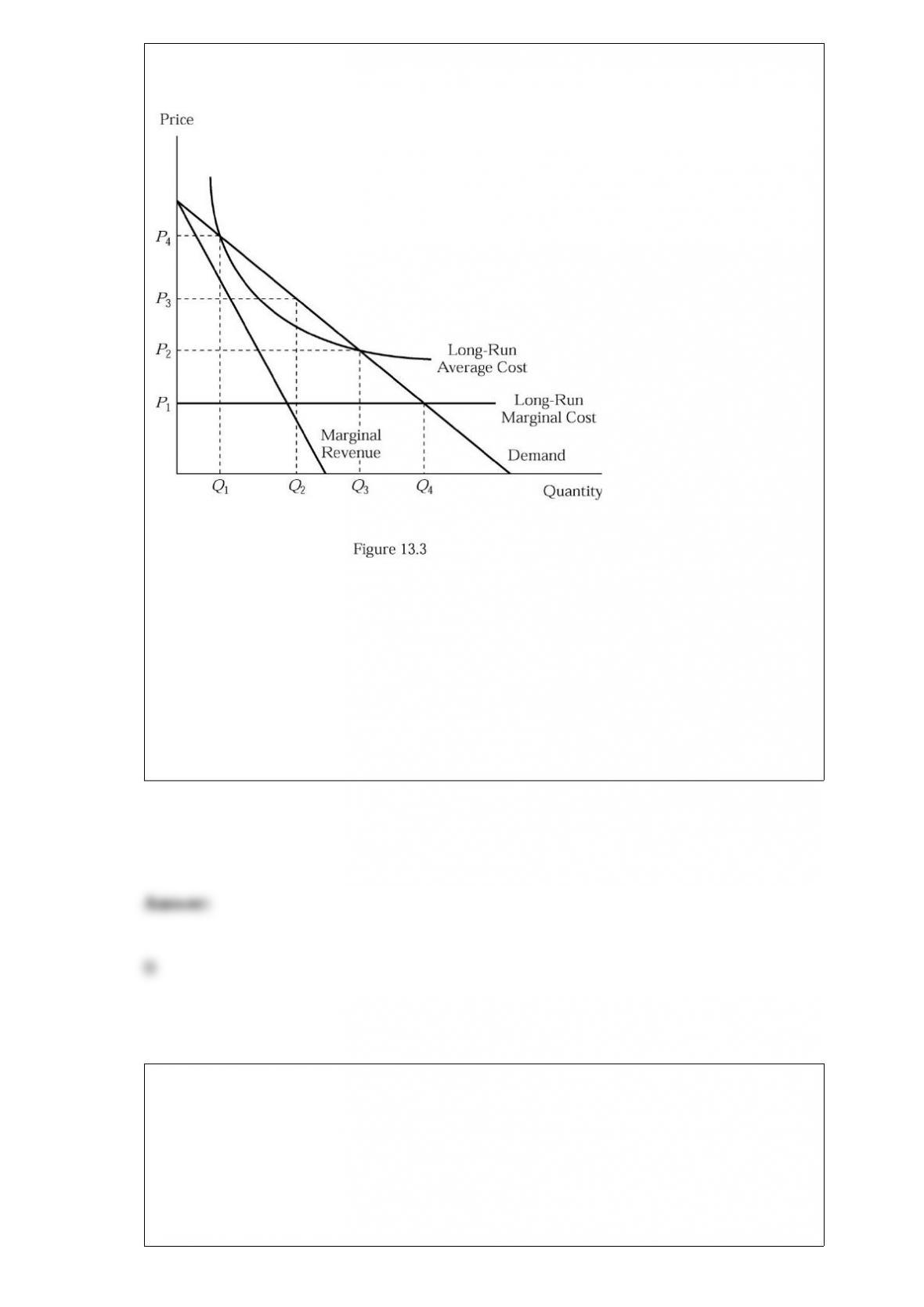
Refer to Figure 7.1. Which of the following are the combinations of movies and T-shirts
that would exhaust the budget?
A) A and E
B) C and F
C) D and E
D) A and G
If the demand for jelly increases, and the price of grapes (used to make jelly) rises:
A) the equilibrium price of jelly rises and the equilibrium quantity of jelly might rise or
fall.
B) the equilibrium price of jelly falls and the equilibrium quantity of jelly might rise or
fall.

C) the equilibrium price of jelly falls and the equilibrium quantity of jelly rises.
D) the equilibrium quantity of jelly falls and the equilibrium price of jelly might rise or
fall.
Spending money on a fixed budget is an example of:
A) the principle of opportunity cost.
B) how to survive with unlimited financial resources.
C) a bad thing to do because you run out of money.
D) living on the edge.
What are some of the reasons why people protest against free trade?
A) People believe that trade can cause income inequality.
B) Trading with other countries, as opposed to self-sufficiency, diminishes our
independence and sovereignty.
C) Trading with other countries causes us to lose our cultural identity.
D) All of the above are correct.
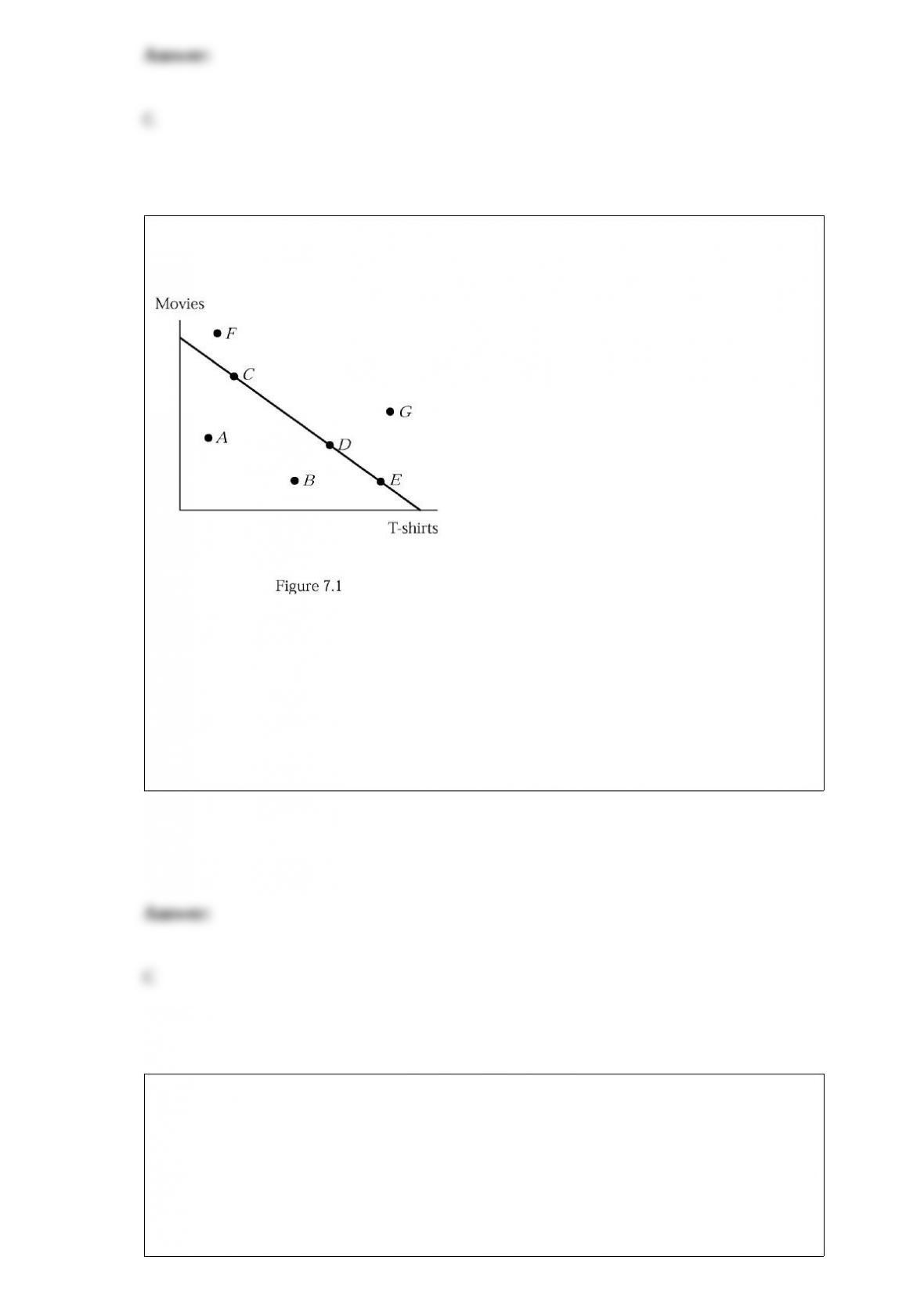
Krystal runs a nail salon and needs to decide how many hours to stay open. Table 2.2
illustrates her marginal costs of staying open for each additional hour.
Table 2.2
Suppose that we observe Krystal staying open 2 hours per day. If she is following the
marginal principle, what must her marginal benefit be?
A) $6
B) $12
C) $15
D) $18
When will firms produce an output level that is above the socially efficient level?

A) There are external costs of production equal to marginal benefits.
B) There are internal costs of production and firms do not have to account for them.
C) There are external costs of production and firms do not have to account for them.
D) There are external costs of production and firms have account for them.
If the ________ is greater than the ________, additional searching by the consumer is
irrational.
A) discovered price; reservation price
B) reservation price; discovered price
C) discovered price; marginal cost
D) reservation price; marginal cost
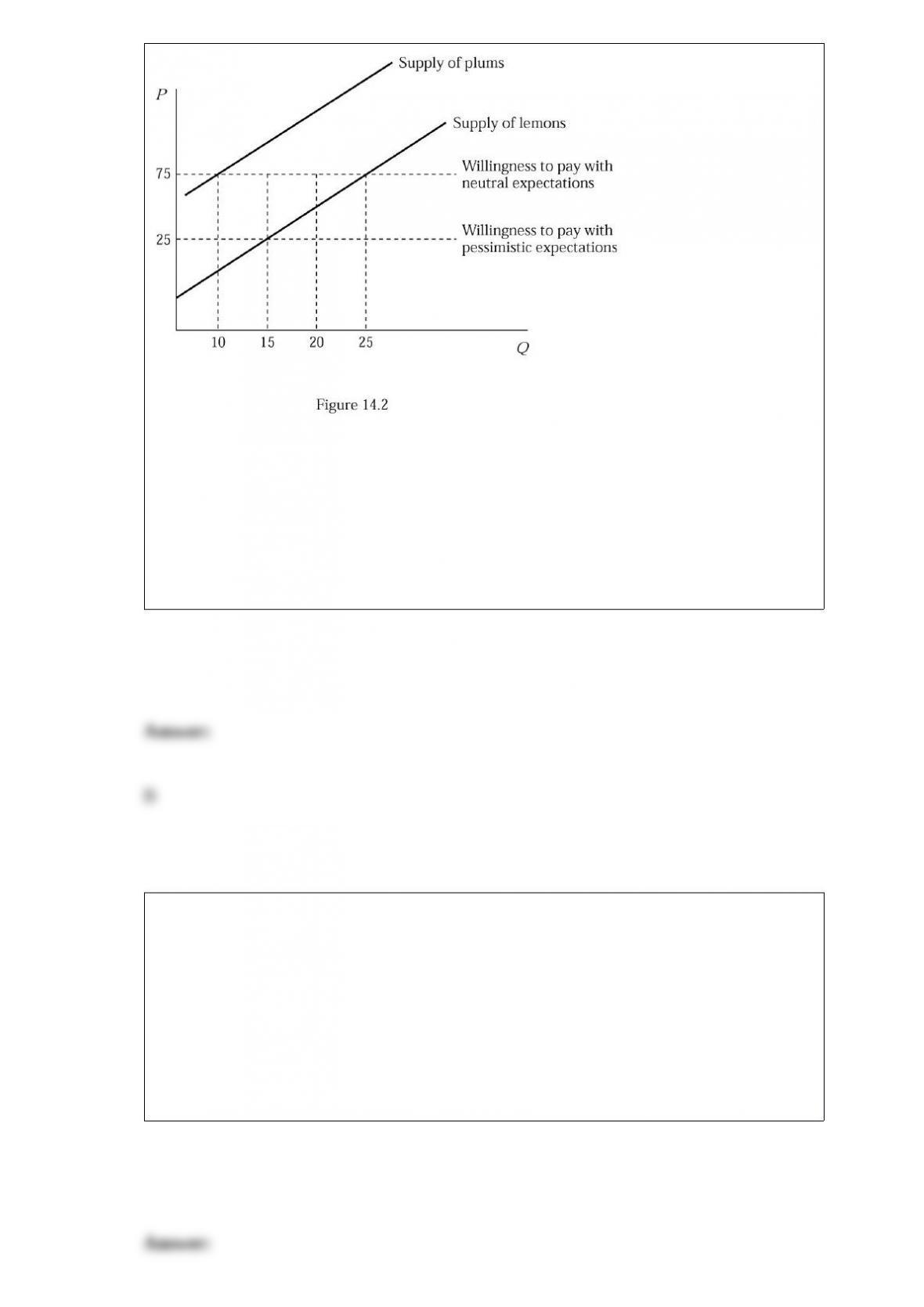
Figure 14.2 represents the market for used cameras. Suppose buyers are willing to pay
$125 for a plum (high-quality) used camera and $25 for a lemon (low-quality) used
camera. If buyers believe that 50% of used cameras in the market are lemons (low
quality), what fraction of used cameras sold will actually be plums (high quality)?
A) 10/25
B) 10/35
C) 25/35
D) None of the cameras sold will be plums.
A harbor lighthouse that guides approaching ships is an example of:
A) a public good.
B) a private good.
C) a monopoly.
D) a good that is rival.

Suppose that when a particular firm decreases its price its total revenue decreases. What
kind of demand does this particular firm face?
A) Demand is price inelastic.
B) Demand is price elastic.
C) Demand is unitary elastic.
D) Demand is perfectly price elastic.
The change in the quantity of labor demanded resulting from a change in the quantity
produced of the product is known as the ________ effect.
A) input-substitution
B) price elasticity
C) output
D) derived demand
Points outside the production possibilities curve represent combinations of products that
are:
A) attainable only if the economy’s resources are fully employed.
B) attainable only if the economy’s resources are not fully employed.
C) attainable if the economy’s resources are either fully employed or not fully
employed.
D) unattainable.
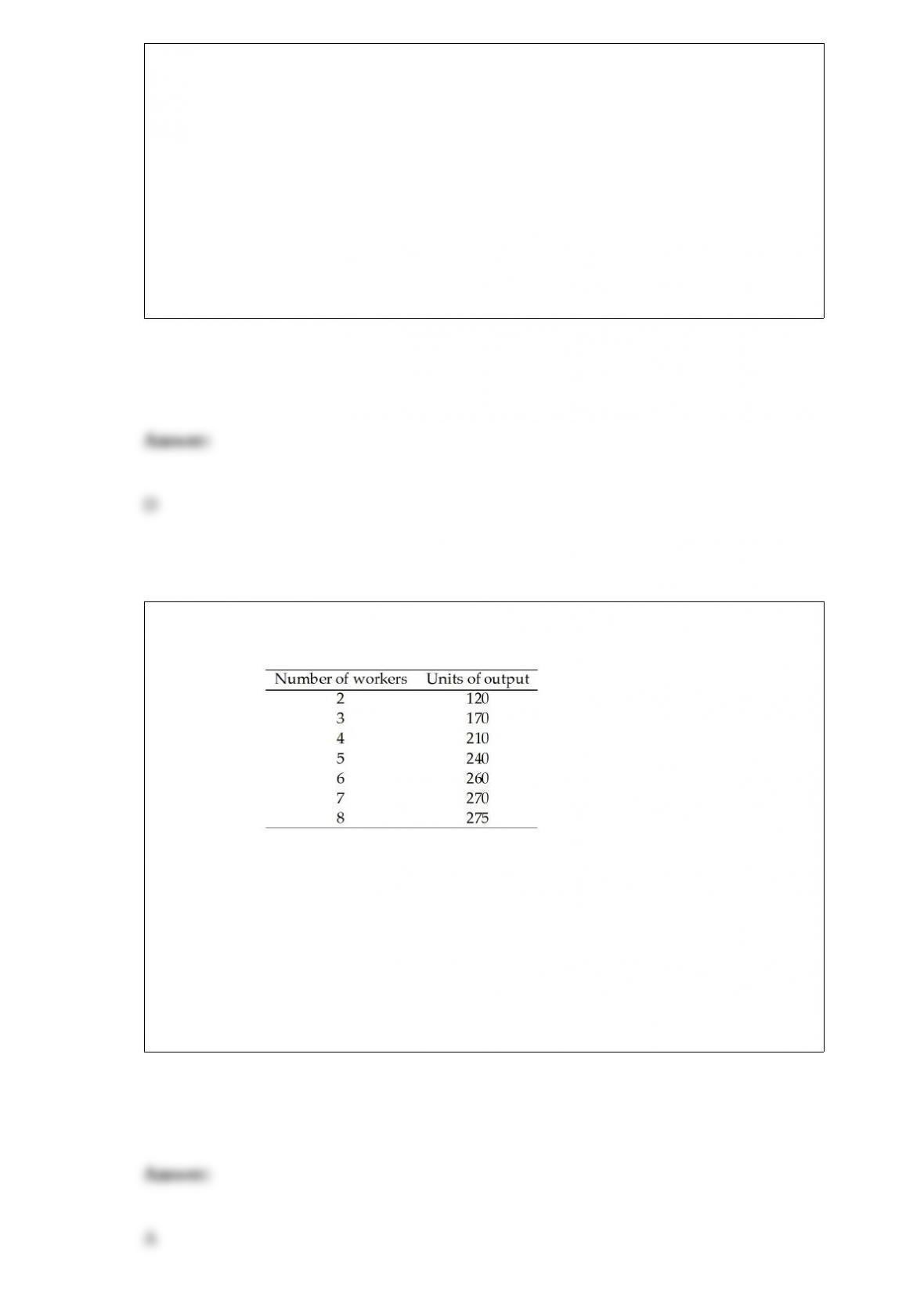
Refer to Table 17.2. If the price of output is $1 per unit and we observe the firm hiring
four workers, if the firm is maximizing profit, the wage rate must be between ________
and ________.
Table 17.2
A) $35; $40
B) $30; $35
C) $45; $60
D) $80; $90

In the Application, which of the following is NOT a way to reduce CO2 emissions in a
country?
A) Improved building insulation.
B) Deforestations
C) Using energy efficient lighting
D) Using hybrid vehicles.
When Mary’s income increases, she purchases fewer hamburgers. We can conclude that
for Mary, hamburger is a(n) ________ good.
A) normal
B) inferior
C) substitute
D) complementary
Table 16.4 shows the production cost for two utilities at different levels of sulfur
dioxide emissions. Assume that the government issued 8 marketable pollution permits
to each firm. If the two firms were to voluntarily trade pollution permits, how many
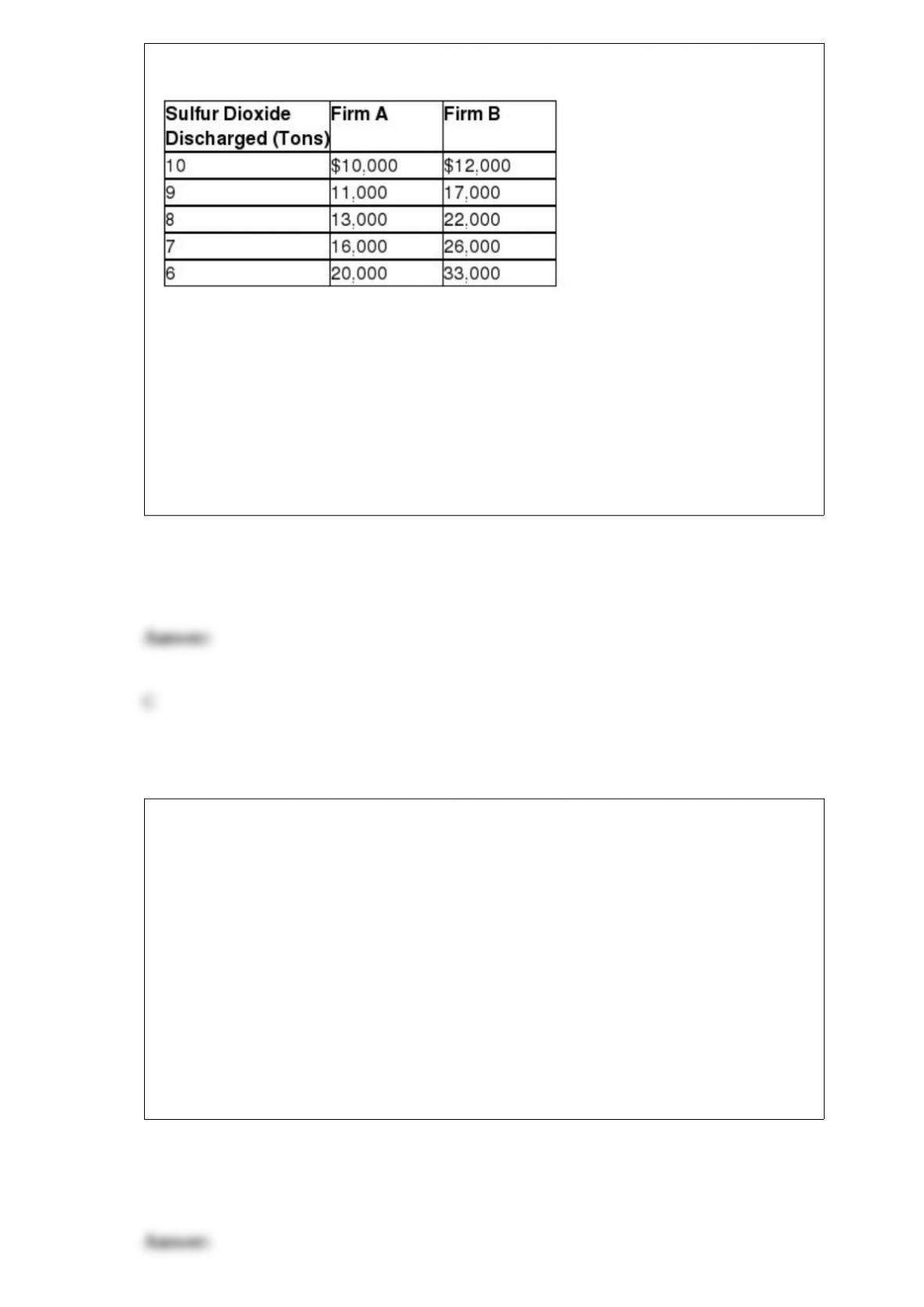
permits would be swapped?
Table 16.4
A) 0
B) 1
C) 2
D) 3
Consider an unregulated monopoly in Figure 13.2. Suppose that a second firm enters
the market. As a result, if a natural monopoly is inevitable in this market:
A) the demand curve facing each firm lies entirely above the long-run average cost
curve.
B) the demand curve facing each firm lies entirely below the long-run average cost
curve.
C) the demand curve facing each firm touches the long-run average cost curve at one
point.
D) none of the above
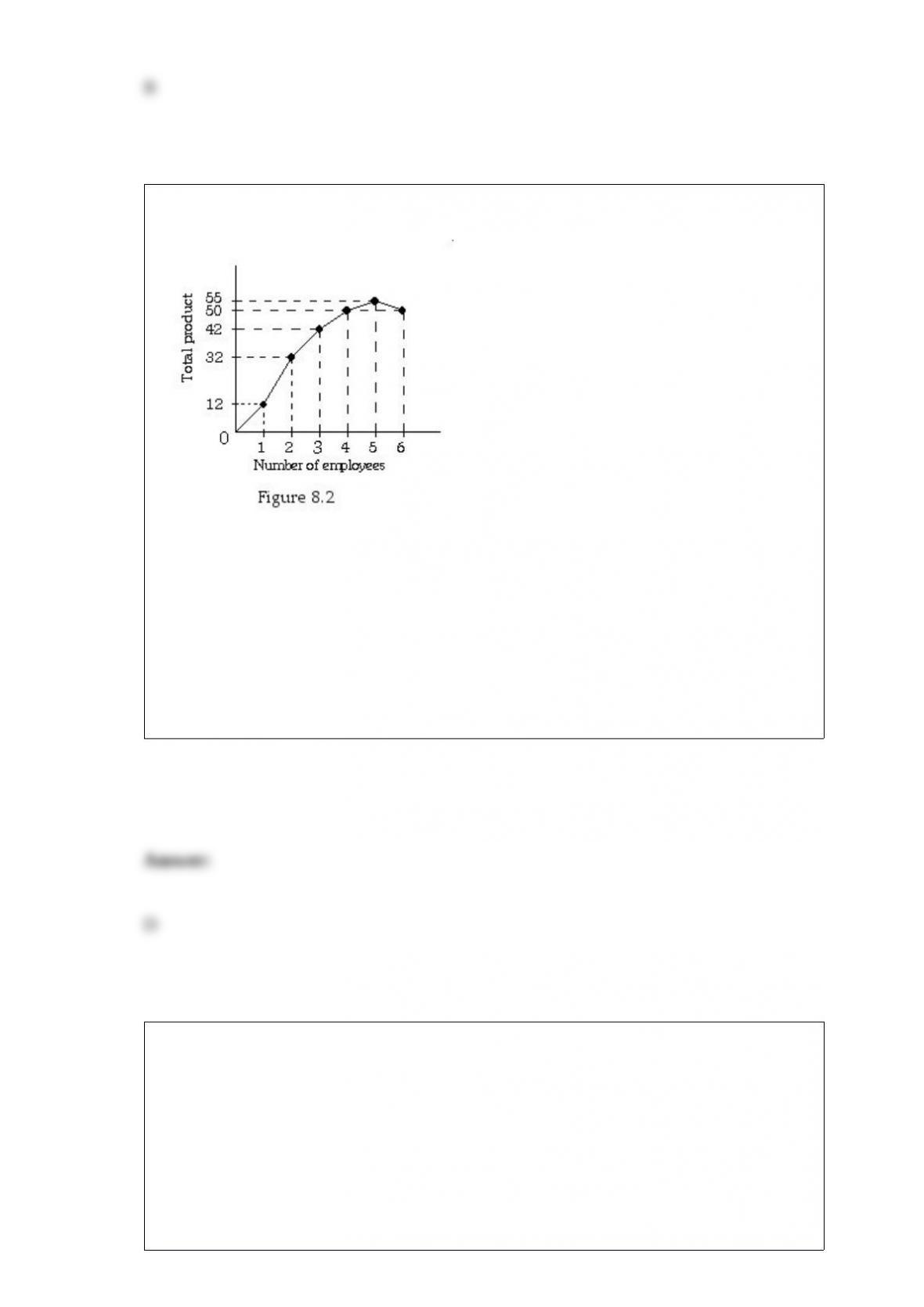
Refer to Figure 8.2. The marginal product of the third worker is ________.
A) forty-two
B) thirty-two
C) twelve
D) ten
If the quantity demanded of peanut butter falls by 12% when income rises by 10%, then
peanut butter is:
A) an inferior good.
B) a normal good.
C) income-elastic demand.
D) both A and C
When the price of milk increases 6%, quantity demanded decreases 4%. The elasticity
for milk is:
A) perfectly elastic.
B) elastic.
C) inelastic.
D) unitary elastic.
The price elasticity of demand for new stereos is 2. Suppose a stereo store wishes to
increase its sales by 15 percent. What should the firm do?
Explain why the marginal cost curve intersects average total cost at the point of
minimum average total cost.
Different people eat different amounts of food when they go to buffet restaurants, even
though they all pay the same price. Explain how this relates to the marginal principle.
Identify markets in which there is an exchange.
Why is it important that a firm have different groups of consumers with different
demand elasticities if it wishes to engage in price discrimination?
A monopolist is a price maker, but is not entirely free to set the price of its product.
Explain.
What is the difference between total utility and marginal utility?
How are percentage changes calculated?
What is price discrimination?
Why do some markets have more firms than others?
Why might trade cause income inequality?
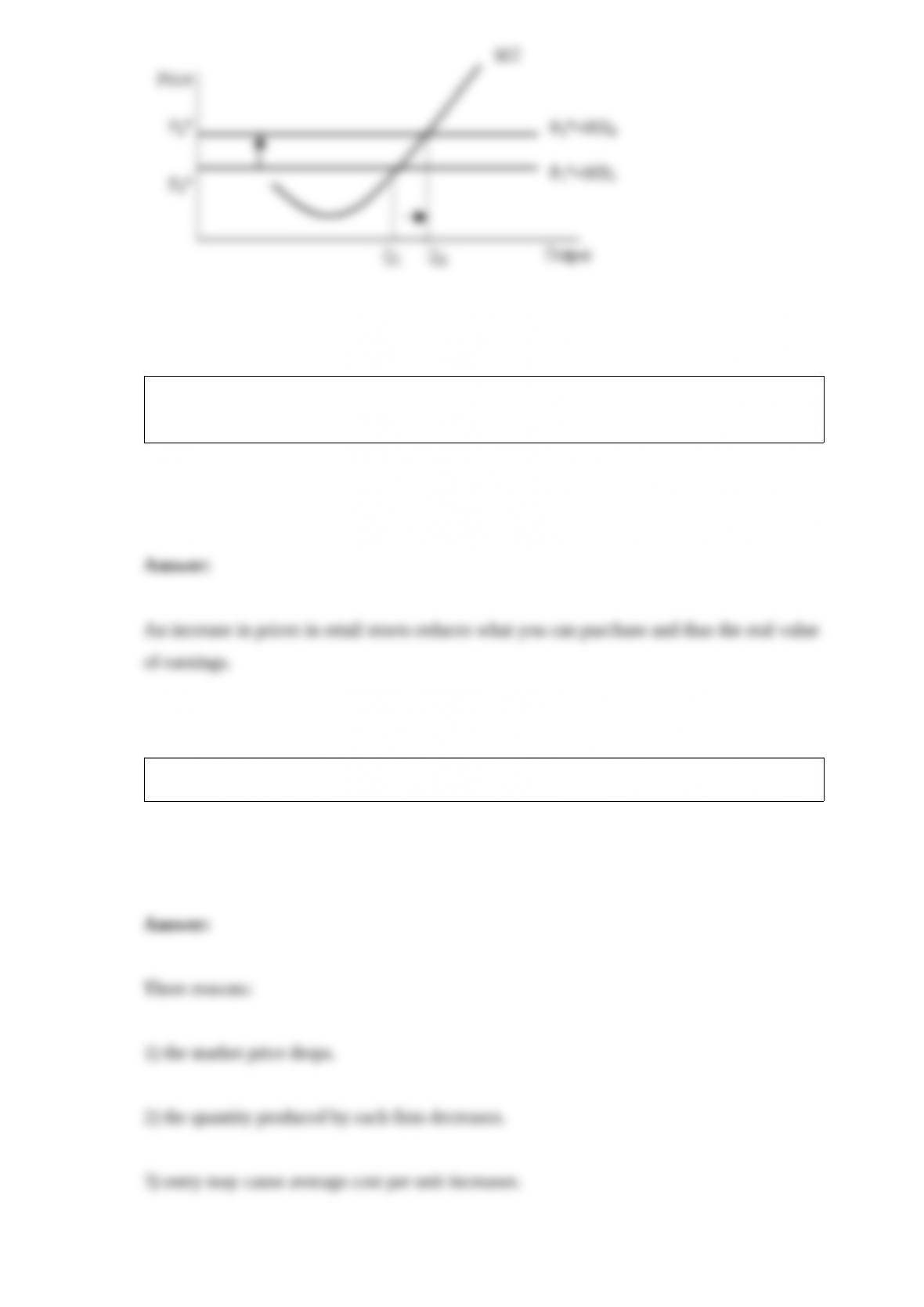
What happens to a firm’s profit-maximizing level of output if the price of the product
rises? Use a graph to explain your answer.
What does an increase in prices in retails stores do to the real value of the money you
earn as wages?
Why does entry into markets decrease firm profits?
What is the greatest difficulty associated with using a tax to correct for an external cost?
Explain.
What is the opportunity cost of investing $10,000 of your own money in a business you
wish to start?