1) After the implementation of TANF, the U.S. welfare rolls fell by more than one-half
between 1996 and 2007.
2) If neither player has an incentive to deviate from the outcome of a game, the
outcome is a Nash equilibrium.
3) Any migration that affects the economies of the countries involved is referred to as
“economic immigration.”
4) Minimum efficient scale varies by industry.
5) Because of the so-called “bundled choice” problem, voters often vote for candidates
that they are not entirely happy with.
6)
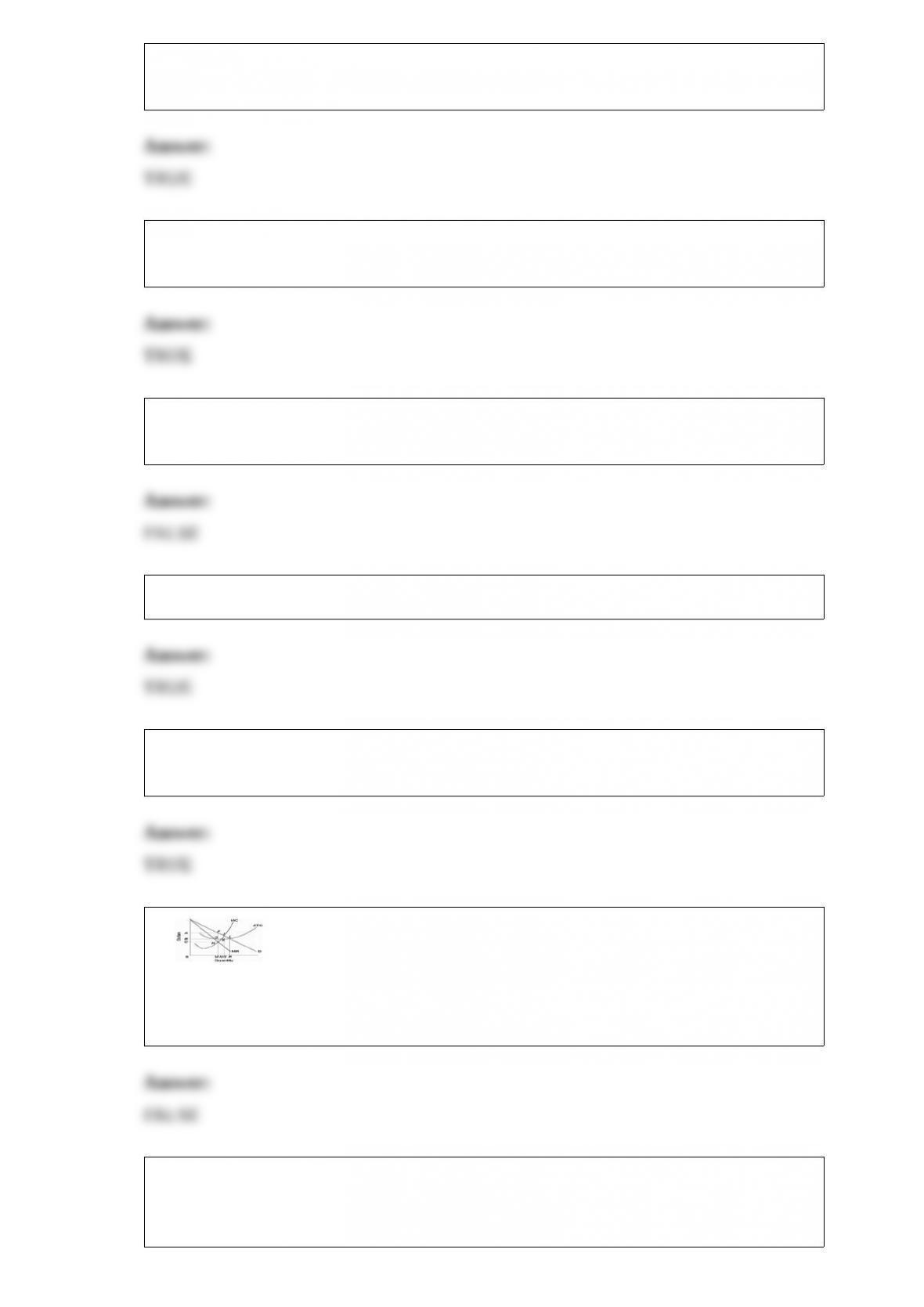
Refer to the diagram for a nondiscriminating monopolist. At output Q production will
be unprofitable.
7) Answer the question on the basis of the following marginal utility data for products
X and Y. Assume that the prices of X and Y are $4 and $2 respectively and that the
consumer’s income is $18.

Refer to the data. If the price of X decreases to $2, then the utility-maximizing
combination of the two products is:
A.2 of X and 5 of Y.
B.4 of X and 6 of Y.
C.6 of X and 3 of Y.
D.4 of X and 5 of Y.
8) Which of the following is illegal under federal labor law?
A.Closed shops.
B.Agency shops.
C.Union shops.
D.State right-to-work laws.
9) Answer the question on the basis of the demand schedule shown below:
Refer to the data. The marginal revenue obtained from selling the third unit of output is:
A.$6.
B.$1.
C.$2.
D.$5.
10)
The simple immigration model assumes that the capital stock is constant in each country. If
this assumption is relaxed, then the:
A.Rise in business income in the high-wage country will increase the return on capital,
which will increase the demand for labor
B.Fall in business income in the high-wage country will decrease the return on capital,
which will increase the demand for labor
C.Rise in business income in the high-wage country will increase the return on capital,
which will decrease the demand for labor
D.Fall in business income in the high-wage country will decrease the return on capital,
which will decrease the demand for labor
11) The human tendency to believe only those data that agree with one’s preconceptions
and ignore other data that contradict the preconceptions is called:
A.Confirmation bias
B.Self-serving bias
C.Overconfidence effect
D.Availability heuristic
12)
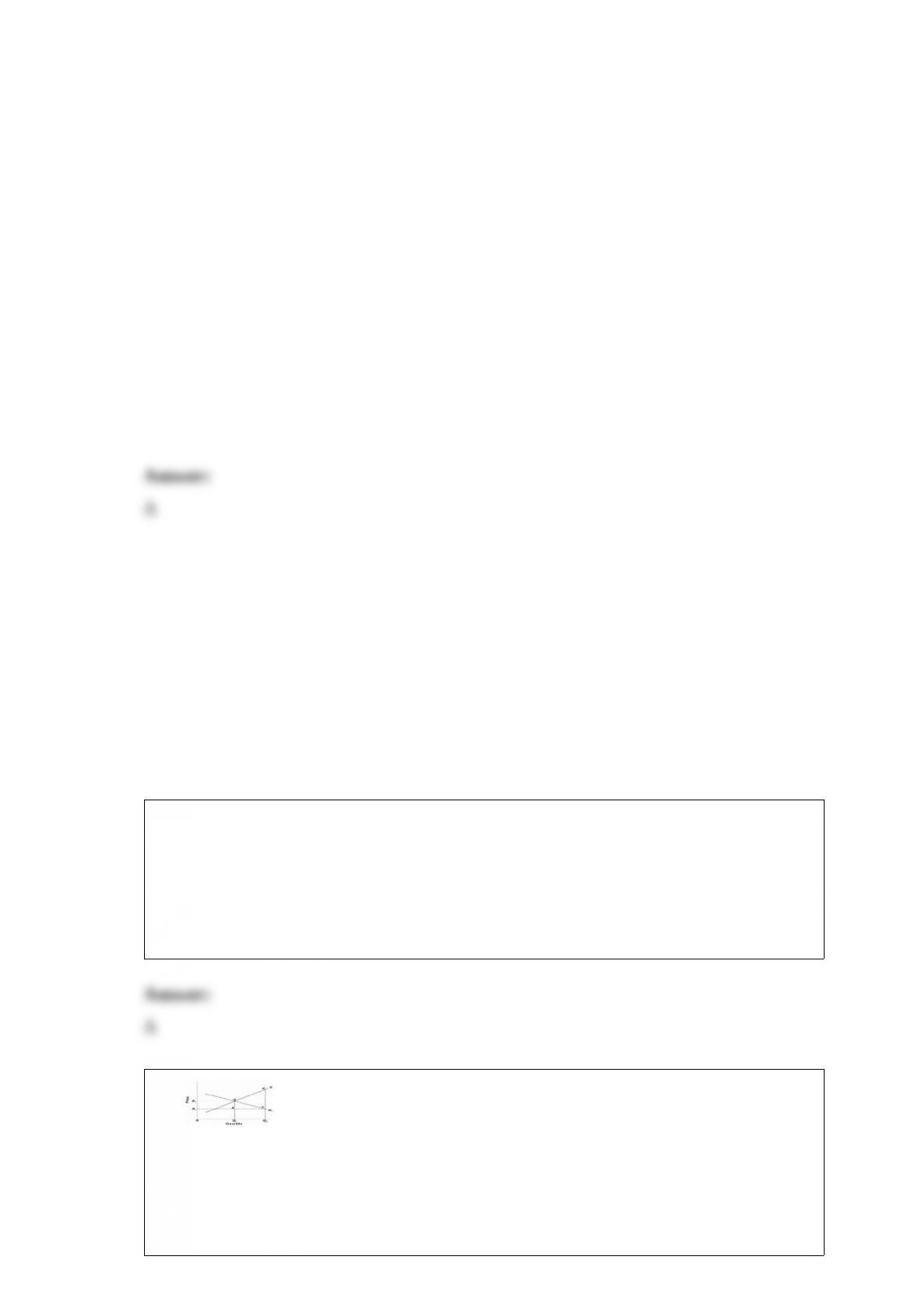
Refer to the demand and supply diagram that relates to the health care market. The
efficiency loss caused by the availability of health insurance is shown by area:
A.P1abP2
B.abc

C.adc
D.Q1acQ2
13) Answer the question on the basis of the following total utility data for products L
and M. Assume that the prices of L and M are $3 and $4 respectively and that the
consumer’s income is $18.
Refer to the data. How many units of the two products will the rational consumer
purchase?
A.3 of L and none of M
B.4 of L and 2 of M
C.3 of L and 5 of M
D.2 of L and 3 of M
14) Which of the following is not one of the five fundamental questions that an
economy must deal with?
A.How will the goods and services be produced?
B.Why should the goods and services be produced?
C.Who is to receive the goods and services produced in the economy?
D.In what ways will progress be promoted?
15)
Refer to the above table. The price of the product being produced by this resource:
A.Is constant at all levels of production
B.Cannot be discerned from the given data
C.Decreases as production increases
D.Increases as production increases
16) Suppose that in 2007, Ford sold 500,000 Mustangs at an average price of $18,800
per car; in 2008, 600,000 Mustangs were sold at an average price of $19,500 per car.
These statements:
A.suggest that the demand for Mustangs decreased between 2007 and 2008.
B.suggest that the supply of Mustangs must have increased between 2007 and 2008.
C.suggest that the demand for Mustangs increased between 2007 and 2008.
D.constitute an exception to the law of demand in that they suggest an upsloping
demand curve.
17)
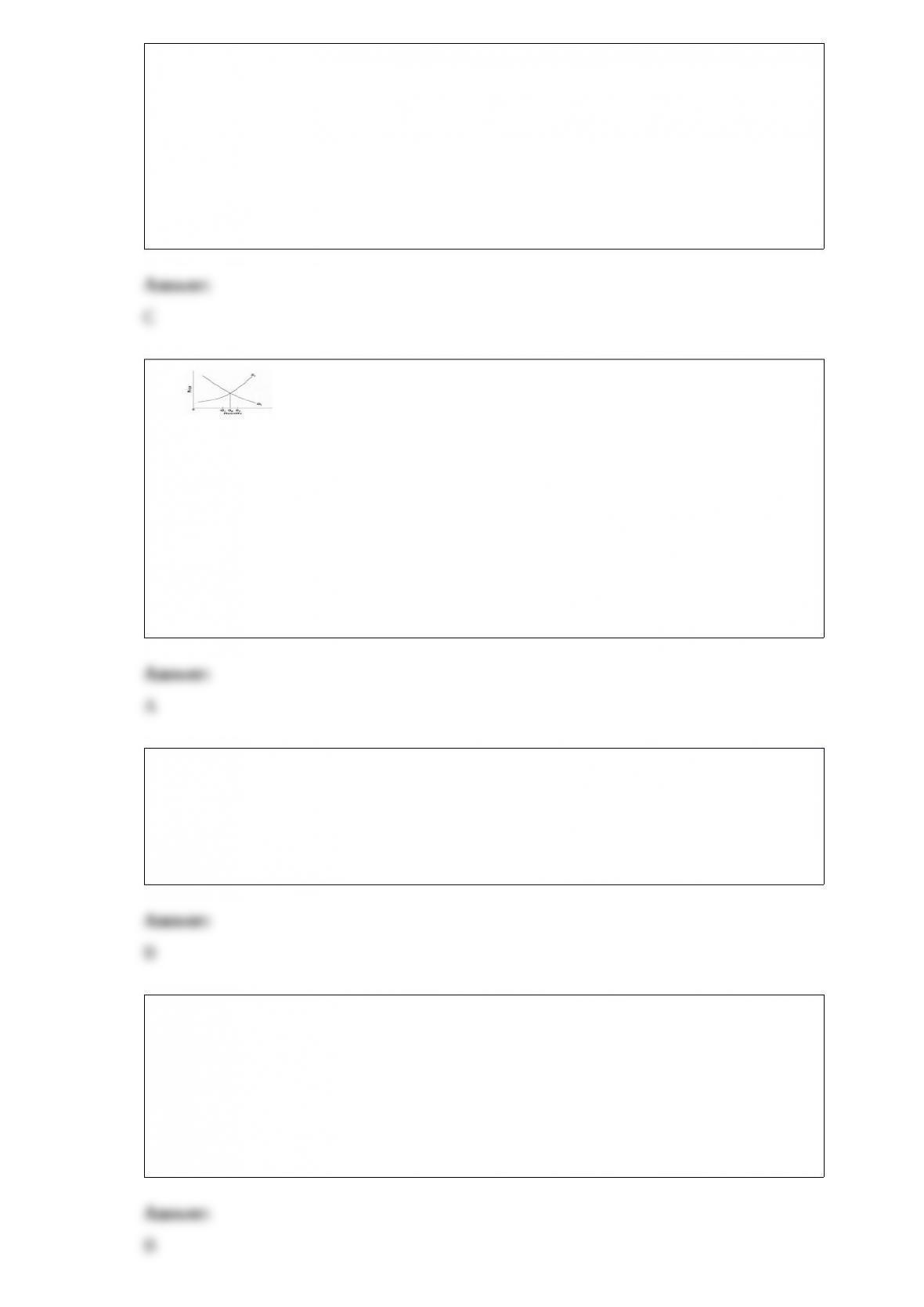
Refer to the diagram of the market for product X. Curve St embodies all costs
(including externalities) and Dt embodies all benefits (including externalities)
associated with the production and consumption of X. Assuming the equilibrium output
is Q2, we can conclude that the existence of external:
A.costs has resulted in an overallocation of resources to X.
B.benefits has resulted in an overallocation of resources to X.
C.costs has resulted in an underallocation of resources to X.
D.benefits has resulted in an underallocation of resources to X.
18) The post hoc fallacy and the correlation problem both relate to:
A.the calculation of marginal costs and marginal benefits of any economic activity.
B.the issue of determining causation.
C.the frequent inability of households and businesses to behave rationally.
D.the trade-off problem associated with competing goals.
19) On January 1, 2010, Alex deposited $5,000 into a savings account that pays interest
of 5 percent, compounded annually. If he makes no further deposits or withdrawals,
how much will Alex have in his account on December 31, 2012 (3 years later)?
A.$5,750.
B.$5,788.
C.$5,813.
D.$5,825.
20) When people convince themselves that they “knew all along” what was going to
happen, when in fact their predictions were incorrect, they suffer from:
A.overconfidence bias.
B.self-serving bias.
C.framing bias.
D.hindsight bias.
21) The short-run instability in the prices of agricultural products arises from the
following factors, except:
A.Inelastic demand for the products
B.Fluctuations in farm outputs
C.Fluctuations in demand for the products
D.Fluctuations in incomes of the farmers
22) Game theory is best suited to analyze the pricing behavior of:
A.pure monopolists.
B.pure competitors.
C.monopolistic competitors.
D.oligopolists.
23) The unlawful misdirection of governmental resources for personal gain is known as:
A.political corruption.
B.logrolling.
C.adverse selection.
D.the special-interest effect.
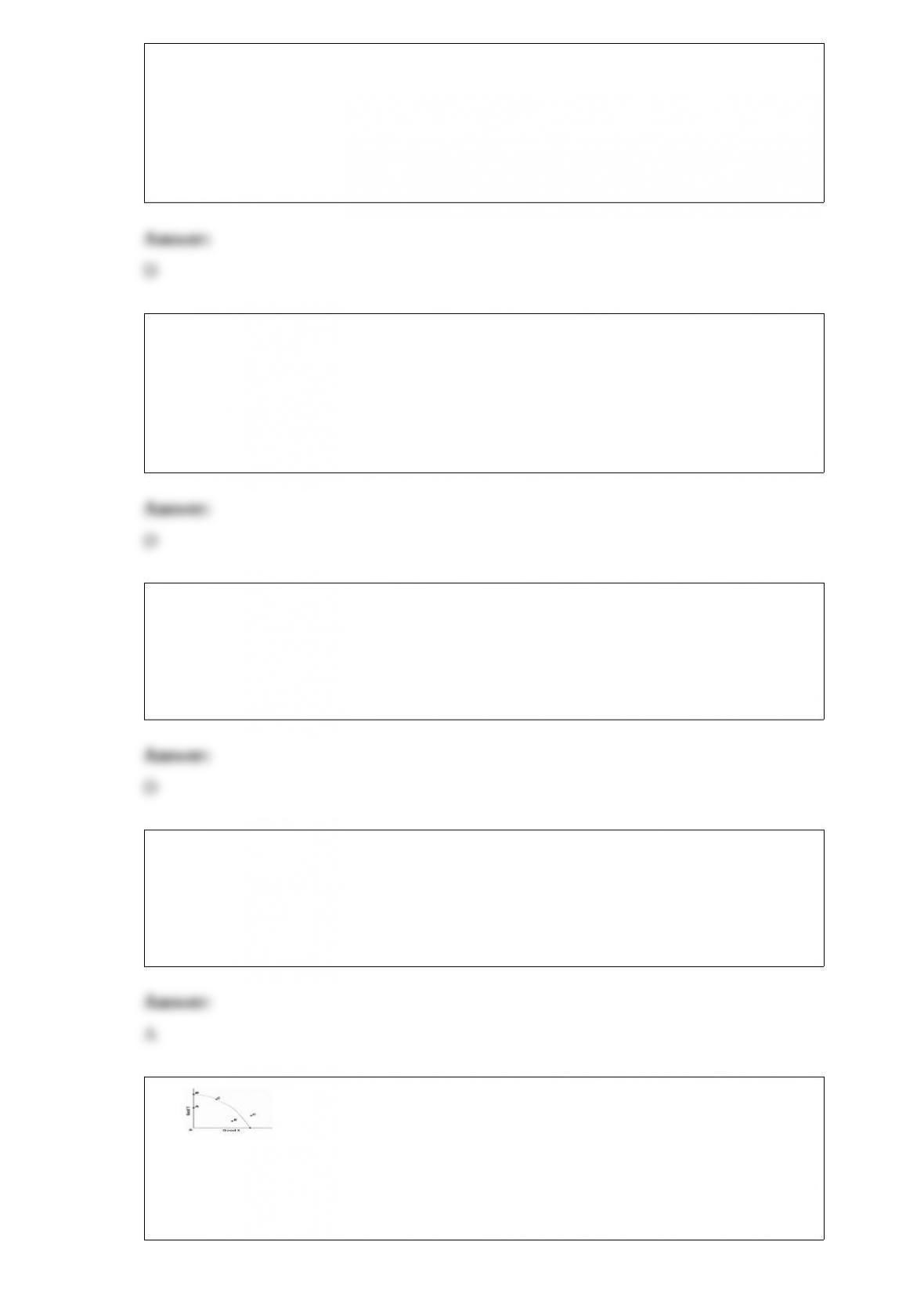
24)
The graph above shows the production possibilities curve for an economy producing
two goods, X and Y. All of the following may allow the economy to produce
combination D in the future, except?
A.Lower unemployment
B.Increasing labor supply
C.Economic growth
D.Technological advances
25) A normal good is one:
A.whose amount demanded will increase as its price decreases.
B.whose amount demanded will increase as its price increases.
C.whose demand curve will shift leftward as incomes rise.
D.for which the consumption varies directly with income.
26) Answer the question based on the following information. Normal University has
found it necessary to institute a crime-control program on its campus to deal with the
high costs of theft and vandalism. The university is now considering several alternative
levels of crime control. This table shows the expected annual costs and benefits of these
alternatives.
Refer to the above information. If Normal University undertakes program
A.Total benefits will be less than total costs
B.Marginal costs will exceed marginal benefits
C.There would be an under-allocation of resources to crime control
D.There would be an over-allocation of resources to crime control
27) Provide an explanation from behavioral economics for why people tend to buy
overpriced warranties for large consumer purchases such as large-screen TVs.
28) Identify the four peculiarities of the health care market.
29) Who are the poor in the United States? How many people and what groups are most
affected by poverty?
30) Why do monopolistically competitive firms spend funds for product differentiation
and advertising when this practice only adds to the firms costs?
31) You would think that if peoples income increased over time, then all industries in
the economy should benefit equally, but this is not the case. Explain why and give
examples.