1) given a two-country world, suppose japan revalues the yen by 15 percent and south
korea revalues the won by 12 percent. this results in:
a.an appreciation in the value of both currencies
b.a depreciation in the value of both currencies
c.an appreciation in the value of the yen against the won
d.a depreciation in the value of the yen against the won
2) if it is widely expected that the british economy will experience more rapid inflation
than the australian economy, the pound will depreciate against the dollar under a system
of floating exchange rates.
a.true
b.false
3) the factor-price-equalization theory is a short-run version of the specific-factors
theory.
a.true
b.false
4) suppose that an american automobile manufacturer establishes foreign subsidiaries to
market the automobiles. this practice is referred to as:
a.forward vertical integration
b.forward conglomerate integration
c.backward vertical integration
d.backward conglomerate integration
5) the u.s. dollar glut of the 1960s was due in part to:
a.an undervalued dollar
b.an overvalued dollar
c.freely floating exchange rates
d.crawling pegged exchange rates
6) economic sanctions are most effective in pressuring the target country to modify its
behavior when the sanctions are imposed by a small number of countries and when the
target country had weak economic ties to the imposing countries before the sanctions
were initiated.
a.true
b.false
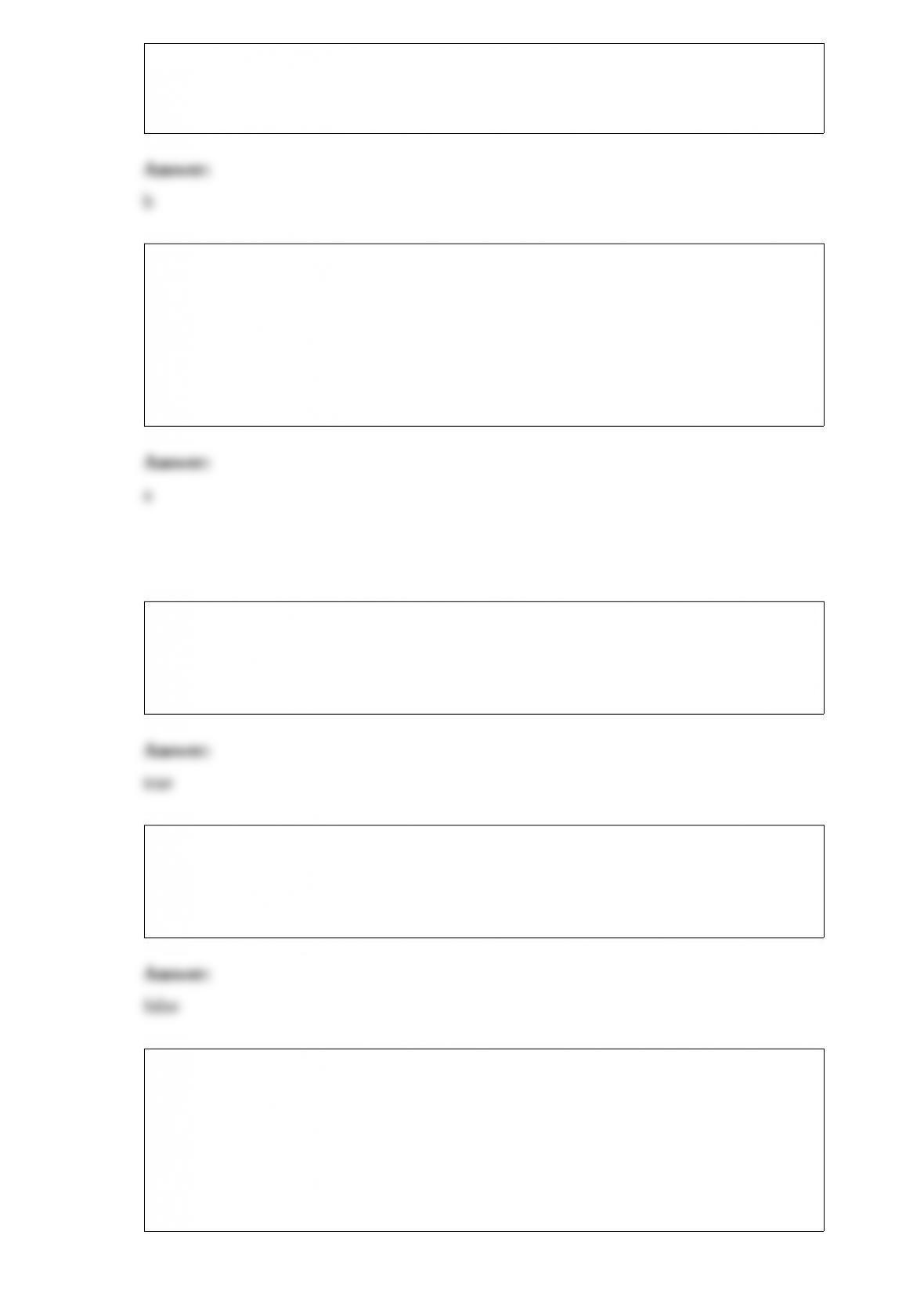
7) figure 5.3 illustrates the apple market for sweden, assumed to be a ‘small” country
that is unable to affect the world price. ssweden is the domestic supply and dsweden is
the domestic demand. ssweden+quota is sweden’s supply schedule with an import
quota.
figure 5.3. sweden’s apple market
consider figure 5.3. the quota leads to a deadweight welfare loss for sweden of an
amount equaling:
a.$0.80
b.$1.60
c.$2.40
d.$3.20
8) assume that country a, in the absence of trade, finds itself relatively abundant in labor
and relatively scarce in land. the factor endowment theory reasons that with free trade,
the internal distribution of national income in country a will change in favor of:
a.labor
b.land
c.both labor and land
d.neither labor nor land
9) the uruguay round of trade negotiations resulted in the general agreement on tariffs
and trade being succeeded by the world trade organization.
a.true
b.false
10) imf drawings, swap arrangements, buffer stock facility, and compensatory financing
for exports are classified as owned reserves rather than borrowed reserves.
a.true
b.false
11) which device has been used by the international wheat agreement to stipulate the
minimum prices at which importers will buy stipulated quantities from producers and
the maximum prices at which producers will sell stipulated quantities to importers?
a.buffer stocks
b.export controls
c.multilateral contracts
d.production controls
12) when the united states, canada, and mexico form a free trade area, and mexico
begins importing a product from canada rather than from the lowest cost world
producer.
a.trade diversion occurs
b.trade creation occurs
c.world welfare rises
d.world welfare falls to zero
13) the first wave of globalization was brought to an end by
a.the great depression
b.the second world war
c.the first world war
d.the smoot-hawley act
14) most industrial countries generally considered ____ as the most important economic
goal.
a.external balance
b.internal balance
c.maximum efficiency for business
d.maximum efficiency for labor