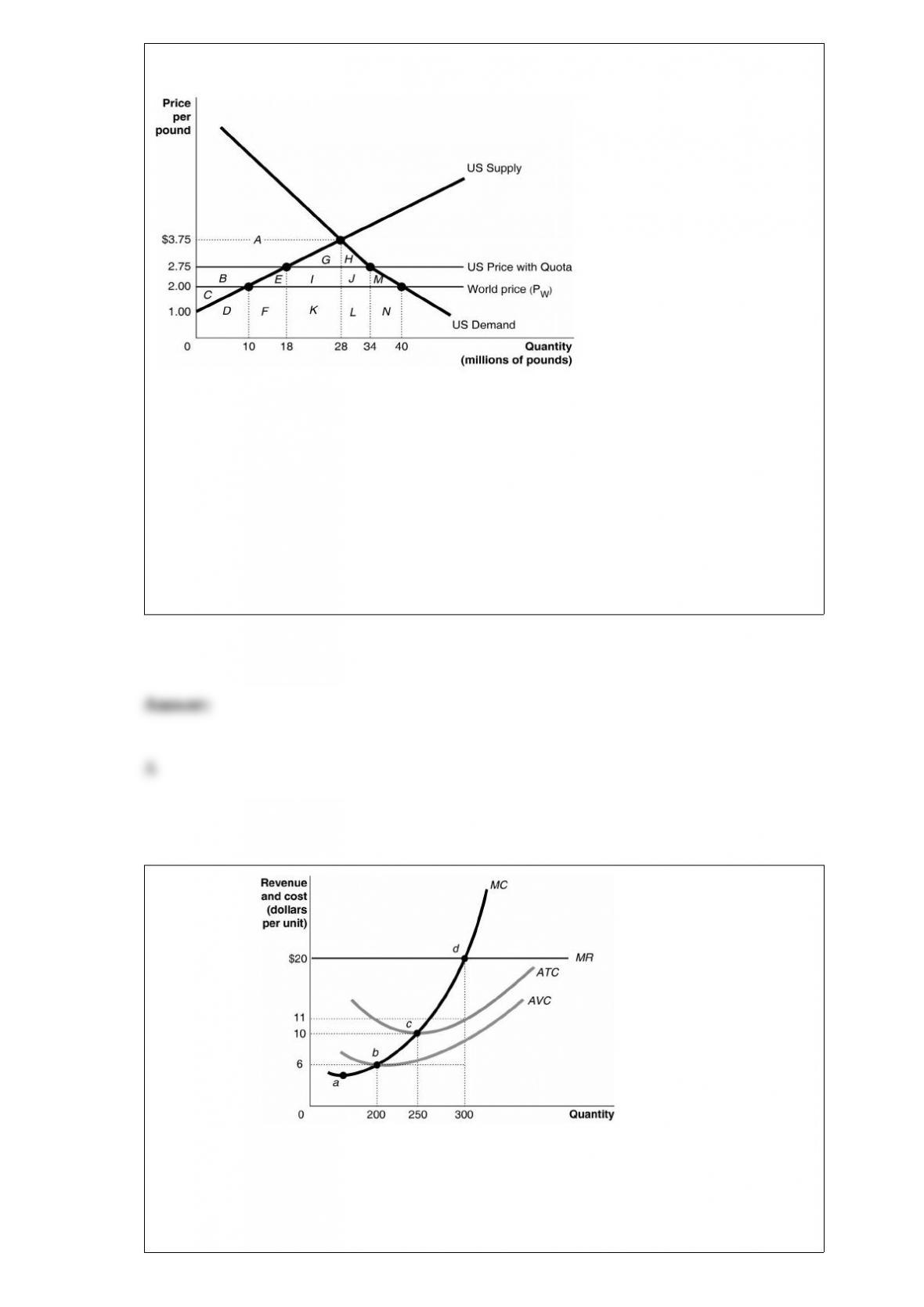
Figure 9-3
Since 1953 the United States
has imposed a quota to limit the imports of peanuts. Figure 9-3 illustrates the impact of
the quota. What is the area of domestic producer surplus without a quota?
A) C
B) C + B
C) A + B + C
D) A + B + C + D
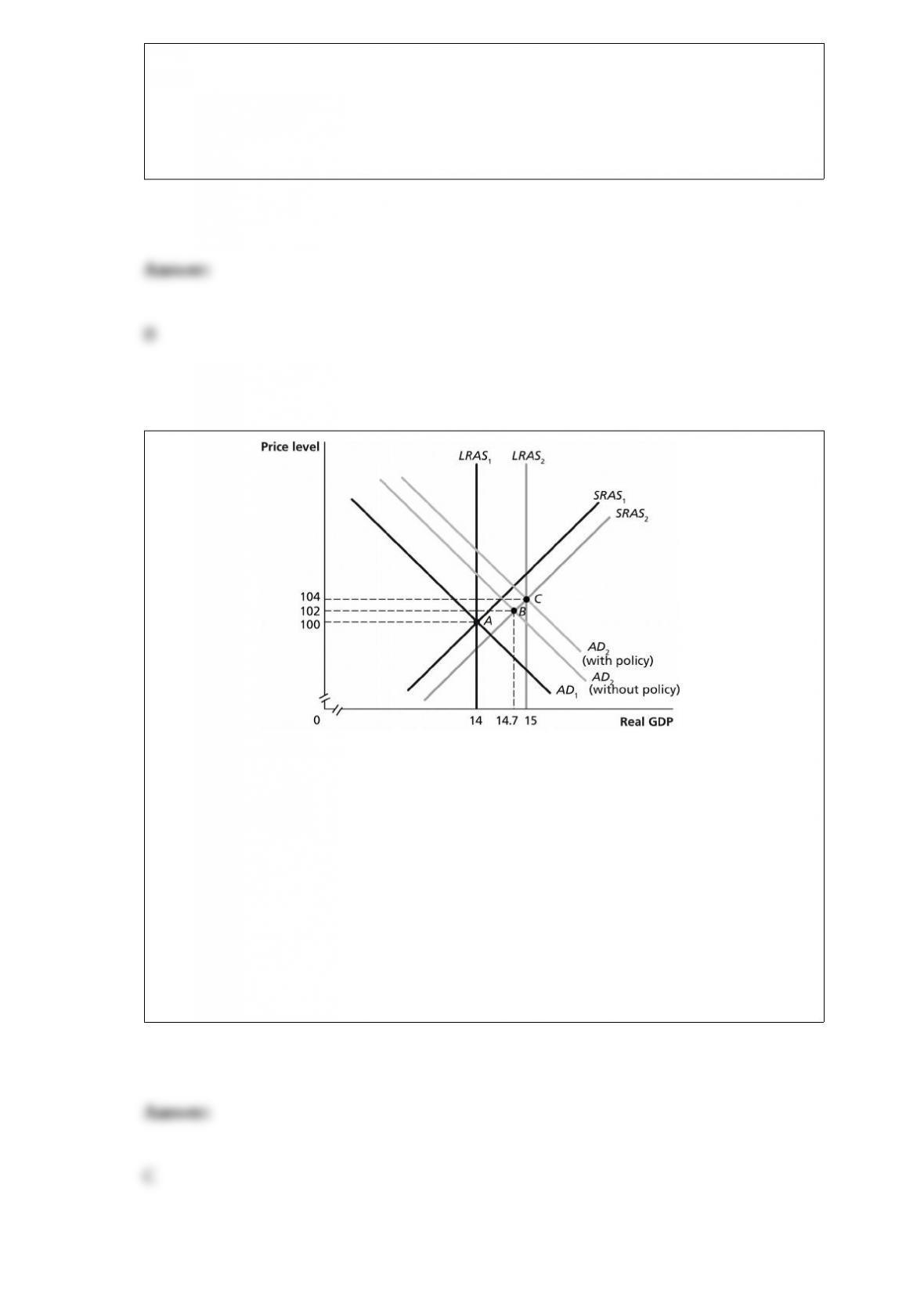
Figure 12-10
The total cost at the profit-maximizing output level equals
A) $4,800.
B) $3,300.
C) $2,500.
D) $1,800.
Figure 15-15
In the figure above, suppose the economy in Year 1 is at point A and expected in Year 2
to be at point B. Which of the following policies could the Federal Reserve use to move
the economy to point C?
A) decrease income taxes
B) increase the required-reserve ratio
C) buy Treasury bills
D) sell Treasury bills
Americans, other than jewelers or rare coin collectors, were not allowed to own gold
from the early 1930s until the
A) 1950s.
B) 1960s.
C) 1970s.
D) 1980s.
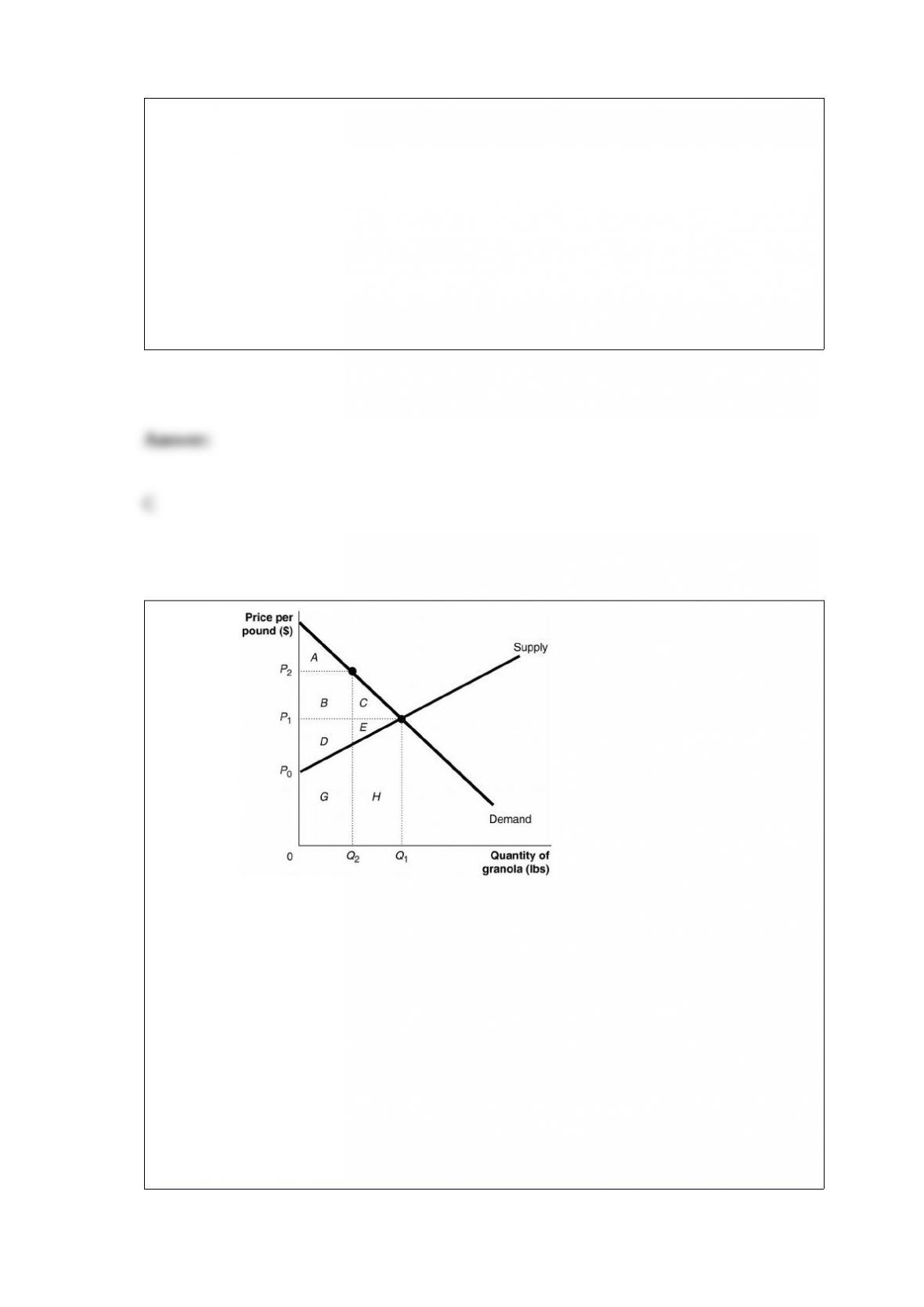
Figure 4-6 Figure 4-6 shows the market for
granola. The market is initially in equilibrium at a price of P1 and a quantity of Q1.
Now suppose producers decide to cut output to Q2 in order to raise the price to P2.
What area represents producer surplus at P2?
A) A + B + D
B) B + D
C) B + D + G
D) B + C + D + E

If the U.S. government implements a tariff on Chinese tire imports, the price of
Chinese-made tires will ________, the quantity demanded will ________, and
consumer surplus will ________.
A) increase; decrease; decrease
B) increase; not change; increase
C) decrease; increase; not change
D) increase; decrease; increase
An example of a seasonally unemployed worker would be
A) a software engineer who is laid off because of declining demand for the software he
writes.
B) a day care provider who quits his job to go back to school.
C) a General Motors employee loses her job because the company is downsizing its
work force.
D) a ski lift operator who loses his job when the snow melts in the spring.
E) a mother who quits her job to stay home with her children.
If the Fed lowers its target for the federal funds rate, this indicates that
A) the Fed is pursuing an expansionary monetary policy.
B) the Fed is pursuing a contractionary monetary policy.
C) the Fed is attempting to combat inflation.
D) the Fed is concerned that the growth in aggregate demand will exceed potential
GDP.
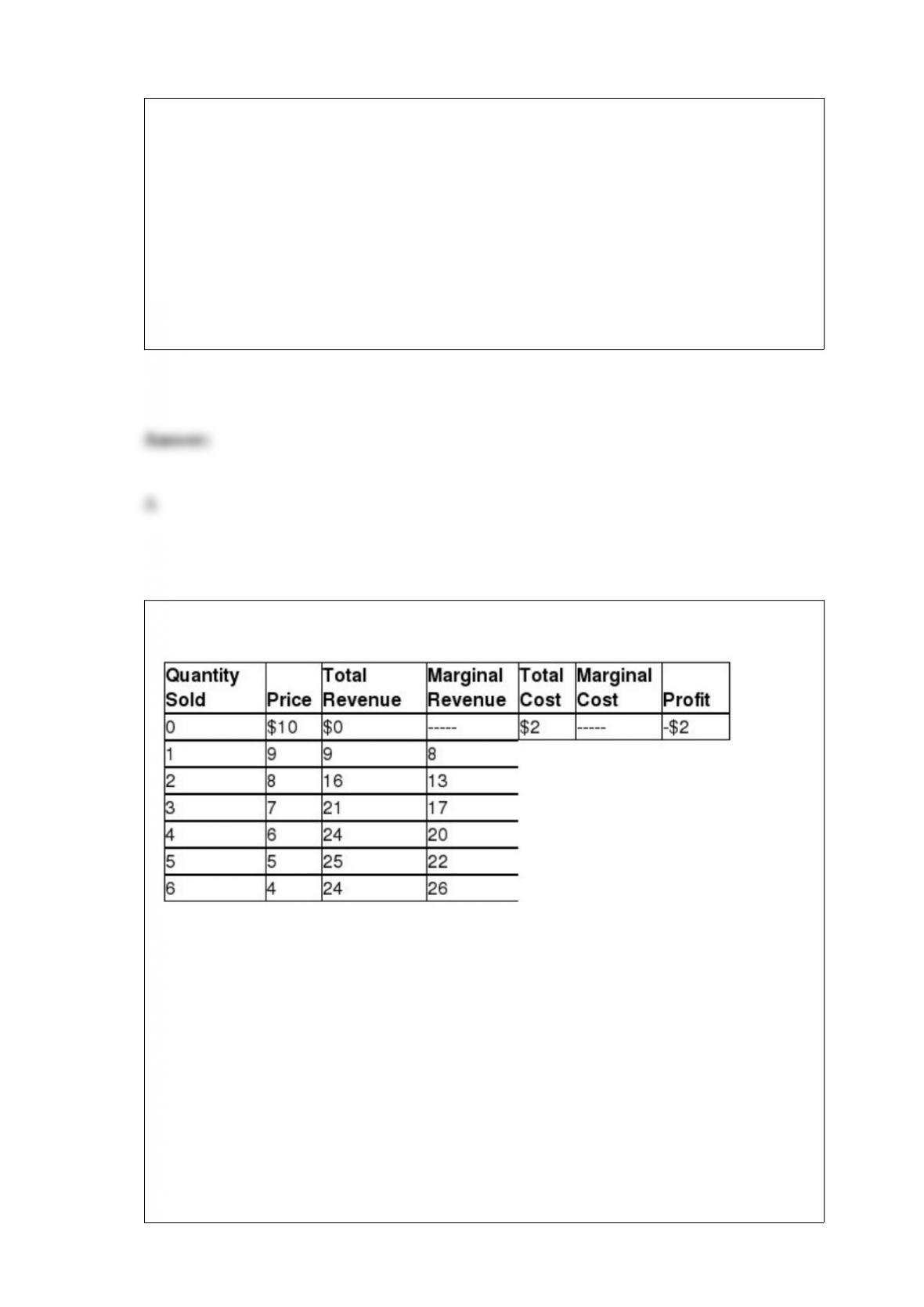
Table 13-4
Table 13-4 lists estimated revenues and costs (per week) for plastic vials (100 vials per
box) for the Victoria Biological Supplies Company. Victoria sells plastic vials to
university and private research laboratories.
Victoria’s profit-maximizing output is where
A) total profit equals $3.
B) marginal revenue and marginal cost both equal $4.
C) marginal revenue and marginal cost both equal $3.
D) marginal cost is at its minimum value.
Foreign direct investment declined worldwide during the recession of 2007-2009. The
decline in foreign direct investment in developing countries can make it more difficult
for these countries to break out of the vicious cycle of low economic growth and
A) overpopulation.
B) low saving and investment.
C) a low import/export ratio.
D) low government spending.
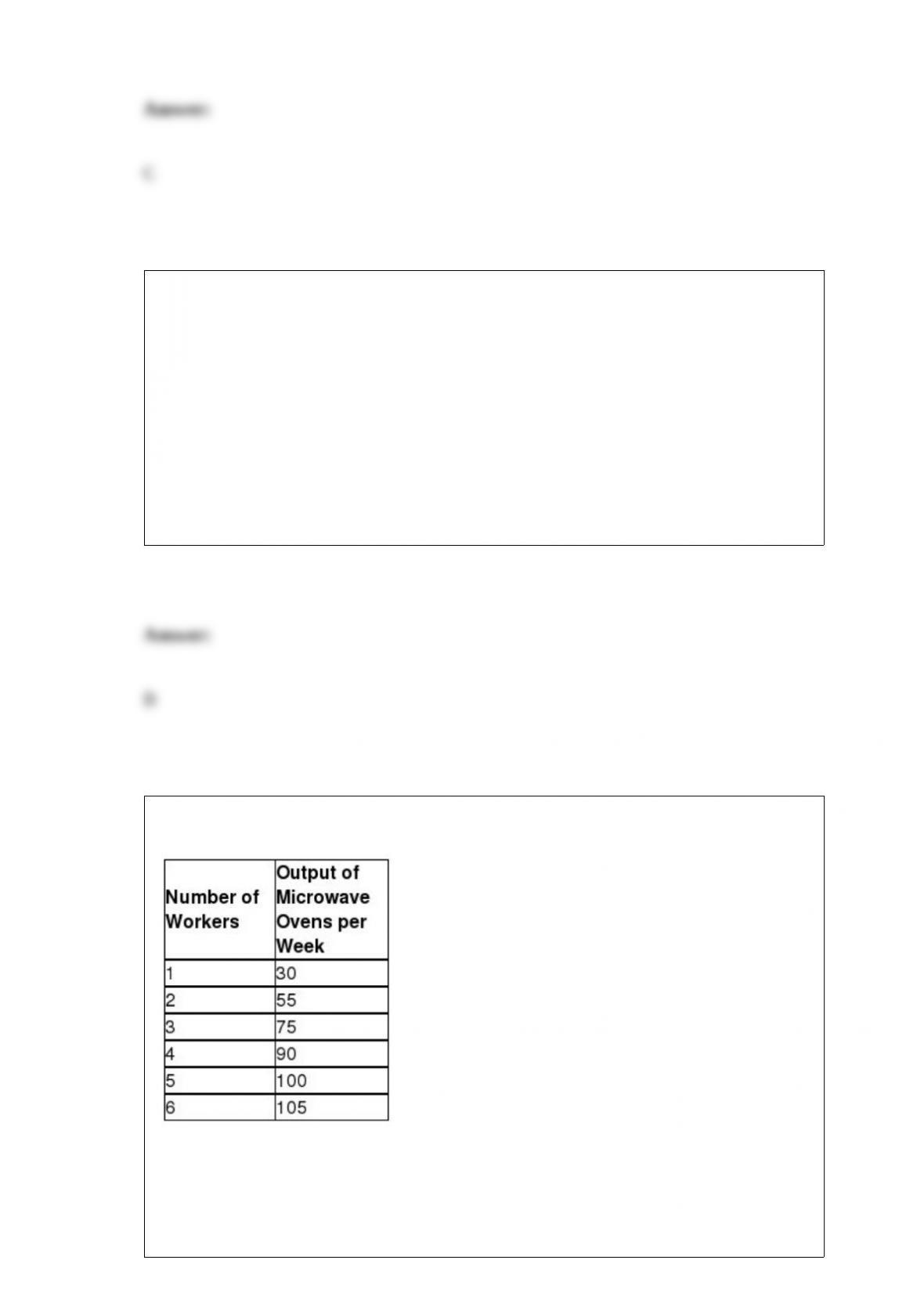
Table 17-3
Hotspur Incorporated, a manufacturer of microwave ovens, is a price taker in its input
and output markets. The firm hires labor at a constant wage rate of $800 per week and
sells microwave ovens at a constant price of $80. Table 17-3 shows the relationship
between the quantity of labor it hires and the quantity of microwave ovens it produces.

What is Hotspur’s profit maximizing quantity of labor?
A) 2 workers
B) 3 workers
C) 5 workers
D) 6 workers
The value of what a U.S.-owned McDonald’s produces in South Korea is included in
the U.S. ________ and the South Korean ________.
A) GDP; GDP
B) GNP; GDP
C) GDP; GNP
D) GNP; GNP
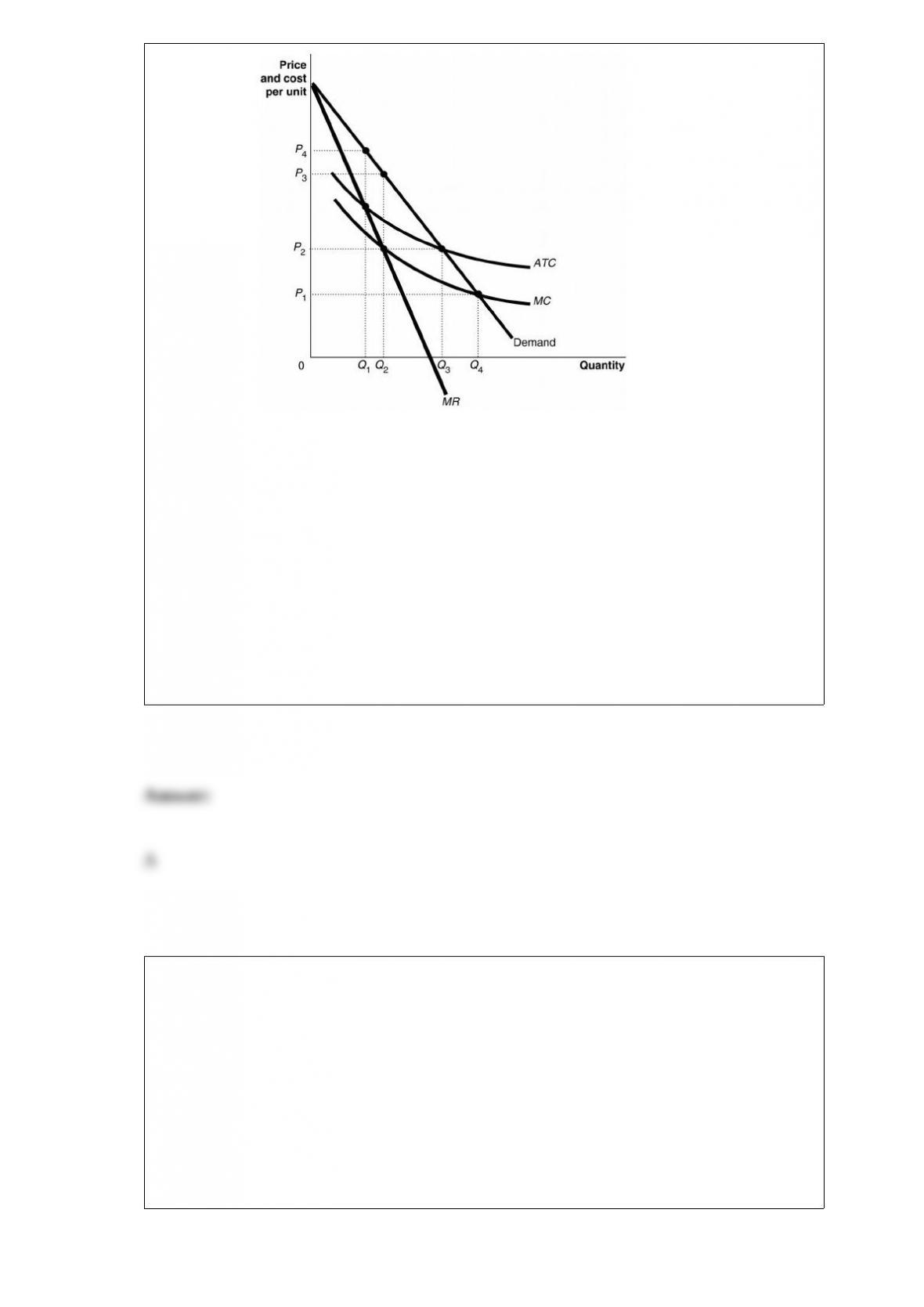
Figure 15-15 Figure 15-15 shows the
cost and demand curves for the Erickson Power Company.
What is the economically efficient output level and what is the price at that level?
A) Q4, P1
B) Q3, P2
C) Q2, P2
D) Q2, P3
Because the value of the euro is determined by factors that affect the entire euro zone,
during the recession of 2007-2009, individual countries using the euro
A) were unable to have their exchange rates depreciate.
B) were more insulated from unemployment increases than most countries.
C) experienced a greater increase in exports than did most countries.
D) were able to use expansionary monetary policy to lessen the impact of the recession.