
An implicit cost is
A) a nonmonetary opportunity cost.
B) a cost unique to sole proprietorships.
C) a cost that involves spending money.
D) a cost unique to corporations.
________ increases economic efficiency because it forces firms to produce and sell
goods and services as long as the additional benefit to consumers is greater than the
additional cost of production.
A) Competition
B) Voluntary exchange
C) Equity
D) A centrally planned economy
Decision trees are commonly used to illustrate how firms make business decisions that
depend on the actions of rival firms. A decision tree has boxes that contain points that
represent when firms must make the decisions contained in the boxes. What are these
points called?
A) option points
B) decision nodes

C) either-or terminals
D) decision options
A horizontal merger
A) is a merger between firms in the same industry.
B) results in a trust (for example, the Standard Oil Company).
C) is a merger between firms at different stages of production of a good.
D) was illegal in the United States until the Federal Trade Commission Act was passed
by Congress in 1914.
Though large firms have the knowledge and resources to utilize a better pricing
strategy, many choose to use cost-plus pricing. One reason for this is that
A) large firms do not have to maximize their profits because they face little competition
from other firms.
B) there is less risk of violating antitrust laws if a cost-plus pricing strategy is used
rather than a profit-maximizing pricing strategy.
C) the additional revenue that would result from a profit-maximizing pricing strategy is
an insignificant fraction of the firms’ revenues.
D) firms often adjust the markup they charge to reflect current demand.
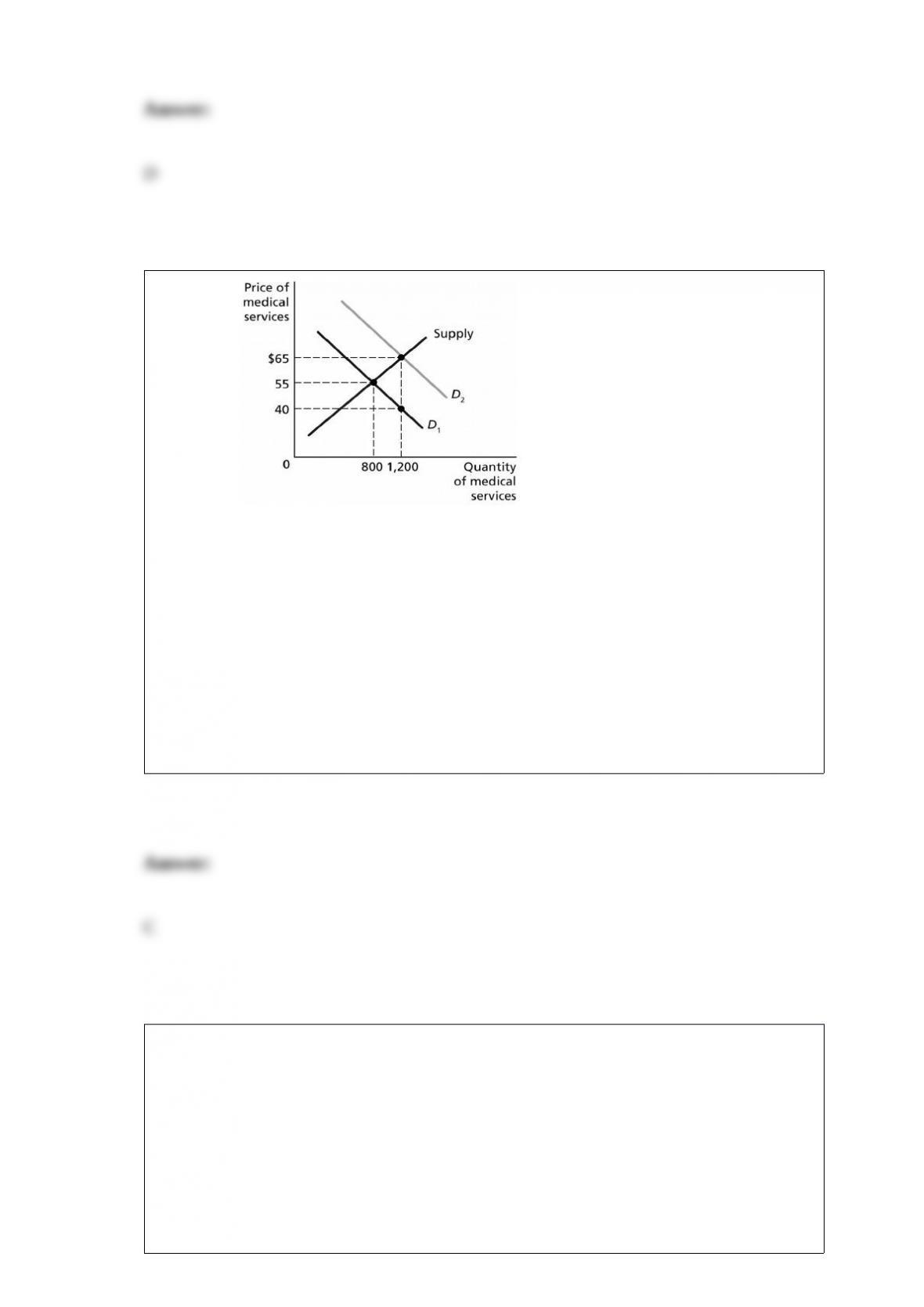
Figure 7-5 Figure 7-5 represents the market for
medical services with and without insurance, and the effect of a third-party payer
system on the demand for medical services. With insurance and a third-party payer
system, what is the amount of the deadweight loss?
A) $0
B) $2,500
C) $5,000
D) $24,000
Which of the following is a microeconomics question?
A) Why do economies experience periods of recession?
B) Will government intervention lower the unemployment rate?
C) Why has growth in the economy slowed down over the past decade?
D) How will Apple decide on a selling price for the iPad?
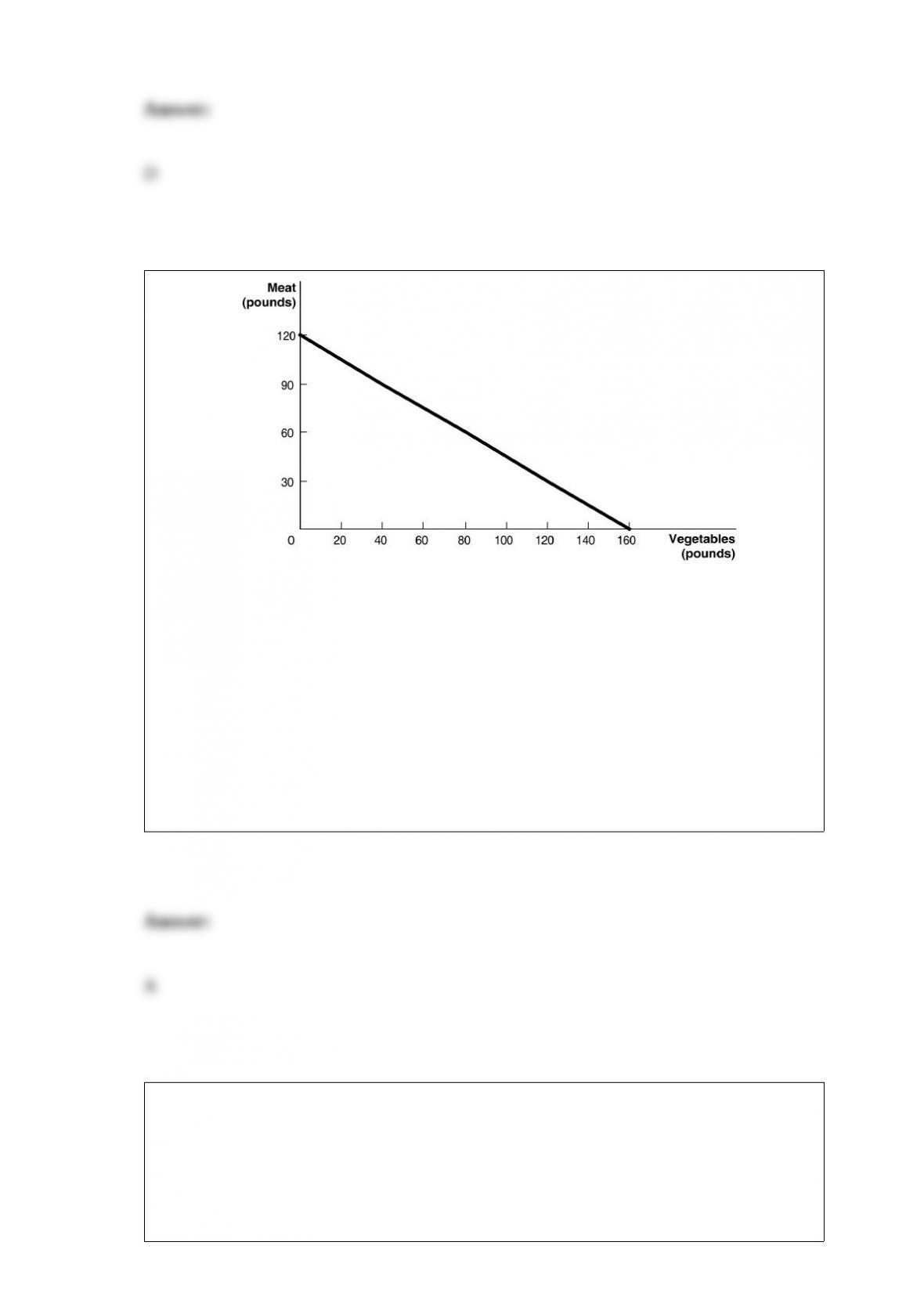
Figure 2-2 Figure
2-2 above shows the production possibilities frontier for Mendonca, an agrarian nation
that produces two goods, meat and vegetables. If Mendonca chooses to produce 160
pounds of vegetables, how much meat can it produce to maximize production?
A) 0 pounds of meat
B) 30 pounds of meat
C) 60 pounds of meat
D) 120 pounds of meat
Inflation targeting is a framework for carrying out monetary policy whereby
A) the central bank adopts a rigid target for inflation and ignores declines in output.
B) the central bank commits to achieving a publicly announced level of inflation.

C) the central bank commits to achieving a target level of inflation which is never
announced publicly.
D) the central bank commits to a monetary growth rule.
If, for a given output level, a perfectly competitive firm’s price is less than its average
variable cost, the firm
A) is earning a profit.
B) should shut down.
C) should increase output.
D) should increase price.
Suppose the equilibrium real federal funds rate is 2 percent, the target rate of inflation is
2 percent, the current inflation rate is 4 percent, and real GDP is 2 percent above
potential real GDP. If the weights for the inflation gap and the output gap are both 1/2,
then according to the Taylor rule the federal funds target rate equals
A) 4 percent.
B) 6 percent.
C) 8 percent.
D) 10 percent.

Consider the following methods of pollution reduction:
a. the government sets a target for maximum emissions
b. the government mandates the installation of specific pollution abatement equipment
c. the government imposes a per unit tax on the good that creates pollution
d. the government gives firms a tax rebate for every unit of pollution abated Which of
the above is an example of a command and control approach to reducing pollution?
A) a only
B) b only
C) a and b only
D) a, b, and d only
E) a, b, c, and d
According to a study of the price elasticities of products sold in supermarkets, the price
elasticity of demand for toothpaste is estimated at -0.45. Which of the following could
explain why the price elasticity of demand for toothpaste is so low?
A) The toothpaste industry is highly competitive.
B) Toothpaste is relatively inexpensive.
C) Toothpaste is heavily endorsed by dentists.
D) There are few close substitutes for toothpaste.

If the quantity of hearing aids demanded is represented by the equation QD = 40 – P
then the corresponding price of hearing aids is represented by the equation
A) P = 0.5QD + 20.
B) P = 40 – QD.
C) P = 0.25 – 4QD.
D) P = QD + 40.