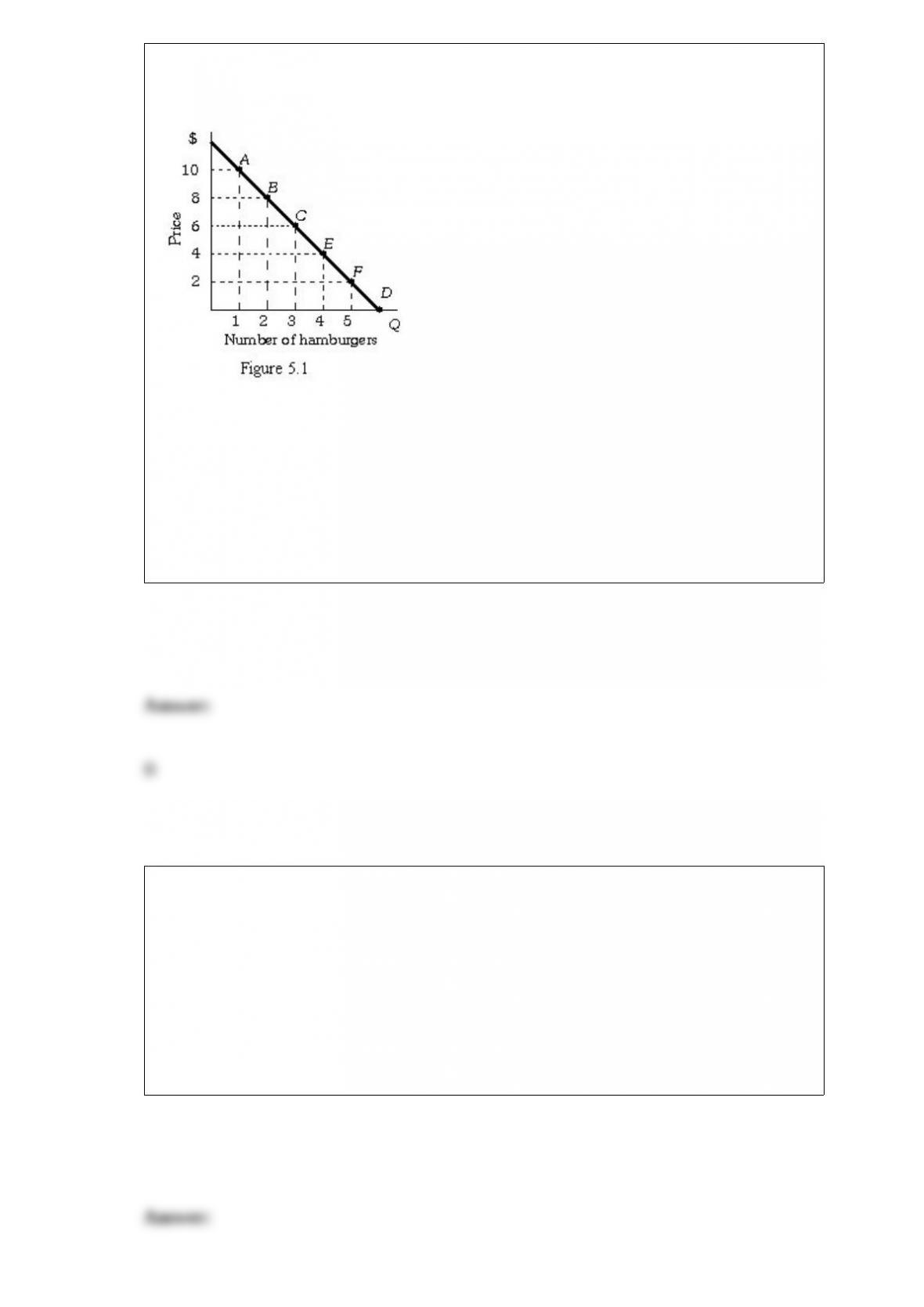
Refer to Figure 5.1. Using the initial-value method, if the price of a hamburger is
decreased from $10 to $8, the price elasticity of demand equals:
A) 1.5.
B) 5.0.
C) 1.0.
D) 2.0.
When it comes to pollution, economists believe that the government must:
A) allow firms to pollute as long as they bear the full cost of their pollution.
B) never allow pollution to exist.
C) allow firms to pollute as long as the benefits of pollution is positive.
D) allow pollution to exist unabated.
The worldwide recession in 2007 started from:
A) easy access to credit in the U.S.
B) booming housing prices that ultimately dropped.
C) a large number of home purchasers who were unable to afford the homes.
D) All of the above are correct.
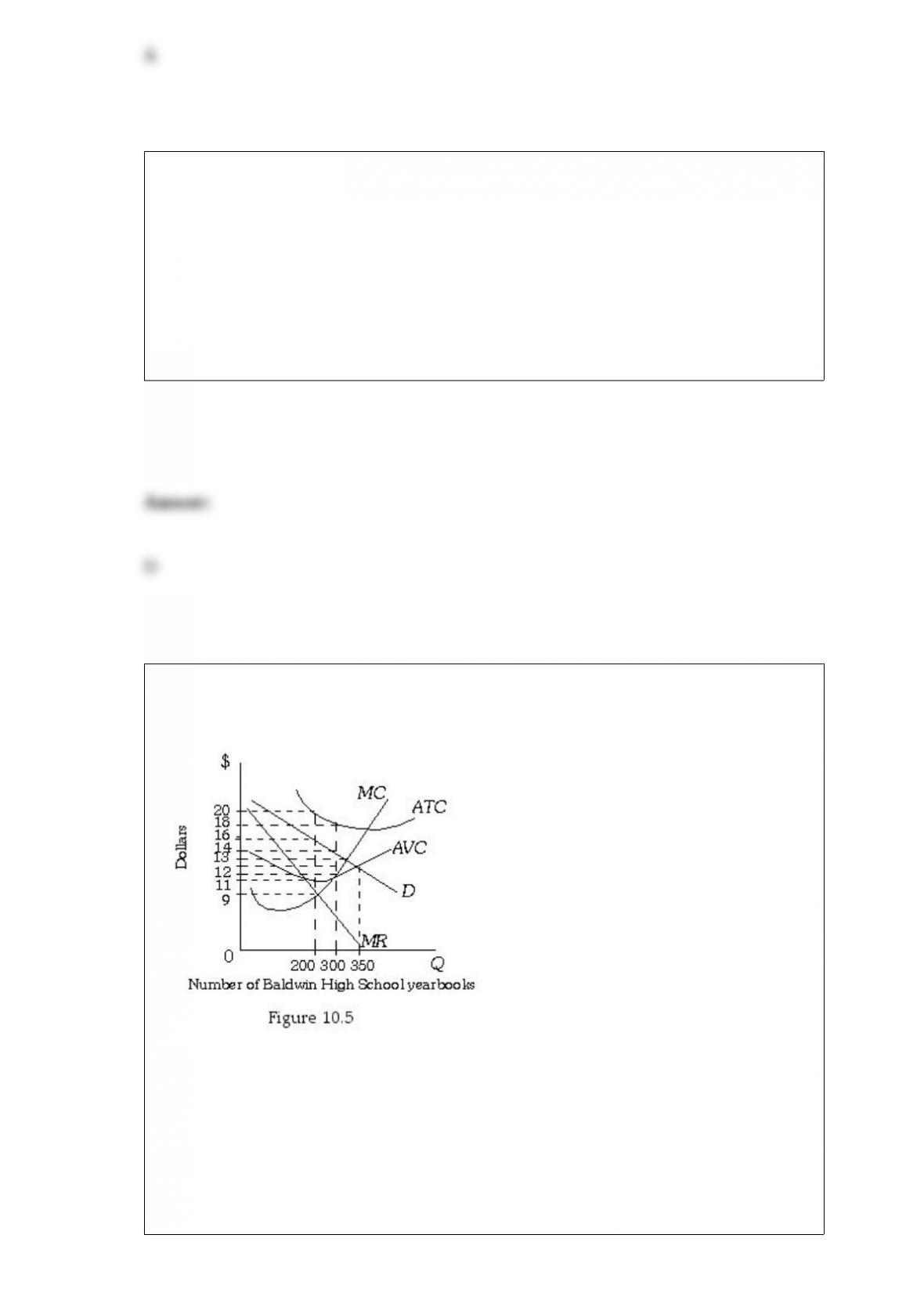
Refer to Figure 10.5. The profit-maximizing price for the Memory Company’s high
school yearbook is:
A) $0.
B) $9.
C) $16.
D) $20.
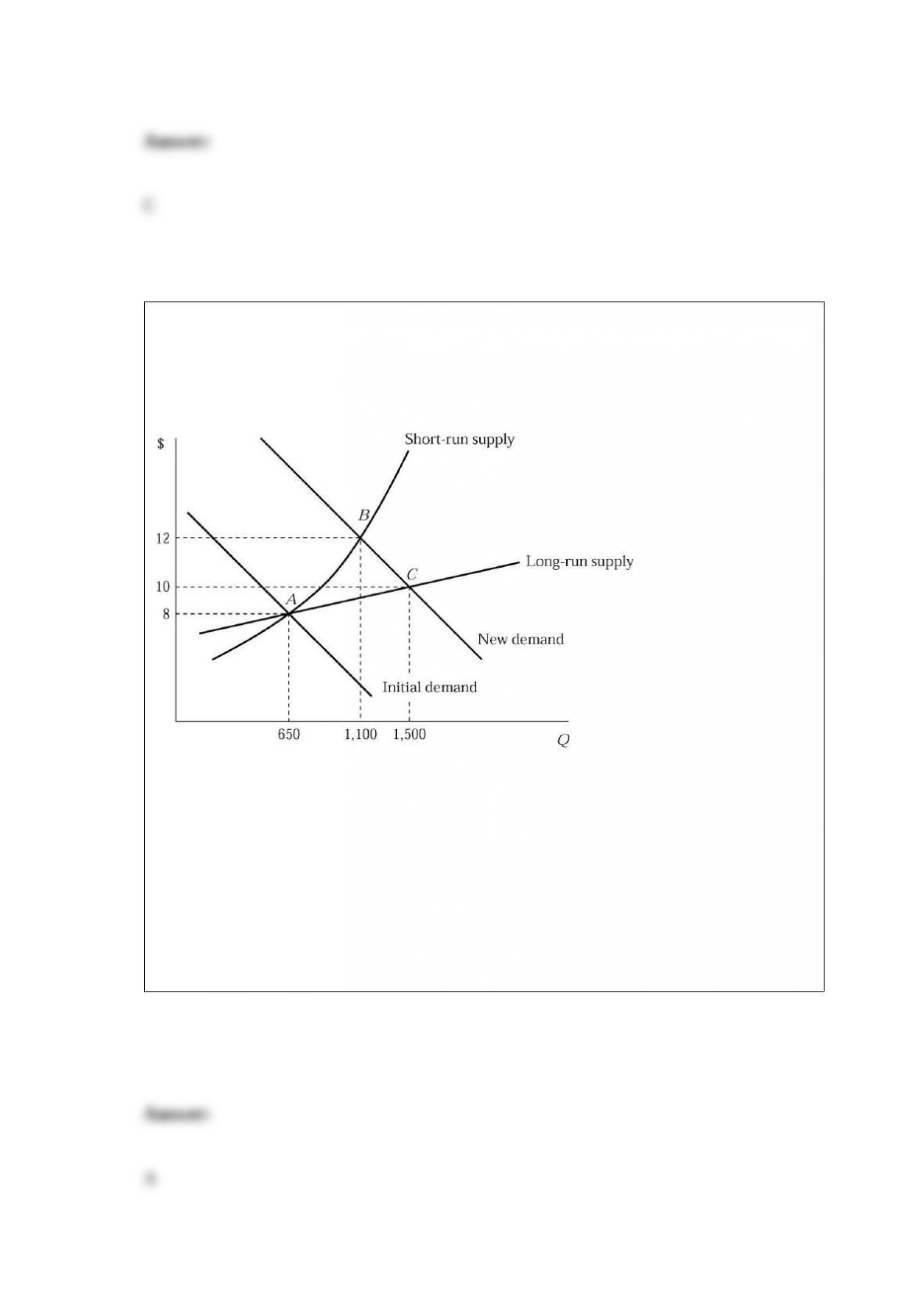
Figure 9.5 shows the short-run and long-run effects of an increase in demand of an
industry. The market is in equilibrium at point A, where 100 identical firms produce 6
units of a product per hour. If the market demand curve shifts to the right, what has
happened to an individual firm’s output level at point B?
Figure 9.5
A) Each firm produces two more units per hour.
B) Each firm produces relatively smaller level of output as more firms enter the market.
C) Each firm will produce the same level of output.
D) none of the above
Based on the anchoring effect, a seller has an incentive to plant a relatively ________
number in the buyer’s head, and a buyer has an incentive to plant a relatively ________
number in the seller’s head.
A) large; large
B) large; small
C) small; large
D) small; small
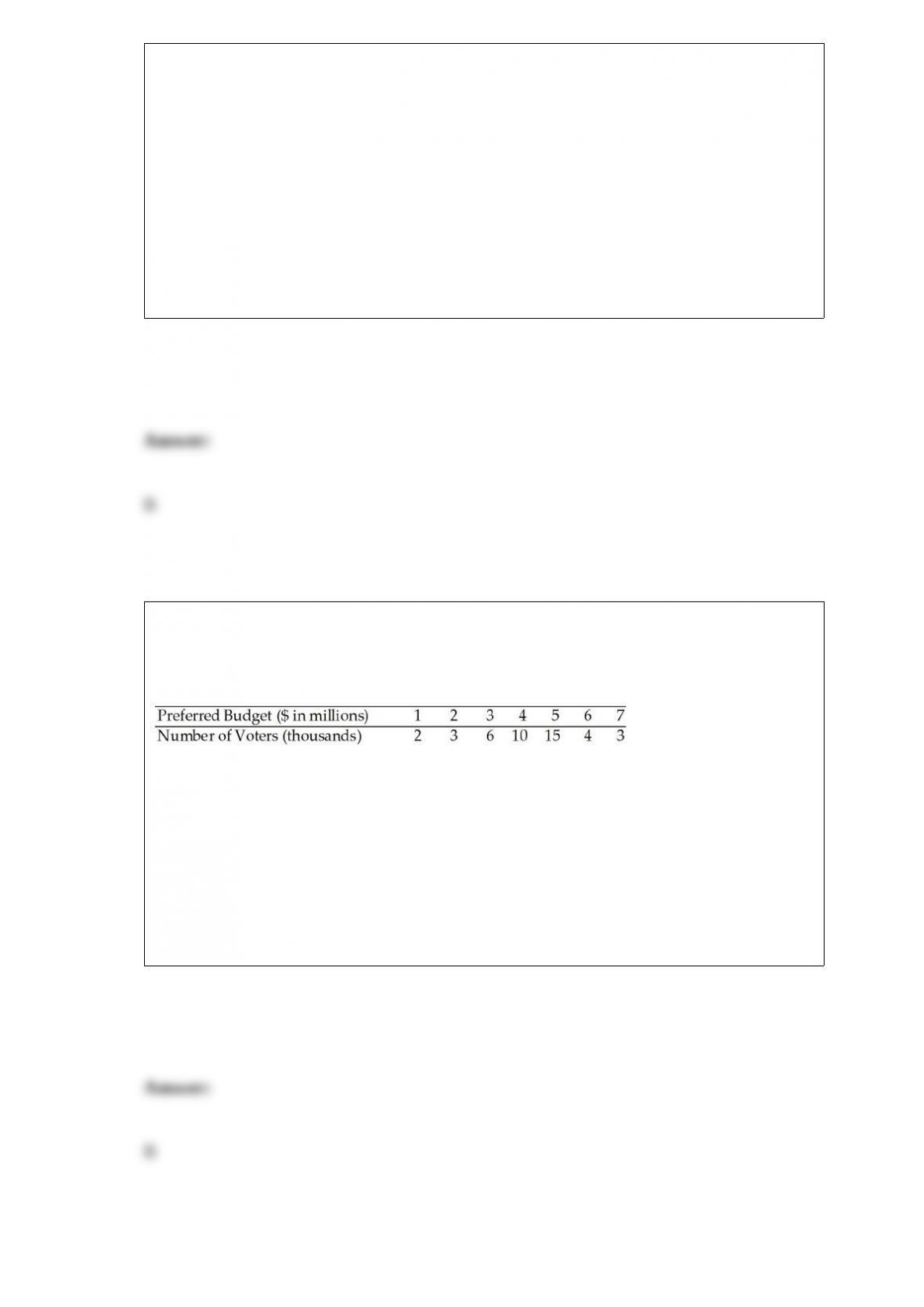
Table 15.1 shows the preferred budget in millions for a new sports facility and the
number of thousands of voters in a community who prefer that budget. Tom proposed a
budget of $6 million while Mary proposed a budget of $3 million. This suggests that
Tom will get ________ thousand votes while Mary gets ________ thousand votes.
Table 15.1
A) 32; 11
B) 22; 21
C) 15; 28
D) 12; 31
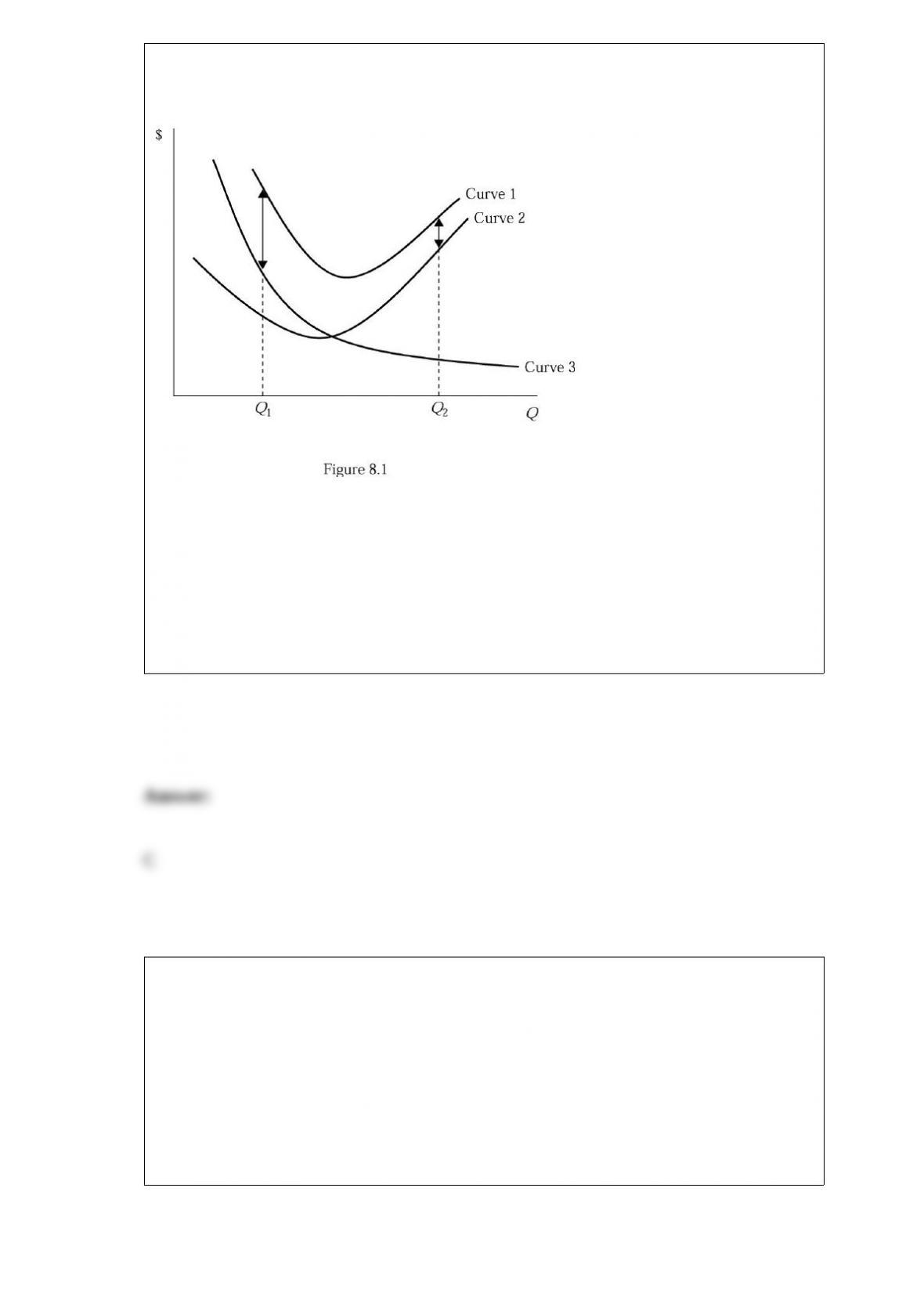
Refer to Figure 8.1, which shows a family of average cost curves. The average total cost
at a given level of output is represented by:
A) the vertical distance between Curve 1 and Curve 2 at a given level of output.
B) the vertical sum of Curve 1 and Curve 2 at a given level of output.
C) the vertical sum of Curve 2 and Curve 3 at a given level of output.
D) the vertical distance between Curve 2 and Curve 3 at a given level of output.
The opportunity cost of something is:
A) the cost of the labor used to produce it.
B) what you sacrifice to get it.
C) the price charged for it.
D) the search cost required to find it.

In the short run in monopolistic competition there can be:
A) economic profits, but not losses.
B) economic profits, losses or break even.
C) no economic profits, but losses
D) no economic profits or losses.
Suppose that the government sets a maximum price for insulin below the equilibrium
price:
A) there will be an efficient level of insulin produced.
B) there will be excess supply of insulin.
C) total surplus will be lower than it would be at the market equilibrium price.
D) total surplus will be greater than it would be at the market equilibrium price.

Suppose that the elasticity of demand for a product is 0.5 and price decreases by 20%.
By what percentage will quantity demanded increase?
A) 0.5%
B) 5%
C) 10%
D) 40%
When considering the adverse-selection problem in the case of medical insurance, as
the cost of insurance rises:
A) healthy people might reduce their coverage while unhealthy people will maintain
their coverage.
B) unhealthy people might reduce their coverage, while healthy people will maintain
their coverage.
C) both healthy and unhealthy people will likely reduce their coverage.
D) both healthy and unhealthy people will likely maintain their coverage.
When governments grant patents:
A) producers earn profits that are substantially higher than would occur in a competitive

market.
B) consumers pay a higher price than they would in a competitive market.
C) consumers are likely to pay lower prices than they would in a competitive market.
D) Both A and B are correct.
When one firm uses the same strategy as the other firm used in the previous time
period, this is known as a:
A) tit-for-tat strategy.
B) grim trigger strategy.
C) dominant strategy.
D) predatory strategy.
Which of the following products has the least elastic demand?
A) Coca Cola in 12 oz. cans
B) all cola drinks
C) all carbonated beverages

D) all beverages
Over the last three decades the “college premium” has ________ because of ________.
A) increased; technological advances
B) decreased; technological advances
C) increased; racial and gender discrimination
D) decreased; laws that prohibit discrimination
Suppose that the wage for teachers increases relative to other occupations. We know
that ________ people will work as teachers, and the total number of hours worked will
________.
A) more; increase
B) more; decrease
C) fewer; increase
D) fewer; decrease
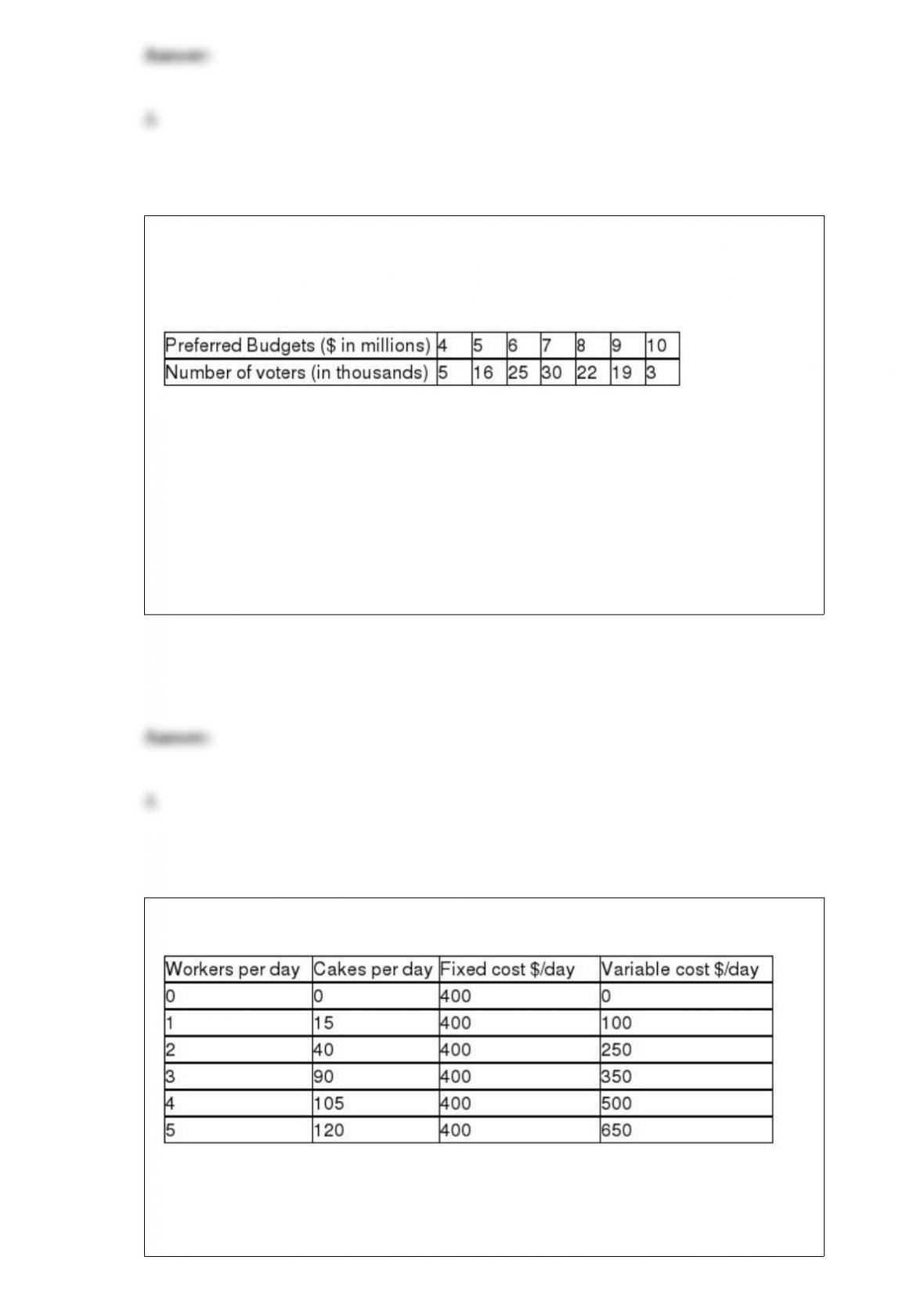
Table 15.3 shows the preferred budget for a new performance center and the number of
voters in a community who prefer that budget. If Dawn proposed $5 million while Terry
proposed $9 million, Dawn will get ________ thousand votes while Terry gets
________ thousand votes.
Table 15.3
A) 46; 44
B) 46; 74
C) 61; 59
D) 76; 44
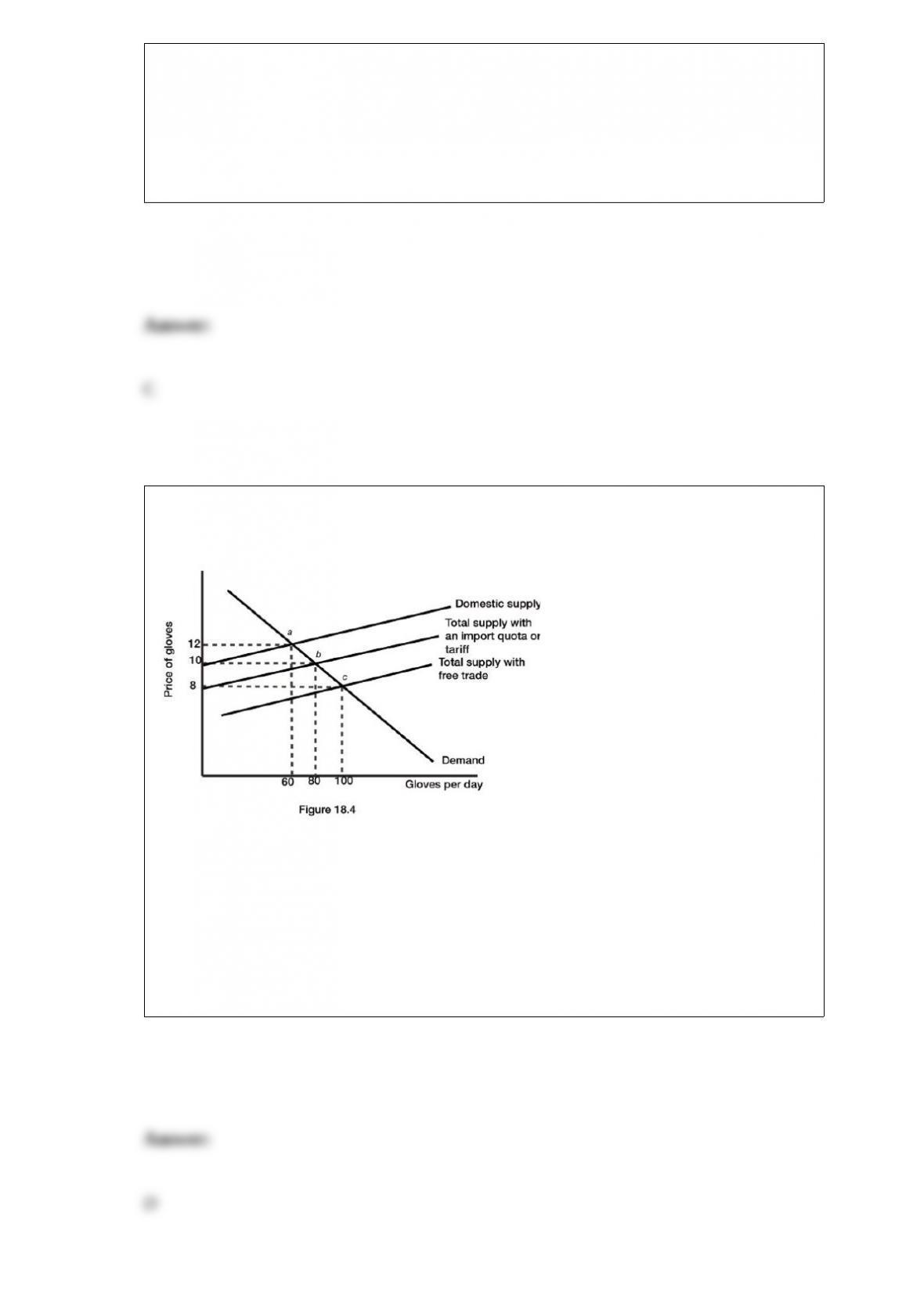
Refer to Table 8.4.When the second worker is hired, the marginal cost is equal to:
Table 8.4
A) $2.
B) $3.
C) $6.
D) $50.
Refer to Figure 18.4. With an import ban, what is the equilibrium price of gloves in
Duckland?
A) $0
B) $8
C) $9
D) $12

When a decrease in the price for wine increases Adam’s real income, Adam will buy
more of all normal goods. If wine is a normal good, then Adam will buy more wine due
to:
A) law of demand.
B) substitution effect.
C) income effect.
D) law of supply.
Additional Application
Monopolies are not always easily ended. The European Commission’s directorate for
the internal market is attempting to end Germany’s chimney sweeps’ monopoly. For
many decades the chimney sweeps in Germany have held a “near-perfect monopoly.”
While the profession is a private enterprise the local governments set the prices, control
the number of sweeps in each district, require that households are inspected, and will
not allow consumers to choose a different sweep even if they do not like the one they
have. Due to the required annual inspections, sweeps always have jobs and any new
entrants into the market will wait years before they are given a district to operate in.
One argument in favor of this monopolistic arrangement is based on public safety. If
new sweeps are not allowed to enter the industry then quality regulation is more easily
insured. If the current sweeps continue to earn profits, none will leave the industry
either. While the European Commission wants a more competitive market, they realize
that it will not develop soon.
“Chimney Sweeps Under Fire,” The Economist, October 21, 2006, p. 76.
How is the chimney sweep monopoly maintained?
A) The government does not allow easy entry for competitors.
B) Chimney sweeps hold closed meetings that exclude all competitors.

C) The level of technology is too sophisticated for most new entrants to comprehend.
D) The consumers want it to remain noncompetitive.
Recall the Application about Japanese and American consumers’ willingness to
pay for Internet service to answer the following question(s). In the United States,
the average willingness to pay for Internet service is $85 per month, and the
average monthly price of Internet service is $40 per month.
According to the Application, the average consumer surplus in the United States from
Internet service is about ________ percent of the price.
A) 47
B) 89
C) 113
D) 212
If the marginal cost of producing the next unit of output exceeds the average total cost,
then:
A) the average total cost curve is increasing.
B) the marginal cost curve is at its minimum.

C) the average total cost curve is decreasing.
D) the average total cost curve is at its minimum.
The special-interest groups model of government explains why:
A) the government fails to use resources efficiently.
B) the government protects endangered species.
C) there are subsidies to farmers.
D) All of the above could be explained by this model.
Refer to Table 4.1, which shows Flo’s and Rita’s individual supply schedules for frozen
latte-on-a-stick. Assuming Flo and Rita are the only suppliers in the market, if the
market quantity supplied is 3, the price must be:
Quantity of Frozen Latte-On-A-Stick Supplied
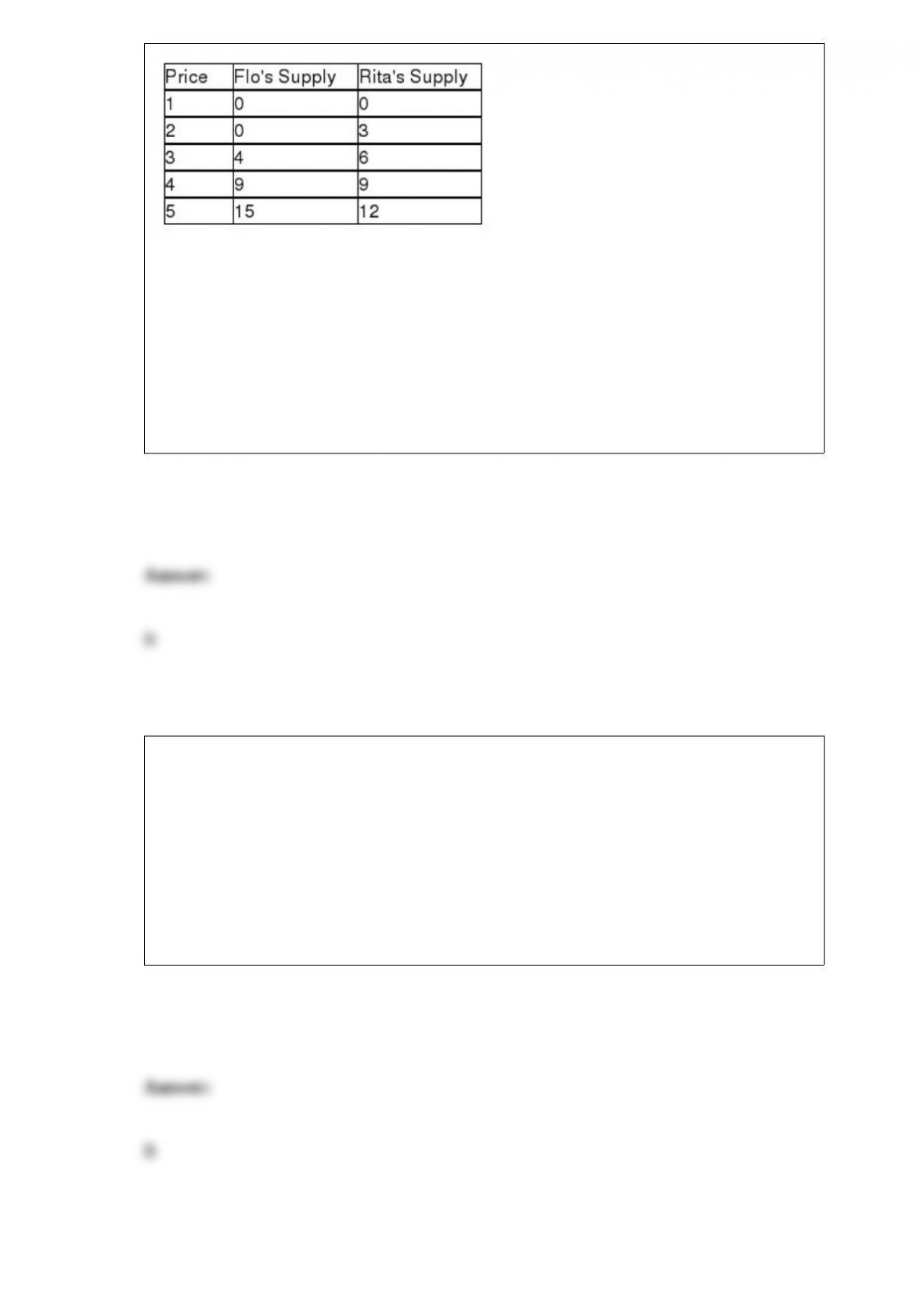
Table 4.1
A) $0.
B) $2.
C) $4.
D) $5.
A pollution tax:
A) decreases the price of the good taxed.
B) increases the price of the good taxed.
C) does not affect the quantity demanded of the good taxed.
D) does not affect the price of the good taxed.

If the government estimates that the marginal cost of building a bridge is $100 million,
while the marginal benefit is $150 million, the marginal principle dictates that the
government should:
A) build the bridge.
B) never build the bridge.
C) wait until the marginal cost of building the bridge rises to above $150 million before
building the bridge.
D) wait until the marginal benefit of building the bridge drops to below $100 million
before building the bridge.
Recall the Application about the sales strategies of conventional stores and online
retailers to answer the following question(s).Conventional stores encourage shoppers
to buy products by boosting neural activity in the region of the brain responsible for the
valuation of the ________ of a product, and online retailers encourage shoppers to buy
products by boosting neural activity in the region of the brain responsible for the
valuation of the ________ of a product.
A) benefit; benefit
B) benefit; cost
C) cost; benefit
D) cost; cost.

Jacinda quit her job as a blackjack dealer where she made $42,000 per year to start her
own florist business. Her business expenses are $14,000 per year on rent, $21,000 per
year on supplies, and $9,000 per year on part time help. As for her personal expenses,
her apartment costs her $12,000 per year and her personal bills are an extra $6,000 per
year. What is Jacinda’s opportunity cost of running the business?
A) $104,000
B) $86,000
C) $62,000
D) $44,000
Explicit price fixing:
A) is illegal in the U.S. and in the European Union.
B) is illegal only in the United States.
C) is illegal only if the firms engage in punishment strategies.
D) has not occurred in recent years.
When economists say that a good is nonexcludable, they mean that:

A) everybody wants it.
B) there is no practical way to stop a person from enjoying the good.
C) more than one person can consume the good.
D) everybody is willing to pay for it.
Since rent control ________ the total surplus of the market, the policy generates a
________.
A) decreases; producer surplus
B) increases; producer surplus
C) decreases; deadweight loss
D) increases; deadweight loss