
As a firm hires more labor in the short run, the
A) level of total product stays constant.
B) output per worker rises.
C) extra output of another worker may rise at first, but eventually must fall.
D) costs of production are increasing at a fixed rate per unit of output.
Suppose the Federal Reserve purchases $10,000 of Treasury bonds from you and that
you deposit the $10,000 into your checking account deposit at Bank Y. Assume that
Bank Y has no excess reserves at the time you make your deposit and that the required
reserve ratio is 20 percent.
a. Use a T-account to show the initial effect of this transaction on Bank Y’s balance
sheet.
b. Suppose that Bank Y makes the maximum loan they can from the funds you
deposited. Use a T-account to show the initial effect on Bank Y’s balance sheet from
granting the loan. Also include in this T-account the transaction from question (a.).
c. Now suppose that whoever took out the loan in question (b) writes a check for this
amount and that the person receiving the check deposits it in Bank Z. Show the effect of
these transactions on the balance sheet of Bank Y and Bank Z, after the check has been
cleared. On the T-account for Bank Y, include the transactions from questions (a) and
(b).
d. What is the maximum increase in checking account deposits that can result from your
$10,000 deposit? What is the maximum increase in the money supply? Explain.
If Norwegian workers are more productive than Albanian workers, then trade between
Norway and Albania
A) cannot take place because Norwegian goods and services will be less expensive than
Albanian goods and services.
B) will take place so long as each country has a comparative advantage in a good or
service that buyers in the other country want.
C) cannot take place until Albanian workers become more productive.
D) can take place only if Albania has an absolute advantage in producing a good or
service Norwegian buyers want.
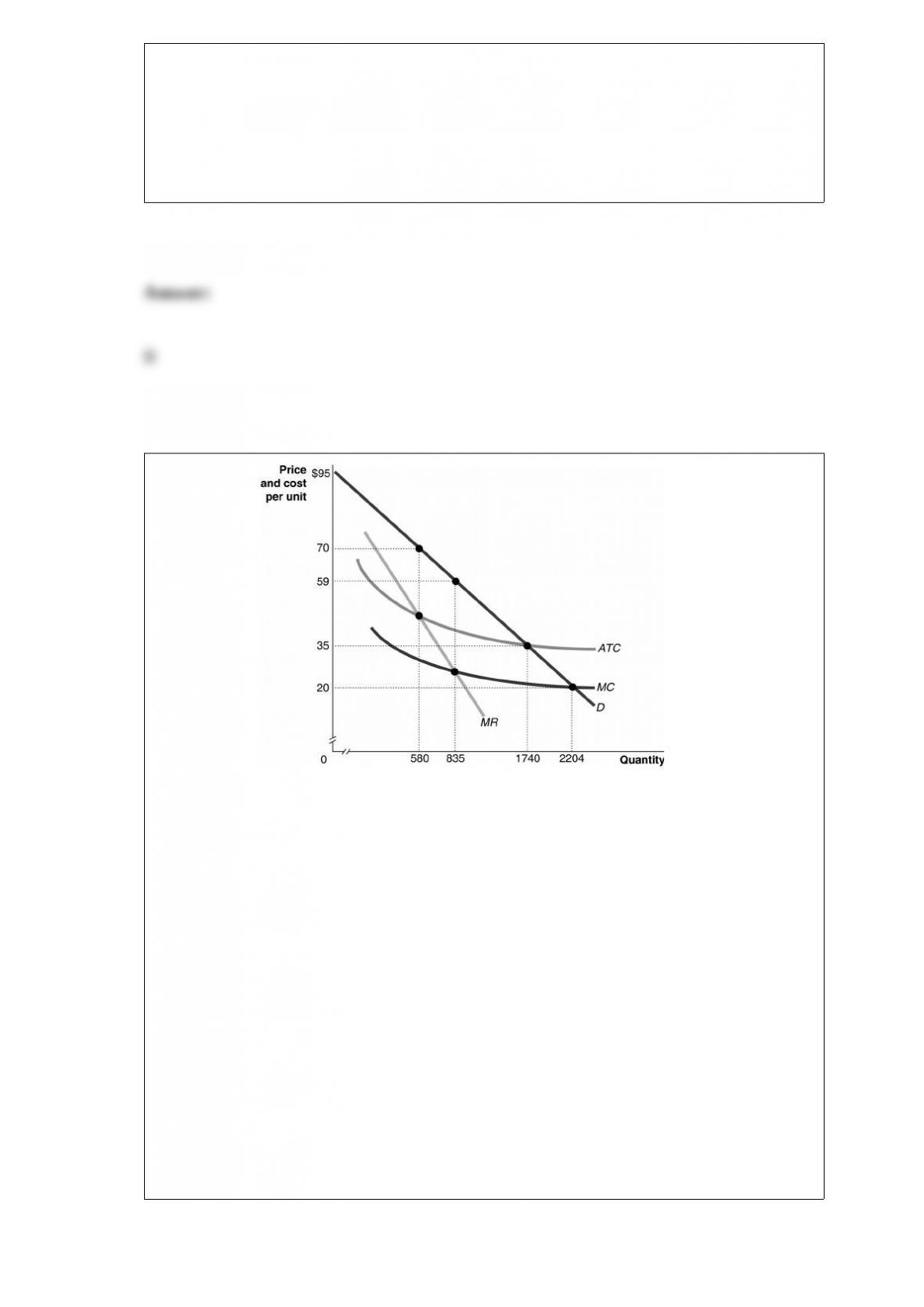
Figure 15-18
Answer the following questions.
a. What quantity will this monopoly produce and what price will it charge?
b. Suppose the monopoly is regulated. If the regulatory agency wants to achieve
economic efficiency, what price should it require the monopoly to charge?
c. To achieve economic efficiency, what quantity will the regulated monopoly produce?
d. Will the regulated monopoly make a profit if it charges the price that will achieve
economic efficiency?
e. Suppose the government decides to regulate the monopoly by imposing a price
ceiling of $35. What quantity will the monopoly produce and what price will the
monopoly charge?
f. With the price ceiling of $35, what profit will the monopoly earn?

Pookie’s Pinball Palace restores old Pinball machines. Pookie has just spent $300
purchasing and cleaning a 1960s-era machine which he expects to sell for $2,000 once
he is finished with the restoration. After having spent $300, Pookie discovers that he
will need to rewire the entire machine at a cost of $1,100 in order to finish the
restoration. Alternatively, he can sell the machine “as is” now for $1,000. What is the
marginal cost of completing the task?
A) $300
B) $800
C) $1,100
D) $1,400
Which of the following would increase the value of the dollar in the long run?
A) an increase in inflation in the United States relative to other countries
B) an increase in the demand for American goods relative to goods from other countries

C) a decrease in U.S. tariffs on foreign goods
D) an increase in the supply of dollars on the foreign exchange market
During the expansion phase of the business cycle,
A) production increases.
B) employment decreases.
C) income decreases.
D) unemployment increases.
If a worker can produce 20 units of output which can be sold for $4 per unit, what is the
maximum wage that firm should pay to hire this worker?
A) $80
B) $80 minus the firm’s profit markup
C) It depends on what the going wage rate is in the labor market.
D) There is insufficient information to answer the question.

Full employment is not considered to be zero unemployment, because
A) some cyclical unemployment always exists.
B) some people do not want a job.
C) there are not enough jobs for everyone who wants one.
D) people do not find jobs instantaneously.
The nominal interest rate will be less than the real interest rate when
A) the rate of inflation is positive but decreasing.
B) the rate of inflation is positive and increasing.
C) the rate of inflation is negative.
D) the real interest rate is negative.
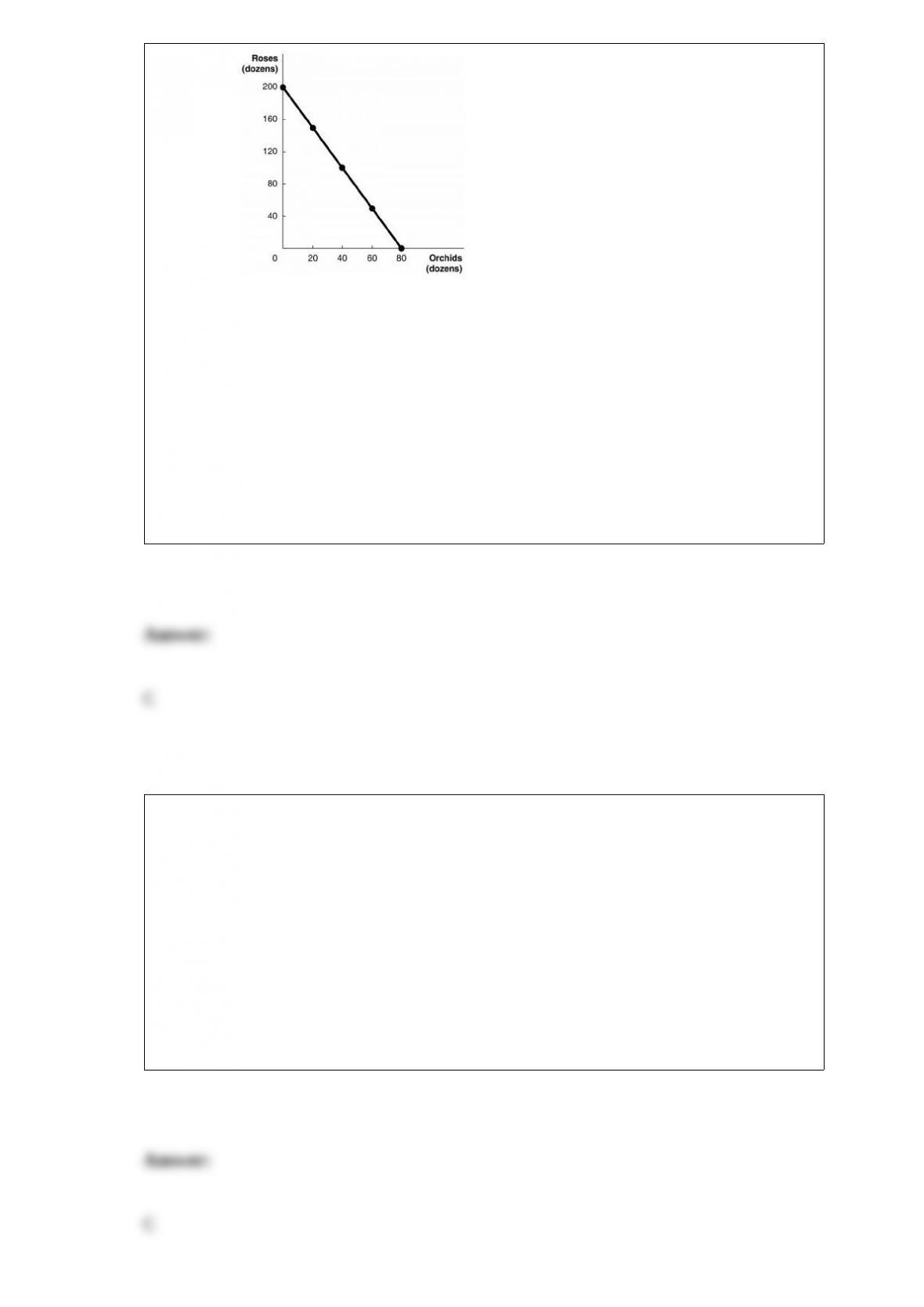
Figure 2-8 Figure 2-8 above shows the production
possibilities frontier for Vidalia, a nation that produces two goods, roses and orchids.
What is the opportunity cost of 100 dozen roses?
A) 0.8 dozen orchids
B) 5 dozen orchids
C) 40 dozen orchids
D) 80 dozen orchids
According to the Taylor rule, the Fed should set the target for the federal funds rate
equal to the sum of the equilibrium real federal funds rate, the current inflation rate,
one-half times the ________, and one-half times the ________.
A) interest rate gap; inflation gap
B) interest rate gap; output gap
C) inflation gap; output gap
D) unemployment gap; government-spending gap