
Suppose that an economy is experiencing continuously rising prices. If 2000 is the base
year, then the real GDP in 1990 is ________ the nominal GDP.
A) less than
B) equal to
C) greater than
D) There is insufficient information to answer this question.
An example of a good that has auction prices is:
A) fresh fish.
B) a Big Mac.
C) a pair of Levi’s jeans.
D) orange juice.
Which basic principle of economics best explains why the demand for money is
negatively related to the nominal interest rate?
A) the principle of opportunity cost
B) the principle of voluntary exchange
C) the principle of diminishing returns
D) the marginal principle
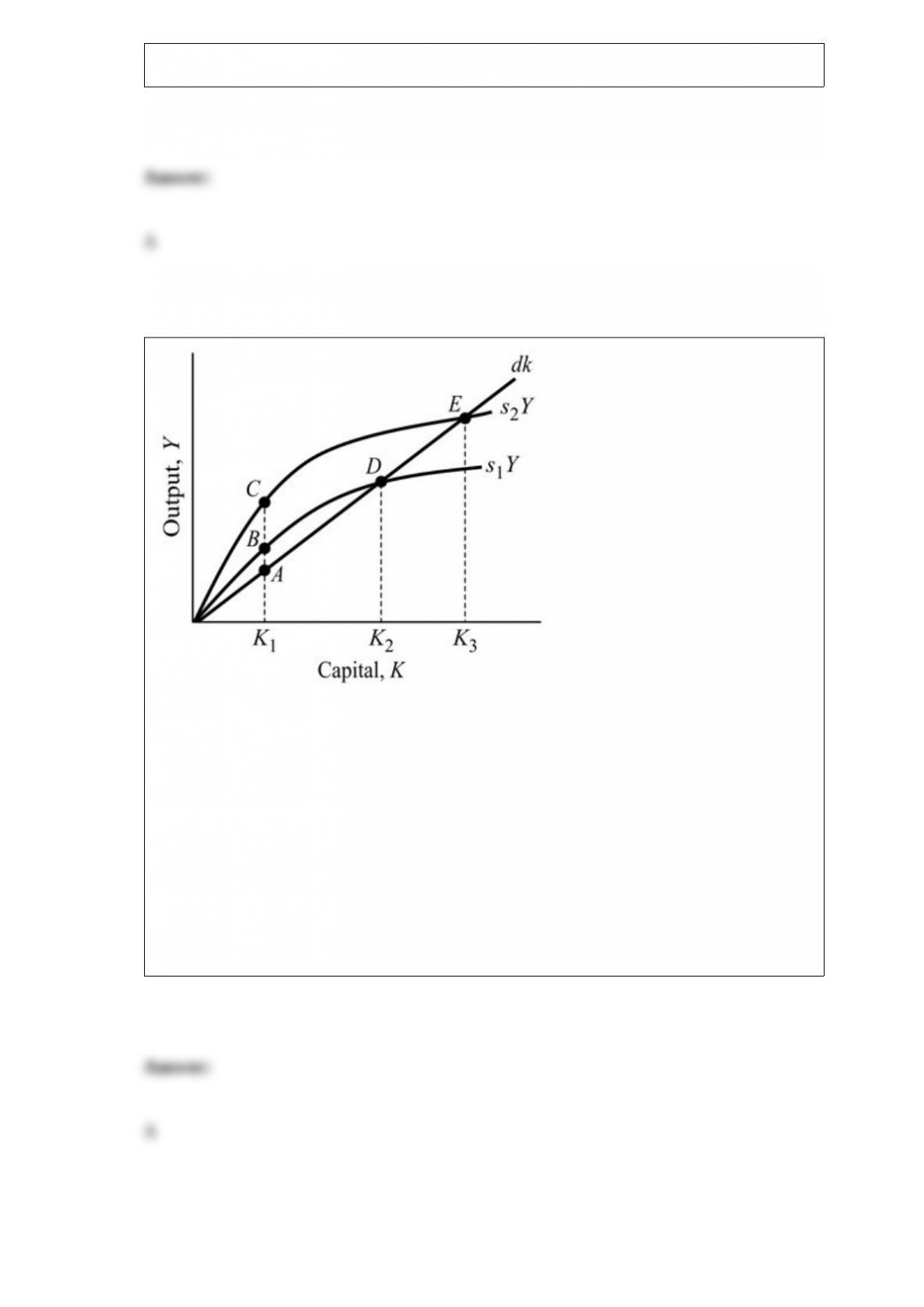
Figure 8.1
Refer to Figure 8.1. If the saving rate were s1 and the economy’s level of K is at K1,
then:
A) the capital stock will increase over time.
B) the capital stock will decrease over time.
C) the capital stock is constant over time.
D) the capital stock will first increase, then decrease over time.

If left alone, the boom experienced by an economy will cause the short-run
A) aggregate supply curve to shift downward until the equilibrium GDP is back to full
employment.
B) aggregate supply curve to shift upward until the equilibrium GDP is back to full
employment.
C) aggregate demand curve to shift downward until the equilibrium GDP is back to full
employment.
D) aggregate demand curve to shift upward until the equilibrium GDP is back to full
employment.
Which of the following units of measurement would be appropriate for a real exchange
rate?
A) 10 percent per year
B) 150 yen per U.S. dollar
C) 3 bushels of Mexican corn per bushel of U.S. corn
D) 1 Mexican T-shirt per $5
If union leaders believe that the Federal Reserve is a credible inflation fighter, they
believe that an increase in nominal wages will
A) increase prices but have no effect on the unemployment rate.

B) increase prices and decrease the unemployment rate.
C) decrease prices but have no effect on the unemployment rate.
D) lead to a recession with rising unemployment rates and rising prices.
Macroeconomics differs from microeconomics in that
A) macroeconomics is the study of individual markets, while microeconomics deals
with the nation’s economy as a whole.
B) microeconomics is the study of individual markets, while macroeconomics deals
with the nation’s economy as a whole.
C) macroeconomics focuses principally on social and political issues, while
microeconomics involves the study of a nation’s monetary system.
D) microeconomics focuses principally on social and political issues, while
macroeconomics involves the study of a nation’s monetary system.
Under a fixed exchange rate system, if the inflation rate of the United States exceeds
the inflation rate of other nations, the
A) dollar will depreciate.
B) dollar will appreciate.
C) United States will develop a trade deficit.
D) United States will develop a trade surplus.
Taxes can have an important effect on
A) the labor supply.
B) saving.
C) economic growth.
D) all of the above
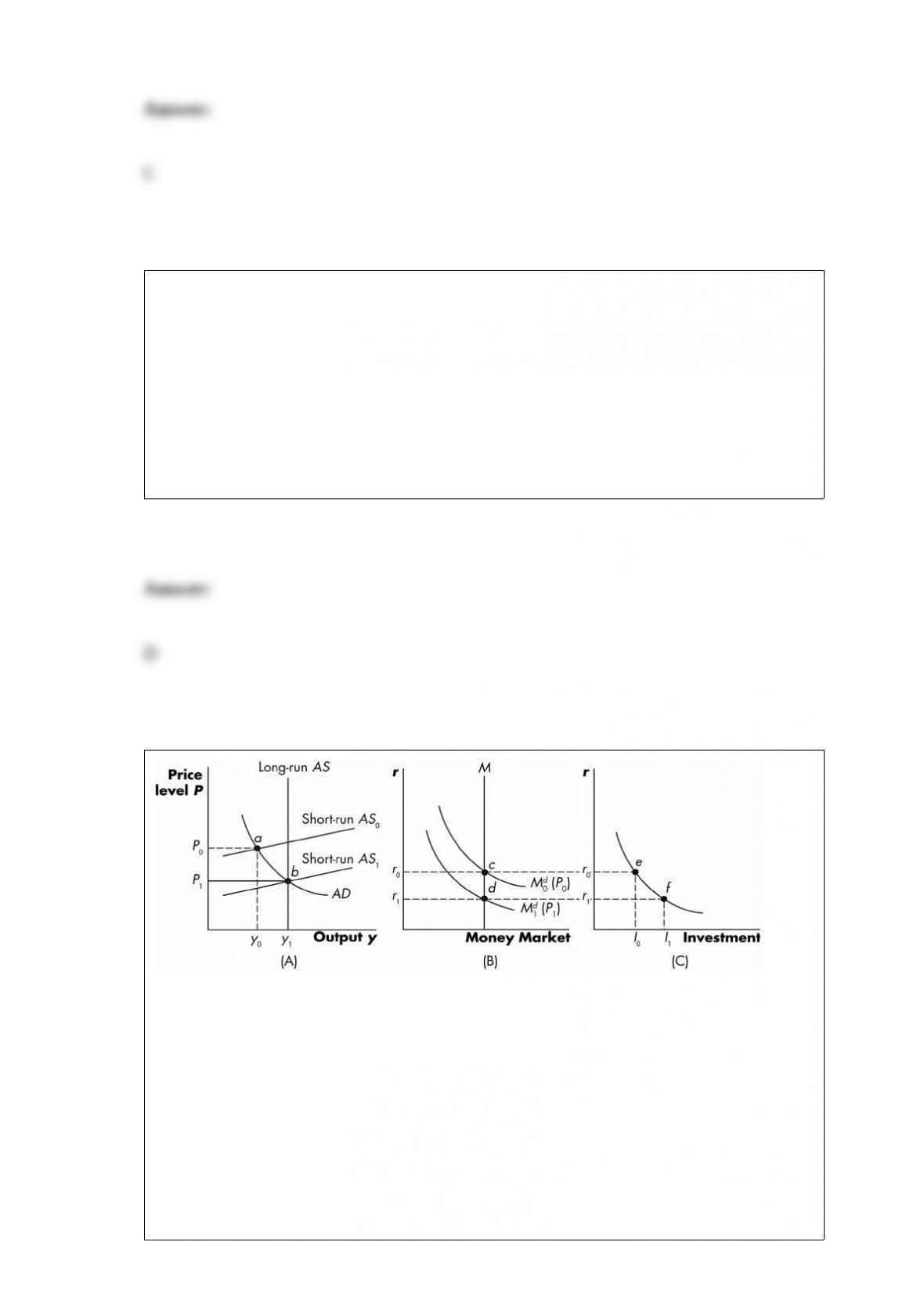
Figur
e 15.3 Refer to Figure 15.3 If this economy is initially at full employment, a recession
would be reflected by movements to point ________ in graph (A), point ________ in
graph (B), and point ________ in graph (C).
A) a; d; f
B) ; d; f
C) a; c; e
D) ; c; f

Refer to Application 2, “Recovering From a Recession,” to answer the following
questions:
What does the Application say about why the recession in in 2007-2009 lasted very
long?
A) Recessions from financial crises usually take longer to recover from.
B) The Federal Reserve and its policies caused it to be longer.
C) The President and his policies caused it to last longer.
D) China’s emergence as an economic superpower caused it to last longer.
Based on statistics on unemployment, which group of workers experience the highest
unemployment rates?
A) unmarried men
B) White, 16-19 years old
C) African American, 16-19 years old
D) women maintaining families
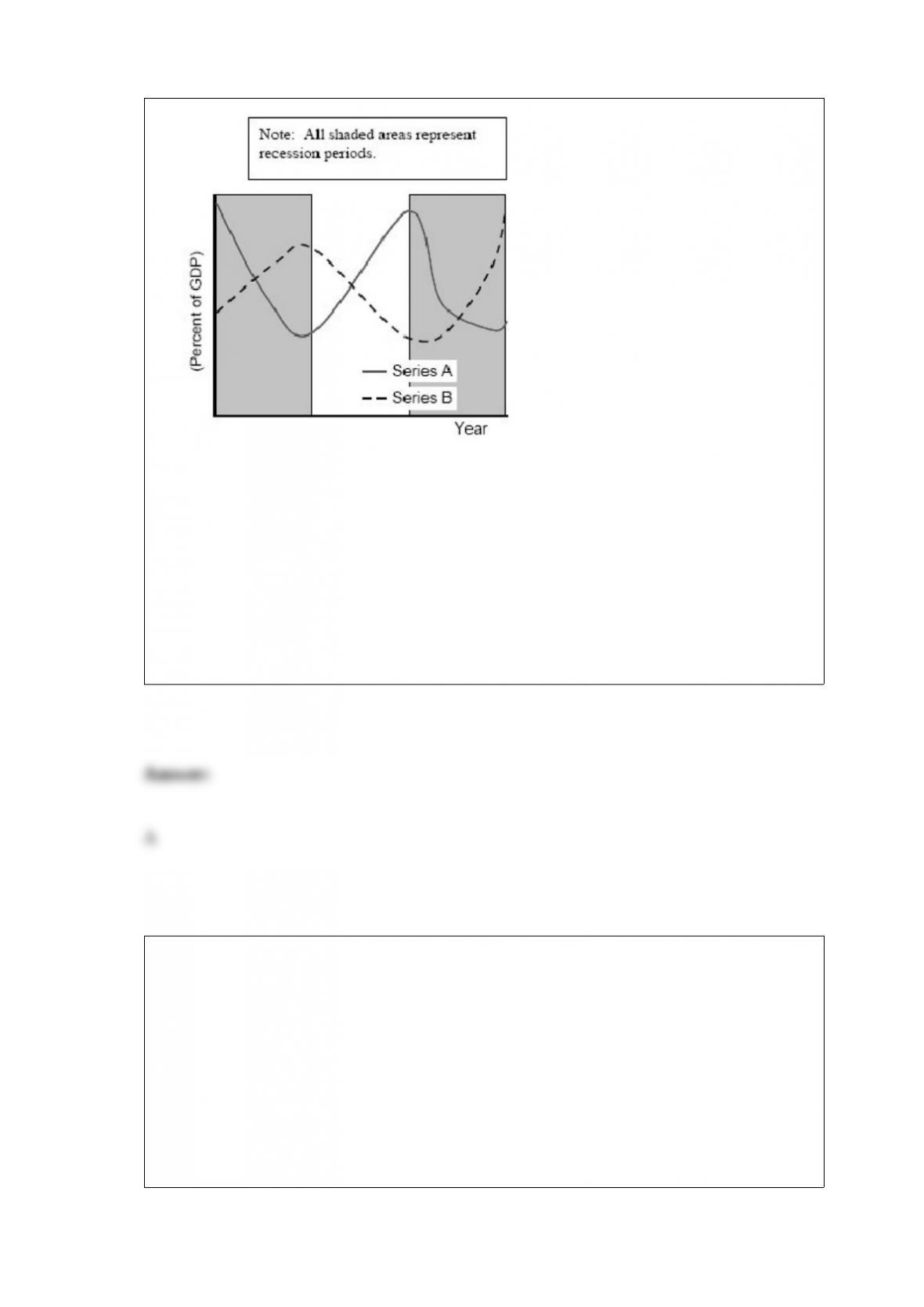
Figure 12.2 Refer to Figure 12.2 to answer the question. Which of the following
components of GDP most closely resembles Series A (procyclical)?
A) investment
B) autonomous consumption
C) government spending
D) budget deficit
If Y is total output, K is the capital stock and L is the total labor input stock, which of
the following represents a production function?
A) Y = f(L,K)
B) L = f(Y, K)
C) K = f(L,Y)
D) all of the above

The real rate of interest is defined as the
A) expected inflation rate minus the nominal interest rate.
B) expected inflation rate plus the nominal interest rate.
C) nominal interest rate minus the expected inflation rate.
D) nominal inflation rate plus the expected inflation rate.
Suppose that people expect that the price of orange juice will fall next month. We
would predict that the equilibrium quantity of orange juice will ________ and the
equilibrium price of orange juice will ________ this month.
A) rise; rise
B) rise; fall
C) fall; rise
D) fall; fall
Considering how a change in one variable affects the value of another variable is called
A) the Peter Principle.
B) the marginal principle.
C) the principle of supply and demand.
D) functional decision making.