
The number of cases of Coca-Cola bought increased by 50 percent when the price of
pretzels declined by 10 percent. Assuming other factors are held constant, Coca-Cola
and pretzels are classified as:
a. complements. c. substitutes.
b. unrelated goods. d. social goods.
Suppose a firm can hire 100 workers at $8.00 per hour but must pay $8.05 per hour to
hire 101 workers. Marginal factor cost (MFC) for the 101st worker is approximately
equal to:
a. $8.00.
b. $8.05.
c. Oligopoly.
d. $13.00.
An increase in demand and a decrease in supply cause which of the following?
a. Equilibrium price change is indeterminate.
b. Equilibrium quantity decreases.
c. Equilibrium price falls.
d. Equilibrium price rises.
e. Equilibrium quantity increases.
A utility-maximizing consumer is currently spending all of his/her income on two
products, A and B. The MU of the last unit of A consumed is 50, the price of A is $25,
and the price of B is $10. The MU of the last unit of B consumed is:
a. 50.
b. 5.
c. 2.
d. 20.
e. cannot determine from this limited information
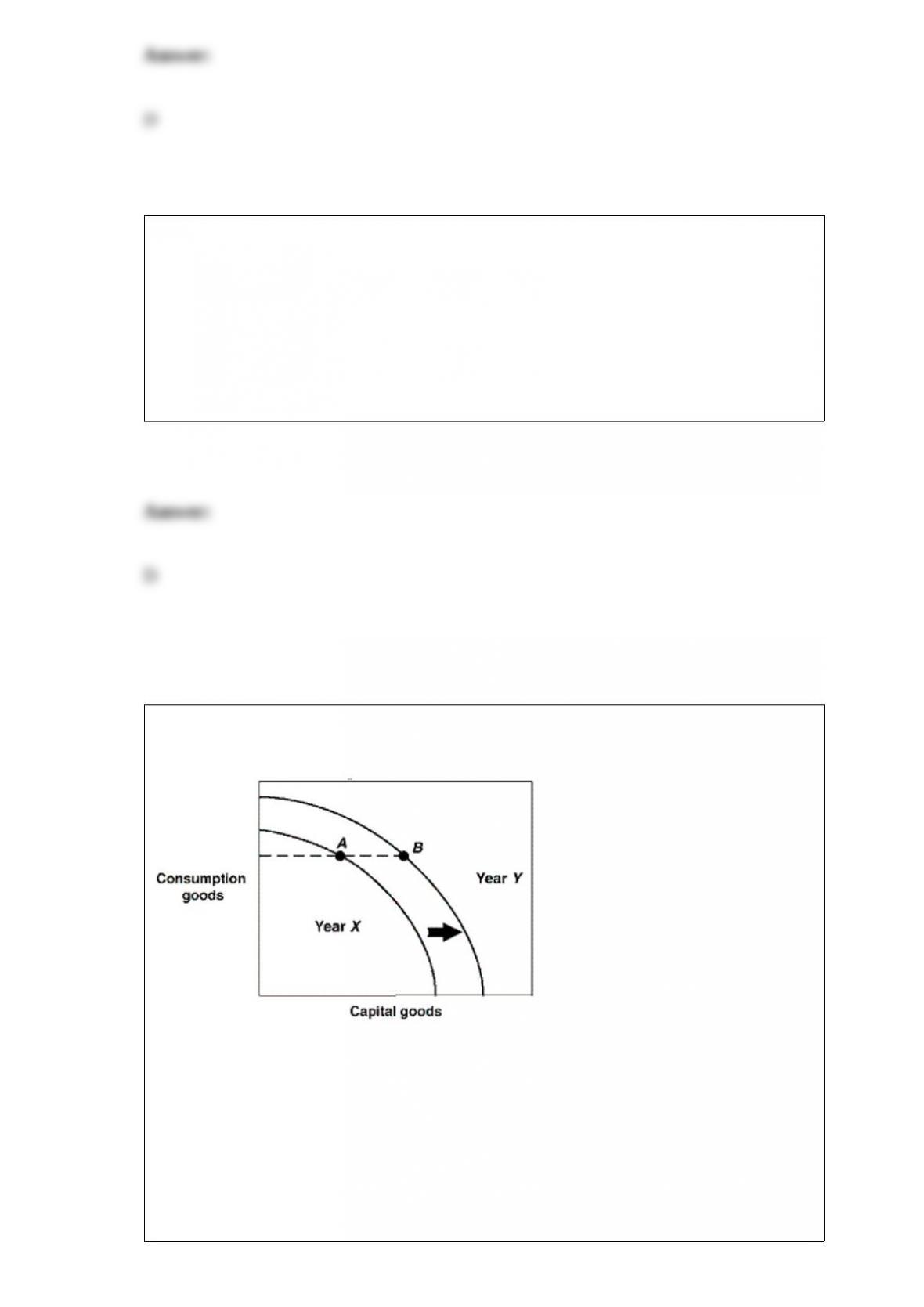
Exhibit 2-18 Production possibilities curves
In Exhibit 2-18, the production possibilities curves for a country are shown for the years
Year X and Year Y. Suppose this country was located at point A in Year X and point B
in Year Y. This country:
a. is producing the same number of capital goods in both years.
b. is producing the same number of consumption goods in both years.
c. has shown no growth between Year X and Year Y.
d. has higher unemployment in Year X than in Year Y.
e. has higher unemployment in Year Y than in Year X.
Utility is most closely defined by which of the following terms?
a. Useful.
b. Worthiness.
c. Necessary.
d. Satisfaction.
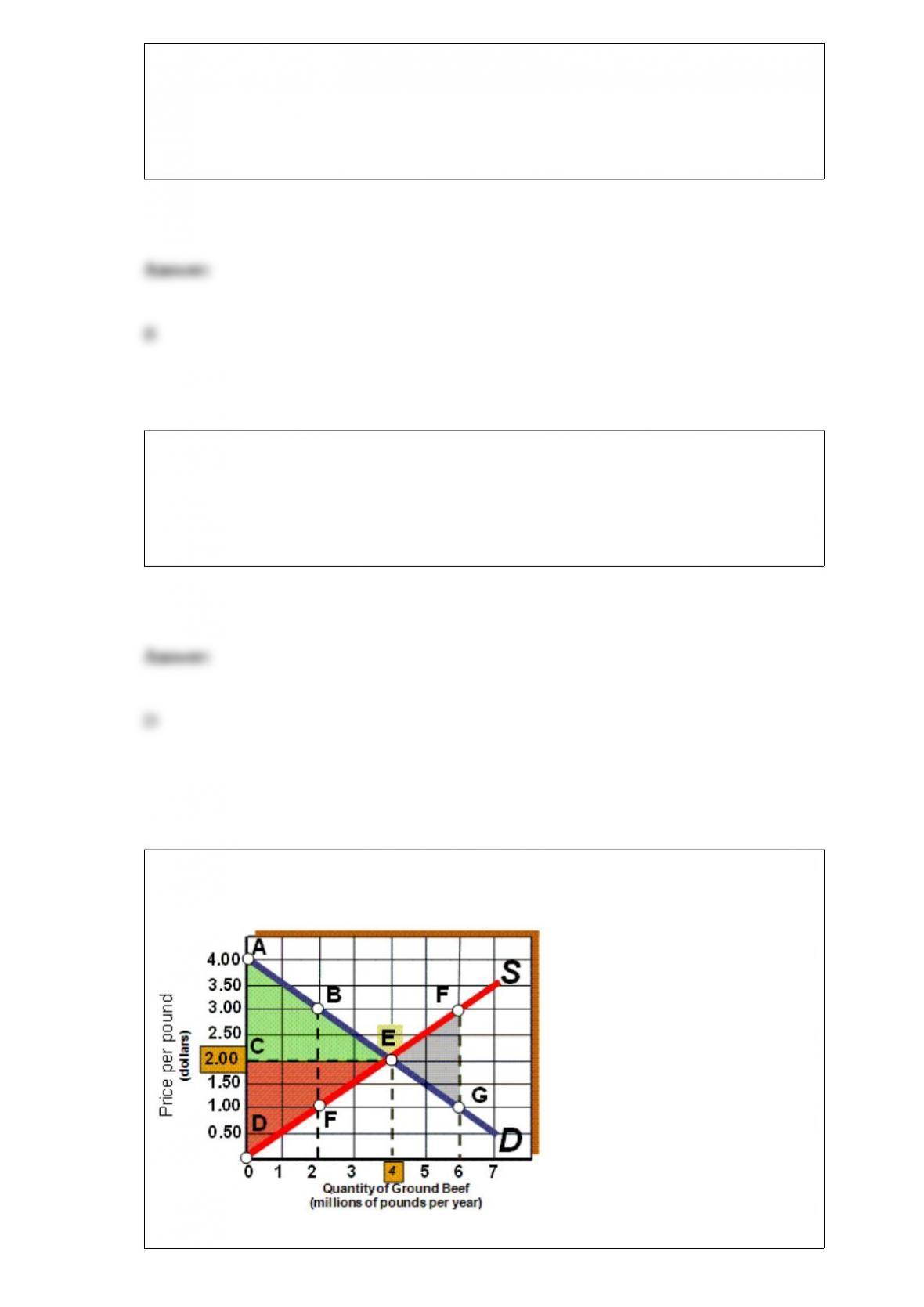
Exhibit 3A-1 Comparison of Market Efficiency and Deadweight Loss
As shown in Exhibit 3A-1, if the market price falls from $3.00 to $2.00, then:
a. consumer surplus increases. c. deadweight loss is eliminated.
b. producer surplus increases. d. all of these are true.
In the perfectly competitive market, all firms in the market are assumed to be
producing:
a. identical products. c. products that are heavily advertised.
b. differentiated products. d. complementary products.
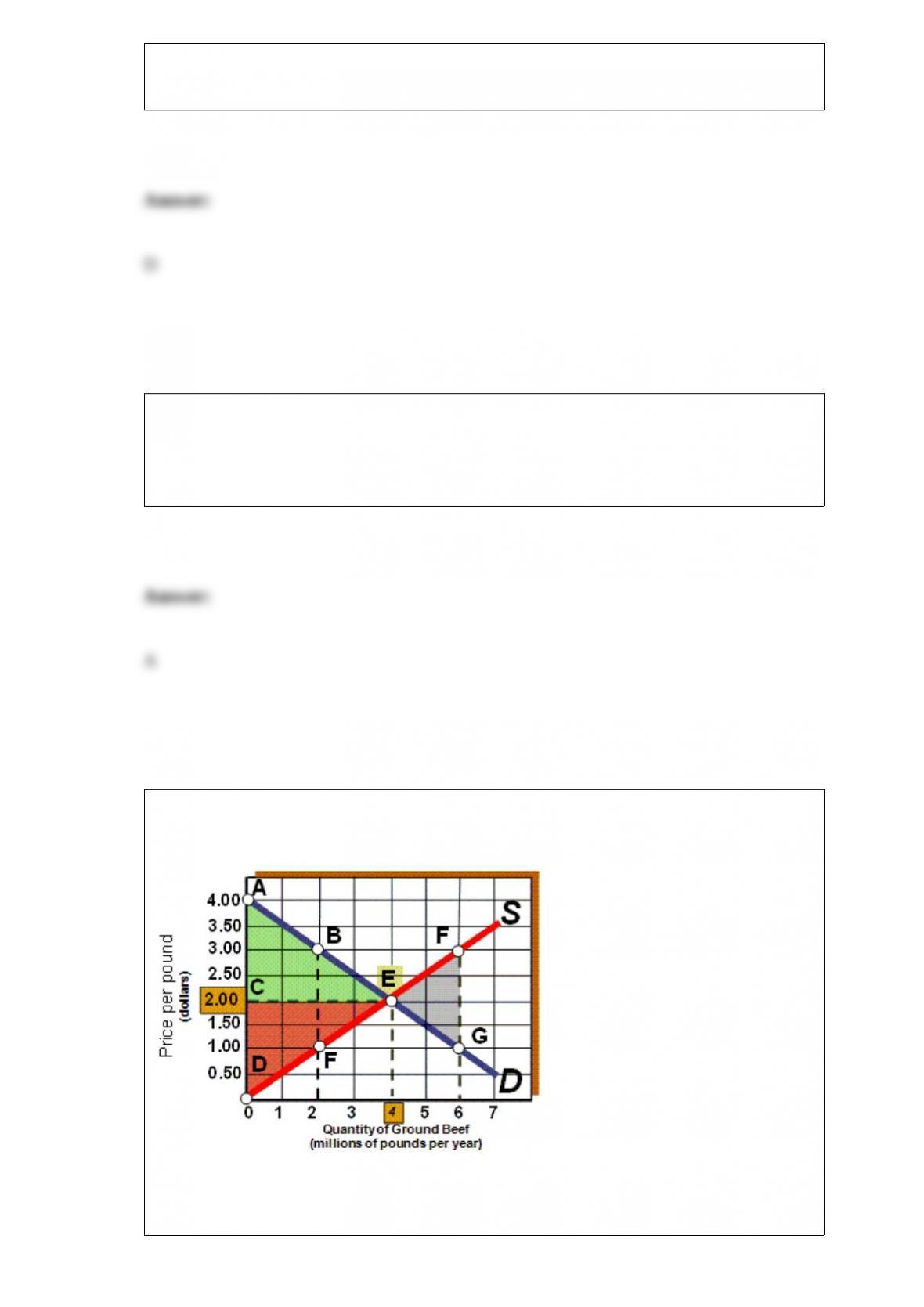
Exhibit 3A-1 Comparison of Market Efficiency and Deadweight Loss
As shown in Exhibit 3A-1, if the market price falls from $3.00 to $2.00, then:
a. total surplus increases. c. overproduction increases.
b. deadweight loss increases. d. underproduction decreases.

Which act of Congress extended the government’s authority to block horizontal and
vertical mergers?
a. Clayton Act. c. Celler-Kefauver Act.
b. Sherman Antitrust Act. d. Robinson-Patman Act.
If there is a surplus in the oil market, then the price of oil will:
a. rise. c. remain unchanged.
b. fall. d. react unpredictably.
A profit-maximizing monopolistically competitive firm will expand output to the point
where:
a. total revenue equals total cost.
b. marginal revenue equals marginal cost.

c. price equals average total cost.
d. price equals marginal cost.
A perfectly competitive firm in the short-run maximizes its profit by producing the
output where:
a. marginal cost equals price.
b. marginal cost equals marginal revenue.
c. total revenue minus total cost is at a maximum.
d. all of these.
A fall in marginal utility reflects:
a. the water and diamond paradox.
b. the law of supply.
c. the principle of diminishing marginal utility.
d. decreased consumption of a good.
e. the fact that total utility must be declining.
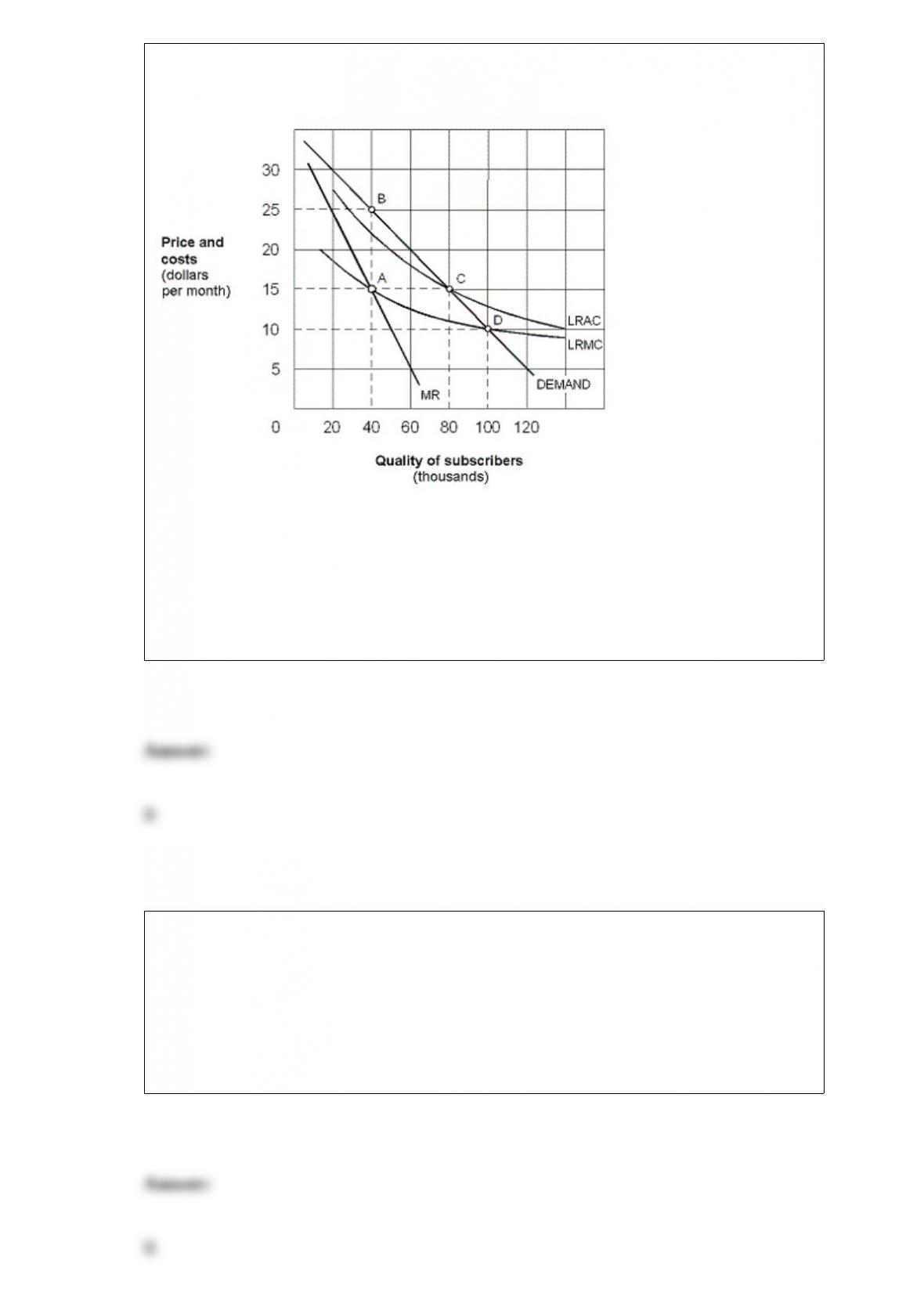
Exhibit 13-1 Cable television monopolist
As shown in Exhibit 13-1, if the cable television monopolist is allowed to maximize
profits, it will operate at point:
a. A. c. C.
b. B. d. D.
If a firm enlarges its factory size and realizes higher average (per unit) costs of
production then:
a. it has experienced economies of scale.
b. it has experienced diseconomies of scale.
c. it has experienced constant returns to scale.
d. the long-run average cost curve slopes downward.
e. the long-run average cost curve shifts upward.

The law of supply states that an increase in supply is represented graphically as a
rightward shift of the supply curve.
Economists believe that political instability can facilitate economic development in an
LDC by making its citizens more open to change and new technology.
A perfectly competitive market is characterized by the free entry and exit of firms.
A monopolist that maximizes total revenue earns maximum economic profit.

The world bank is the agency of the U.S. State Department that is in charge of U.S.
loans to foreign countries.