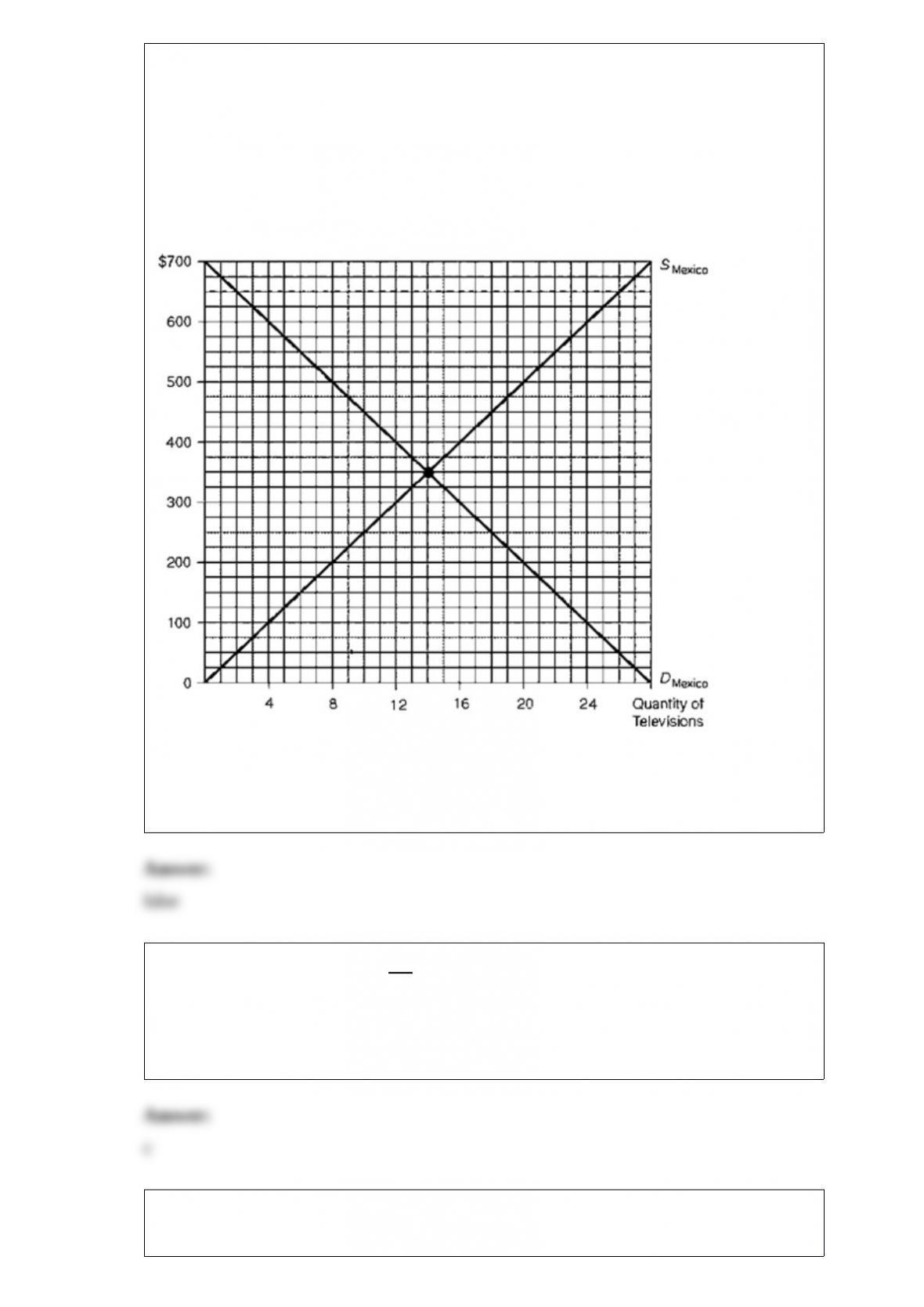
1) figure 5.5 illustrates the television market for mexico, assumed to be a small country
that is unable to affect the world price. smexico is the domestic supply schedule and
dmexico is the domestic demand schedule. suppose that japan can supply televisions to
mexico at a price of $100 per set.
figure 5.5. mexico’s television market
consider figure 5.5. the deadweight welfare loss to mexico, as a result of the japanese
export quota, totals $1200.
a.true
b.false
2) which of the following does not represent a form of international liquidity?
a.imf reserve positions
b.general arrangements to borrow
c.u.s. government securities
d.reciprocal currency arrangements
3) suppose the exchange value of the franc rises against the currencies of switzerland’s
major trading partners. to protect themselves from decreases in foreign sales caused by
the mark’s appreciation, swiss companies could shift production to countries whose
currencies had depreciated against the mark.
a.true
b.false
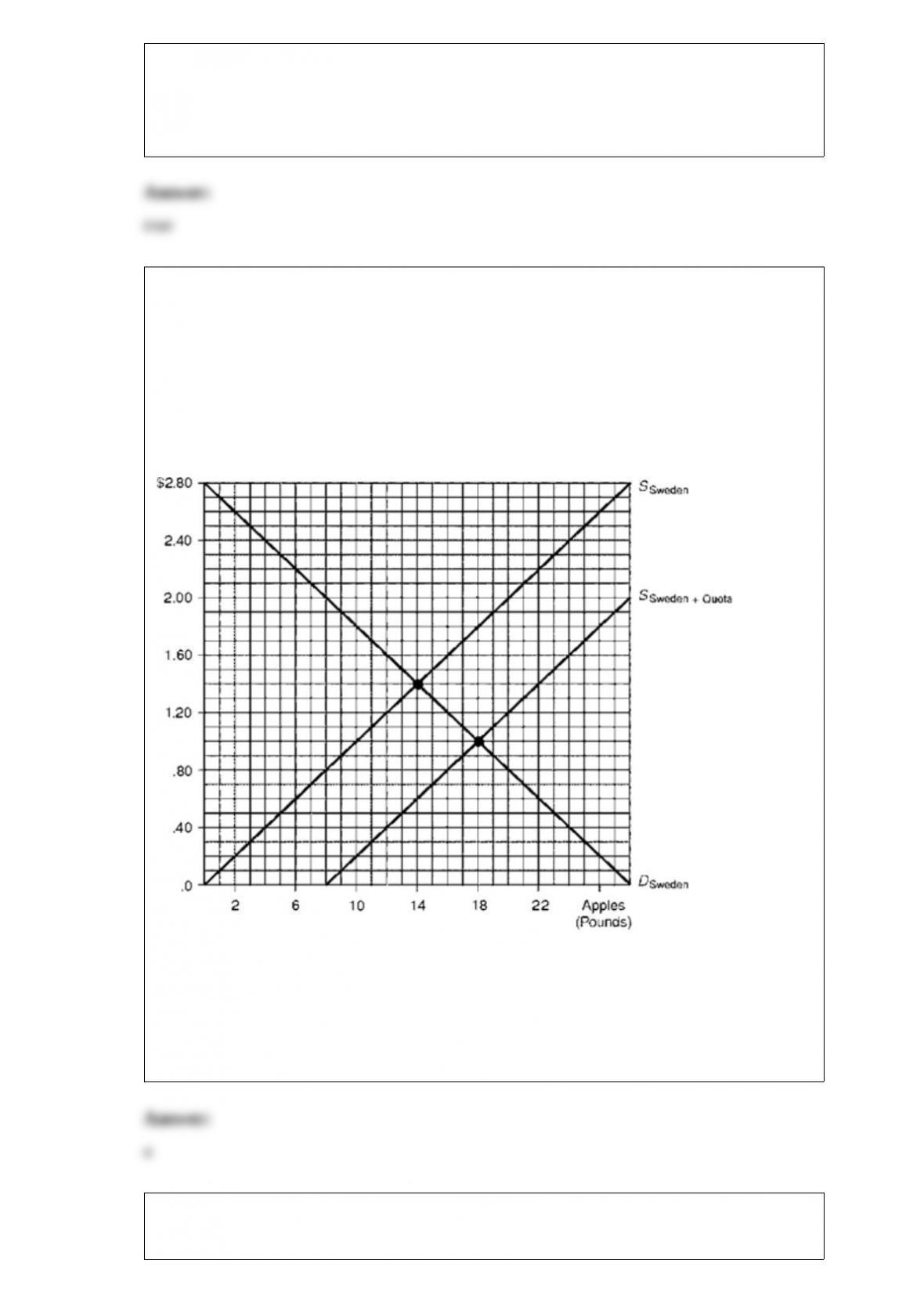
4) figure 5.3 illustrates the apple market for sweden, assumed to be a ‘small” country
that is unable to affect the world price. ssweden is the domestic supply and dsweden is
the domestic demand. ssweden+quota is sweden’s supply schedule with an import
quota.
figure 5.3. sweden’s apple market
consider figure 5.3. if the swedish government auctions import licenses to the highest
bidder in a competitive market, it could realize revenues of up to:
a.$3.20
b.$4.00
c.$4.80
d.$5.60
5) if consumer tastes in the united states change in favor of goods produced in france,
the demand for francs will increase which causes an appreciation of the dollar against
the franc under a floating exchange rate system.
a.true
b.false
6) according to the marshall-lerner condition, a currency depreciation is least likely to
lead to an improvement in the home country’s trade balance when:
a.home demand for imports is inelastic and foreign export demand is inelastic
b.home demand for imports is elastic and foreign export demand is inelastic
c.home demand for imports is inelastic and foreign export demand is elastic
d.home demand for imports is elastic and foreign export demand is elastic
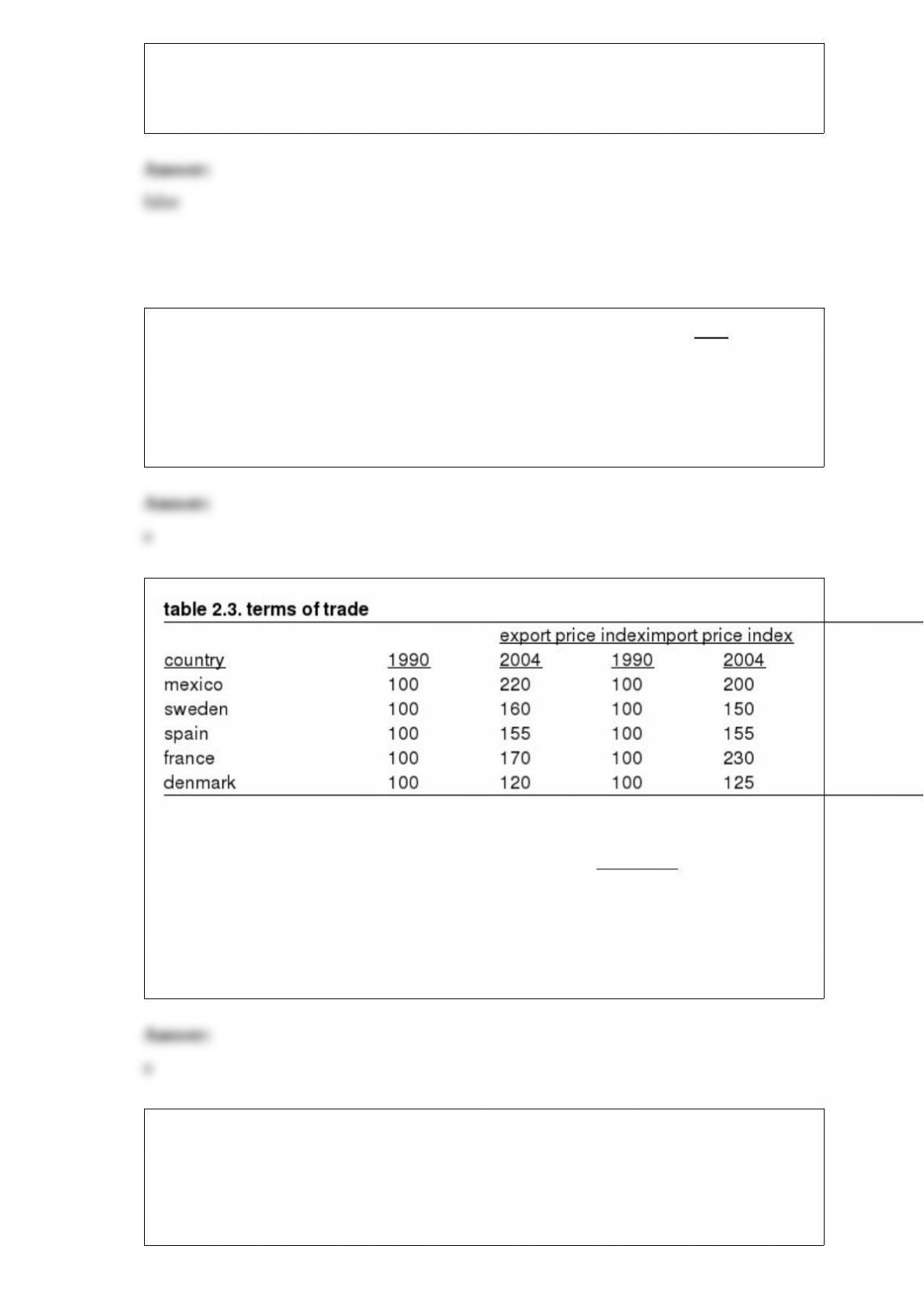
7) referring to table 2.3, which country’s terms of trade did not change between 1990
and 2004?
a.spain
b.sweden
c.france
d.denmark
8) figure 5.1 illustrates the steel market for mexico, assumed to be a ‘small” country that
is unable to affect the world price. suppose the world price of steel is given and constant
at $200 per ton. now suppose the mexican steel industry is able to obtain trade
protection.
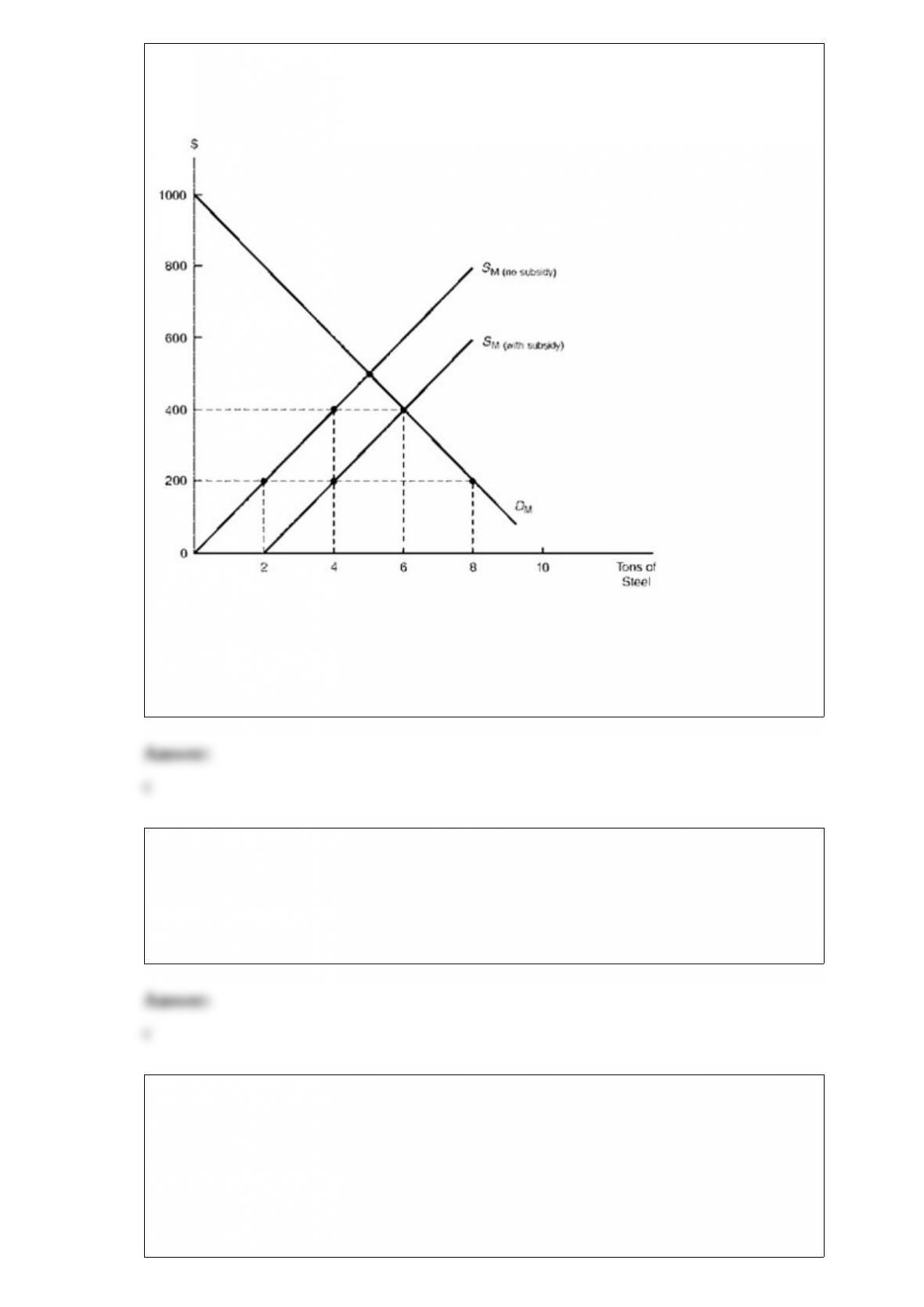
figure 5.1. alternative nontariff trade barriers levied by a ‘small” country
consider figure 5.1. with free trade, the quantity of steel imported by mexico equals:
a.2 tons
b.4 tons
c.6 tons
d.8 tons
9) the crawling peg is a
a.fixed exchange rate system
b.floating exchange rate system
c.compromise between fixed and floating exchange rates
d.exchange rate system used by nations experiencing no inflation
10) in the market for british pounds the demand is represented by d0 and supply by s0.if
the exchange rate is fixed at $3 and the demand for pounds increases to d1, us monetary
authorities will need to
a.supply 8 million poundds to the market
b.supply 4 million pounds to the market
c.supply 2 million pounds to the market
d.do nothing
11) an “automatic” adjustment mechanism would require a trade-surplus nation to
accept price deflation and/or falling income as the cost of increasing imports.
a.true
b.false
12) the uruguay round of trade negotiations resulted in the general agreement on tariffs
and trade being succeeded by the world trade organization.
a.true
b.false
13) if it takes $0.18544 to purchase 1 french franc, it takes 5.3926 francs to purchase
$1.
a.true
b.false
14) the implementation of a common market involves all of the following except:
a.elimination of trade restrictions among member countries
b.a common tax system and monetary union
c.prohibition of restrictions on factor movements
d.a common tariff levied in imports from nonmembers