A good is unit elastic in demand if as the price changes there is no resulting change in
total revenue.
a. True
b. False
We take one dollar from a pauper and give it to a millionaire. Assuming a diminishing
marginal utility of money,
a. total utility in the economy must rise.
b. total utility in the economy must fall.
c. total utility in the economy must remain the same.
d. we cannot say whether or not total utility changes.
Exhibit 3-15
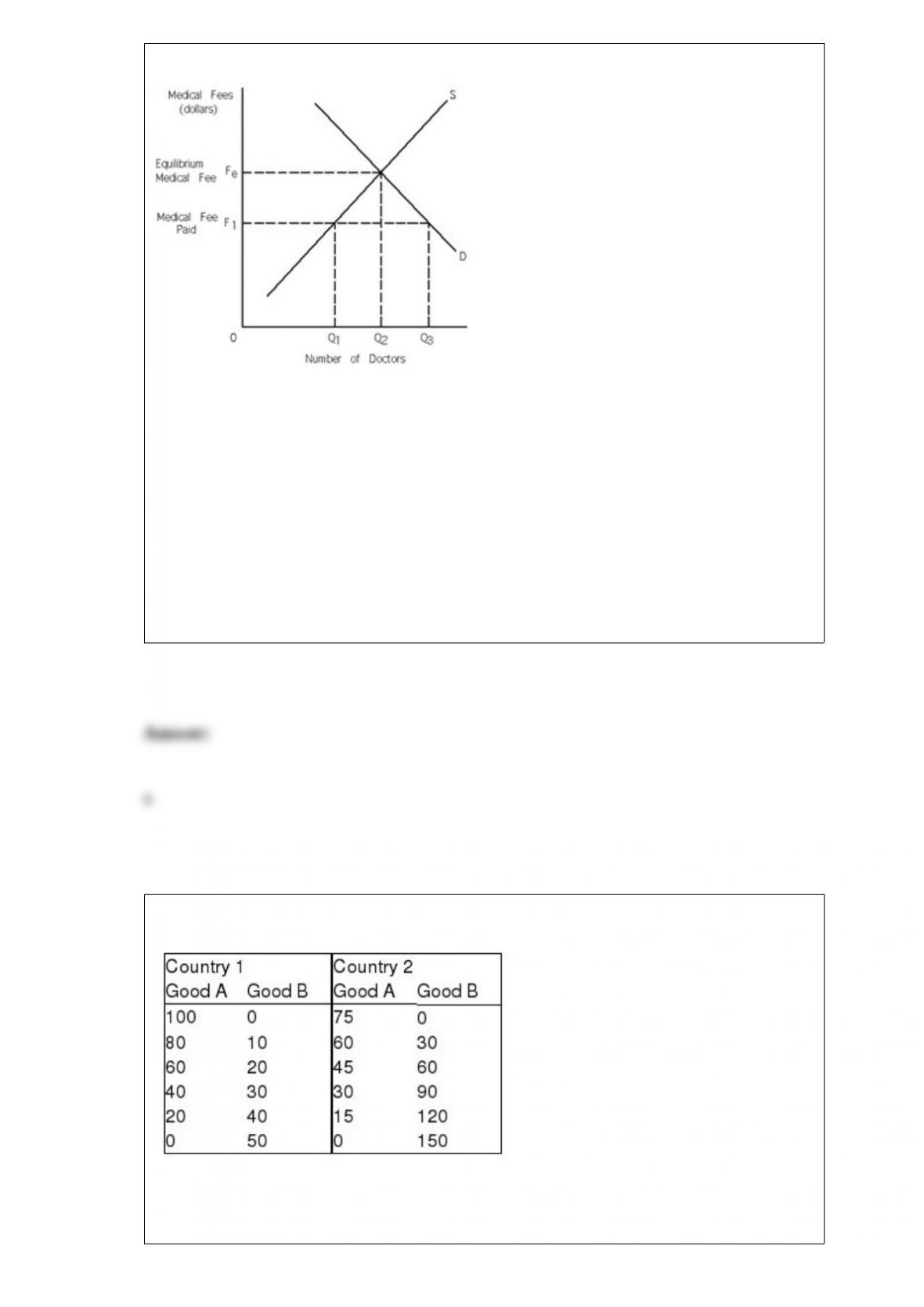
In Exhibit 3-15, at fee F1 there is a
a. shortage of(Q3 – Q1) doctors.
b. surplus of (Q3 – Q1) doctors.
c. surplus of (Q2 – Q1) doctors.
d. shortage of (Q2 – Q1) doctors.
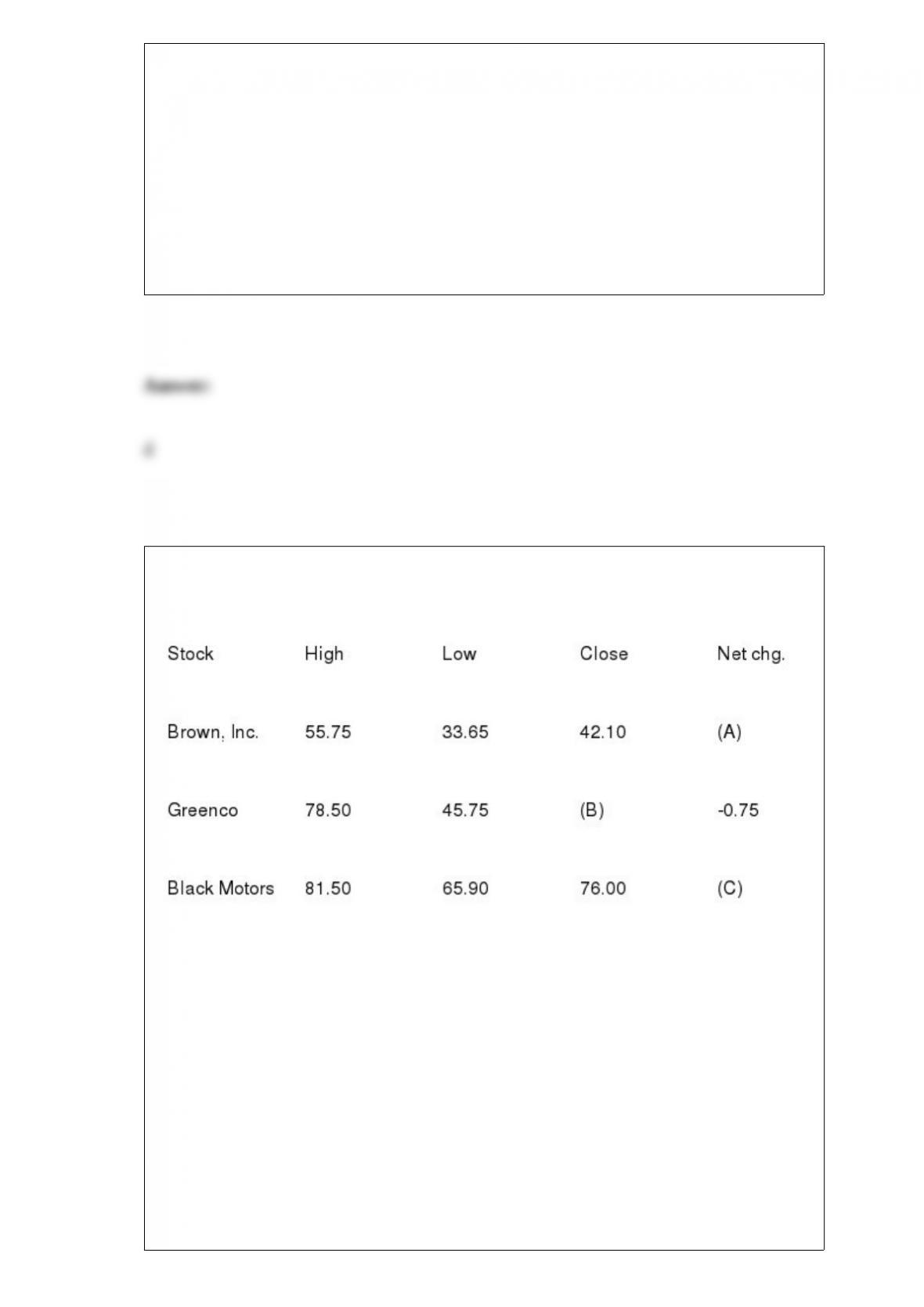
Exhibit 34-5
The opportunity cost of one unit of good A is __________ for country 1 and
__________ for country 2.
a. 20B; 15B
b. 10B; 15B
c. 2B; 1B
d. 1/2B; 2B
e. 1/10B; 1B
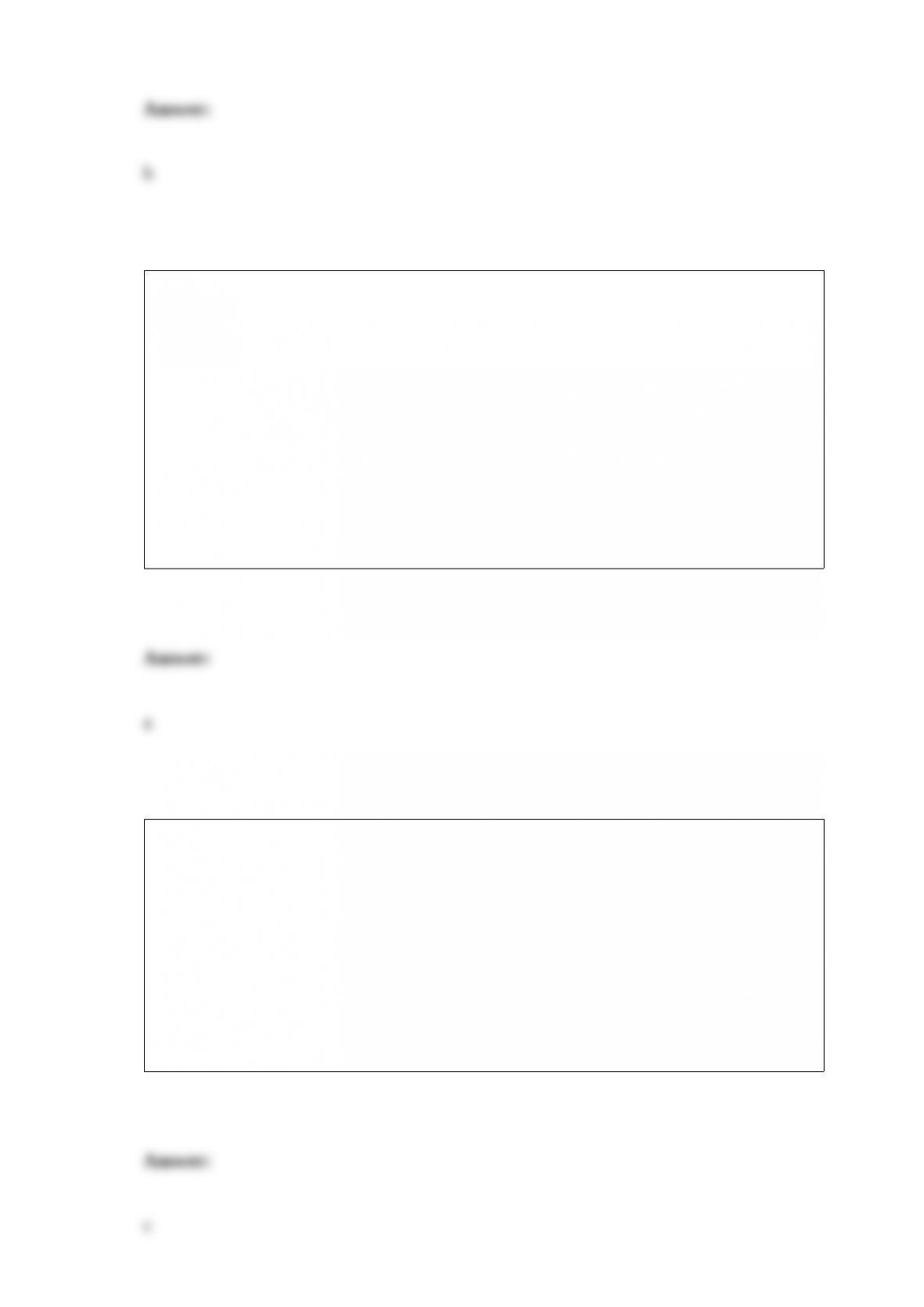
Exhibit 38-4
If the closing price of Greenco’s stock on the previous day was $48.10, what value goes
in blank (B)?
a. $47.35
b. $48.85
c. $45.85
d. $47.85
e. There is not enough information given to answer this question.
“If you hadn’t gone to dinner with your friends, you would have stayed home and
watched television.” It follows that
a. watching television is the opportunity cost of having dinner with your friends.
b. the price of having dinner with your friends is more than the price you would have
had to pay to watch television.
c. the opportunity cost of having dinner with your friends is lower than the opportunity
cost of watching television.
d. it is less costly to watch television than to have dinner with your friends.
Politicians will usually
a. prefer to discuss means rather than ends.
b. prefer to discuss the issues in specific terms rather than in general terms.
c. not like to be perceived as either an extreme “right-winger” or an extreme
“left-winger.”
d. refer to their opponents as “middle-of-the-roaders.”
If two goods are substitute goods,
a. an increase in the price of one will cause a decrease in the demand for the other.
b. an increase in the price of one will cause an increase in the demand for the other.
c. the price elasticity of demand for both goods will be greater than 1.
d. the price elasticity of demand for both goods will be less than 1.
Proponents of the flexible exchange rate system argue that under a fixed exchange rate
system,
a. there is too great a chance that the exchange rate will diverge from the equilibrium
exchange rate.
b. nations that experience persistent trade deficits might be tempted to impose trade
barriers.
c. nations might sacrifice their domestic economic policy goals for the sake of
maintaining the exchange rate.
d. b and c
e. a, b, and c
A theory is
a. built on the major factors or variables that the theorist believes explain some event.
b. a simplified abstract representation of the real world.
c. used to understand the real world.
d. a and b
e. a, b, and c