The payments made to shareholders from a firm’s profits are called
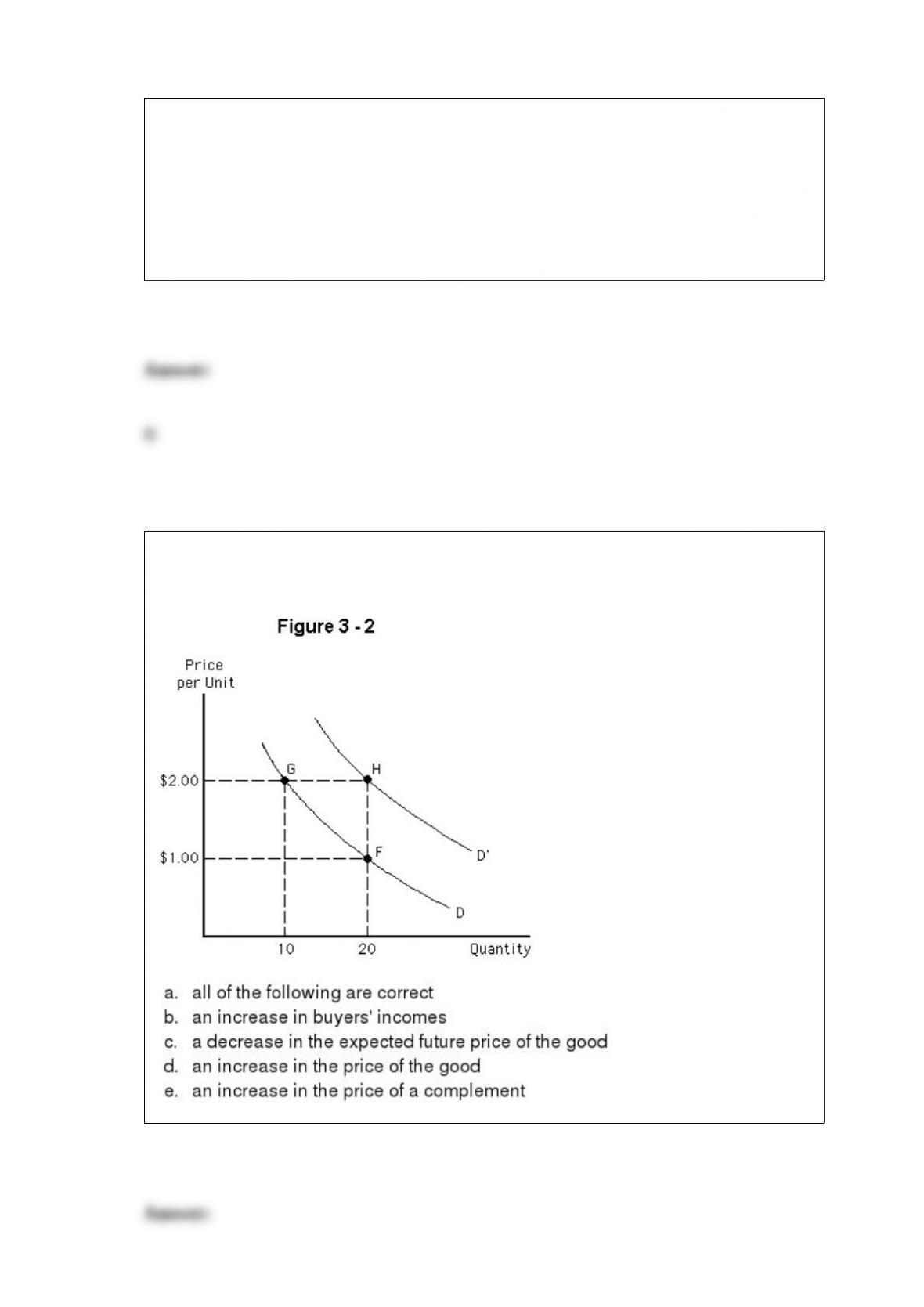
Figure 2-3 shows the production possibilities frontier for a music processing plant that
can produce both compact disks and cassettes. The opportunity cost of moving from
point A to point E is
Figure 2-3

]Which of the following describes what would happen after a positive supply shock
such as a decrease in world oil prices?
a. An upward shift of the aggregate supply curve as unit costs increase, followed by a
gradual decrease in the wage as employment decreases, leading to a downward shift of
the aggregate supply curve.
b. A downward shift of the aggregate supply curve as unit costs decrease, followed by a
gradual increase in the wage as employment increases, leading to an upward shift of the
aggregate supply curve.
c. An upward shift of the aggregate supply curve as unit costs increase, followed by a
gradual decrease in the wage as employment decreases, leading to an upward shift of
the aggregate supply curve.
d. A downward shift of the aggregate supply curve as unit costs decrease, followed by a
gradual decrease in the wage as employment decreases, leading to a downward shift of
the aggregate supply curve.
e. An upward shift of the aggregate demand curve.
If we included intermediate goods in the calculation of GDP,
a. we would be underestimating GDP
b. we would be accurately measuring GDP
c. we would be overestimating GDP
d. any measurement problems would be offset by including the sale of new goods
e. any measurement problems would be offset by including the final goods as well

An open market purchase of bonds by the Fed
a. will shift the money supply curve to the left.
b. will drain reserves from the banking system and shift the money supply curve to the
right.
c. will inject reserves into the banking system and shift the money supply curve to the
left.
d. will shift the money supply curve to the right.
e. will change the slope of the money supply curve.
By driving up interest rates, an increase in investment spending causes
a. a voluntary decrease in consumption
b. a voluntary increase in consumption
c. an involuntary decrease in consumption
d. an involuntary increase in consumption
e. government spending to be crowded out
The U.S. system of national income accounts was started in the
a. late 1800s to measure the effects of rapid industrialization
b. mid-1910s to measure the effects of World War I on the economy
c. early 1930s to keep track of national income and output
d. early 1940s to keep track of output during World War II
e. early 1950s to measure changes in post-World War II output and income
Everything else being equal, a higher interest rate
a. increases consumption spending as people face increasing debt
b. reduces consumption spending as people have a greater incentive to save
c. does not change consumption spending because consumption is only affected by
income
d. does not change total consumption spending, but does change who does the spending
e. reduces both consumption spending and saving as people face increased debt
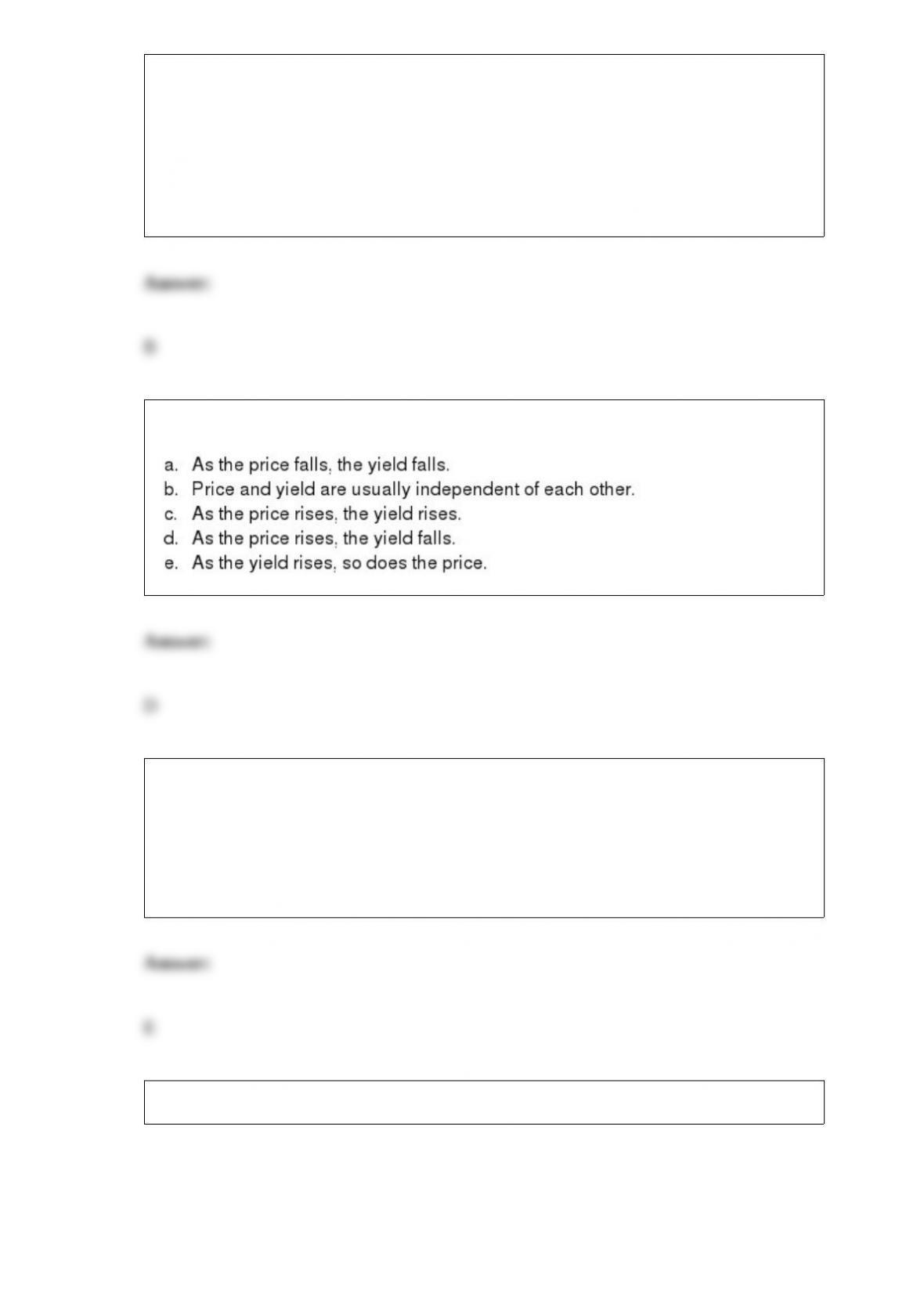
Which of the following could explain a movement from point F to point G in Figure
3-2? Assume that the good represented is an inferior good.

Moving up the Phillips curve in the short run will cause the entire curve to shift upward
in the long run.
Which of the following is a supply shock?
a. A decrease in money demand
b. An increase in the money supply
c. An increase in investment spending
d. A change in oil prices
e. A change in taxes
If the dollar-pound exchange rate is $1.00 per pound, then a shirt priced at 25 pounds
will cost an American
a. $25
b. $50
c. $26
d. $27
e. an amount that cannot be calculated without additional information.
If the required reserve ratio is 0.2, and a bank has $100 million in demand deposits and
$40 million in property and buildings, it must hold reserves of at least
a. $28 million
b. $20 million
c. $26 million
d. $12 million
e. $8 million
Which of the following states the relationship between a bond’s price and its yield?
The short-run macro model is used most often to determine changes in
a. nominal output
b. net output
c. gross output
d. financial output
e. real output.
The demand curve for apples slopes downward