
Sara sells beer in a perfectly competitive market. This week Sara receives a lower price
for a keg of beer than she did last week. Which of the following statements could
explain this?
A) The market demand for beer increased.
B) The market demand for beer decreased.
C) Firms exited the market.
D) Sara’s costs have increased.
Recall the Application. The market for baseball players suffers from adverse selection
because ________ the used car market, buyers (potential new teams) ________ goods
(pitchers) that are lemons (low quality).
A) unlike; have difficulty identifying
B) like; have difficulty identifying
C) unlike; can more easily identify
D) like; can more easily identify
In markets with imperfect information:
A) buyers and sellers will use resources to acquire information before making
decisions.
B) buyers will use resources to acquire information before making a decision, but
sellers do not need to acquire additional information before making a decision.
C) sellers will use resources to acquire information before making a decision, but
buyers do not need to acquire additional information before making a decision.
D) neither buyers nor sellers will be able to acquire information in order to make
decisions.
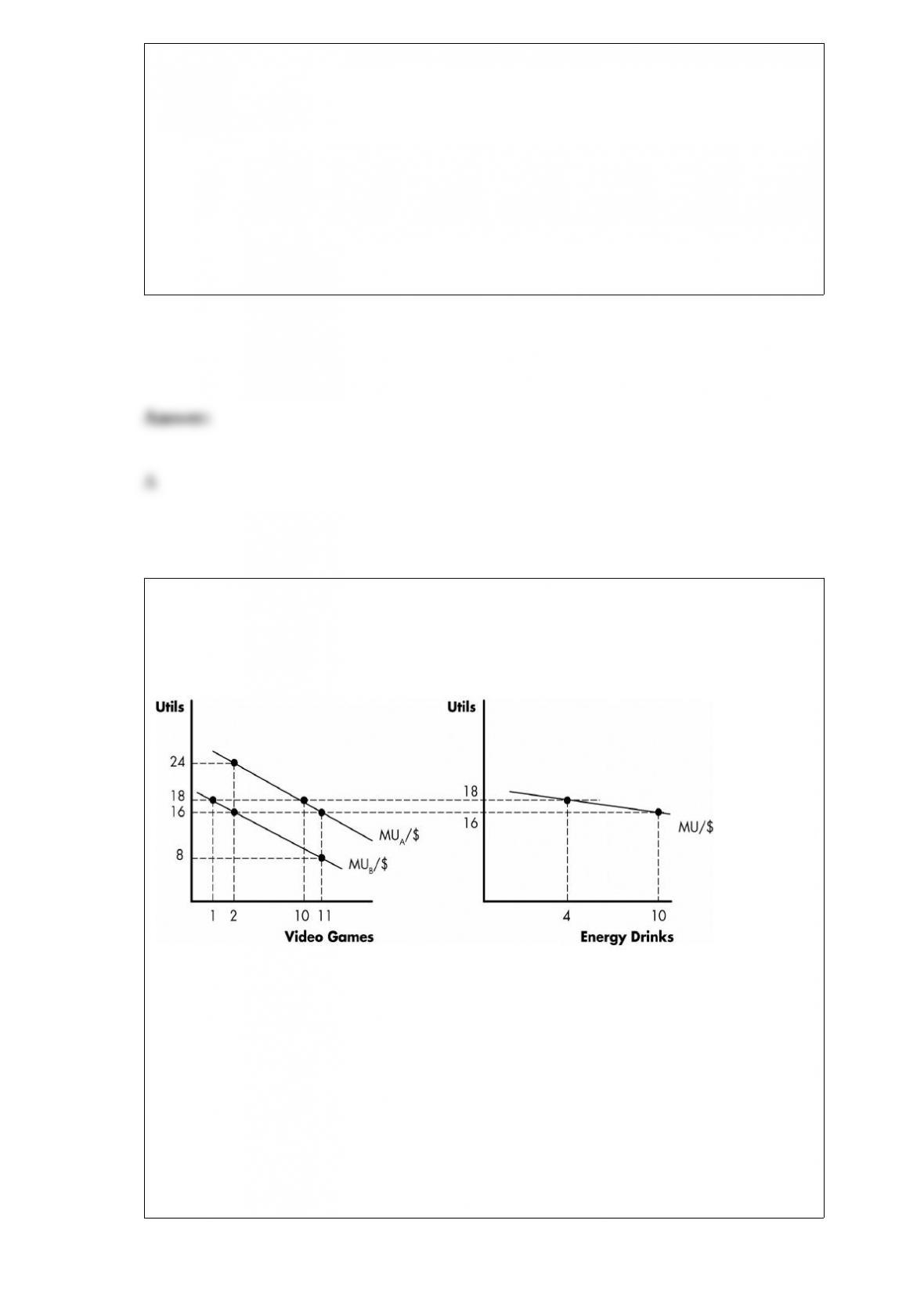
Refer to Figure 7.3. If the price of video game rentals is $4, the marginal utility per
dollar at the utility maximizing combination is ________ utils for video game rentals
and ________ utils for energy drinks.
Figure 7.3
The price of Video Game rentals is $2 For MUA/$ and $4 for MUB/$.
The price of Energy Drinks is $2.
Budget = $28.
A) 18; 18
B) 18; 16
C) 16; 16
D) 8; 16
Johan’s Shoe Sole Inc. is producing at the level at which marginal revenue is equal to
marginal cost. Johan’s Shoe Sole Inc. must be:
A) earning a zero economic profit.
B) incurring a loss.
C) maximizing profits.
D) maximizing revenue but not maximizing profits.
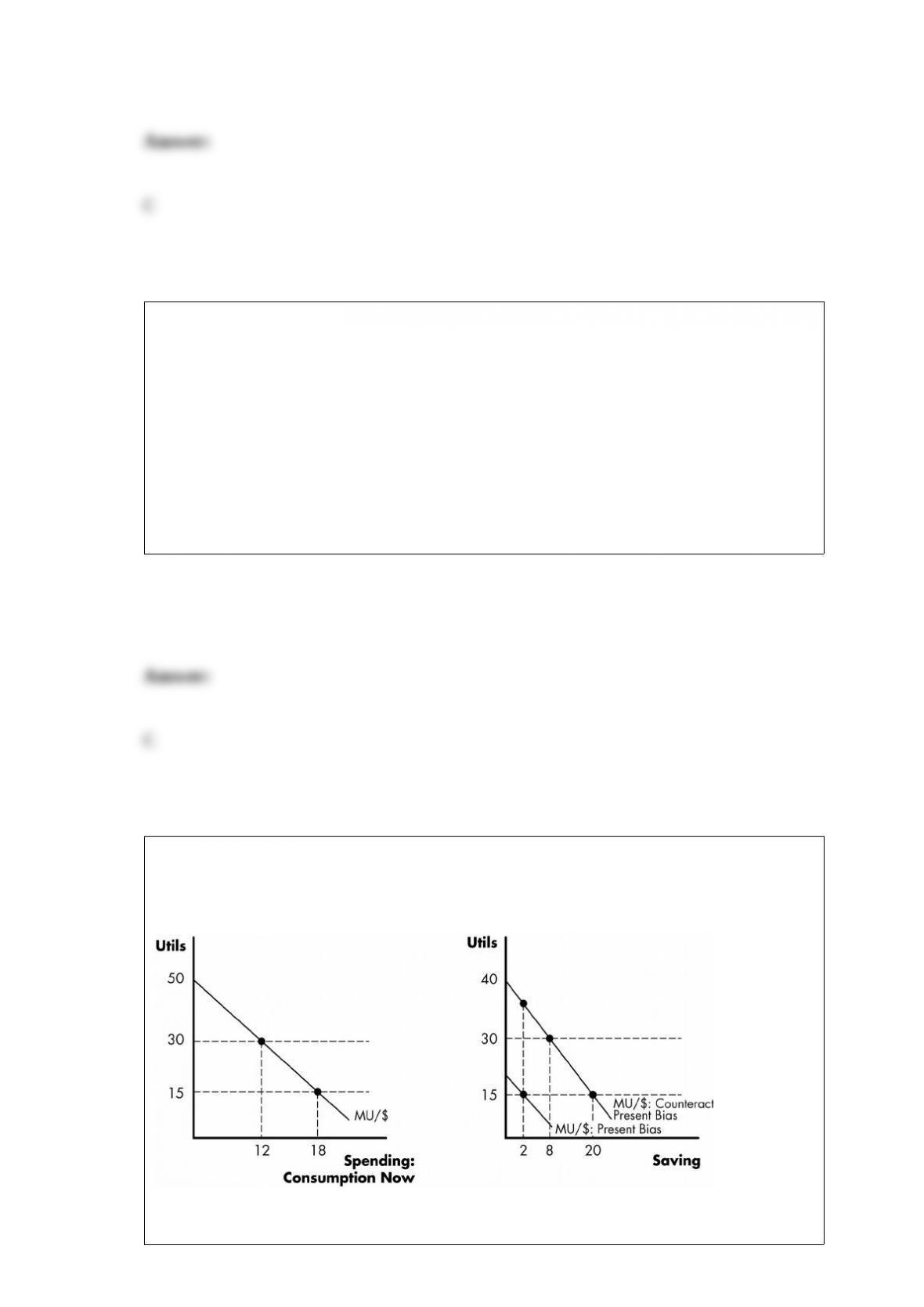
Refer to Figure 7.5. If the consumer is subject to present bias, he will consume
________ now and save ________ to maximize utility.
Figure 7.5
The consumer must decide how to split $20 between spending and saving.

A) $12; $8
B) $18; $2
C) $12; $2
D) $0; $20
The principle that states that the cost of something is equal to what is sacrificed to get it
is known as the:
A) marginal principle.
B) principle of opportunity cost.
C) principle of diminishing returns.
D) reality principle.
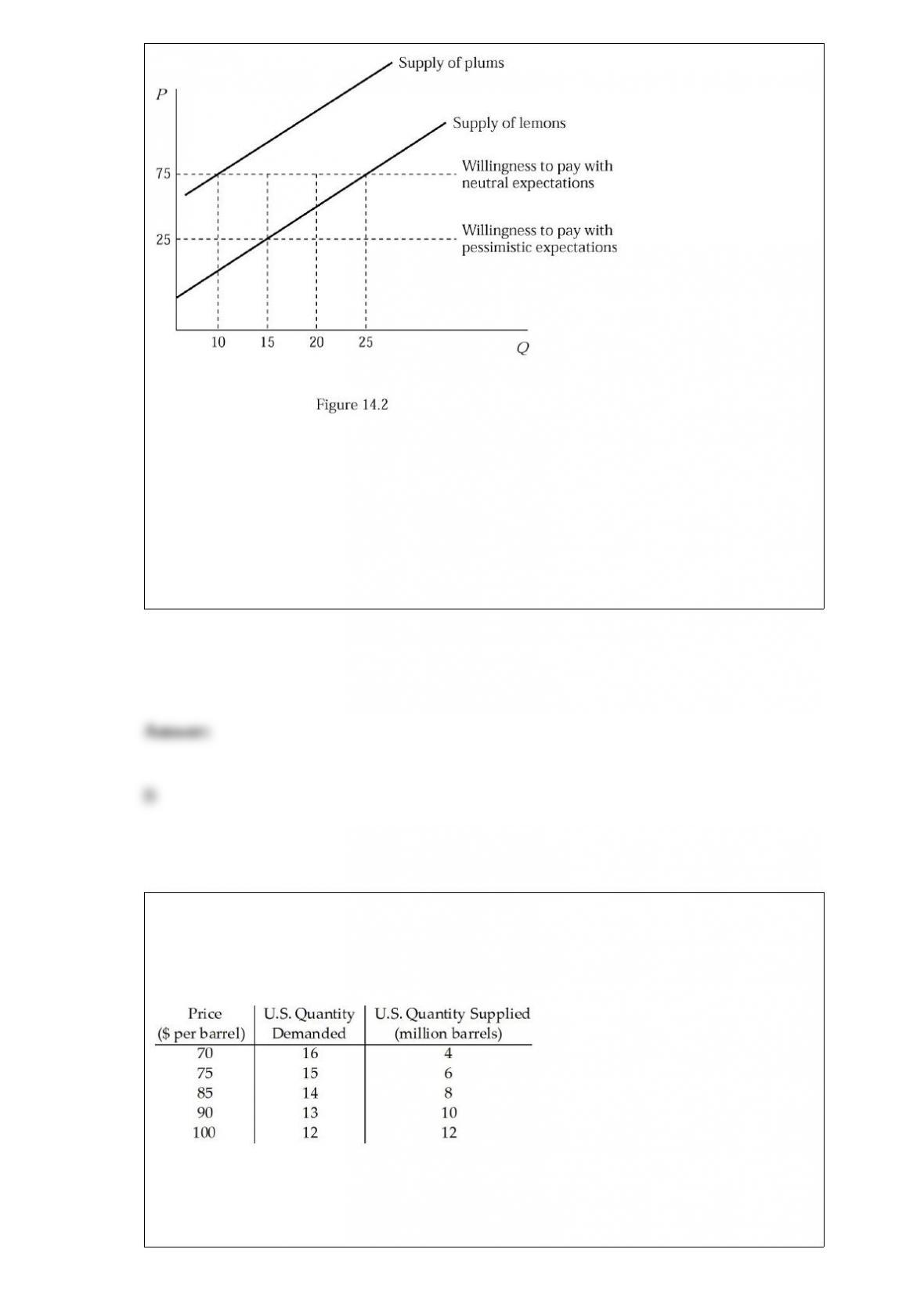
Figure 14.2 represents the market for used cameras. Suppose buyers are willing to pay
$125 for a plum (high-quality) used camera and $25 for a lemon (low-quality) used
camera. If buyers believe that all of the used cameras in the market are lemons (low
quality), what number of used cameras sold will actually be lemons (low quality)?
A) 10
B) 15
C) 20
D) 25
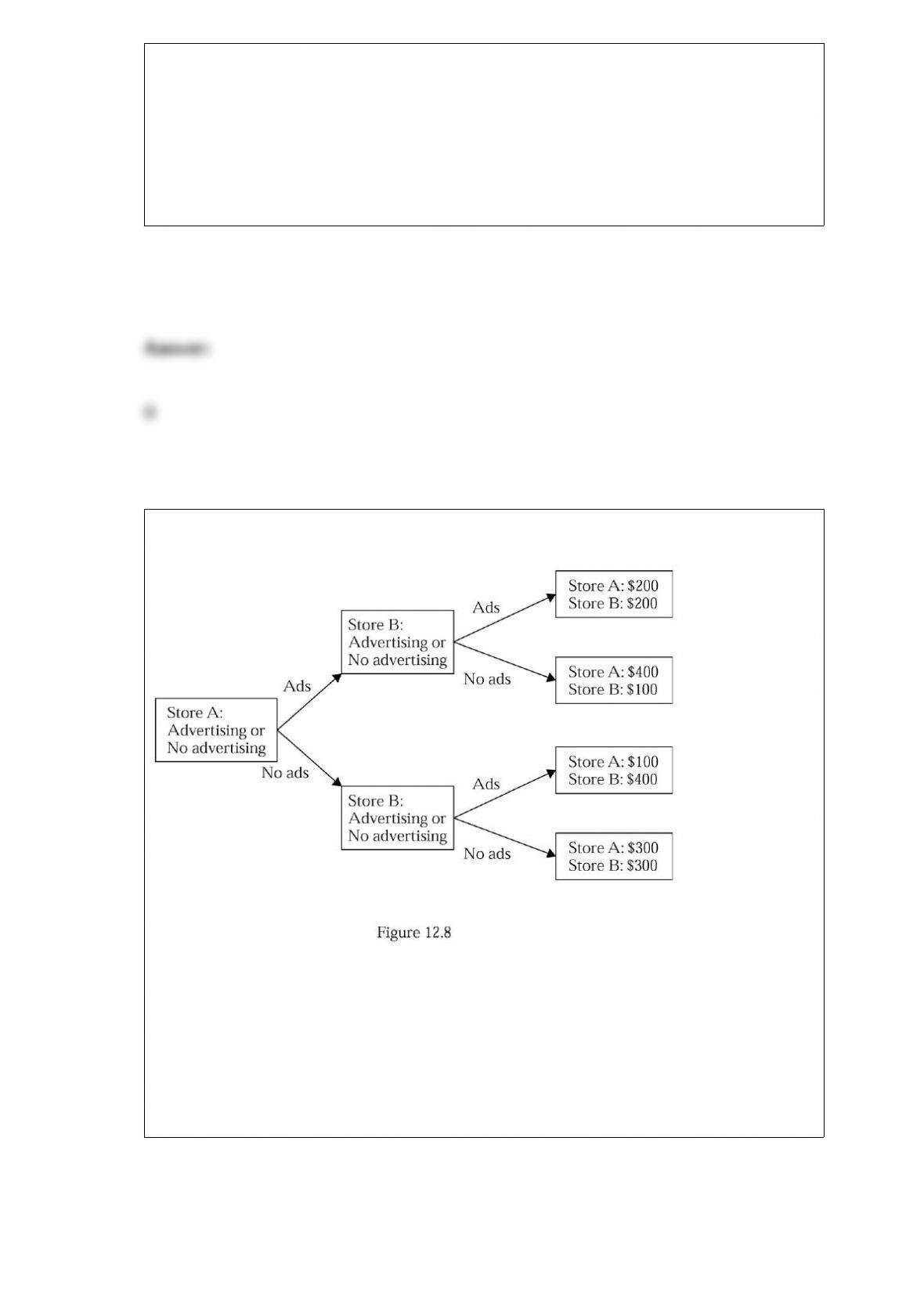
Table 6.1 indicates the demand and supply schedules for oil in the United States.
Suppose also that the world price of oil is $75 per barrel and that the United States can
buy all the oil it wants at that price. Which of the following statements is TRUE about
the impact of a law banning all oil imports?
Table 6.1
A) Consumers would pay a lower price for oil than they would under free trade.
B) Domestic producers benefit from the law because they can charge a higher price and
sell more.
C) Total surplus in the oil market rises.
D) Consumer surplus increases.
Figure 12.8 depicts an advertising game between two stores. “Advertising” is:
A) a dominant strategy for Store A but not for Store B.
B) a dominant strategy for Store B but not for Store A.
C) a dominant strategy for both stores.
D) a dominant strategy for neither store.

A firm has an opportunity of price discrimination if following is met:
A) requires that the firm has some control over the price of its product.
B) the firm must have different consumer groups.
C) the firm’s products are not easily resold.
D) All of the above are correct.
Suppose that we compare shares of income earned by different U.S. groups by dividing
all households into five groups. Which of the following statements about the income
distribution in the United States is correct?
A) Shares of income remain roughly constant as we move from the lowest quintile to
the highest quintile.
B) Shares of income decrease as we move from the lowest quintile to the highest
quintile.
C) Shares of income increase as we move from the lowest quintile to the highest
quintile.
D) none of the above

Suppose that the current price in a market for Pizza is $9. At that price, the quantity
demanded is 519 and the quantity supplied is 400. At the current price, the market is
experiencing:
A) an excess demand of 119 pizzas.
B) an equilibrium.
C) an excess supply of $119.
D) an excess demand of 500 pizzas.
Assume a non-price discriminating monopolist can sell 45 units of a good for $ 1.50
each and can sell 46 units of that good for $ 1.45 each. The marginal revenue of the
46th unit is:
A) -$ .08
B) $ .08.
C) $ .80.
D) -$ .80
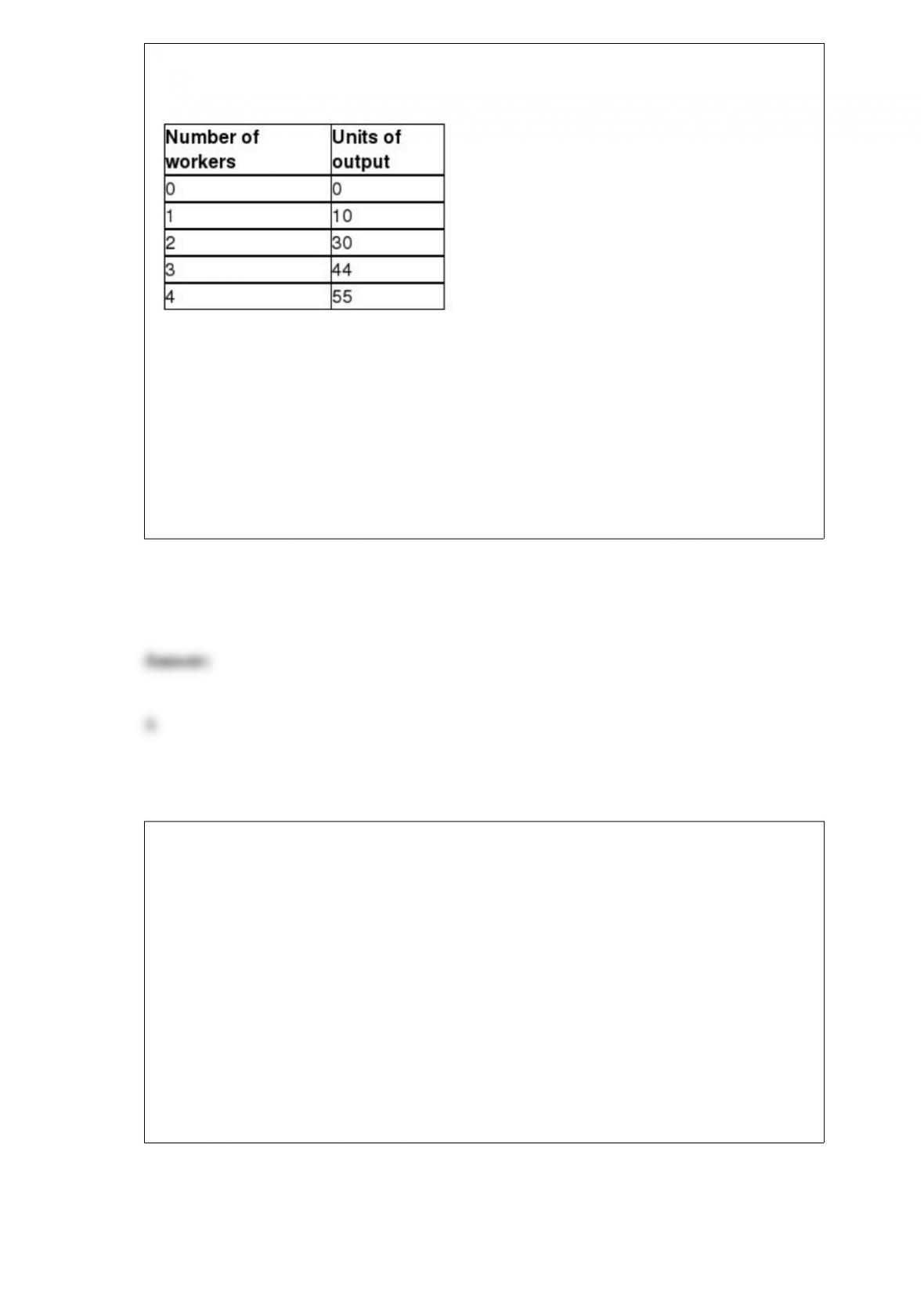
Refer to Table 8.1, which gives a firm’s production function. Assume that all non-labor
inputs are fixed. Diminishing marginal returns set in with the addition of the:
Table 8.1
A) third worker.
B) fourth worker.
C) fifth worker.
D) sixth worker.
Recall the Application about the attempt to form a salt cartel in the 19th century
to answer the following question(s).
Recall the Application. One reason cited for the failure of the salt cartel was:
A) the demand for salt sharply declined in the late 19th century.
B) new firms entering the market and underpricing the cartel.
C) foreign competition taking over the salt market.
D) the federal government’s banning of price fixing in the salt market.

The principle that “as one input increases while the other inputs are held fixed, output
increases at a decreasing rate” is known as the:
A) marginal principle.
B) principle of opportunity cost.
C) principle of diminishing returns.
D) spillover principle.
Which of the following products is the most likely to have constant costs in the long
run?
A) ice
B) wine grapes
C) housing
D) copper

Relative to explicit price fixing, with implicit price fixing:
A) firms will find it more difficult to figure out why the price leader has set the price
that it has.
B) the reasons for the price leader’s pricing strategy will be more clear and less
ambiguous.
C) firms face a higher risk of prosecution for antitrust violations.
D) consumers will pay higher prices.
For the perfectly competitive firm:
A) price always equals average cost.
B) price always equals marginal cost.
C) price always equals marginal revenue.
D) price always equals average variable cost.
If the government taxes a firm that is generating an external cost, the price of the firm’s
product will:
A) increase and output will decrease.
B) increase and output will increase.
C) decrease and output will decrease.
D) decrease and output will increase.
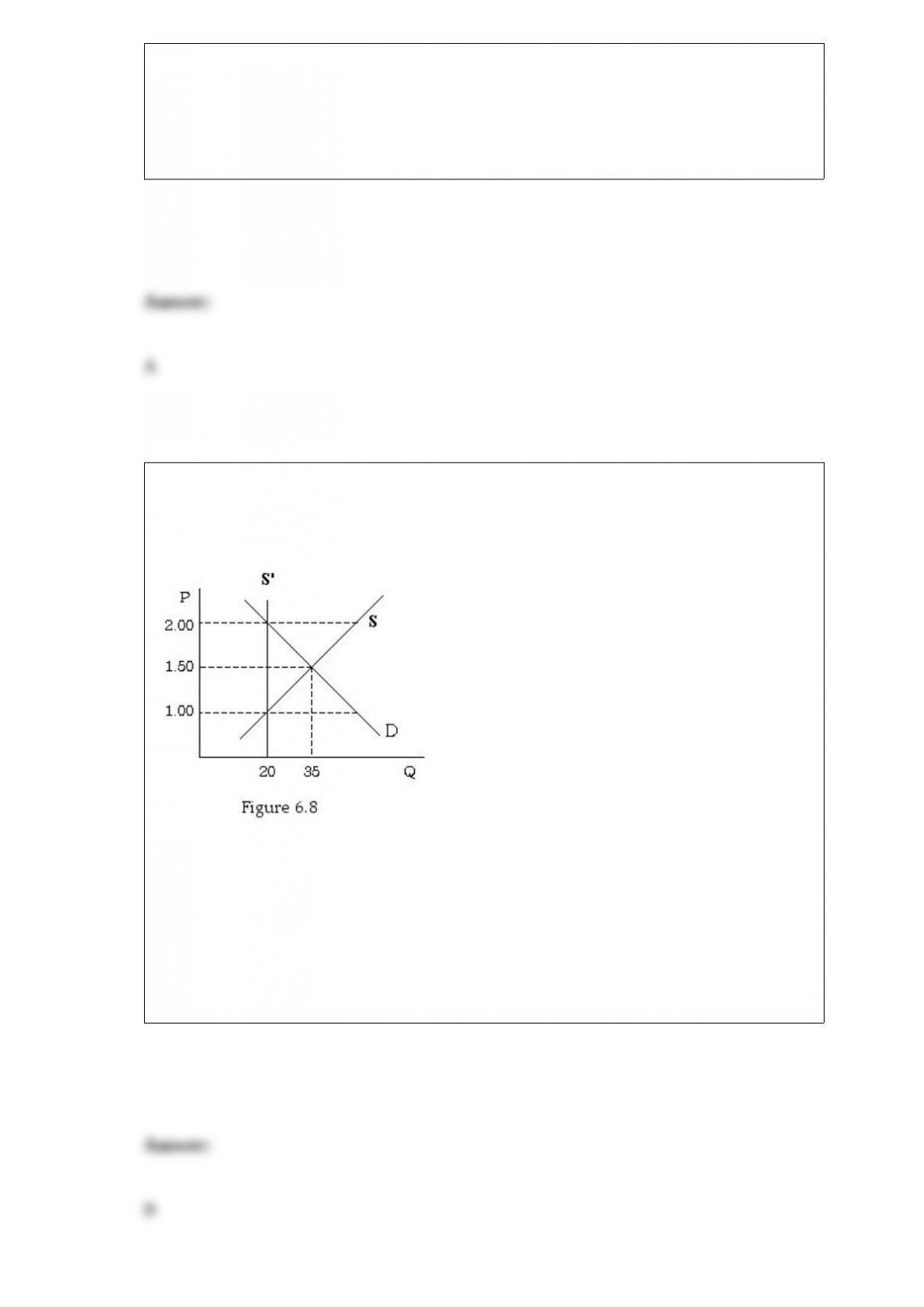
Figure 6.8 shows the market for taxicab services in a small town. If there is no
government intervention and the supply of taxicab services reflects the law of supply,
the price per mile traveled will be:
A) $1.00.
B) $1.50.
C) $2.00.
D) It is impossible to determine.

The situation where marketers introduce products that are not designed to sell, but are
designed to manipulate consumers into choosing a similar but superior product is
known as:
A) the decoy effect.
B) the anchoring effect.
C) bundling.
D) mental accounting.
Entrepreneurs play a key role in which type of economy?
A) centrally planned economy
B) market economy
C) command economy
D) all of the above
Which of the following goods is likely to have the most elastic demand?
A) movie

B) cigarettes
C) electricity
D) gasoline
Recall the Application about setting the price of tickets for Major League Baseball
games to answer the following question(s).
According to the Application, the marginal revenue from ticket sales for a typical Major
League Baseball team is:
A) positive.
B) zero.
C) negative.
D) infinity.
Consider a cable TV company which is subject to an average-cost pricing regulation. If
the number of subscribers decreases:
A) the company will have to operate at a smaller profit unless it suffers an economic
loss.
B) the company will have to charge a relatively low price as the demand curve facing
the firm shifts to the left.
C) the company will charge more per customer as its average cost increases.
D) none of the above
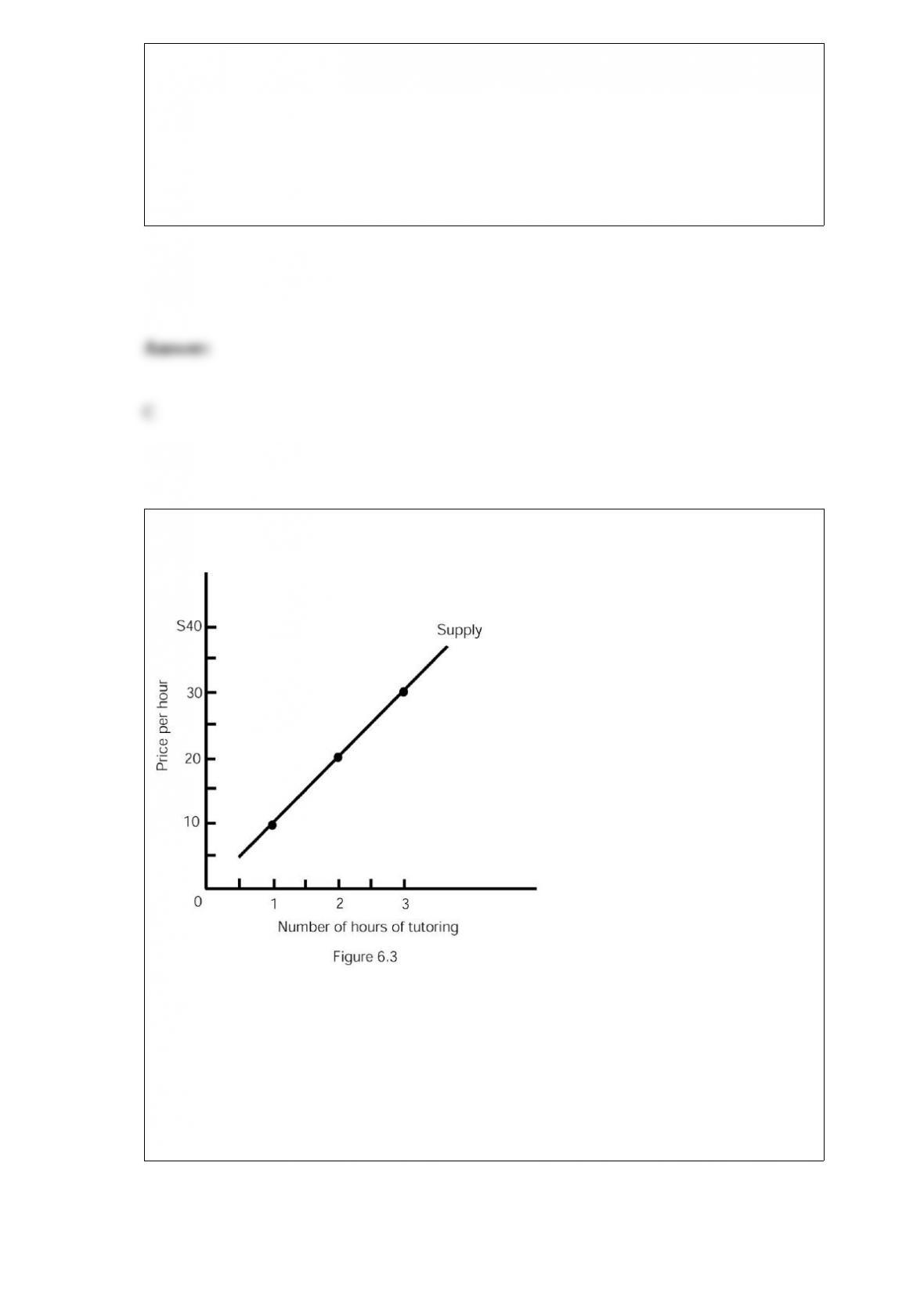
Refer to Figure 6.3. If the price of one hour of tutoring is $30, then producer surplus is:
A) $40.
B) $30.
C) $20.
D) $10.
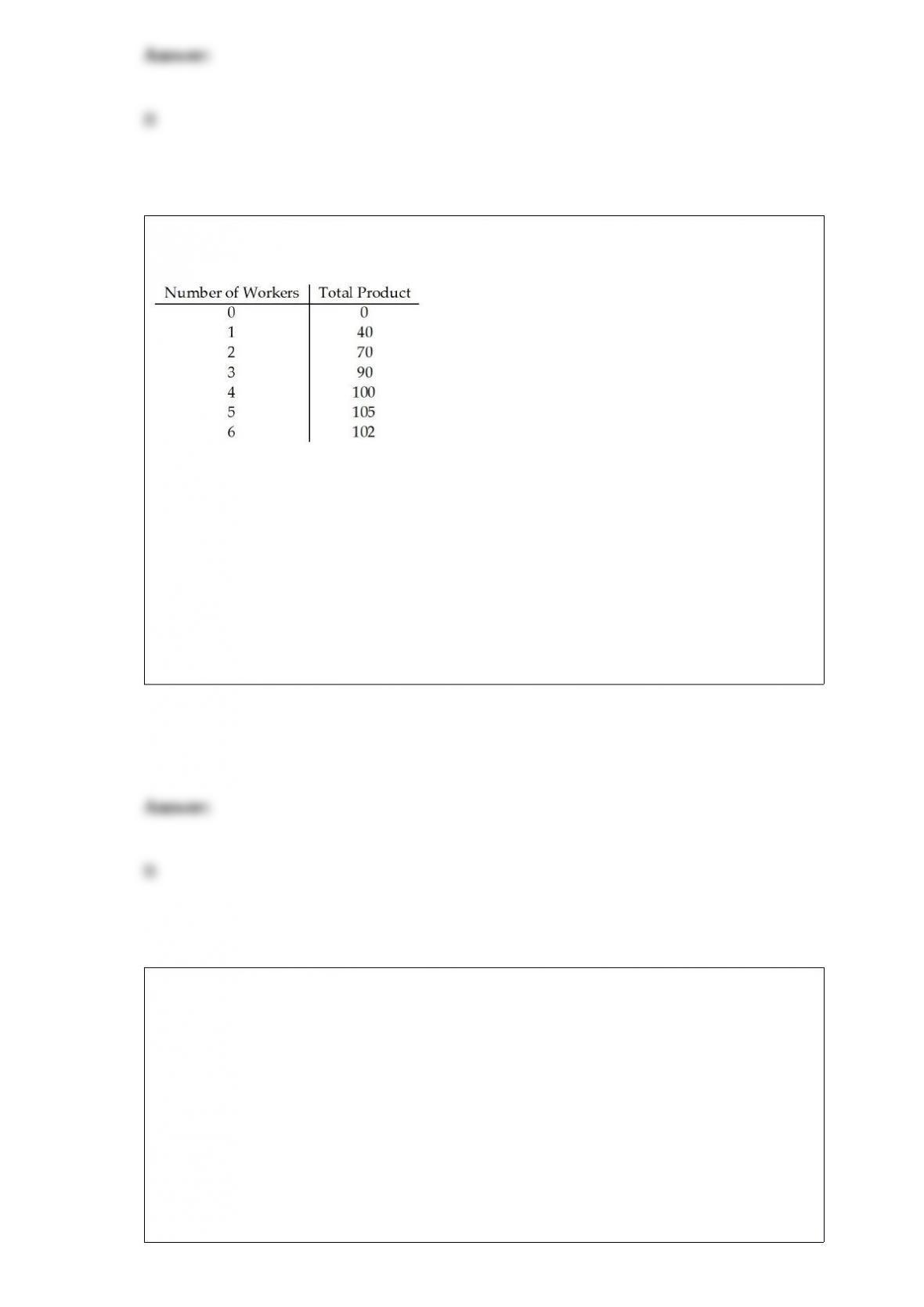
Refer to Table 17.3. Suppose that the market price of the product is $2. If the wage is
$40, the firm should hire ________ workers.
Table 17.3
A) 2
B) 3
C) 4
D) 5
Suppose that buyers in the used refrigerator market are willing to pay $500 for a
high-quality refrigerators and $200 for a low-quality refrigerators. If buyers believe that
50% of all used refrigerators are low-quality, what is the maximum price they would be
willing to pay for a used
refrigerator?
A) $340
B) $200
C) $500
D) $350
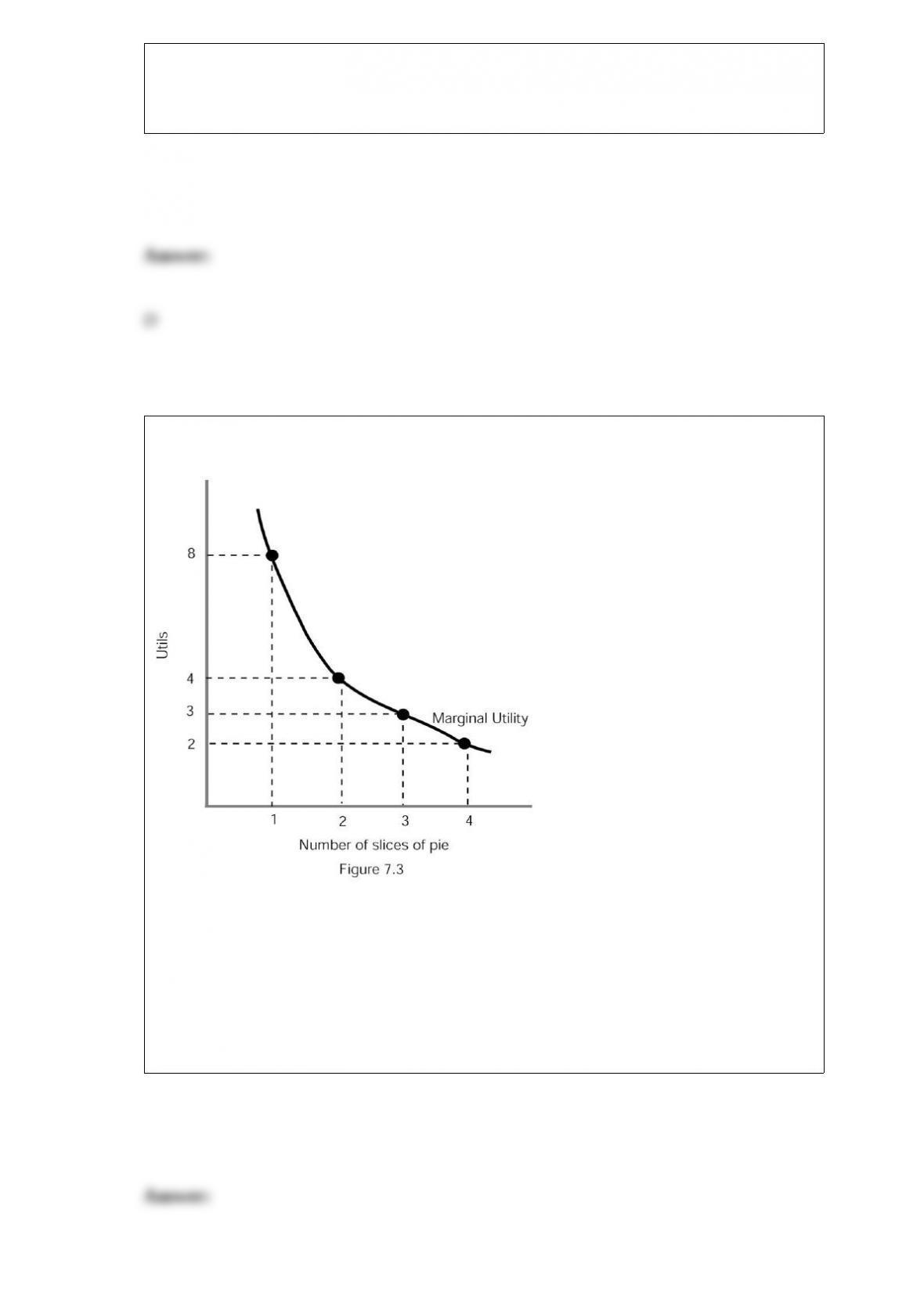
Refer to Figure 7.3. The marginal utility from the fourth slice of pie is:
A) 2.
B) 3.
C) 4.
D) 8.