
A policy that offers parents a tax reduction based on how much they are saving for their
children’s college education should ________ the equilibrium level of loanable funds
and ________ the rate of long-term growth.
A) decrease; increase
B) increase; decrease
C) decrease; decrease
D) increase; increase
The ________ the reserve ratio, the ________ the money multiplier.
A) smaller; smaller
B) smaller; larger
C) larger; larger
D) None of the above are correct.
If the economy experiences a(n) ________, inflation will rise and real GDP will fall.
A) negative supply shock
B) positive supply shock
C) increase in short-run aggregate supply
D) decrease in aggregate demand
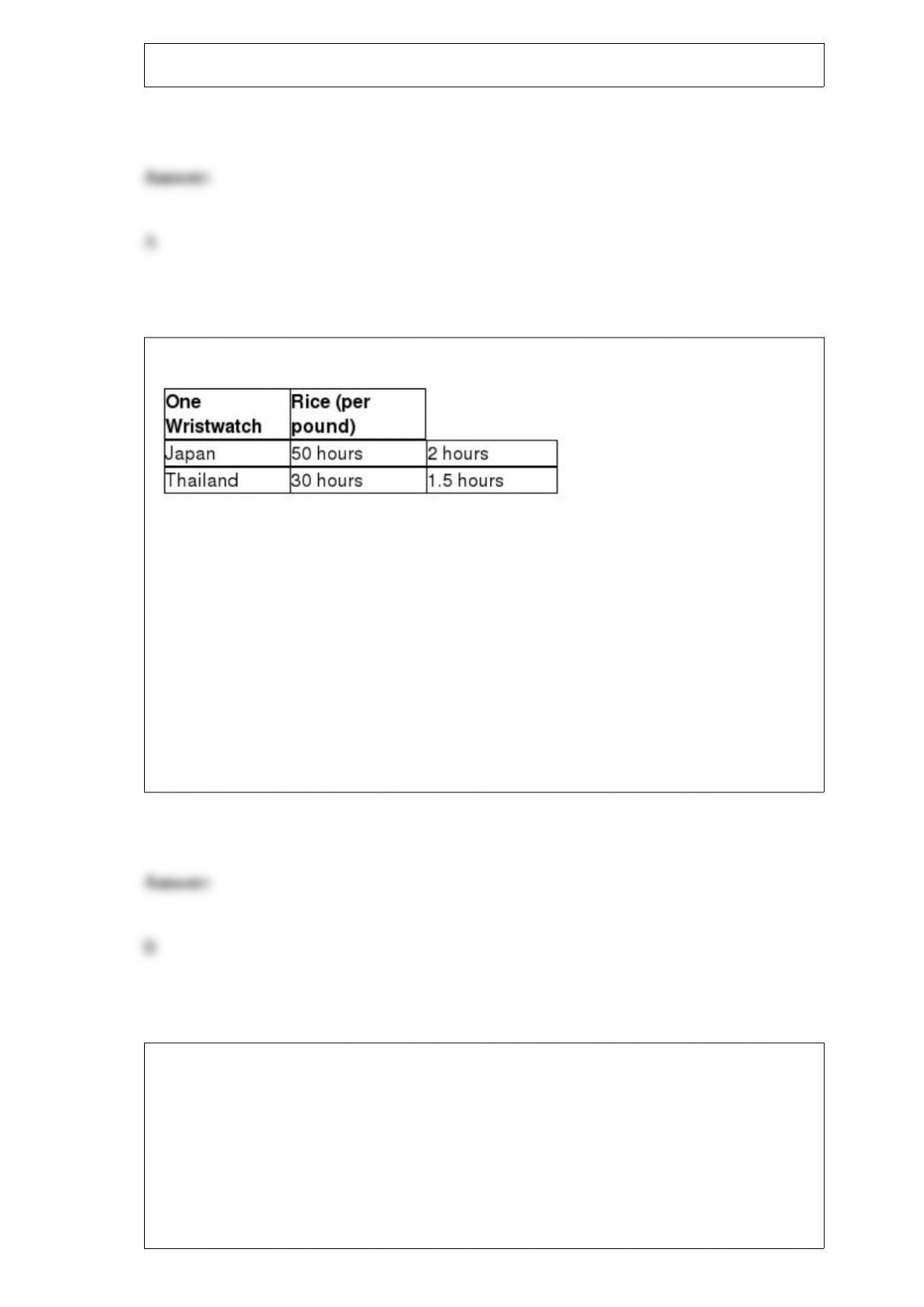
Table 2-9
Table 2-9 shows the number of labor hours required to produce a wristwatch and a
pound of rice in Japan and Thailand.
Refer to Table 2-9. If the two countries specialize and trade, who should export rice?
A) There is no basis for trade between the two countries.
B) Japan
C) Thailand
D) They should both be exporting rice.
The multiplier effect refers to the series of
A) autonomous increases in consumption spending that result from an initial increase in
induced expenditures.
B) induced increases in consumption spending that result from an initial increase in
autonomous expenditures.

C) autonomous increases in investment spending that result from an initial increase in
induced expenditures.
D) induced increases in investment spending that result from an initial increase in
autonomous expenditures.
How will the exchange rate (foreign currency per dollar) respond to an increase in the
relative rate of productivity growth in the United States in the long run?
A) Exchange rates will rise.
B) Exchange rates will fall.
C) Exchange rates will be unaffected by changes in the relative rate of productivity
growth in the United States, both in the short run and in the long run.
D) The exchange rate will be affected in the short run, but not in the long run.
Which of the following government policies would most likely result in an increase in
economic growth?
A) a decrease in the life of a patent from 20 years to 15 years
B) a decrease in the interest rate at which the government provides student loans
C) a decrease in government spending on grants issued through the National Institutes
of Health
D) decreased copyright protection on music and movies
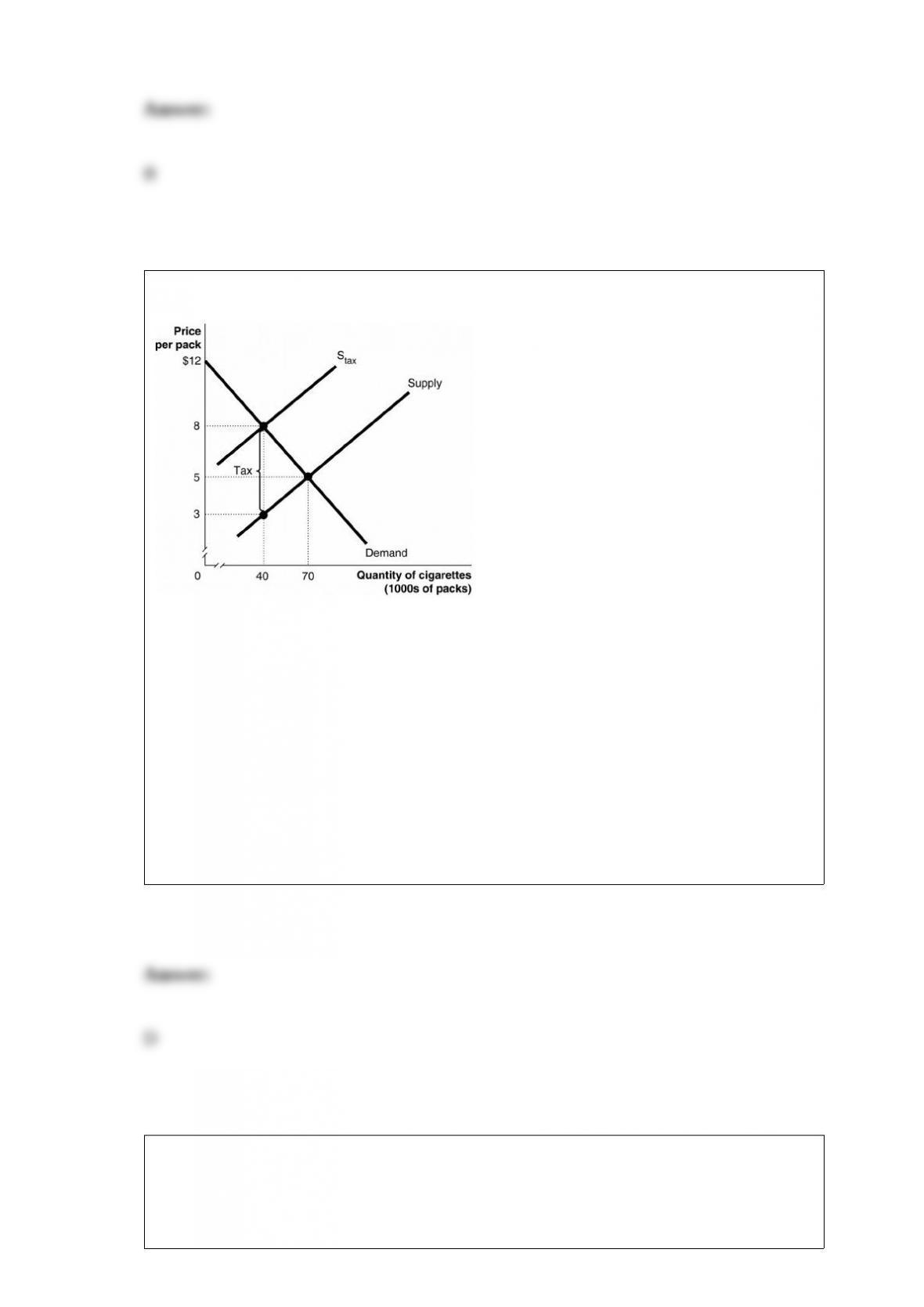
Figure 4-9
Figure 4-9 shows the market for cigarettes. The government plans to impose a unit tax
in this market.
Refer to Figure 4-9. How much of the tax is paid by producers?
A) $45
B) $8
C) $3
D) $2
Given the equations for C, I, G, and NX below, what is the marginal propensity to
consume?
C = 2,000 + 0.9Y
I = 2,500

G = 3,000
NX = 400
A) -0.1
B) 0.1
C) 0.9
D) 2000
How would a decrease in the U.S. budget deficit affect the exchange rate in the market
for dollars?
A) The exchange rate will increase.
B) The exchange rate will decrease.
C) The exchange rate will not be affected by a change in the budget deficit.
D) The impact of the decrease in the budget deficit on the exchange rate cannot be
predicted.
An increase in the sensitivity of private spending (consumption, investment, and net
exports) to changes in the interest rate ________ the government purchases multiplier.
A) will decrease
B) will increase
C) will not change
D) may increase or may decrease
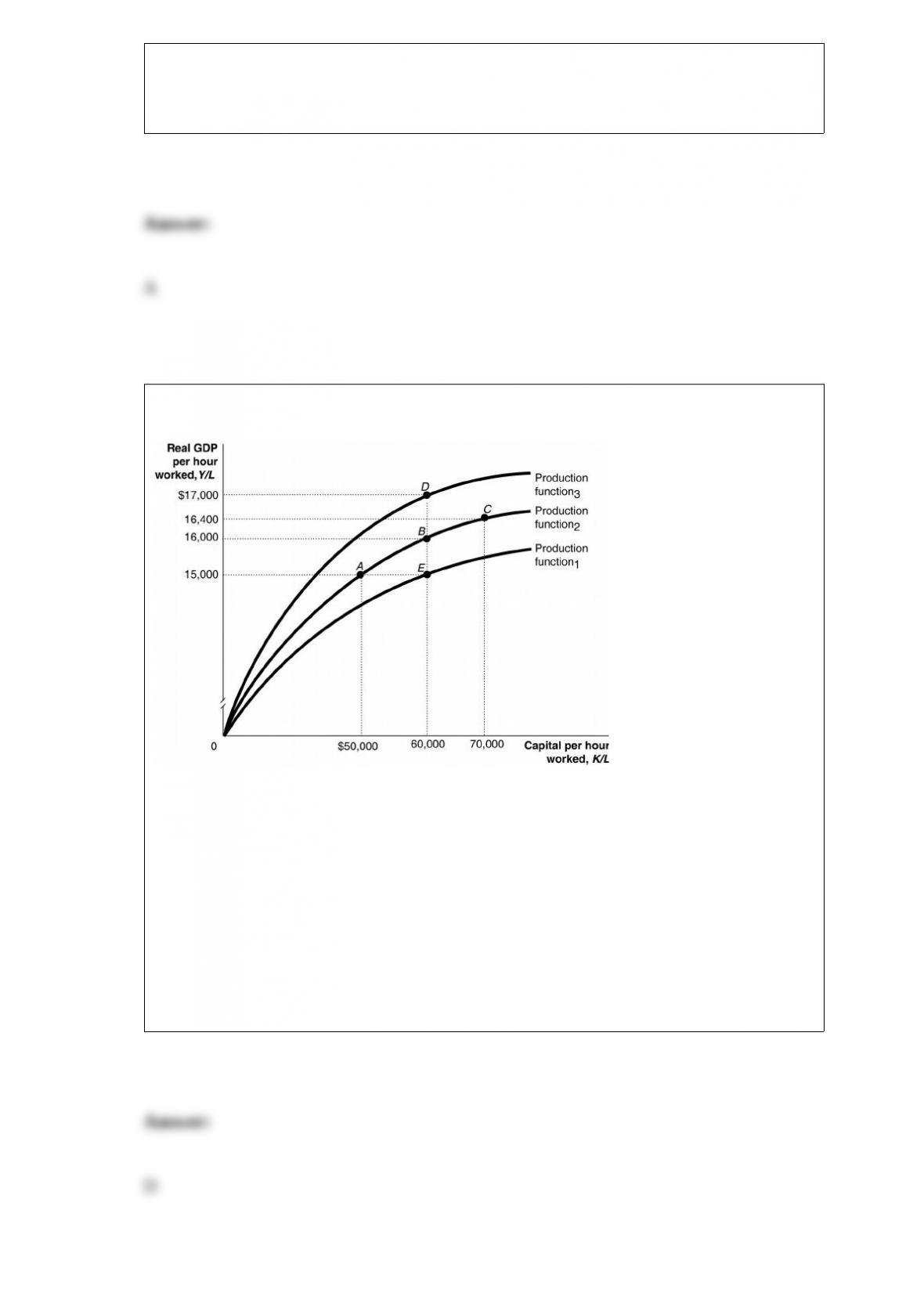
Figure 11-4
Refer to Figure 11-4. Suppose the economy gains more capital per hour worked and
experiences technological change. This is shown in the figure above by the movement
from
A) E to B to D.
B) A to B to C.
C) A to E.
D) A to D.

A partnership is ________ type of business.
A) the most common.
B) the least common
C) the least risky
D) the most profitable
Typically, the ________ in a country, the higher the level of spending per person on
health care.
A) higher the level of income per person
B) larger the population
C) higher the level of income taxes
D) lower the median age of the population
Net foreign investment is equal to
A) capital inflows minus capital outflows.
B) foreign direct investment.
C) the balance of trade.
D) net foreign portfolio investment plus net foreign direct investment.
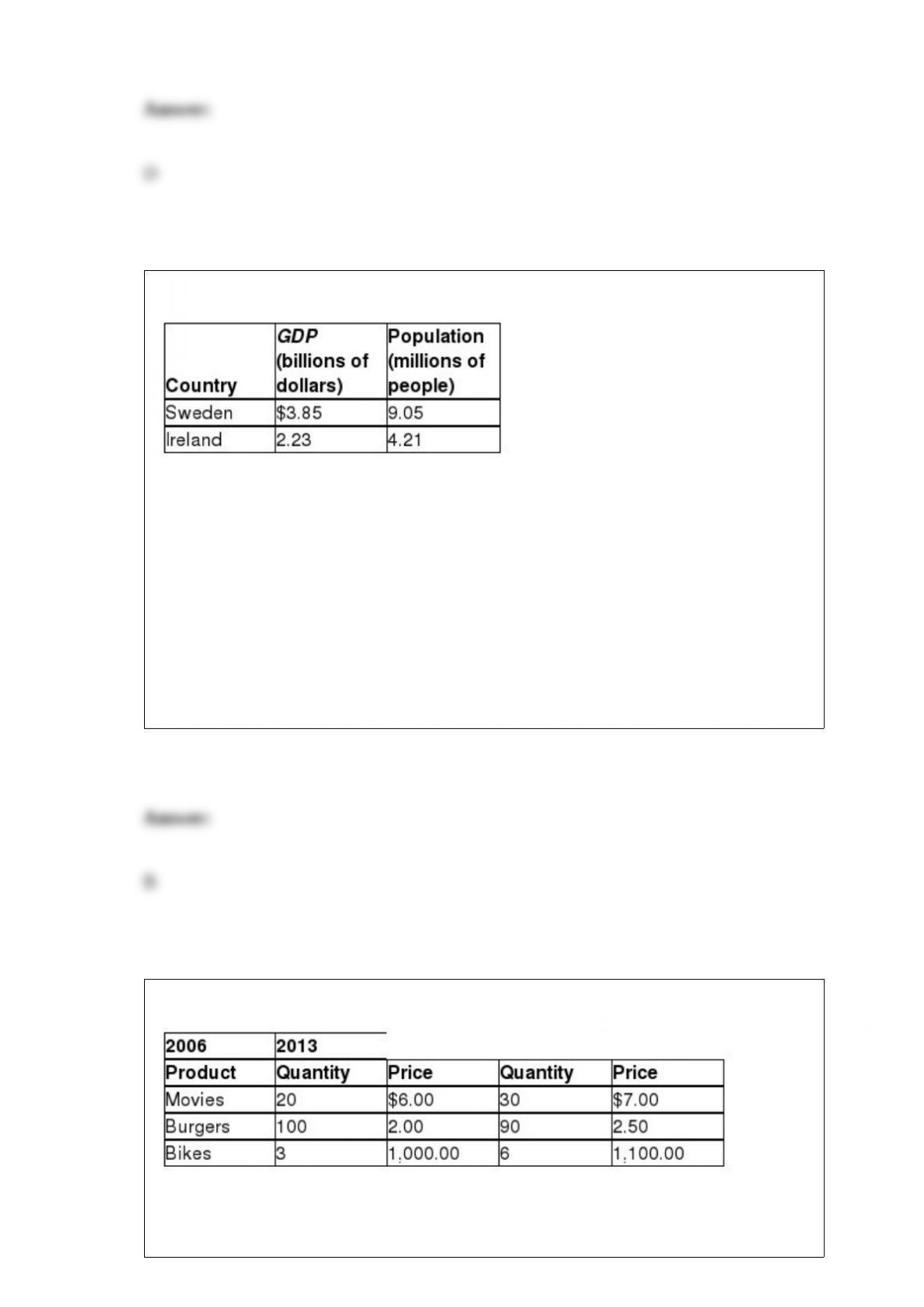
Table 11-1
Refer to Table 11-1. Based on the table above, which country has a higher standard of
living and why?
A) Sweden has a higher standard of living because their GDP is higher.
B) Ireland has a higher standard of living because their GDP per capita is higher.
C) Sweden has a higher standard of living because their GDP per capita is higher.
D) Ireland has a higher standard of living because growth in GDP is greater in Ireland
than in Sweden.
Table 8-17
A very simple economy produces three goods: movies, burgers, and bikes. The
quantities produced and their corresponding prices for 2006 and 2013 are shown in the

table above.
Refer to Table 8-17. What is nominal GDP in 2006?
A) $3,320
B) $3,690
C) $6,360
D) $7,035
If one U.S. dollar could be exchanged for one Australian dollar in 1970, and one U.S.
dollar can now be exchanged for 0.98 Australian dollars, which of the following is true?
A) The U.S. dollar gained value against the Australian dollar.
B) The Australian dollar lost value against the U.S. dollar.
C) The Australian dollar gained value against the U.S. dollar.
D) Both A and C are true.
Figure 2-2
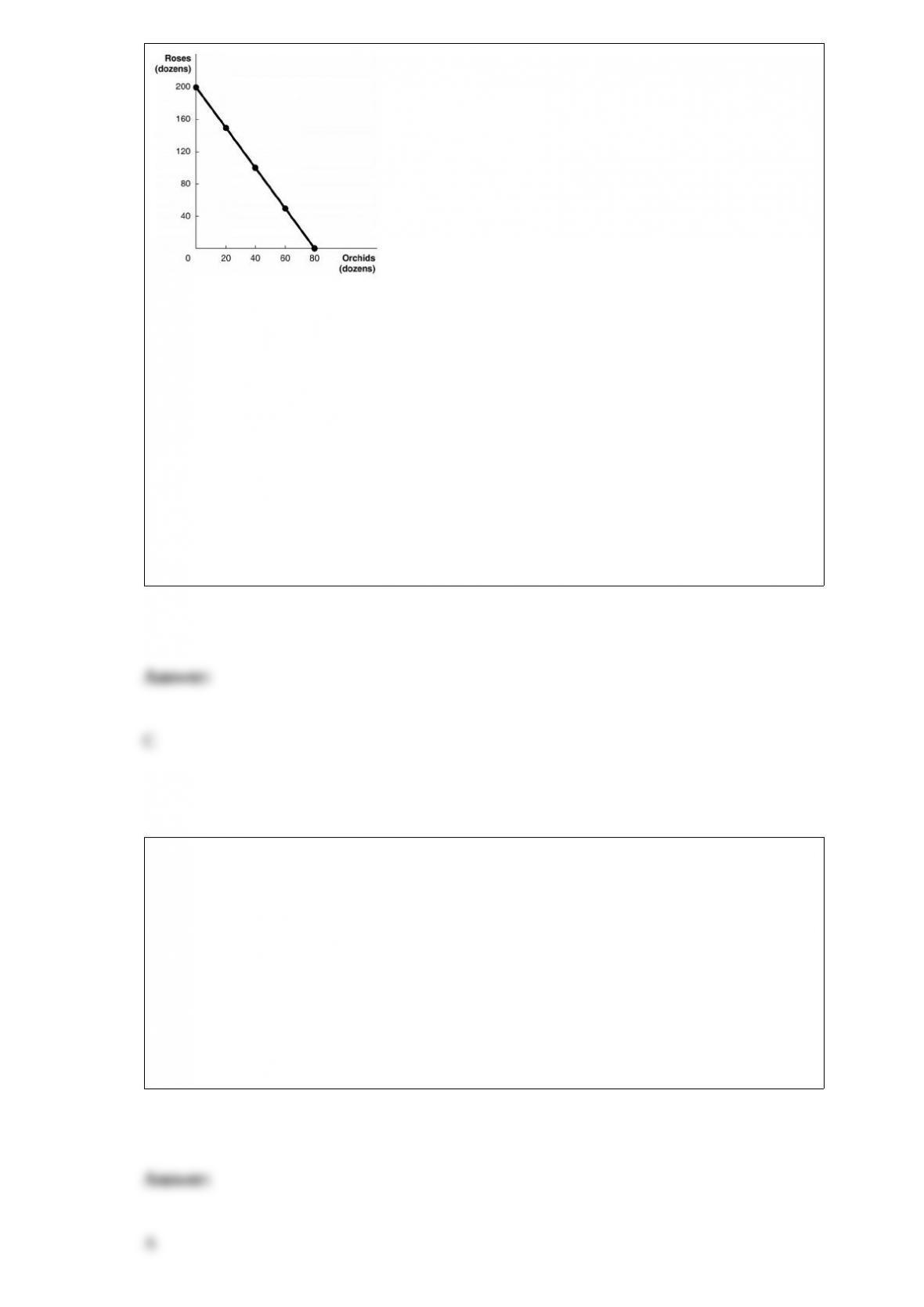
Figure 2-2 above shows the production possibilities frontier for Vidalia, a nation that
produces two goods, roses and orchids.
Refer to Figure 2-2. The linear production possibilities frontier in the figure indicates
that
A) Vidalia has a comparative advantage in the production of orchids.
B) Vidalia has a comparative disadvantage in the production of roses.
C) the tradeoff between roses and orchids is constant.
D) it is progressively more expensive to produce orchids.
A decrease in the reserve requirement ________ bank reserves and ________ the
money supply.
A) increases; increases
B) increases; decreases
C) decreases; increases
D) decreases; decreases