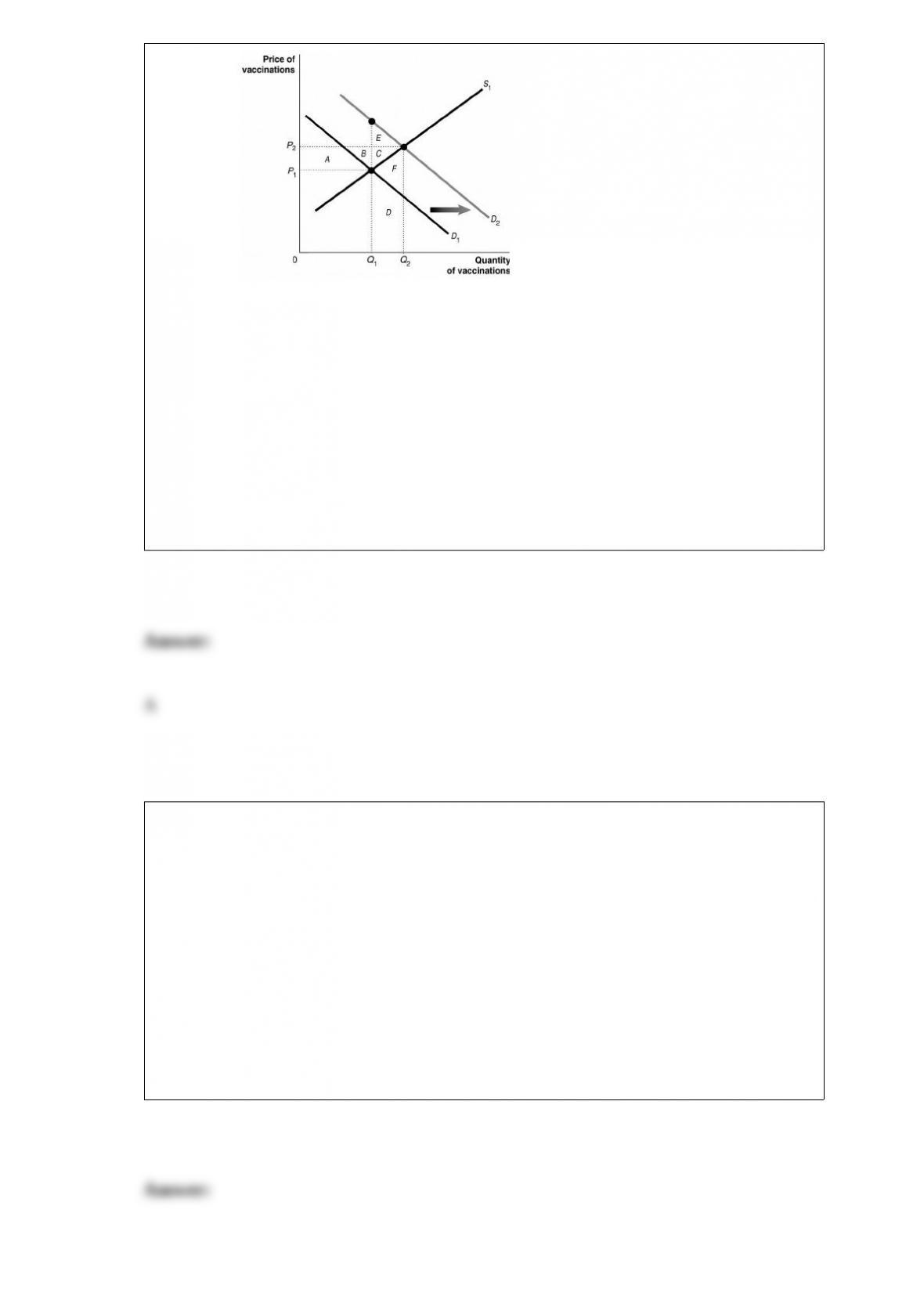
Figure 5-6 Figure 5-6 shows the market for
measles vaccinations, a product whose use generates positive externalities.What is the
market equilibrium output level?
A) Q1
B) Q2
C) Q1 + Q2
D) Q2 – Q1
Let D = demand, S = supply, P = equilibrium price, Q= equilibrium quantity. What
happens in the market for walnuts if the Centers for Disease Control and Prevention
announces that consuming a half cup of walnuts each week helps to lower bad levels of
cholesterol?
A) D increases, S no change, P and Q increase
B) S increases, D no change, P decreases, Q increases
C) D and S increase, P and Q decrease
D) D no change, S increases, P decreases, Q decreases

According to the benefits-received principle of taxation,
A) individuals who receive the benefits from a government program should pay the
taxes that support the program.
B) because high income individuals receive the most benefits from government
programs, they should pay more taxes than lower income individuals.
C) people in the same economic situation should bear an equal share of the tax burden.
D) the benefits of government programs such as national defense are shared equally by
all people; therefore, the burden of paying for these programs should be shared equally.
A tariff is
A) a limit placed on the quantity of goods that can be imported into a country.
B) a tax imposed by a government on goods imported into a country.
C) a subsidy granted to importers of a vital input.
D) a health and safety restriction imposed on an imported product.
Table 4-1
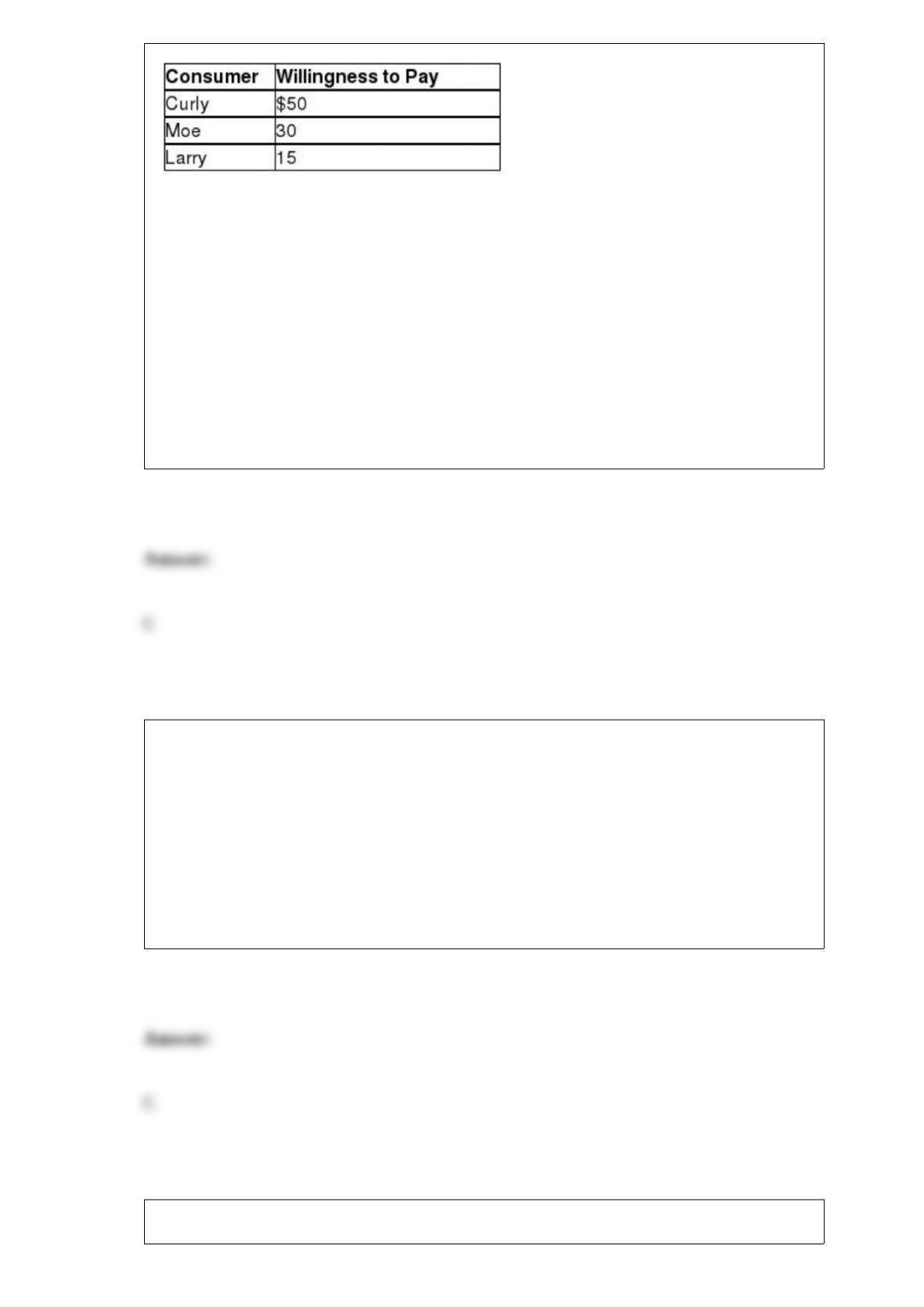
The table above lists the highest prices three consumers, Curly, Moe, and Larry, are
willing to pay for a bottle of champagne. If the price of one of the bottles is $27 dollars,
total consumer surplus will be
A) $0.
B) $14.
C) $26.
D) $53.
The minimum efficient scale is
A) the level of output where diminishing returns have not set in yet.
B) the plant size that yields the most profit.
C) level of operation where long-run average costs are lowest.
D) the smallest output level where the firm finally reaches productive efficiency.
The M2 measure of the money supply equals
A) savings account balances plus small-denomination time deposits plus traveler’s
checks.
B) savings account balances plus small-denomination time deposits plus
noninstitutional money market fund shares.
C) M1 plus savings account balances plus small-denomination time deposits.
D) M1 plus savings account balances plus small-denomination time deposits plus
noninstitutional money market fund shares.
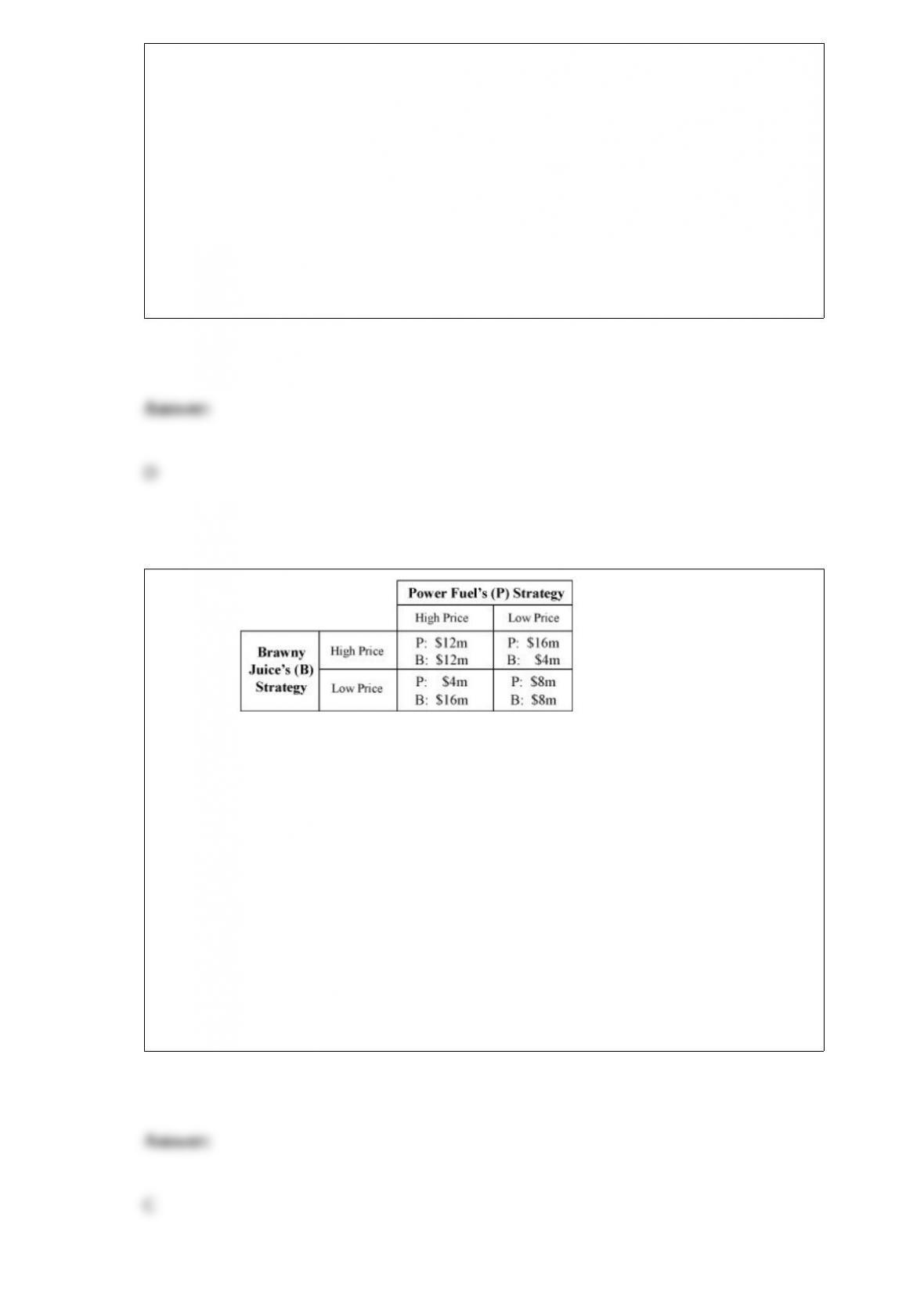
Table 14-8 Two rival oligopolists in the
athletic supplements industry, the Power Fuel Company and the Brawny Juice
Company, have to decide on their pricing strategy. Each can choose either a high price
or a low price. Table 14-8 shows the payoff matrix with the profits that each firm can
expect to earn depending on the pricing strategy it adopts.
If the firms cooperate, what prices will they select?
A) Both firms will select a low price.
B) Brawny Juice will select a high price, Power Fuel a low price.
C) Both firms will select a high price.
D) Brawny Juice will select a low price, Power Fuel a high price.

Which of the following is counted in GDP?
A) the value of goods and services produced in the underground economy
B) the cost of a speed boat purchased by drug smugglers
C) the value of do-it-yourself work
D) the value of leisure
Average fixed costs of production
A) remain constant.
B) will rise at a fixed rate as more is produced.
C) graph as a U-shaped curve.
D) fall as long as output is increased.
Pookie’s Pinball Palace restores old Pinball machines. Pookie has just spent $300
purchasing and cleaning a 1960s-era machine which he expects to sell for $2,000 once
he is finished with the restoration. After having spent $300, Pookie discovers that he
will need to rewire the entire machine at a cost of $1,100 in order to finish the
restoration. Alternatively, he can sell the machine “as is” now for $1,000. What should
he do?

A) He should sell the machine now to make the most profit.
B) It does not matter what he does; he is going to take a loss on his project.
C) He should rewire the machine, complete the task and then sell the machine.
D) He should have never purchased the machine because he has already spent too much
time on it and has not been paid for that time.
Consider three pricing strategies that the firm can pursue:
a. optimal two-part tariff pricing;
b. perfect price discrimination
c. single-price monopoly pricing Of these three strategies, which is most beneficial to
society as a whole?
A) Both perfect price discrimination and a two-part tariff pricing are equally beneficial
in that the marginal benefit of the last unit sold equals the marginal cost of producing
that unit.
B) only perfect price discrimination because this pricing method eliminates deadweight
loss
C) single-price monopoly pricing because consumers enjoy at least some consumer
surplus
D) only two-part tariff pricing because the per-unit portion of the price is set equal to
marginal cost
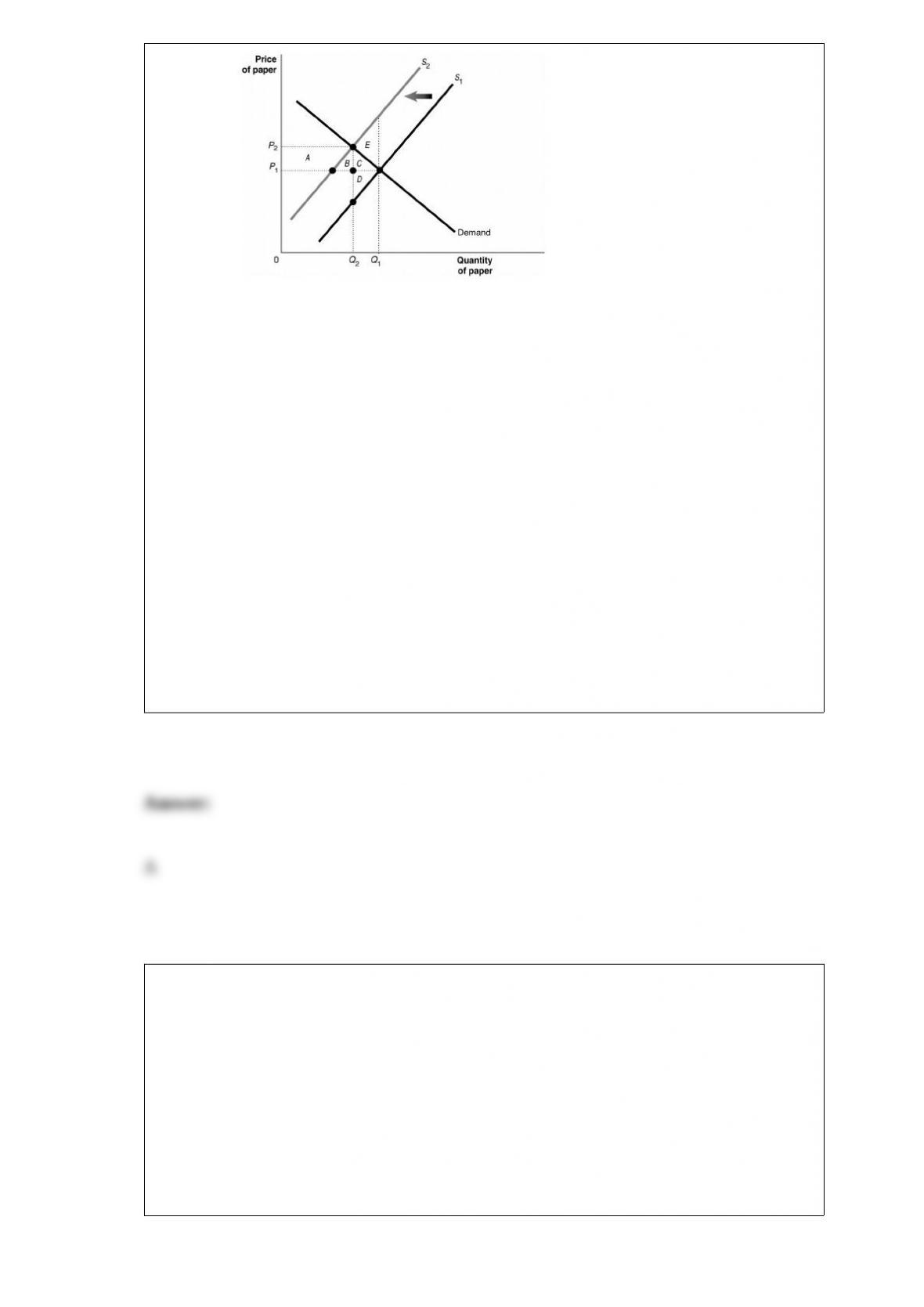
Figure 5-4 Suppose there are several paper
mills producing paper for a market. These mills, located upstream from a fishing
village, discharge a large amount of wastewater into the river. The waste material
affects the number of fish in the river, and the use of the river for recreation and as a
public water supply source. Figure 5-4 shows the paper market. Use this Figure to
answer the following question(s). Why is there a deadweight loss?
A) because the marginal social cost of producing each additional unit in excess of Q2
exceeds the marginal benefit
B) because the marginal private cost of producing each additional unit in excess of Q2
exceeds the marginal benefit
C) because the marginal social benefit of producing each additional unit in excess of Q2
exceeds the private cost
D) because the marginal private benefit of producing each additional unit in excess of
Q2 exceeds the social cost
In the long run, a country will experience an increasing standard of living only if it
experiences
A) a high rate of consumption.
B) continuous technological change.
C) a high rate of labor force growth.
D) a slow rate of population growth.

A Big Mac costs $4.56 in the United States and 9.2 zlotys in Poland. If the exchange
rate is 3 zlotys per dollar, purchasing power parity predicts that
A) the dollar will appreciate as the demand for dollars rises in the long run.
B) the dollar will appreciate as the supply of dollars falls in the long run.
C) the dollar will depreciate as the demand for dollars falls in the long run.
D) the dollar will depreciate as the supply of dollars rises in the long run.
The minimum wage is an example of
A) a subsidy for low-skilled workers.
B) a price floor.
C) a price ceiling.
D) a black market.

Potential GDP refers to the level of
A) real GDP in the long run.
B) nominal GDP in the long run.
C) real GDP in the short run.
D) nominal GDP in the short run.
A major factor contributing to the slow growth rate of less developed economies is
A) the lack of well-defined and enforceable property rights.
B) the lack of natural resources.
C) the lack of workers.
D) the high rate of illiteracy.