1) which of the following assets was (were) created in 1970 to provide additional
international liquidity, in the belief that increasing world trade requires more liquidity
for larger expected payments imbalances?
a.eurodollar market
b.special drawing rights
c.reciprocal currency arrangements
d.general arrangements to borrow
2) assume boeing inc. (of the united states) and airbus industrie (of europe) rival for
monopoly profits in the canadian aircraft market. suppose the two firms face identical
cost and demand conditions, as seen in figure 6.1.
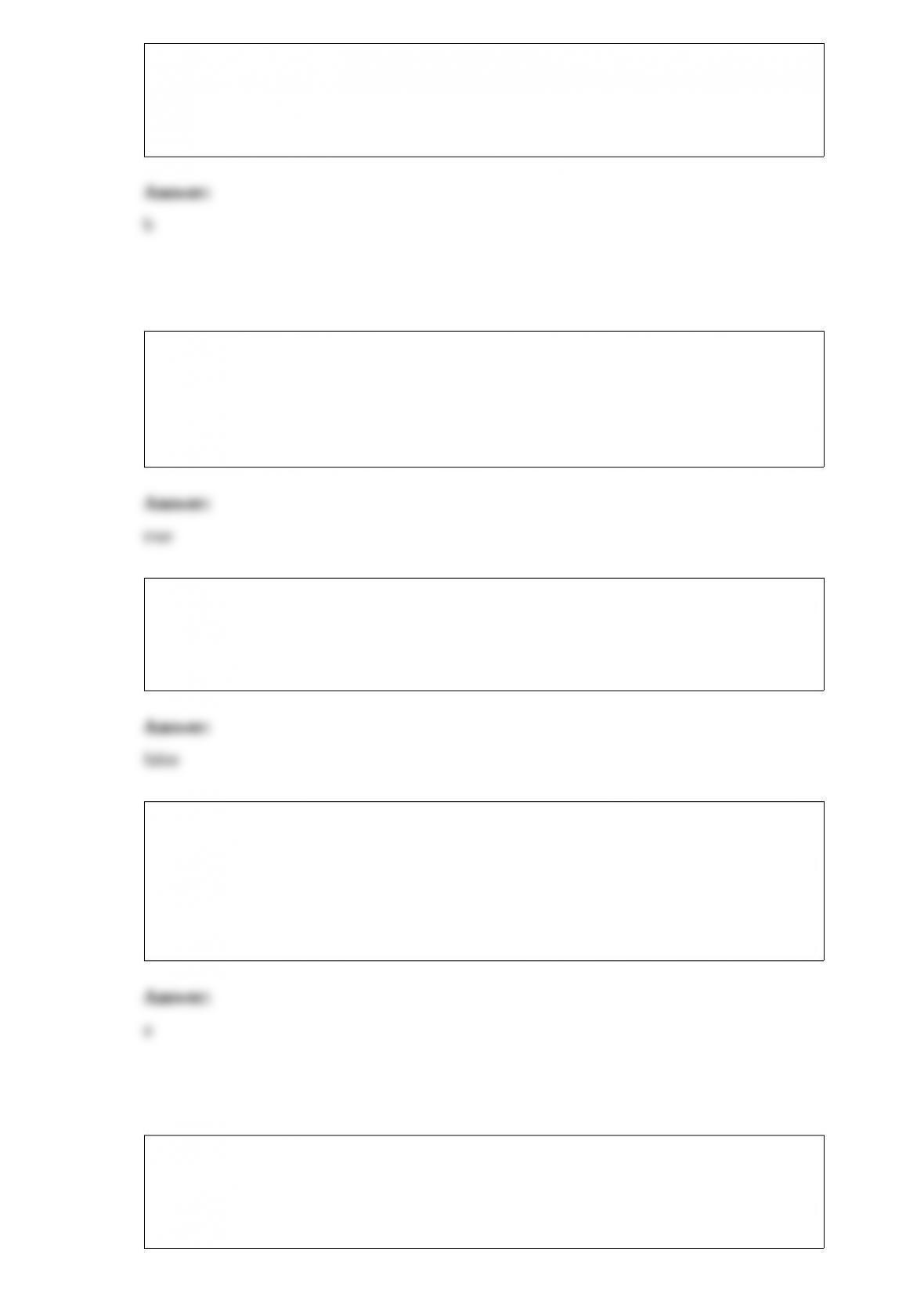
figure 6.1. strategic trade policy: boeing versus airbus
consider figure 6.1. for europe as a whole (airbus and european taxpayers), the subsidy
leads to a (an) increase/decrease in net revenues of $____.
a.increase of $12 million
b.increase of $16 million
c.decrease of $12 million
d.decrease of $16 million
3) suppose that the production of a $30,000 automobile in canada requires $10,000
worth of steel. the canadian nominal tariff rates for importing these goods are 25
percent for automobiles and 10 percent for steel. given this information, the effective
rate of protection for the canadian automobile industry is approximately:
a.15 percent
b.32 percent
c.48 percent
d.67 percent
4) given an upward-sloping supply schedule of pounds and a downward-sloping
demand schedule for pounds, an increase in the supply schedule causes an appreciation
of the dollar against the pound.
a.true
b.false
5) foreign currencies constitute the smallest component of the world’s international
reserves.
a.true
b.false
6) which trade policy results in the government levying a “two-tier” tariff on imported
goods?
a.tariff quota
b.nominal tariff
c.effective tariff
d.revenue tariff
7) rather than conduct massive stabilization operations, buffer stock officials will
periodically revise target prices should they move out of line with long-term price
trends.
a.true
b.false
8) if the australian government imposes a domestic content requirement of 75 percent
on autos, at least 25 percent of an auto’s value must be produced in a foreign country if
that auto is to be sold in australia.
a.true
b.false
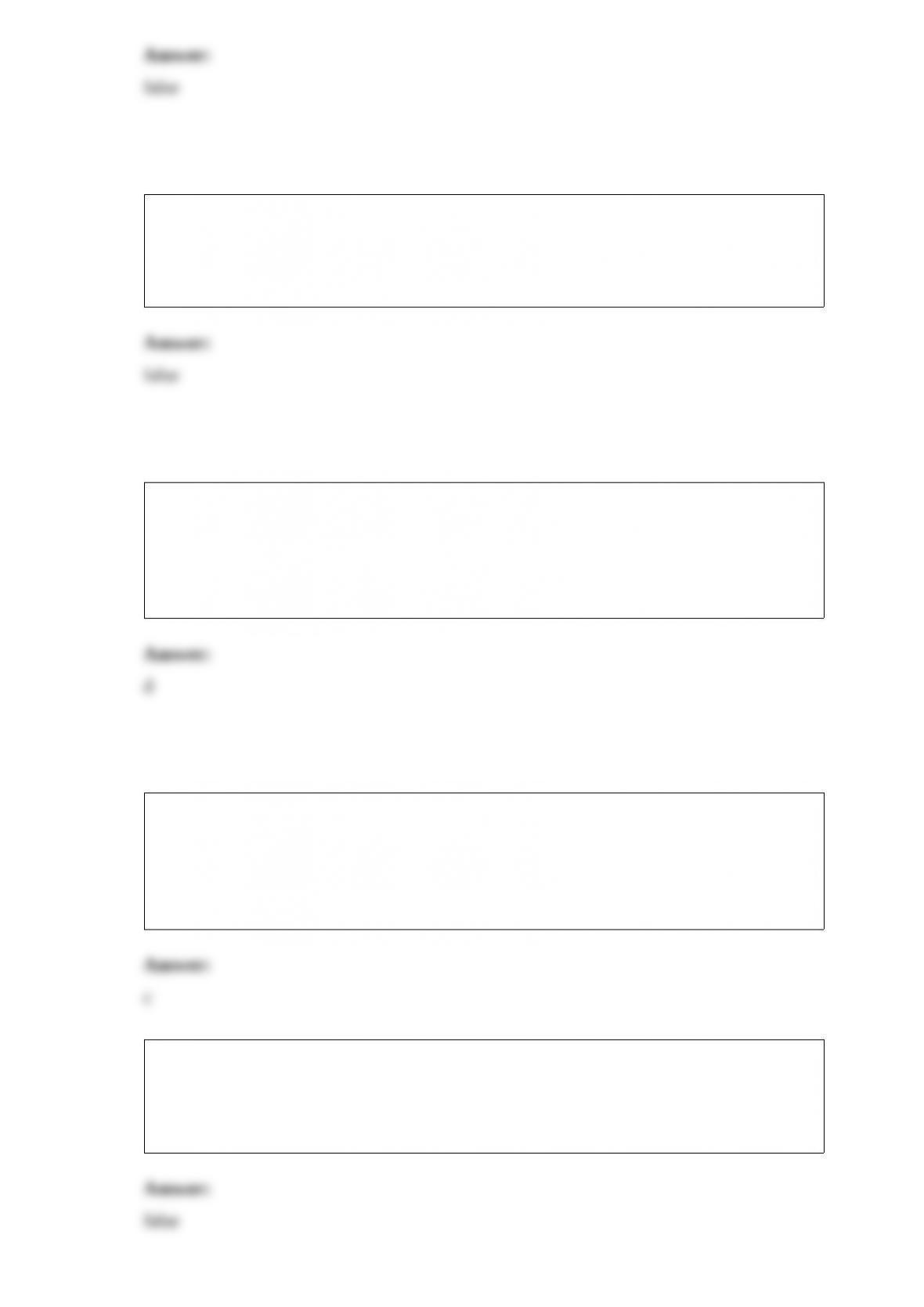
9) refer to table 14.1. assume that toyota inc. imports steel from u.s. suppliers, whose
costs are denominated in dollars, while all other inputs are obtained from japanese
suppliers whose costs are denominated in yen. if the yen’s exchange value appreciates
from 200 yen = $1 to 100 yen = $1, the yen cost of a toyota automobile equals:
a.2,400,000 yen
b.3,000,000 yen
c.3,600,000 yen
d.4,200,000 yen
10) recent studies of u.s. resource endowments indicate that the united states is most
abundant in unskilled labor, followed by semi-skilled labor and skilled labor.
a.true
b.false
11) the replacement of imports of one nation with imports of another nation is known as
“import substitution.”
a.true
b.false
12) a compound tariff is a combination of a (an):
a.tariff quota and a two-tier tariff
b.revenue tariff and a protective tariff
c.import tariff and an export tariff
d.specific tariff and an ad valorem tariff
13) the currencies generally referred to as “reserve currencies” are the:
a.japanese yen and u.s. dollar
b.swiss franc and japanese yen
c.british pound and u.s. dollar
d.swiss franc and british pound
14) the main focus of the uruguay round of multilateral trade negotiations was on tariff
barriers rather than nontariff trade barriers.
a.true
b.false

15) the uruguay round of multilateral trade negotiations accomplished all of the
following except:
a.placed primary emphasis on nontariff trade barriers
b.is estimated to yield modest gains in world output and employment
c.achieved cuts in tariffs but not in nontariff trade barriers
d.abolished all barriers to trade in agricultural products
16) which of the following indicates the international investment position of a country
at a given moment in time?
a.the balance of payments
b.the capital account of the balance of payments
c.the current account of the balance of payments
d.the balance of international indebtedness
17) u.s. antidumping duties are intended to neutralize exports to the united states at
prices below average total cost or exports to the united states at prices lower than those
charged in the exporter’s home market.
a.true
b.false
18) exhibit 13.1
assume the marginal propensity to consume for u.s. households equals 0.9, and the
marginal propensity to import for the united states equals 0.1. suppose there occurs an
increase in investment of $10 billion at each level of income.
refer to exhibit 13.1. the value of the multiplier for the united states equals:
a.2
b.3
c.4
d.5

19) in the market for british pounds the demand is represented by d0 and supply by s0.if
the exchange rate is allowed to rise as high as $4 and the demand for pounds increases
to d1, us monetary authorities will need to
a.supply 8 million pounds to the market
b.supply 4 million pounds to the market
c.supply 2 million pounds to the market
d.do nothing