
A yard sale is an example of a market.
a. True
b. False
Suppose that an anti-smoking campaign in Moscow, Russia, is successful so that
Muscovites smoke less and chew gum more. Tobacco companies lay off workers, while
chewing gum manufacturers employ more workers. This is an example of
a. structural unemployment created by efficiency wages.
b. structural unemployment created by sectoral shifts.
c. frictional unemployment created by efficiency wages.
d. frictional unemployment created by sectoral shifts.
Which of the following equations represents GDP for a closed economy?
a. Y= C+ I+ G+ T
b. S= I– G
c. I= Y– C+ G
d. Y= C+ I+ G
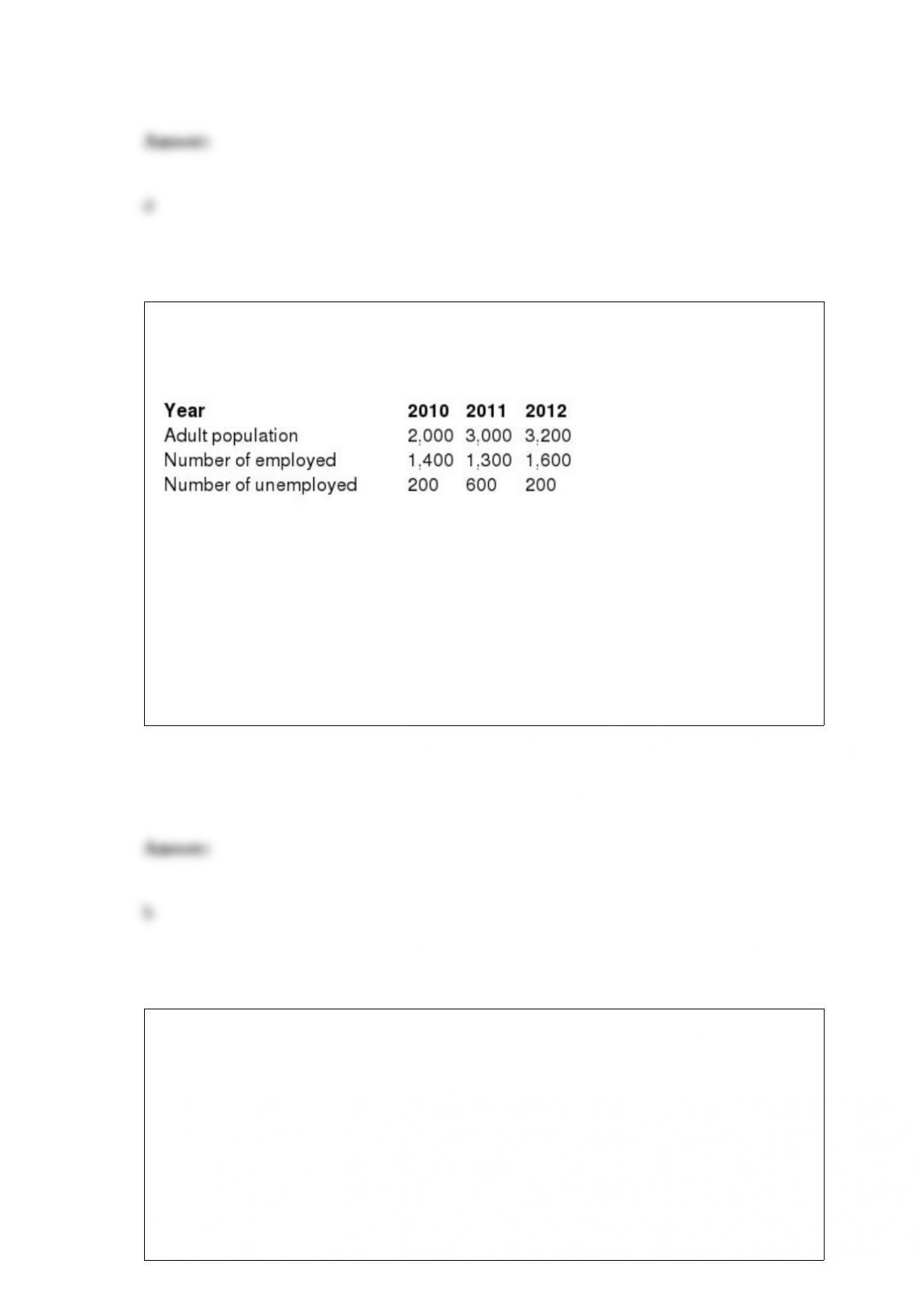
Table 28-2
Labor Data for Aridia
RefetoTable28-2.The labor force of Aridia
a. increased both from 2010 to 2011 and from 2011 to 2012.
b. increased from 2010 to 2011 but decreased from 2011 to 2012.
c. decreased from 2010 to 2011 but increased from 2011 to 2012.
d. decreased both from 2010 to 2011 and from 2011 to 2012.
In theory the severity of recessions can be diminished with
a. an increase in government spending, which the political process cannot delay.
b. an increase in government spending, which the length of the political process can
delay.
c. a decrease in government expenditures, which the political process cannot delay.
d. a decrease in government spending, which the length of the political process can

delay.
A company that produces wallpaper is considering buying some new equipment that it
expects will increase future profits. If the interest rate falls, then the present value of
these future earnings
a. rises. The company is more likely to buy the equipment.
b. rises. The company is less likely to buy the equipment.
c. falls. The company is more likely to buy the equipment.
d. falls. The company is less likely to buy the equipment.
When studying the effects of changes in public policy, economists believe that
a. it is important to distinguish between the short run and the long run.
b. the assumptions used in studying those effects should be the same for the short run as
for the long run.
c. the short-run effects of those changes are always more beneficial to society than are
the long-run effects.
d. the long-run effects of those changes are always more beneficial to society than are
the short-run effects.
Inflation is costly only if it is unanticipated.
a. True
b. False
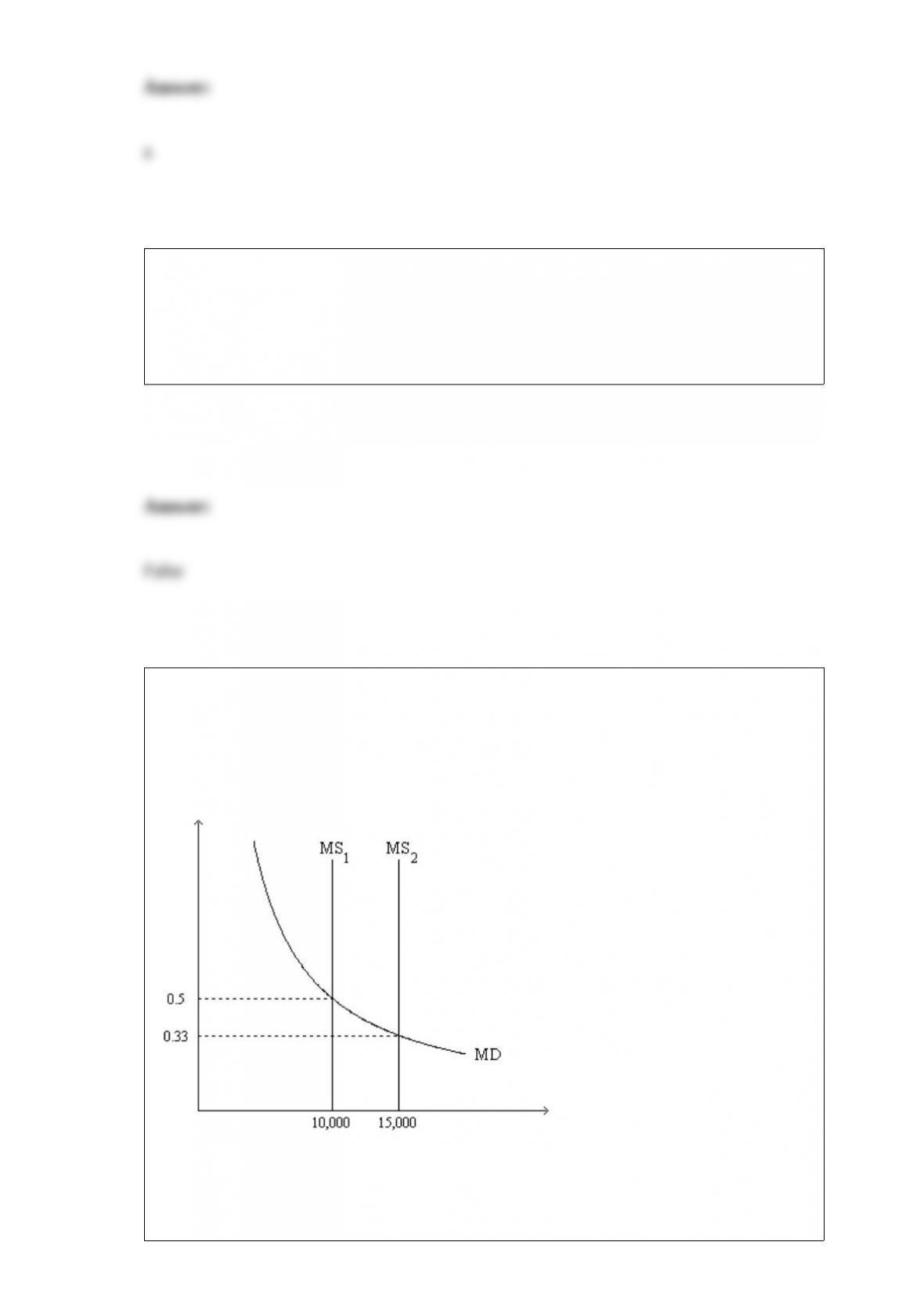
Figure30-3. On the graph, MS represents the money supply and MD represents money
demand. The usual quantities are measured along the axes.
RefetoFigure30-3. Which of the following events could explain a shift of the
money-supply curve from MS1to MS2?

a. an increase in the value of money
b. a decrease in the price level
c. an open-market purchase of bonds by the Federal Reserve
d. the Federal Reserve sells bonds.
People had been expecting the price level to be 120 but it turns out to be 122. In
response Robinson Tire Company increases the number of workers it employs. What
could explain this?
a. both sticky price theory and sticky wage theory
b. sticky price theory but not sticky wage theory
c. sticky wage theory but not sticky price theory
d. neither sticky wage theory nor sticky price theory
Figure 4-12
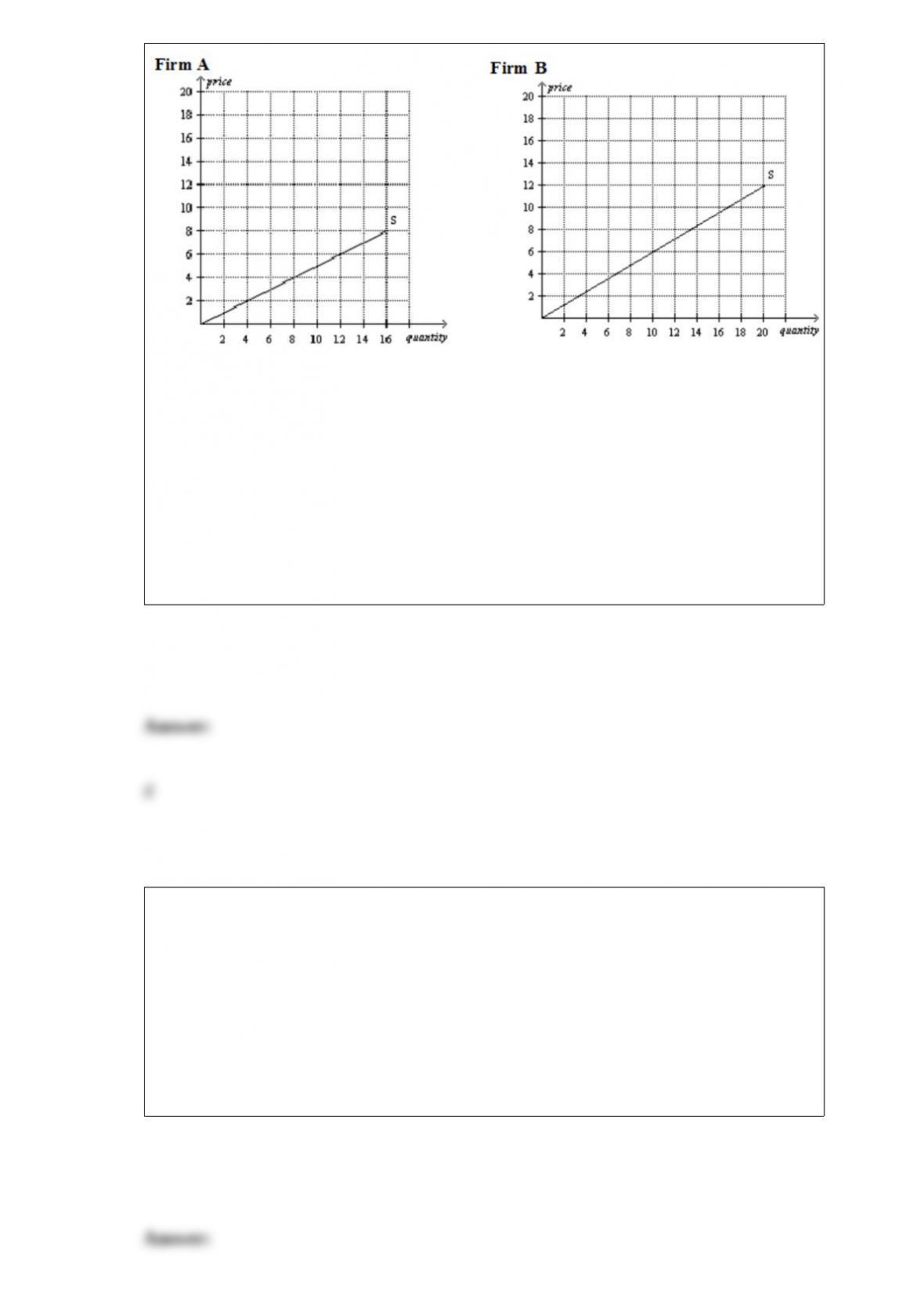
RefertoFigure4-12.If these are the only two sellers in the market, then the market
quantity supplied at a price of $4 is
a. 6 units.
b. 7 units.
c. 8 units.
d. 14 units.
Which of the following is a part of your economics professor’s human capital?
a. the things she learned at some prestigious university
b. her copy of Mankiw’s text
c. her chalk holder
d. All of the above are correct.

The President counts among his economic advisors the Congressional Budget Office.
a. True
b. False
In some countries it is time consuming and costly to establish ownership of property.
Reforms to reduce these costs would likely
a. have no affect on either real GDP nor productivity
b. raise real GDP and productivity.
c. raise real GDP but not productivity.
d. raise productivity but not real GDP.
Public saving is equal to national saving minus private saving.
a. True

b. False
To calculate the CPI, the Bureau of Labor Statistics uses
a. the prices of all goods and services produced domestically.
b. the prices of all final goods and services.
c. the prices of all consumer goods.
d. the prices of some consumer goods.
The long-run aggregate supply curve shifts left if
a. the capital stock increases.
b. there is a natural disaster.
c. the government removes some environmental regulations that limit production
methods.
d. None of the above is correct.

Many things that society values, such as good health, high-quality education, enjoyable
recreation opportunities, and desirable moral attributes of the population, are not
measured as part of GDP. It follows that
a. GDP is not a useful measure of society’s welfare.
b. GDP is still a useful measure of society’s welfare because providing these other
attributes is the responsibility of government.
c. GDP is still a useful measure of society’s welfare because it measures a nation’s
ability to purchase the inputs that can be used to help produce the things that contribute
to welfare.
d. GDP is still the best measure of society’s welfare because these other values cannot
actually be measured.
Germany could have avoided the high inflation that it experienced in the 1920s by
a. not directing so many of its resources toward preparation for World War II.
b. not increasing taxes so much on the German middle class.
c. not allowing the quantity of money to increase so rapidly.
d. using government policies to stimulate the economy more so than what was done.

Norberto is opening a bicycle shop, and his monthly expenditures to get the shop up
and running exceed his monthly income. Norberto is best described as a
a. saver or as a supplier of funds.
b. saver or as a demander of funds.
c. borrower or as a supplier of funds.
d. borrower or as a demander of funds.
Which country is correctly matched with its 2009 inflation rate?
a. 9 percent inflation in the United States.
b. 3.6 percent inflation in Russia.
c. 59 percent inflation in Venezuela.
d. 9.3 percent inflation in India.
Other things the same, which of the following would both make foreigners more willing

to engage in U.S. portfolio investment?
a. U.S. interest rates rise, the default risk of U.S. assets rise
b. U.S. interest rates rise, the default risk of U.S. assets fall
c. U.S. interest rates fall, the default risk of U.S. assets rise
d. U.S. interest rates fall, the default risk of U.S. assets fall
Joe and Fred are economists. Joe thinks that the wealthiest 10% of the US population
should be taxed a rate higher than the rest of society because they can better afford it.
Fred thinks that everyone should be taxed at the same rate because that is the fairest
scenario and the wealthy should not be penalized for their success. In this example, Joe
and Fred
a. disagree about the validity of a positive theory.
b. have different normative views about tax policy.
c. must both be incorrect because tax policy is never that simple.
d. None of the above is correct.
The source of all four classic hyperinflations was high rates of money growth.
a. True

b. False
If the Fed sells government bonds to the public, then reserves
a. increase and the money supply increases.
b. increase and the money supply decreases.
c. decrease and the money supply increases.
d. decrease and the money supply decreases.
Which of the following is an example of a market?
a. a gas station
b. a garage sale
c. a barber shop
d. All of the above are examples of markets.
In the long run, an increase in the money supply growth rate
a. shifts both the long-run and the short-run Phillips curves right.
b. shifts the long-run Phillips curve left and the short-run Phillips curve right.
c. shifts the long-run Phillips curve right and the short-run Phillips curve left.
d. None of the above is correct.
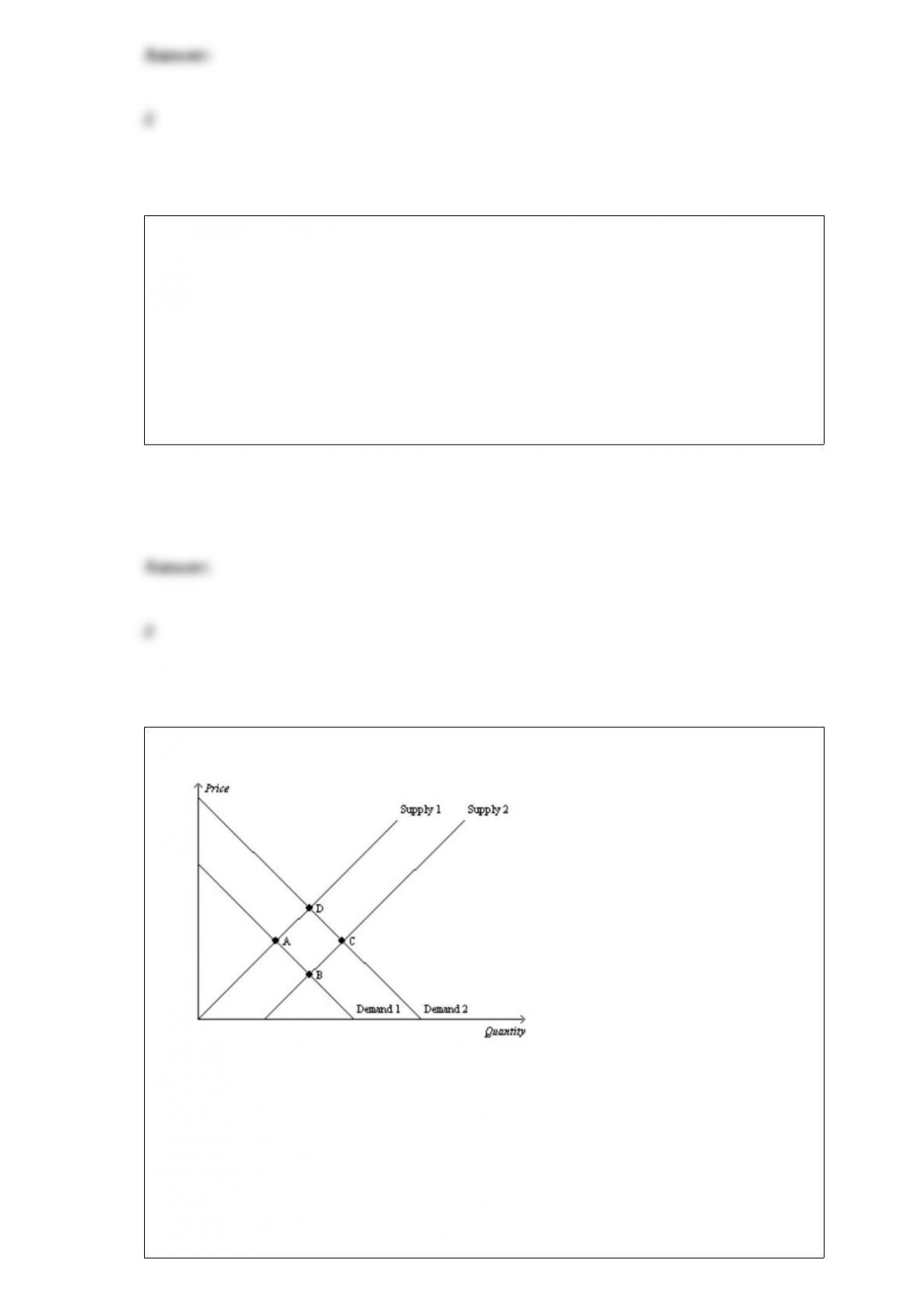
Figure 4-26
RefertoFigure4-26.Which of the following movements would illustrate the effect in the
market for bullet-proof vests of an increase in the price of Kevlar?
a. Point A to Point B
b. Point C to Point B
c. Point C to Point D

d. Point A to Point D
According to the open-economy macroeconomic model, a decrease in the U.S.
government budget deficit increases U.S. net capital outflow, causes the real exchange
rate of the dollar to depreciate, and increases U.S. net exports.
a. True
b. False
Table 24-5
The table below pertains to Wrexington, an economy in which the typical consumer’s
basket consists of 20 pounds of meat and 10 toys.
RefertoTable24-5.The cost of the basket
a. increased from 2004 to 2005 and increased from 2005 to 2006.
b. increased from 2004 to 2005 and decreased from 2005 to 2006.

c. decreased from 2004 to 2005 and increased from 2005 to 2006.
d. decreased from 2004 to 2005 and decreased from 2005 to 2006.
Jenna is searching for a job that suits her tastes about where to live. Mary is looking for
a job that makes best use of her skills.
a. Jenna and Mary are both frictionally unemployed.
b. Jenna and Mary are both structurally unemployed.
c. Jenna is frictionally unemployed, and Mary is structurally unemployed.
d. Jenna is structurally unemployed, and Mary is frictionally unemployed.
A decrease in the price of a good would
a. increase the supply of the good.
b. increase the quantity demanded of the good.
c. give producers an incentive to produce more to keep profits from falling.
d. shift the supply curve for the good to the left.

In which cases were tax cuts followed by robust growth?
a. the ones of the Kennedy administration in 1964 and the ones of the Reagan
administration in 1981
b. the ones of the Kennedy administration in 1964 but not the ones of the Reagan
administration in 1981
c. the ones of the Reagan administration in 1981 but not the ones of the Kennedy
administration in 1964
d. neither the ones of the Kennedy administration in 1964 nor the ones of the Reagan
administration in 1981
According to purchasing-power parity theory, the nominal exchange rate between the
U.S. and another country should equal the U.S. price level divided by the price level in
the foreign country.
a. True
b. False

Suppose banks decide to hold fewer excess reserves relative to deposits. Other things
the same, this action will cause the
a. money supply to fall. To reduce the impact of this the Fed could sell Treasury bonds.
b. money supply to fall. To reduce the impact of this the Fed could buy Treasury bonds.
c. money supply to rise. To reduce the impact of this the Fed could sell Treasury bonds.
d. money supply to rise. To reduce the impact of this the Fed could buy Treasury bonds.
Suppose that changes in aggregate demand tended to be infrequent and that it takes a
long time for the economy to return to long-run output. How would this affect the
arguments of those who oppose using policy to stabilize output?
How is a decrease in the natural rate of unemployment shown in the Phillips curve
diagram? Does this decrease change the inflation rate?
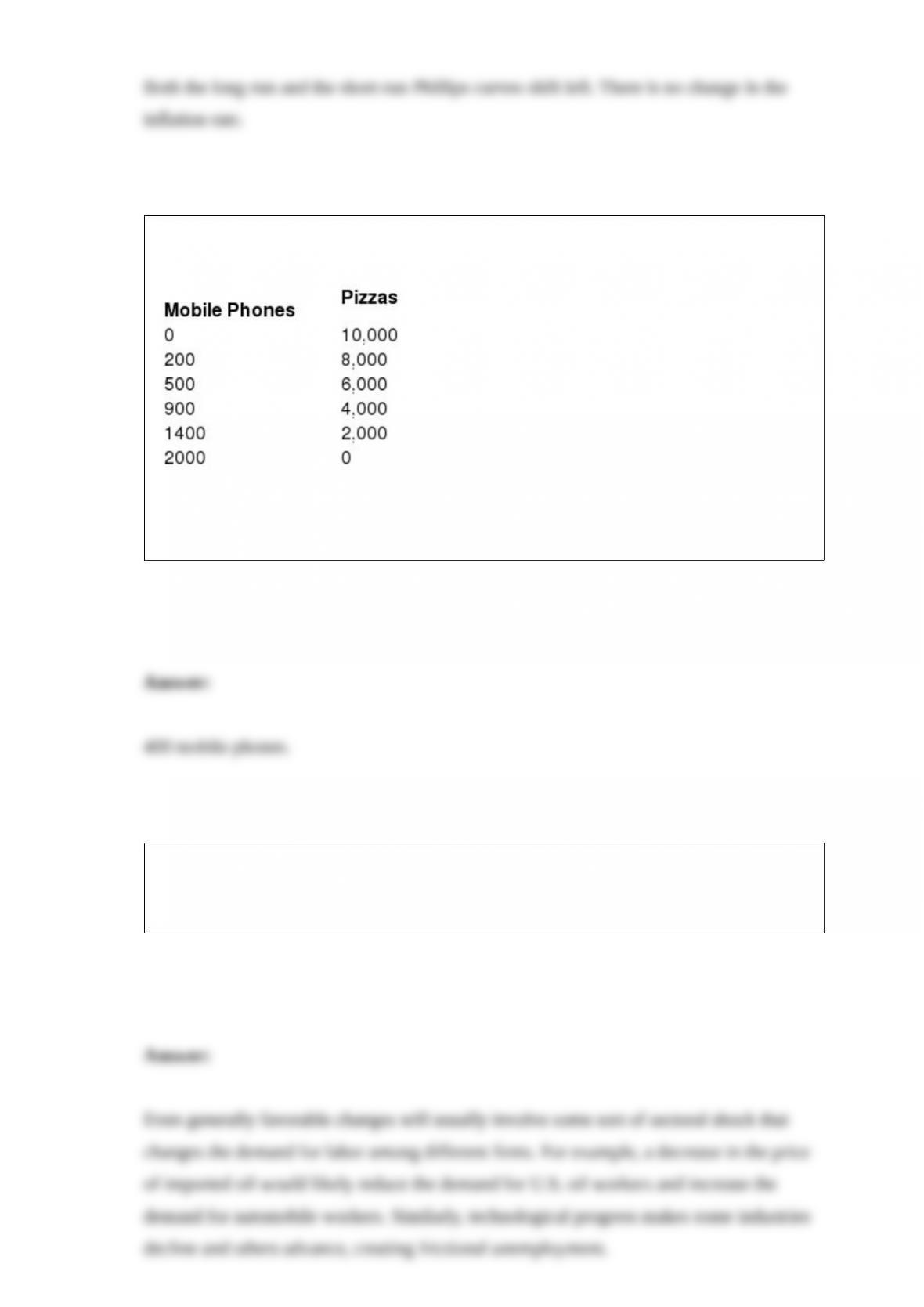
Table 2-6
Refer to Table2-6. Consider the production possibilities table for an economy that
produces only mobile phones and pizzas. What is the opportunity cost of increasing
production of pizzas from 4,000 to 6,000?
Why might a favorable change in the economy, such as technological improvement or a
decrease in the price of imported oil, be associated with an increase in frictional
unemployment?

Identify the direction of the change during a recession in each of the following:
consumption expenditures, investment expenditures, and unemployment.
Table 28-10
The table below lists the number of people by labor force classification for the country
of Springfield.
RefetoTable28-10. Calculate the U-4 unemployment rate.
According to purchasing-power parity, what is the relationship between changes in
price levels between two countries and changes in nominal exchange rates?
Invisible hand is a term used by the economist to describe how the decisions of
households and firms lead to desirable market outcomes.
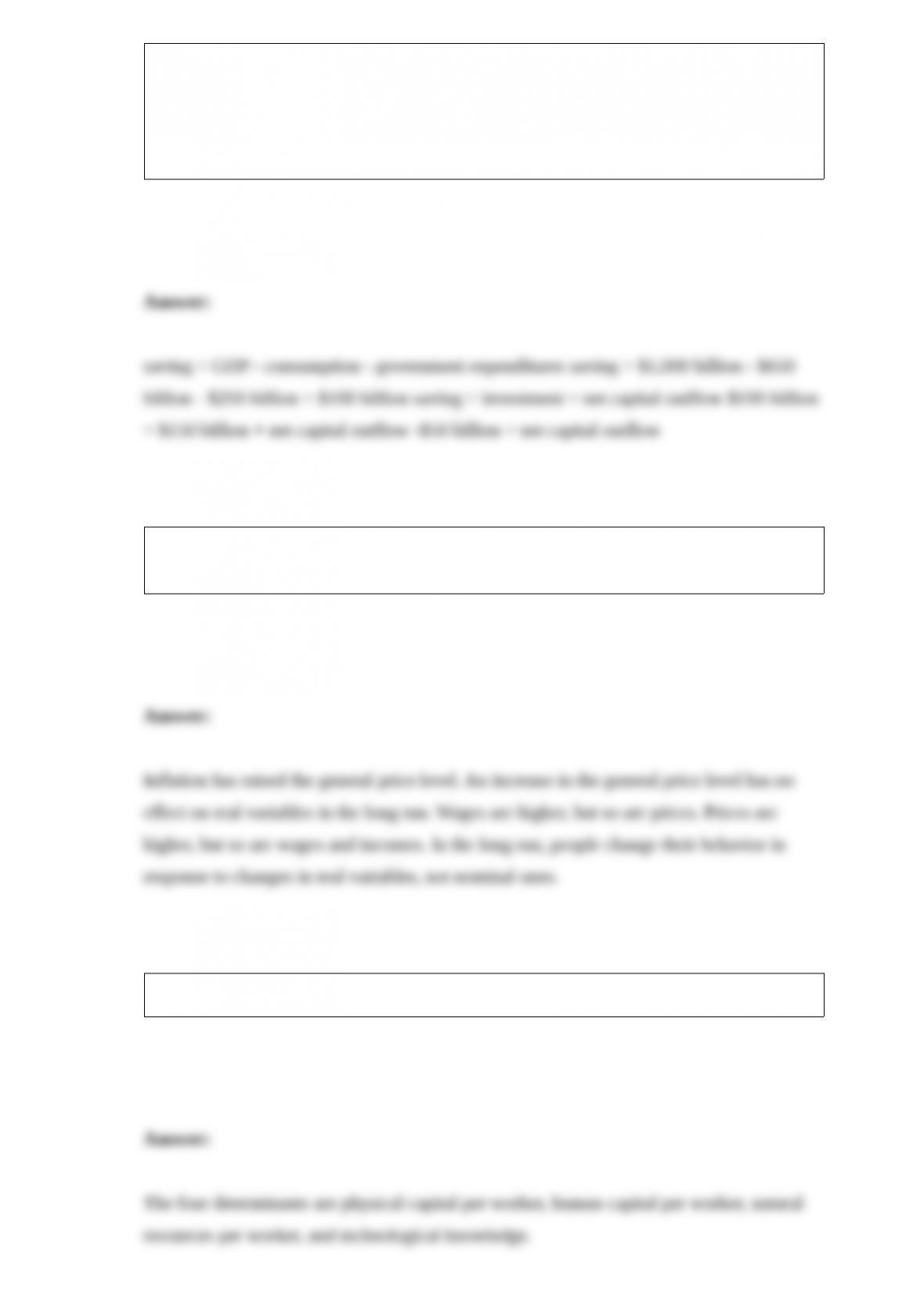
Table 3-41
RefertoTable3-41.Which country has a comparative advantage in producing
compasses?
A country recently had a GDP of $1000 billion. Its consumption expenditures were
$650 billion, its government spent $250 billion, and it had domestic investment of $150
billion. What was the value of this country’s net capital outflow?
Explain how you found your answer.
Wages and prices are many times higher today than they were 30 years ago, yet people
do not work a lot more hours or buy fewer goods. How can this be?
List the four determinants of an economy’s productivity.
While traditional Keynesian analysis indicates that increases in government purchases
are a more potent tool than decreases in taxes to stimulate the economy, what are some
of the reasons why tax cuts might be preferred to increased government spending?
What do prices reflect in a market economy?
What do real interest rates account for that nominal interest rates do not?

What does a consumption possibilities frontier represent?
Shoe Quota
Concerns raised about the declining U.S. shoe industry and unfair labor practices in
foreign shoe factories lead the Congress and President to impose a quota on shoe
imports.
RefertoShoeQuota. At a given exchange rate what does a quota do to desired net
exports? As a result of this change which curve in the open-economy model shifts and
which direction does it shift?
If the interest rate is 5 percent, then what is the present value of $2,000 to be received in
three years?
In the national income accounting identity showing the equality between national
saving and investment, what are the algebraic expressions for private saving and public
saving?