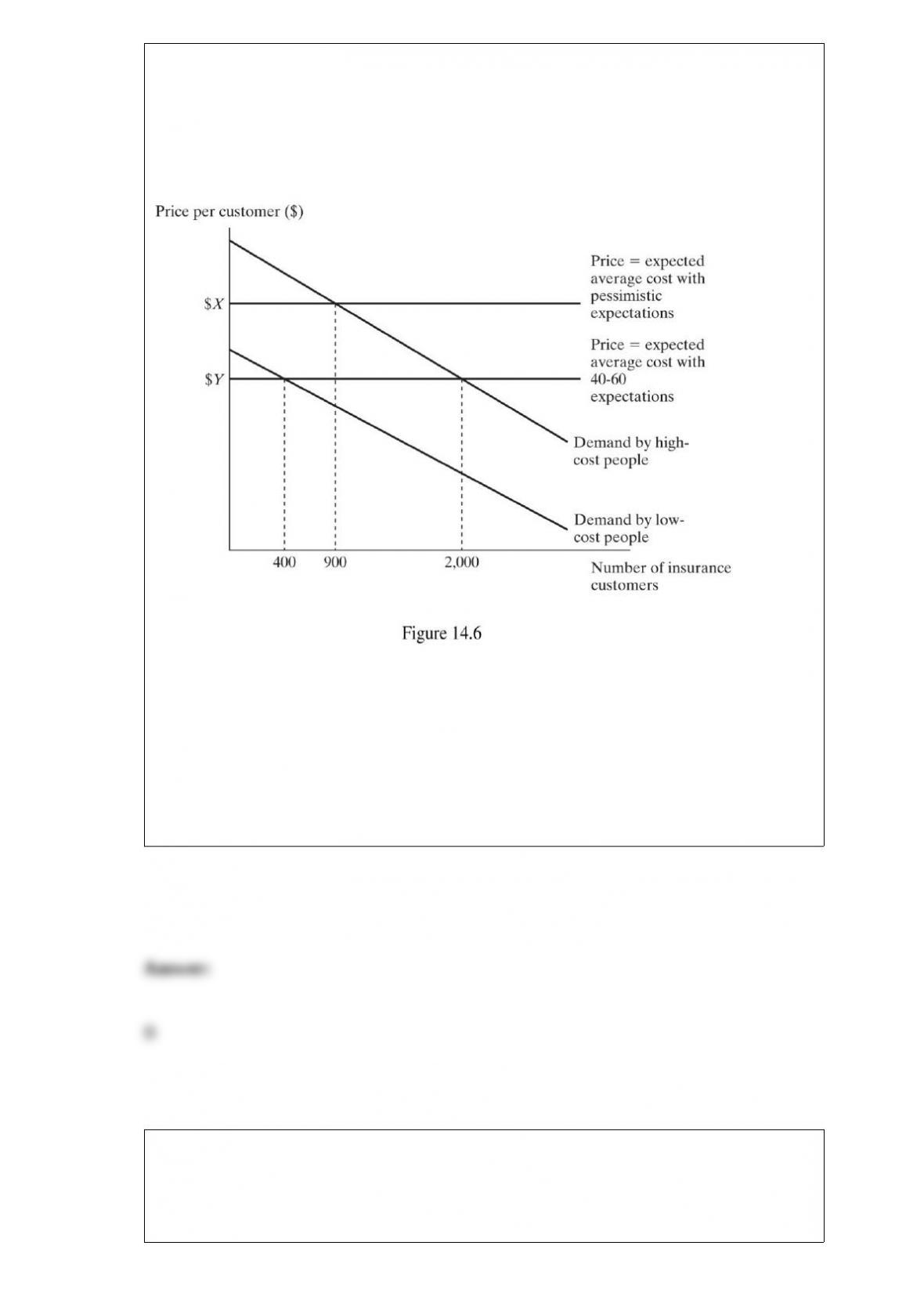
Figure 14.6 represents the market for health insurance. Suppose there are two types of
consumers, low-cost consumers with $2,000 average medical expenses per year, and
high-cost customers with $4,000 average medical expenses per year. The insurance
companies estimate that 40% of its customers are high-cost type. The uninformed
side(s) of the market is (are):
A) customers.
B) insurance companies.
C) both customers and insurance companies
D) neither customers nor insurance companies.
According to this Application, prices for the nondurable goods purchased by the poor
have ________ the prices of nondurable goods purchased by the rich.
A) increased more than
B) increased less than
C) increased at the same rate as
D) decreased at the same rate as
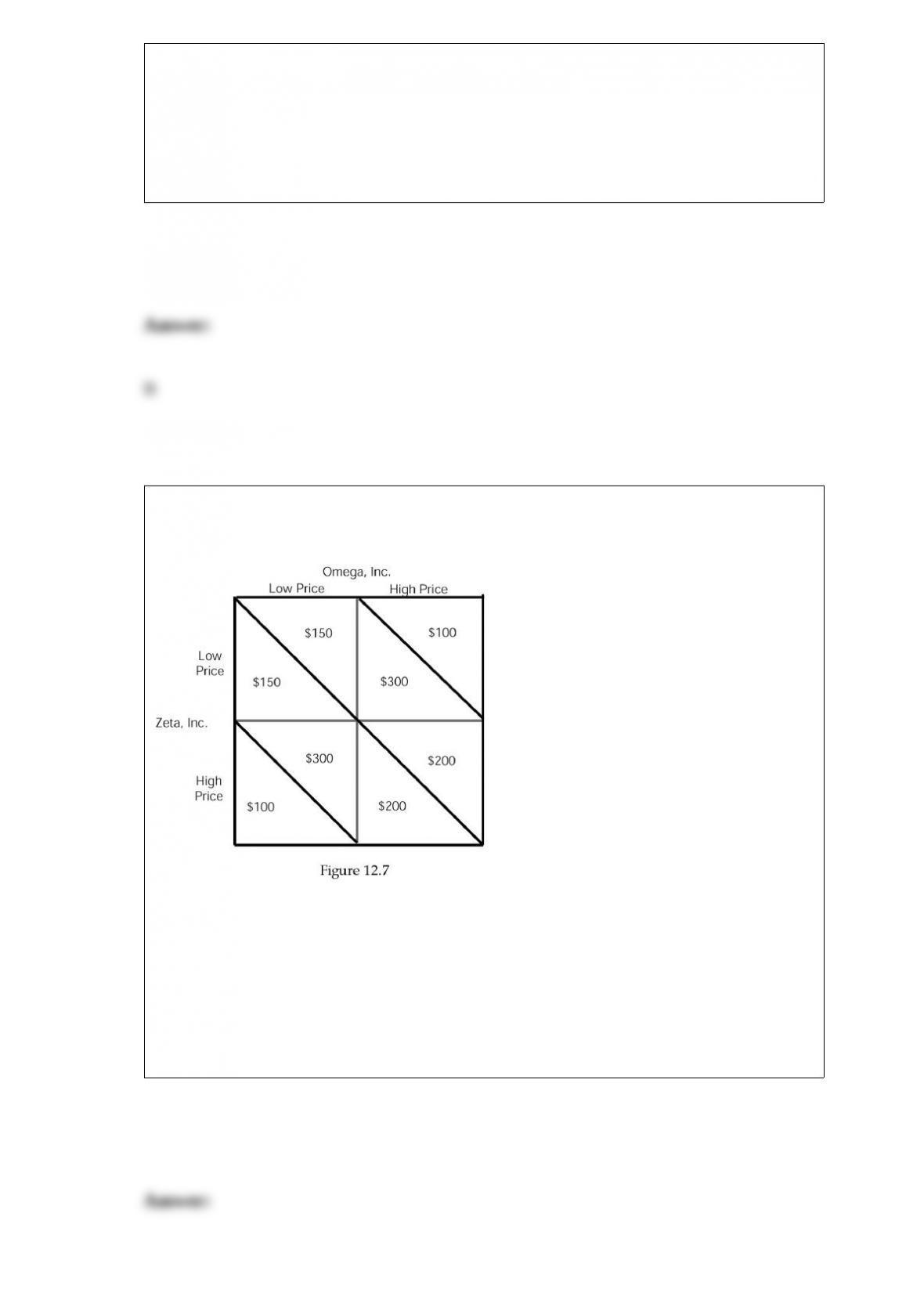
Refer to Figure 12.7. The numerical data show daily profits for each of the two firms
when they choose a specific pricing strategy. If both firms choose a high-price strategy:
A) Omega will earn $300 daily profit and Zeta will earn $100 daily profit.
B) Omega will earn $100 daily profit and Zeta will earn $300 daily profit.
C) Both will earn $200 daily profit.
D) Both will earn $150 daily profit.
As more of any one good is consumed in a given period, its:
A) total utility decreases then remains constant.
B) marginal utility decreases.
C) total utility decreases then increases.
D) marginal utility increases.
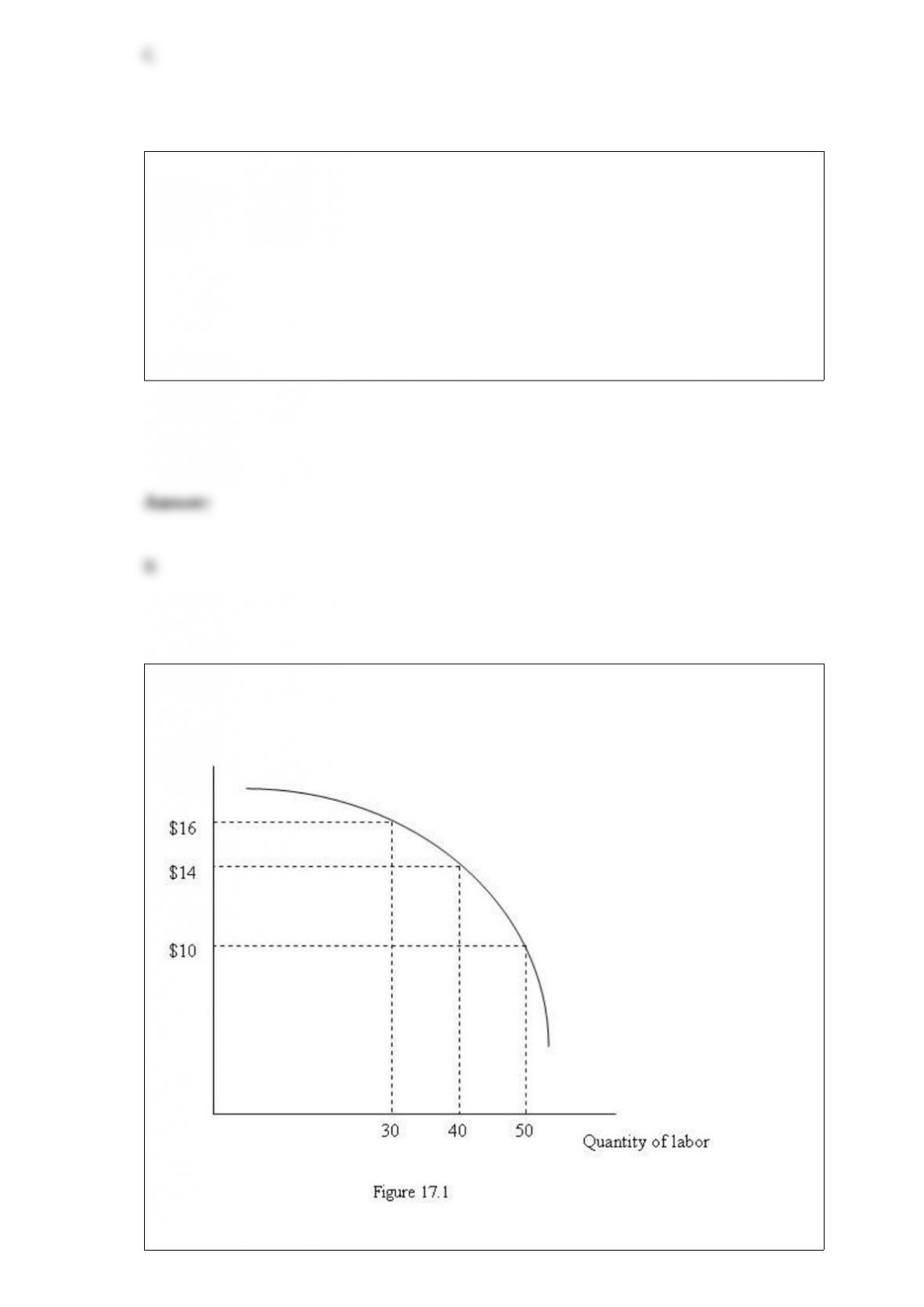
Figure 17.1 depicts a firm’s marginal revenue product curve. If the product price is $4,
what is the marginal product of the 40th hour of labor?

A) 4 units
B) 3.5 units
C) 3 units
D) 2.5 units
When referring to “marginal” changes, the economic focus is on:
A) changes that affect only a few people or products.
B) large changes on the low end.
C) graduated changes on the high end.
D) small or incremental changes.
Suppose you have 2 goods, X and Y. If the price of X decreases and you buy more Y,
then X and Y are:
A) substitutes.
B) normal goods.
C) complements.

D) inferior goods.
Which of the following statements is true?
A) Free trade will benefit all workers in a nation equally.
B) As a result of specialization some workers will be displaced and hence, harmed by
free trade.
C) Free trade leads to lower wages for all workers in both nations.
D) Specialization will result in a decline in an industry and none of those workers will
be able to find other jobs.
The prices of the products in the World War II POW camps, measured in terms of
cigarettes, reflected the products’:
A) costs of production.
B) retail prices.
C) practicality.
D) scarcity.
A high degree of concentration in a market suggests that firms in that market:
A) have the power to control prices.
B) are perfectly competitive.
C) cannot act strategically.
D) have formed an illegal cartel.
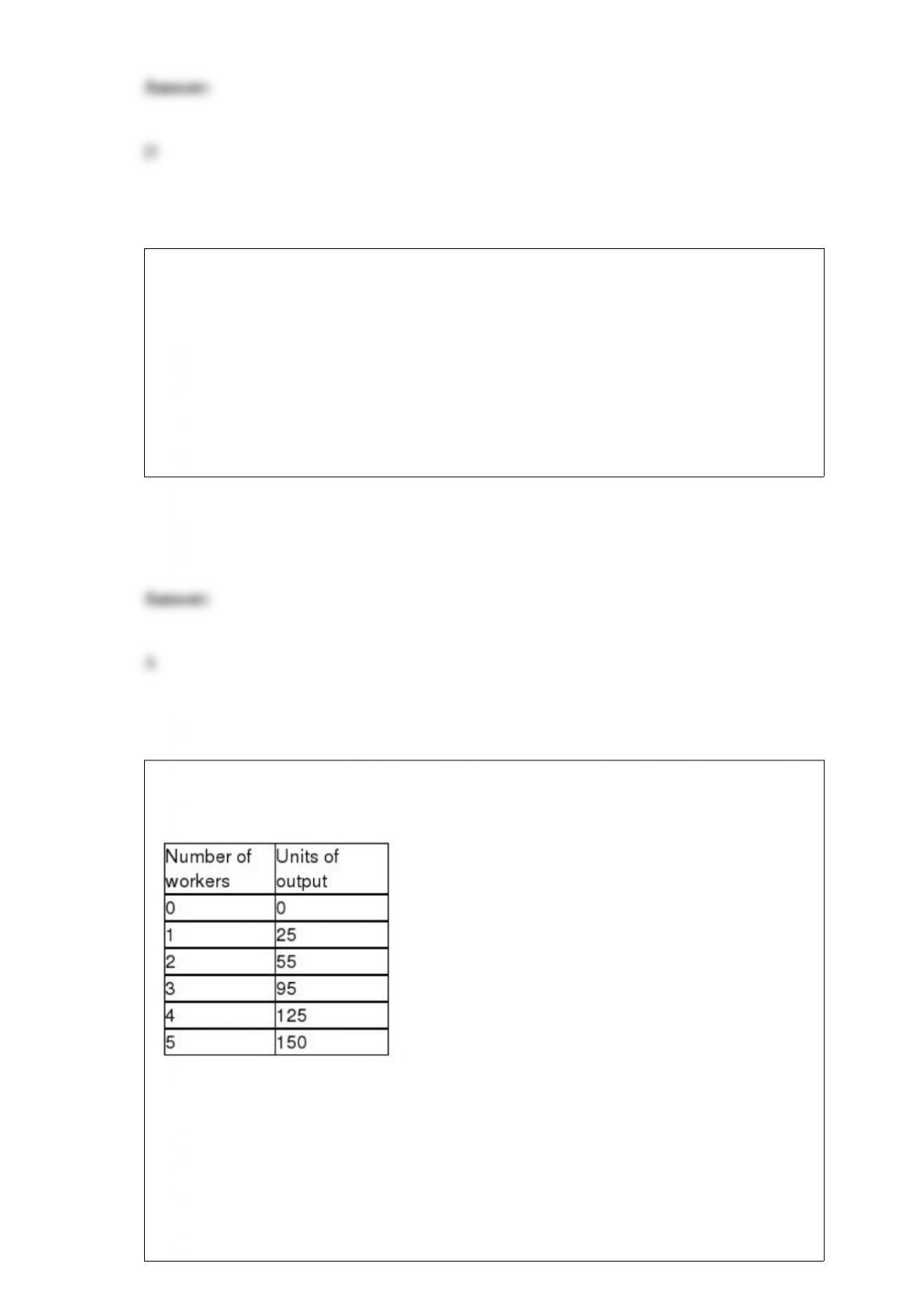
Refer to Table 8.2, which gives a firm’s production function. Assume that all non-labor
inputs are fixed. Diminishing returns set in with the addition of the:
Table 8.2
A) third worker.
B) fourth worker.
C) fifth worker.

D) sixth worker.
If the income elasticity of a good is greater than one, we say that its demand is:
A) price sensitive.
B) income-inelastic.
C) income-elastic.
D) price insensitive.
What set of all possible combinations does the budget line show?
A) the set of all possible combinations that yield the same level of utility to the
consumer
B) the set of all possible combinations that maximize a consumer’s utility
C) the set of all possible combinations that can be purchased, given the consumer’s
income and the price of the goods
D) the set of all possible combinations that are equilibrium points
If the price of output increases, the marginal revenue product curve will shift ________
and the profit maximizing quantity of labor demanded will ________.
A) up; increase
B) up; decrease
C) down; increase
D) down; decrease
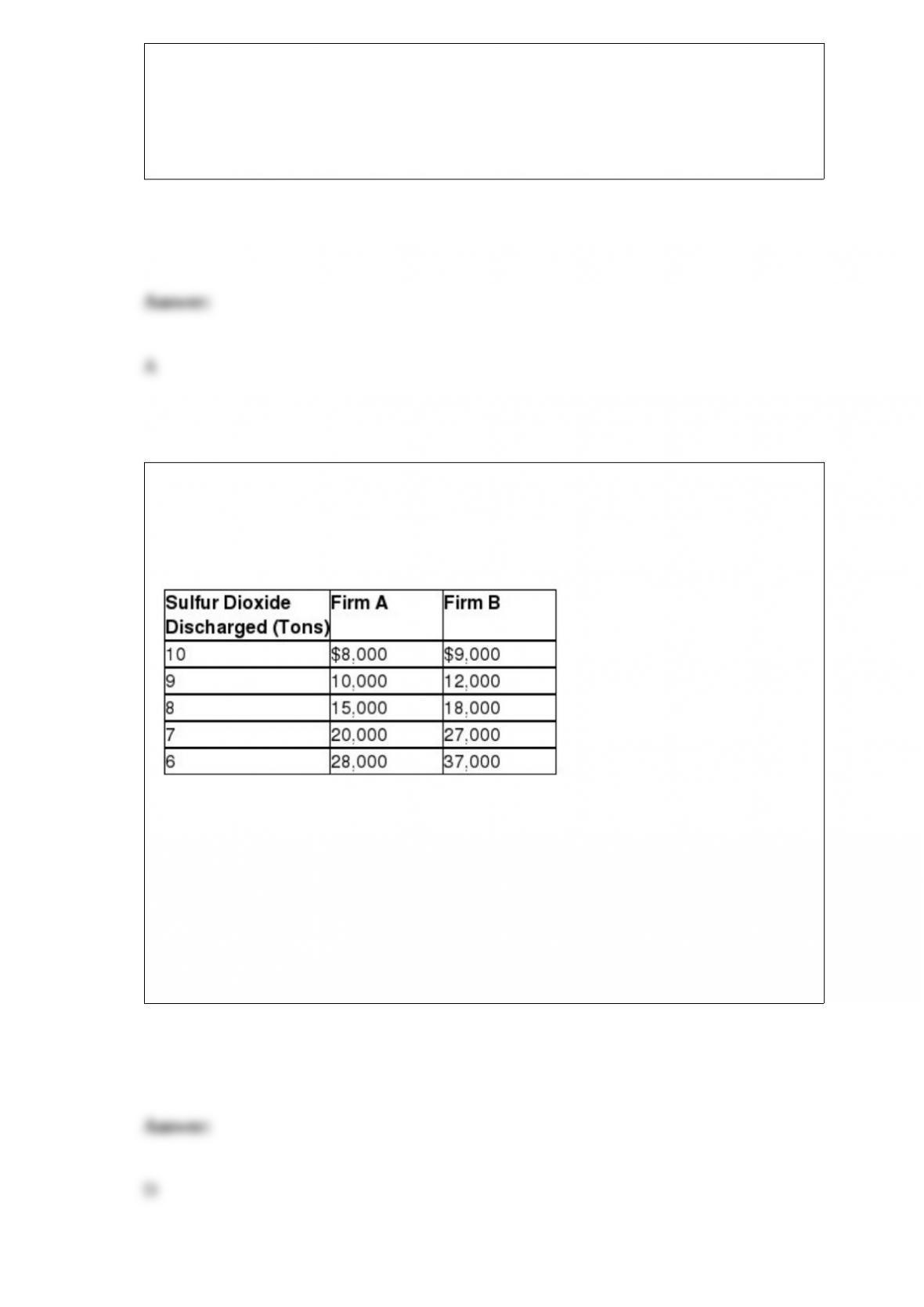
Refer to Figure 6.8. If your city imposes a tax of $100 per apartment, new monthly rent
landlords receive after the tax is:
A) $460.
B) $500.
C) $560.
D) $600.
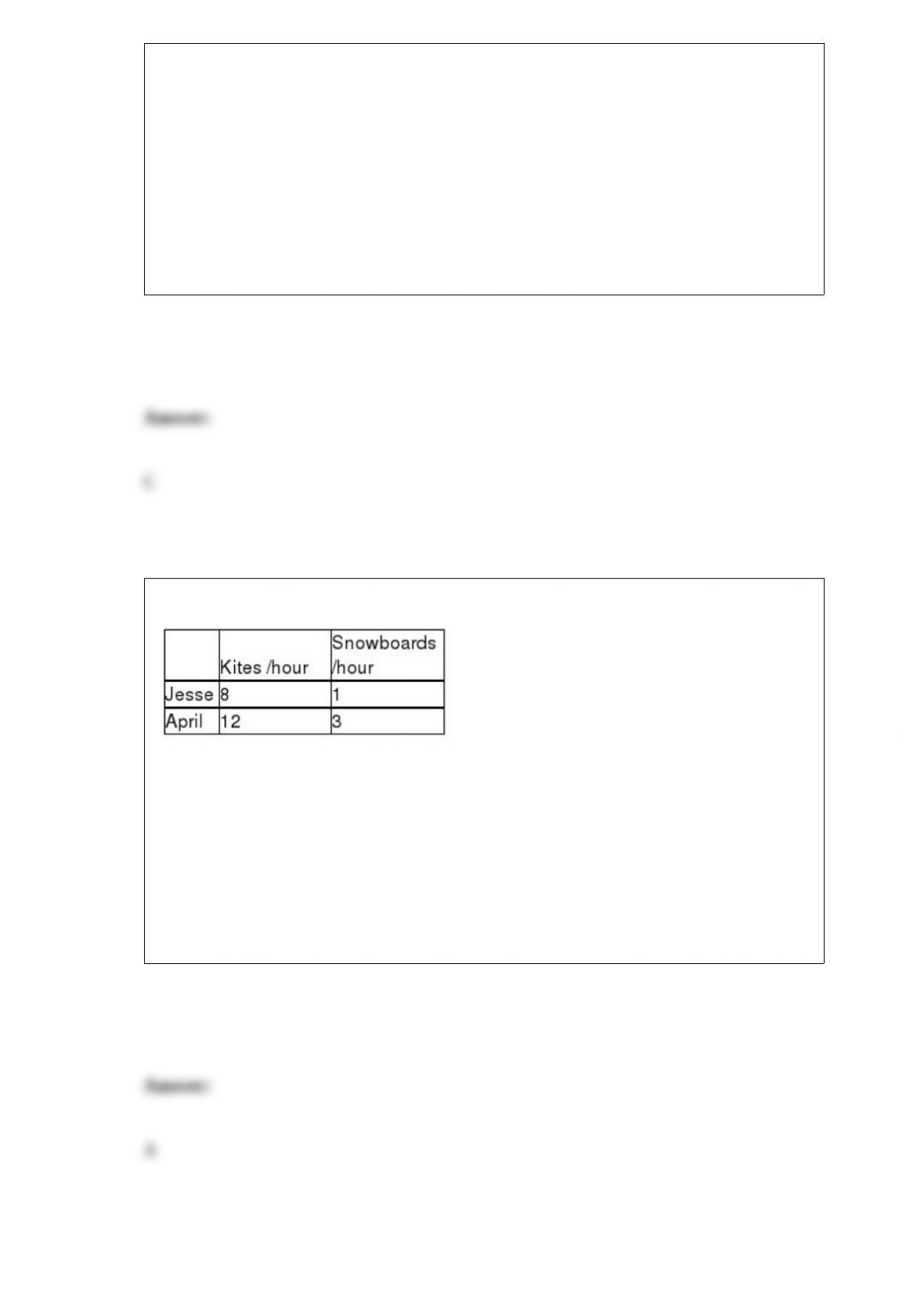
Table 16.3 shows the production cost for two utilities at different levels of sulfur
dioxide emissions. Assume that the government issued 8 marketable pollution permits
to each firm. Suppose that Firm A has already sold a permit to Firm B. If Firm A
contemplates selling a second permit to Firm B, what is Firm A’s willingness to accept?
Table 16.3
A) $5,000
B) $6,000
C) $7,000
D) $8,000
A $2000 tax levied on the maker of MRIs will cause:
A) an upward movement along the supply curve as the price of MRIs rises.
B) a downward movement along the supply curve as the after tax price received by the
seller falls.
C) a leftward shift of the supply curve.
D) a rightward shift of the supply curve.
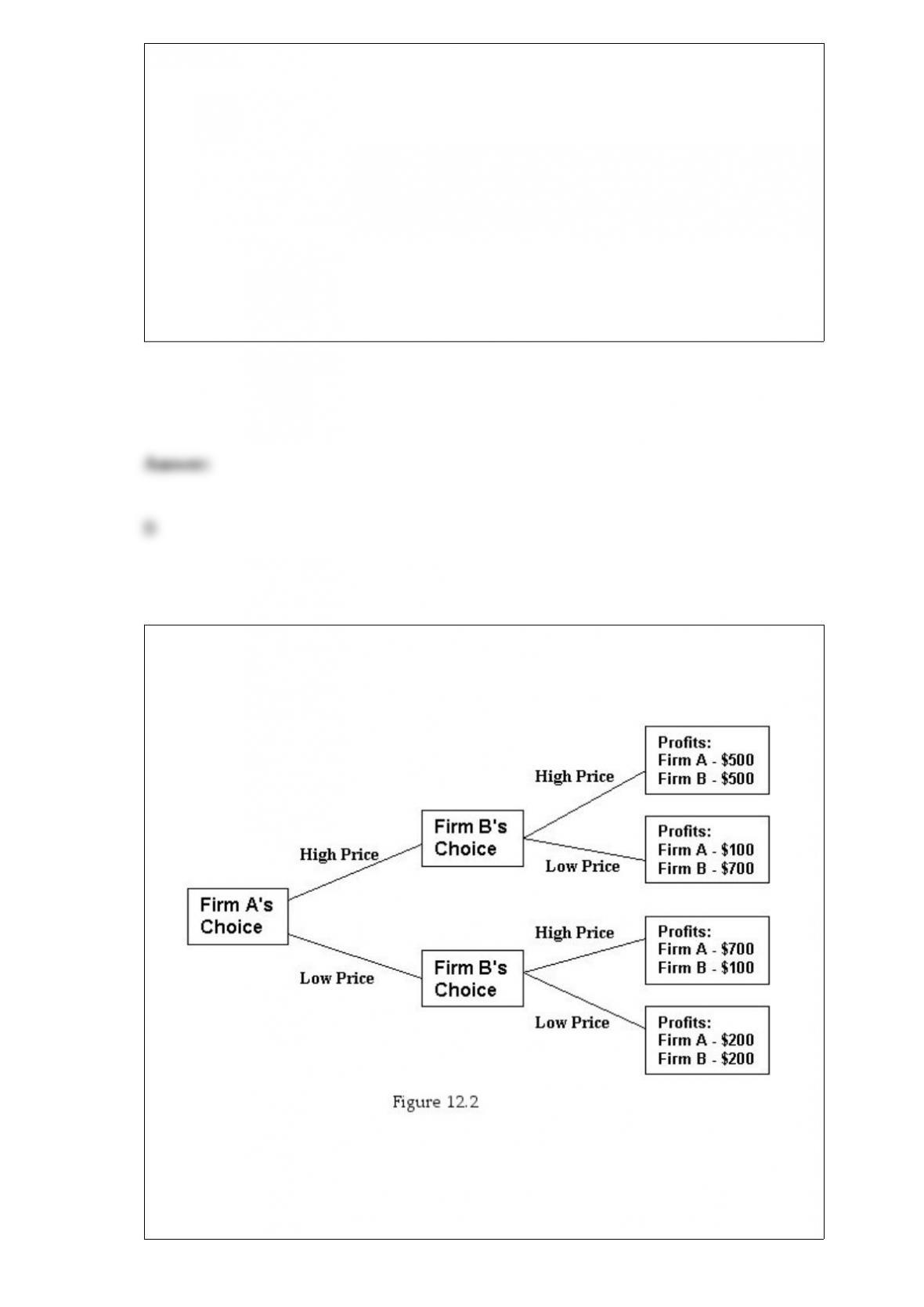
Based on the data in Table 3.1:
Table 3.1
A) Jesse should specialize in painting kites and trade for snowboards.
B) Jesse should specialize in painting snowboards and trade for kites.
C) April should specialize in both goods.
D) Jesse should specialize in both goods.
Prices above the free market equilibrium price are inefficient because the willingness to
pay by someone to consume an additional unit ________ the marginal cost to someone
for producing that unit.
A) exceeds
B) is less than
C) equals
D) None of the above; efficiency is defined in terms of natural resources, not market
equilibrium.
Figure 12.2 shows the decision tree for setting price for the only two firms in a market.
If both firms follow their dominant strategies:
A) both firms will set price high.
B) both firms will set price low.

C) only one firm will set price low.
D) The firms’ dominant strategies cannot be determined without more information.
In the form of market organization called “perfect competition,” the firms tend to be
________ and the product they sell is ________.
A) large; identical
B) small; different
C) large; different
D) small; identical
An individual would choose the number of news articles to read based on his/her:
A) marginal social benefit and marginal private cost.
B) total private benefits and the social benefit.
C) marginal social benefit and the marginal social cost.
D) marginal private benefit and marginal cost.

Daily Output of Scotland and Poland
Table 18.1
Refer to Table 18.1. After trade begins, ________ will specialize in the production of
accordions and ________ will specialize in the production of bagpipes.
A) Scotland; Poland
B) Poland; Scotland
C) Poland; Poland
D) Scotland; Scotland
A game shop estimates that the price elasticity of demand on its newly released games
is 2.0. In an effort to raise total revenue, the store should:
A) increase the price on its newly released games.
B) decrease the price on its newly released games.
C) increase the price on direct substitutes such as one-year-old games.
D) decrease the price on direct substitutes such as one-year-old games.
For welfare recipients, the larger the benefit reduction rate for market income is, the
A) higher the incentive to work additional hours.
B) lower the incentive to work additional hours.
C) stronger the labor union will be.
D) less spent on welfare programs.
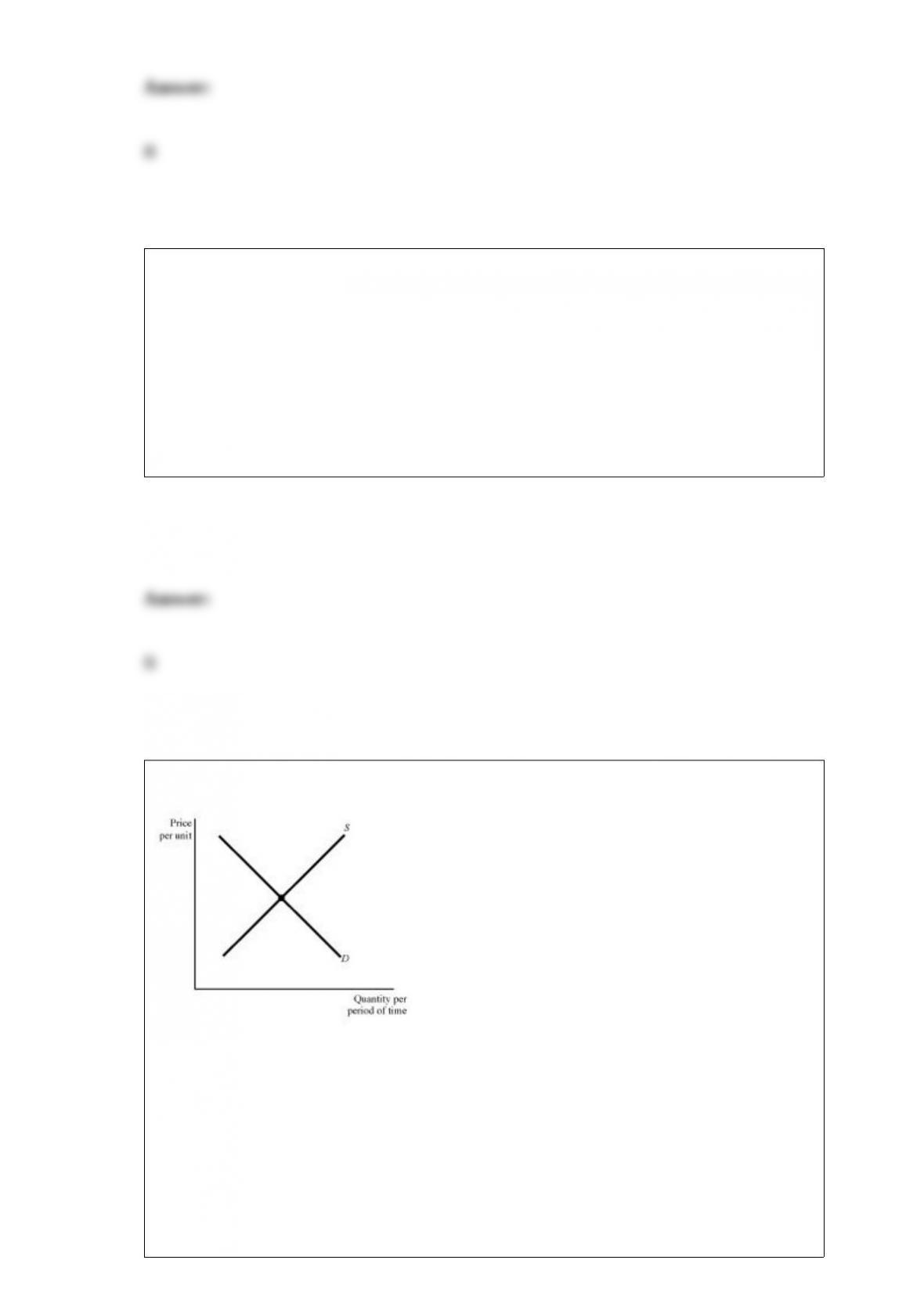
If supply increases in Figure 4.7, then the equilibrium:
Figure 4.7
A) price and quantity rise.
B) price rises and quantity falls.
C) price falls and quantity rises.
D) price and quantity fall.
By engaging in trade and acting in their own self-interest, World War II POWs were
following the economic principle of:
A) comparative advantage.
B) division of labor.
C) international trade.
D) voluntary exchange.
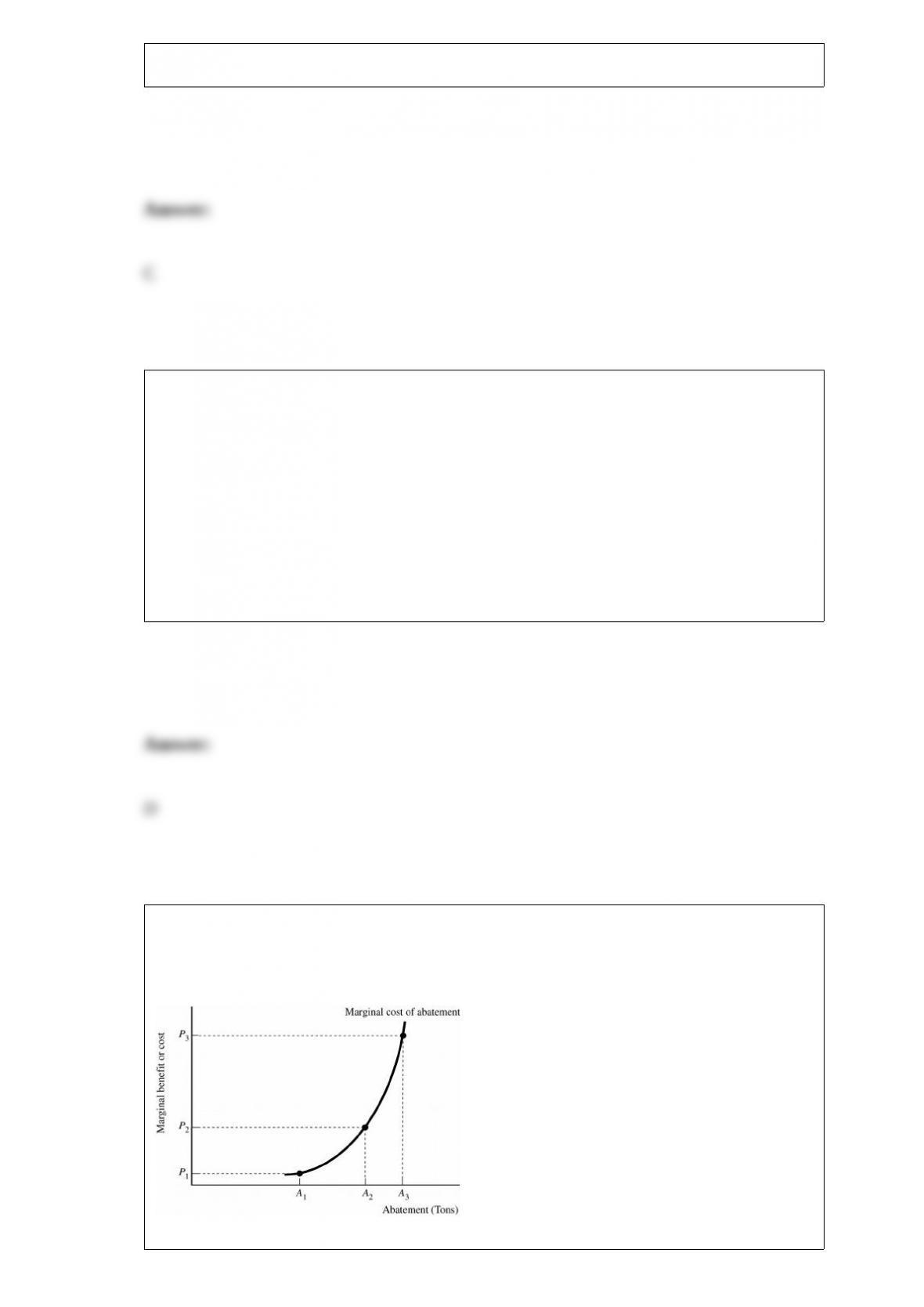
A firm that generates pollution is illustrated in Figure 16.1. The government has chosen
to impose a pollution tax equal to P2. From the firm’s point of view, the marginal
benefit of abatement is:
Figure 16.1

A) avoiding the pollution tax imposed by the government.
B) the positive publicity the firm will receive by having a “green” production plant.
C) the reciprocal of the marginal cost of abatement.
D) zero because abatement benefits the general public, not the firm.
If only a small percentage of used computers on the market are plums (high-quality),
then the asymmetric information concerning the quality of used computers has
generated a ________ market.
A) thin
B) weak
C) tight
D) competitive
Recall the Application. If the minimum of average total cost for switchgrass farmers is
$55 per ton and the minimum of average variable costs is $40 per ton, then at a price of
$50 per ton in the short run the switchgrass farmer will:
A) shut down, that is bring no switchgrass to market.

B) operate losing money.
C) make a zero economic profit.
D) make a positive economic profit.