
In a closed economy, which of the following components of GDP is not included?
A) investment
B) government spending
C) net exports
D) consumption
Suppose a decrease in the supply of paper results in an increase in revenue. This
indicates that
A) the demand for paper is inelastic.
B) the demand for paper is elastic.
C) the supply of paper is inelastic.
D) the supply of paper is elastic.
The costs in time and other resources that parties incur in the process of facilitating an
exchange of goods and services are called
A) enforcement costs.
B) implicit costs.
C) explicit costs.
D) transaction costs.
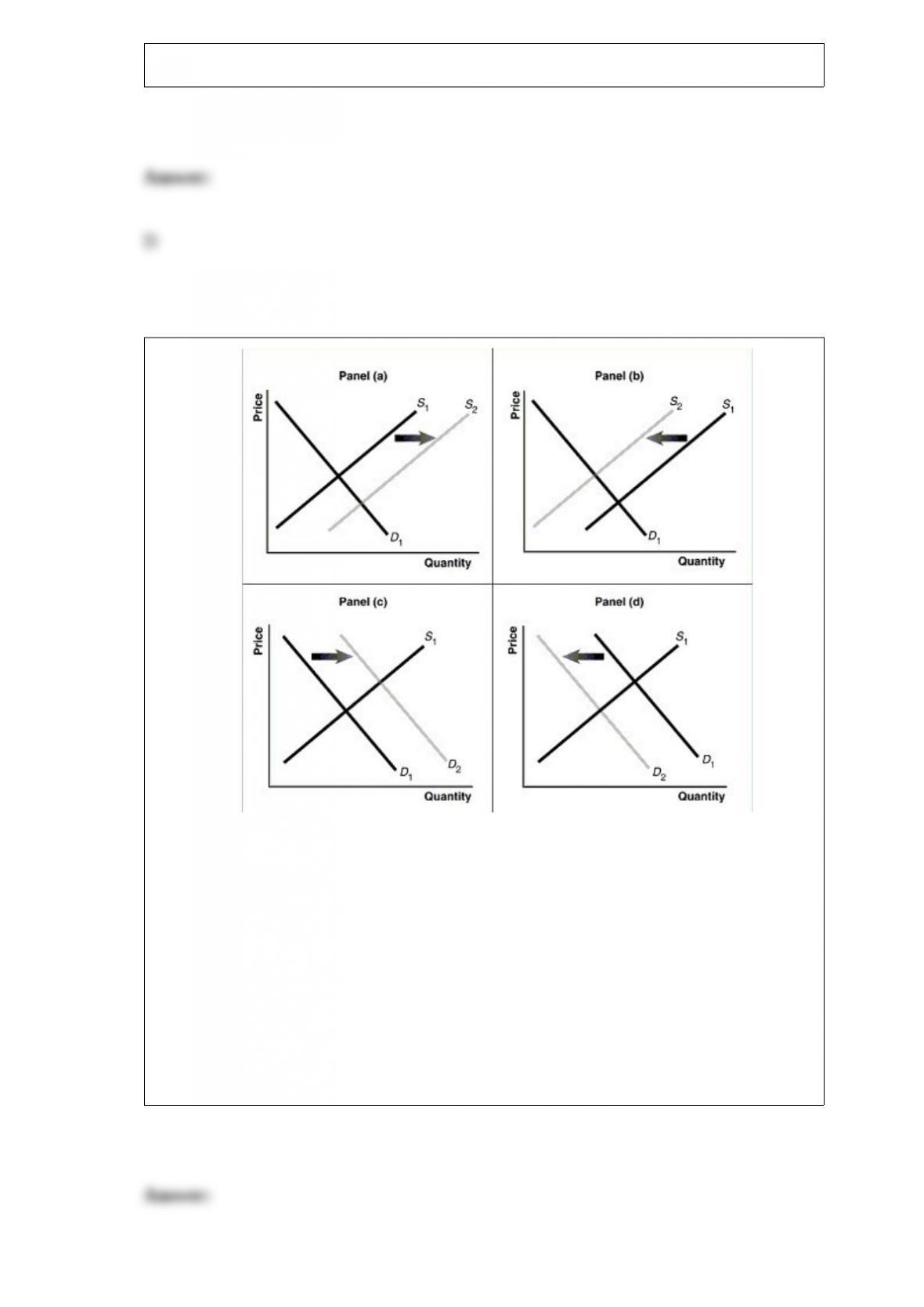
Figure 3-7
Assume that the graphs in this figure represent the demand and supply curves for
bicycle helmets. Which panel best describes what happens in this market if there is a
substantial increase in the price of bicycles?
A) Panel (a)
B) Panel (b)
C) Panel (c)
D) Panel (d)
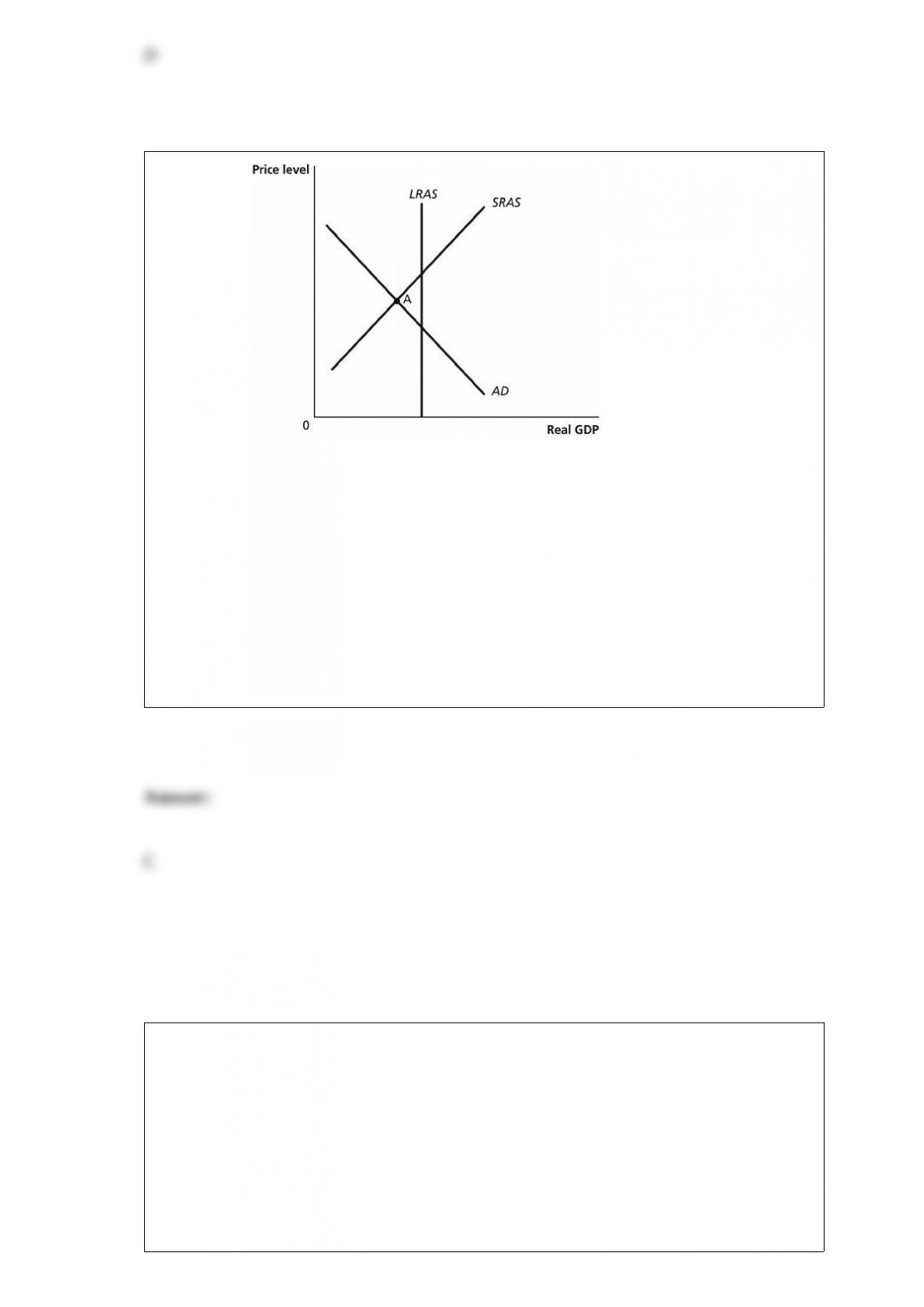
Figure 16-2
In the graph above, if the economy is at point A, an appropriate fiscal policy by the
Congress and the president would be to
A) decrease the required reserve ratio.
B) sell government securities.
C) increase government expenditures.
D) decrease transfer payments.
Currency traders expect the dollar to appreciate. What impact will this have on
equilibrium in the foreign exchange market?
A) The dollar will appreciate, and the equilibrium quantity of dollars will decrease.
B) The dollar will depreciate, and the equilibrium quantity of dollars exchanged will
decrease.
C) The dollar will appreciate, and the equilibrium quantity of dollars will increase.
D) The dollar will appreciate, and the change in the equilibrium quantity of dollars
exchanged cannot be determined.
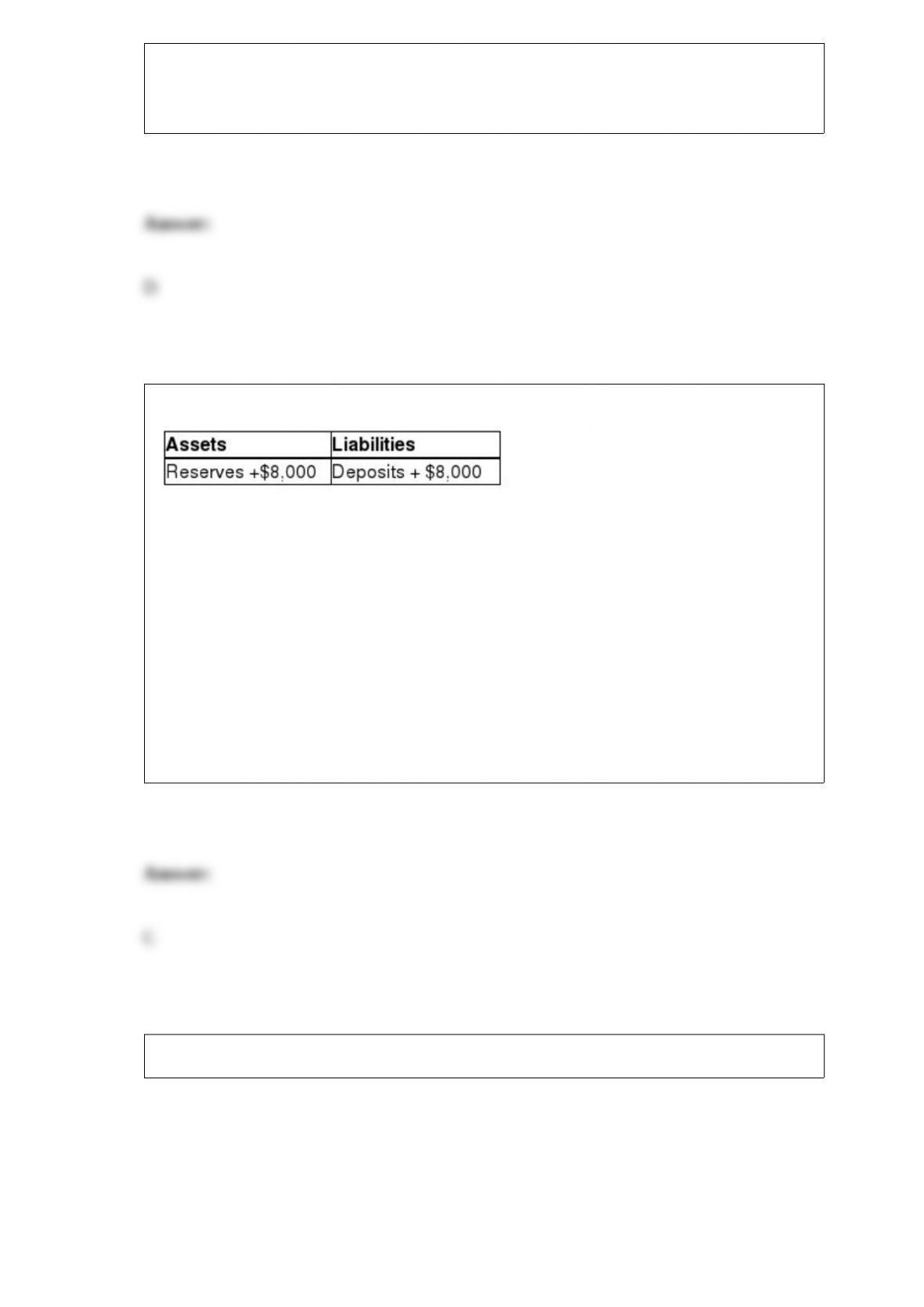
Table 25-2
Suppose a transaction changes a bank’s balance sheet as indicated in the following
T-account, and the required reserve ratio is 10 percent. As a result of the transaction, the
bank can make a maximum loan of
A) $0.
B) $800.
C) $7,200.
D) $8,000.
Figure 15-12
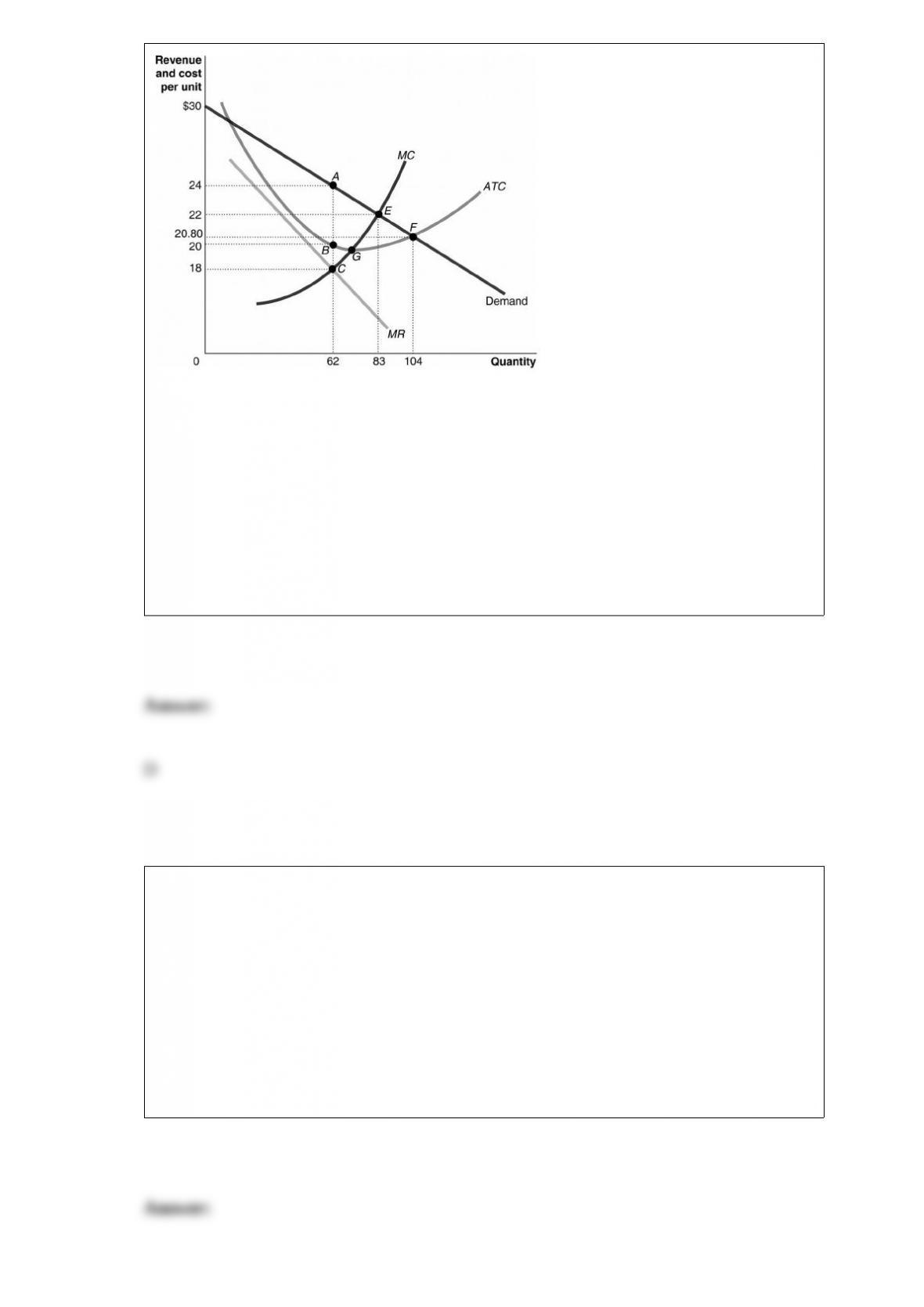
Figure 15-12 shows the cost and
demand curves for a monopolist. What is the amount of consumer surplus if, instead of
monopoly, the industry was organized as a perfectly competitive industry?
A) $21
B) $124
C) $186
D) $332
A product is considered to be rivalrous if
A) you can keep those who did not pay for the item from enjoying its benefits.
B) you cannot keep those who did not pay for the item from enjoying its benefits.
C) your consumption of the product reduces the quantity available for others to
consume.
D) it is jointly owned by all members of a community.

Which of the following is not an example of a transfer payment?
A) unemployment insurance payments
B) health insurance payments to an army private
C) social security payments to retirees
D) social security payments to disabled persons
Prices of microbrewery beer (assume that this is a normal good) have risen steadily in
recent years. Over this same period, prices for fermenting vats used in beer making
have also risen and consumer incomes have fallen. Which of the following best explains
the rising prices of microbrewery beer?
A) The supply curve for microbrewery beer has shifted to the left while the demand
curve for microbrewery beer has shifted to the right.
B) The demand curve for microbrewery beer has shifted to the left more than the supply
curve has shifted to the left.
C) The demand curve and the supply curve for microbrewery beer have both shifted to
the right.
D) The supply curve for microbrewery beer has shifted to the left more than the demand
curve has shifted to the left.
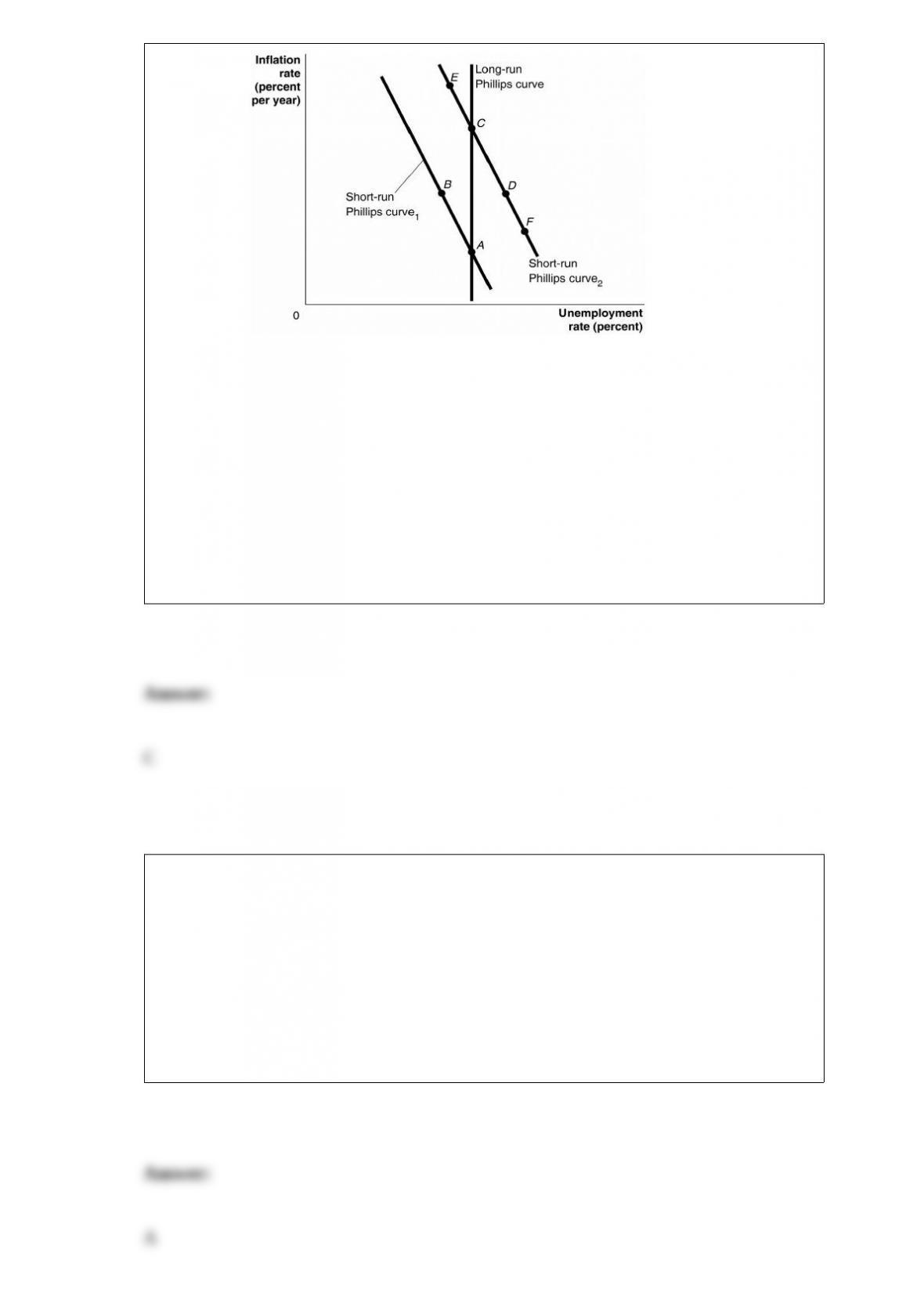
Figure 17-9
Fed Chairman Paul Volcker’s response to the ________ of the late 1970s is depicted in
the figure above as a movement from C to D to A.
A) deflation
B) high unemployment
C) high inflation
D) appreciation of the dollar
What can the Federal Reserve do to reduce the natural rate of unemployment?
A) nothing
B) follow expansionary monetary policy that will increase inflation
C) follow expansionary monetary policy that will reduce inflation
D) follow contractionary monetary policy that will increase inflation
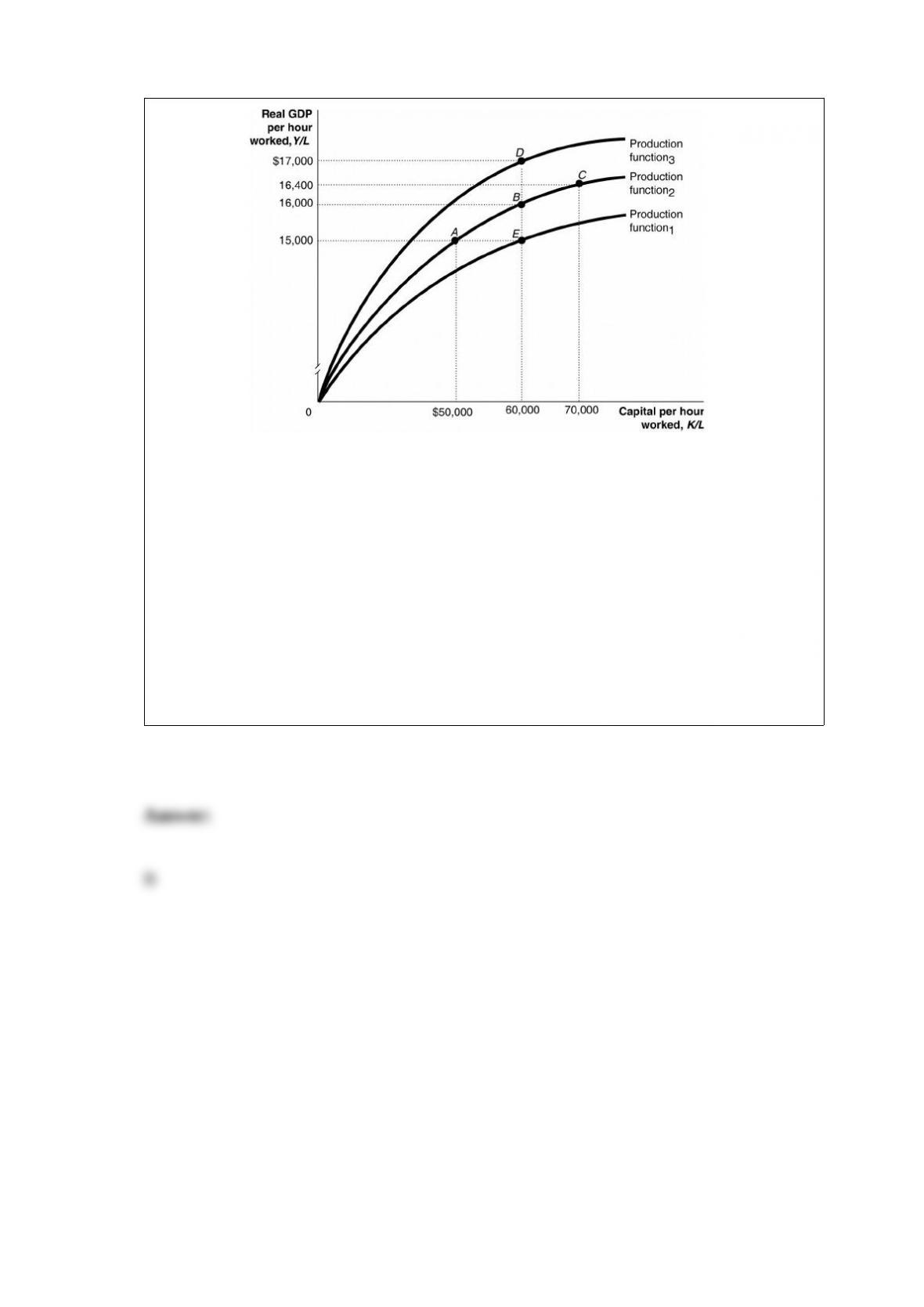
Figure 11-4
Suppose the per-worker production function in the figure above represents the
production function for the U.S. economy. If the United States decided to cut its support
of university research in half, this would cause a movement from
A) B to A.
B) B to E.
C) B to C.
D) B to D.