
The main difference between the short run and the long run is that
a. firms earn losses in the long run, but not in the short run.
b. the long run always refers to a time period of one year or longer.
c. in the long run, only one input can be fixed.
d. in the short run, one or more inputs are fixed.
e. none of the above
Which of the following is not one of the four broad categories of resources?
a. labor
b. government
c. capital
d. entrepreneurship
e. land
Exhibit 31-1

This graph represents a negative externality situation. Given this, which of the two
curves, X or Y, represents marginal social costs and why?
a. Curve X, because if there is a negative externality, external costs are associated with
it: social costs = external costs + private costs, therefore the marginal social cost curve
must lie above the marginal private cost curve.
b. Curve Y, because if there is a negative externality, negative external costs are
associated with it: social costs = negative external costs + private costs, therefore the
marginal social cost curve must lie below the marginal private cost curve.
c. Curve X, because if there is a negative externality, external benefits are associated
with it: social costs = external benefits + private costs, therefore the marginal social cost
curve must lie above the marginal private cost curve.
d. Curve Y, because if there is a negative externality, negative external benefits are
associated with it: social costs = negative external benefits + private costs, therefore the
marginal social cost curve must lie below the marginal private cost curve.
Damian is texting while driving and ends up slamming into the back end of the car in
front of him, which then strikes the car in front of it. By texting while driving, Damian
has created a
a. negative externality.
b. positive externality.

c. nonexcludable public good.
d. marginal social benefit.
For the monopoly firm, its demand curve is
a. perfectly inelastic.
b. the market demand curve.
c. perfectly elastic.
d. necessarily unit elastic.
e. none of the above
Exhibit 34-1
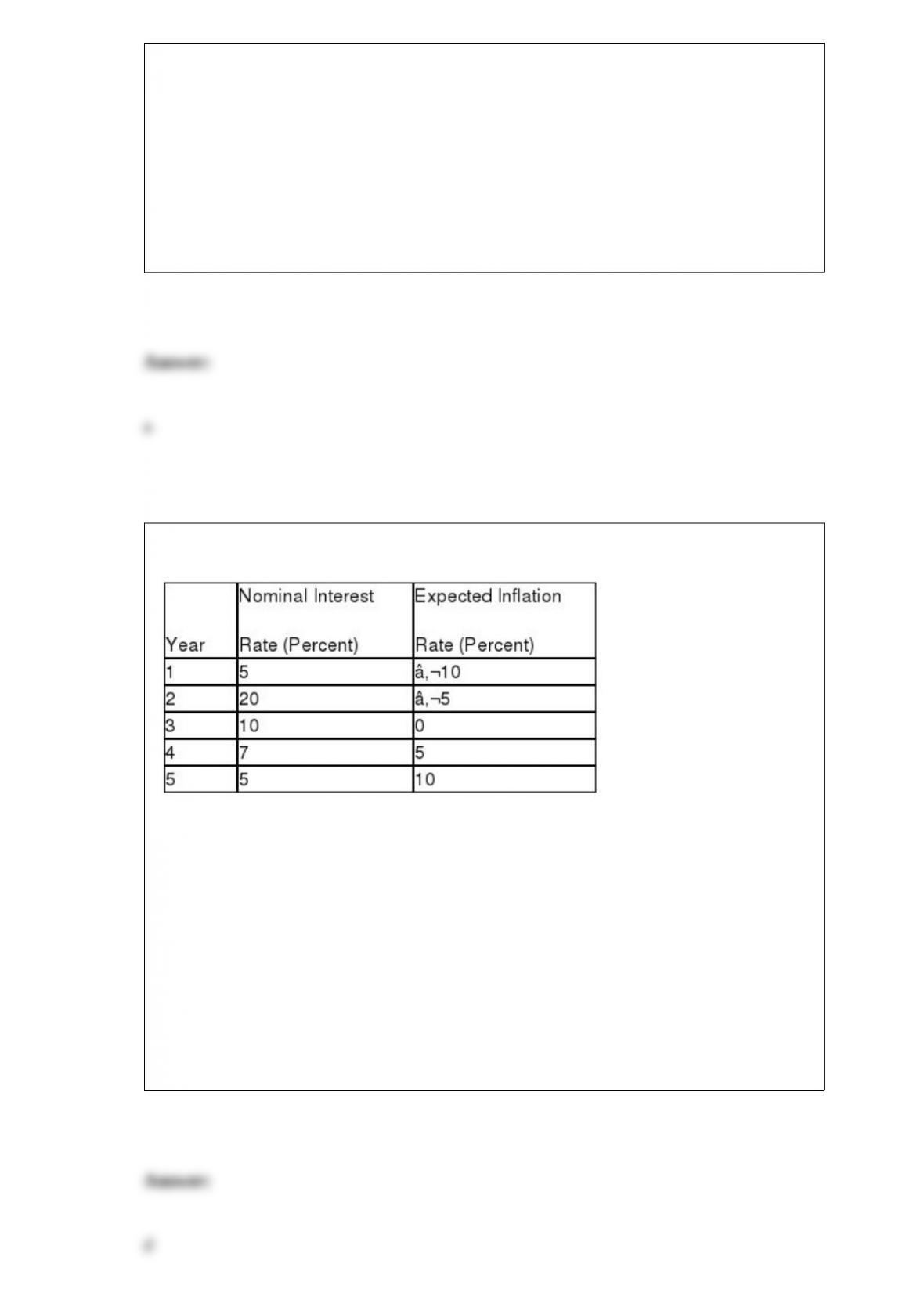
Country A is the lower opportunity cost producer of
a. good X.
b. good Y.
c. goods X and Y.
d. neither good X nor good Y.
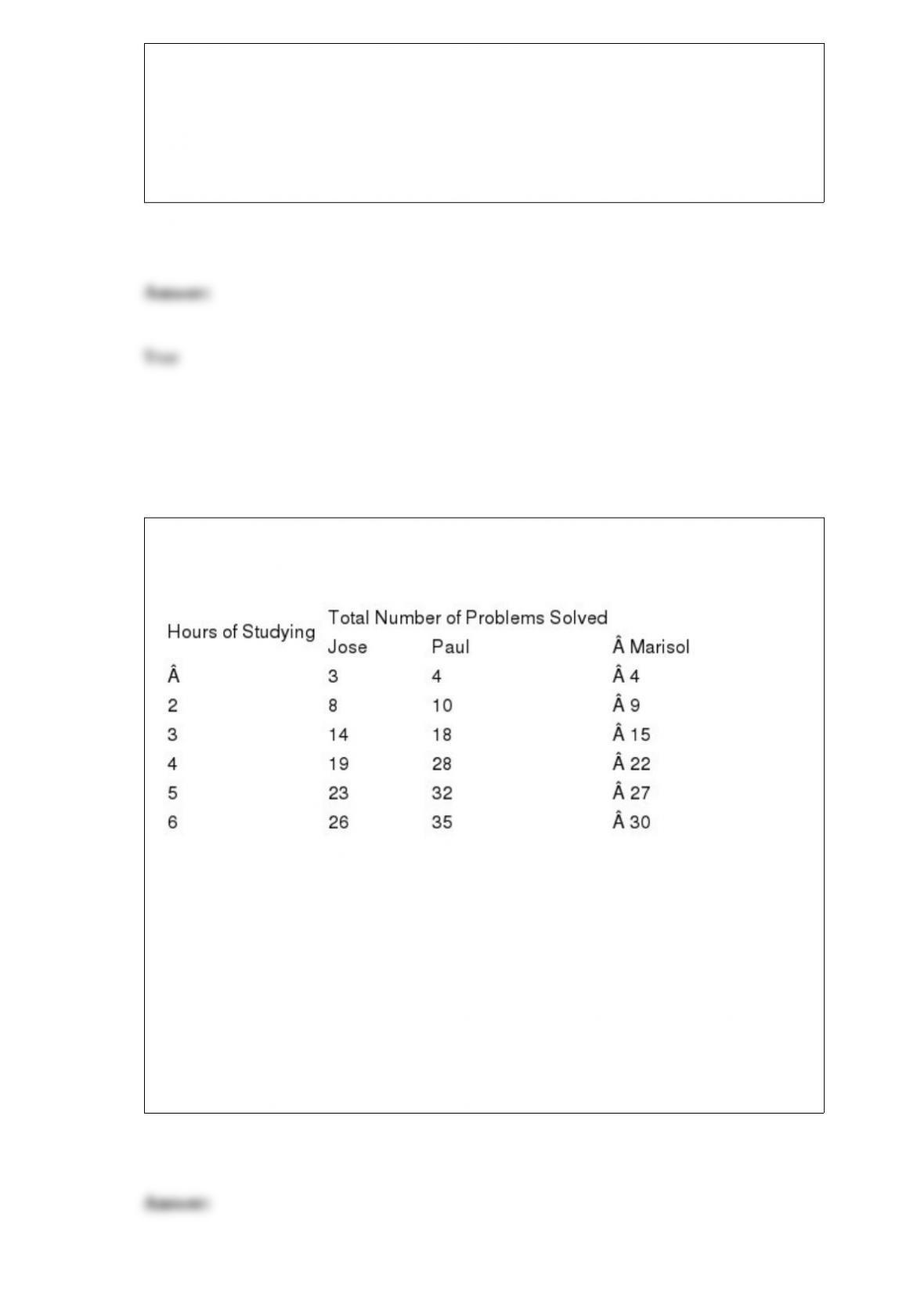
Exhibit 30-3
The real interest rate in year 5 is
a. -15 percent.
b. 5 percent.
c. 15 percent.
d. -5 percent.
e. -10 percent.

Which of the following is a positive macroeconomics statement?
a. The central bank should increase the nation’s money supply.
b. The increase in the nation’s money supply helped push the nation’s unemployment
rate down in the short run.
c. Ford Motor Company’s new advertising campaign ended up hurting General Motors’
sales.
d. The local government ought to spend more on recreational facilities.
Suppose the government sets a price floor that is above the equilibrium price for a given
good. It can be said that at the price floor,
a. although sellers are selling all of the product that they desire at this price, the
consumers are not able to buy all that they desire.
b. although consumers are purchasing all of the product that they desire at this price, the
sellers are not selling all that they desire.
c. both sellers and buyers are satisfied with the quantity that is being exchanged.
d. both sellers and buyers are exchanging the equilibrium quantity of this good.
e. b and d
In 2012, approximately 15 percent of the total population in the United States were
living below the poverty line.
a. True
b. False
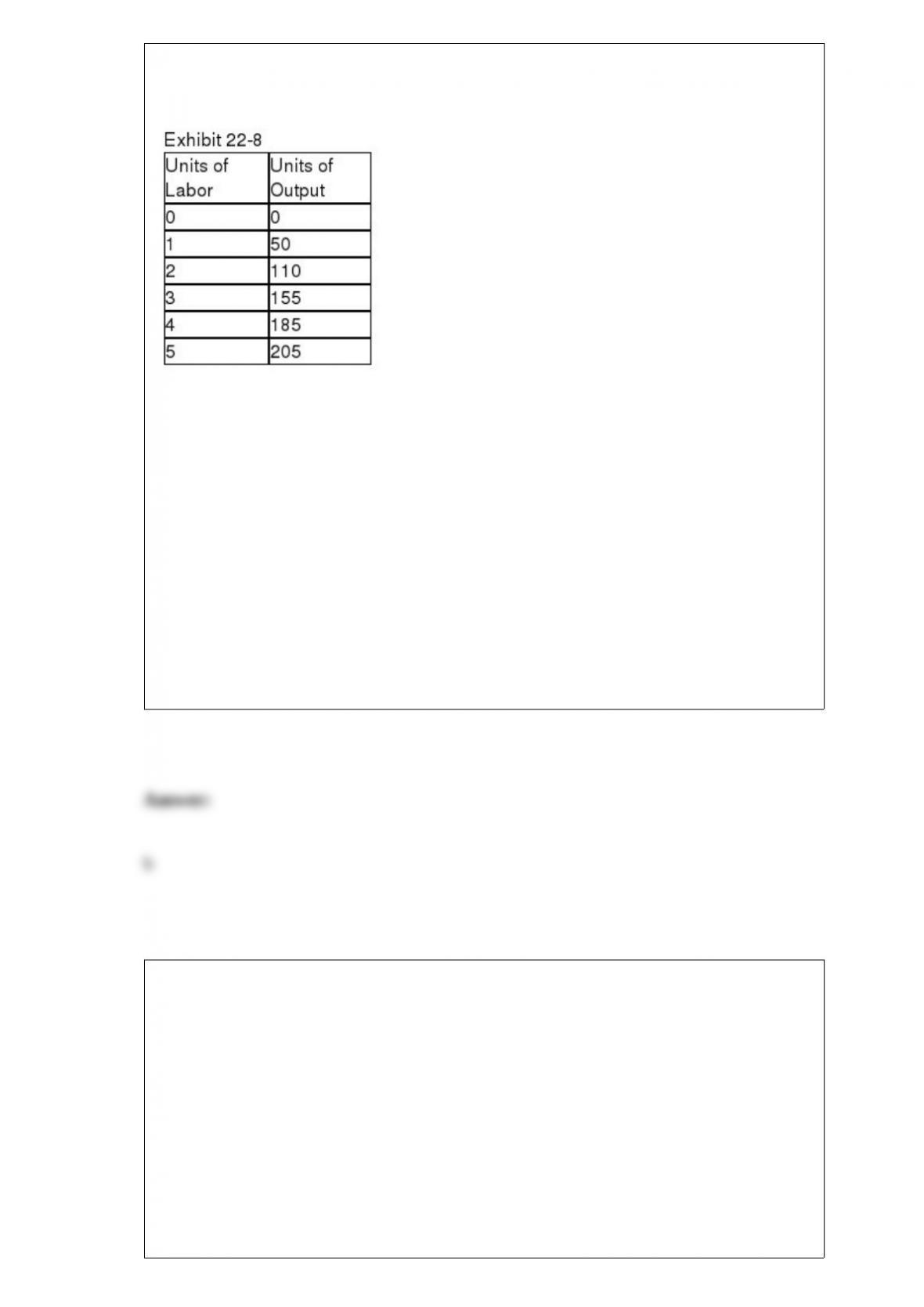
Exhibit 22-10
Paul’s marginal productivity of the fourth hour of studying is
a. 4 problems.
b. 5 problems.
c. 14 problems.
d. 19 problems.
e. 23 problems.

Which of the following statements is false?
a. Capital depreciates over time.
b. As the capital stock decreases, the marginal physical product of capital rises.
c. If the return on capital is less than the price of credit, a firm will not borrow funds to
invest in capital.
d. If the return on capital is greater than the price of credit, then the price of credit must
be greater than the price for loanable funds.
Unlike a perfectly competitive firm, a monopolistic competitor operates in the long run
at a point at which
a. P = ATC.
b. MR = MC.
c. unit costs are not minimized.
d. profits are zero.
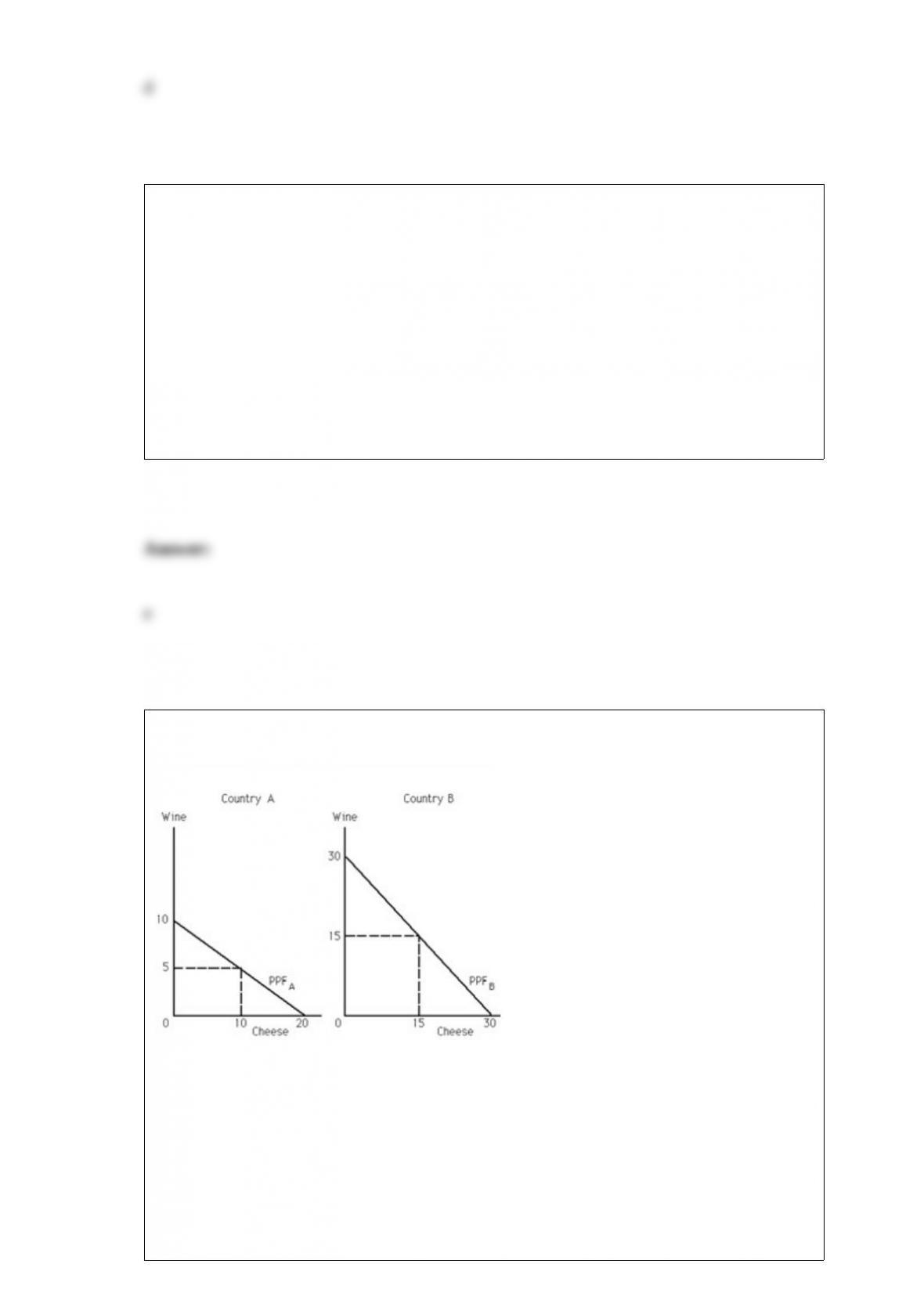
shows how output varies with the only variable input used in its production. If the cost
of a unit of labor is $500, what is the approximate marginal cost of the 185th unit of
output?
a. $2.50
b. $16.67
c. $12.50
d. $50.00
e. $100.00
Which of the following statements is true?
a. Some degree of income inequality is due to the fact that individuals are innately
different and make different choices.
b. No income inequality is due to good or bad luck.
c. People who agree on the factors that cause income inequality may not agree on the
importance of the different factors.
d. a and c

e. a, b, and c
Which of the following assumptions is not likely to be met in the real world?
a. Demand for labor is identical in every labor market.
b. Nonpecuniary factors in each job are the same.
c. All labor is homogeneous.
d. All labor has zero costs of mobility.
e. all of the above
Which of the following is an assumption of the theory of oligopoly?
a. There are significant barriers to entry.
b. There are many sellers and many buyers.
c. Firms produce and sell either homogeneous or differentiated products.
d. a and c
e. none of the above
Efficiency is consistent with
a. maximizing net benefits.
b. equating marginal benefits and marginal costs.
c. maximizing total benefits.
d. minimizing total costs.
e. a and b
Exhibit 34-6
The opportunity cost of 1 unit of cheese in terms of units of wine is __________ for
country A.
a. 1/2
b. 2
c. 10
d. 5
e. none of the above
Identify and describe each step of thefive-step process outlined in the textbook for
building and testing theories.
List and describe the three different types of transfers discussed in this chapter.Give a
hypothetical example of each to help support your answer.
Explain the differences between a corporate bond, a municipal bond, and a Treasury
bond.Which of these would be the least risky investment, and why?
Explain what an economist means when he says, “You don’t find any $10 bills on the
sidewalk.”
Explain the difference between resource allocative efficiency and productive efficiency.
Using the concept of marginal cost, explain how a parent could structure a teenager’s
punishment for misbehavior so as to achieve the parent’s goal (for example, having the
teen home by a certain time).
List and describe the four broad categories of resources. Cite an example of each to
help support your answer.