
By tying the salaries of top corporate managers to the price of the corporation’s stock,
corporations hope to avoid
A) corporate governance.
B) conflict between the CFO and the CEO.
C) the principal-agent problem.
D) paying high salaries to their managers.
Table 2-9
Table 2-9 shows the output per week of two jewelers, Serena and Haley. They can either
devote their time to making bracelets or making necklaces. What is Haley’s opportunity
cost of making a necklace?
A) 3/4 of a bracelet
B) 3 bracelets
C) 1 1/3 necklaces
D) 2 necklaces
________ are financial securities that represent partial ownership of a firm.
A) Stocks
B) Bonds
C) Treasury bills
D) Certificates of deposit
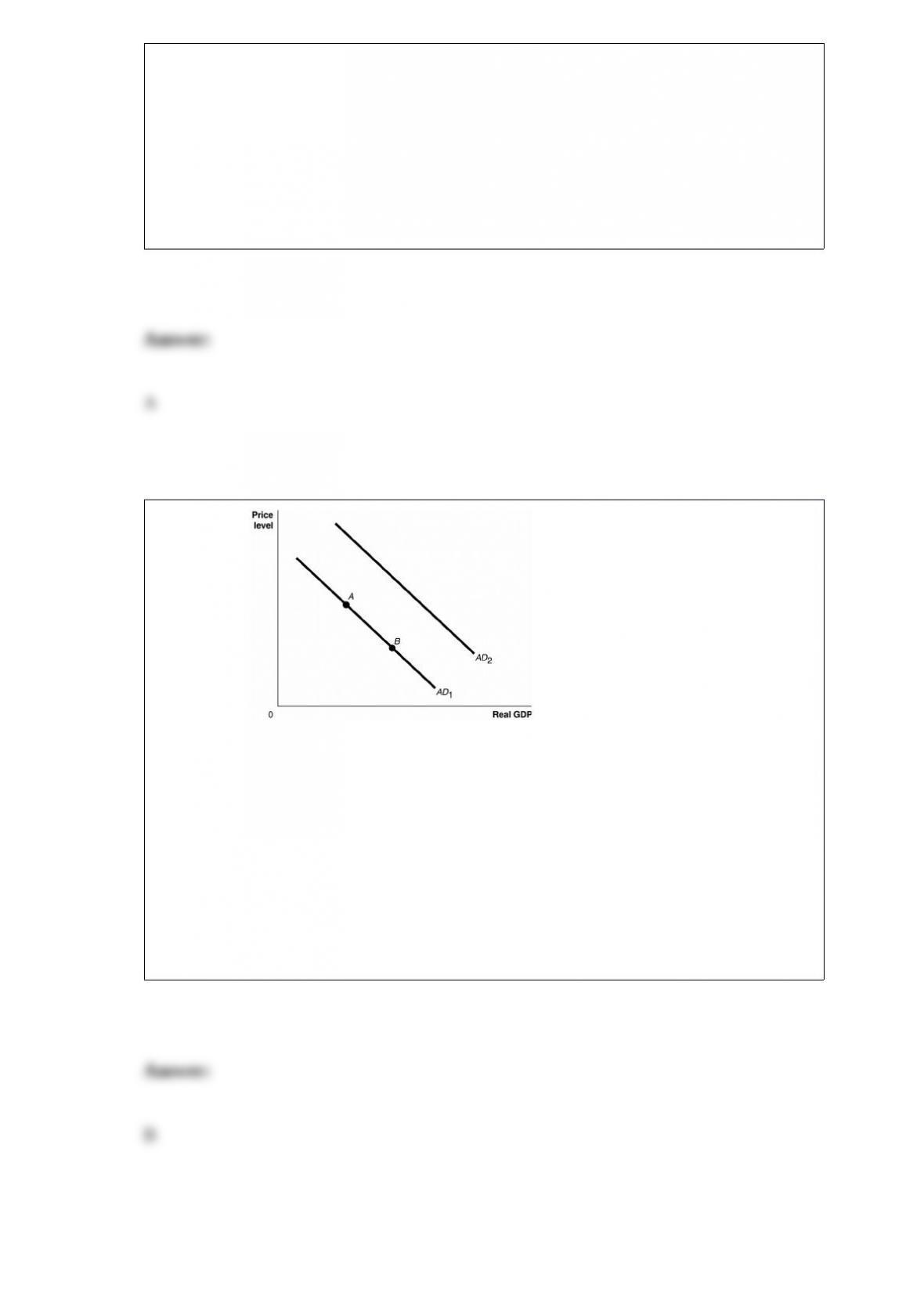
Figure 24-1
Ceteris paribus, an increase in personal income taxes would be represented by a
movement from
A) AD1 to AD2.
B) AD2 to AD1.
C) point A to point B.
D) point B to point A.

New growth theory
A) states that the rate of technological change is determined outside the working of the
market system.
B) does not adequately explain the factors that determine productivity.
C) states that the rate of technological change is caused by economic incentives.
D) states that the rate of technological change is unaffected by economic incentives.
During most of the years of the Great Depression, the actual federal budget was in
________, and the cyclically adjusted budget was in ________.
A) deficit; surplus
B) surplus; surplus
C) deficit; deficit
D) surplus; deficit
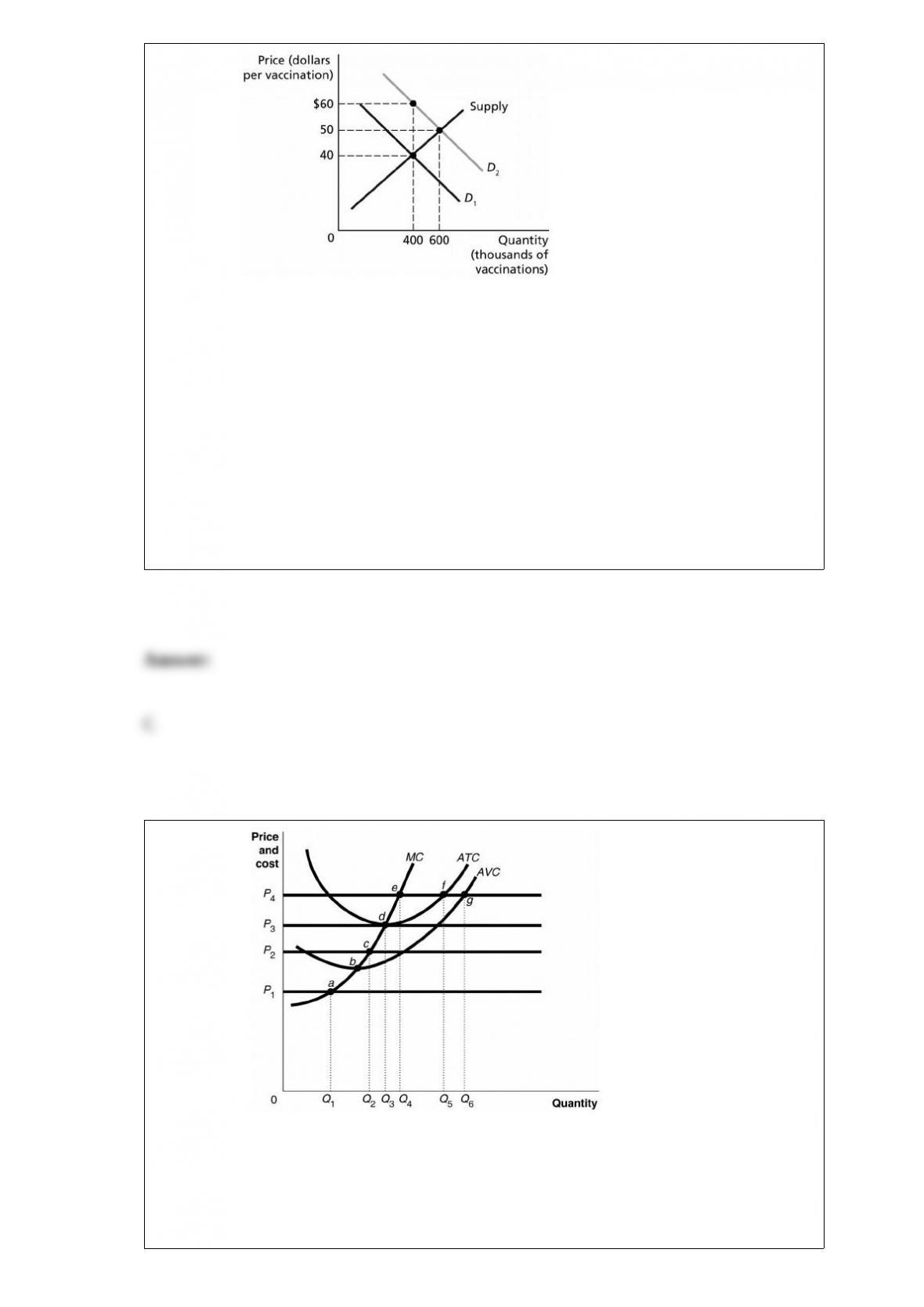
Figure 7-2 Figure 7-2 represents the market
for vaccinations. Vaccinations are considered a benefit to society, and the figure shows
both the marginal private benefit and the marginal social benefit from vaccinations.
The efficient equilibrium quantity is ________ thousand vaccinations.
A) 200
B) 400
C) 600
D) >600
Figure 12-9 Figure 12-9 shows cost and
demand curves facing a profit-maximizing, perfectly competitive firm.
At price P1, the firm would
A) lose an amount equal to its fixed cost.

B) lose an amount more than fixed cost.
C) lose an amount less than fixed cost.
D) break even.
Of the $840 billion American Recovery and Reinvestment Act stimulus package which
was enacted in 2009, approximately one-third took the form of ________ and
two-thirds took the form of increases in ________.
A) discretionary government spending; transfer payments
B) tax rebates; tax cuts
C) treasury bond purchases; the money supply
D) tax cuts; government expenditures
What is the relationship among the following variables in for a perfectly competitive
firm: the market price, average revenue and marginal revenue?
A) Average revenue is equal to the market price; average revenue is greater than
marginal revenue.
B) The market price is equal to both average revenue and marginal revenue.
C) Average revenue is equal to marginal revenue; average revenue is greater than the
market price.

D) As a firm lowers the market price to sell more output, marginal revenue and average
revenue will be less than the market price.
In which of the following situations would the Fed conduct contractionary monetary
policy?
A) The Fed believes that aggregate demand was growing too slowly to keep up with
potential GDP.
B) The Fed fears that unemployment is climbing above the natural rate.
C) The Fed is concerned that aggregate demand would continue to exceed the growth in
potential GDP.
D) The Fed is worried that deflation will become a problem.
Two firms would sometimes be better off if they got together and agreed to charge a
high price, rather than to compete and risk having to charge a lower, competitive price.
What is the greatest deterrent to this strategy?
A) The firms may find that the price they charge is greater than the price that would
maximize their profits.
B) An agreement by firms to charge high prices is illegal. The government can fine the
firms and send their managers to jail.
C) Consumers may resent having to pay high prices and not buy from either of the
firms.
D) One of the firms may decide to lower its price and take business away from the firm
that charged the high price.
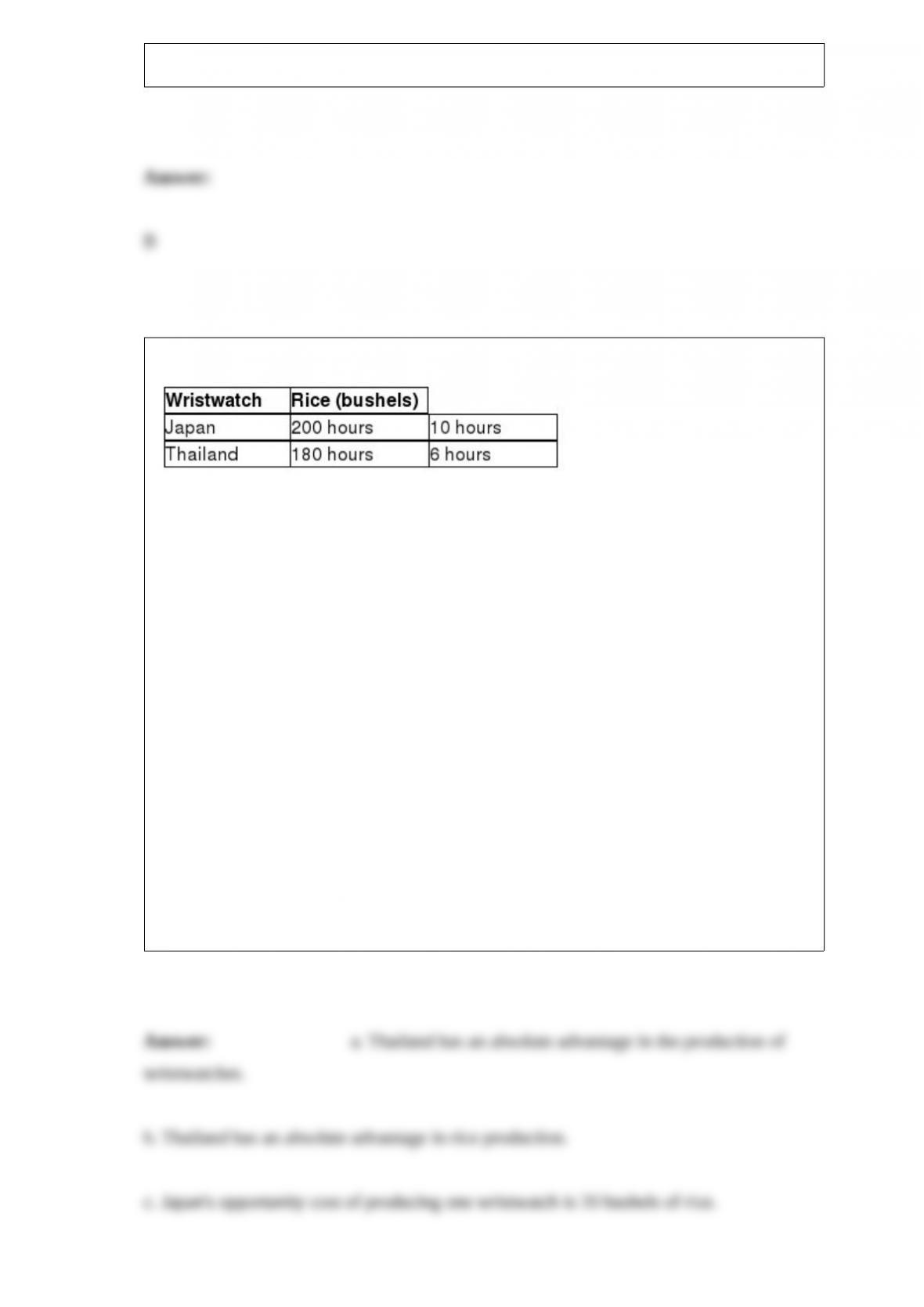
Table 2-10
This table shows the number of labor hours required to produce a wristwatch and a
bushel of rice in Japan and Thailand. a. Which country has an absolute advantage in the
production of wristwatches?
b. Which country has an absolute advantage in the production of rice?
c. What is Japan’s opportunity cost of producing one wristwatch?
d. What is Thailand’s opportunity cost of producing one wristwatch?
e. What is Japan’s opportunity cost of producing one pound of rice?
f. What is Thailand’s opportunity cost of producing one pound of rice?
g. If each country specializes in the production of the product in which it has a
comparative advantage, who should produce wristwatches?
h. If each country specializes in the production of the product in which it has a
comparative advantage, who should produce rice?

Of the following high-income countries, which has the lowest life expectancy at birth?
A) Canada
B) Japan
C) the United Kingdom
D) the United States
If firms are more pessimistic and believe that future profits will fall and remain weak
for the next few years, then
A) investment spending will fall.
B) investment spending will rise.
C) investment spending will remain unaffected.
D) investment spending will rise and then fall.
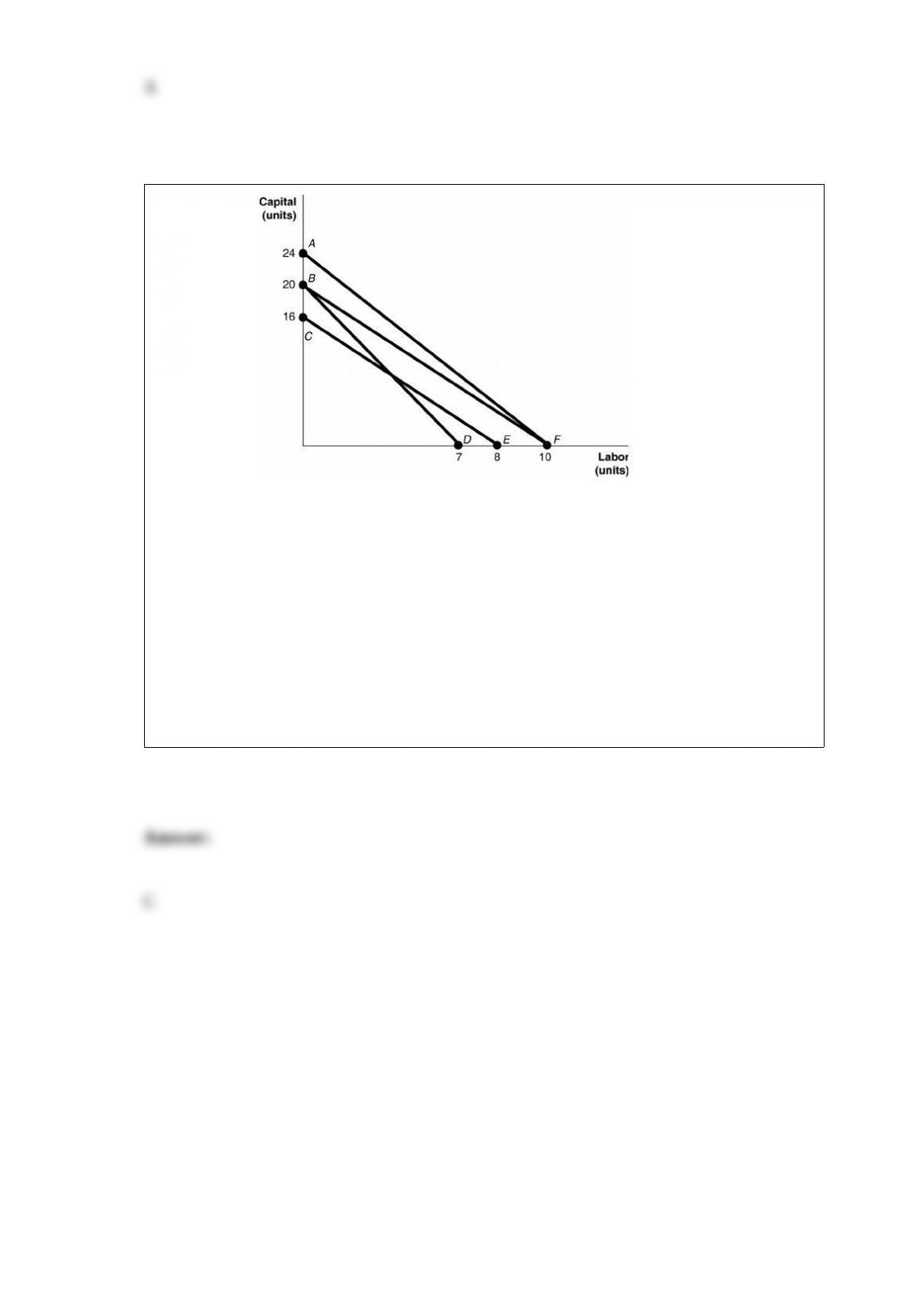
Figure 11-13
The lines shown in the diagram are isocost lines. Which of the following shows an
increase in the price of labor while the price of capital remains unchanged?
A) the movement from AF to BD
B) the movement from AF to CE
C) the movement from BF to BD
D) the movement from BF to CE