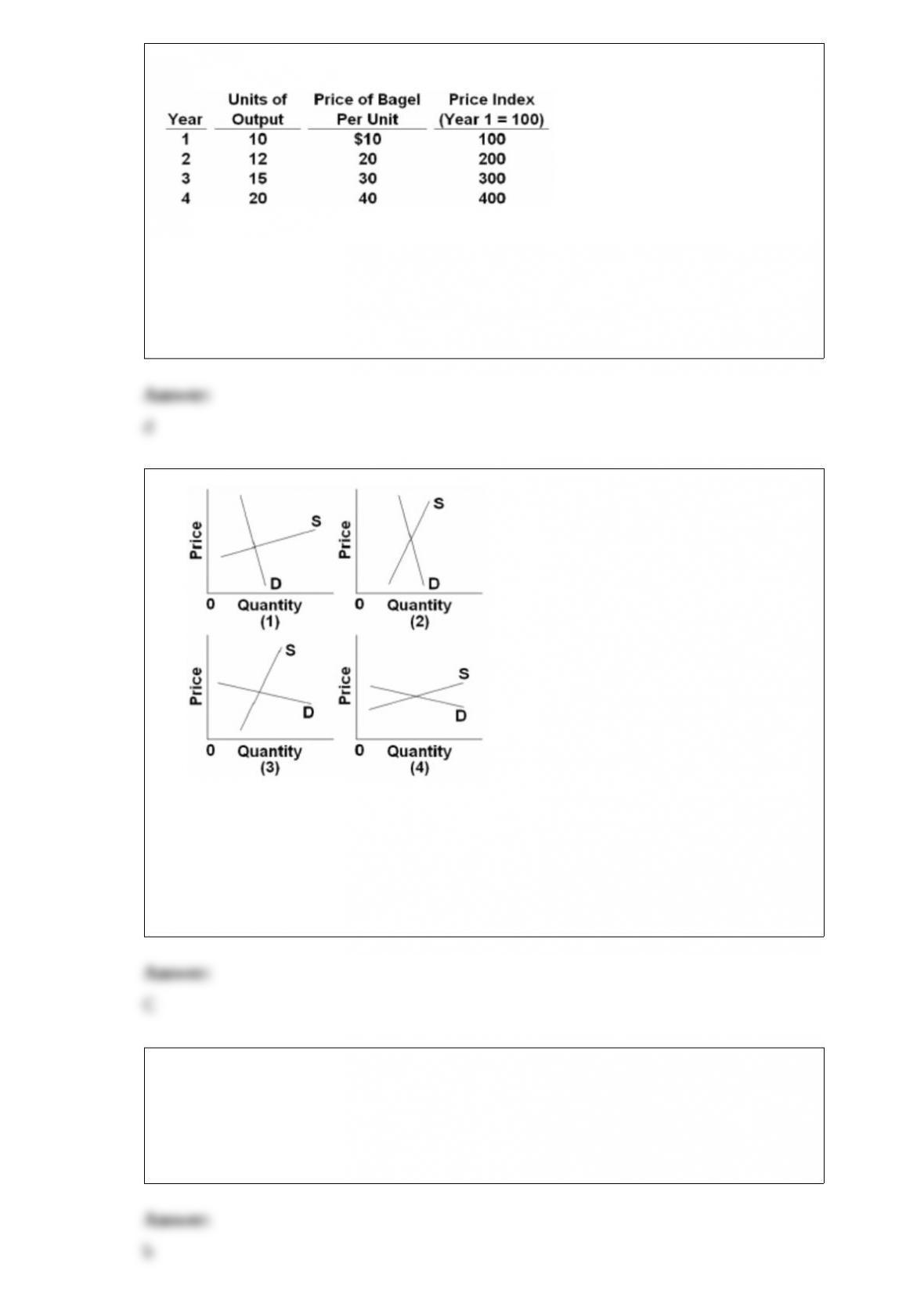
1) use the following table for a hypothetical single-product economy.
refer to the above data. real gdp in year 3 is:
a.$100.
b.$450.
c.$225.
d.$150.
2)
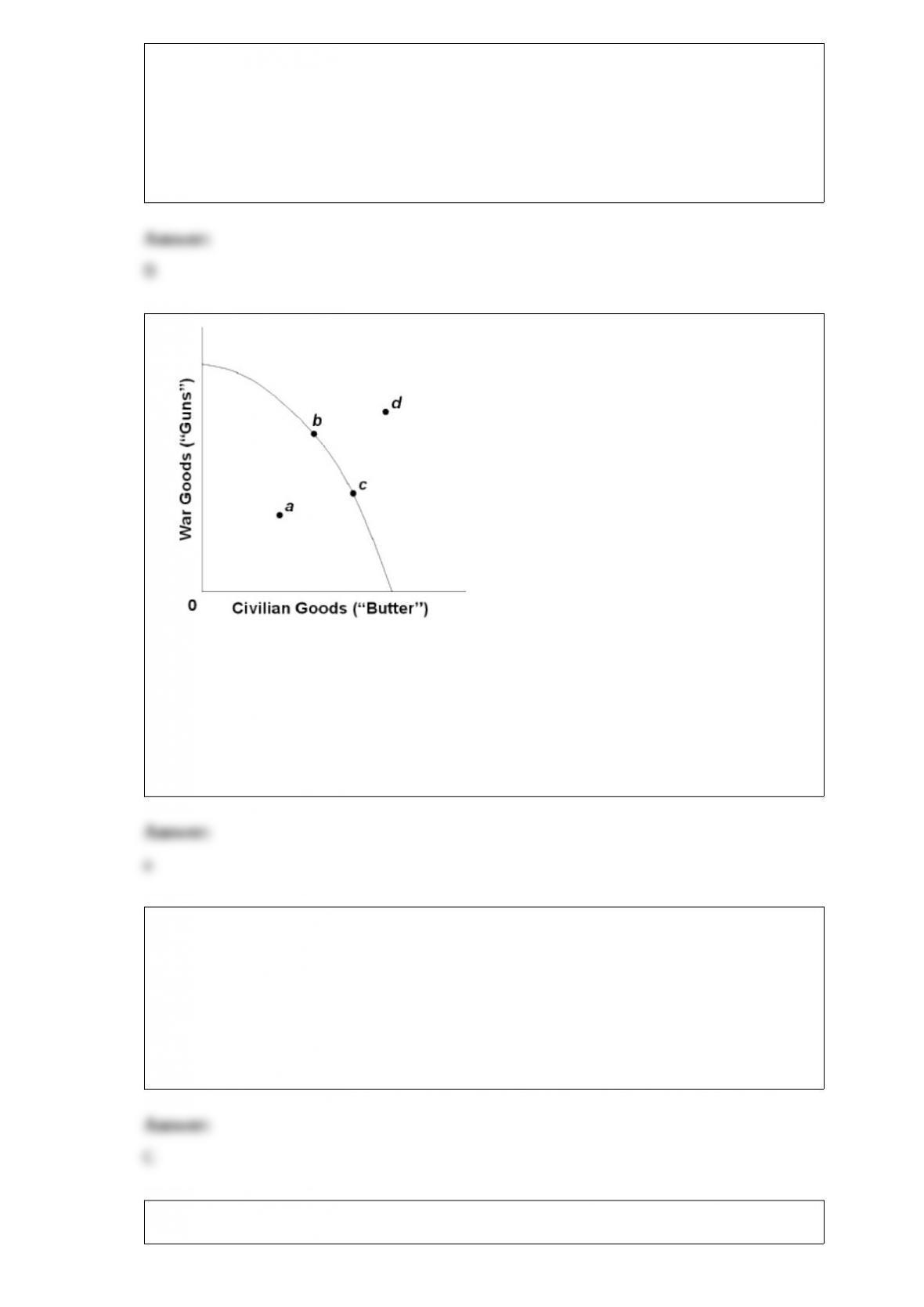
In which of the above market situations will the largest portion of an excise tax of a
specified amount per unit of output be borne by buyers?
A.4
B.3
C.1
D.2
3) a price ceiling means that:
a.there is currently a surplus of the relevant product.
b.government is imposing a legal price that is typically below the equilibrium price.
c.government wants to stop a deflationary spiral.
d.government is imposing a legal price that is typically above the equilibrium price.
4) If the economy is in equilibrium at $400 billion of GDP and the full-employment
GDP is $500 billion:
A.real and nominal GDP will both increase.
B.GDP will remain at $400 billion unless aggregate expenditures change.
C.real GDP will increase, but nominal GDP will decrease.
D.the price level will increase.
5)
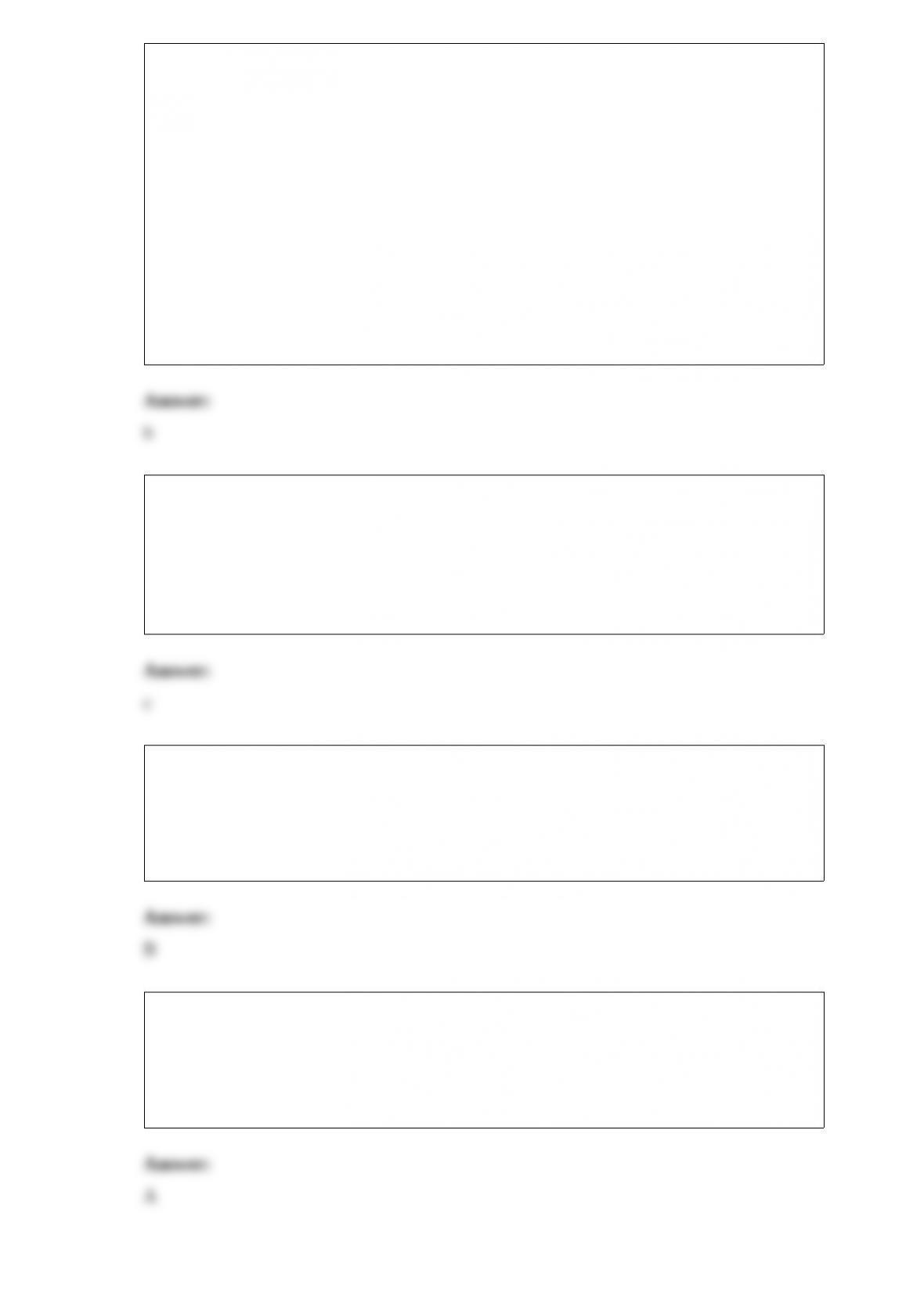
refer to the above production possibilities curve. at the onset of the second world war
the soviet union was already at full employment. its economic adjustment from
peacetime to wartime can best be described by the movement from point:
a.c to point b.
b.b to point c.
c.a to point b.
d.c to point d.
6) Mainstream macroeconomics has embraced the:
A.rational expectations view that stabilization policy is totally ineffective.
B.monetarist view that the Fed should increase the money supply at a fixed annual rate.
C.rational expectations view that expectations can shift the aggregate demand and
aggregate supply curves.
D.monetarist view that an increase in government spending crowds out an equal amount
of investment spending.
7) the following is cost information for the creamy crisp donut company:
entrepreneur’s potential earnings as a salaried worker = $50,000
annual lease on building = $22,000
annual revenue from operations = $380,000
payments to workers = $120,000
utilities (electricity, water, disposal) costs = $8,000
value of entrepreneur’s talent in the next best entrepreneurial activity = $80,000
entrepreneur’s forgone interest on personal funds used to finance the business = $6,000
refer to the above data. creamy crisp’s total revenues exceed its total costs, including a
normal profit, by:
a.$150,000.
b.$94,000.
c.$80,000.
d.$230,000.
8) if the price of product l increases, the demand curve for close-substitute product j
will:
a.shift downward toward the horizontal axis.
b.shift to the left.
c.shift to the right.
d.remain unchanged.
9) Adherents of the traditional monetary rule advocate that the:
A.functional finance approach to fiscal policy be adopted.
B.money supply should be increased by a constant rate year after year.
C.money supply should be reduced during inflation and increased during recession.
D.money supply should be increased during inflation and reduced during recession.
10) Which of the following would likely reduce income inequality?
A.a reduction in the number of high school dropouts.
B.a reduction in social security benefits.
C.greater inequality in the distribution of wealth.
D.more stringent requirements to obtain occupational licenses.

11) use the list below to answer the following questions:
1. improvements in technology
2. increases in the supply (stock) of capital goods
3. purchases of expanding output
4. obtaining the optimal combination of goods, each at least-cost production
5. increases in the quantity and quality of natural resources
6. increases in the quantity and quality of human resources
refer to the above list. as distinct from the supply factors and efficiency factor of
economic growth, the demand factor of economic growth is:
a.1 only.
b.4 only.
c.1 and 3 only.
d.3 only.