An example of price discrimination is the price charged for:
a. troll dolls.
b. college admission.
c. textbooks.
d. diamonds.
Statistics on families below the poverty line may be overstated because:
a. the poor are primarily children who soon will move out of poverty.
b. poverty in the United States is rich compared to poverty in other nations.
c. the income levels used to measure poverty do not include in-kind transfers.
d. unemployment compensation is a program closed to the poor.
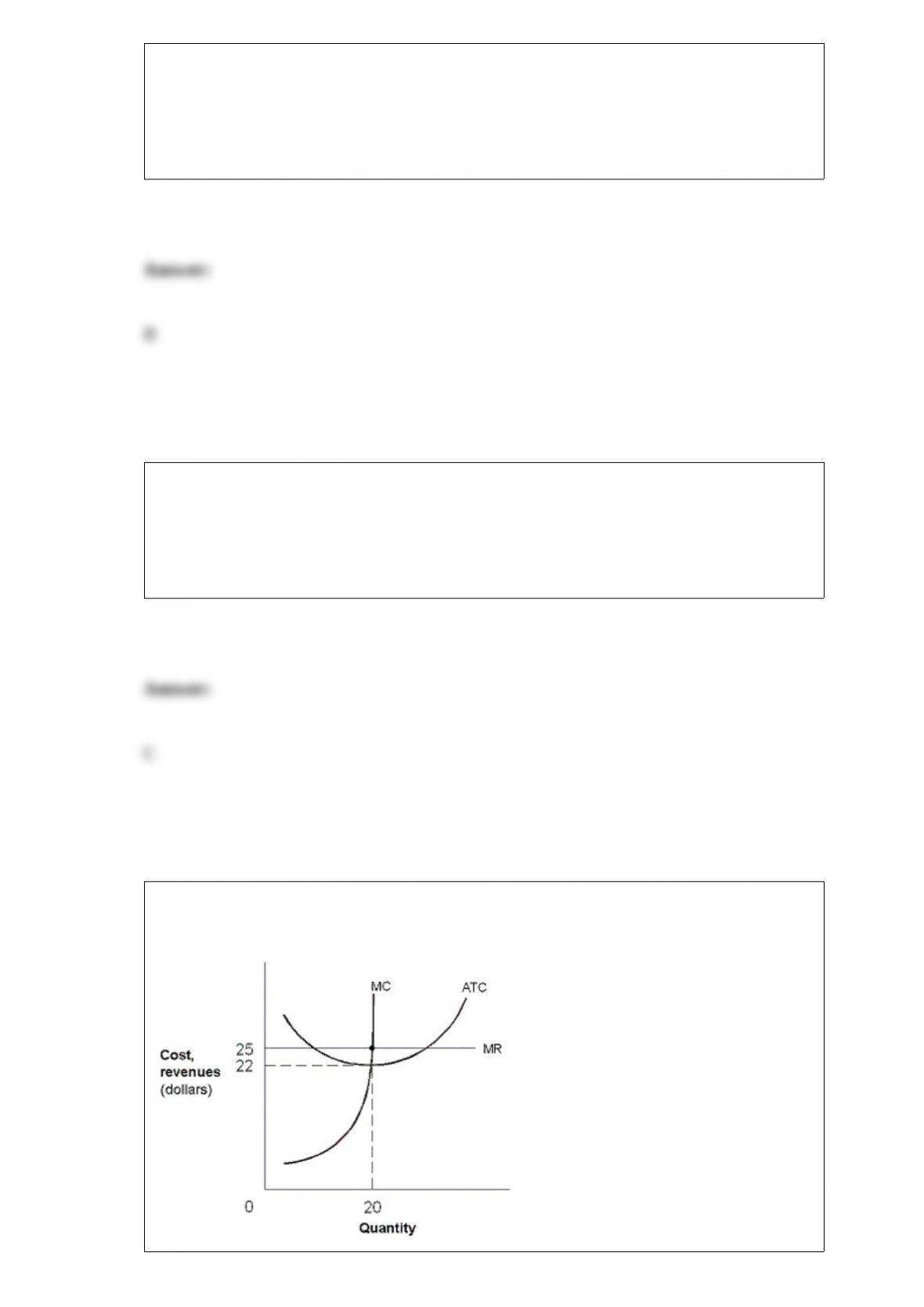
Exhibit 8-7 A firm’s cost and MR curves

In Exhibit 8-7, if this firm is currently producing 20 units of output, this firm:
a. is at its profit-maximizing point.
b. could increase profits by increasing output.
c. could increase profits by decreasing output.
d. should shut down.
e. should decrease price.
For a monopoly to successfully price discriminate, its customers must:
a. feel that the product is a necessity.
b. have identical demands.
c. be unable to resell the product.
d. actively engage in arbitrage.
If the price elasticity of demand is elastic, then:
a. Ed < 1.
b. consumers are relatively not very responsive to a price increase.
c. an increase in the price will increase total revenue.
d. there are likely a large number of substitute products available.
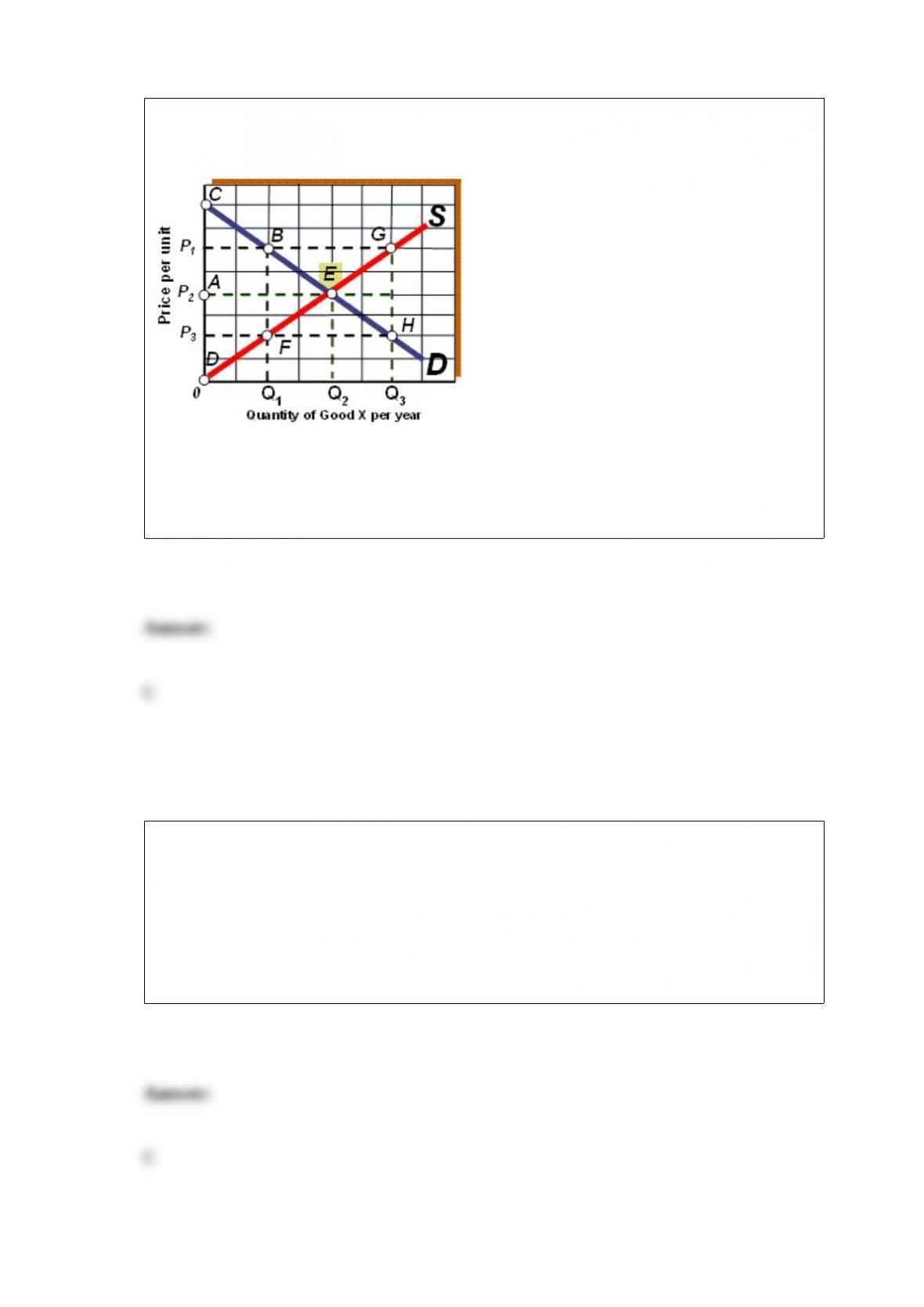
Exhibit 3A-2 Comparison of Market Efficiency and Deadweight Loss
As shown in Exhibit 3A-2, if the market price falls from P2 to P3, then area ____
appears.
a. ABEFD c. EGF
b. ABEC d. BEF
What happens to the MP of labor when the market price of the good produced
increases?
a. Increases proportional to price.
b. Decreases proportional to price.
c. Stays the same.
d. Falls because quantity demanded falls.
e. Rises because quantity demanded falls.

A firm can produce 450 gallons of milk per day with 4 workers and 500 gallons per day
with 5 workers. The marginal product of the fifth worker expressed in gallons per
worker per day, is:
a. 35.
b. 50.
c. 70.
d. 350.
Opportunity cost:
a. represents the best alternative sacrificed for a chosen alternative.
b. has no relationship to the various alternatives that must be given up when a choice is
made in the context of scarcity.
c. represents the worst alternative sacrificed for a chosen alternative.
d. Represents all possible alternatives sacrificed for a chosen alternative.
Exhibit 4-2 Supply and demand curves
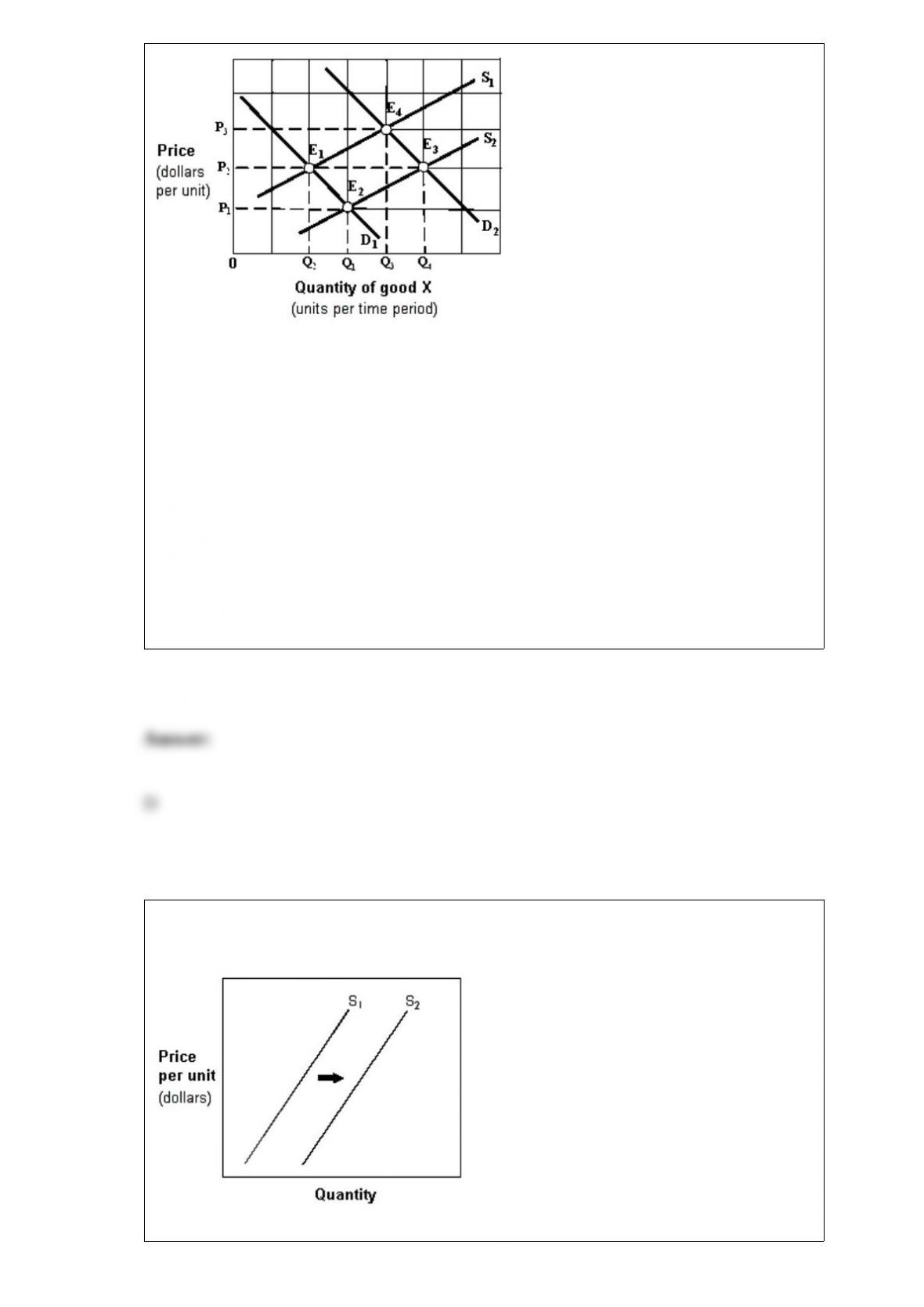
The market shown in Exhibit 4-2 is initially in equilibrium at E3. Changes in market
conditions result in a new equilibrium at E4. This change is stated as a(n):
a. increase in demand and an increase in supply.
b. decrease in demand and a decrease in quantity supplied.
c. increase in quantity demanded and an increase in quantity supplied.
d. decrease in supply and a decrease in quantity demanded.
e. increase in supply and an increase in quantity demanded.
Exhibit 3-4 Supply curves
In Exhibit 3-4, which of the following could have caused the shift in the supply curve

from S1 to S2?
a. Increase in demand.
b. Decrease in demand.
c. Decrease in the number of suppliers in the market.
d. Decrease in wage rates.
e. Increase in materials cost.
If the marginal utility of each good consumers buy does not diminish but remains
constant, we should witness consumers:
a. buying no goods at all.
b. spending all of their income on the good with the highest MU.
c. buying one of each good.
d. buying only the least expensive goods.
e. become indifferent to what goods they buy.
The exchange rate is:
a. the rate at which goods will exchange for each other in the international market.
b. the number of units of one currency required in exchange for one unit of another
currency.
c. set by the International Trade Commission.
d. established by the ratio of the values of gold to silver.
e. set by each individual country.

Positive economics is a(n):
a. reflection of a country’s values.
b. judgment of the correctness of an economic outcome.
c. statement of fact.
d. analysis of what ought to be.
e. analysis of all the good market outcomes.
In the short run, a firm will stay in business as long as:
a. price equals average revenue.
b. marginal revenue is greater than or equal to marginal cost.
c. price exceeds average variable cost.
d. price is less than average variable cost.
The Clayton Act of 1914:
a. was too vaguely worded to reduce anticompetitive behavior significantly
b. prohibited conspiracies in restraint of trade
c. prohibited price discrimination that reduces competition and cannot be justified based
on cost differences

d. created the Federal Trade Commission
The poverty income level equals the:
a. average income of the bottom one-tenth of all income recipients.
b. cost of an economical and nutritional food plan for a family multiplied by six.
c. cost of an economical and nutritional food plan for a family multiplied by three.
d. average income of a family headed by a worker who has been unemployed for six
months or more.
The factors of production are which of the following?
a. The outputs generated by the production process of transforming land, labor, and
capital into goods and services.
b. The land resources, such as natural resources, that are unimproved by human
economic activity.
c. Land (natural resources), labor (human capital, entrepreneurship), and capital
(constructed inputs such as factories).
d. Labor and capital in industrialized countries, where natural resources are no longer
used to produce goods and services.
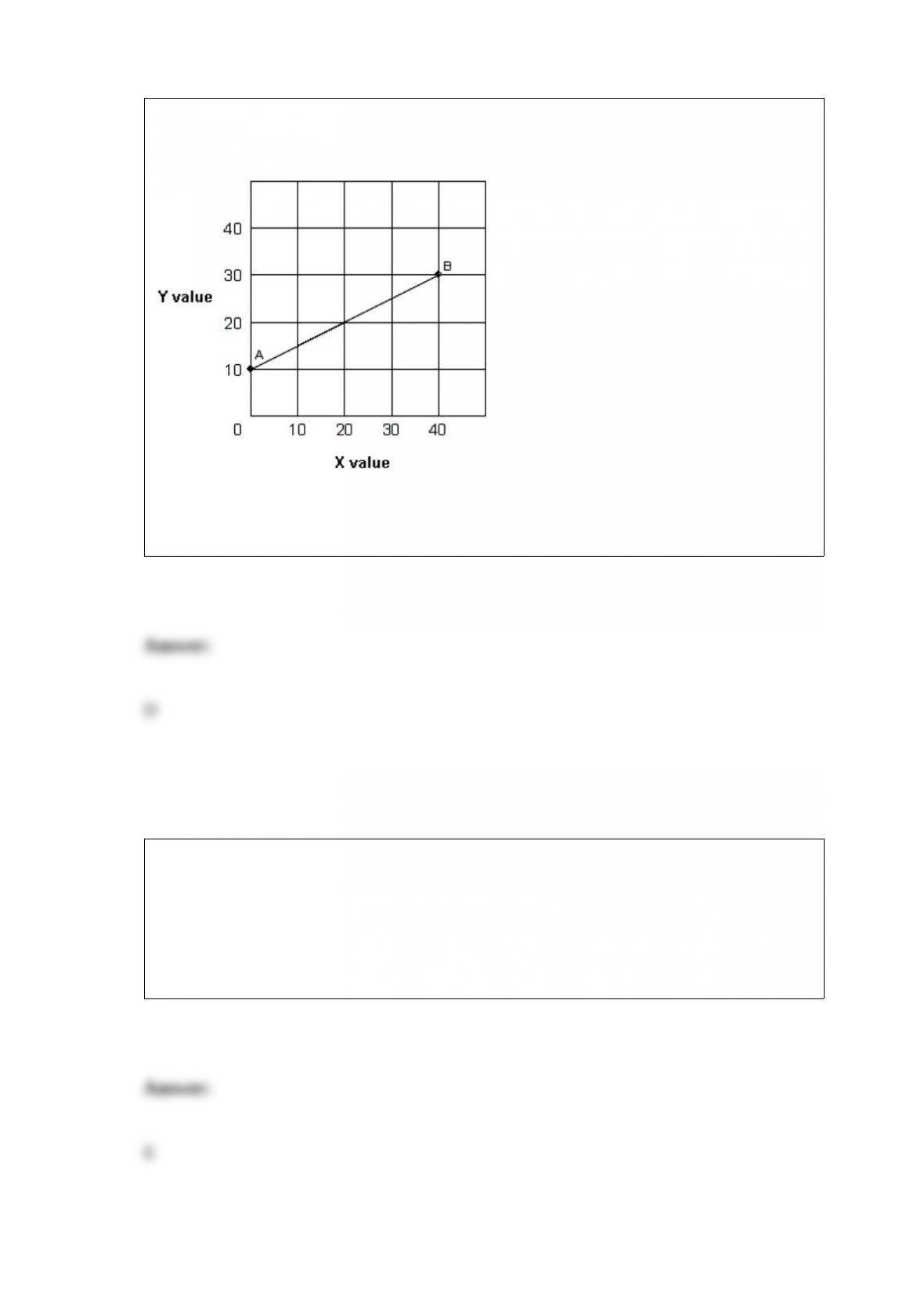
Exhibit 1A-1 Straight line
As shown in Exhibit 1A-1, the slope of straight line AB:
a. decreases with increases in X. c. increases with decreases in X.
b. increases with increases in X. d. remains constant with changes in X.
If the Japanese price level falls relative to the price level in the United States, then:
a. Japanese buy less U.S. exports.
b. the demand for dollars decreases.
c. the supply of dollars increases.
d. the value of the dollar falls.
e. all of these are true.
Which of the following is an example of market failure?
a. Public goods. c. Lack of competition.
b. Externalities. d. all of these.
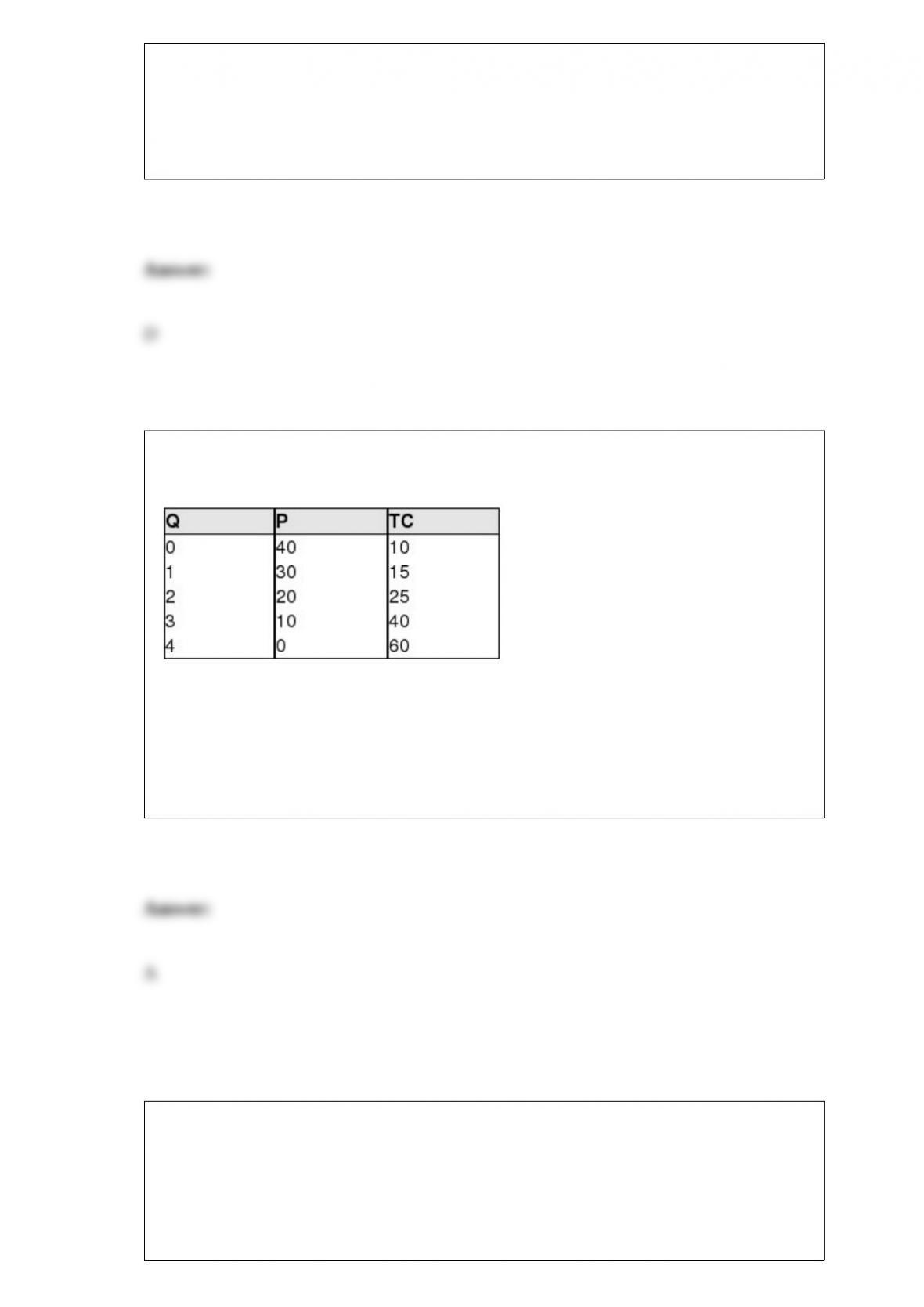
Exhibit 9-2 Demand and cost information for a monopoly
The marginal revenue of the second unit of output in Exhibit 9-2 is:
a. 10.
b. 20.
c. 30.
d. 40.
e. 60.
Which of the following statements is true?
a. The United States today comes closer to the socialist form of economic organization
than it does capitalism.
b. When central planners set prices above equilibrium for goods and services they
create shortages.
c. According to Karl Marx, under capitalism, workers would be exploited and would
revolt against the owners of capital.
d. Adam Smith argued that government’s role in society would be to do absolutely
nothing.
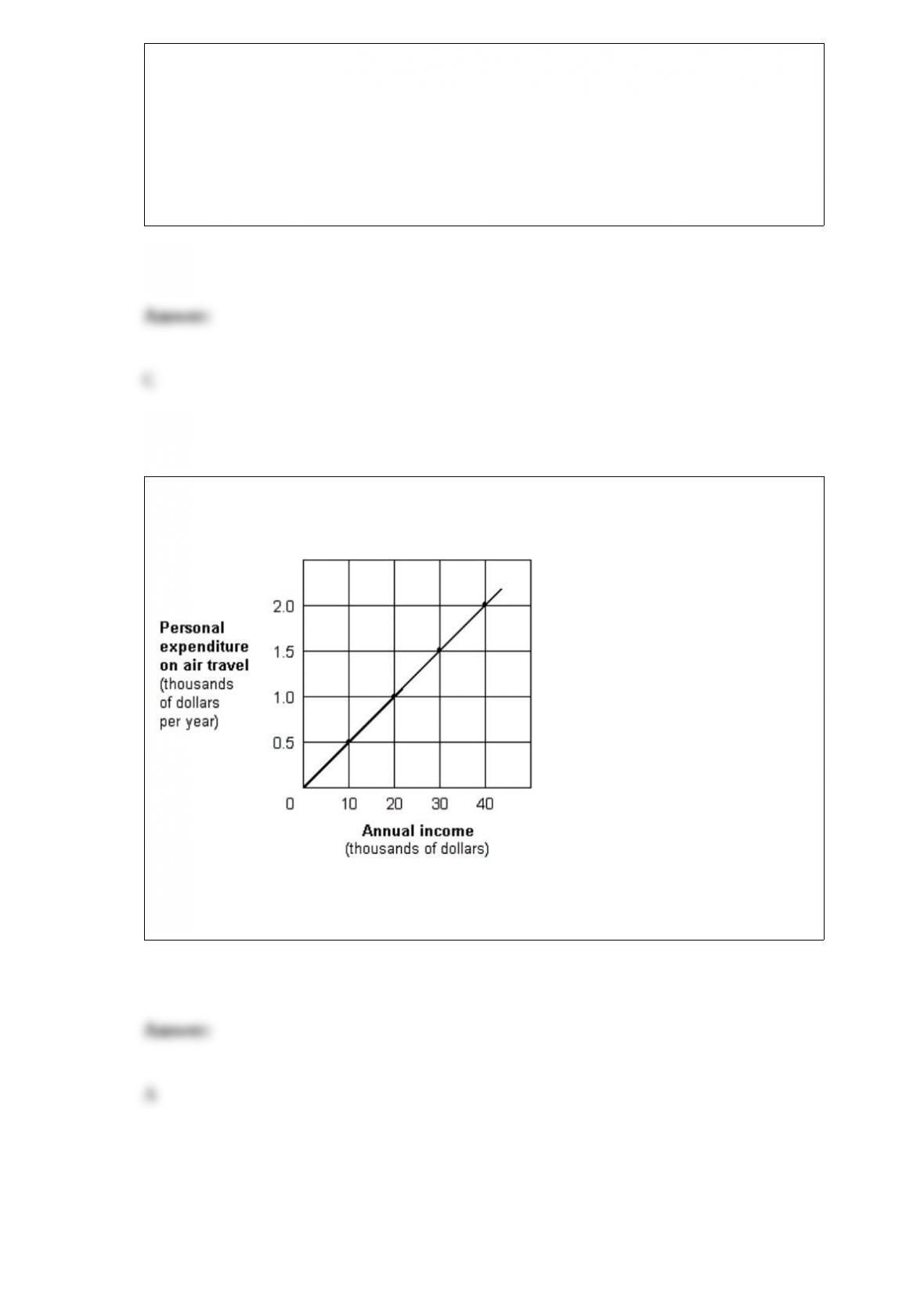
Exhibit 1A-7 Straight line relationship
What is the slope of the line shown in Exhibit 1A-7?
a. 1/20. c. 1/5.
b. 1/10. d. 1/2.