
Noise pollution is a serious problem. One major contributor is the recent development
of very powerful amplification equipment for automobile radios. Many people
complain that the windows in their home vibrate when some cars drive by. Others
complain that loud car radios set off very sensitive alarms in nearby parked cars. What
do we know about the drivers of cars with loud stereos?
a. b, c, and e.
b. It would be very expensive for them to engage in this behavior if individuals had a
right to a nonvibrating home.
c. The cost of their own hearing loss is less than the benefit they receive from cranking
it up.
d. They realize that there are no ordinances prohibiting loud noise.
e. Their private costs fall short of the social costs.
Positive economics:
a. will usually tell us which policy is best.
b. reveals “what ought to be” in economic matters.
c. is of little use to policy makers.
d. is the scientific study of “what is” among economic relationships.
An entrepreneur is a(n):
a. individual who has much education.
b. organizer who seeks profitable opportunities and is willing to accept risks.
c. business organization that uses inputs to produce output.

d. depot or warehouse for commercial products.
Which of the following is the best example of a nonrenewable resource?
a. Forests. c. Clean air.
b. Oil. d. Fish in the ocean.
Socialism is an economic system characterized by:
a. private ownership of resources and market decision-making.
b. government ownership of resources and centralized decision-making.
c. cooperation, sharing, and little central government.
d. a complex structure of rules and traditions that dictates decision-making.
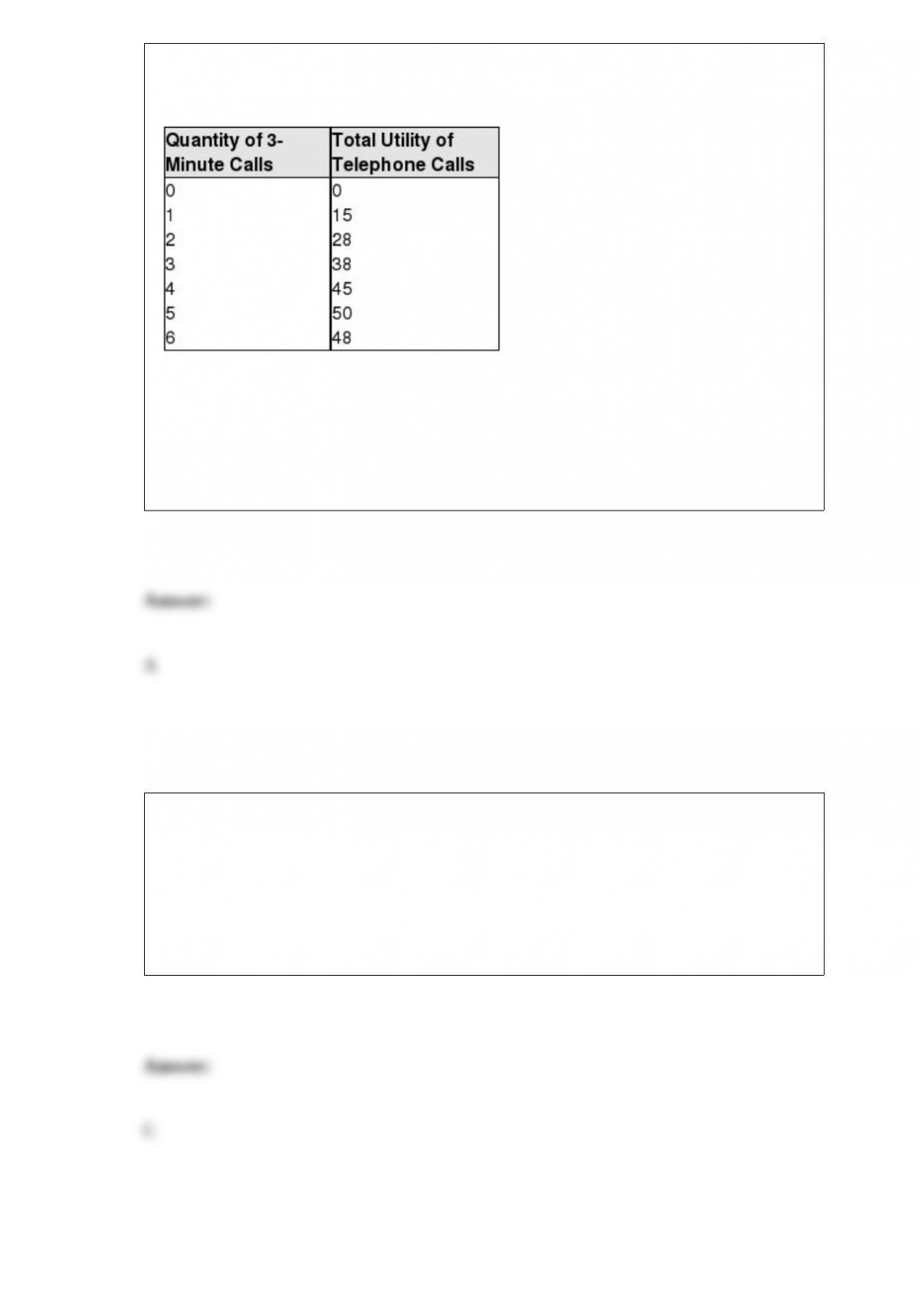
Exhibit 6-8 Bea’s total utility of 3-minute telephone calls
Refer to Exhibit 6-8. Diminishing returns set in after which telephone call?
a. The first.
b. The second.
c. The third.
d. The fifth.
e. The sixth.
When an exchange rate is determined strictly by the demands and supplies for a nation’s
currency, it is called:
a. fixed.
b. arbitrage.
c. floating.
d. unilateral.
e. balance of payments.
The cross elasticity of demand for substitute products must:
a. be greater than one.
b. be less than one.
c. be zero.
d. exceed zero.
e. be negative.
Which of the following markets is closely related to macroeconomics?
a. Cattle futures market. c. Skilled labor market.
b. Fulton’s fish market. d. Nation’s unemployment rate.
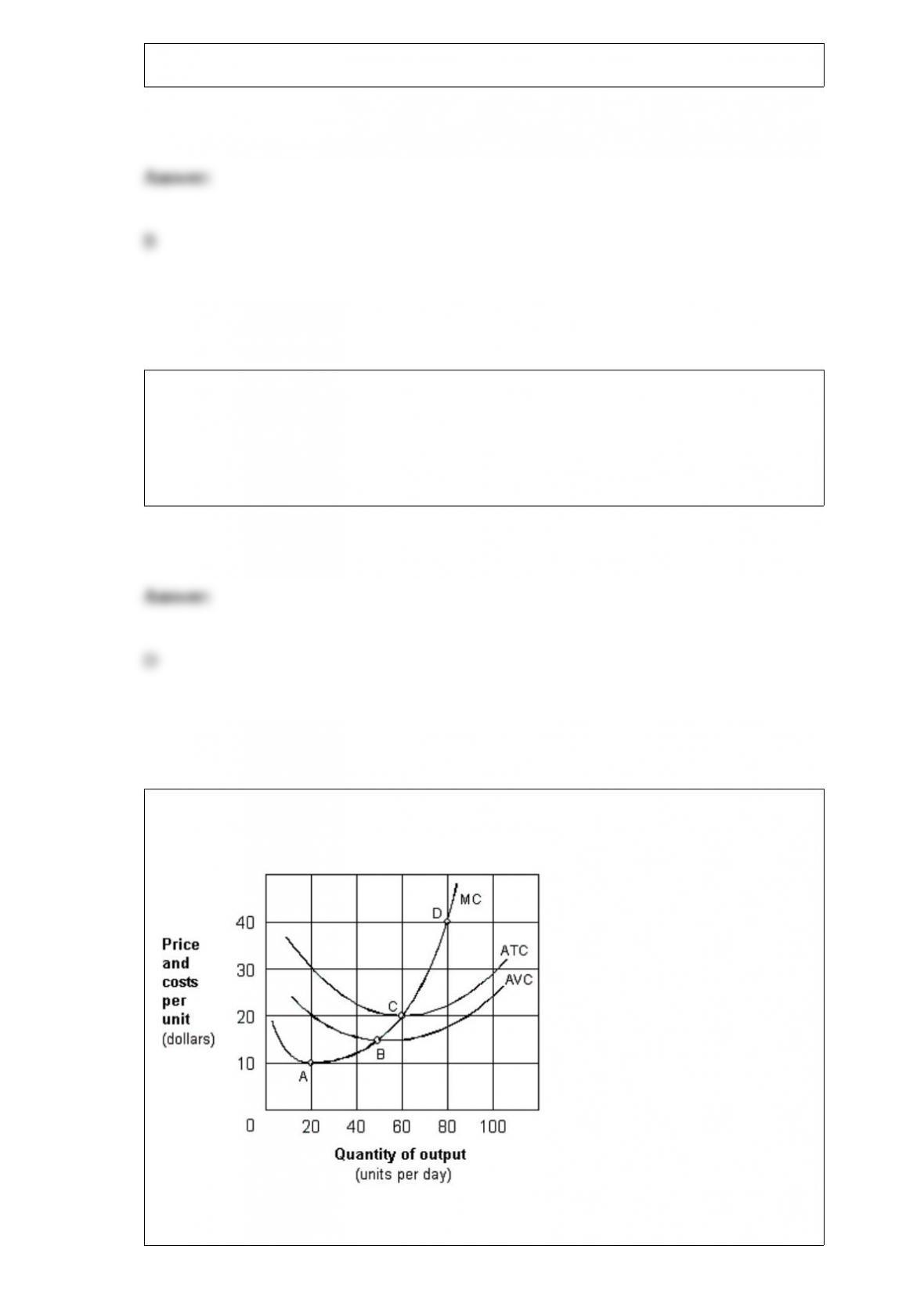
Exhibit 6-7 Marginal utility for sandwiches and sodas
Refer to Exhibit 6-7. If the price of a sandwich is $1 and the price of a soda is $1,
Marian should spend her first dollar on a ____ and her second dollar on a ____.
a. sandwich; soda
b. sandwich; sandwich
c. soda; sandwich
d. soda; soda
e. neither good should be purchased since she has diminishing marginal utility
One reason the supply of carpenters is greater than the supply of physicians is because:
a. physicians do not belong to a union.
b. carpenters demand less income.
c. carpenters belong to unions.
d. none of the above.
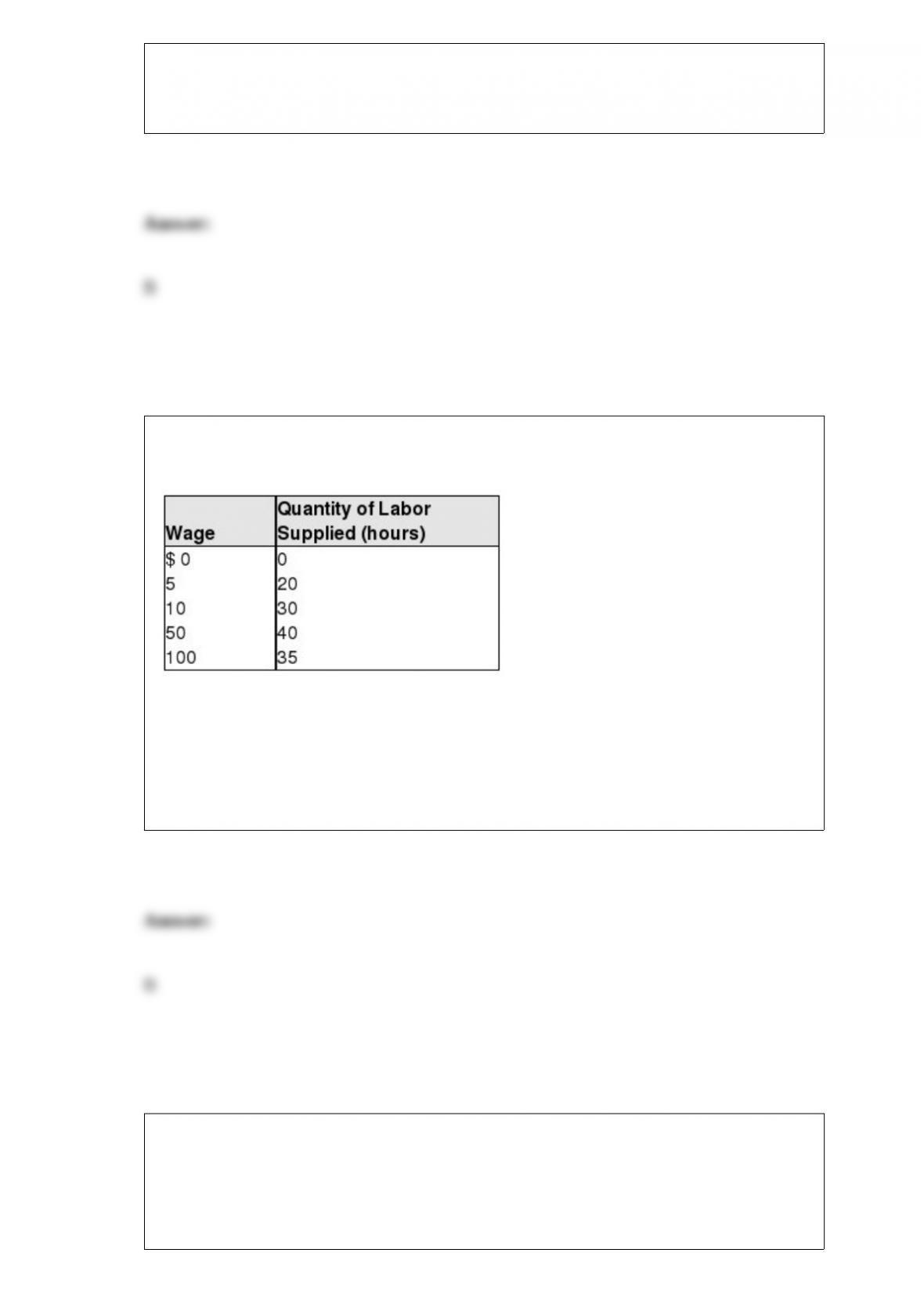
Exhibit 8-17 Marginal revenue and cost per unit curves
If the price of the firm’s product in Exhibit 8-17 is $15 per unit, the firm should:
a. shut down permanently.
b. stay in operation for the time being even though it is making a pure economic loss.
c. shut down temporarily.
d. continue to operate because it is earning a positive economic profit.
Exhibit 11-5 Sally’s labor supply data
In Exhibit 11-5, if the wage rate is $10, how many hours will Sally work?
a. 20.
b. 30.
c. 35.
d. 40.
e. 50.
Assuming that wine is a normal good, an increase in consumer income, other things
being equal, will:
a. cause an upward movement along the demand curve for wine.
b. shift the demand curve for wine to the left.
c. cause a downward movement along the demand curve for wine.

d. shift the demand curve for wine to the right.
Economies of scale imply that within some range one can increase the size of operation
and:
a. total cost will decrease.
b. fixed cost will decrease.
c. average total cost will decrease.
d. average total cost will increase.
e. average variable cost will decrease.
Suppose a U.S.-made machine costs $500 and the exchange rate is 100 yen = $1. A
Japanese citizen purchasing this machine would pay:
a. 100 yen.
b. 500 yen.
c. 5,000 yen.
d. 10,000 yen.
e. 50,000 yen.

If the price of Pepsi-Cola increases from 40 cents to 50 cents per bottle and the quantity
demanded decreases from 100 bottles to 50 bottles, then according to the averaging
equation, the value of price elasticity of demand for Pepsi-Cola is:
a. 0.5.
b. 0.25.
c. 1.
d. 3.
e. 2.
A legally mandated minimum wage is an example of:
a. the invisible hand principle. c. a price ceiling.
b. a price floor. d. a fringe benefit.
The monopolist’s demand curve is:
a. identical to the market demand curve.
b. identical to the marginal revenue curve.
c. below the marginal revenue curve.
d. a horizontal line at the market price.
e. a U-shaped curve.

If Sam is willing to pay $50 for one good X, $30 for a second, $20 for a third, $8 for a
fourth, and the market price is $10, then Sam’s consumer surplus is:
a. $10. c. $70.
b. $40. d. $100.
The MU/P equalization principle means consumers will exhaust their expenditure
budget so that, in the end, the MU/P ratio is:
a. zero for each good.
b. higher for goods the consumer wants the most.
c. maximized for the goods the consumer wants the most.
d. higher than TU/P.
e. the same for each good.
Mikki decides to work five hours the night before her economics exam. She earns an
extra $75, but her exam score is 10 points lower than it would have been had she stayed
home and studied. Her opportunity cost is the:
a. five hours she worked.
b. $75 she earned.
c. 10 points she lost on her exam.
d. time she could have spent watching television.
e. guilt she feels about neglecting her economics studies.
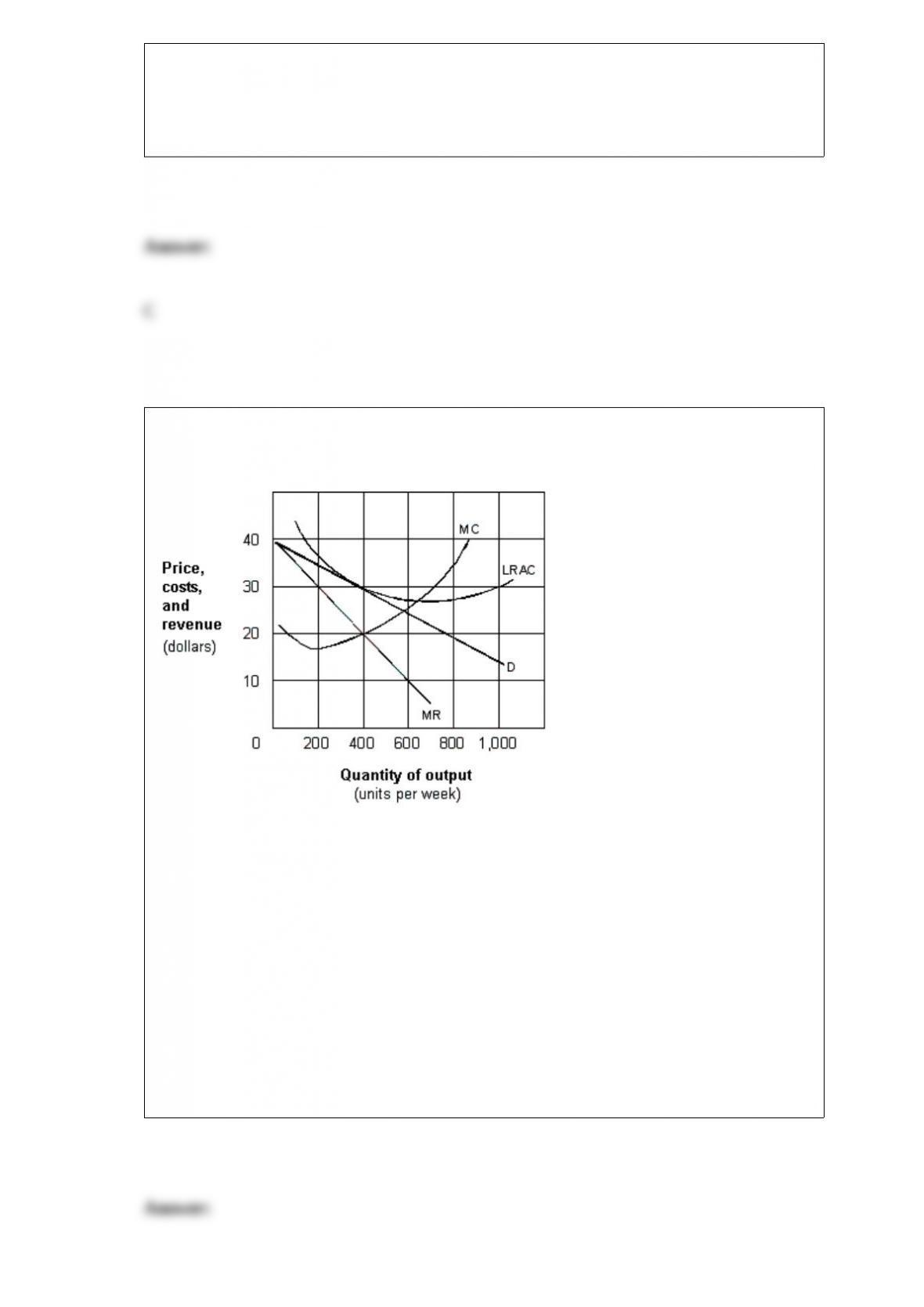
Exhibit 10-3 A monopolistic competitive firm in the long run
As presented in Exhibit 10-3, the long-run profit-maximizing output for the
monopolistic competitive firm is:
a. zero units per week.
b. 200 units per week.
c. 400 units per week.
d. 600 units per week.
e. 800 units per week.

Scarcity:
a. exists because resources are unlimited while human wants are limited.
b. means we are unable to have as much as we would like to have.
c. will likely be eliminated as technology continues to expand.
d. is not an issue addressed in economics.
A depreciation of one’s currency means that:
a. the country’s exports will become more expensive.
b. the country’s imports will become more expensive.
c. the country’s imports will become less expensive.
d. it now requires less of this currency in exchange for one unit of another currency.
e. it now requires more units of other currencies in exchange for one unit of this
currency.