
The goals of monetary policy tend to be interrelated. For example, when the Fed
pursues the goal of ________, it also can achieve the goal of ________ simultaneously.
A) high employment; economic growth
B) high employment; lowering government spending
C) economic growth; a low current account deficit
D) stability of financial markets; a low current account deficit
An increase in the demand for Treasury bills will
A) increase the price of Treasury bills.
B) increase the interest rate on Treasury bills.
C) increase the opportunity cost of holding money vs. Treasury bills.
D) eventually cause households to hold less money.
If, in a closed economy, real GDP is $30 billion, consumption is $20 billion, and
government purchases are $5 billion, what is total saving in the economy?
A) $5 billion
B) $15 billion
C) $45 billion
D) $55 billion
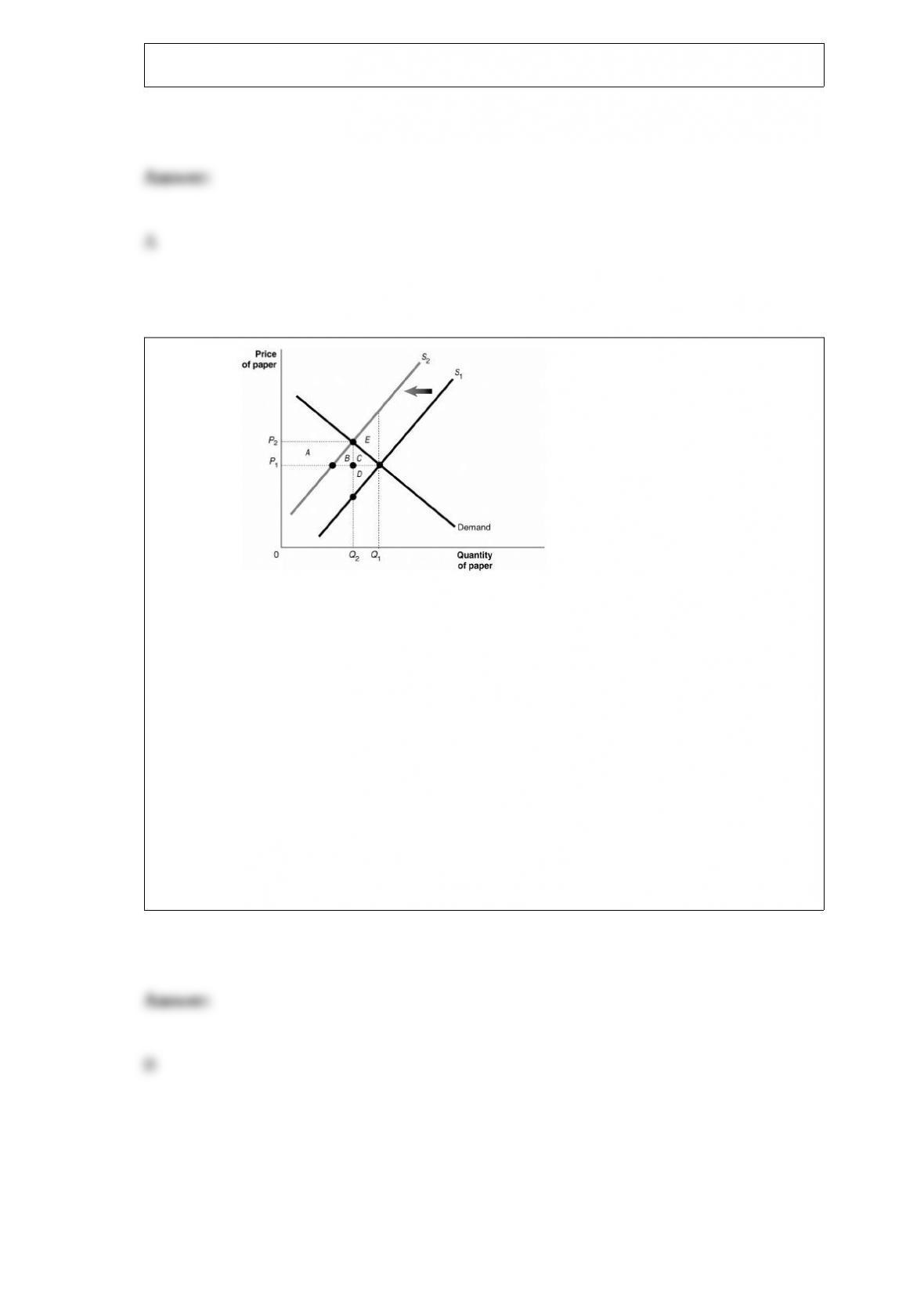
Figure 5-4 Suppose there are several paper
mills producing paper for a market. These mills, located upstream from a fishing
village, discharge a large amount of wastewater into the river. The waste material
affects the number of fish in the river, and the use of the river for recreation and as a
public water supply source. Figure 5-4 shows the paper market. Use this Figure to
answer the following question(s). What is the deadweight loss from producing at the
market equilibrium?
A) area C
B) area E
C) area D
D) area F
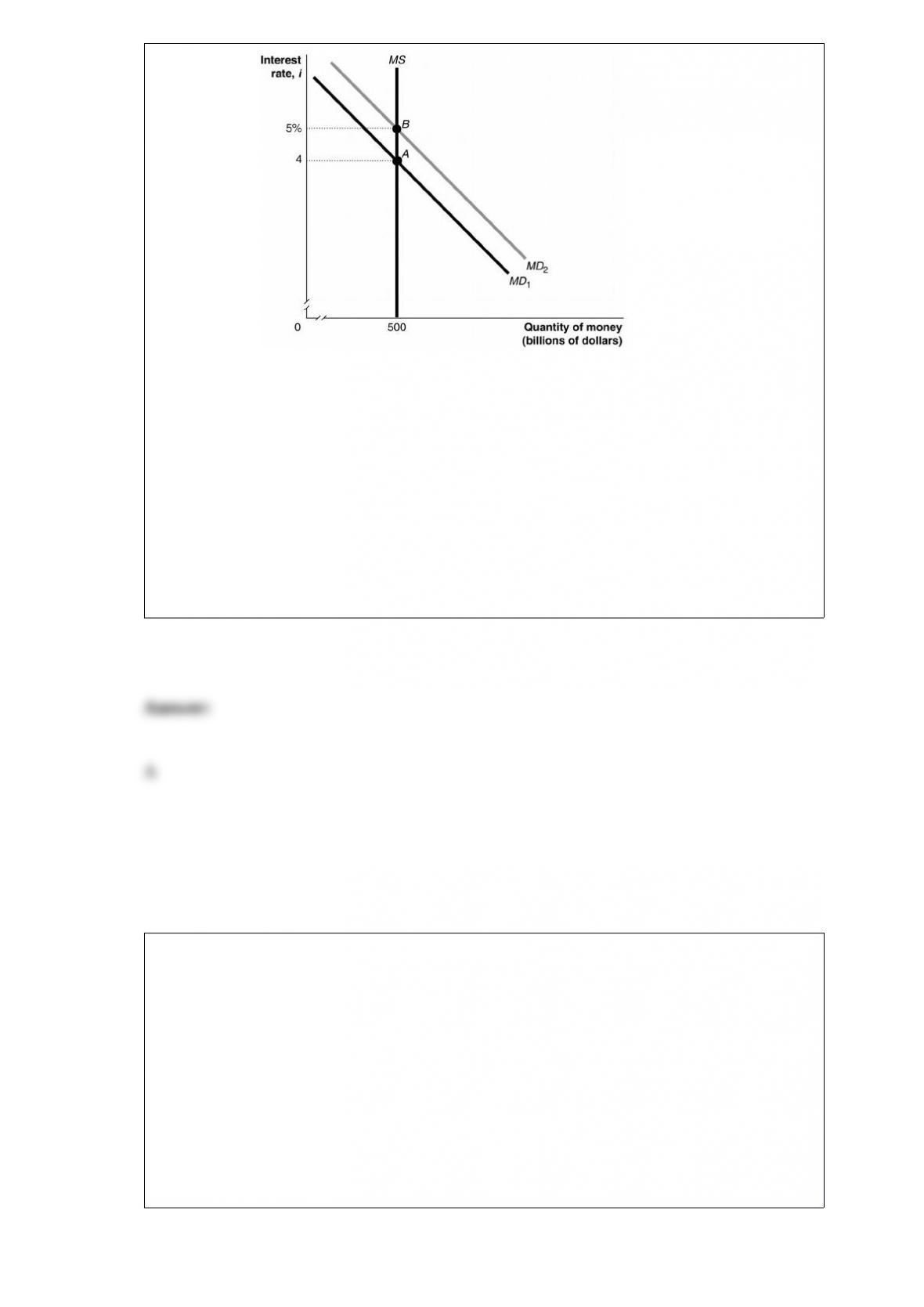
Figure 15-13
In the figure above, if the economy in Year 1 is at point A and expected in Year 2 to be
at point B, then the appropriate monetary policy by the Federal Reserve would be to
A) lower interest rates.
B) raise interest rates.
C) lower income taxes.
D) raise income taxes.
The popularity of digital cameras has enticed large discount stores like Wal-Mart and
Costco to offer digital photo printing services. How does this affect the digital photo
printing market?
A) The demand curve for digital photo printing services shifts to the right.
B) The demand curve for digital photo printing services shifts to the left.
C) The supply curve for digital photo printing services shifts to the right.
D) The supply curve for digital photo printing services shifts to the left.
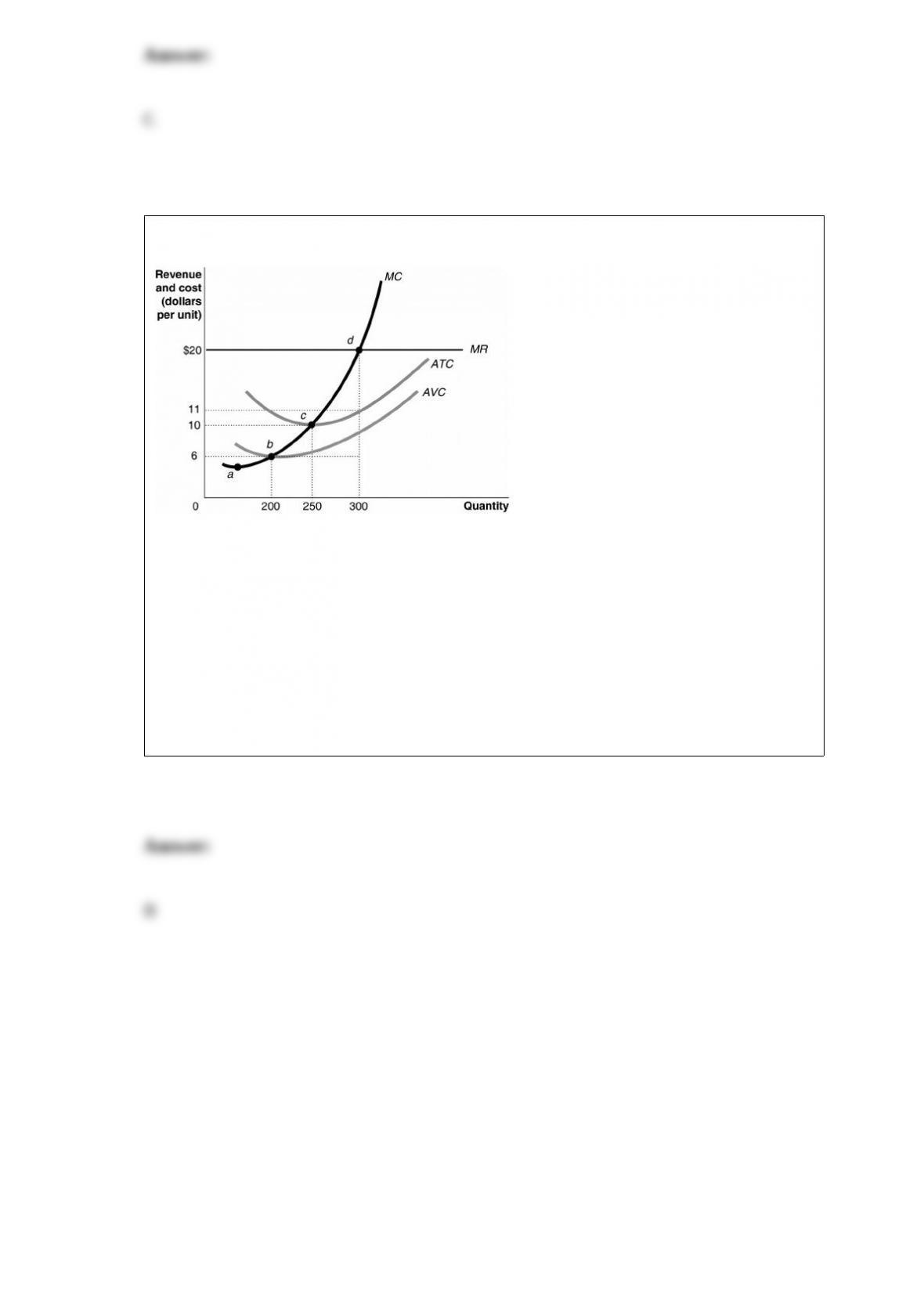
Figure 12-10
The firm’s short-run supply curve is its
A) marginal cost curve.
B) marginal cost curve from and above.
C) marginal cost curve from c and above.
D) marginal cost curve from d and above.
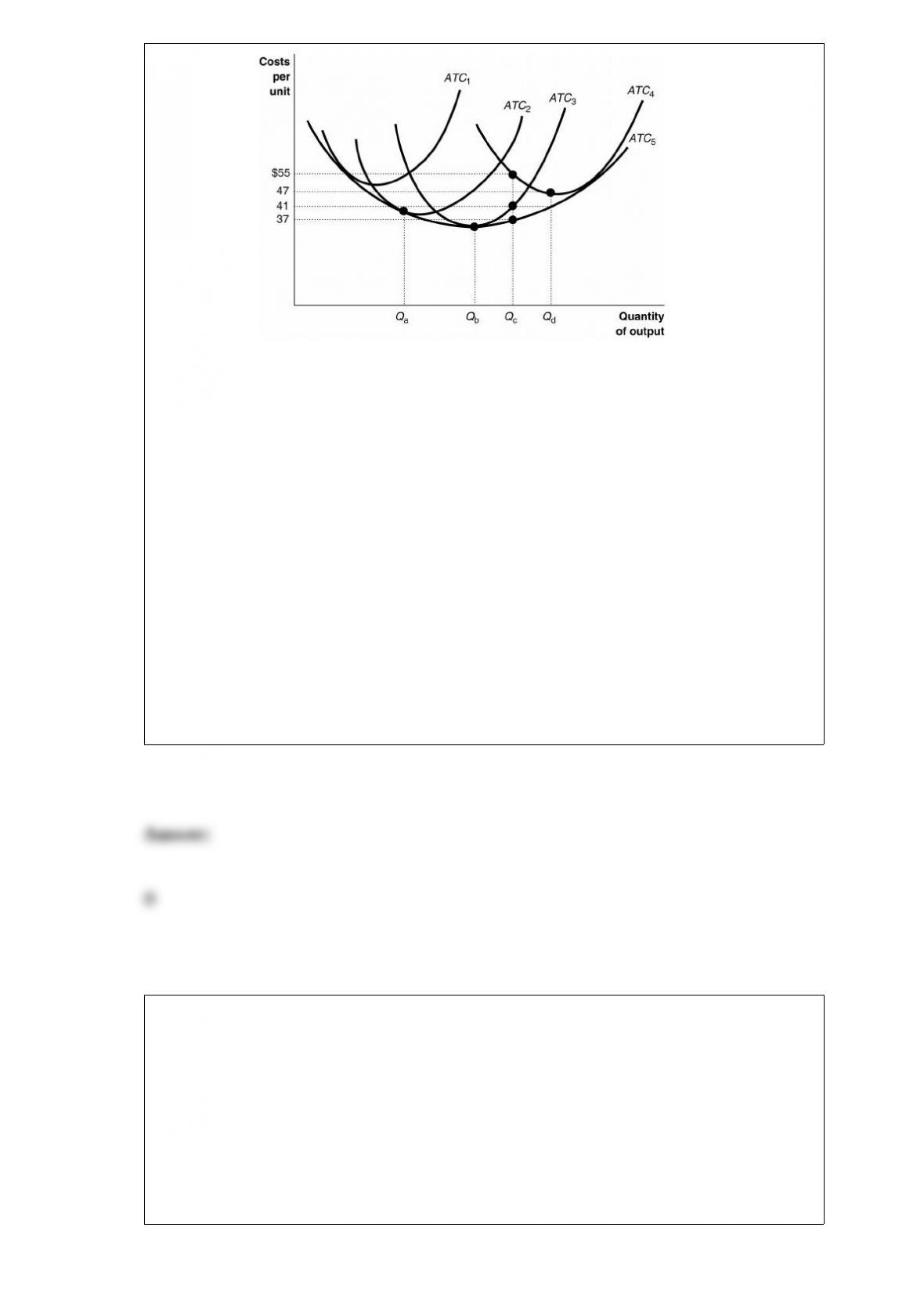
Figure 11-10
Suppose for the past 8 years the firm has been producing Qdunits per period using plant
size ATC4. Now, following a permanent change in demand, it plans to cut production to
Qc units. What will happen to its average cost of production?
A) In the short run, its average cost falls from $47 to $41, and in the long run, average
cost falls even further to $37.
B) In the short run, its average cost rises from $47 to $55, and in the long run, average
cost falls to $41.
C) In the short run, its average cost falls from $47 to $37, and in the long run, average
cost rises to $41.
D) In the short run, its average cost rises from $47 to $55, and in the long run, average
cost falls to $37.
Macroeconomics seeks to understand
A) economic growth, business cycles, and inflation.
B) industry sales, marketing strategies and corporate growth.
C) product demand, product cost, and profit maximization.
D) public choices, private choices, and consumer maximization.
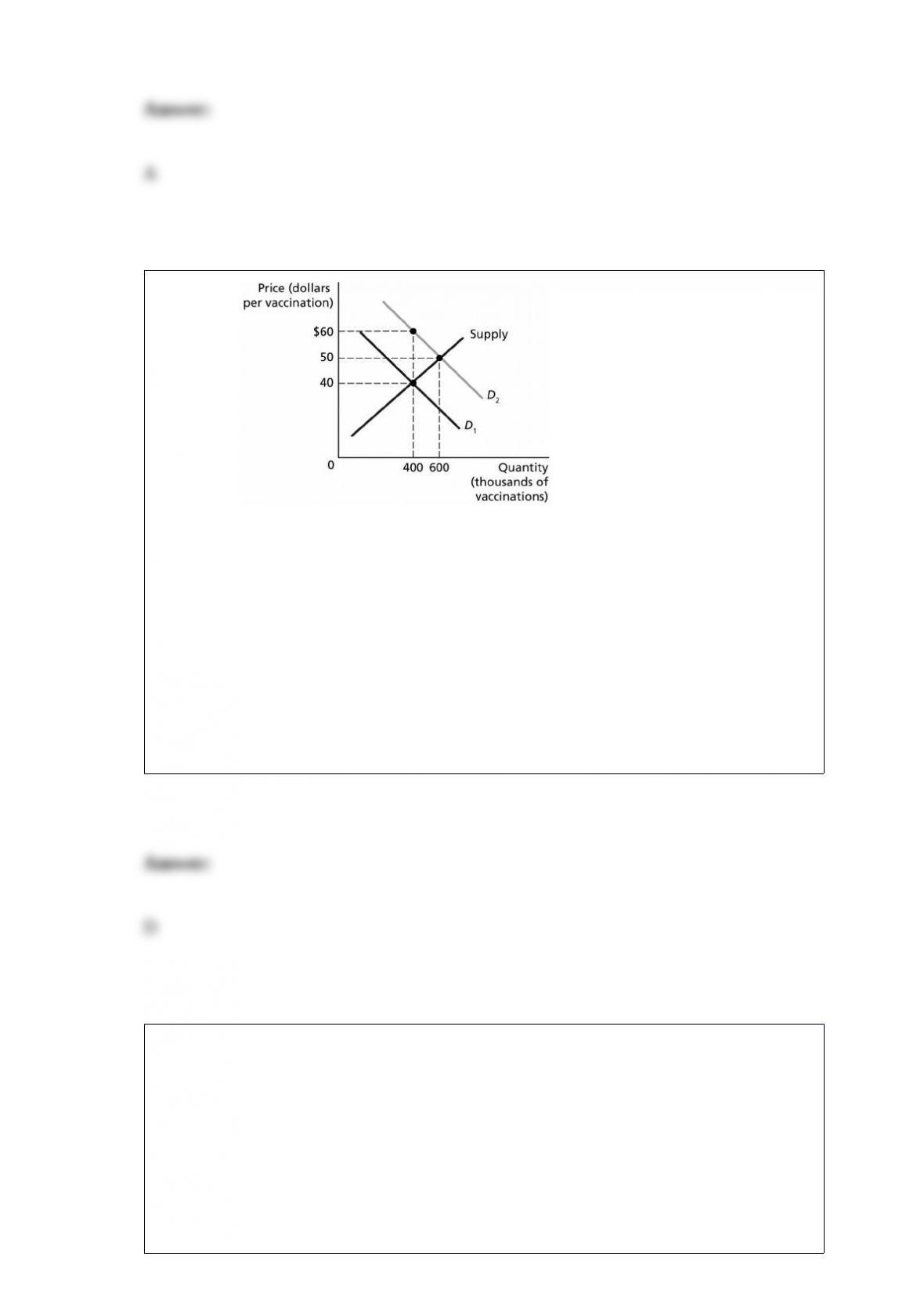
Figure 5-1 Figure 5-1 represents the market
for vaccinations. Vaccinations are considered a benefit to society, and the figure shows
both the marginal private benefit and the marginal social benefit from vaccinations. At
the market equilibrium, the deadweight loss is equal to
A) $0.
B) $500,000.
C) $1,000,000.
D) $2,000,000.
Which of the following is an example of a factor that a firm’s owners and managers can
control in making the firm successful?
A) the ability to produce the product at a lower cost
B) changing consumer tastes
C) a rise in the price of a key input, for example, a rise in the price of oil leads to higher
energy costs

D) the number of competitors in the market
The basic aggregate demand and aggregate supply curve model helps explain
A) short-term fluctuations in real GDP and the price level.
B) long-term growth.
C) price fluctuations in an individual market.
D) output fluctuations in an individual market.
The benefit to the firm from hiring one additional worker is called the
A) marginal revenue product of labor.
B) marginal revenue.
C) marginal profit.
D) total revenue.

Suppose a monopolistically competitive firm sells 25 units at a price of $10. Calculate
its marginal revenue per unit of output if it sells 5 more units of output when it reduced
its price to $9.
A) $270.
B) $20
C) $4
D) $2.50
When an economy is at its natural rate of unemployment, which of the following will
be true?
A) The unemployment rate will be 0%.
B) The labor force participation rate will be 100%.
C) The unemployment rate will be greater than 0%.
D) Only structural unemployment as a result of technological change will exist in the
economy.
Collusion between two firms occurs when
A) the firms independently pursue strategies that could hurt each other.

B) firms explicitly or implicitly agree to adopt a uniform business strategy.
C) the firms announce that each will match its rival’s market price.
D) firms act altruistically to bring about the economically efficient outcome.
Which of the following is true about the Federal Reserve and its ability to prevent
recessions? The Federal Reserve
A) does not try to eliminate recessions, but instead focuses on preventing inflation.
B) can fine tune the economy and realistically hope to keep the economy from
experiencing recessions.
C) cannot realistically fine tune the economy, but seeks to keep recessions shorter and
milder than they would otherwise be.
D) cannot realistically fine tune the economy and has little to no effect on the
magnitude and length of recessions.