Which of the following best describes how banks create money?
A) Banks charge higher interest rates on loans than they pay on deposits.
B) Banks charge fees for providing financial advice.
C) Banks create checking account deposits when making loans from excess reserves.
D) Banks make loans from reserves.
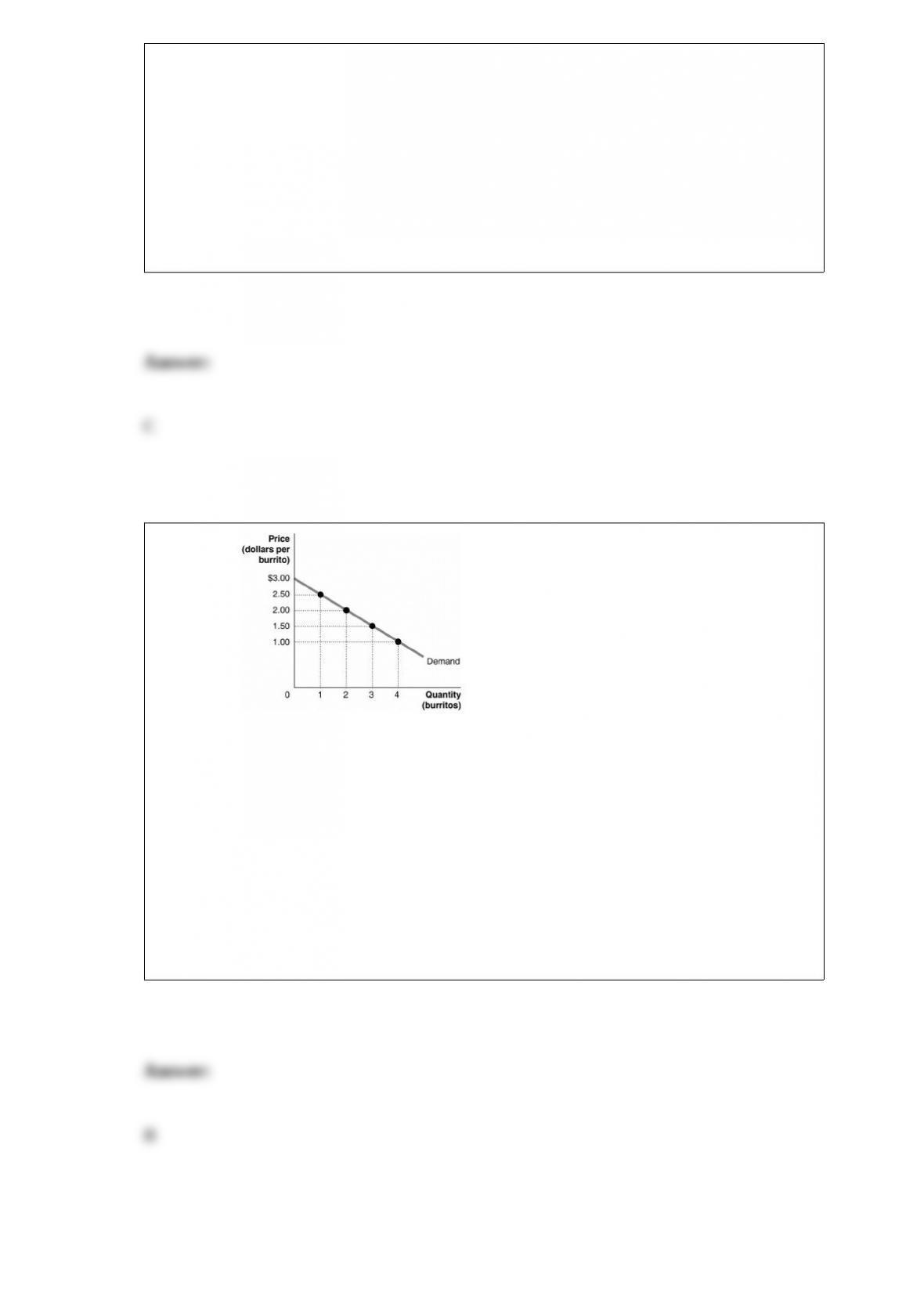
Figure 4-1 Figure 4-1 shows Arnold’s demand curve for
burritos.
Arnold’s marginal benefit from consuming the fourth burrito is
A) $0.
B) $1.00.
C) $2.50.
D) $3.00.
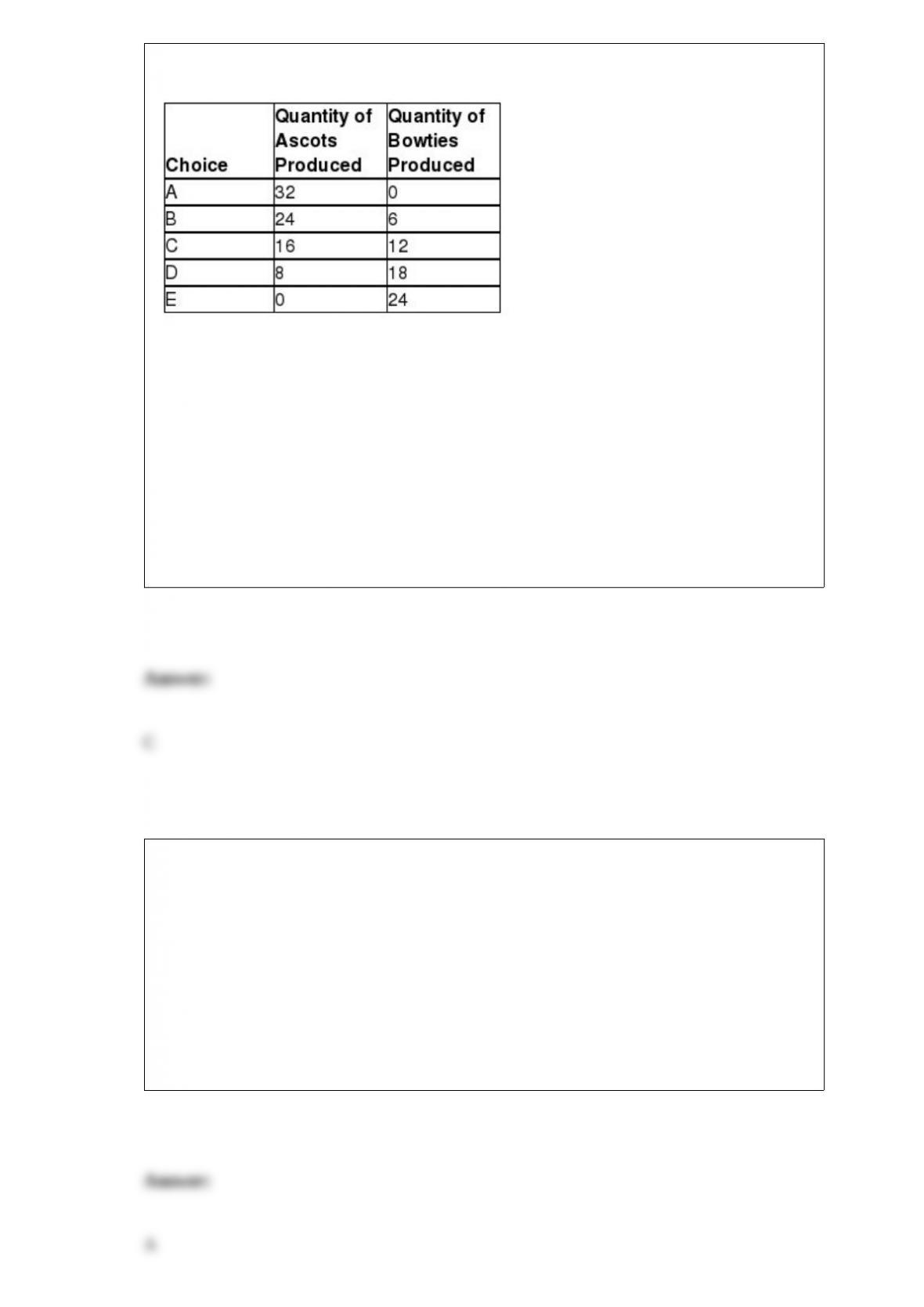
Table 2-2 Production choices for Nadia’s Neckware
Assume Nadia’s Neckties only produces ascots and bowties. Nadia faces ________
opportunity costs in the production of ascots and bowties.
A) increasing
B) decreasing
C) constant
D) negative
The Great Depression of the 1930s with a large number of workers and factories
unemployed would be represented in a production possibilities frontier graph by
A) a point inside the frontier.
B) a point outside the frontier.
C) a point on the frontier.
D) an intercept on either the vertical or the horizontal axis.

FICA is a payroll tax imposed on employers and workers that is used to fund Social
Security and Medicare. Which of the following statements regarding the tax is true?
A) Employers are required to pay a greater share of the tax than workers but most
economists believe the burden of the tax is shared equally.
B) Congress wanted the burden of the tax to be greater for employers than for workers.
C) Most economists believe the burden of the tax falls almost entirely on workers.
D) Most economists believe the burden of the tax falls mostly on employers.
If planned aggregate expenditure is greater than total production,
A) actual inventories will equal planned inventories.
B) firms will experience an unplanned increase in inventories.
C) GDP will increase.
D) the economy is in equilibrium.
Average fixed cost is equal to
A) the amount of total cost that does not change as output changes in the short run.
B) fixed cost divided by the quantity of output produced.

C) fixed cost multiplied by the quantity of output produced.
D) average total cost plus average variable cost.
Diseconomies of scale occur when
A) long-run average costs rise as a firm increases its output.
B) long-run average cost fall as a firm expands its plant size.
C) short-run average costs rise as a firm expands its plant size.
D) long-run labor costs rise as a firm increases its output.
In 2008, the Treasury and Federal Reserve took several actions in response to the
deepening financial crisis. One action was the creation of the Term Securities Lending
Facility, under which the Fed will loan up to $200 billion of treasury securities in
exchange for
A) stock.
B) mortgage-backed securities.
C) corporate bonds.
D) required bank reserves.

The price a perfectly competitive firm receives for its output
A) is determined by the interaction of the firm and all of the consumers who buy from
the firm.
B) is determined by the interaction of all sellers and all buyers in the firm’s market.
C) will not change in response to changes in market demand and supply because the
firm is a price taker.
D) will be lowered by the firm in order to sell more output.