As a result of a kinked demand curve, the price:
a. fluctuates. c. settles at the kink.
b. falls below the kink. d. rises above the kink.
Which of the following statements is true about the total utility provided by a good?
a. Total utility can never be negative.
b. Total utility is maximized when marginal utility is maximized.
c. Total utility continues to increase as more of the good is consumed.
d. Total utility is maximized when marginal utility is zero (for total utility > 0).
e. Total utility is maximized when marginal utility is zero (for total utility < 0).
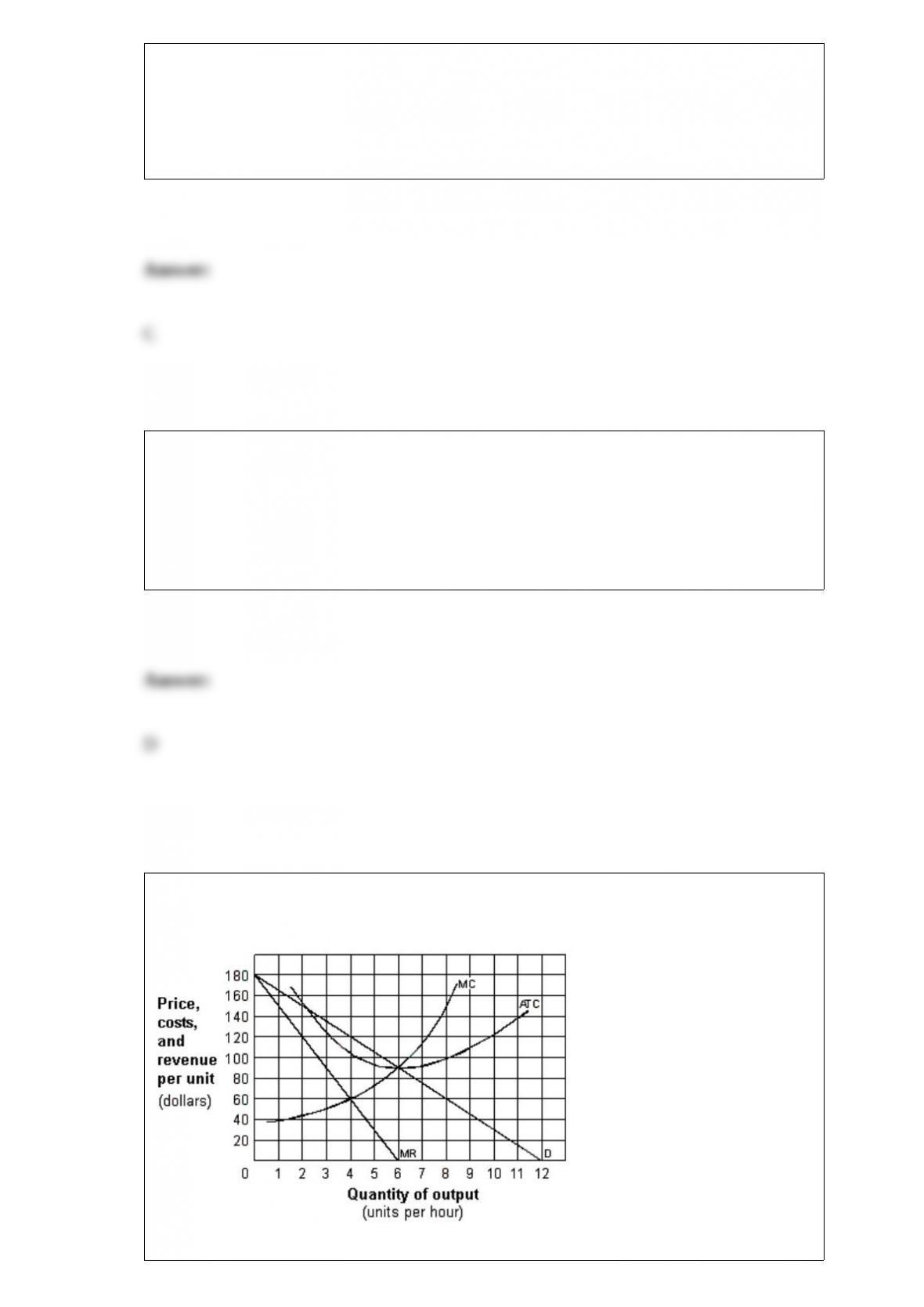
Exhibit 9-4 Demand and cost curves for a monopolist
As shown in Exhibit 9-4, in order to maximize its profit (or minimize its loss), how

much output should the monopoly produce?
a. 2 units per hour.
b. 4 units per hour.
c. 6 units per hour.
d. 8 units per hour.
Which of the following must be true if average total cost is rising?
a. Average fixed cost must be rising.
b. Total fixed cost must be rising.
c. Average variable cost must be falling.
d. Marginal cost must be greater than average total cost.
Which of the following represents the key difference between the short run and the long
run?
a. In the long run, the firm makes commitments to a certain type of production
technology which are represented as fixed costs in the long run. For example, they have
signed a lease on a particular production facility. These fixed costs do not exist in the
short run.
b. In the short run, the firm makes commitments to a certain type of production
technology, which are represented as fixed costs in the short run. For example, they
have signed a lease on a particular production facility. These fixed costs do not exist in
the long run.
c. The short run refers to less than two years and the long run in over two years.
d. None of the above are correct.
Technological innovations will cause:
a. the production possibilities curve to stay the same.
b. the production possibilities curve to shift to the left.
c. the production possibilities curve to shift to the right.
d. an economy to operate below its production possibilities curve.
e. the production possibilities curve to increase or decrease.
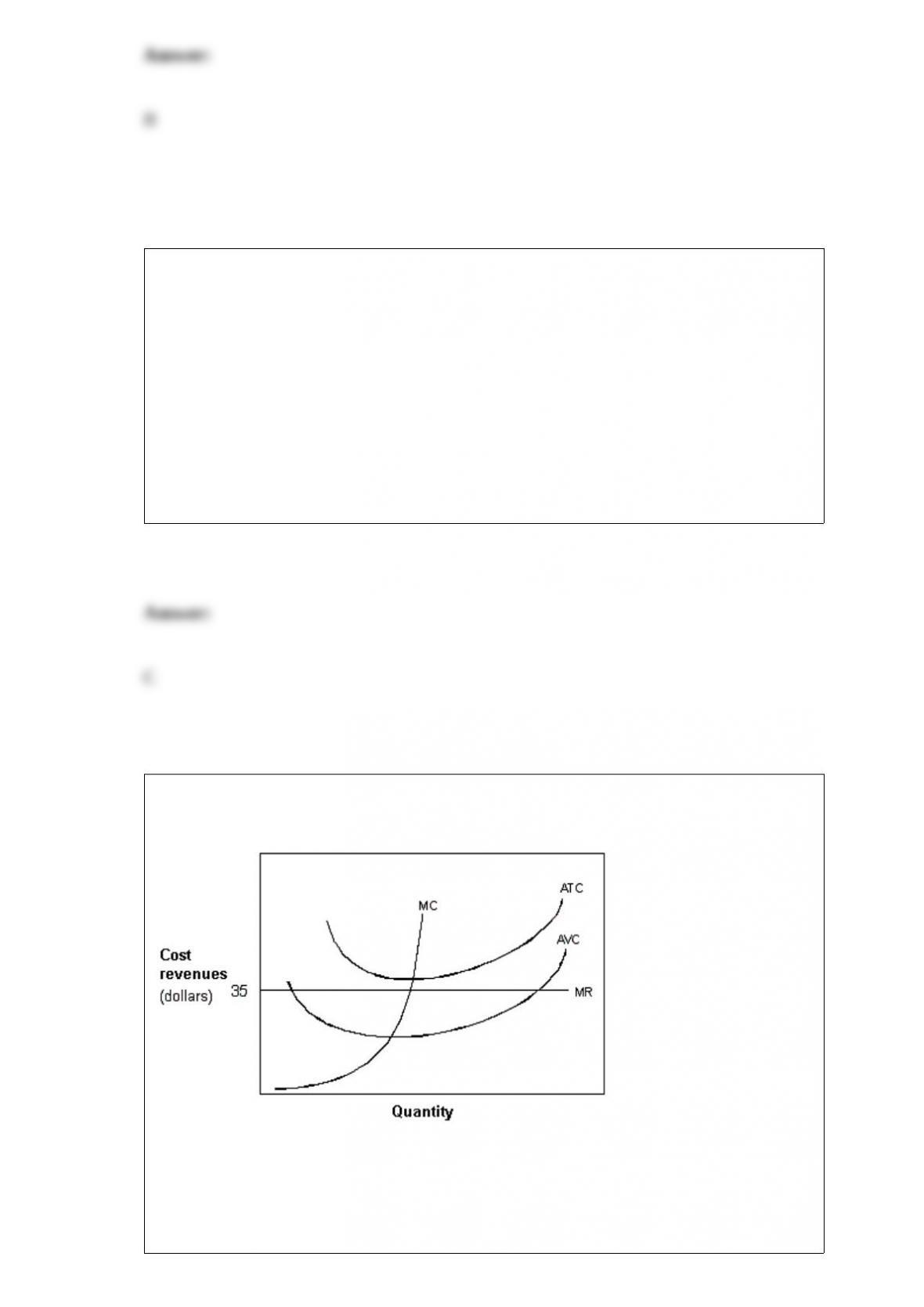
Exhibit 8-8 A firm’s cost and marginal revenue curves
In Exhibit 8-8, product price in this market is fixed at $35. This firm is currently
operating where MR = MC. Which of the following is true?
a. Price < AVC and this firm should shut down.
b. This firm is earning a profit of zero.
c. This firm could increase profits by increasing output.

d. Price > ATC and the firm is earning a positive profit.
e. Price > AVC, and the firm should stay at its current output.
A merger between two manufacturers of computers would result in which of the
following?
a. A vertical merger. c. A horizontal merger.
b. A conglomerate merger. d. A monopoly merger.
Which of the following would be least likely to cause the production possibilities curve
to shift outward?
a. a decreased desire for leisure by workers in the economy.
b. an invention that requires fewer resources to produce a good.
c. a shift in consumer preferences that causes expansion in the output of one product
and a decline in output of other products.
d. an expansion in the man-made productive resources available to the economy as the
result of a high rate of investment.

Which of the following is closest to the definition of demand?
a. People’s willingness to supply goods at specific prices.
b. People’s willingness to buy goods and services at given prices.
c. People’s expectations of lower prices of goods and services.
d. Producer’s expectations of selling more goods.
e. The interaction of people’s willingness to buy and sell goods.
Which of the following best represents the effects of a decrease in the price of coffee,
other things being equal?
a. A leftward shift in the demand curve for coffee.
b. A downward movement along the demand curve for coffee.
c. A rightward shift in the demand curve for coffee.
d. An upward movement along the demand curve for coffee.
According to the principle of comparative advantage, total output and consumption
levels will be highest when goods are produced in nations according to which of the
following conditions?
a. Opportunity costs are lowest. c. Opportunity costs are equal.
b. Absolute advantages are highest. d. Absolute advantages are lowest.

From the standpoint of economic efficiency, competitive markets provide:
a. less of a public good than would be efficient.
b. more of a public good than would be efficient.
c. exactly the amount of a public good that is efficient.
d. none of these.
Suppose the market for ‘soda X” is in equilibrium. If the FDA announced today that this
soda has been proven to cause a fatal disease, what would be most likely to happen to
the equilibrium price and equilibrium quantity of soda X?
a. Price increases and quantity increases
b. Price decreases and quantity increases
c. Price increases and quantity increases
d. Price decreases and quantity decreases
e. No change in price and quantity

Under a negative income tax program,
a. the government guarantees a minimum level of family income.
b. a family must pay income taxes on its welfare check.
c. a family receives a stated amount of money from the government plus its members
can keep all income earned through work.
d. the government reduces the welfare payment by any income earned through work.
e. a family’s income is lower if its members work.
A point outside a production possibilities curve reflects:
a. efficiency.
b. specialization.
c. inefficiency.
d. unemployment.
e. an impossible choice.
Marginal cost is calculated by dividing the change in total cost by the change in total
output.
In economics terminology, the process of accumulating money is investment.
Since the 1970s, the percentage of total income earned by the poorest 20 percent of
American families has fallen.
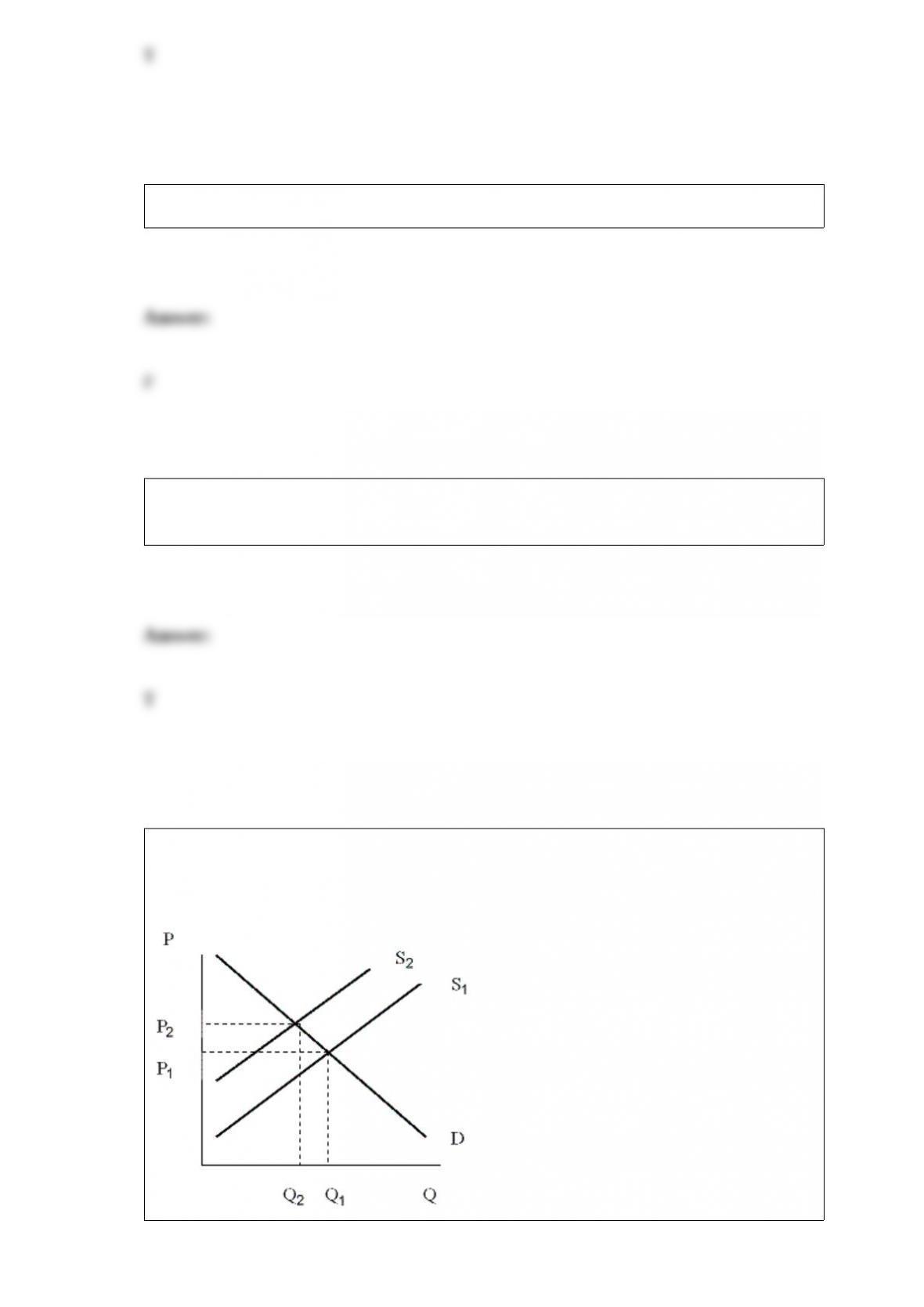
Compare market price and quantity to socially optimal price and quantity if hog farmers
ignore the polluting effect of hog waste on nearby waterways. Use a graph to assist in
your explanation.

The purchase of Michelin Tire Company by General Motors is an example of a vertical
merger.
Under what conditions might a monopoly lose money?
Explain why the LDCs are unable to invest much in capital goods and human capital.

If a good gives rise to substantial external benefits to society that are associated with its
production and/or consumption then the good likely has too few resources devoted to its
production.