
Chapter 9 ■ SPELLING QUIZ 195
Chapter Nine
SPELLING QUIZ
Name: ______________________________
A. Circle the term that is spelled correctly, and write its meaning in the space provided.
1. chyamydia chlamydia _________________________________________________
2. impotance impotence _________________________________________________
3. chanker chancre ___________________________________________________
4. seminoma semenoma _________________________________________________
5. scrotum scrotim ___________________________________________________
6. parynchomal parenchymal _______________________________________________
7. purulent puerluent __________________________________________________
8. adenocarcinoma adenocarsinoma ____________________________________________
9. prostrate gland prostate gland ______________________________________________
10. prepus prepuce ___________________________________________________
B. Circle the term that is spelled correctly. The meaning of each term is given.
11. Undescended testicle …………………………… criptororhidism crytporchidism cryptorchidism
12. Glands that secrete semen …………………… bulbourethral bulboureteral bolboureteral
13. Tubules that produce sperm…………………. seminiferous semeniferious seminefarous
14. Sexually transmitted disease ………………… syphilis syphillis syfalus
15. Type of carcinoma of the testes …………….. embrional embryonal enbryomal
16. Sperm cells and fluid …………………………… semin seman semen
17. Scanty sperm production …………………….. olagospermia oliospermia oligospermia
18. Pus-filled ……………………………………………. purulent poorulent pureulent
19. Male sex hormone ……………………………….. testostarone testosterone testosterome
20. Male gonad …………………………………………. testus testas testis

196 Chapter 9 ■ PRONUNCIATION QUIZ
Chapter Nine
PRONUNCIATION QUIZ
Name: ______________________________
A. Underline the accented syllable in the following terms:
1. parenchymal 4. scrotum 7. seminoma 10. impotence
2. prepuce 5. flagellum 8. prostatectomy
3. varicocele 6. androgen 9. testosterone
B. Match the term in Column I with its meaning in Column II:
Column I Column II
1. cryptorchidism ________ A. Sac that holds the testes
2. testosterone ________ B. Hormone produced by the testes
3. spermolytic ________ C. Removal of the testes
4. circumcision ________ D. Undescended testicle
5. vasectomy ________ E. Sterilization; removal of part of the vas deferens
6. scrotum ________ F. Congenital opening of the urethra on the underside of penis
7. gonorrhea ________ G. Pus-filled
8. hypospadias ________ H. Venereal disease marked by urethral discharge
9. orchiectomy ________ I. Removal of the foreskin around the glans penis
10. purulent ________ J. Pertaining to destruction of sperm cells
C. Complete the following terms from their definitions:
1. ___________________________ opexy Fixation of a testicle in place.
2. oligo ____________________________ Condition of scanty sperm production.
3. ______________________________ itis Inflammation of the glans penis.
4. prostatic _________________________ Excessive development; enlargement of the
prostate gland.
5. hydro ___________________________ Hernia of fluid in the scrotal sac.
6. _____________________________ itis Inflammation of the epididymis.
7. vaso ____________________________ New connection between two parts of the vas
deferens.
8. spermato ________________________ Formation of sperm cells.
9. gono ____________________________ Sexually transmitted disease.
10. _____________________________ osis Narrowing of the foreskin over the glans penis.
Chapter 9 ■ DIAGRAM QUIZ 197
Chapter Nine
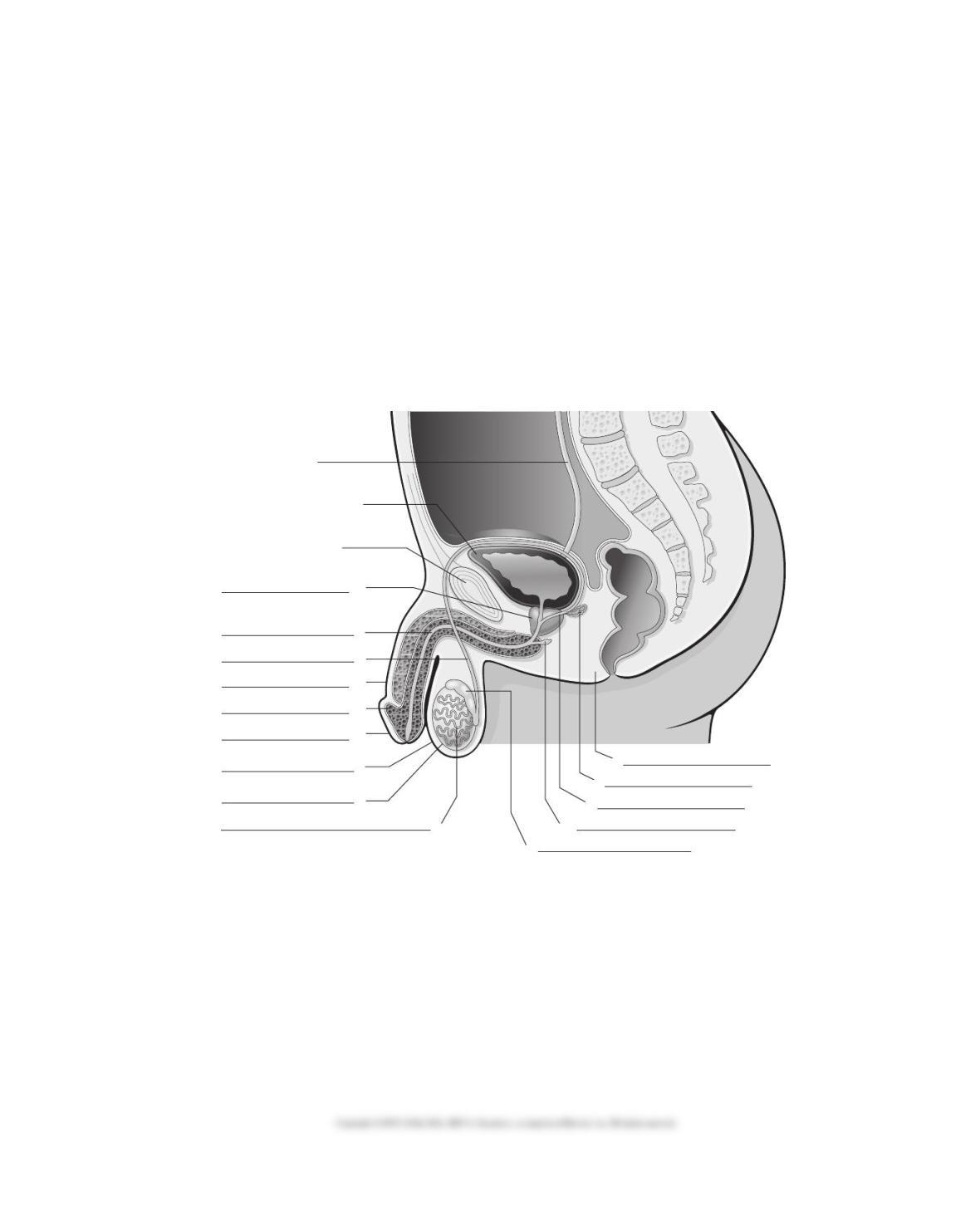
DIAGRAM QUIZ
Name: ______________________________
Label the diagram below using the terms listed below:
Bulbourethral (Cowper) gland Prostate gland
Ejaculatory duct Scrotum
Epididymis Seminal vesicle
Glans penis Seminiferous tubules
Penis Testis
Perineum Urethra
Prepuce (foreskin) Vas deferens
Urinary bladder
Ureter
Pubic bone
10
9
6
12
13
14
2
4
5
1
11
8
7
3
198 Chapter 9 ■ FLOW CHART QUIZ
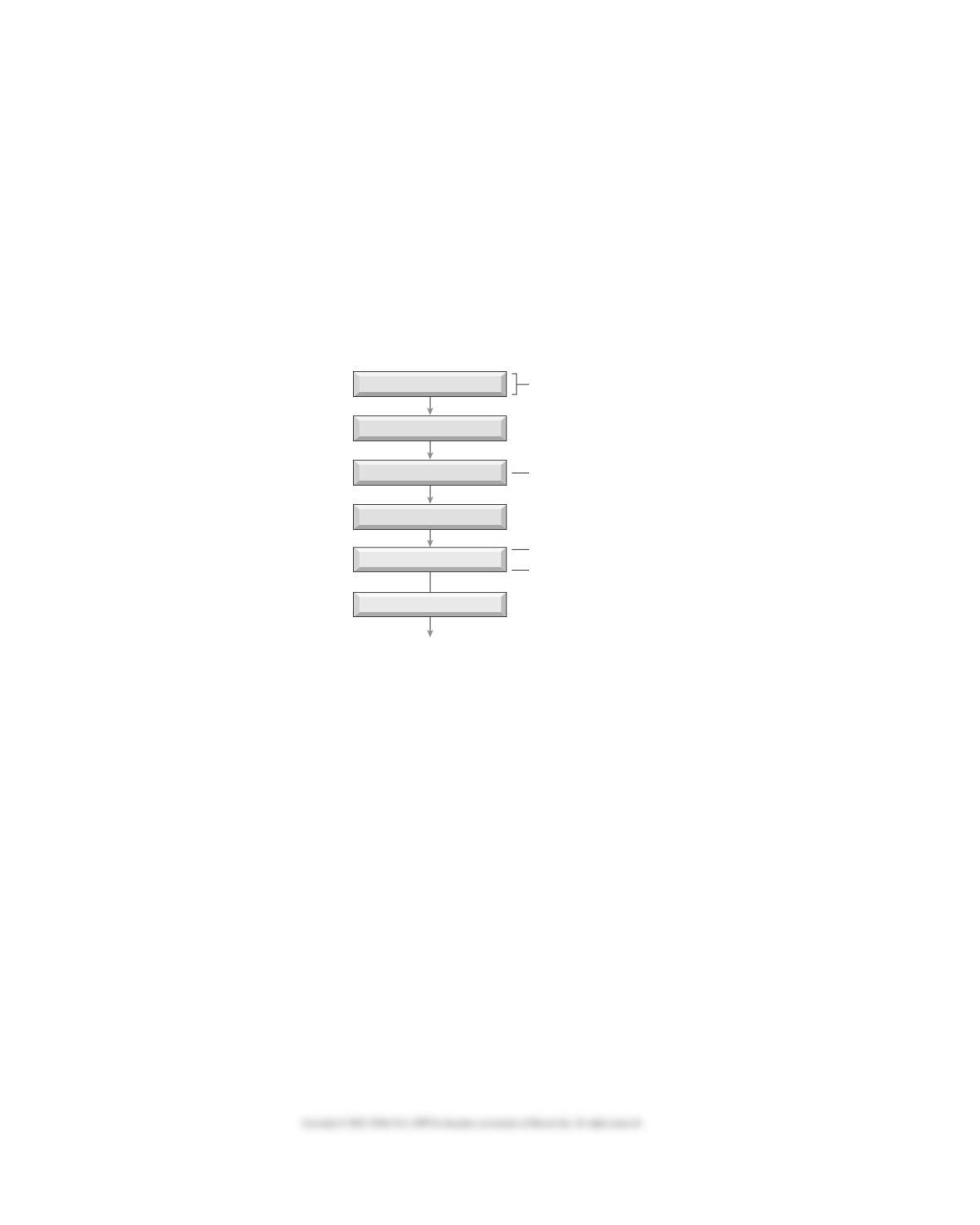
Sperm are formed in the
Sperm leave the body
which passes through the
6.
5.
4.
3.
2.
1. Testes
Prostate gland
Bulbourethral
glands
Seminal vesicles
Chapter Nine
FLOW CHART QUIZ
Name: ______________________________
Label the flow chart using the terms listed below:
ejaculatory duct
epididymis
penis
seminiferous tubules
urethra
vas deferens

Chapter 9 ■ REVIEW SHEET QUIZ 199
Chapter Nine
REVIEW SHEET QUIZ
Name: ______________________________
A. Give meanings for the following combining forms:
1. balan/o _________________________ 6. crypt/o __________________________________
2. orchi/o _________________________ 7. cry/o ___________________________________
3. vas/o ___________________________ 8. hydr/o __________________________________
4. zo/o ___________________________ 9. epididym/o ______________________________
5. andr/o _________________________ 10. terat/o __________________________________
B. Give meanings for the following suffixes:
1. -plasia _________________________ 6. -tomy ___________________________________
2. -lysis ___________________________ 7. -trophy _________________________________
3. -cele ___________________________ 8. -genesis _________________________________
4. -pexy __________________________ 9. -ectomy _________________________________
5. -stomy _________________________ 10. -rrhea __________________________________

200 Chapter 9 ■ MEDICAL SCRAMBLE
Chapter Nine
MEDICAL SCRAMBLE
Name: ______________________________
Unscramble the letters to form suffixes from the clues. Use the letters in the squares to complete
the bonus term.
1. Clue: Ulcer associated with an STD
____ ____ ____ ____ ____ ____ R A C E H C N
2. Clue: Collection of fluid in the scrotal sac (hernia)
____ ____ ____ ____ ____ ____ ____ C O Y L H E R E D
3. Clue: Inflammation of the testes
____ ____ ____ ____ ____ T C I O S H R I
4. Clue: Gland at the base of the bladder that secretes seminal fluid
____ ____ ____ ____ ____ ____ T O S E P A R T
BONUS TERM: Clue: A common sexually transmitted disease caused by a spirochete
Chapter 9 ■ CROSSWORD PUZZLE 201
Chapter Nine
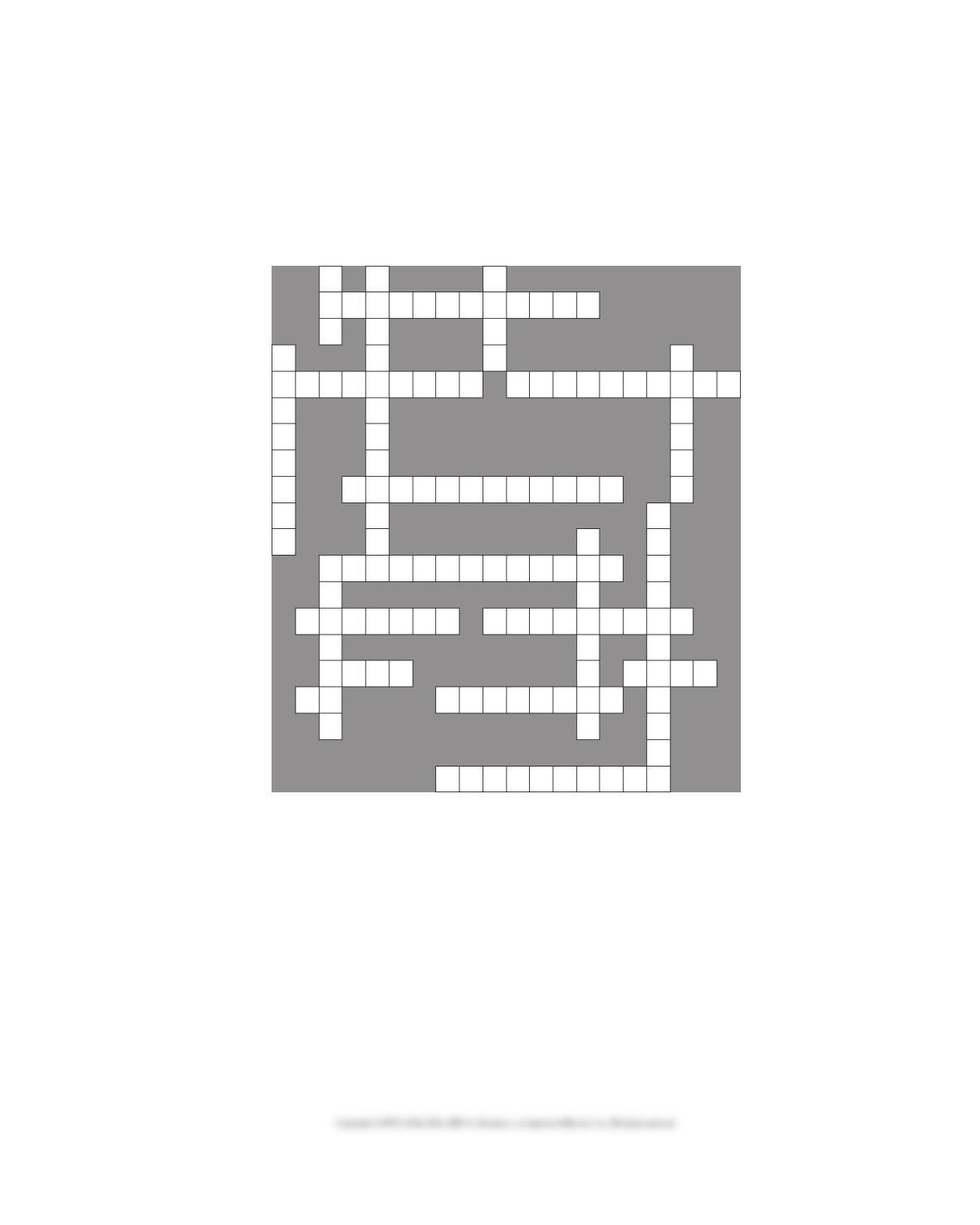
CROSSWORD PUZZLE
Name: ______________________________
Fill in the crossword puzzle below using the clues listed underneath it.
1
4
5
78
6
10
16
14
1817
15
13
12
11
9
19
23
Across Clues Down Clues
4. Sperm cell. 1. Herpes simplex virus (abbrev).
7. Sac of clear fluid in the testes. 2. Hormone secreted by the testes.
8. Enlarged, swollen veins near the testicle. 3. Cry/o.
9. Undescended testicle. 5. Narrowing of the opening of the foreskin over the
12. Procedure rendering an individual incapable glans penis.
of reproduction. 6. Vas/o.
13. Foreskin. 10. Ejection of sperm and fluid from the male urethra.
14. Hair-like process on a sperm 11. Skin covering the tip of the penis.
cell that makes it motile. 12. External sac that contains the testes.
15. Transurethral resection of the prostate (abbrev).
16. Andr/o.
17. Genitourinary (abbrev).
18. Chronic sexually transmitted infectious
disease caused by spirochete bacteria.
19. Orchiectomy.

202 Chapter 9 ■ PRACTICAL APPLICATIONS
Chapter Nine
PRACTICAL APPLICATIONS
Name: ______________________________
A. Case Report
A 22-year-old male presents with a scrotal mass that does not transilluminate. An orchiectomy
reveals embryonal carcinoma with teratoma. Chest x-rays and lung tomograms are normal. Serum
AFP (alpha-fetoprotein, a protein secreted by tumor cells. is elevated. Abdominal CT scan reveals
minimal retroperitoneal lymphadenopathy. Retroperitoneal lymphadenectomy indicates 4 of 42
nodes positive for embryonal carcinoma.
Six months after the node dissection the patient remains asymptomatic but his chest x-ray reveals
pulmonary metastases. AFP is slightly elevated. Chemotherapy (cisplatin, vinblastine, and bleomycin) is
given over 12 weeks. One month after completion of chemotherapy a thoracotomy is done and residual
lung lesions are removed. He remains free of disease 32 months after the start of chemotherapy.
1. What is the diagnosis for this
patient? ……………………………………….
A. Prostate cancer
B. Testicular cancer
C. Benign prostatic hyperplasia
D. Lung cancer
2. What was the primary method
of treatment? ………………………………..
A. Chemotherapy
B. Radiation therapy
C. Surgical removal of the prostate gland
D. Surgical removal of a testis
3. What other surgical procedure was
done to stage the patient’s condition? ……
A. Removal of tumor from the lung
B. Chest x-ray
C. Removal of pelvic lymph nodes
D. Removal of lymph nodes behind the
membrane lining the abdominal cavity
4. What treatment was initially given for
spread of the tumor to the lungs? …….
A. Drug treatment with AFP
B. Thoracotomy
C. Chemotherapy
D. Retroperitoneal lymphadenectomy
B. Chart Note
History: The patient is a 55-year-old male with adenocarcinoma of the prostate. He had a TURP
1 year ago for presumed prostatic hyperplasia, but tissue fragments examined by a pathologist
revealed a poorly differentiated adenocarcinoma. He received local irradiation to the prostate;
however, PSA levels increased to 10 (normal is less than 4). A bone scan showed bony metastases.
Bilateral orchiectomy was advised, but refused. Alternative hormonal treatment with Lupron and
flutamide to decrease testosterone production will be offered.
1. What is the patient’s diagnosis? ……….
A. Prostate cancer
B. Bone cancer
C. Testicular cancer
D. BPH
2. What procedure revealed the
diagnosis? ……………………………………
A. Irradiation
B. Removal of the testicles
C. Bone scan
D. Transurethral resection of the prostate
3. Poorly differentiated means: ……………
A. Cells are mature
B. Cells are very immature
C. Cells have metastasized
D. Cells are not malignant
4. What type of drug treatment was
offered to the patient? …………………….
A. Standard chemotherapy with cytotoxic
agents
B. Androgens
C. Antiandrogen drugs
D. PSA treatment
Chapter 9 ■ ANSWERS TO THE QUIZZES 203
Chapter Nine
ANSWERS TO THE QUIZZES
204 Chapter 9 ■ ANSWERS TO THE QUIZZES
Chapter 9 ■ ANSWERS TO THE QUIZZES 205
206 Chapter 9 ■ ANSWERS TO TERMINOLOGY SECTION
Chapter Nine
Answers to Terminology Section
(textbook pages 317–319)