
364 Chapter 14 ■ SPELLING QUIZ
Chapter Fourteen
SPELLING QUIZ
Name: ______________________________
A. Circle the term that is spelled correctly, and write its meaning:
1. mackrophage macrophage ________________________________________________
2. lypmh lymph _____________________________________________________
3. immunoglobulins immunoglobins _____________________________________________
4. alergy allergy ____________________________________________________
5. inguinal nodes ingiunal nodes ______________________________________________
6. anaphylaxis anaphilaxis _________________________________________________
7. Hogdkin lymphoma Hodgkin lymphoma _________________________________________
8. axilliary nodes axillary nodes _______________________________________________
9. lymphocytopenis lymphocytopenia ____________________________________________
10. splenectomy spleenectomy _______________________________________________
B. Circle the term that is spelled correctly. The meaning of each term is given.
11. Organ in the chest that produces
T cells ……………………………………………………. thymus gland thymis gland thimus gland
12. Fluid in the spaces between cells ……………… intrastitial fluid interstitial fluid interstitiel fluid
13. Collection of fluid in tissues…………………….. lymphaedmea lypmhfedema lymphedema
14. Proteins that stimulate the growth of
T cells ……………………………………………………. interleukins interleukens interluekins
15. Masses of lymph tissue in the
nasopharynx …………………………………………… adneoidz adeniods adenoids
16. Introduction of altered antigens
to produce an immune response ……………… vaccination vacination vakcination
17. Inflammation of tonsils …………………………… tonsilitis toncilitis tonsillitis
18. Formation of lymph ………………………………..lymphopoesis lymphopoiesis lymphopeosis

Chapter 14 ■ PRONUNCIATION QUIZ 365
Chapter Fourteen
PRONUNCIATION QUIZ
Name: ______________________________
A. Underline the accented syllables in the following terms:
1. immunology 4. lymphedema 7. macrophage 10. lymphadenopathy
2. hypersensitivity 5. interstitial fluid 8. anaphylaxis
3. inguinal nodes 6. Kaposi sarcoma 9. thoracic duct
B. Match the term in Column I with its meaning in Column II:
Column I Column II
1. anaphylaxis _______ A. Mass of lymph tissue in the nasopharynx
2. AIDS _______ B. Syndrome marked by enlargement of the spleen
3. cervical nodes _______ C. Suppression or deficiency of the immune response
caused by exposure to HIV
4. adenoids _______ D. A hypersensitivity or allergic state involving an inherited
predisposition
5. interferons _______ E. Exaggerated hypersensitivity reaction
6. macrophage _______ F. Antibodies secreted by plasma cells
7. Hodgkin lymphoma _______ G. Antiviral proteins secreted by T cells
8. hypersplenism _______ H. Lymph nodes in the neck
9. atopy _______ I. Malignancy of lymph nodes
10. immunoglobulins _______ J. Large phagocyte found in lymph nodes

366 Chapter 14 ■ PRONUNCIATION QUIZ
C. Complete the following terms using the definitions given:
1. __________________________ ectomy Removal of the spleen
2. _____________________________ oma Tumor of the thymus gland
3. ____________________________ gram Record (x-ray) of lymph vessels
4. ________________________ infections Infectious diseases associated with AIDS
5. lympho _________________________ Formation of lymph
6. _______________________________ ic Pertaining to poison
Chapter 14 ■ DIAGRAM QUIZ 367
Chapter Fourteen
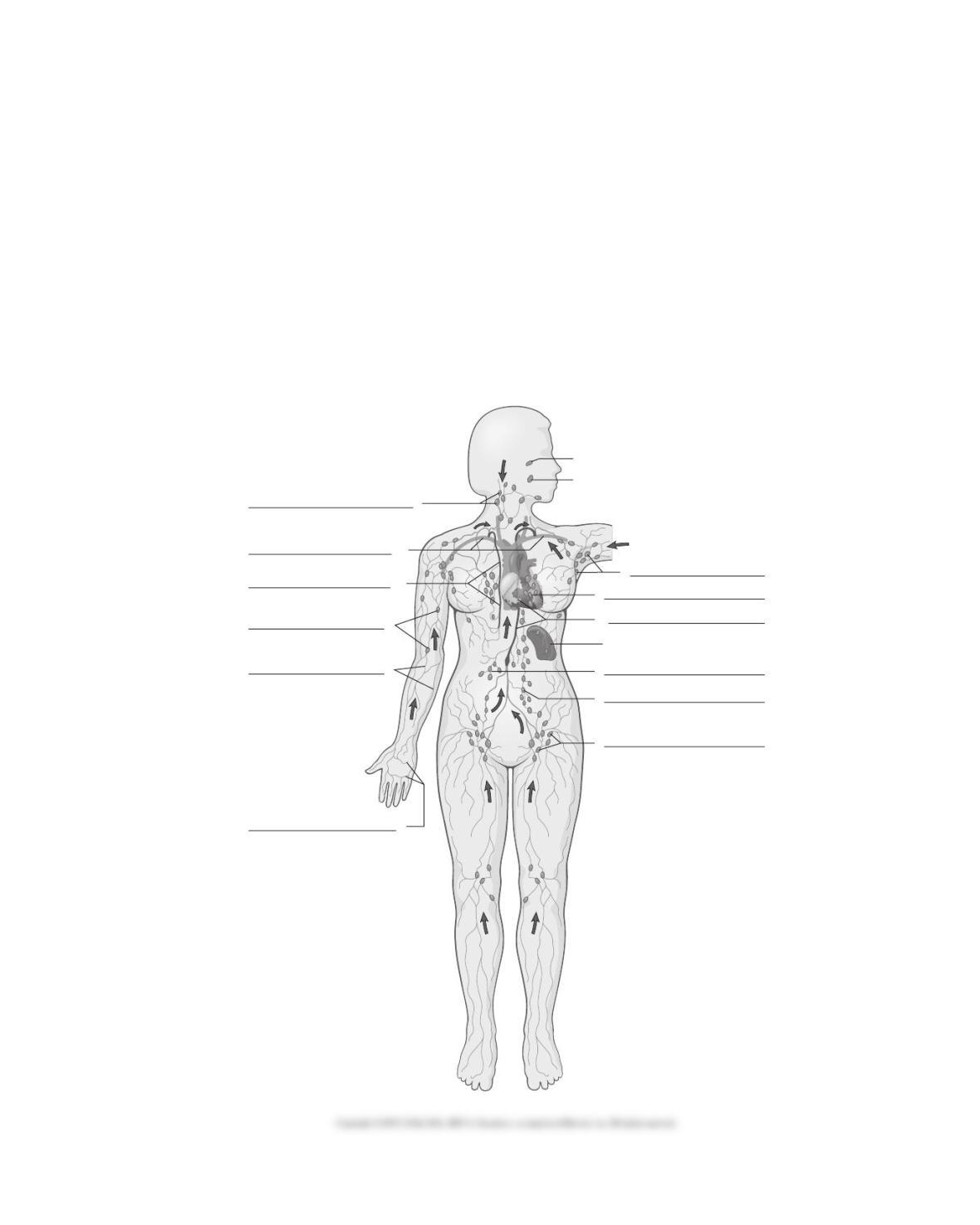
DIAGRAM QUIZ
Name: ______________________________
Label the diagram below using the terms listed below:
Axillary region
Cervical region
Inguinal region
Large veins in the neck
Lymph capillaries
Lymph nodes
Lymph vessels
Mediastinal region
Mesenteric region
Paraaortic region
Right lymphatic duct
Thoracic duct
4
12
10
5
Adenoids
Tonsils
Spleen
6
11
9
8
7
1
2
3
368 Chapter 14 ■ FLOW CHART QUIZ
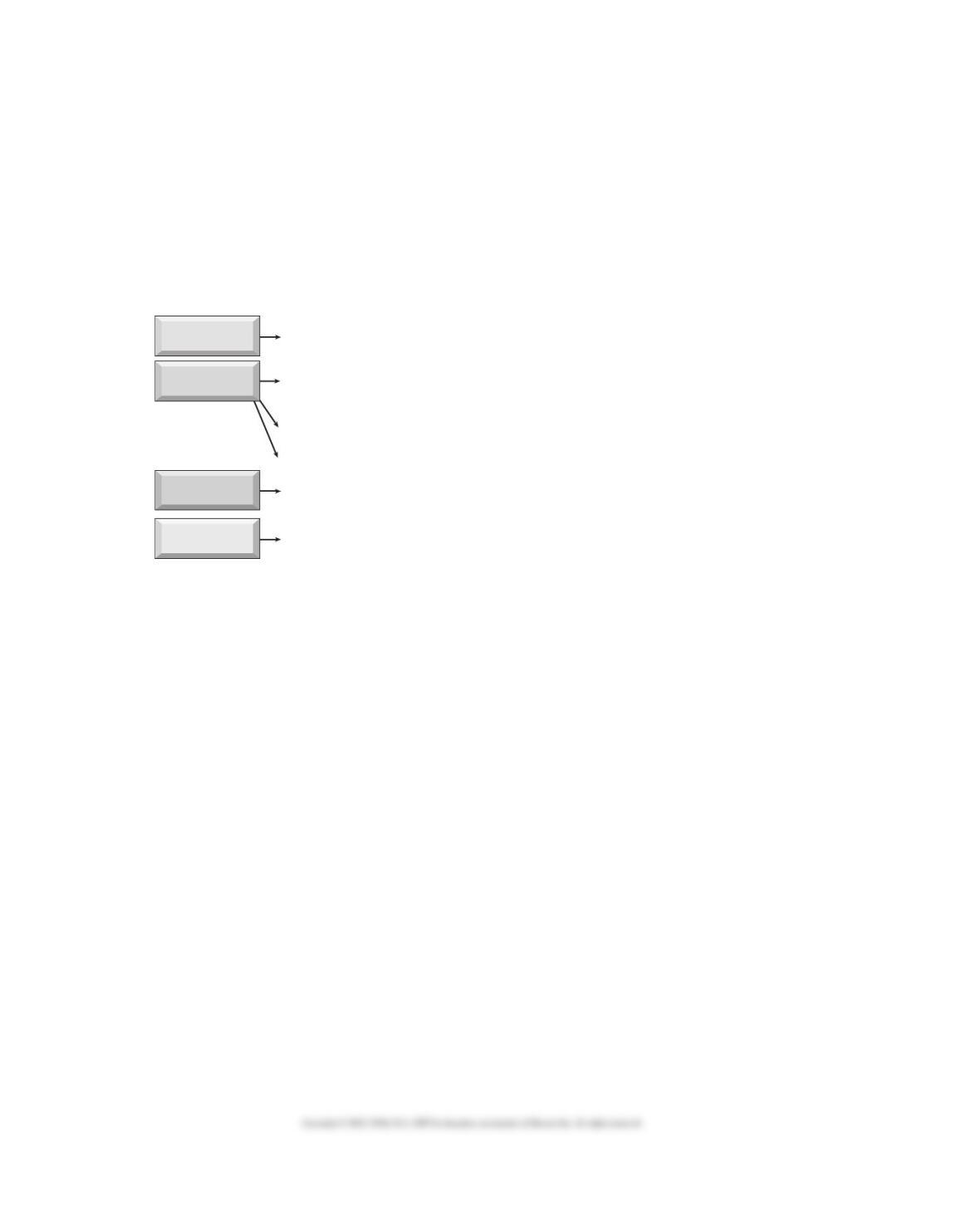
Mature into plasma cells and secrete antibodies — immunoglobulins (IgM, IgA, IgE, IgD, IgG)
Helps antibodies kill antigens
3
1
2
Antigen-presenting cells
4
1. Cytotoxic T cell (CD8+) — attach to antigens on cell surface and directly kill the antigen.
Secrete cytokines (interferons and interleukins)
2. Helper cells (CD4+) — assist B cells and T cells
3. Suppressor cells (Tregs) — inhibit B and T cells
Chapter Fourteen
FLOW CHART QUIZ
Name: ______________________________
Label the flow chart using the terms listed below:
B cells Dendritic cells
Complement system T cells

Chapter 14 ■ REVIEW SHEET QUIZ 369
Chapter Fourteen
REVIEW SHEET QUIZ
Name: ______________________________
A. Give meanings for the following combining forms:
1. inguin/o ________________________ 5. tox/o ___________________________________
2. thym/o _________________________ 6. immun/o ________________________________
3. axill/o __________________________ 7. splen/o __________________________________
4. cervic/o ________________________ 8. lymphaden/o _____________________________
B. Give meanings for the following suffixes and prefixes:
1. -edema _________________________ 6. -oid ____________________________________
2. -megaly ________________________ 7. -pathy __________________________________
3. -poiesis _________________________ 8. inter– ___________________________________
4. -penia __________________________ 9. hyper– __________________________________
5. -phylaxis _______________________ 10. retro- ___________________________________

370 Chapter 14 ■ OPPORTUNISTIC INFECTIONS QUIZ
Chapter Fourteen
OPPORTUNISTIC INFECTIONS QUIZ
Name: _____________________
Match the following opportunistic infections associated with AIDS with their
descriptions below:
candidiasis histoplasmosis
Cryptococcus Mycobacterium avium-intracellulare
cryptosporidiosis Pneumocystis pneumonia
cytomegalovirus toxoplasmosis
herpes simplex tuberculosis
1. Viral infection (HSV) causing small blisters on the lips, nose, or genitals: ____________________
2. Yeast-like fungal infection overgrows in the mouth (thrush), respiratory tract,
and skin: _________________________________________________________________________
3. Bacterial disease (TB) predominant in the lungs. Symptoms include fever, weight loss, anorexia,
and low energy: ___________________________________________________________________
4. Yeast-like fungal infection (crypto) causes lung, brain, and blood infections; found in pigeon
droppings, air, water, soil: ___________________________________________________________
5. Fungal infection caused by inhalation of dust contaminated with Histoplasma capsulatum;
symptoms include fever, chills and lung infection (Histo): _________________________________
6. One-celled organism causes lung infection (PCP) with fever, cough,
and chest pain: ____________________________________________________________________
7. Parasitic infection involving the CNS and causing fever, chills, confusion, hemiparesis and seizures;
parasite is found in uncooked pork, raw eggs, and vegetables (Toxo): ________________________
8. One-celled parasitic infection of the gastrointestinal tract, brain,
and spinal cord: ___________________________________________________________________
9. Bacterial disease (MAI) with fever, malaise, night sweats, diarrhea, and lung and blood
infections: ________________________________________________________________________
10. Virus (CMV) causes enteritis and retinitis; found in semen, saliva, urine, feces, blood, and breast
milk: ____________________________________________________________________________

Chapter 14 ■ MEDICAL SCRAMBLE 371
Chapter Fourteen
MEDICAL SCRAMBLE
Name: ______________________________
Unscramble the letters to form lymphatic/immune system–related terms from the clues. Use the
letters in the squares to complete the bonus term.
1. Clue: Swelling due to fluid collection in spaces between tissue
____ ____ ____ ____ ____ ____ ____ P E L A M H Y E M D
2. Clue: Enlargement of a lymphoid organ in the LUQ
____ ____ ____ ____ ____ ____ ____ ____ N A S L O P Y E L G E M
3. Clue: Large phagocyte that engulfs other cells; found in lymph nodes and tissues
____ ____ ____ ____ ____ ____ ____ ____ G A R P A M O H E C
4. Clue: A poison
____ ____ ____ N O X I T
BONUS TERM: Clue: Hypersensitivity reaction
372 Chapter 14 ■ CROSSWORD PUZZLE
Chapter Fourteen
CROSSWORD PUZZLE
Name: ______________________________
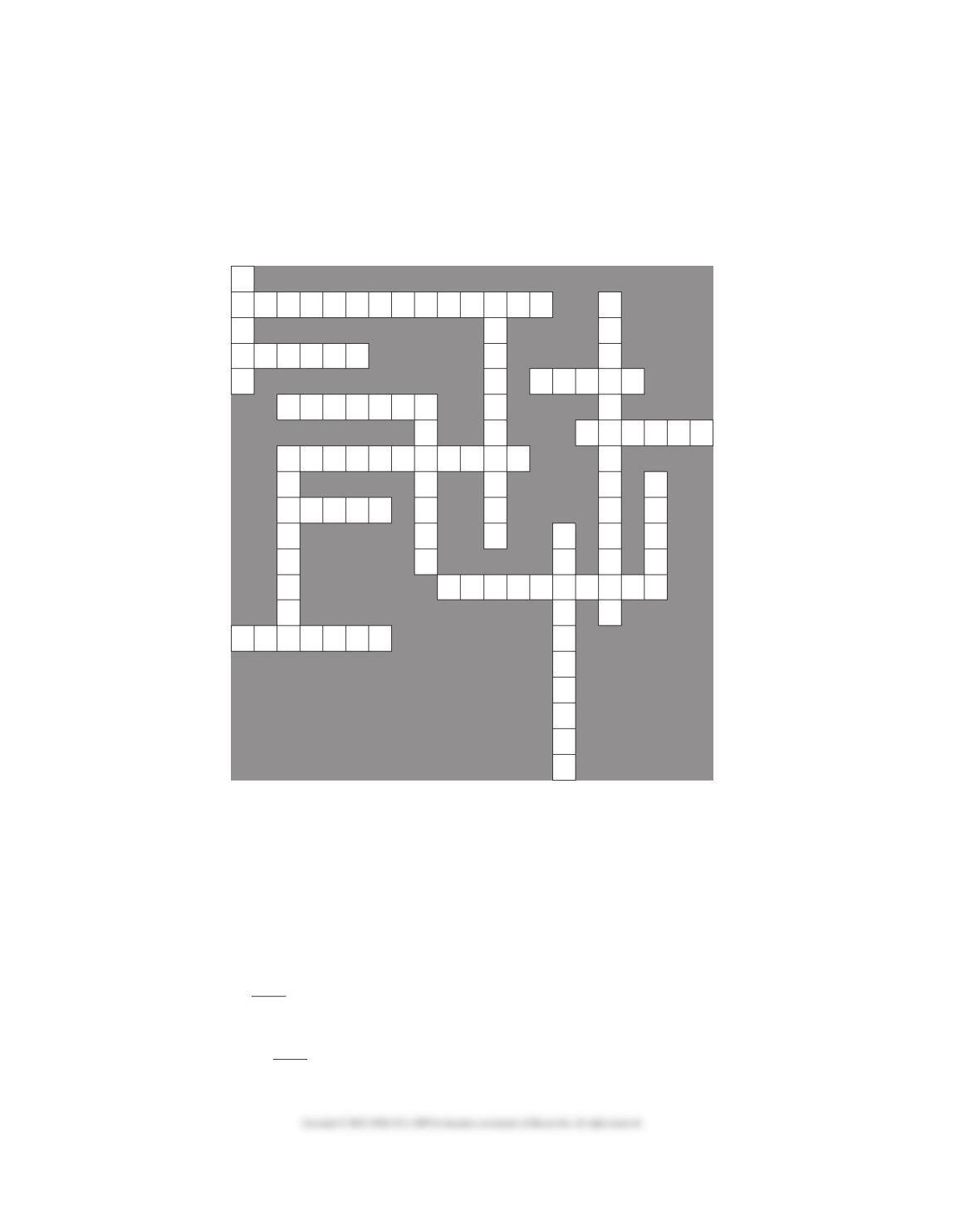
Fill in the crossword puzzle below using the clues listed underneath it.
Across Clues Down Clues
2. Record of lymph vessels after contrast is injected 1. Enzyme-linked immunosorbent assay (abbrev).
in the foot, and x-rays are taken to show the lymph. 3. An RNA virus that makes copies of itself by using
5. Organ near the stomach that produces, stores, the path of host cell’s DNA.
and eliminates blood cells. 4. Formation of lymph.
6. Hypersensitivity or allergic state with an 8. A state of abnormal hypersensitivity acquired
inherited predisposition. From a Greek word through exposure to particular allergen.
meaning “strangeness”. 10. Substance capable of causing specific
7. Malignant tumor of the thymus gland. hypersensitivity in the body; pollen, dust.
9. Tox/o means . 11. A poison; a protein produced by certain bacteria,
10. An exaggerated or unusual hypersensitivity to animals, and plants.
foreign protein or other substance. 13. A large phagocyte found in lymph nodes and other
12. Fluid found within lymphatic vessels. tissues of the body.
14. Immun/o means .
15. Masses of lymph tissue in the oropharynx.
1
2
5
3
8
6
9
11
13
14
12
15
10
4
7

Chapter 14 ■ PRACTICAL APPLICATIONS 373
Chapter Fourteen
PRACTICAL APPLICATIONS
Name: ______________________________
A. Case Report
This 48-year-old woman had an unexplained anemia with low-grade fever 4 years before her
death. Six months before, bronchopneumonia developed, followed by return of severe anemia and
continued pyrexia (fever). She was febrile (feverish), appeared pale, and had slight hepatomegaly
and splenomegaly. Lymph nodes were palpated in the axillary and inguinal areas, and ascites
developed. The chronic anemia did not respond to iron therapy. There was no evidence of blood loss
or hemolysis. Diagnosis of lymphoma was confirmed by autopsy.
1. What two organs were enlarged in
the patient? ………………………………….
A. Liver and lungs
B. Lungs and spleen
C. Liver and spleen
D. Spleen and bone marrow
2. Where were lymph nodes felt? ………….
A. Groin and armpit
B. Armpit and chest
C. Groin and abdomen
D. Abdomen and armpit
3. What is ascites?
………………………………………………….
A. Blockage of the intestine
B. Edema in the extremities
C. Collection of fluid in the chest
D. Collection of fluid in the abdomen
4. What was the probable cause of the
patient’s anemia? …………………………..
A. Chronic blood loss
B. Destruction of blood
C. Malignant tumor of lymph nodes
D. Iron deficiency

374 Chapter 14 ■ PRACTICAL APPLICATIONS
B. Symptoms of Hodgkin Lymphoma
The most common initial feature of Hodgkin lymphoma is painless, asymmetrical enlargement
of cervical lymph nodes. Symptoms may also originate from compression of neighboring structures
by growing tumor masses. For example, cough, dyspnea, dysphagia, and upper extremity edema
may result from a mediastinal mass impinging on the tracheobronchial tree, esophagus, or superior
vena cava. Edema of lower extremities and urinary or gastrointestinal disturbances may result from
retroperitoneal lymphatic involvement. Splenomegaly is present in about half the cases.
1. How do most patients present with
Hodgkin lymphoma? ………………………
A. Lymph nodes enlarged under the arm
B. Enlargement of the spleen
C. Compression of the trachea
D. Lymphadenopathy in the neck
2. How could upper extremity edema
occur? …………………………………………
A. Tumor pressing on the esophagus
B. Tumor blocking the main vein bringing
blood to the heart
C. Because of dysphagia
D. Because of dyspnea
3. What could cause bladder
problems? ……………………………………
A. Tumor behind the abdomen
B. Tumor pressing on the bronchial tubes
C. Enlargement of the spleen
D. Upper extremity edema
Chapter 14 ■ ANSWERS TO THE QUIZZES 375
Chapter Fourteen
ANSWERS TO THE QUIZZES
376 Chapter 14 ■ ANSWERS TO THE QUIZZES
Chapter 14 ■ ANSWERS TO THE QUIZZES 377
378 Chapter 14 ■ ANSWERS TO TERMINOLOGY SECTION
Chapter Fourteen
Answers to Terminology Section
(textbook pages 558–559)