Chapter 11
Multiple Choice
1. Which of the following is an example of a C response (in an ABCX model)?
a. The number of previous stressors
b. The meaning given to the stressor over time
c. The resources available after the crisis
d. The amount of disruptiveness caused by the stressor
2. In crises, families adjust differently. Whether an event becomes a crisis depends upon three of
the following factors. Which one is not as important?
a. The way the family defines the crisis and views it as a barrier to their goals
b. How long the couple has been married and if this marriage is a second one for either or
both
c. The family’s history with crises
d. How this event might influence role structure, flexibility, and resources in the family
3. Which of the following is not a factor in the model of family stress?
a. The size of the family
b. The stressor event
c. The family’s definition of the event
d. The family’s crisis meeting resources
4. What is the advantage of the Double ABCX Model over Hills’ earlier ABCX model?
a. It focuses on pre-crisis areas and how a family got into the crisis.
b. It provides for normative transitions through stages of crisis.
c. It includes post-crisis issues and how a family recovers over time.
d. It accounts for differences in families-of-origin when two quite opposite people form a
long-term relationship.
5. Some spouses whose partners are in nursing homes suffering from Alzheimer’s redefine their
couple relationship and describe themselves as:
a. Married widows
b. Old friends
c. Single
d. Separated
6. Bill mourned for Nellie for over a year. After his wife died, he didn’t seem to care to live.
Gradually he began to function in his old, sure ways. He decided to take a trip and later to sell
the farm and close out the house and part with furniture and mementos of forty-seven years.
These behaviors nonverbally signal that Bill has moved from one crisis stage to another. In which
stage is he when he moves away from “the old home?”
a. Shock
b. Recoil
c. Depression
d. Reorganization
7. Which statement best describes a life course perspective about unpredictable stresses?
a. Events that are very stressful occur according to a timetable in the life cycle.
b. Fewer changes occur with unpredictable stresses such as death or disabilities because
they cannot be prevented or outcomes changed.
c. Change depends upon the impact of the stressor upon the family and may delay or
accelerate developmental aspects in the lives of family members.
d. Change is conceptualized as systematic shifts through a sequence of stages.
8. According to recent research, stress is a multifaceted phenomenon with various levels of change
for coping. Which level is it when family members change their basic assumptions about life and
accept values and ideas they previously ignored or opposed?
a. Level I
b. Level II
c. Level III
d. Level IV
9. Which of the following is the best example of experiencing ambiguous loss?
a. Children of divorce are unsure when they’re going to get to see their noncustodial
parent
b. Spouses of Alzheimer’s patients who no longer remember them
c. Parents of children diagnosed with a life-threatening illness
d. Survivors of an accident where several people were killed
10. A particularly salient dialectical tension experienced by parents whose child has died is:
a. The decision to have more children or not
b. The decision to discuss it openly or grieve silently
c. The decision to grieve separately or together
d. The decision to stay married or divorce
11. After Jen learned that she was going to be fired from her job, she went through many stages of
crisis and coping. During the _______ stage, she was very angry at her boss and herself. She
found herself to get frustrated easily and be quite impatient during the day.
a. Shock
b. Recoil
c. Depression
d. Reorganization
12. A family’s ability to do well in the face of adversity is called _____.
a. Cohesion
b. Support
c. Resilience
d. Esteem
13. Which one of the following stages of family crisis is marked by blaming, anger, and bargaining?
a. Denial
b. Reorganization
c. Recoil
d. Depression
14. Xavier’s family just found out that his youngest sister has cancer. They have the finances to pay
for the treatment that will cure the cancer. Which component of the ABCX does this represent?
a. A
b. B
c. C
d. X
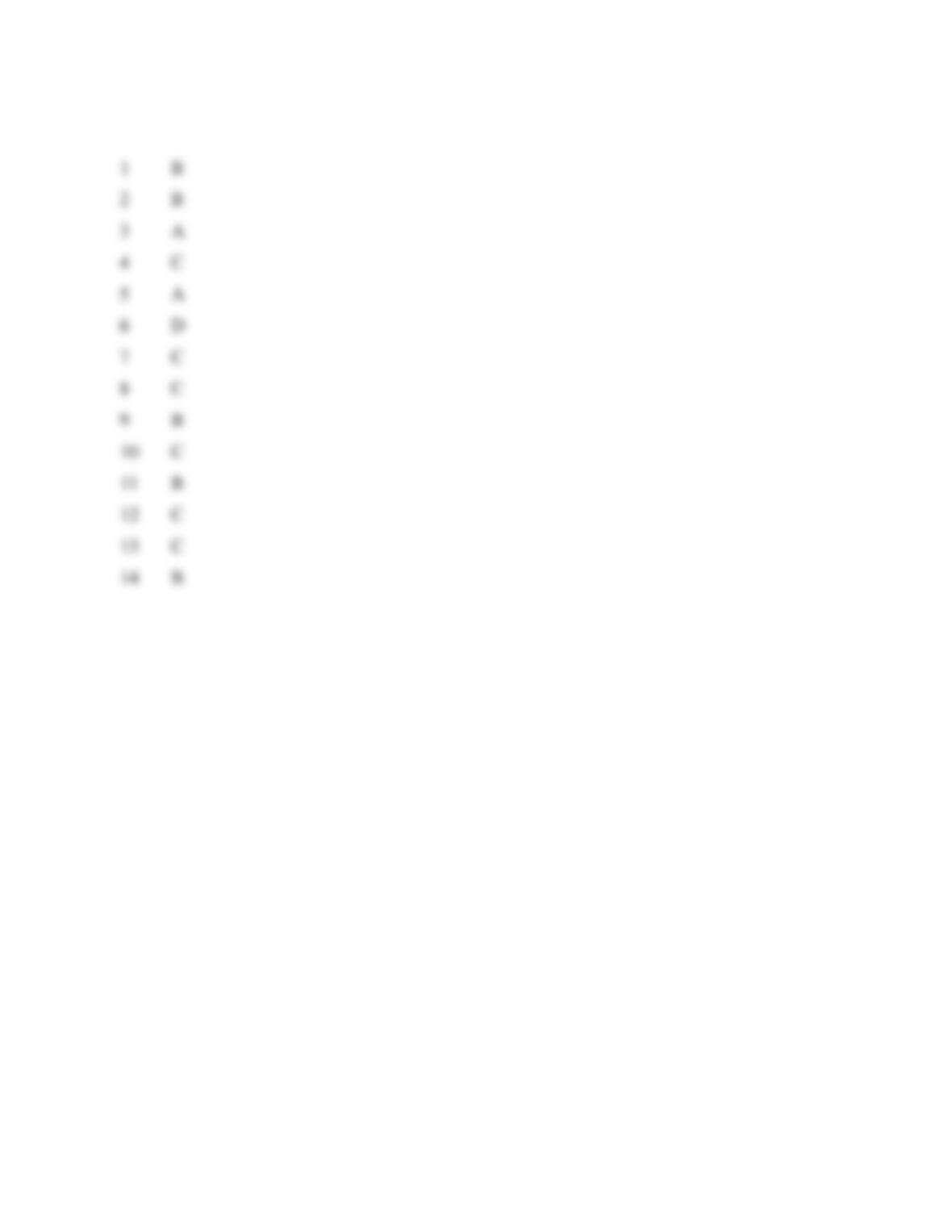
Answer Key
Quiz True False
1. The severity of stress depends, in part, upon the family’s resources and their interpretation of
the events surrounding the stressor event.
a. True
b. False
2. The accumulation of stressors affects most families in the same way.
a. True
b. False
3. Experience with crises becomes a resource when a family suffers again.
a. True
b. False
4. Maladaptation, an outcome of the family’s stress over time, refers to the positive outcomes of
managing the stress.
a. True
b. False
5. Resilient families are those that rely heavily on each other rather than community or religious
support systems.
a. True
b. False
6. Rituals for dealing with death may help family members through the grieving process.
a. True
b. False
7. Instead of dissolving a family system, divorce alters it.
a. True
b. False
8. In the ABCX model, A represents the crisis.
a. True
b. False
9. Soon after a crisis, a wise communication strategy is to get the affected members of the family
to refrain from retelling the experiences during the crisis.
a. True
b. False
10. A family member who is dying should be permitted, even encouraged, to talk about their dying
whenever he or she feels like doing so.
a. True
b. False
11. A crisis such as suicide or a drug arrest may force openness in some families and also create
closeness that did not previously exist.
a. True
b. False
12. “Conspiracies of silence” is a term pertaining to the taboo nature of discussing most crises such
as suicide or divorce.
a. True
b. False
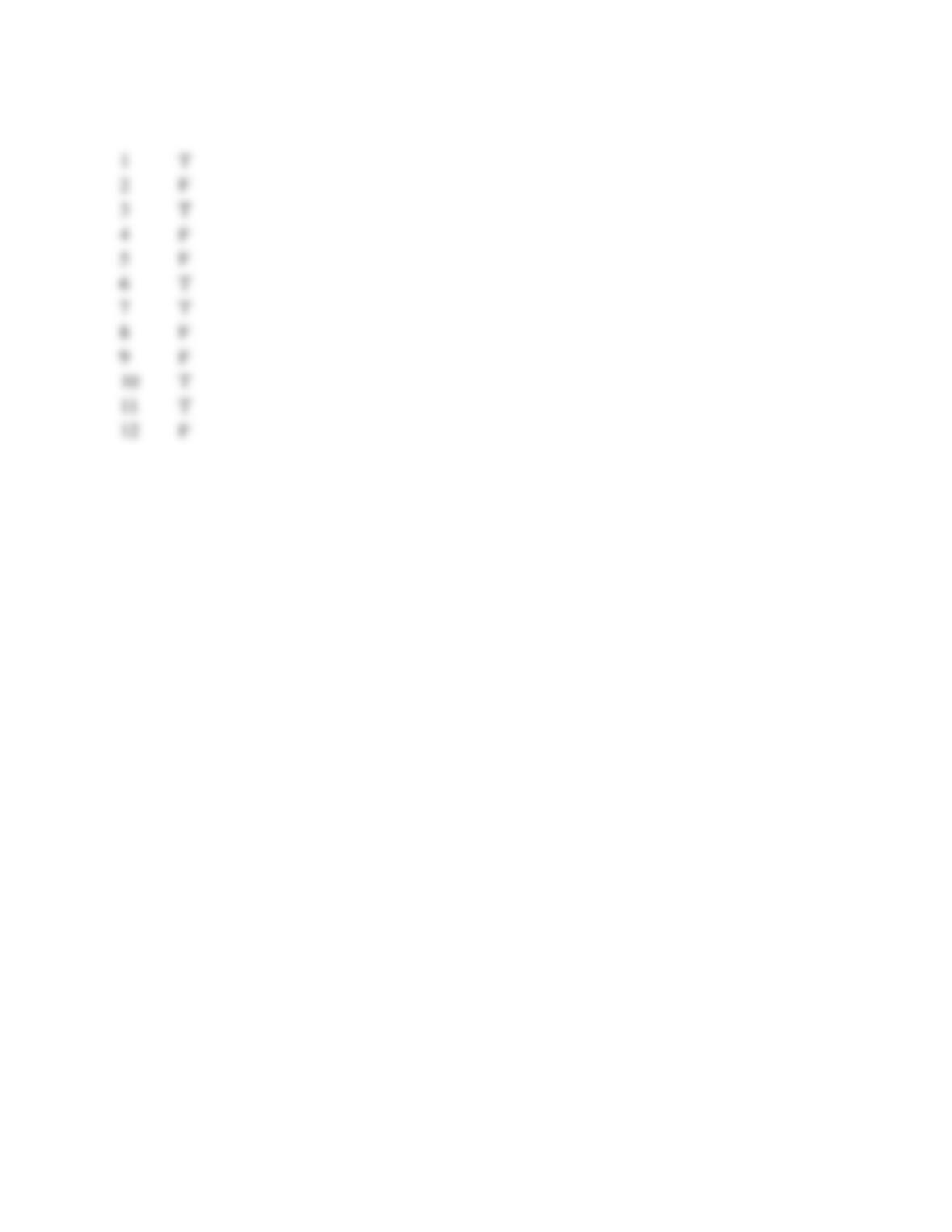
Answer Key
Chapter 11:
Describe the family stressor model using an example of a stressor that a real or fictional family faced.
How did the various parts of the model relate to each other? Is this a useful model to understand
unpredictable stress in families? Why?
Using a real or fictional family, briefly describe a severe stress that impacted one member and explain
how the family coped with the stress using the components of the Double ABCX model. Explain the
model components and then give examples from the real or fictional family. Did their coping strategies
lead to maladaptation or bondadaptation, and why do you think this is so. Support answers with course
concepts.
Describe ambiguous loss – be sure to include/explain the two key characteristics.
The ability to cope with stress (developmental or unpredictable) is related to the Circumplex Model –
cohesion, adaptability, and openness. Please explain this connection, including each of the three
variables in your discussion
Describe the Double ABCX Model. Then, provide a scenario, using all components of the model to
explain the stressful event, the reaction/behaviors, and the outcome. Explain why you believe the
family’s communication/behavior will lead to that outcome.