Page 1
1.
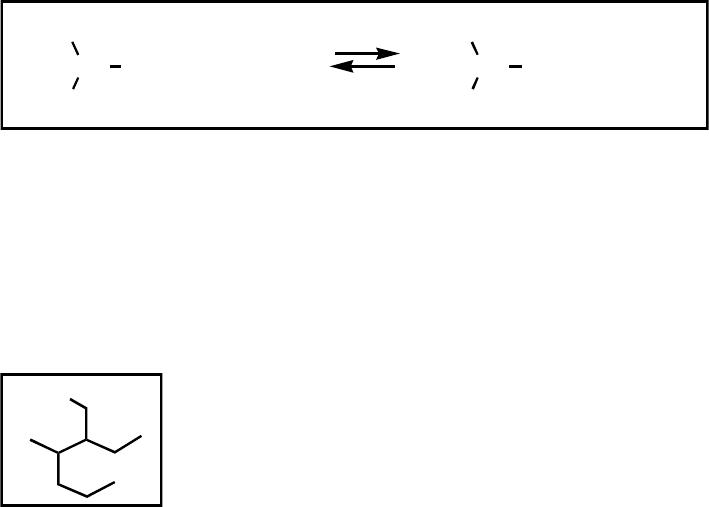
To which side, if any, would the following equilibrium lie?
H3C
CH
H3C
OH
H3C
CH
H3C
O– Na++ NaOH
+ H2O
A)
to the left
B)
to the right
C)
equally to the right and left
D)
There is no way to tell.
E)
This reaction cannot occur at all.
2.
What would be the name of the following compound?
HO
A)
3-hydroxymethyl-4-methylheptane
B)
2-sec-butyl-1-butanol
C)
2-ethyl-3-methyl-1-hexanol
D)
2-ethyl-3-propyl-1-butanol
E)
2-(sec-pentyl)-1-butanol
Page 2
3.
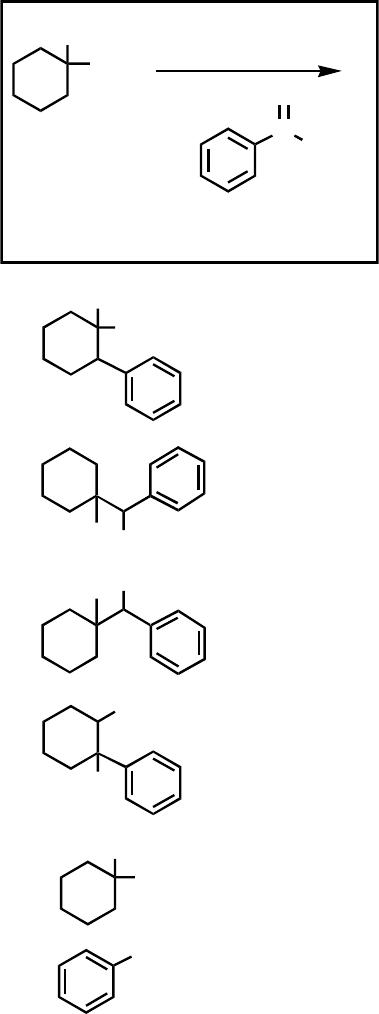
What would be the expected product(s) of the following reactions?
CH3
Br
C
O
H
?
1. Mg, ether
2.
3. H3O+
A)
CH3
OH
B)
OH
H3C
C)
CH3
HO
D)
CH3
HO
E)
CH3
H
CH2OH
+
Page 3
4.
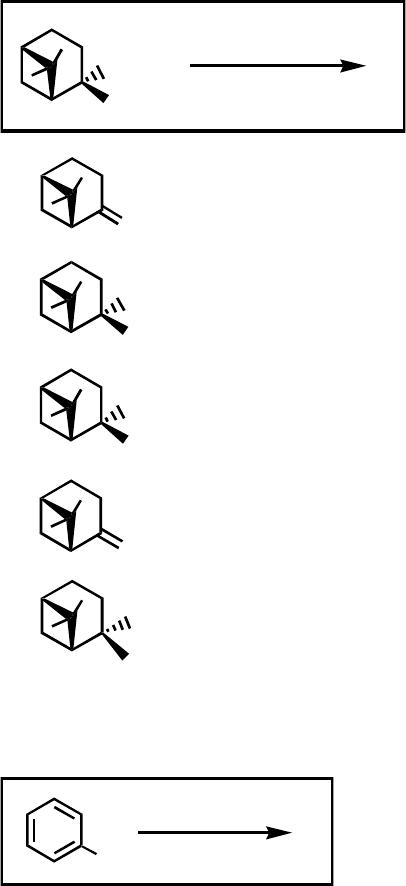
What would be the major organic product of the following reaction?
CH2OH
H?
K2Cr2O7
H2SO4, H2O
A)
CH2
B)
CHO
H
C)
CO2H
H
D)
O
E)
CH3
OH
5.
What would be the expected product(s) of the following reactions?
Br
?
1. Mg, ether
2. D2O
A)
C6H5OH
B)
C6H5D
C)
C6H5OD
D)
C6H6
E)
both A and C
Page 4
6.
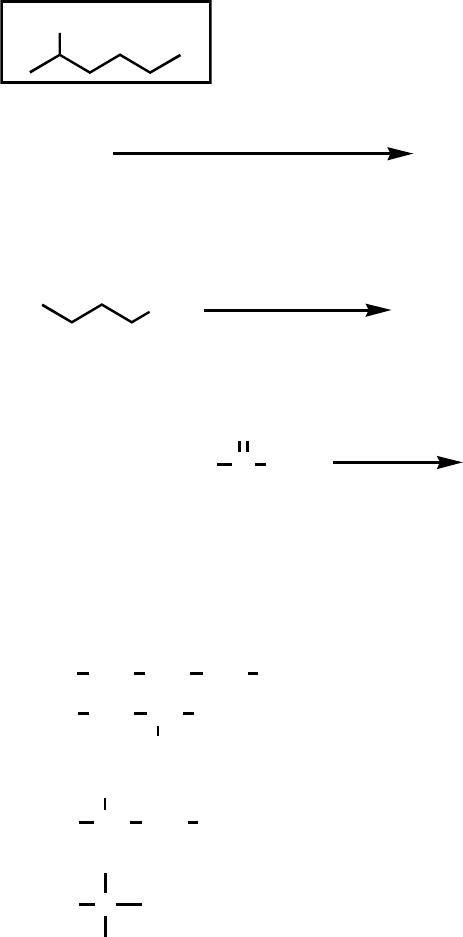
Which of the following reactions would produce the alcohol shown?
OH
A)
CH3I
1. Mg, ether
2. CH3CH2CH2CH2CHO
3. H3O+
?
B)
Br ?
1. Mg, ether
2. CH3CHO
3. H3O+
C)
CH3CH2CH2CH2C
O
CH3
NaBH4
CH3OH
?
D)
All of these.
E)
None of these.
7.
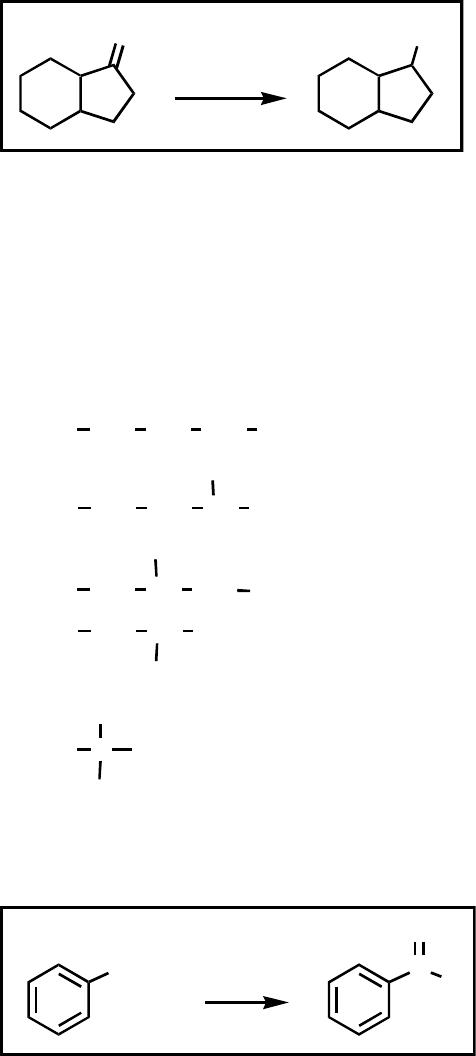
Which of the following would be the least miscible with (= least soluble in) water?
A)
H3CCH2CH2CH2OH
B)
CH3
H3CCH2CH OH
C)
CH3
H3CCH CH2OH
D)
CH3
CH3
H3C C OH
E)
All have equal water solubility.
Page 5
8.
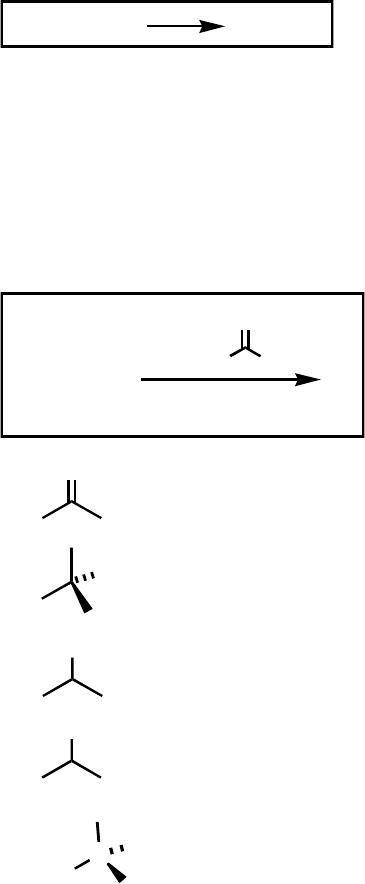
Which of the following reagents would accomplish the reaction shown?
OOH
?
A)
H2SO4, H2O
B)
H2CrO4
C)
O2 (slow)
D)
HO–, H2O
E)
None of the above.
9.
Which of the following five-carbon alcohols would you expect to be the most soluble in
water?
A)
CH3CH2CH2CH2CH2OH
B)
CH3CH2CH2CH CH3
OH
C)
CH3CH2CH CH2CH3
OH
D)
CH3CH2CH CH2OH
CH3
E)
CH3
CH3CCH2OH
CH3
10.
What reagent(s) would accomplish the following transformation?
CD2OH C
O
D
?
A)
Pyridinium chlorochromate
B)
LiAlD4 then H3O+
C)
H2CrO4
D)
Potassium dichromate
E)
H2SO4
Page 6
11.
Which statement about the preparation of Grignard reagents is not true?
RX + Mg RMgX
A)
The reaction must be done in an ether solvent.
B)
The reagent should be protected from air.
C)
Methyl, primary, secondary, tertiary and aryl halides may be used.
D)
Rearrangement may accompany Grignard formation.
E)
The halogen may be chloride, bromide, or iodide.
12.
Predict the product of the following reaction:
CH3MgBr
1)
2) H3O+
?
H3C H
O
A)
O
B)
OH
C)
OCH3
D)
OH
E)
CH3
C
H3C
CH3
CH3
13.
Grignard reagents are prepared in ether solvents because:
A)
THF and diethyl ether will dissolve the Mg metal.
B)
Ether solvents stabilize the Grignard reagent by coordination to the
organomagnesium.
C)
Ether solvents stabilize magnesium metal by forming a covalent bond.
D)
Ethers have many acidic protons.
E)
Ether solvents keep water away from the reaction.
Page 7
14.
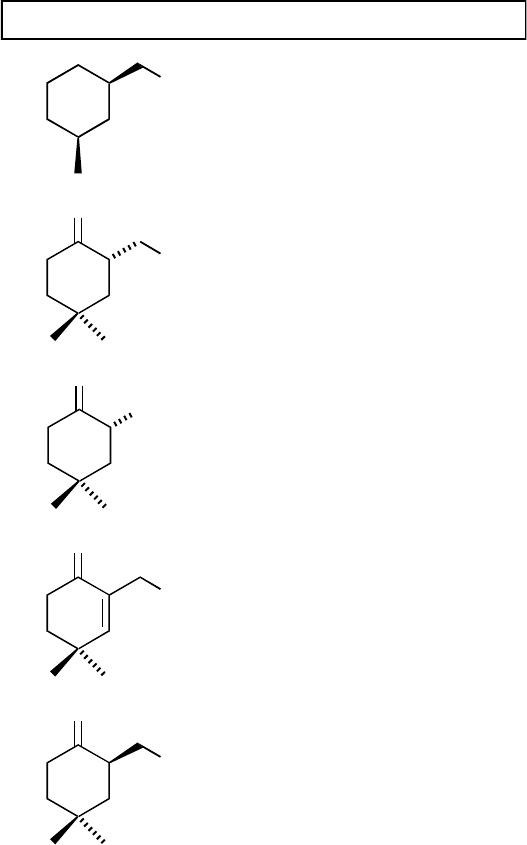
Which is the correct structure for the following IUPAC name?
(2S) – 2-(hydroxymethyl)-4,4-dimethylcyclohexanone
A)
OH
B)
O
OH
C)
O
OH
D)
O
OH
E)
O
OH
Page 8
15.
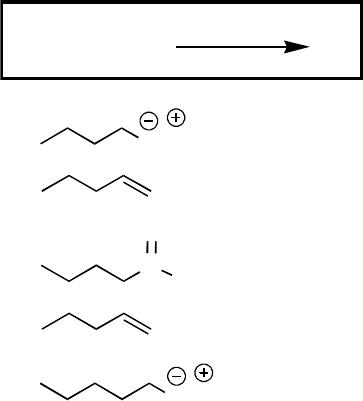
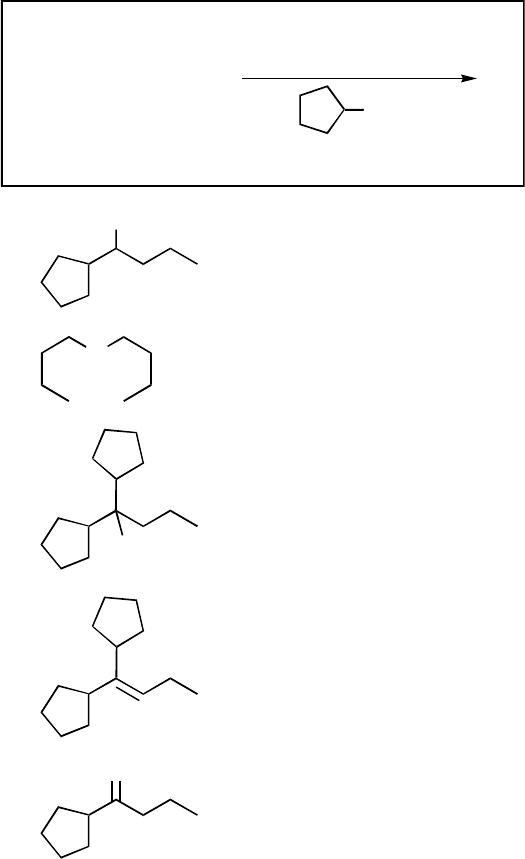
What is the major product of the following reaction?
1-pentanol CH3Li ?
A)
OLi
B)
C)
CH
O
D)
E)
OLi
Page 9
16.
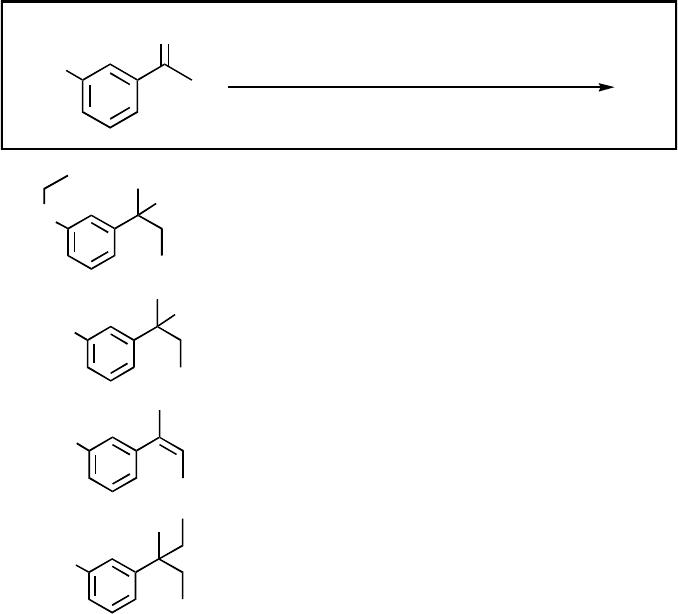
What is the expected product of the following reaction?
Li
CH3CH2CH2CH2Cl
1. HO– , H2O
2. PCC, CH
2Cl2
3. , Et2O
4. H3O+
?
A)
OH
B)
O
C)
OH
D)
E)
O
Page 10
17.
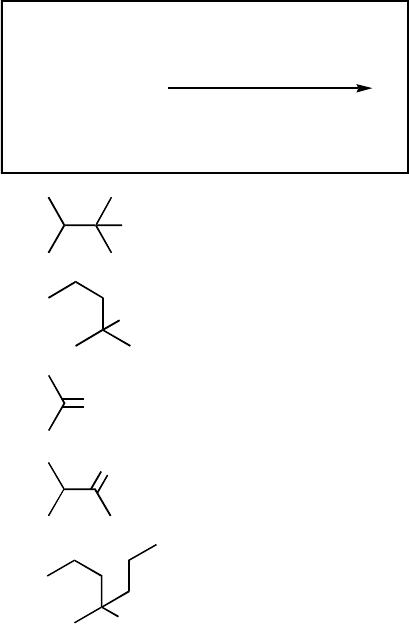
What is the major product of the following reaction?
HO
O1) CH3CH 2MgBr (1 equiv.) / THF
2) H3O+?
A)
OOH
B)
HO OH
C)
HO
D)
HO
E)
No net reaction occurs.
Page 11
18.
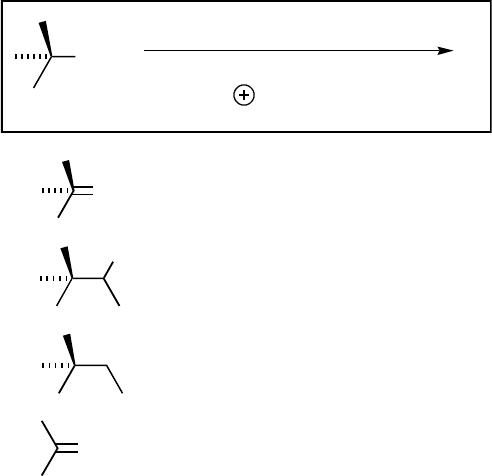
What is the major product of the following reaction?
1) Br2 / light
2) Mg / THF
3) acetone
4) H3O+
CH3CH2CH3?
A)
OH
B)
OH
C)
O
D)
O
E)
OH
Page 12
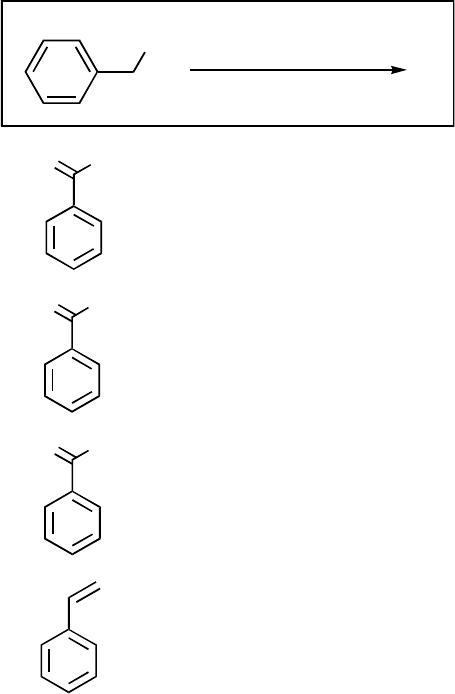
19.
What is the major product of the following reaction?
OH 1) PCC
2) CH3CH2MgBr (1 equiv.)
3) H3O
?
A)
O
B)
OH
C)
D)
O
E)
No net reaction occurs.
Page 13
20.
What is the major product of the following reaction?
PCC / CH2Cl2
OH
?
A)
OHO
B)
OCH3
O
C)
HO
D)
E)
No reaction occurs.
21.
Ingestion of which of the following toxic alcohols can cause blindness?
A)
CH3OH
B)
CH3CH2OH
C)
(CH3)2CHOH
D)
C6H5OH
E)
HOCH2CH2OH
Page 14
22.
Which reagents would accomplish the following reaction?
OOD
H
?
A)
1. LiAlD4
2. D2O
B)
1. LiAlD4
2. H2O
C)
1. LiAlH4
2. H2O
D)
1. LiAlH4
2. D2O
E)
1. NaBD4, CH3OH
2. D2O
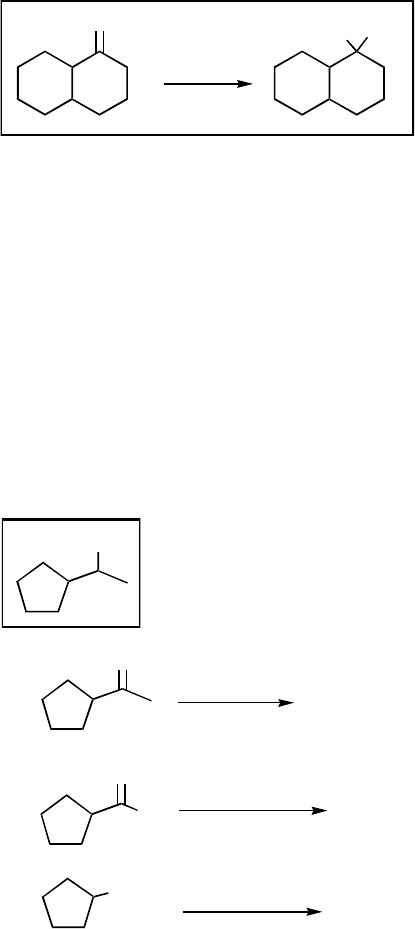
23.
Which of the following reactions would produce the alcohol shown below?
OH
A)
O
?
NaBH4
CH3OH
B)
H
O
?
1. CH3MgBr
2. H2O
C)
MgBr ?
1. CH3CHO
2. H2O
D)
All of the above.
E)
Two of the above.
Page 15
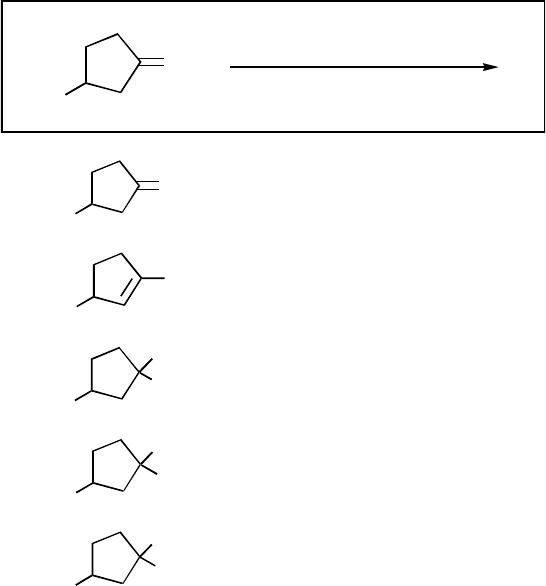
24.
What is the major product of the following reaction?
O
HO
1) PhMgCl (1 equiv.)
2) H2O?
A)
O
HO
B)
HO
Ph
C)
HO
OH
Me
D)
HO
Ph
OH
E)
HO
Ph
Ph
Page 16
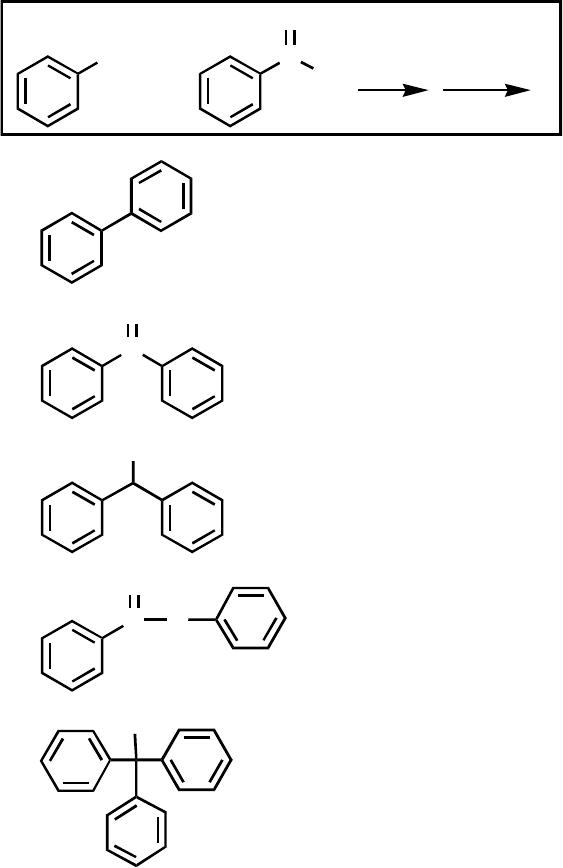
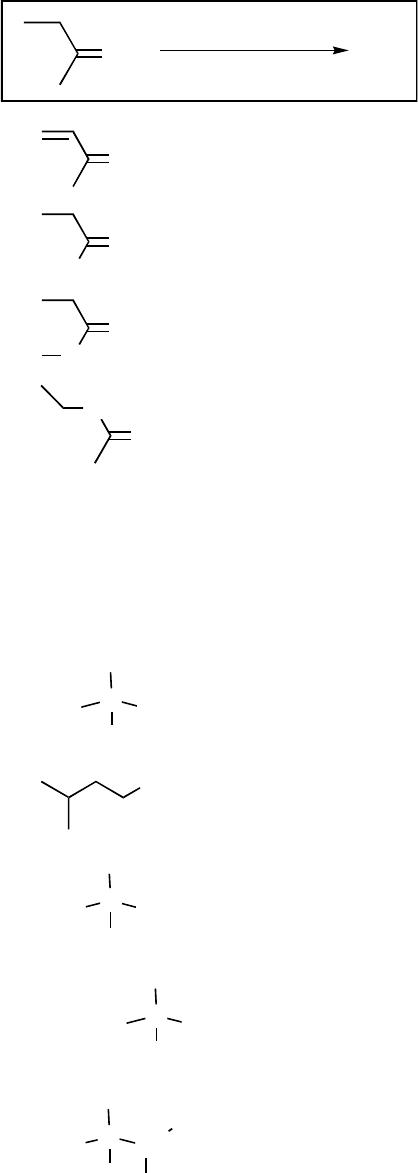
25.
What would be the expected organic product of the following reaction?
+H2O?
Li CH
O
A)
B)
C
O
C)
OH
D)
C
O
O
E)
OH
Page 17
26.
Predict the major product of the following reaction:
OPCC / CH2Cl2?
A)
O
B)
HO O
C)
OO
D)
OO
E)
No reaction occurs.
27.
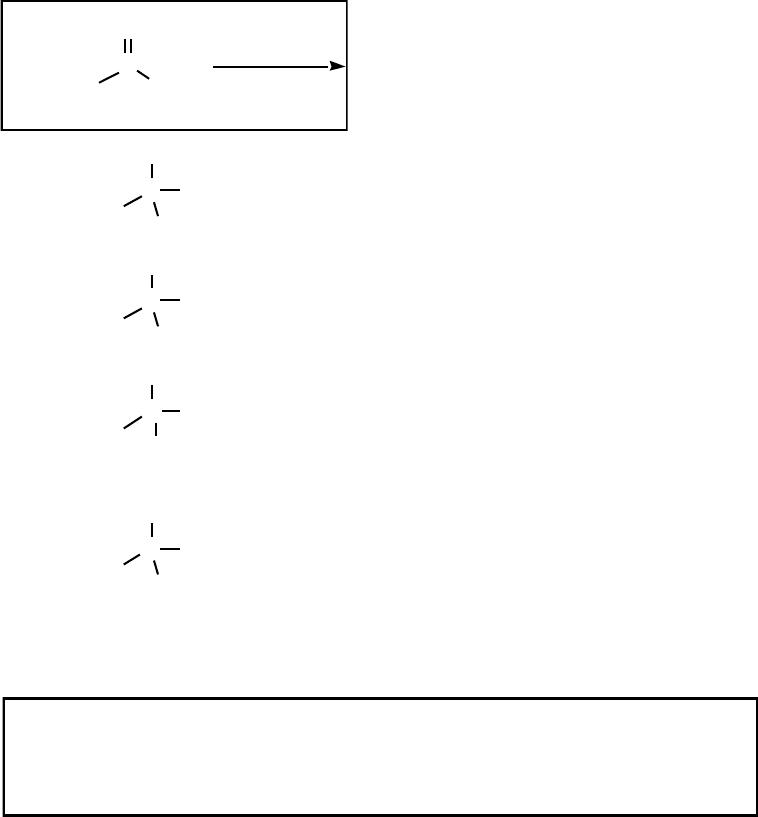
Which alcohol could be prepared by the greatest number of different combinations of
Grignard reagents and carbonyl compounds (aldehydes, ketones, and/or esters)? (No
multi-step reactions are intended here.)
A)
CH3CCH2CH3
CH2CH3
OH
B)
OH
C)
H3CCCH3
H
OH
D)
CH3CH2CCH2CH3
CH2CH3
OH
E)
H3CCCH
H
OH CH3
CH3
Page 18
28.
What would be the expected product for the following reaction?
C
O
CH3CH2CH3
1. LiAlD4
ether
2. H2O
A)
C
OD
CH3CH2CH3
D
B)
C
OH
CH3CH2CH3
D
C)
C
OD
CH3CH2CH3
H
D)
CH3CH2CD2CH3
E)
C
OH
CH3CH2CH3
H
29.
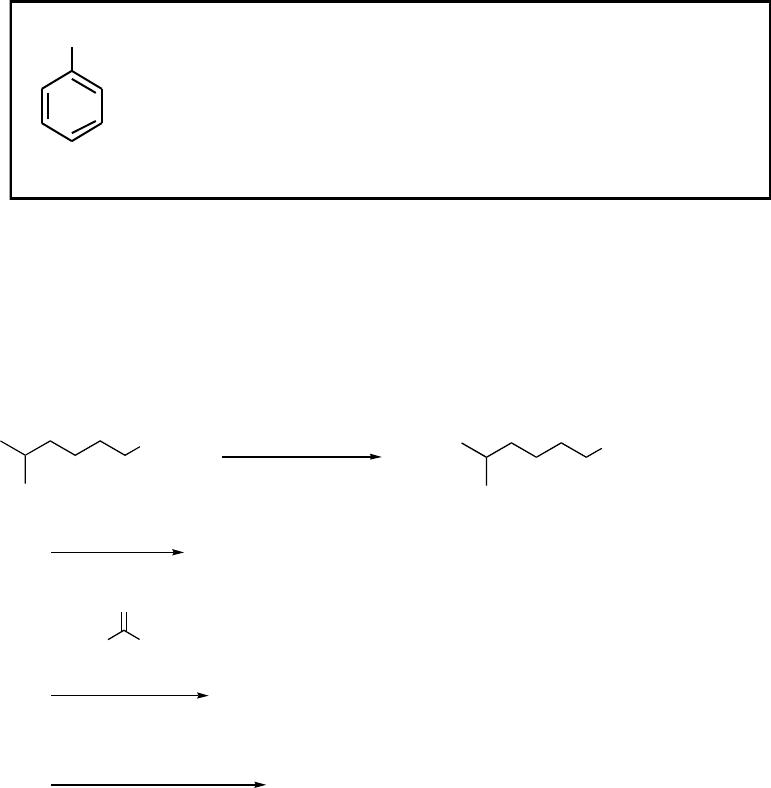
Rank the following alcohols in order of decreasing acidity in solution.
CH3OH CH3CH2OH (CH3)2CHOH (CH3)3COH
12 3 4
A)
1 > 2 > 3 > 4
B)
2 > 1 > 3 > 4
C)
4 > 3 > 2 > 1
D)
4 > 3 > 1 > 2
E)
1 > 3 > 2 > 4
Page 19
30.
Rank the following organic compounds in order of increasing acidity.
OH
CH3CH2OH ClCH2CH2OH CF3CH2OH
1234
A)
1 < 4 < 3 < 2
B)
1 < 3 < 4 < 2
C)
2 < 1 < 3 < 4
D)
2 < 3 < 4 < 1
E)
1 < 4 < 2 < 3
31.
Which of these reagents will best accomplish the transformation below?
Br OH
A)
NaOH, H2O
B)
KOC(CH3)3
HOC(CH3)3
C)
O
H3C ONa
DMF, 80 °C
1)
2) NaOH, H2O
D)
1) LiAlH4, (CH3CH2)2O
2) H3O+, H2O
E)
None of the above.
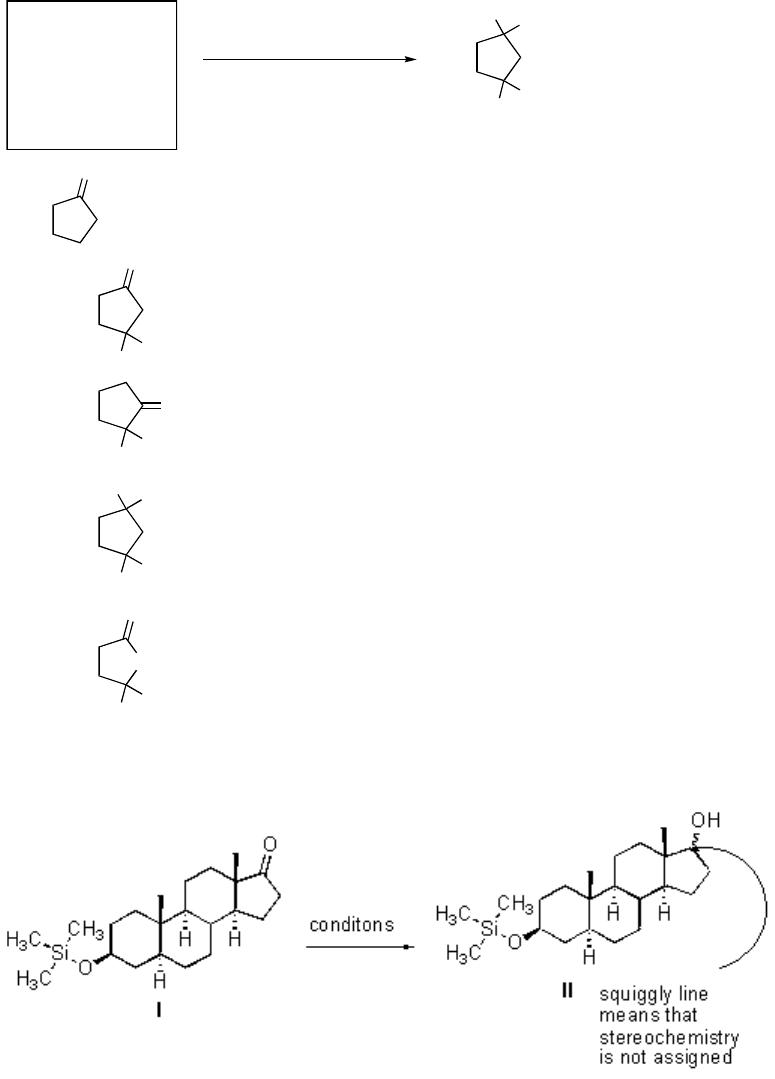
32.
For this series of alcohols, which one will have an equilibria that lies the furthest to the
right in a basic solution?
CH3OH FCH2OH ClCH2OH BrCH2OH
A)
CH3OH
B)
FCH2OH
C)
ClCH2OH
D)
BrCH2OH
E)
All equilibria will be the same.
Page 20
33.
For the transformations below, what is the structure of the starting material?
HOH
CH2CH3
H3CH2C
1) LiAlH4, (CH3CH2)2O
2) H3O+, H2O
?
A)
O
B)
CH2CH3
H3CH2C
O
C)
CH2CH3
H3CH2C
O
D)
HOH
CH2CH3
H3CH2C
E)
O
CH2CH3
H3CH2C
O
34.
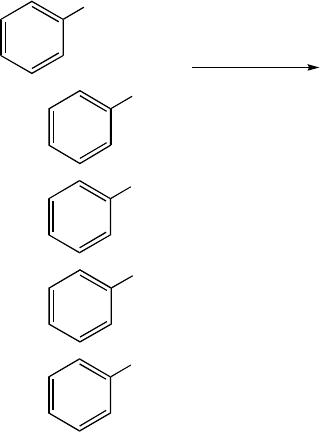
Choose the reagents to make the conversion from I to II.
A)
NaH
B)
LiAlD4
C)
NaBH4
D)
H3O+
E)
All of the above.
Page 21
35.
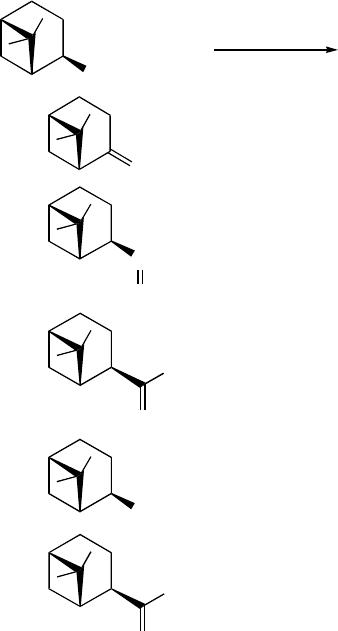
What is the product of the following reaction?
Br 1) Mg, Et2O
2) D2O
A)
OH
B)
H
C)
OEt
D)
D
E)
None of the above.
Page 22
36.
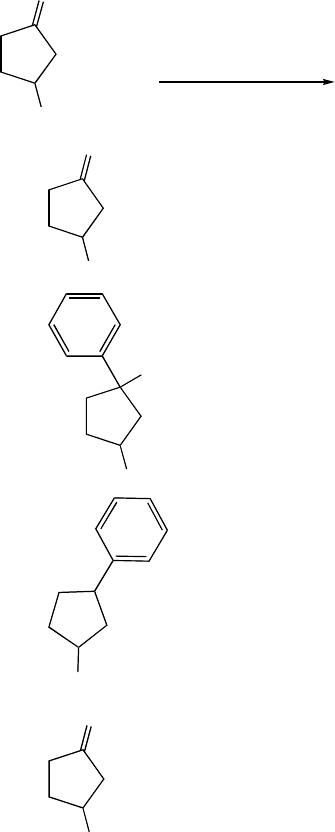
What is the product of the following reaction?
CH2OH
K2Cr2O7
H2SO4, H2O
A)
O
B)
COH
O
C)
O
H
D)
CH3
E)
O
CH3
Page 23
37.
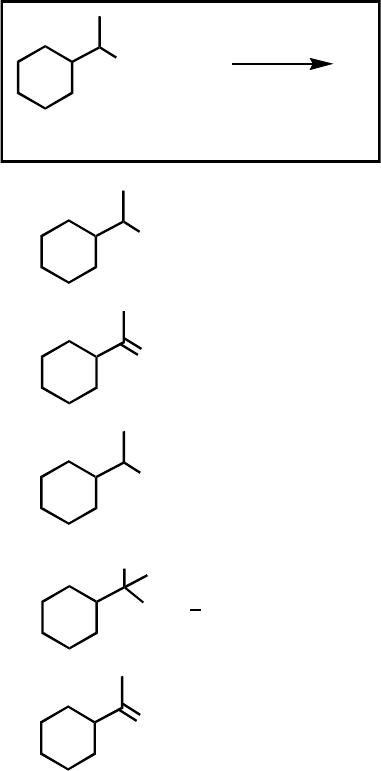
What is the product of the following reaction?
O
OH
1) PhMgCl (1 equiv)
2) H3O+
A)
O
OMgCl
B)
OMgCl
OH
C)
OMgCl
D)
O
OH
E)
All of the above are the end products of this reaction.
Page 24
38.
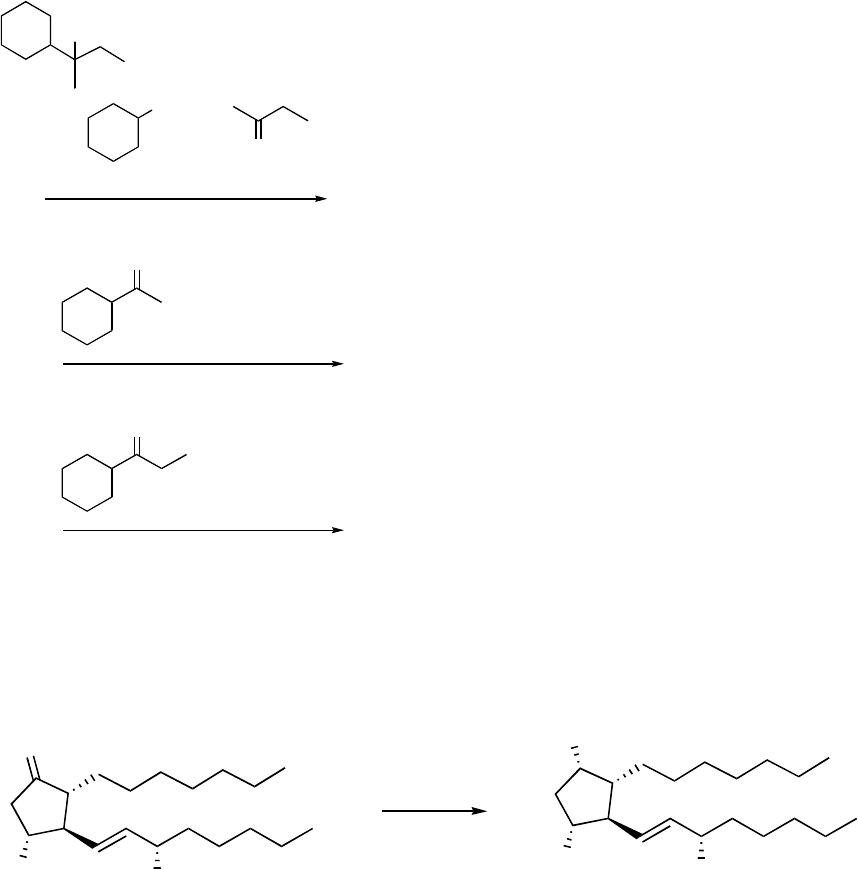
What would be the major organic product expected from the following reaction?
CH2OH PCC ?
(PCC = CrClO
3– R3NH+)
A)
CO2H
B)
O
C)
CHO
D)
H3C
CH2
OH
OH
E)
CH2
Page 25
39.
Which of these reactions will give the product shown?
OH
A)
MgBr
O
+
1)
2) H+, H2O
B)
O
+ CH3CH2MgBr
2) H+, H2O
1)
C)
O
+ CH3MgBr
2) H+, H2O
1)
D)
A and B are correct.
E)
All of the above will give the product.
40.
Identify the reagent that you would use to go from PGE1 to PGE1?
O
HO OH
PGE1
HO OH
HO
PGE1a
?
A)
CrO3-2pyridine
B)
NaH
C)
NaBH4
D)
H2O
E)
H2SO4
Page 26
Answer Key