Page 1
1.
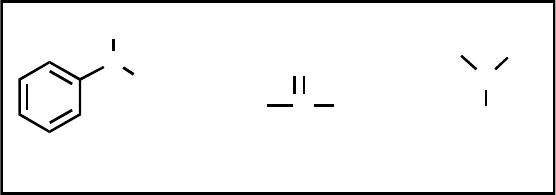
Rank the following in order of decreasing basicity (most basic on left):
H3C
N
CH3
CH3
H3C
N
CH3
CH3C
O
NH2
ZYX
A)
Z > X > Y
B)
Y > X > Z
C)
Z > Y > X
D)
X > Z > Y
E)
X > Y > Z
Page 2
2.
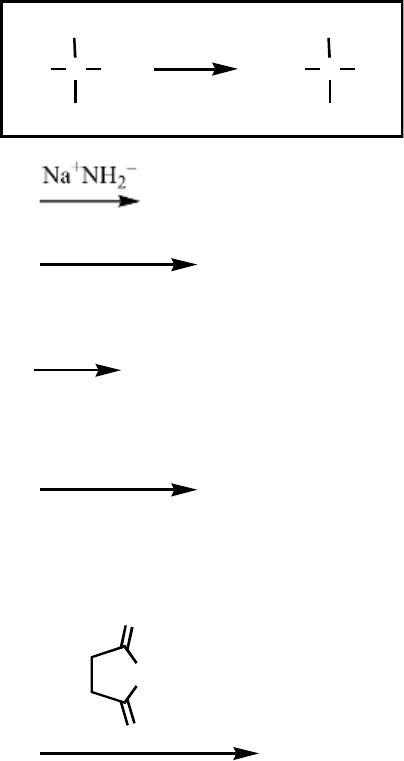
Which of the following sets of reagents would accomplish the reaction shown below?
CH3
C
CH3
H3CBr
CH3
C
CH3
H3CNH2
?
A)
B)
1. Na+ –CN
2. LiAlH4
3. H2O
C)
NH3
D)
1. Mg, ether
2. CO2
3. H3O+
4. SOCl2, ?
5. NH3
6. Br2, NaOH
E)
N
O
O
– Na+
1.
2. H2SO4, H2O, ?
Page 3
3.
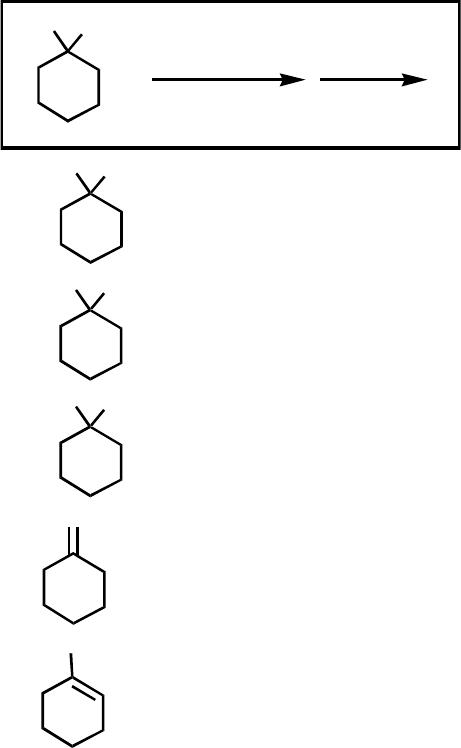
Which of the following products would you expect to result from the following
reactions?
H3CNH2
?
Ag2O
H2O
heat
CH3I (xs)
K2CO3
heat
A)
H3CNH(CH3)
B)
H3CN(CH3)2
C)
H3CN(CH3)3
D)
CH2
E)
H3C
Page 4
4.
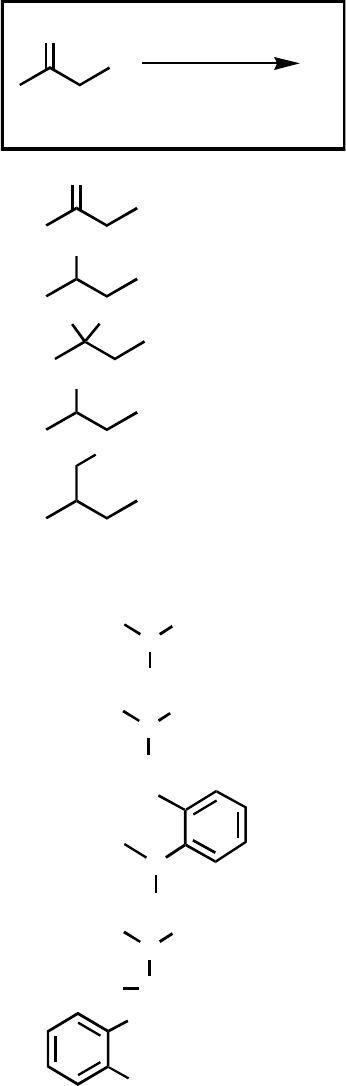
What product would result from the following reaction?
O?
NH3, H2O
NaBH3CN
pH 2-3
A)
NH
B)
OH
C)
HO CN
D)
NH2
E)
NH2
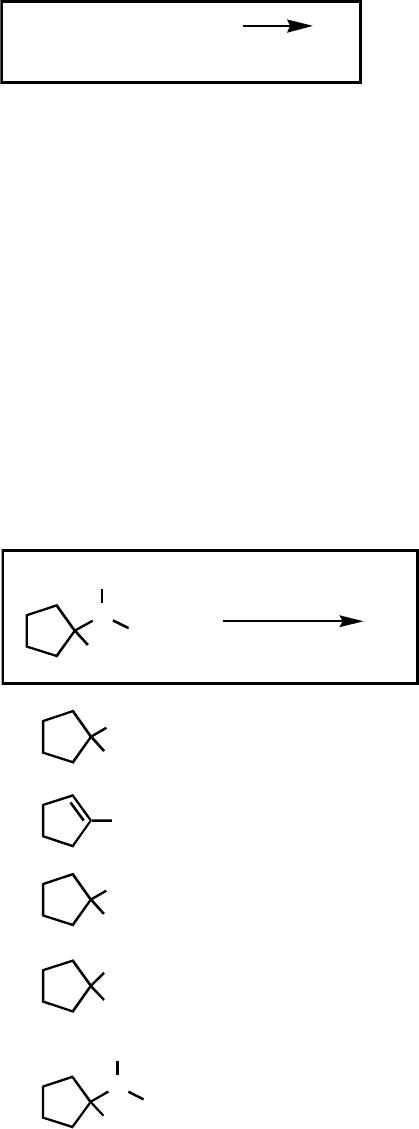
5.
Which of the following represents N-ethyl-2-phenylethylamine?
A)
CH3CH2NH
CH2CH2Ph
B)
CH3CH2NPh
CH2CH3
C)
CH3CH2N
H
CH3CH2
D)
CH3CH2NH
CHCH3
Ph
E)
NH2
CH2CH3
Page 5
6.
What would be formed in the following reaction?
?NH3 + CH3I
1 mole 1 mole
A)
CH3NH2
B)
(CH3)2NH
C)
(CH3)3N
D)
None of these.
E)
All of these.
7.
N-nitrosoamines (called nitrosamines) have what outstanding characteristic?
A)
An intense fishy odor
B)
Tend to be carcinogenic
C)
Ammonia-like odor
D)
Easily rearrange
E)
Have acidic N-H hydrogens
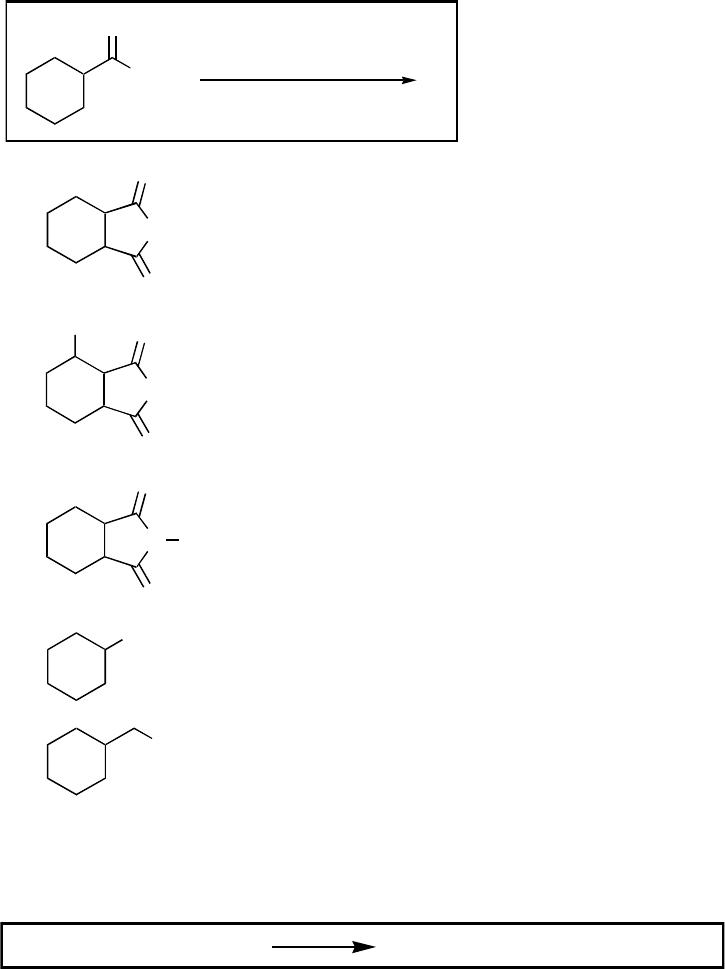
8.
What is the result of the reaction shown?
CH3
N
H
CH3
NaNO2
HCl ?
A)
CH3
NO2
B)
CH3
C)
CH3
NO
D)
CH3
OH
E)
CH3
N
NO
CH3
Page 6
9.
Predict the major organic product of the following reaction.
NH2
O
Br2 / KOH / H
2O?
A)
N
O
O
B)
N
O
O
Br
C)
N
O
O
Br
D)
NH2
E)
NH2
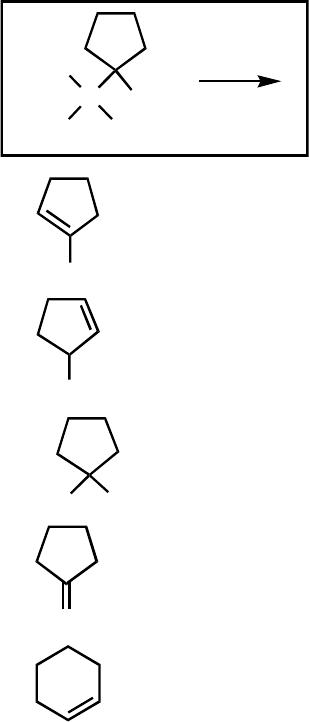
10.
What by-product(s) would you expect to contaminate methyl amine prepared by the
following reaction?
2 NH3 + CH
3ICH3NH2 + NH
4+ I–
A)
(CH3)2NH
B)
(CH3)3N
C)
(CH3)4N+ I–
D)
All of the above.
E)
None of the above.
Page 7
11.
Which of the following is not limited to the synthesis of primary amines (R-NH2 or
Ar–NH2) (i.e., which, if any, can be used to make 2° or 3° amines)?
A)
Gabriel synthesis
B)
Reduction of amides with LAH
C)
Hofmann rearrangement
D)
Reduction of nitriles with LAH
E)
Reduction of nitro groups with Fe/HCl
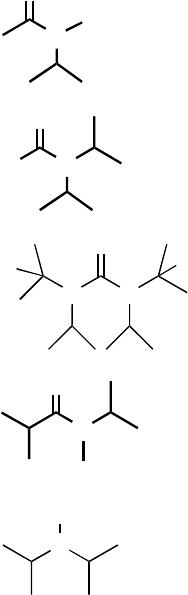
12.
What product would result from the Hofmann elimination of the following quaternary
ammonium hydroxide?
CH3
N
H3C
CH3CH3
?
+
–OH
heat
A)
CH3
B)
CH3
C)
CH3
H2N
D)
CH2
E)
Page 8
13.
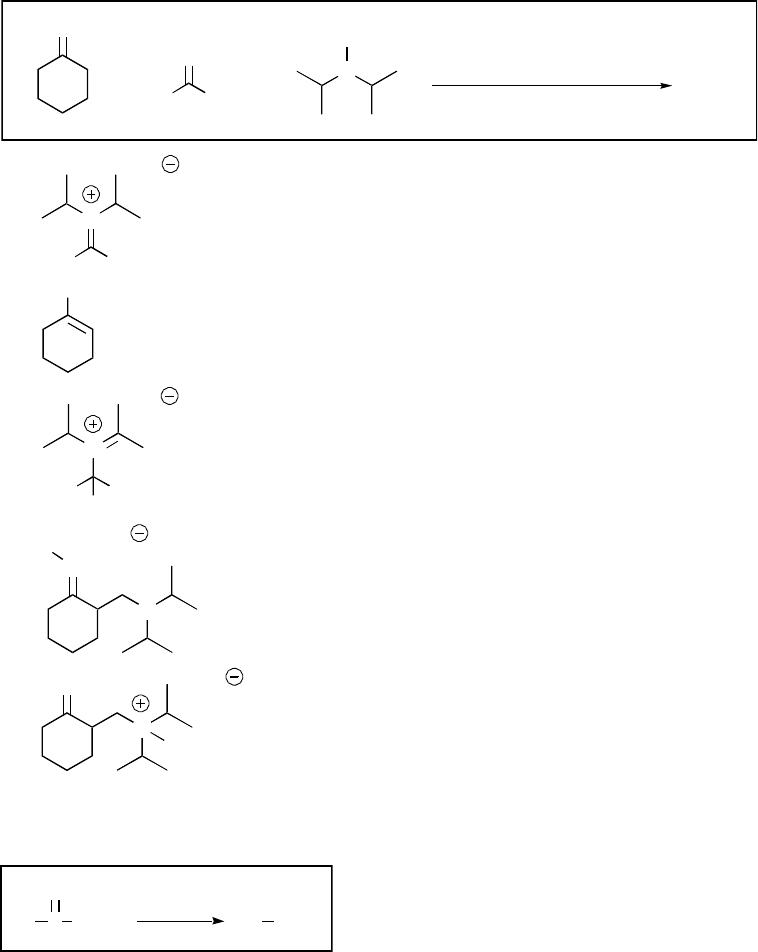
What is the structure of lithium diisopropylamide (LDA)?
A)
N
OLi
B)
Li N
O
C)
N N
OLi
Li
D)
N
O
Li
E)
N
Li
Page 9
14.
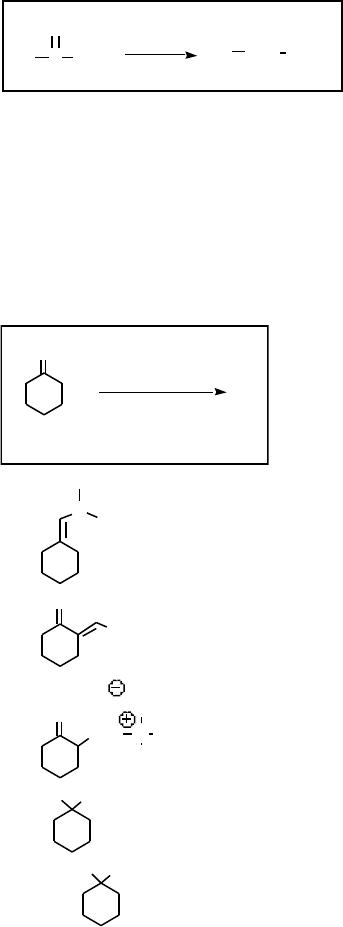
Which of the following is not formed as either an intermediate along the reaction
pathway or as a final product for the Mannich reaction shown below?
O
H H
ON
H
++ HCl / EtOH / Heat ?
A)
H H
N
Cl
B)
OH
C)
H H
N
H
Cl
D)
O
N
HCl
+
E)
O
NH
Cl
15.
What process accomplishes the following transformation?
R C
O
NH2?R NH2
A)
Gabriel synthesis
B)
Hofmann rearrangement
C)
Reductive amination
D)
Mannich reaction
E)
Hofmann elimination
Page 10
16.
What reagent(s) would accomplish the following?
R C
O
NH2RCH2NH2
?
A)
Br2, NaOH, H2O
B)
1. LiAlH4 2. H2O
C)
1. CH3I, heat 2. Ag2O, heat
D)
P2O5
E)
excess NH3
17.
What major product would you expect from the reaction shown?
OCH2=O
(CH3)2NH
HCl
?
A)
N
CH3
CH3
B)
O
N(CH3)2
C)
OCH2N
H
CH3
CH3
Cl
D)
HO N(CH3)2
E)
HOH2C N(CH3)2

Page 11
18.
Which of the molecules below is the strongest base?
A)
(CH3)2NH
B)
CH3O
C)
(CH2)2N
D)
Cl
E)
HO
19.
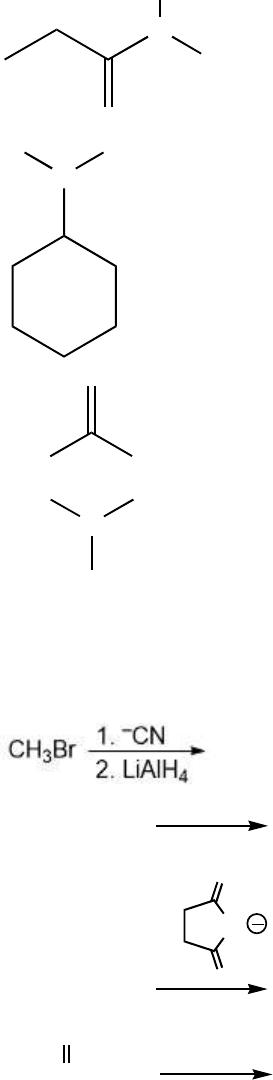
Which of the following structures is a secondary amine?
A)
H3C NH2
CH3
B)
NH
H3C
C)
N
CH3
H3C
D)
NH2
E)
NH2
Page 12
20.
Absorptions at 3358 cm-1 and 3283 cm-1 in the IR spectrum would suggest which of the
following compounds?
A)
N
CH3
O
H
B)
N
HH
C)
H3C OH
O
D)
H3C
N
CH3
CH3
E)
cannot tell from the absorption data
21.
Which of the following reactions can be used to prepare ethylamine?
A)
B)
CH3CH2Br 1) N3
2) LAH
C)
CH3CH2Br 1)
2) NH2NH2
N
O
O
D)
CH2-C-NH2
OLAH
E)
All of the above.
Page 13
Answer Key