106. An increase in government expenditures by $100 (unmatched by an increase in taxes) would, if the
MPC = 0.90, result in an increase in real GDP by:
a.
$1,000.
b.
$9,000.
c.
$900.
d.
$190.
e.
inadequate information is given.
107. The equation for the spending multiplier is:
a.
1 / (1 − MPC).
b.
1 − MPC.
c.
1 − (MPC − MPS).
d.
MPC/MPS.
e.
none of these.
108. Assume that an economy’s real GDP multiplier is 4. If this economy is in equilibrium at $2,000 billion,
then which one of the following actions will bring it to a full employment equilibrium of $1,500
billion?
a.
$500 billion spending cut.
b.
$500 billion spending increase.
c.
$125 billion spending cut.
d.
$125 billion spending increase.
e.
$2,000 billion spending cut.
109. Assume that an economy’s real GDP multiplier is 2 and that this economy is in equilibrium at $500
billion. If the government wants to move this economy to full-employment at $600 billion, while
maintaining a balanced budget, it must choose which of the following options?
a.
Increase government spending and taxes by $100 billion
b.
Decrease government spending and taxes by $100 billion
c.
Increase government spending and taxes by $200 billion
d.
Decrease government spending and taxes by $200 billion
110. Given full-employment output = $2,800, equilibrium output = $2,500, and MPS = 0.25, which of the
following changes would most likely bring the economy to a full-employment level of national output?
a.
$300 decrease in taxes.
b.
$75 increase in government spending.
c.
$75 decrease in taxes.
d.
$300 increase in government spending.
e.
$75 decrease in government spending.
111. If MPC = 0.80, how much should government spending change to increase real GDP by $500?
a.
−100.
b.
+80.
c.
−80.
d.
+500.
e.
+100.
112. If MPC = 0.9, equilibrium real GDP is $1,000, and full-employment real GDP is $2,000, then how
much should government spending change to bring about full employment?
a.
+1,000.
b.
−100.
c.
+900.
d.
+100.
e.
−0.9.
113. Within the framework of the Keynesian Cross model, if an economy is operating at a real GDP less
than full-employment real GDP:
a.
a recessionary gap exists
c.
aggregate expenditures will rise
b.
an inflationary gap exists
d.
the general level of prices will rise
114. A recessionary gap is the amount by which aggregate expenditures ____ the amount required to
achieve full-employment equilibrium GDP.
a.
exceed
c.
fall short of
b.
equal
d.
are greater than
115. Using the aggregate expenditure-output model, assume the aggregate expenditures (AE) line is below
the 45-degree line at full-employment GDP. This vertical distance is called a(n):
a.
inflationary gap.
c.
negative GDP gap.
b.
recessionary gap.
d.
marginal propensity to consume gap.
116. Which of the following options could be used to eliminate a recessionary gap?
a.
Increase government spending.
c.
Decrease investment.
b.
Decrease government spending.
d.
Increase taxes.
117. Which of the following options could be used to eliminate a recessionary gap?
a.
Decrease government spending.
c.
Decrease investment.
b.
Decrease consumption.
d.
Decrease taxes.
118. Which of the following options could be used to eliminate a recessionary gap?
a.
Decrease consumption.
c.
Decrease investment.
b.
Increase investment.
d.
Increase taxes.
119. In the aggregate expenditures model, an increase in government spending causes a(n):
a.
upward shift in the aggregate expenditures curve.
b.
downward shift in the aggregate expenditures curve.
c.
shift in the 45-degree line.
d.
rightward movement along the aggregate expenditures curve.
e.
leftward movement along the aggregate expenditures curve.
120. In the aggregate expenditures model, a tax cut causes a(n):
a.
upward shift in the aggregate expenditures curve.
b.
downward shift in the aggregate expenditures curve.
c.
shift in the 45-degree line.
d.
rightward movement along the aggregate expenditures curve.
e.
leftward movement along the aggregate expenditures curve.
121. Use the aggregate expenditures model and assume the marginal propensity to consume (MPC) is 0.80.
An increase in government spending of $1 billion would result in an increase in GDP of:
a.
$0.
b.
$0.8 billion.
c.
$1.0 billion.
d.
$5.0 billion.
e.
$8.0 billion.
122. Use the aggregate expenditures model and assume the marginal propensity to consume (MPC) is 0.90.
An increase in government spending of $1 billion would result in an increase in GDP of:
a.
$0.
b.
$0.9 billion.
c.
$1.0 billion.
d.
$9.0 billion.
e.
$10.0 billion.
123. Use the aggregate expenditures model and assume an economy is in equilibrium at $5 trillion which is
$250 billion below full-employment GDP. If the marginal propensity to consume (MPC) is 0.60, full-
employment GDP can be reached if government spending:
a.
increases by $60 billion.
c.
increases by $250 billion.
b.
increases by $100 billion.
d.
is held constant.
124. Use the aggregate expenditures model and assume an economy is in equilibrium at $6 trillion which is
$500 billion below full-employment GDP. If the marginal propensity to consume (MPC) is 0.75, full-
employment GDP can be reached if government spending:
a.
increases by $75 billion.
c.
increases by $500 billion.
b.
increases by $125 billion.
d.
is held constant.
125. Assume the economy is in recession, the MPC is 0.80, and an increase of $200 billion in spending is
needed in order to reach full employment. The target can be reached if government spending is
increased by:
a.
$20 billion.
c.
$80 billion.
b.
$200 billion.
d.
$40 billion.
126. The equilibrium level of real GDP is $1,000, the target level of real GDP is $1,250, and the marginal
propensity to consume (MPC) is 0.60. The target can be reached if government spending is:
a.
increased by $60 billion.
c.
increased by $250 billion.
b.
increased by $100 billion.
d.
held constant.
127. If the economy experiences a recessionary gap then:
a.
aggregate expenditures exceed the level of spending necessary to provide for full
employment.
b.
Keynesian economics would recommend a reduction in government spending or an
increase in taxes.
c.
Keynesian economics would recommend an increase in government spending or a
decrease in taxes.
d.
the equilibrium level of output and income is above full employment.
128. If the marginal propensity to save is 0.40, a $20 billion increase in investment spending would cause
equilibrium output to:
a.
increase by $50.
b.
increase by $80.
c.
decrease by $33.
d.
decrease by $40.
e.
decrease by $20.
129. The equilibrium level of real GDP is $5,000 billion, the full employment level of real GDP is $6,000,
and the marginal propensity to consume (MPC) is 0.90. Which of the following statements is true?
a.
A recessionary gap exists equal to $100 billion.
b.
The full employment target could be reached if government increased its spending by
$100 billion.
c.
Both of the above statements are true.
d.
Neither of the above statements are true.
130. An economy that is operating below its full-employment capacity is experiencing:
a.
Say’s Law.
b.
unrealizable inflationary expectations.
c.
Keynesian aggregate demand.
d.
an inflationary gap.
e.
a recessionary gap.
131. A recessionary gap can be defined as:
a.
an economy that is operating above its full-employment capacity.
b.
an economy that is operating at full-employment capacity.
c.
the amount by which aggregate expenditures exceeds the aggregate expenditures level
needed to generate equilibrium real GDP at full employment without inflation
d.
the amount by which aggregate expenditures falls short of the level needed to generate
equilibrium real GDP at full employment without inflation.
e.
the easiest way out of a depression.
132. Assume that full-employment real GDP is Y = $1,200 billion, the current equilibrium real GDP is Y =
$800 billion, and the MPC is 0.50. What level of aggregate expenditures will close the recessionary
gap?
a.
$50 billion.
b.
$80 billion.
c.
$140 billion.
d.
$200 billion.
e.
$400 billion.
133. Superhighways, public housing facilities, and defense projects are all ways that the President can:
a.
close a recessionary gap
b.
close an inflationary gap
c.
combat inflation
d.
raise unemployment
e.
reverse the paradox of thrift
134. A recessionary gap:
a.
is of little consequence in a capitalist economy.
b.
represents actual physical output lost.
c.
implies an equilibrium level of output less than the full-employment level.
d.
is associated with rising labor prices.
e.
will automatically close, according to the Keynesian model.
135. If MPC = 0.8 and the economy is in equilibrium $500 below full-employment equilibrium, how much
should government spending change to achieve full employment?
a.
−100.
b.
+80.
c.
−80.
d.
+500.
e.
+100.
136. The equilibrium level of real GDP is $1,000, the target full-employment level of real GDP is $1,500,
and the marginal propensity to consume is 0.75. The target can be reached if government spending is:
a.
increased by $100 billion.
c.
increased by $500 billion.
b.
increased by $125 billion.
d.
held constant.
137. To close a recessionary gap using fiscal policy, the government can:
a.
increase government spending by the size of the gap.
b.
decrease government spending by the size of the gap.
c.
increase government spending by more than the size of the gap.
d.
increase government spending by less than the size of the gap.
e.
decrease government spending by more than the size of the gap.
138. Within the framework of the aggregate expenditures model, what will happen if an economy is
operating at a real GDP greater than full-employment real GDP?
a.
An inflationary gap exists.
b.
Real GDP will fall.
c.
The inventories of firms will rise.
d.
Firms will cut back on their current rate of output.
139. An economy that is operating below its full-employment capacity is experiencing a(n):
a.
tax-induced recession.
b.
recessionary gap.
c.
fiscal drag.
d.
market correction.
e.
inflationary gap.
140. An inflationary gap is the amount by which aggregate expenditures ____ the amount required to
achieve full-employment equilibrium GDP.
a.
exceed
c.
fall short of
b.
equal
d.
are greater than
141. Using the aggregate expenditure-output model, assume the aggregate expenditures (AE) line is above
the 45-degree line at full-employment GDP. This vertical distance is called a(n):
a.
inflationary gap.
c.
negative GDP gap.
b.
recessionary gap.
d.
marginal propensity to consume gap.
142. Which of the following policy options would not be used to eliminate an inflationary gap?
a.
Decrease government spending.
c.
Increase investment.
b.
Decrease consumption.
d.
Decrease taxes.
143. In the aggregate expenditures model, a decrease in government spending causes a(n):
a.
upward shift in the aggregate expenditures curve.
b.
downward shift in the aggregate expenditures curve.
c.
shift in the 45-degree line.
d.
rightward movement along the aggregate expenditures curve.
e.
leftward movement along the aggregate expenditures curve.
144. In the aggregate expenditures model, a tax increase causes a(n):
a.
upward shift in the aggregate expenditures curve.
b.
downward shift in the aggregate expenditures curve.
c.
shift in the 45-degree line.
d.
rightward movement along the aggregate expenditures curve.
e.
leftward movement along the aggregate expenditures curve.
145. Use the aggregate expenditures model and assume the marginal propensity to consume (MPC) is 0.80.
A decrease in government spending of $1 billion would result in a decrease in GDP of:
a.
$0.
b.
$0.8 billion.
c.
$1.0 billion.
d.
$5.0 billion.
e.
$8.0 billion.
146. Use the aggregate expenditures model and assume the marginal propensity to consume (MPC) is 0.90.
A decrease in government spending of $1 billion would result in a decrease in GDP of:
a.
$0.
b.
$0.9 billion.
c.
$1.0 billion.
d.
$9.0 billion.
e.
$10.0 billion.
147. Use the aggregate expenditures model and assume an economy is in equilibrium at $5 trillion which is
$250 billion below full-employment GDP. If the marginal propensity to consume (MPC) is 0.60, full-
employment GDP can be reached if government spending:
a.
decreases by $60 billion.
c.
decreases by $250 billion.
b.
decreases by $100 billion.
d.
is held constant.
148. Use the aggregate expenditures model and assume an economy is in equilibrium at $6 trillion which is
$500 billion above full-employment GDP. If the marginal propensity to consume (MPC) is 0.75, full-
employment GDP can be reached if government spending:
a.
decreases by $75 billion.
c.
decreases by $500 billion.
b.
decreases by $125 billion.
d.
is held constant.
149. Using the aggregate expenditure-output model, assume the aggregate expenditures (AE) line is above
the 45-degree line at full-employment GDP. This vertical distance is called a(n):
a.
inflationary gap.
c.
negative GDP gap.
b.
recessionary gap.
d.
marginal propensity to consume gap.
150. Assume that full-employment real GDP is Y = $1,200 billion, the current equilibrium real GDP is Y =
$1,600 billion, and the MPC = 0.8. In order to bring the economy to a full-employment real GDP,
a.
a recessionary gap must be bridged by increasing aggregate expenditures by $80 billion.
b.
an inflationary gap must be bridged by cutting aggregate expenditures by $80 billion.
c.
nothing is needed to bring the economy into full employment equilibrium.
d.
a recessionary gap must be bridged by increasing aggregate expenditures by $400 billion.
e.
an inflationary gap must be bridged by cutting aggregate expenditures by $400 billion.
151. Assume that an inflationary gap must be closed by reducing aggregate expenditures. If consumers
refuse to cut spending on consumption and producers won’t cut demand for investment goods, the
President:
a.
can do nothing.
b.
must build more roads.
c.
must borrow from Wall Street.
d.
must increase Social Security expenditures.
e.
must cut government spending.
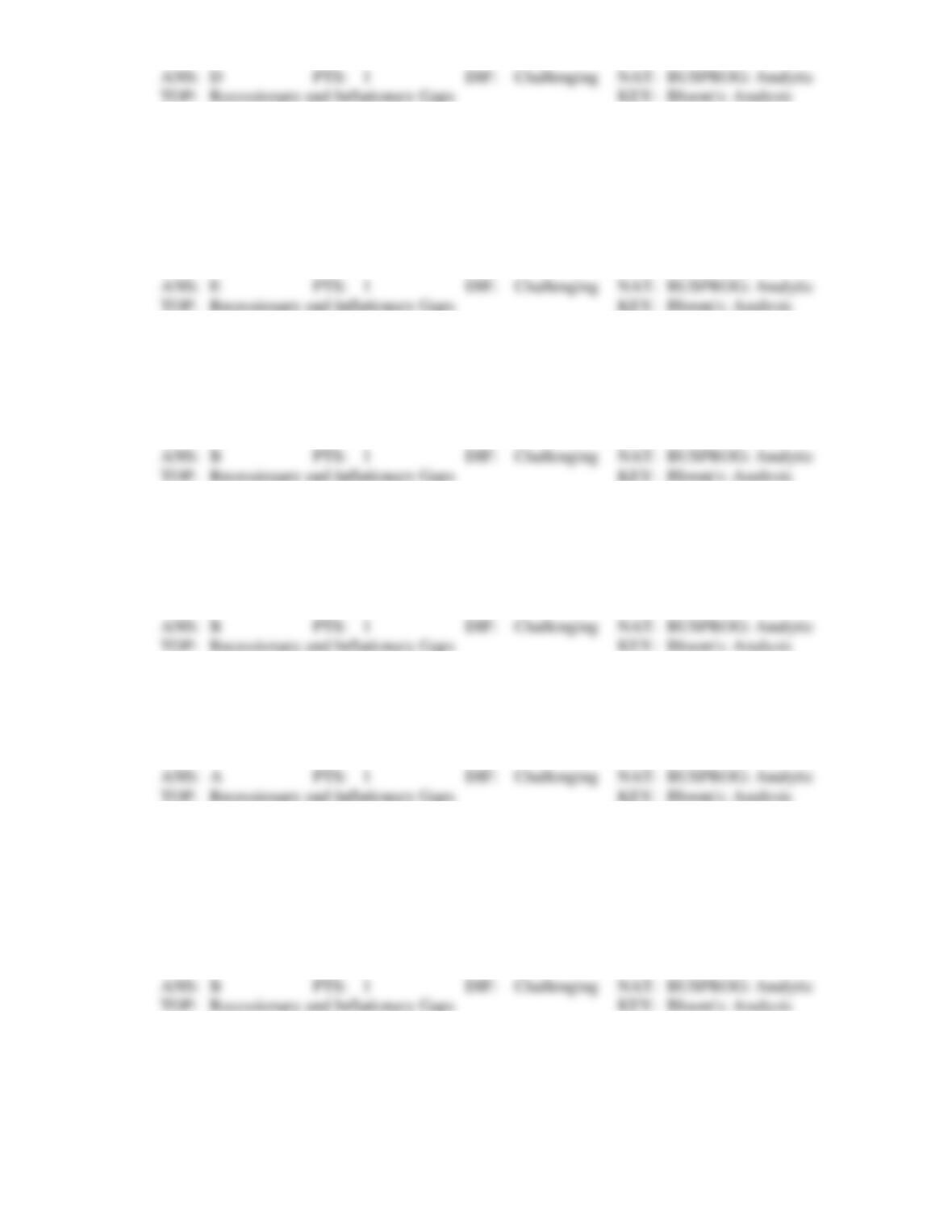
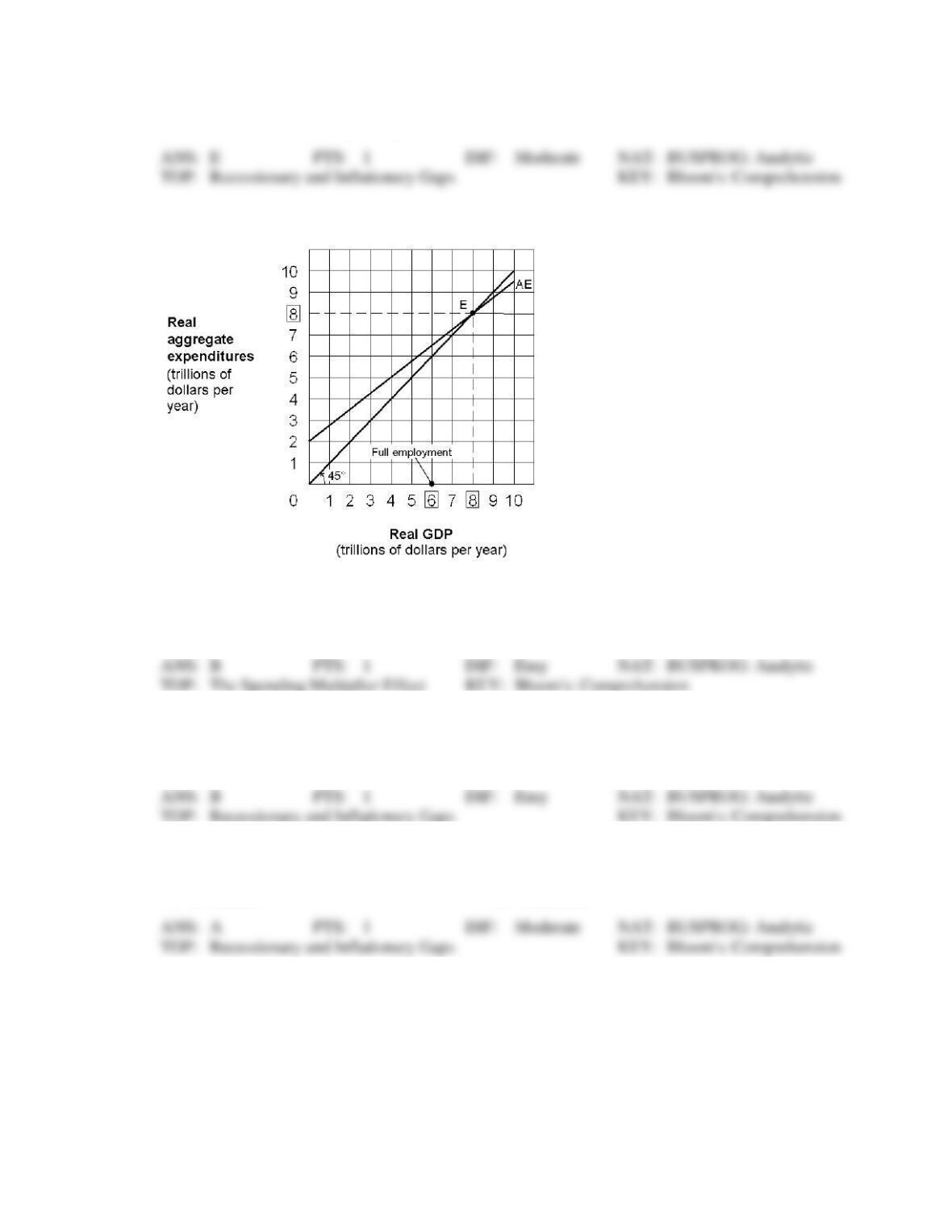
Exhibit 9-5 Keynesian aggregate-expenditures model where the MPC is 0.75
152. In Exhibit 9-5, the spending multiplier for this economy is equal to:
a.
1.33.
c.
7.5.
b.
4.
d.
8.
153. The economy shown in Exhibit 9-5 is:
a.
in a recessionary gap.
c.
fully employed.
b.
in an inflationary gap.
d.
substantially underemployed.
154. To eliminate the GDP gap shown in Exhibit 9-5, the government should cut its spending by:
a.
$0.5 trillion.
c.
$1.5 trillion.
b.
$1 trillion.
d.
$2 trillion.
Exhibit 9-6 Keynesian aggregate-expenditure model when the MPC is 2/3
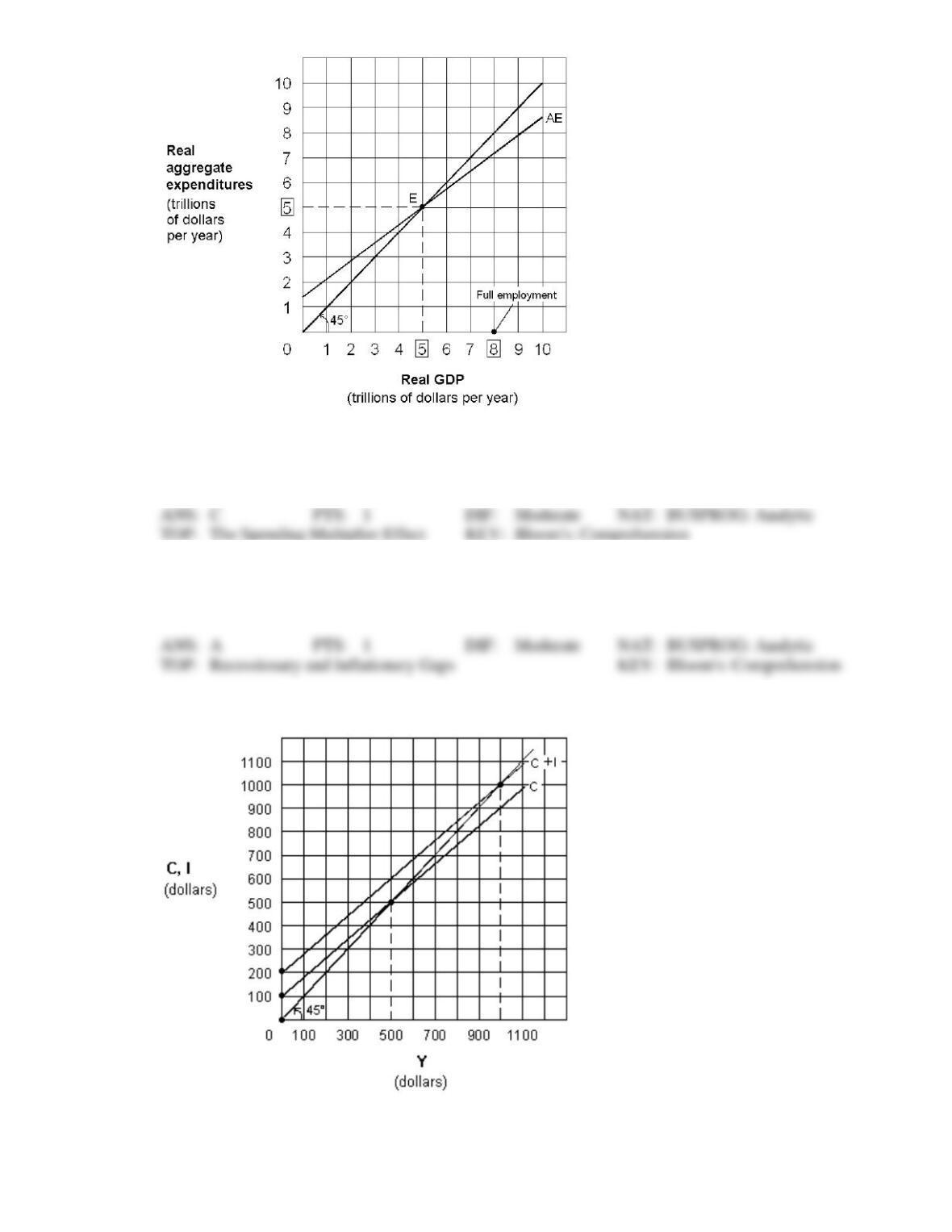
155. In Exhibit 9-6, the spending multiplier for this economy is equal to:
a.
1 2/3.
c.
3.
b.
2 1/2.
d.
5.
156. The economy shown in Exhibit 9-6 has a recessionary gap of:
a.
$1 trillion.
c.
$3 trillion.
b.
$2 trillion.
d.
$5 trillion.
Exhibit 9-7 Keynesian aggregate-expenditures model
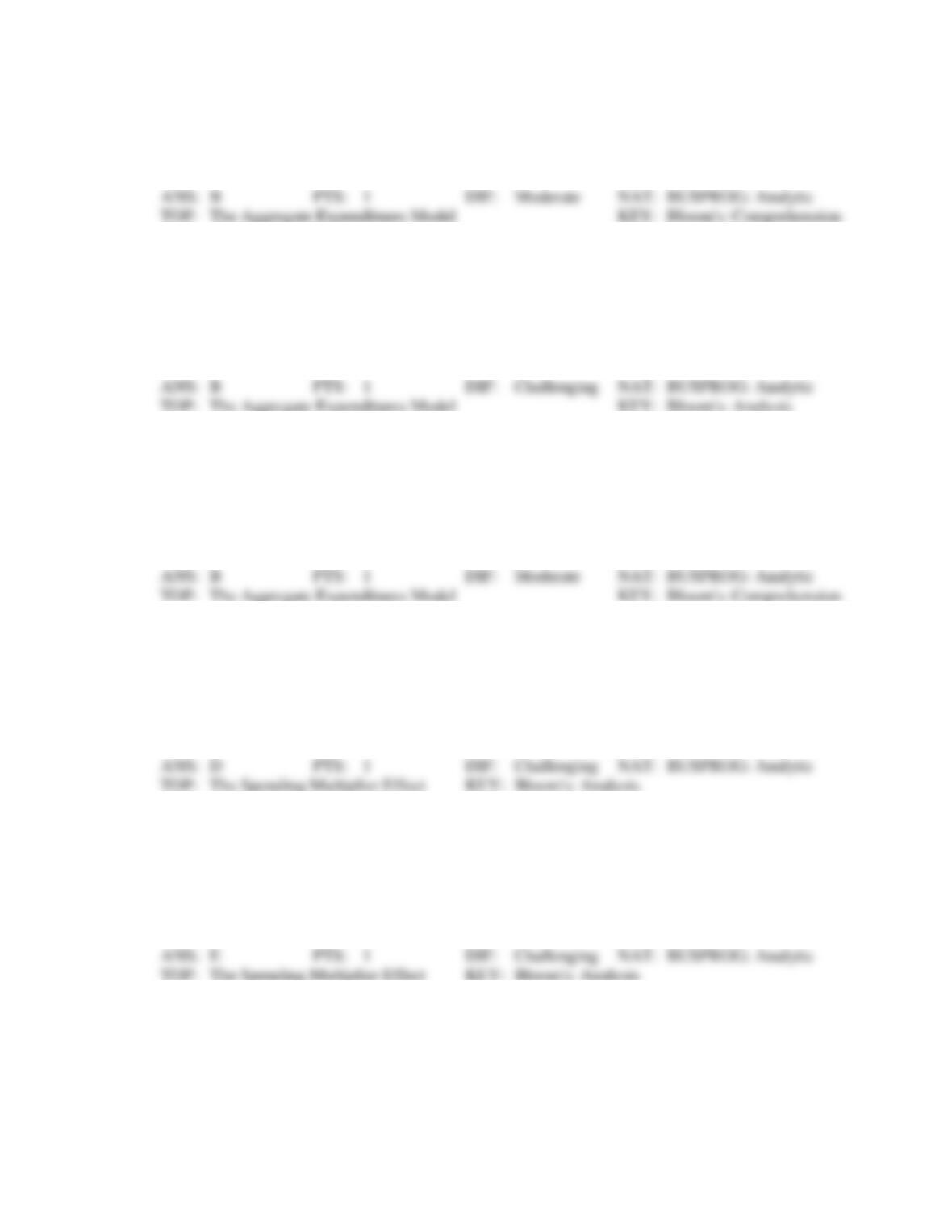
157. In Exhibit 9-7, the level of autonomous consumption is:
a.
$50.
b.
$100.
c.
$150.
d.
$200.
e.
$0.
158. In Exhibit 9-7, if I = 0, C = Y at:
a.
$300.
b.
$500.
c.
$800.
d.
$100.
e.
$200.
159. In Exhibit 9-7, the level of investment is:
a.
$50.
b.
$100.
c.
$150.
d.
$200.
e.
$0.
160. In Exhibit 9-7, the value of the spending multiplier is:
a.
2.
b.
3.
c.
4.
d.
5.
e.
6.
161. In Exhibit 9-7, the value of the MPS is:
a.
.80.
b.
.75.
c.
.50.
d.
.25.
e.
.20.
162. In Exhibit 9-7, the value of the MPC is:
a.
.20.
b.
.25.
c.
.50.
d.
.75.
e.
.80.
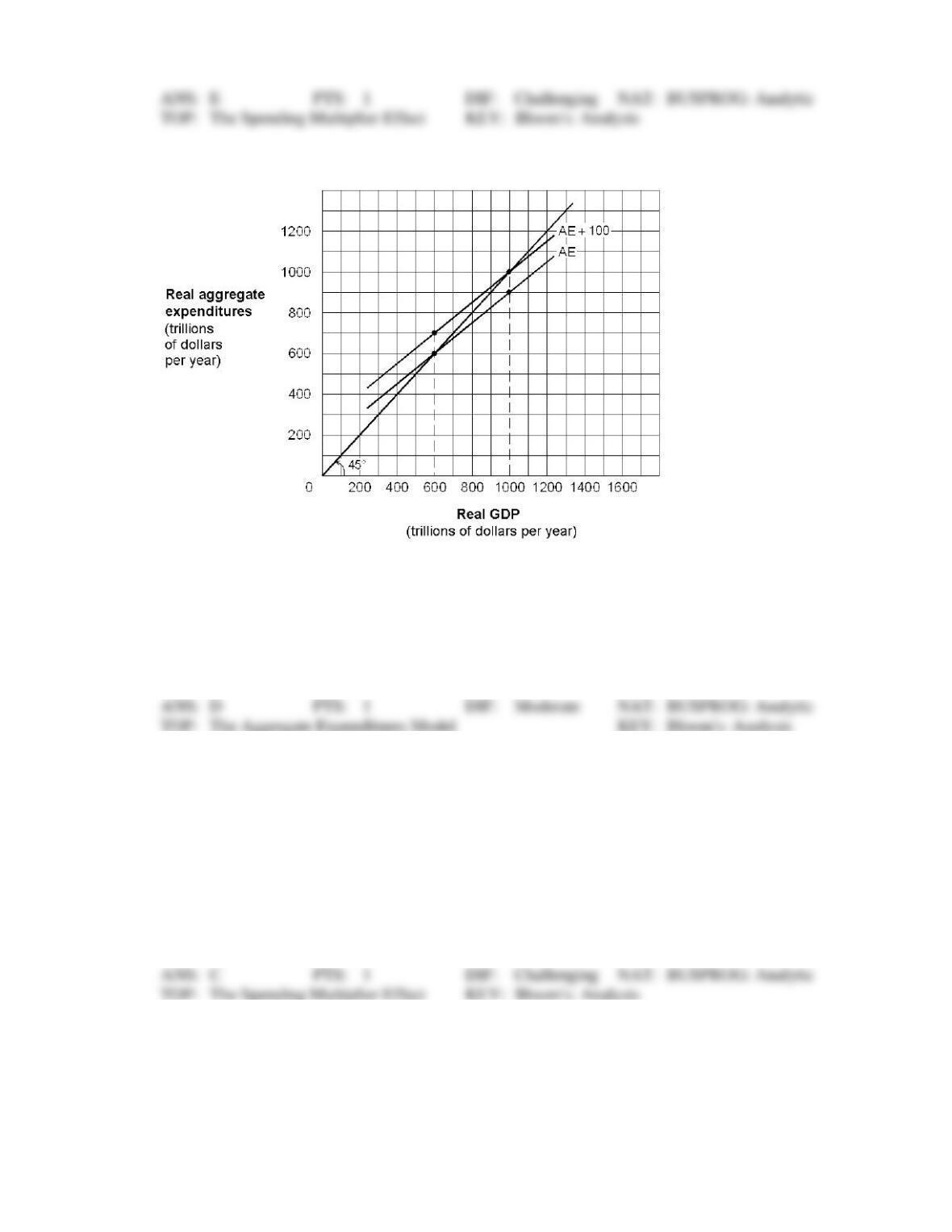
Exhibit 9-8 Keynesian aggregate-expenditures model
163. In Exhibit 9-8, an increase in aggregate expenditures of 100 causes real GDP to rise by:
a.
$100.
b.
$200.
c.
$300.
d.
$400.
e.
$500.
164. In Exhibit 9-8, an increase in aggregate expenditures causes:
a.
a movement down the aggregate demand curve from equilibrium real GDP $600 to
equilibrium real GDP $1,000.
b.
a movement up the aggregate demand curve from equilibrium real GDP $1,200 to
equilibrium real GDP $1,000.
c.
a shift of the aggregate demand curve to the right, causing equilibrium real GDP to
increase from $600 to $1,000.
d.
a shift of the aggregate demand curve to the left, causing equilibrium real GDP to decrease
from $1,200 to $1,000.
e.
no change in equilibrium real GDP.
165. In Exhibit 9-8, the value of the spending multiplier is:
a.
3.
b.
4.
c.
5.
d.
2.
e.
6.
TRUE/FALSE
1. In the aggregate expenditures model, if aggregate expenditures (AE) are less than GDP, then GDP
increases.
2. In the aggregate expenditures model, if an economy operates below equilibrium GDP, there will be
unplanned inventory depletion.
3. In the aggregate expenditures model, if aggregate expenditures (AE) equals $7 trillion and GDP equals
$8 trillion, then inventory accumulation equals $1 trillion.
4. In the Keynesian model, equilibrium occurs when aggregate output equals aggregate expenditures.
5. Unplanned inventory depletion occurs when real GDP is above its equilibrium level.
6. The Keynesian model shows that the economy has a natural tendency toward full employment.
7. If real gross domestic product is $2,000 billion and aggregate demand is $2,500 billion, unplanned
inventory depletion must be taking place.
8. At all points to the right of the intersection of the aggregate output (Y) and aggregate expenditures
(AE) curves, there will be unplanned inventory accumulation.
9. In the aggregate expenditures model, if aggregate expenditures (AE) are less than GDP, then GDP
decreases.
10. In the aggregate expenditures model, if an economy operates below equilibrium GDP, there will be
unplanned inventory accumulation.
11. If firms increase their investment spending by $10 million, then the economy’s equilibrium output rises
by exactly $10 million.
12. The greater the marginal propensity to consume (MPC) in the economy, the greater the spending
multiplier.
13. If the marginal propensity to consume (MPC) is 0.80, the value of the spending multiplier is 2.
14. If the marginal propensity to consume (MPC) is 0.90, the value of the spending multiplier is 90.
15. The spending multiplier effect is the result of a movement along the aggregate expenditures (AE) line.
16. The spending multiplier also applies to investment spending by businesses.
17. If the marginal propensity to consume is 0.80, the value of the spending multiplier will be 4.
18. The size of the spending multiplier depends on the level of real GDP.
19. An increase in the marginal propensity to consume (MPC) leads to an increase in the spending
multiplier.
20. The greater the marginal propensity to consume in the economy, the smaller the spending multiplier.
21. The spending multiplier effect is the result of a shift in the aggregate expenditures (AE) line.
22. The spending multiplier does not apply to investment spending by businesses.
23. If the marginal propensity to consume is 0.80, the value of the spending multiplier will be 5.
24. The size of the spending multiplier depends on the marginal propensity to consume (MPC).
25. An increase in the marginal propensity to consume (MPC) leads to a decrease in the spending
multiplier.
26. According to the Keynesian model, the government can increase spending or cut taxes to close a
recessionary gap.
27. The tax multiplier equals 1 − spending multiplier.
28. An inflationary gap occurs when aggregate expenditures are too high to achieve full employment.
ESSAY
1. If actual real GDP is greater than the equilibrium level of real GDP (i.e., the aggregate expenditures
function is below the 45-degree line), what happens to restore equilibrium to the economy?
2. A new major league baseball expansion team is moving to your town. It will inject consumer spending
worth $40 million into your local economy initially. The Chamber of Commerce predicts that this will
generate a total of $500 million in additional spending for your town. The team owners think that this
is an underestimate. What do you need to know to figure out who is right? Explain.
3. When there is a shift in autonomous expenditure, why is there a multiple expansion of income and real
GDP? Trace the multiplier effect through the first four rounds when there is an increase in autonomous
expenditure of $40 billion and the marginal propensity to consume is 0.75.
4. Answer the following questions:
a.
If aggregate expenditures falls by $5 million, and the MPC is 0.80, explain the process
that will drive the economy to a new equilibrium level.
b.
What will be the final result of this initial change?