
Ch. 9 Sequences; Induction; the Binomial Theorem
9.1 Sequences
1 Write the First Several Terms of a Sequence
MULTIPLE CHOICE. Choose the one alternative that best completes the statement or answers the question.
Evaluate the factorial expression.
1) 11!
A) 39,916,800 B) 110 C) 22 D) 15
2) 4!
2!
A) 12 B) 2! C) 4
2D) 4
3) 8!
7!
A) 8 B) 1 C) 8
7D) 8!
4) 6!
8!
A) 1
56 B) 56 C) 2! D) 1
2!
5) 2! 5!
5!
A) 2 B) 1
60 C) 1 D) 61
60
6) 7!
5! 2!
A) 21 B) 7 C) 0 D) 1
7) 10!
5! 5!
A) 252 B) 504 C) 30,240 D) 126
Write out the first five terms of the sequence.
8) {sn} = {n – 5}
A) s1= –4
,
s2 = –3
,
s3= –2
,
s4 = –1
,
s5=0B)s
1= –5
,
s2= –4
,
s3= –3
,
s4= –2
,
s5= –1
C) s1= 0
,
s2= 1
,
s3= 2
,
s4= 3
,
s5= 4D)s
1=5
,
s2=10
,
s3= 15
,
s4= 20
,
s5=25
9) {sn} = {3n – 3}
A) s1= 0
,
s2= 3
,
s3= 6
,
s4= 9
,
s5= 12 B) s1=0
,
s2=1
,
s3=2
,
s4= 3
,
s5= 4
C) s1= 6
,
s2= 9
,
s3= 12
,
s4= 15
,
s5= 18 D) s1=0
,
s2= –3
,
s3= –6
,
s4= –9
,
s5= –12
Page 1
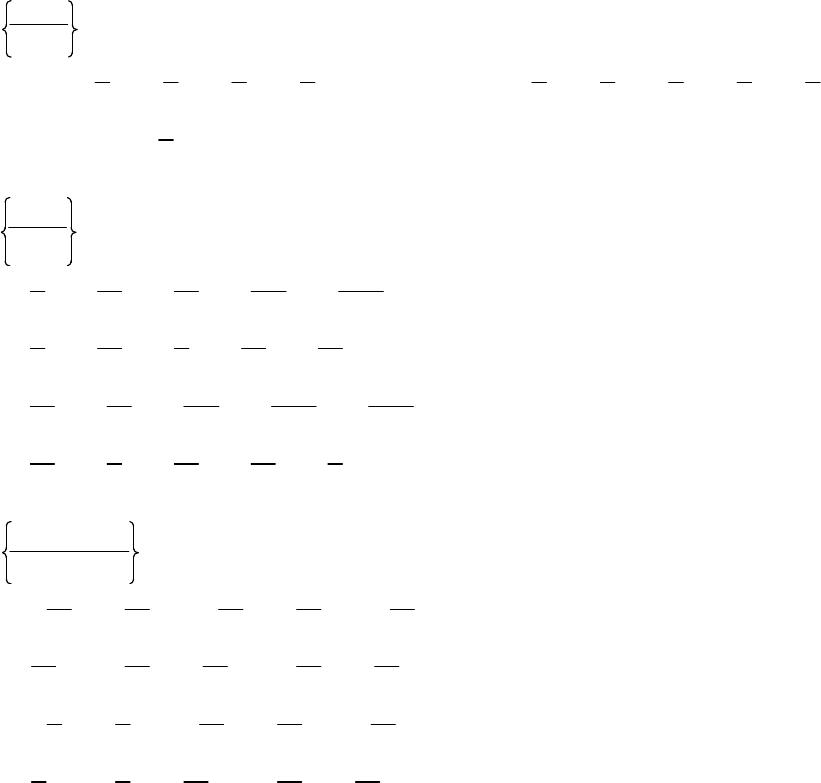
10) {sn} = {3(2n – 3)}
A) s1= –3
,
s2= 3
,
s3= 9
,
s4= 15
,
s5= 21 B) s1= –1
,
s2=1
,
s3= 3
,
s4= 5
,
s5= 7
C) s1= –9
,
s2= –3
,
s3= 3
,
s4= 9
,
s5= 15 D) s1= –3
,
s2= –6
,
s3= –9
,
s4= –12
,
s5= –15
11) {sn} = {n2 – n}
A) s1= 0, s2= 2, s3= 6, s4= 12, s5= 20 B) s1=2, s2=6, s3=12, s4= 20, s5=30
C) s1= 1, s2= 4, s3= 9, s4= 16, s5= 25 D) s1=0, s2=3, s3=8, s4= 15, s5= 24
12) {sn} = {2n}
A) s1= 2
,
s2= 4
,
s3= 8
,
s4= 16
,
s5= 32 B) s1=1
,
s2=4
,
s3=9
,
s4= 16
,
s5= 25
C) s1= 1
,
s2= 2
,
s3= 4
,
s4= 8
,
s5= 16 D) s1=4
,
s2=8
,
s3=16
,
s4= 32
,
s5=64
13) {cn} = 4n + 4
4n
A) c1 = 2, c2 = 3
2, c3 = 4
3, c4 = 5
4, c5 = 6
5B) c1 = 3
2, c2 = 4
3, c3 = 5
4, c4 = 6
5, c5 = 7
6
C) c1 = 2, c2 = 3, c3 = 4
3, c4 = 5, c5 = 6D)c
1=3
,
c2=4
,
c3= 5
,
c4 = 6
,
c5 =7
14) {sn} = 2n
4n + 3
A) s1 = 2
7, s2 = 4
19, s3 = 8
67, s4 = 16
259 , s5 = 32
1027
B) s1 = 2
7, s2 = 4
11, s3 = 2
5, s4 = 8
19, s5 = 10
23
C) s1 = 4
19, s2 = 8
67, s3 = 16
259 , s4 = 32
1027, s5 = 64
4099
D) s1 = 4
11, s2 = 2
5, s3 = 8
19, s4 = 10
23, s5 = 4
9
15) {cn} = (–1)n
(n + 4)(n + 1)
A) c1 = – 1
10, c2 = 1
18, c3 = – 1
28, c4 = 1
40, c5 = – 1
54
B) c1 = 1
10, c2 = – 1
18, c3 = 1
28, c4 = – 1
40, c5 = 1
54
C) c1 = – 1
7, c2 = 1
9, c3 = – 1
11, c4 = 1
13, c5 = – 1
15
D) c1 = 1
7, c2 = – 1
9, c3 = 1
11, c4 = – 1
13, c5 = 1
15
Page 2
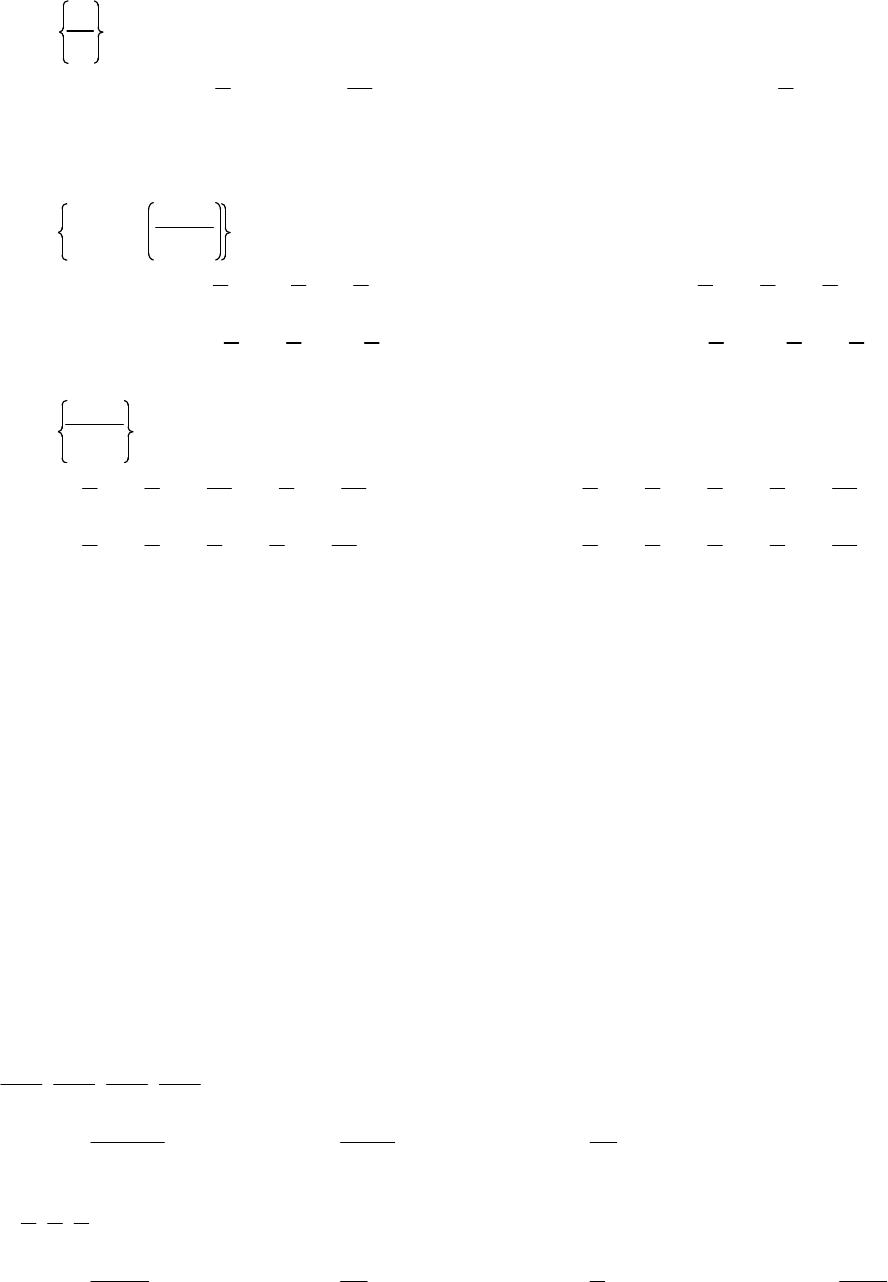
16) {cn} = 2n
n
A) c1 = 2, c2 = 2, c3 = 8
3, c4 = 4, c5 = 32
5B) c1 = 0, c2 = 2, c3 = 2, c4 = 8
3, c5 = 4
C) c1 = 2
,
c2 = 4
,
c3 = 8
,
c4 = 16
,
c5=32 D) c1=1, c2=2
,
c3= 4
,
c4 = 8
,
c5 =16
17) {sn} = (
–1)n – 1 n + 1
2n – 1
A) s1= 2, s2= – 1, s3= 4
5, s4= – 5
7, s5= 2
3B) s1= 2, s2= 1, s3= 4
5, s4= 5
7, s5= 2
3
C) s1= –2, s2= 1, s3= – 4
5, s4= 5
7, s5= – 2
3D) s1= –2, s2= 1, s3= 4
5, s4= – 5
7, s5= 2
3
18) {sn} = n
n2 + 2
A) s1= 1
3, s2= 1
3, s3= 3
11, s4= 2
9, s5= 5
27 B) s1= 1
3, s2= 1
3, s3= 3
8, s4= 2
5, s5= 5
12
C) s1= 1
2, s2= 1
3, s3= 3
8, s4= 2
5, s5= 5
12 D) s1= 1
4, s2= 1
3, s3= 3
8, s4= 2
5, s5= 5
12
The given pattern continues. Write down the nth term of the sequence {an} suggested by the pattern.
19) 2
,
10
,
18
,
26
,
34
,
…
A) an = 2(4n – 3 ) B) an = 8n –3C)a
n = 2(8)
n–1D) an = 6n –8
20) 2
,
6
,
10
,
14
,
18
,
…
A) an = 4n – 2B)a
n = 2n –4C)a
n = 2(4)
n–1D) an = n +4
21) 0, 2, 6, 12, 20, …
A) an = n2 – nB)a
n = 2n – 2C)a
n = 4n – 6D)a
n = 2n–1 – 1
22) 2
,
4
,
8
,
16
,
32
,
…
A) an = 2nB) an = 2 n C) an = 2 + 2(n – 1) D) an = 2n–1 + 1
23) 4
,
–8
,
12
,
–16
,
…
A) an = (–1)n + 1 · 4n B) an = (–1)n · 4n C) an = (–1)n +1 · 4D)a
n = (–1)n · 4
24) 1
1 · 3 , 1
2 · 4 , 1
3 · 5 , 1
4 · 6 , …
A) an = 1
n(n + 2) B) an = 1
n · 2n C) an = 1
2n D) n(n +2)
25) 1, 1
2, 1
4, 1
8, …
A) an = 1
2n – 1 B) an = 1
2nC) an = 1
2D) an = 1
2 + n
Page 3

26) 1
1, 1
4, 1
9, 1
16, 1
25, …
A) an = 1
n2B) an = 1
nn–1C) an = 1
3n – 2 D) an = 1
2
n–1
Solve.
27) The number of students in a school in year n is estimated by the model an = 8n2 + 12n + 82. About how
many students are in the school in each of the first three years?
A) 102
,
138
,
190 B) 114
,
150
,
202 C) 110
,
138
,
190 D) 102
,
138
,
166
28) During a five–year period, a company doubles its profits each year. If the profits at the end of the fifth year
are $240,000, then what are the profits for each of the first four years?
A) $15,000
,
$30,000
,
$60,000
,
$120,000 B) $15,000
,
$30,000
,
$60,000
,
$150,000
C) $16,000
,
$32,000
,
$64,000
,
$126,000 D) $15,000
,
$30,000
,
$45,000
,
$60,000
2 Write the Terms of a Sequence Defined by a Recursive Formula
MULTIPLE CHOICE. Choose the one alternative that best completes the statement or answers the question.
The sequence is defined recursively. Write the first four terms.
1) a1 = 5; an = an–1 – 3
A) a1 = 5
,
a2 = 2
,
a3 = –1
,
a4 = –4B)a
1= –3
,
a2= –6
,
a3 = –9
,
a4 = –12
C) a1 = 5
,
a2 = 8 , a3 = 11 , a4 = 14 D) a1=5
,
a2=4, a
3 = 1 , a4 = –2
2) a1 = 2; an = 4an–1
A) a1 = 2
,
a2 = 8
,
a3 = 32
,
a4 = 128 B) a1=2
,
a1=7
,
a2 = 6
,
a4 = 5
C) a1 = 4
,
a1 = 16
,
a2= 64
,
a4 = 128 D) a1=2
,
a1=10
,
a2 = 34
,
a4 = 130
3) a1 = 5; an = 4an–1 + 2
A) a1 = 5
,
a2 = 22
,
a3= 90
,
a4 = 362 B) a1=5
,
a2=22
,
a3 = 82
,
a4 = 322
C) a1 = 5
,
a2 = 20
,
a3= 80
,
a4 = 320 D) a1=5
,
a2=18
,
a3 = 70
,
a4 = 278
4) a1 = 2, a2 = 5; an = an–2 – 3an–1
A) a1 = 2, a2 = 5, a3 = –13, a4 = 44 B) a1=2, a2=5, a3= –1, a4 = –16
C) a1 = 2, a2 = 5, a3 = 1, a4 = 2D)a
1=2, a2=5, a3= 17, a4 = –46
5) a1 = 135; an+1 = 1
3 (an)
A) a1 = 135, a2 = 45, a3 = 15, a4 = 5B)a
1=135, a2=67.5, a3 = 33.75, a4=16.875
C) a1 = 135, a2 = 405, a3 = 1215, a4=3645 D) a1=135, a2=105, a3 = 75, a4 =45
6) a1 = 4; an = n – an – 1
A) a1 = 4
,
a2 = –2
,
a3 = 5
,
a4 = –1B)a
1=4
,
a2=6
,
a3 = –3
,
a4 = 7
C) a1 = 4
,
a2 = 8
,
a3 = –4
,
a4 = 12 D) a1=3
,
a2=6
,
a3 = 4
,
a4 = 7
Page 4
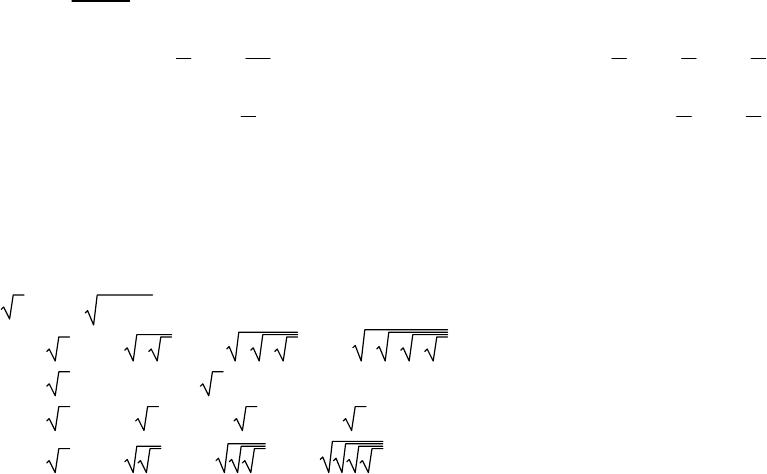
7) a1 = 9; an = an – 1
n + 1
A) a1 = 9, a2 = 3, a3 = 3
4, a4 = 3
20 B) a1 = 9, a2 = 9
2, a3 = 3
2, a4 = 3
8
C) a1 = 9, a2 = 9, a3 = 3, a4 = 3
4D) a1 = 9, a2 = 9, a3 = 9
2, a4 = 3
2
8) a1 = w; an = an–1 + S
A) a1 = w
,
a2 = w + S
,
a3 = w + 2S
,
a4=w+3S B) a1=w
,
a2=S
,
a3 = 2S
,
a4 = 3S
C) a1 = w
,
a2 = w – S
,
a3 = w – 2S
,
a4=w–3S D) a1=S
,
a2=S+w
,
a3 = S + 2w
,
a4=S+3w
9) a1 = 6
; an = 6an–1
A) a1 = 6, a2 = 66, a3 = 666, a4 = 6666
B) a1 = 6, a2 = 6, a3 = 66, a4 = 36
C) a1 = 6
, a2 = 66, a3 = 36 6, a4 = 216 6
D) a1 = 6, a2 = 6, a3 = 6, a4 = 6
SHORT ANSWER. Write the word or phrase that best completes each statement or answers the question.
Solve the problem.
10) A wildlife refuge currently has 100 deer in it. A local wildlife society decides to add an additional 2 deer
each month. It is already known that the deer population is growing 12% per year. The size of the
population is given by the recursively defined sequence
p0 = 100 pn = 1.01pn–1 + 2
How many deer are in the wildlife refuge at the end of the second month? That is, what is p2?
11) Lexington Reservoir has 300 million gallons of water. About 0.07% of the water is lost to evaporation every
week. About 150,000 gallons of water enter the reservoir every week. The amount of water in the reservoir
at the end of each week is given by the recursively defined sequence
w0 = 300 wn = (0.9993)wn–1 + 0.15
Determine the amount of water in the reservoir at the beginning of the second week. That is, determine
w2.
3 Use Summation Notation
MULTIPLE CHOICE. Choose the one alternative that best completes the statement or answers the question.
Write out the sum.
1)
n
k = 1
(k + 14)
∑
A) 15 + 16 + 17 + … + (n + 14) B) n +14
C) 14 + 15 + 16 + … + (n + 14) D) 1 +2 +3 +… +n
Page 5
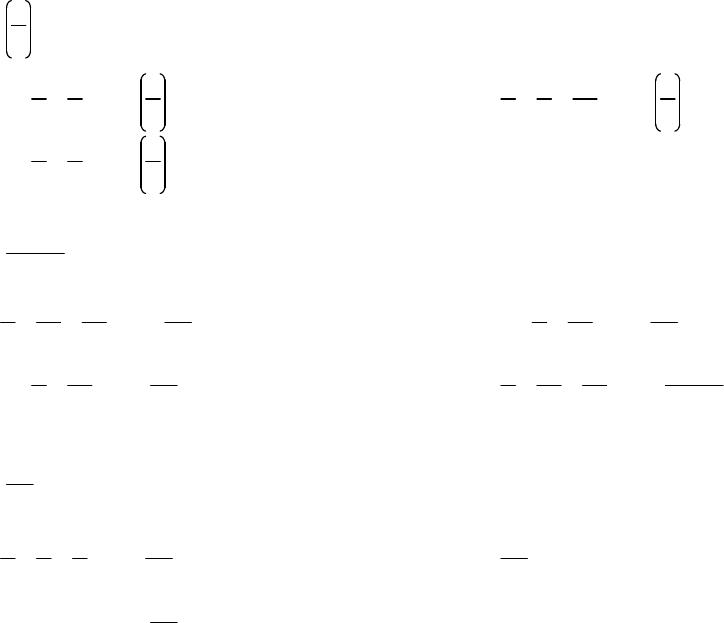
2)
n
k = 1
(4k + 10)
∑
A) 14 + 18 + 22 + … + (4n + 10) B) 4n +10
C) 10 +14 + 18 + … + (4n + 10) D) 1 +2 +3 +… +n
3)
n
k = 1
(k + 1)2
∑
A) 4 + 9 + 16 + … + (n + 1)2B) (n + 1)2
C) 2 + 3 + 4 + … + (n + 1)2D) 1 +2 +3 +… +n
4)
n – 1
k = 0
(2k + 2)
∑
A) 2 + 4 + 6 + … + (2n + 0) B) 4 +6+8+… +(2n + 0)
C) 2 + 4 + 6 + … + (2n + 2) D) 4 +6+8+… +(2n + 2)
5)
n
k = 0
1
3
k
∑
A) 1 + 1
3 + 1
9 + … + 1
3
nB) 1
3 + 1
9 + 1
27 + … + 1
3
n
C) 0 + 1
3 + 1
9 + … + 1
3
nD) 0 +1 +2 +3 +… + n
6)
n – 1
k = 0
1
4k + 1
∑
A) 1
4 + 1
16 + 1
64 + … + 1
4nB) 1 + 1
4 + 1
16 + … + 1
4n
C) 0 + 1
4 + 1
16 + … + 1
4nD) 1
4 + 1
16 + 1
64 + … + 1
4n + 1
7)
n
k = 1
k2
5
∑
A) 1
5 + 4
5 + 9
5 + … + n2
5B) n2
5
C) 5 + 20 + 45 + … + n2
5D) 1 +2 +3 +… +n
8)
n
k = 1
8k+1
∑
A) 82 + 83 + 84+ … + 8n+1B) 8 + 82 + 83+ … + 8n
C) 82 + 83 + 84+ … + 8nD) 8 + 82 + 83+ … + 8n+1
Page 6
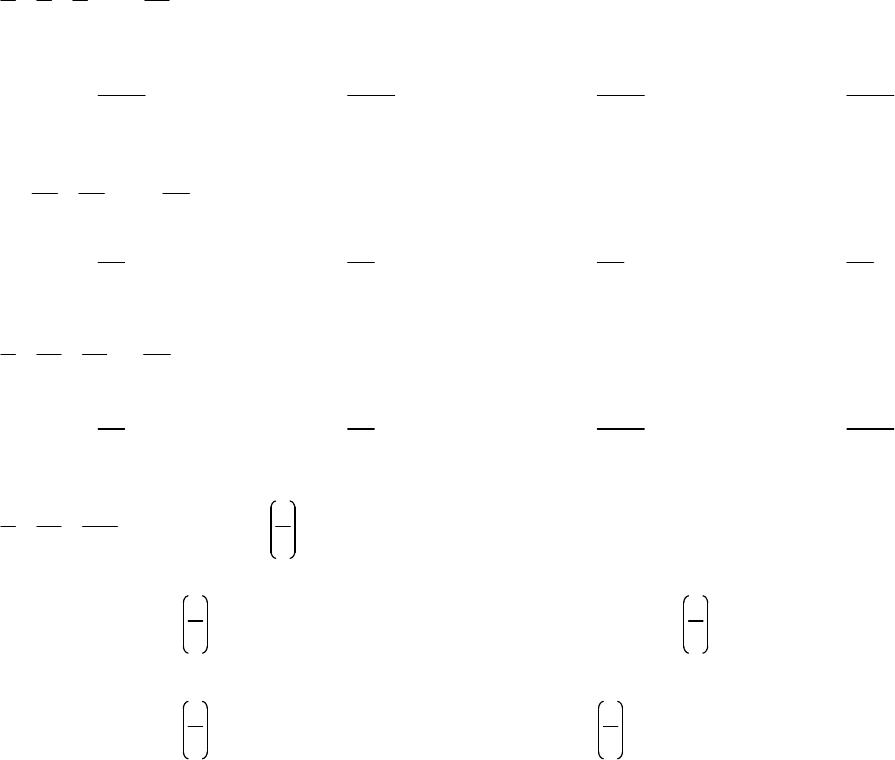
Express the sum using summation notation.
9) 3 + 6 + 9 + … + 27
A)
9
k = 1
3k
∑
B)
9
k = 0
3k
∑
C)
9
k = 1
k2
∑
D)
9
k = 1
3k2
∑
10) 35 + 45 + 55 + … + 95
A)
9
k = 3
k5
∑
B)
9
k = 1
k5
∑
C)
n
k = 3
k5
∑
D)
9
k = 4
( k – 1)5
∑
11) 3 + 12 + 27 + . . . + 75
A)
5
k =1
3k2
∑B)
5
k = 0
3k2
∑C)
5
k =1
k2
∑D)
5
k = 1
32k
∑
12) 1
3 + 1
2 + 3
5 + … + 13
15
A)
13
k = 1
k
k + 2
∑
B)
13
k = 0
k
k + 2
∑
C)
n
k = 1
k
k + 2
∑
D)
13
k = 2
k
k + 1
∑
13) 3 + 32
2 + 33
3 + … + 3n
n
A)
n
k = 1
3k
k
∑B)
n
k = 0
3k
k
∑C)
n
k = 1
3k
k
∑D)
n
k = 0
3k
k
∑
14) 8
e + 16
e2 + 24
e3… + 8n
en
A)
n
k = 1
8k
ek
∑B)
n
k = 0
8k
ek
∑C)
n
k = 1
8 + k
ek
∑D)
n
k = 0
8 + k
ek
∑
15) 4
5 – 16
25 + 64
125 – … + (–1)(9 + 1) 4
5
9
A)
9
k = 1
(–1)(k+1)
∑4
5
k
B)
10
k = 1
(–1)(k+1)
∑4
5
k
C)
n
k = 1
(–1)(k+1)
∑4
5
k
D)
9
k = 1
4
5
k
∑
Page 7

16) 314
83 + 313
84 + 312
85 + … + 37
810
A)
8
k = 1
315 – k
82 + k
∑B)
4
k = 1
315 +k
82 + k
∑C)
8
k = 1
315 –k
8k
∑D)
8
k = 1
3–k
82 + k
∑
17) 62 + 123 + 184 + … + 489
A)
8
k = 1
(6k)k + 1
∑B)
8
k = 1
(6k)k
∑
C)
8
k = 1
2(k – 1)k + 1
∑D)
8
k = 1
6k2k – 1
∑
18) 1
w + t
2w + t2
3w + … + tn–1
nw
A)
n
k=1
tk–1
kw
∑B)
n
k=1
tk
kw
∑C)
n
k=0
tk–1
kw
∑D)
n
k=0
tk
kw
∑
4 Find the Sum of a Sequence Algebraically and Using a Graphing Utility
MULTIPLE CHOICE. Choose the one alternative that best completes the statement or answers the question.
Find the sum of the sequence.
1)
5
k = 1
2
∑
A) 10 B) 2 C) 5 D) 3
2)
8
k = 1
k
∑
A) 36 B) 8 C) 7 D) 56
3)
6
k = 3
6k
∑
A) 108 B) 36 C) 54 D) 72
4)
5
k = 1
(k – 11)
∑
A) –40 B) –6C)
–16 D) –34
Page 8
5)
5
k = 2
(2k – 3)
∑
A) 16 B) 15 C) 14 D) 11
6)
16
k = 1
(2k + 7)
∑
A) 384 B) 53 C) 272 D) 400
7)
5
k = 3
(k2 + 2)
∑
A) 56 B) 65 C) 30 D) 18
8)
4
k = 2
k(k – 12)
∑
A) –79 B) –90 C) –52 D) –18
5 Solve Annuity and Amortization Problems
MULTIPLE CHOICE. Choose the one alternative that best completes the statement or answers the question.
Solve the problem.
1) Karen has a balance of $1000 on a department store credit card that charges 1.5% interest per month on
any unpaid balance. She can afford to pay $150 toward the balance each month. Her balance each month,
after making a $150 payment, is given by the recursively defined sequence
B0 = $1000 Bn = 1.015Bn–1 – 150
Determine Karen’s balance after making the first payment. That is, determine B1.
A) $865.00 B) $727.98 C) $915.00 D) $965.00
2)
J
ake bought a truck by taking out a loan for $34,500 at 0.25% interest per month. Jake’s regular monthly
payment is $567, but he decides to pay an extra $75 toward the balance each month. His balance each
month, after making his payment, is given by the recursively defined sequence
B0 = $34,500 Bn = 1.0025Bn–1– 642
Determine Jake’s balance after making the first payment. That is, determine B1.
A) $33,944.25 B) $34,586.25 C) $34,019.25 D) $33,869.25
Page 9
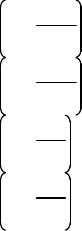
3) Maria deposited $1000 in an independent retirement account at her bank. She earns 0.5% interest per
month on the balance. Each month, she deposits $100 in the account. Her balance each month after making
a $100 deposit, is given by the recursively defined sequence
B0 = $1000 Bn = 1.005Bn–1 + 100
If she made the initial deposit on September 30, and makes each monthly deposit on the last day of the
month, how much money will be in the account at the end of the year for Maria to count as a deduction
for that year’s federal income taxes? That is, determine B3.
A) $1316.58 B) $1105.00 C) $1210.53 D) $1472.88
4)
J
ack decided to put $500 into an IRA account every 3 months at a rate of 6% compounded quarterly. Find
a recursive formula that represents his balance at the end of each quarter. How many years will it be
before the value of the account is $100,000? What will be the balance in 30 years when Jack retires?
A) B0 = 500, Bn = 1
+ 0.06
4B(n – 1) + 500; 24 years; $168,129
B) B0 = 500, Bn = 1
+ 0.06
3B(n – 1) + 500; 27 years; $126,050
C) B0 = 500, Bn = 1
+ 0.6
4B(n – 1) + 500; 24 years; $168,129
D) B0 = 500, Bn = 1
+ 0.6
3B(n – 1) + 500; 27 years; $126,050
5) After working for 25 years you would like to have $500,000 in an annuity for early retirement. If the
annual interest rate is 7.5%, compounded monthly, what will your monthly deposit need to be?
A) $569.96 B) $1733.36 C) $689.42 D) $1139.92
6) To save for retirement, you decide to deposit $1250 into an IRA at the end of each year for the next 40
years. If the interest rate is 6% per year compounded annually, find the value of the IRA after 40 years.
Round to the nearest dollar.
A) $193,452 B) $11,607 C) $181,323 D) $1,941,040
7) Looking ahead to retirement, you sign up for automatic savings in a fixed–income 401K plan that pays 7%
per year compounded annually. You plan to invest $3000 at the end of each year for the next 10 years.
How much will your account have in it at the end of 10 years? Round to the nearest dollar.
A) $41,449 B) $43,219 C) $39,906 D) $42,747
8) Lonnie deposits $150 each month into an account paying annual interest of 6.5% compounded monthly.
How much will his account have in it at the end of 15 years? Round to the nearest dollar.
A) $45,532 B) $3627 C) $45,378 D) $45,661
9) Laura invests $250 each quarter in a fixed–interest mutual fund paying annual interest of 7% compounded
quarterly. How much will her account have in it at the end of 6 years? Round to the nearest dollar.
A) $7378 B) $1788 C) $22,136 D) $7507
10) You deposit $100 every 6 months into an annuity with an annual interest rate of 8%
,
compounded
semiannually. What is the balance after 20 years? What is the balance after 40 years?
A) $9502.55; $55,124.50 B) $2977.81; $55,124.50
C) $2977.81; $9502.55 D) $9502.55; $25,905.65
Page 10

11) Christine contributes $200 each month to her 401(k). To the nearest dollar, what will be the value of
Christine’s 401(k) in 20 years if the per annum rate of return is assumed to be 10% compounded monthly.
Round to the nearest dollar.
A) $151,874 B) $53,112 C) $49,677 D) $149,763
9.2 Arithmetic Sequences
1 Determine if a Sequence is Arithmetic
MULTIPLE CHOICE. Choose the one alternative that best completes the statement or answers the question.
An arithmetic sequence is given. Find the common difference and write out the first four terms.
1) {sn} = {n – 1}
A) d = 1; s1 = 0
,
s2 =1
,
s3 = 2
,
s4 =3B)d
= –1; s1=0
,
s2 = 1
,
s3 = 2
,
s4=3
C) d = 1; s1 = 0
,
s2 = –1
,
s3 = –2
,
s4= –3D)d
= –1; s1=0
,
s2 = –1
,
s3 = –2
,
s4= –3
2) {sn} = {6 – 4n}
A) d = –4; s1 = 2
,
s2 = –2
,
s3 = –6
,
s4= –10 B) d = –4; s1= –4
,
s2 = –8
,
s3 = –12
,
s4= –16
C) d = 4; s1 = 2
,
s2 =6 , s3 = 10 , s4=14 D) d = –4; s1=2
,
s2 = 0 , s3 = –4 , s4= –8
3) {sn} = {6n + 2}
A) d = 6; s1 = 8
,
s2 = 14
,
s3 = 20
,
s4 =26 B) d =6; s1=6
,
s2= 8
,
s3 = 14
,
s4 =20
C) d = 2; s1 = 8
,
s2 = 14
,
s3 = 20
,
s4 =26 D) d =2; s1=6
,
s2= 8
,
s3 = 14
,
s4 =20
4) {sn} = 1
6 + n
2
A) d = 1
2; s1 = 2
3, s2 = 7
6, s3 = 5
3, s4 = 13
6B) d = 1
6; s1 = 1
6, s2 = 2
3, s3 = 7
6, s4 = 5
3
C) d = 1
2; s1 = 1
6, s2 = 2
3, s3 = 7
6, s4 = 5
3D) d = 1
6; s1 = 2
3, s2 = 7
6, s3= 5
3, s4 = 13
6
5) {sn} = {ln 2n}
A) d = ln 2; s1 = ln 2
,
s2 = 2 ln 2
,
s3=3 ln 2
,
s4=4 ln 2
B) d = n ln 2; s1 = ln 2
,
s2 = 2 ln 2
,
s3=3 ln 2
,
s4=4 ln 2
C) d = ln 2; s1 = ln 2
,
s2 = ln 4
,
s3 =ln 6
,
s4=ln 8
D) d = n ln 2; s1 = ln 2
,
s2 = ln 4
,
s3=ln 6
,
s4=ln 8
2 Find a Formula for an Arithmetic Sequence
MULTIPLE CHOICE. Choose the one alternative that best completes the statement or answers the question.
Find the nth term and the indicated term of the arithmetic sequence {an} whose initial term, a, and common
difference, d, are given.
1) a1 = 8; d = 9
an = ?; a15 = ?
A) an = –1 + 9n; a15 = 134 B) an=8+9n; a15 = 134
C) an = –1 + 9n; a15 = 53 D) an= –1–9n; a15 = 134
Page 11
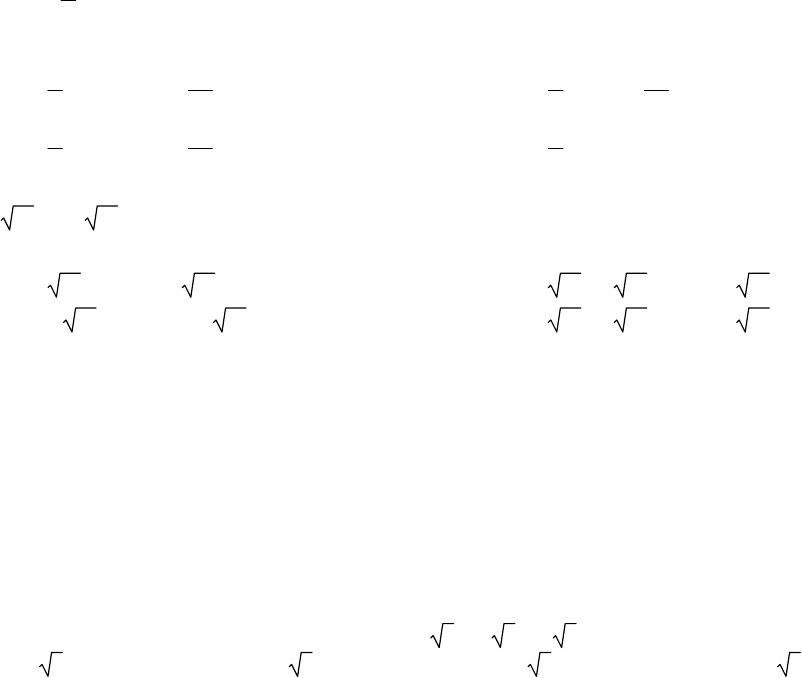
2) a1 = 94; d = –6
an = ?; a9 = ?
A) an = 100 – 6n; a9 = 46 B) an=94 –6n; a9= 46
C) an = 100 – 6n; a9 = 16 D) an=94 –6n; a9= 16
3) a1 = 7; d = –8
an = ?; a14 = ?
A) an = 15 – 8n; a14 = –97 B) an=7–8n; a14 = –97
C) an = 15 – 8n; a14 = –33 D) an=15 +8n; a14 = –97
4) a1 = –6; d = 8
an = ?; a6 = ?
A) an = –14 + 8n; a6 = 34 B) an= –6+8n; a6= 34
C) an = –14 + 8n; a6 = 90 D) an= –14 –8n; a6 = 34
5) a1 = 0; d = 3
7
an = ?; a24 = ?
A) an = 3
7(n – 1); a24 = 69
7B) an = 3
7n; a24 = 72
7
C) an = 3
7(n + 1); a24 = 75
7D) an = 7
3(n – 1); a24 = 23
6) a1 = 14; d = 14
an = ?; a12 = ?
A) an = 14n; a12 = 12 14 B) an = 14n – 14; a12 = 11 14
C) an = – 14n; a12 = – 12 14 D) an = 14n + 14; a12 = 13 14
Find the indicated term of the arithmetic sequence.
7) The thirteent
h
term of the arithmetic sequence –10
,
–8
,
–6
,
. . .
A) 14 B) 16 C) –34 D) –36
8) The twenty–fourth term of the arithmetic sequence 0, 7
,
14
,
. . .
A) 161 B) 168 C) 175 D) 138
9) The twenty–third term of the arithmetic sequence 25
,
19
,
13
,
. . .
A) –107 B) –113 C) –132 D) 157
10) The twenty–fifth term of the arithmetic sequence –23
, –53, –83, . . .
A) –74 3 B) –77 3 C) 70 3 D) 73 3
Find the first term, the common difference, and give a recursive formula for the arithmetic sequence.
11) 8th term is 44; 16th term is –12
A) a1 = 93
,
d = –7
,
an = an–1 – 7B)a
1=93
,
d =7
,
an = an–1 + 7
C) a1 = 100
,
d = –7
,
an = an–1 – 7D)a
1=100
,
d =7
,
an = an–1 + 7
Page 12
12) 7th term is –26; 13th term is –56
A) a1 = 4
,
d = –5
,
an = an–1 – 5B)a
1=4
,
d =5
,
an = an–1 + 5
C) a1 = 9
,
d = –5
,
an = an–1 – 5D)a
1=9
,
d =5
,
an = an–1 + 5
13) 10th term is 60; 13th term is 81
A) a1 = –3
,
d = 7
,
an = an–1 + 7B)a
1= –3
,
d =7
,
an = an–1 – 7
C) a1 = –10
,
d = 7
,
an = an–1 + 7D)a
1= –10
,
d =7
,
an = an–1 – 7
14) 6th term is –10; 15th term is –46
A) a1 = 10
,
d = –4, an = an–1 – 4B)a
1= –30
,
d =4, an = an–1 + 4
C) a1 = –10
,
d = –4, an = an–1 – 4D)a
1=10
,
d =4, an = an–1 + 4
Solve.
15) Find x so that x – 3
,
2x – 3
,
and 5x – 13 are consecutive terms of an arithmetic sequence.
A) x = 5B)x = –8C)x
=2D)x
= –18
16) The population of a town is increasing by 500 inhabitants each year. If the town’s starting population was
24,871, what was the population after 10 years?
A) 29,871 inhabitants B) 248,485 inhabitants
C) 29,371 inhabitants D) 496,970 inhabitants
3 Find the Sum of an Arithmetic Sequence
MULTIPLE CHOICE. Choose the one alternative that best completes the statement or answers the question.
Find the sum.
1) (–6) + (–1) + 4 + 9 + … + 39
A) 165 B) 170 C) 160 D) 330
2) 1 + 2 + 3 + … + 474
A) 112575 B) 112101 C) 225,150 D) 224,676
3) 2 + 4 + 6 + … + 1914
A) 916,806 B) 915,849 C) 914,892 D) 917,764
4) 1 + 3 + 5 + … + 1923
A) 925,444 B) 926,406 C) 927,369 D) 923,521
5) 4 + 8 + 12 + … + 416
A) 21840 B) 21632 C) 22050 D) 21424
6) –3 + 1 + 5 + 9 + 13 + … + (4n – 7)
A) n(2n – 5) B) n(4n –7) C) n(2n +5) D) n(4n +7)
7)
39
n = 1
(3n + 4)
∑
A) 2496 B) 2437.5 C) 2593.5 D) 2730
Page 13
8)
50
n = 1
(2n – 5)
∑
A) 2300 B) 2250 C) 2525 D) 2700
9)
46
n = 1
(–3n + 2)
∑
A) –3151 B) –3082 C) –2990 D) –2829
10)
37
n = 1
(–5n – 6)
∑
A) –3737 B) –3644.5 C) –3626 D) –3496.5
11)
10
n = 1
(3.6n + 8.83)
∑
A) 286.3 B) 44.83 C) 41.23 D) 241.47
Solve.
12) A theater has 40 rows with 24 seats in the first row, 27 in the second row, 30 in the third row, and so forth.
How many seats are in the theater?
A) 3300 seats B) 3360 seats C) 6600 seats D) 6720 seats
13) A brick staircase has a total of 14 steps The bottom step requires 115 bricks. Each successive step requires 5
less bricks than the prior one. How many bricks are required to build the staircase?
A) 1155 bricks B) 2065 bricks C) 2310 bricks D) 1120 bricks
14) Suppose you just received a job offer with a starting salary of $37,000 per year and a guaranteed raise of
$1500 per year. How many years will it be before you’ve made a total (or aggregate) salary of $1,025,000?
A) 20 years B) 21 years C) 25 years D) 18 years
15) A local civic theater has 22 seats in the first row and 21 rows in all. Each successive row contains 3
additional seats. How many seats are in the civic theater?
A) 1092 seats B) 790 seats C) 1070 seats D) 1010 seats
Page 14

9.3 Geometric Sequences; Geometric Series
1 Determine if a Sequence is Geometric
MULTIPLE CHOICE. Choose the one alternative that best completes the statement or answers the question.
A geometric sequence is given. Find the common ratio and write out the first four terms.
1) {sn} = 6 1
2
n–1
A) an = 6 1
2
n–1
r = 1
2; s1 = 6, s2 = 3, s3 = 3
2, s4 = 3
4
B) an = 6 · (2)n–1
r = 2; s1 = 6, s2 = 12, s3 = 24, s4 = 48
C) an = 6 1
4
n–1
r = 1
4; s1 = 6, s2 = 3
2, s3 = 3
8, s4 = 3
32
D) an = 1
2 (6)n–1
r = 1
2; s1 = 6, s2 = 12, s3 = 24, s4 = 48
2) {sn} = {5n}
A) r = 5; s1 = 5
,
s2 = 25
,
s3 = 125
,
s4=625 B) r =5; s1=5
,
s2= 10
,
s3 = 15
,
s4=20
C) r = 5n; s1 = 5
,
s2 = 25
,
s3 = 125
,
s4=625 D) r =5n; s1=5
,
s2= 10
,
s3 = 15
,
s4=20
3) {tn} = 5
4
n
A) r = 5
4; t1 = 5
4, t2 = 25
16, t3 = 125
64 , t4 = 625
256 B) r = 5
4n; t1 = 5
4, t2 = 25
16, t3 = 125
64 , t4 = 625
256
C) r = 5
4; t1 = 5
4, t2 = 5
4, t3 = 5
4, t4 = 5
4D) r = 5
4n; t1 = 5
4, t2 = 5
4, t3 = 5
4, t4 = 5
4
4) {dn} = 4n
20
A) r = 4; d1 = 1
5, d2 = 4
5, d3 = 16
5, d4 = 64
5B) r = 4
5; d1 = 1
5, d2 = 4
5, d3 = 16
5, d4 = 64
5
C) r = 4; d1 = 4
5, d2 = 16
5, d3 = 64
5, d4 = 256
5D) r = 4
5; d1 = 4
5, d2 = 16
5, d3 = 64
5, d4 = 256
5
5) {sn} = {62n}
A) r = 36; s1 = 36
,
s2 = 1296
,
s3 = 46,656
,
s4=1,679,616
B) r = 6; s1 = 36
,
s2 =1296
,
s3 = 46,656
,
s4=1,679,616
C) r = 12; s1 = 12
,
s2 = 24
,
s3 = 36
,
s4=48
D) r = 36; s1 = 12
,
s2 = 24
,
s3 = 36
,
s4=48
Page 15

6) {un} = 5n
2n – 1
A) r = 5
2; u1 = 5, u2 = 25
2, u3 = 125
4, u4 = 625
8B) r = 5
2; u1 = 5
2, u2 = 25
4, u3 = 125
8, u4 = 625
16
C) r = 5; u1 = 5, u2 = 25
2, u3 = 125
4, u4 = 625
8D) r = 5; u1 = 5, u2 = 25
2, u3 = 125
2, u4 = 625
2
Determine whether the given sequence is arithmetic, geometric, or neither. If the sequence is arithmetic, find the
common difference; if it is geometric, find the common ratio.
7) {5n – 2}
A) Arithmetic; d = 5 B) Geometric; r =5 C) Arithmetic; d = –2 D) Neither
8) {5n2}
A) Geometric; r = 5
2B) Arithmetic; d =5 C) Geometric; r =5 D) Neither
9) 6
5
n
A) Geometric; r = 6
5B) Arithmetic; d = 6
5C) Geometric; r = 5
6D) Neither
10) {5n2 – 3}
A) Arithmetic; d = –3 B) Geometric; r =5 C) Arithmetic; d =5 D) Neither
11) 1 – 2
9n
A) Arithmetic; d = – 2
9B) Geometric; r = – 2
9
C) Arithmetic; d =1 D) Neither
12) {10n
/
5}
A) Geometric; r = 101
/
5B) Arithmetic; d = 101
/
5
C) Geometric; r = 10 D) Neither
13) 4
,
6
,
9
,
13
,
…
A) Geometric; r = 4 B) Arithmetic; d =4 C) Geometric; r =16 D) Neither
14) 4
,
–12
,
36
,
–108
,
324
,
…
A) Geometric; r = –3 B) Geometric; r =3
C) Arithmetic; d = –16 D) Neither
15) 3, 5, 7, 11, 13, …
A) Geometric; r = 2 B) Arithmetic; d =2 C) Arithmetic; d =4 D) Neither
Page 16
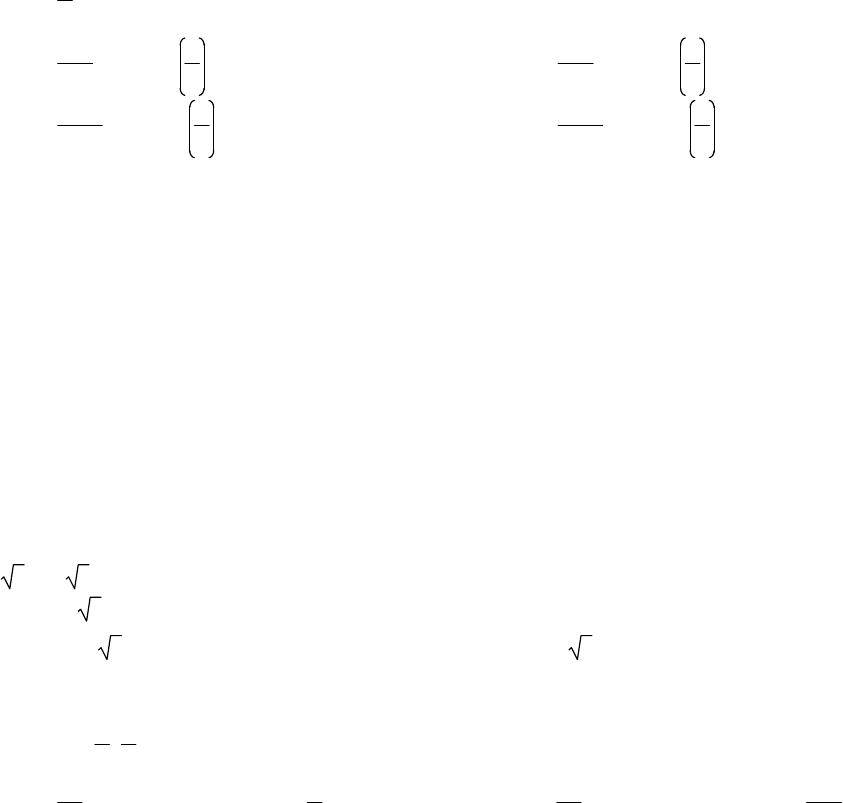
2 Find a Formula for a Geometric Sequence
MULTIPLE CHOICE. Choose the one alternative that best completes the statement or answers the question.
Find the fifth term and the nth term of the geometric sequence whose initial term, a, and common ratio, r, are given.
1) a = 7; r = 3
A) a5 = 567; an = 7 · (3)n–1B) a5 = 567; an = 7 · (3)n
C) a5 = 1701; an = 7 · (3)nD) a5 = 1701; an = 7 · (3)n–1
2) a = 9; r = 1
4
A) a5 = 9
256 ; an = 9 · 1
4
n–1B) a5 = 9
256 ; an = 9 · 1
4
n
C) a5 = 9
1024; an = 9 · 1
4
n–1D) a5 = 9
1024; an = 9 · 1
4
n
3) a = 6; r = –2
A) a5 = 96; an = 6 · (–2)n–1B) a5 = 96; an = 6 · (–2)n
C) a5 = –48; an = 6 · (–2)n–1D) a5 = –48; an = 6 · (–2)n
4) a = –5; r = –2
A) a5 = –80; an = –5 · (–2)n–1B) a5 = –80; an = –5 · (–2)n
C) a5 = 40; an = –5 · (–2)n–1D) a5 = 40; an = –5 · (–2)n
5) a = 2; r = 4π
A) a5 = 512π4, an = 2 · 4n–1πn–1B) a5 = 2048π5, an = 2 · 4nπn
C) a5 = 512π, an = 2 · 4n–1πD) a5=2+16π
,
an= 2 + 4π(n–1)
6) a = 7
; r = 7
A) a5 = 49 7, an = 7n/2 B) a5 = 16,807, an = 7n
C) a5 = 2401 7, an = 7n–1/2 D) a5 = 77, an = 7n/2–1
Find the indicated term of the geometric sequence.
7) 6th term of 1, 1
2, 1
4, …
A) a6 = 1
32 B) a6 = 1
2C) a6 = 1
16 D) a6 = 1
128
8) 6th term of 1, 3
,
9
,
…
A) a6 = 243 B) a6 =2187 C) a6=729 D) a6 =9
9) 6th term of –1, 2
,
–4
,
…
A) a6 = 32 B) a6 = –32 C) a6= –64 D) a6 =64
10) 7th term of 0.9
,
0.09
,
0.009
,
. . .
A) 0.0000009 B) 0.00000009 C) 0.000009 D) 0.00000001
Page 17
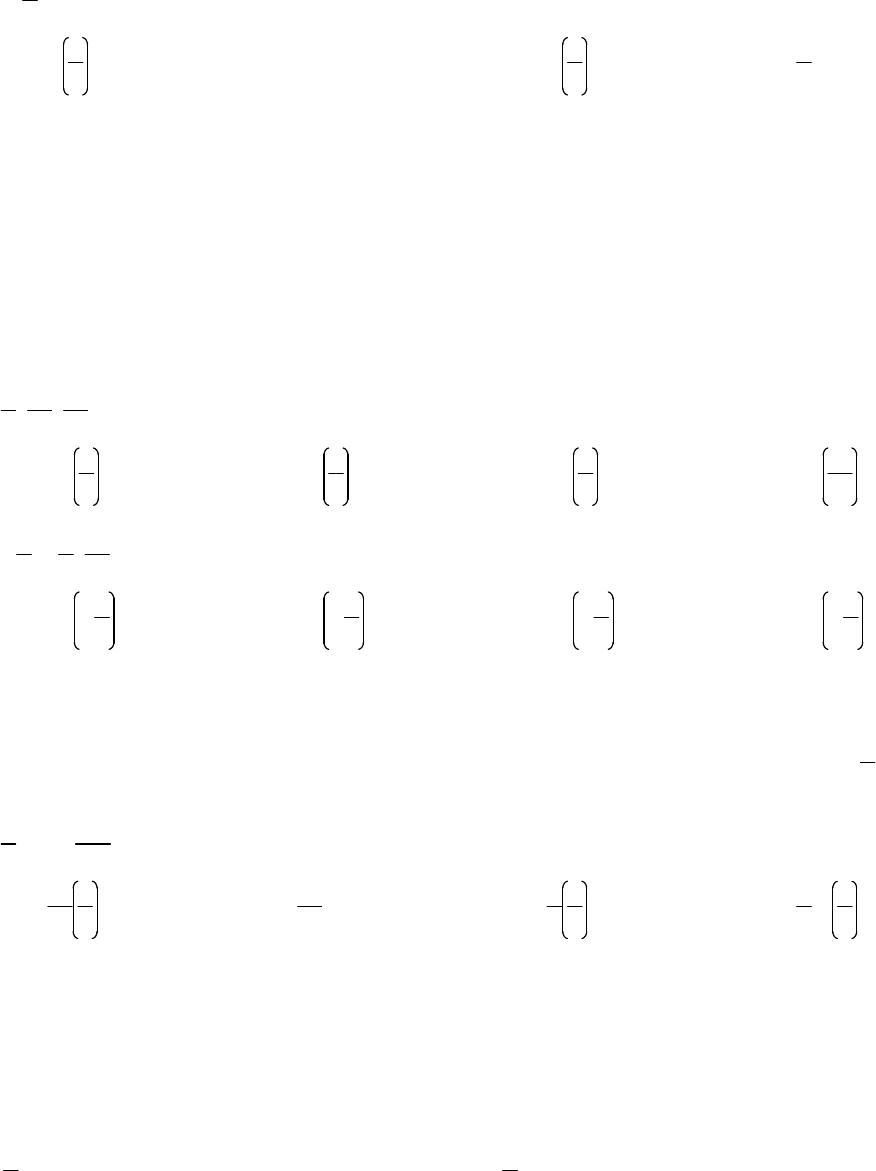
Find the nth term {an} of the geometric sequence. When given, r is the common ratio.
11) 4, 2, 1, 1
2, …
A) an = 4 1
2
n–1B) an = 4 · 2n–1C) an = 4 1
4
n–1D) an = 1
2 (4)n–1
12) 6
,
18
,
54
,
162
,
486
,
…
A) an = 6 · 3n–1B) an = 6 · 3nC) an = a1 + 3nD) an =6·3n
13) –6
,
–12
,
–24
,
–48
,
–96
,
…
A) an = –6 · 2n–1B) an = –6 · 2nC) an = a1 + 2nD) an = –6·2n
14) 7
,
–21
,
63
,
–189
,
567
,
…
A) an = 7 · (–3)n–1B) an = 7 · (–3)nC) an = a1 – 3nD) an =7·(–3)n
15) 4, 1, 1
4, 1
16, 1
64, …
A) an = 4 · 1
4
n–1B) an = 4 · 1
4
nC) an = 4 · 1
4
n +1D) an = 4 · 1
16
n–1
16) 3, – 1, 1
3, – 1
9, 1
27, …
A) an = 3 · – 1
3
n–1B) an = 3 · – 1
3
nC) an = 3 · – 1
3
n +1D) an = 3 · – 1
9
n–1
Find the fifth term and the nth term of the geometric sequence whose initial term, a, and common ratio, r, are given.
17) a4 = –81; r = –3
A) an = 3(–3)n–1B) an = 3(–3)nC) an = 3 + (–3)n–1D) an = 2187(– 1
3)n–1
18) a3 = 1
3; a6 = 1
192
A) an = 16
3
1
4
n–1B) an = 16
3(–4)n–1C) an = 1
3
1
4
n–1D) an = 1
3 + 1
4(n – 1)
Solve.
19) A new piece of equipment cost a company $54,000. Each year, for tax purposes, the company depreciates
the value by 25%.What value should the company give the equipment after 7 years?
A) $7208 B) $3 C) $9611 D) $13
20) A particular substance decays in such a way that it loses half its weight each day. How much of the
substance is left after 10 days if it starts out at 256 grams?
A) 1
4 gram B) 4 grams C) 1
2 gram D) 2 grams
Page 18
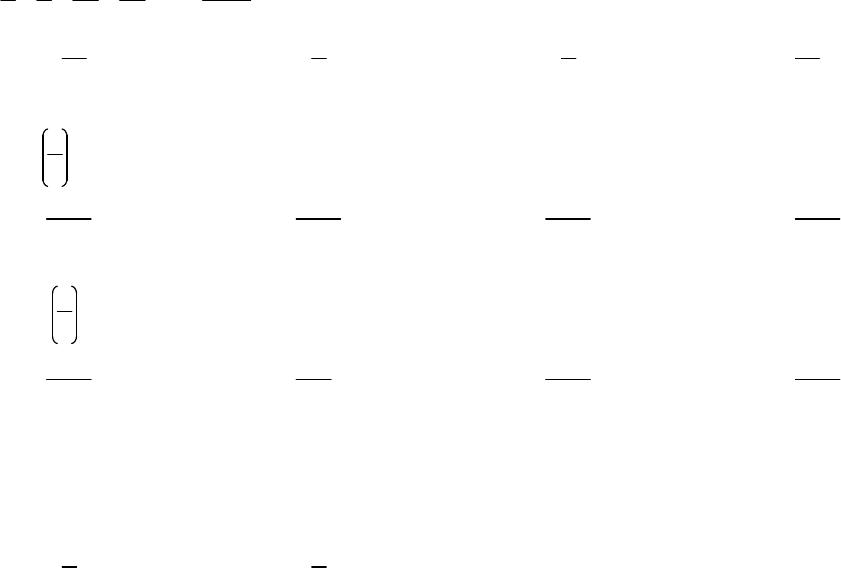
21) A bicycle wheel rotates 500 times in a minute as long as the rider is pedaling. If the rider stops pedaling,
the wheel starts to slow down. Each minute it will rotate only 3/4 as many times as in the preceding
minute. How many times will the wheel rotate in the 5th minute after the rider’s feet leave the pedals?
Round your answer to the nearest unit.
A) 119 times B) 158 times C) 0 times D) 2 times
22) A pendulum bob swings through an arc 70 inches long on its first swing. Each swing thereafter, it swings
only 62% as far as on the previous swing. What is the length of the arc after 8 swings? Round your answer
to two decimal places, if necessary.
A) 2.47 inches B) 1.53 inches C) 0.95 inches D) 303.8 inches
23) A hockey player signs a contract with a starting salary of $820,000 per year and an annual increase of 4.5%
beginning in the second year. What will the athlete’s salary be, to the nearest dollar, in the eighth year?
A) $1,115,907 B) $1,116,698 C) $1,114,517 D) $1,118,009
24) Keyana takes a job with a starting salary of $34,000 for the first year with an annual increase of 4%
beginning in the second year. What is Keyana’s salary, to the nearest dollar, in the sixth year?
A) $41,366 B) $41,887 C) $40,048 D) $43,505
3 Find the Sum of a Geometric Sequence
MULTIPLE CHOICE. Choose the one alternative that best completes the statement or answers the question.
Find the sum.
1) 1
7 + 3
7 + 32
7 + 33
7 + … + 3n–1
7
A) – 1
14 (1 – 3n)B)
– 1
7 (1 – 3n)C)
– 2
7 (1 – 3n)D)
1
14 (1 – 3n)
2)
5
k=1
2
3(4)k
∑
A) 2728
3B) 2782
3C) 2773
3D) 2689
3
3)
4
k = 1
3
4
k+1
∑
A) 1575
1024 B) 525
256 C) 1579
1024 D) 7029
1024
4)
n
k = 1
5 · 7k–1
∑
A) – 5
6 (1 – 7n)B)
– 5
6 (1 – 7n–1)C)
– 30 (1 – 7n)D)
– 5 (1 – 7n)
Use a graphing utility to find the sum of the geometric sequence. Round answer to two decimal places, if necessary.
5) 3 + 6 + 12 + 24 + 48 + … + 3 · 212
A) 24,573 B) 24,553 C) 24,610 D) 24,575
Page 19

6) –7 – 14 – 28 – 56 – 112 – … – 7 · 212
A) –57,337 B) –57,357 C) –57,300 D) –57,335
7) 8 – 16 + 32 – 64 + 128 – … + 8 · (–2)7
A) –680 B) –682 C) –673 D) –686
8) 1
5 + 2
5 + 22
5 + 23
5 + … + 213
5
A) 3276.6 B) 3276.4 C) 6553.2 D) 6553.4
9)
5
k = 1
3(4)k
∑
A) 4092 B) 7710 C) 268 D) 252
10)
5
k = 1
4(–4)k
∑
A) –3280 B) –10,280 C) 240 D) 816
11)
10
k = 1
1
5 · (–2)k–1
∑
A) –68.2 B) –68.6 C) –66.8 D) –69.4
Solve.
12) A small business owner made $60,000 the first year he owned his store and made an additional 2% over
the previous year in each subsequent year. Find how much he made during his fourth year of business.
Find his total earnings during the first four years. (Round to the nearest cent, if necessary.)
A) $63,672.48; $247,296.48 B) $0.48; $61,224.48
C) $103,680.00; $322,080.00 D) $124,416.00; $446,496.00
13) As Sunee improves her algebra skills, she takes 0.9 times as long to complete each homework assignment
as she took to complete the preceeding assignment. If it took her 65 minutes to complete her first
assignment, find how long it took her to complete the fifth assignment. Find the total time she took to
complete her first five homework assignments. (Round to the nearest minute.)
A) 43 min; 266 min B) 38 min; 266 min C) 43 min; 224 min D) 38 min; 224 min
SHORT ANSWER. Write the word or phrase that best completes each statement or answers the question.
14) Initially, a pendulum swings through an arc of 3 feet. On each successive swing, the length of the arc is 0.8
of the previous length. After 10 swings, what total length will the pendulum have swung (to the nearest
tenth of a foot)?
MULTIPLE CHOICE. Choose the one alternative that best completes the statement or answers the question.
15)
J
oytown has a present population of 40,000 and the population is increasing by 2.5% each year. How long
will it take for the population to double? Round your answer to the nearest year.
A) 28 years B) 40 years C) 29 years D) 41 years
Page 20

4 Determine Whether a Geometric Series Converges or Diverges
MULTIPLE CHOICE. Choose the one alternative that best completes the statement or answers the question.
Determine whether the infinite geometric series converges or diverges. If it converges, find its sum.
1) 2 + 2
3 + 2
9 + 2
27 + . . .
A) Converges; 3 B) Converges; 8
3C) Converges; 2
3D) Diverges
2) 3 – 1 + 1
3 – 1
9 + . . .
A) Converges; 9
4B) Converges; 2 C) Converges; –1 D) Diverges
3) 18 + 6 + 2 + 2
3 + . . .
A) Converges; 27 B) Converges; –9 C) Converges; 26 D) Diverges
4) 4 + 1 + 1
4 + …
A) Converges; 16
3B) Converges; 4 C) Converges; 1 D) Diverges
5) 3 – 3
4 + 3
16 – …
A) Converges; 12
5B) Converges; 3 C) Converges; – 3
4D) Diverges
6) 96 + 24 + 6 + …
A) Converges; 128 B) Converges; –32 C) Converges; 126 D) Diverges
7) –6 – 2 – 2
3 – …
A) Converges; – 9 B) Converges; 3 C) Converges; – 26
3D) Diverges
8) 2 + 6 + 8 + 10 + …
A) Converges; 21 B) Converges; 32 C) Converges; ∞D) Diverges
9)
∞
k = 1
1
10 · 4k – 1
∑
A) Converges; 2
5B) Converges; 4 C) Converges; ∞D) Diverges
10)
∞
k=1
4 2
3
k–1
∑
A) Converges; 12 B) Converges; 16 C) Converges; 4 D) Diverges
Page 21

Solve.
11) A pendulum bob swings through an arc 70 inches long on its first swing. Each swing thereafter, it swings
only 90% as far as on the previous swing. How far will it swing altogether before coming to a complete
stop?
A) 700 inches B) 78 inches C) 350 inches D) 156 inches
12) A ball is dropped from a height of 25 feet. Each time it strikes the ground, it bounces up to 0.7 of the
previous height. The total distance the ball has traveled before the second bounce is 25 + 2(25 · 0.7) feet,
and the total distance the ball has traveled before bounce n + 1 is
25 +
n
k=1
50 0.7k
∑feet.
Use facts about infinite geometric series to calculate the total distance the ball has traveled by the time it
has stopped bouncing.
A) 141 2
3 feet B) 141 2
5 feet C) 140 1
3 feet D) 144 3
5 feet
13) A ping–pong ball is dropped from a height of 9 ft and always rebounds 1
3 of the distance fallen. Find the
total sum of the rebound heights of the ball.
A) 4.5 ft B) 13.5 ft C) 6 ft D) 3 ft
14) After being struck with a hammer, a gong vibrates 21 vibrations in the first second and in each second
thereafter makes 3
4 as many vibrations as in the previous second. Find how many vibrations the gong
makes before it stops vibrating.
A) 84 vibrations B) 28 vibrations C) 94 vibrations D) 23 vibrations
9.4 Mathematical Induction
1 Prove Statements Using Mathematical Induction
SHORT ANSWER. Write the word or phrase that best completes each statement or answers the question.
Use the Principle of Mathematical Induction to show that the statement is true for all natural numbers n.
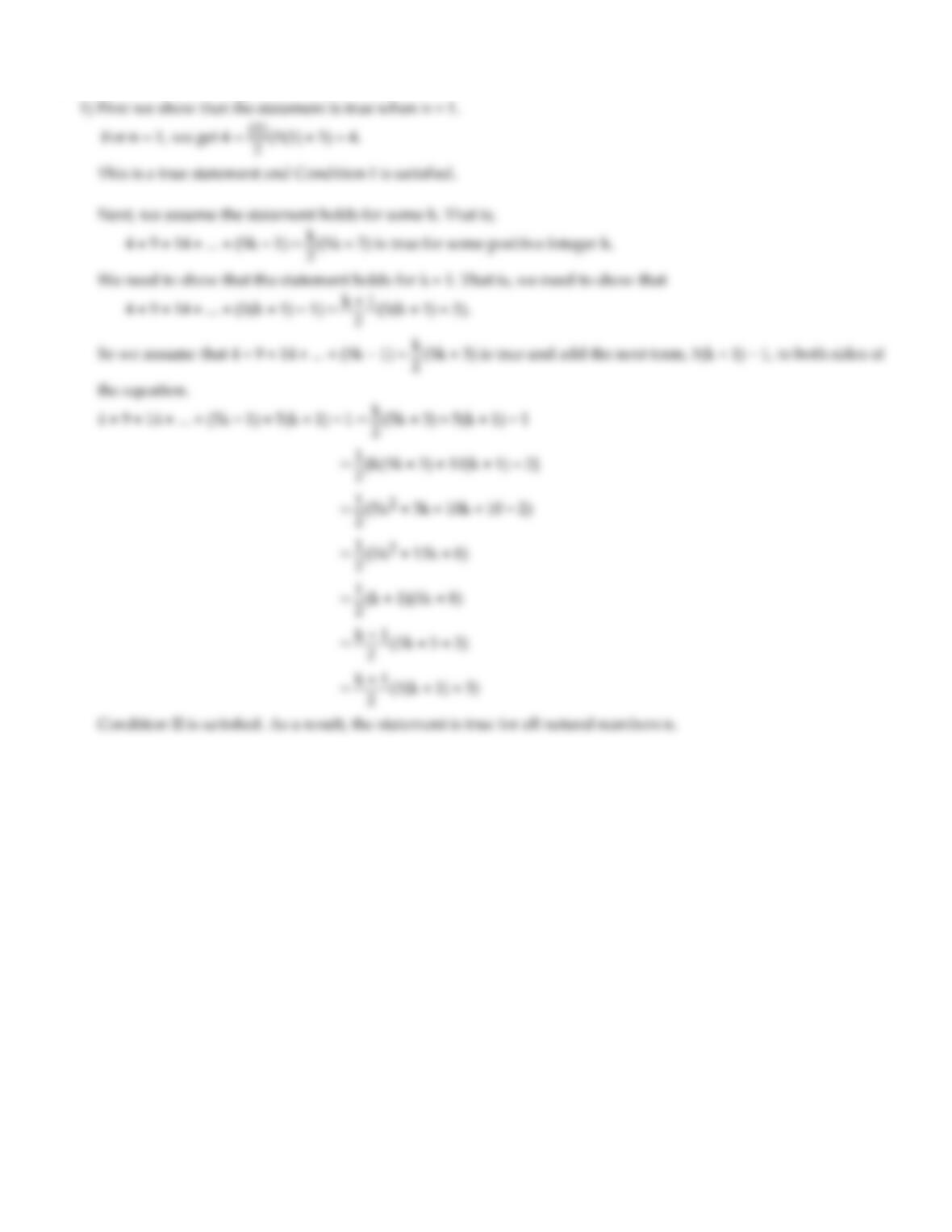
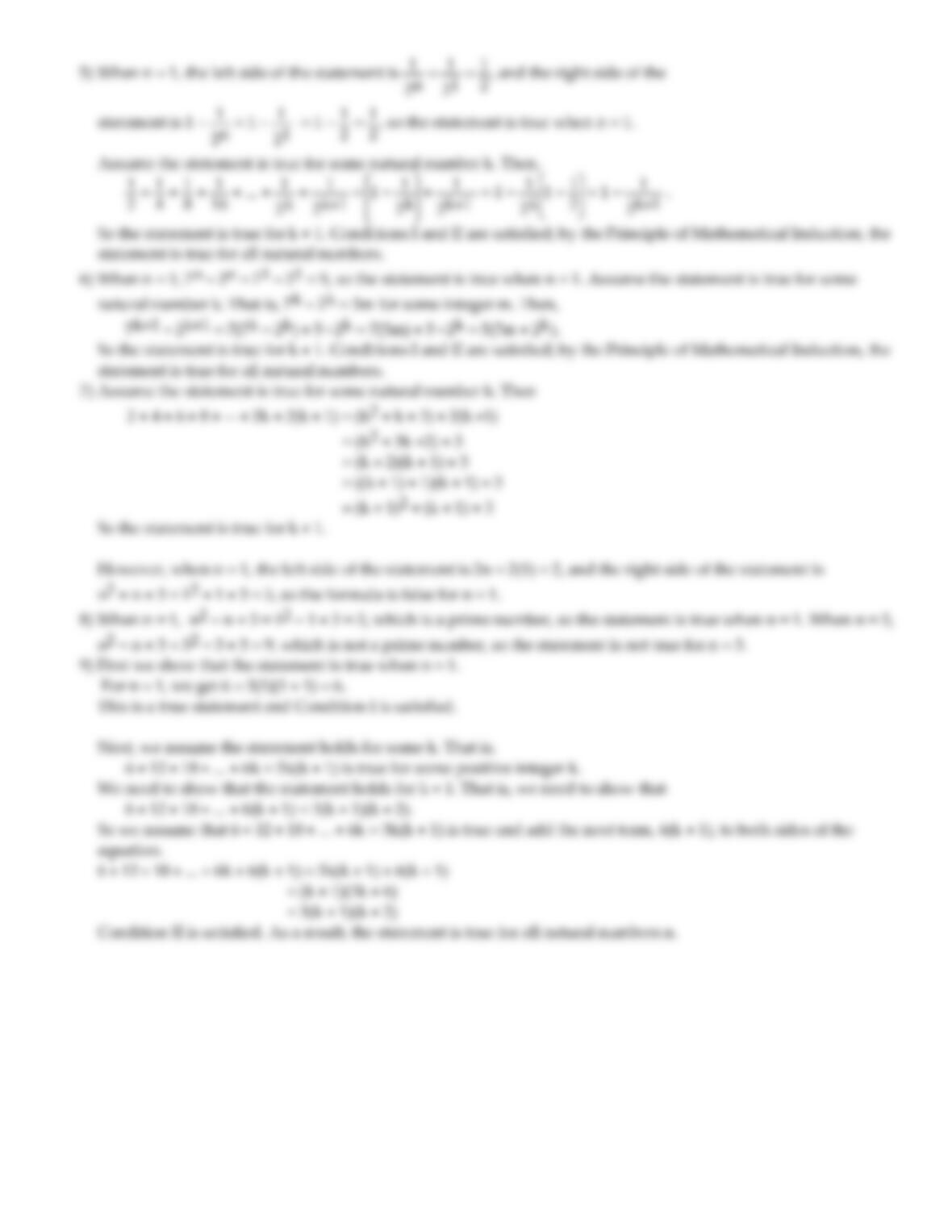
1) 4 + 9 + 14 + … + (5n – 1) = n
2(5n + 3)
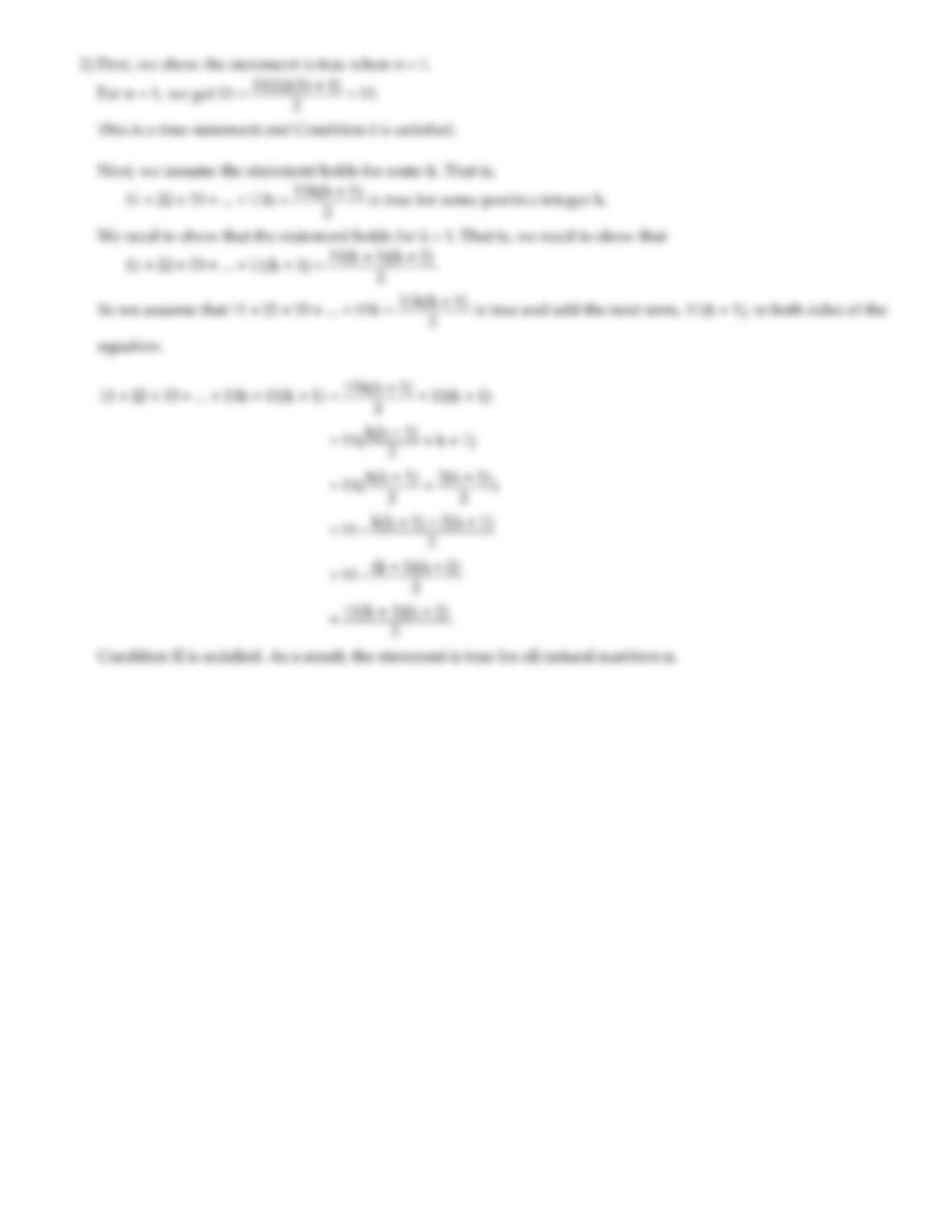
2) 11 + 22 + 33 + … + 11n = 11n(n + 1)
2
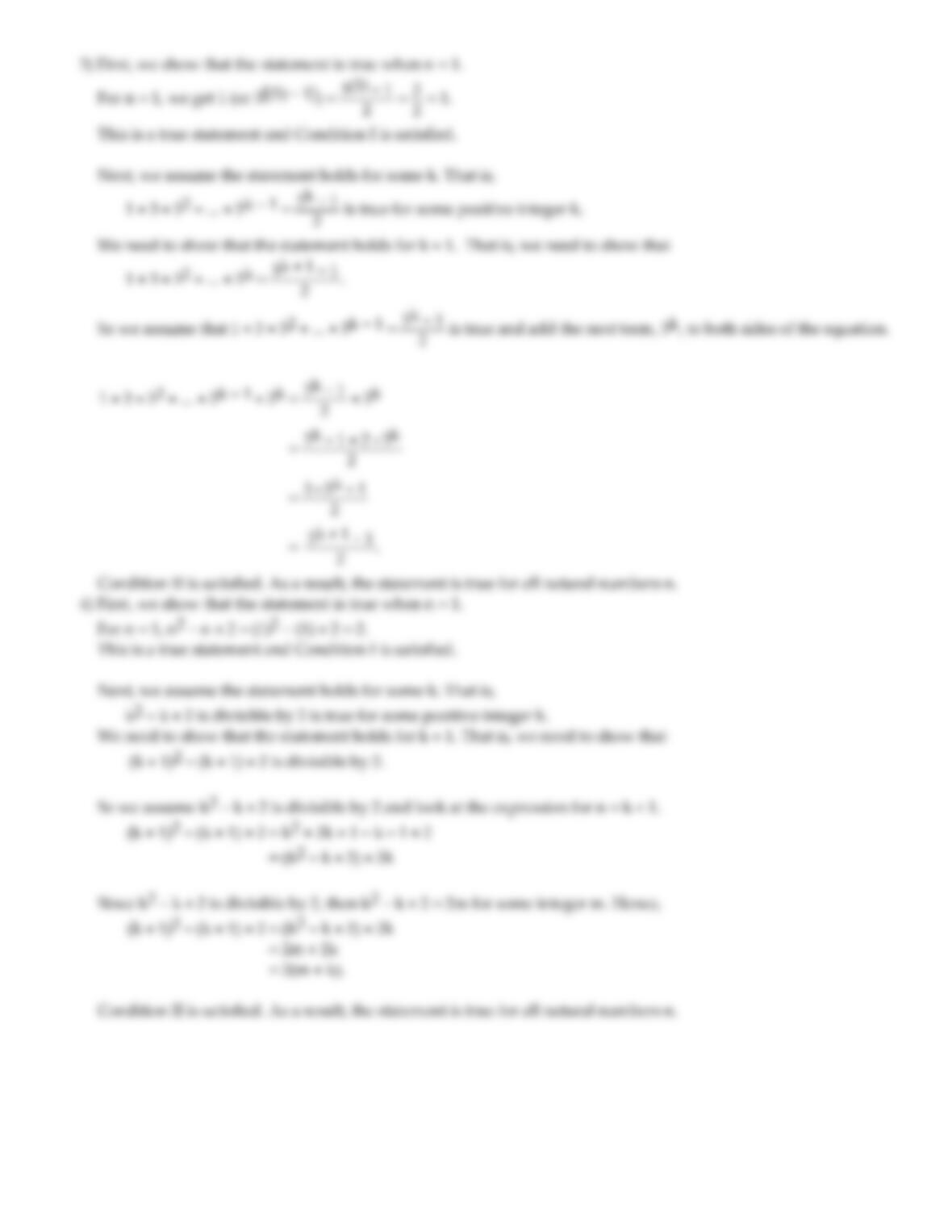
3) 1 + 3 + 32 + … + 3n – 1 = 3n – 1
2
4) n2 – n + 2 is divisible by 2
5) 1
2 + 1
4 + 1
8 + 1
16 + … + 1
2n = 1 – 1
2n
6) Use the Principle of Mathematical Induction to show that the statement “5 is a factor of 7n – 2n” is true for
all natural numbers. (Hint: 7k+1 – 2k+1 = 7(7k – 2k) + 5 · 2k)
Page 22
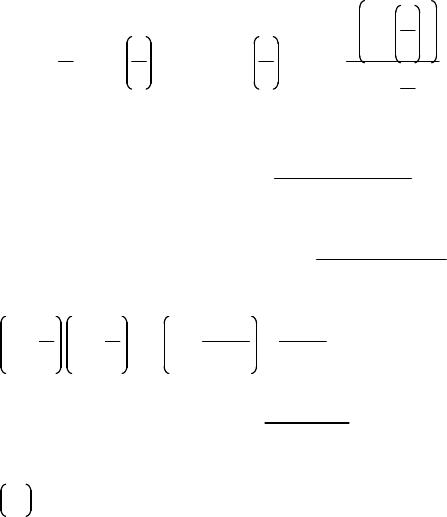
7) Show that the formula
2 + 4 + 6 + 8 + … + 2n = n2 + n + 3
obeys Condition II of the Principle of Mathematical Induction. That is, show that if the formula is true for
some natural number k, it is also true for the next natural number k + 1. Then show that the formula is
false for n = 1.
8) Show that the statement “n2 – n + 3 is a prime number” is true for n = 1, but is not true for n = 3.
9) 6 + 12 + 18 + … + 6n = 3n(n + 1)
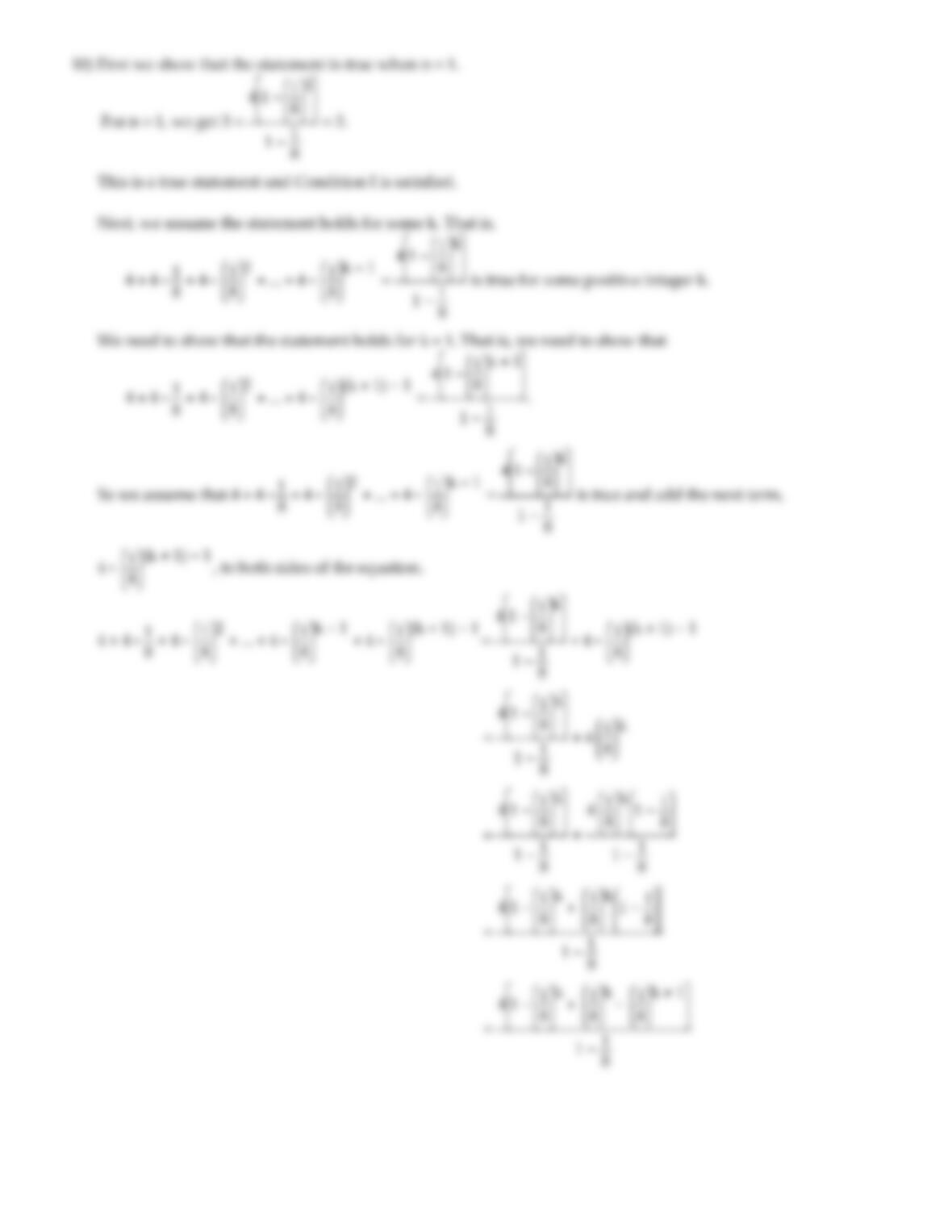
10) 4 + 4 · 1
8 + 4 · 1
8
2 + … + 4 · 1
8
n – 1 =
41
– 1
8
n
1 – 1
8
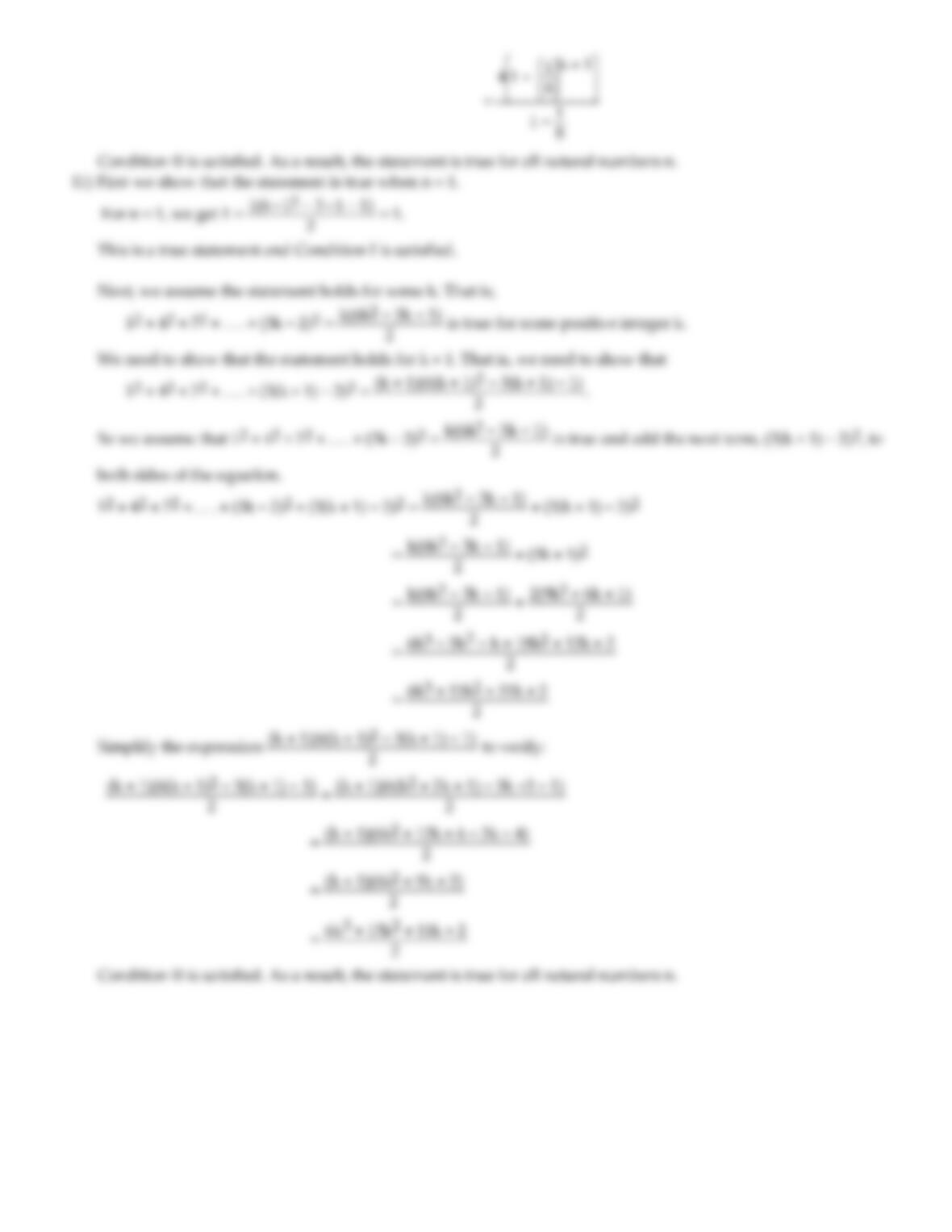
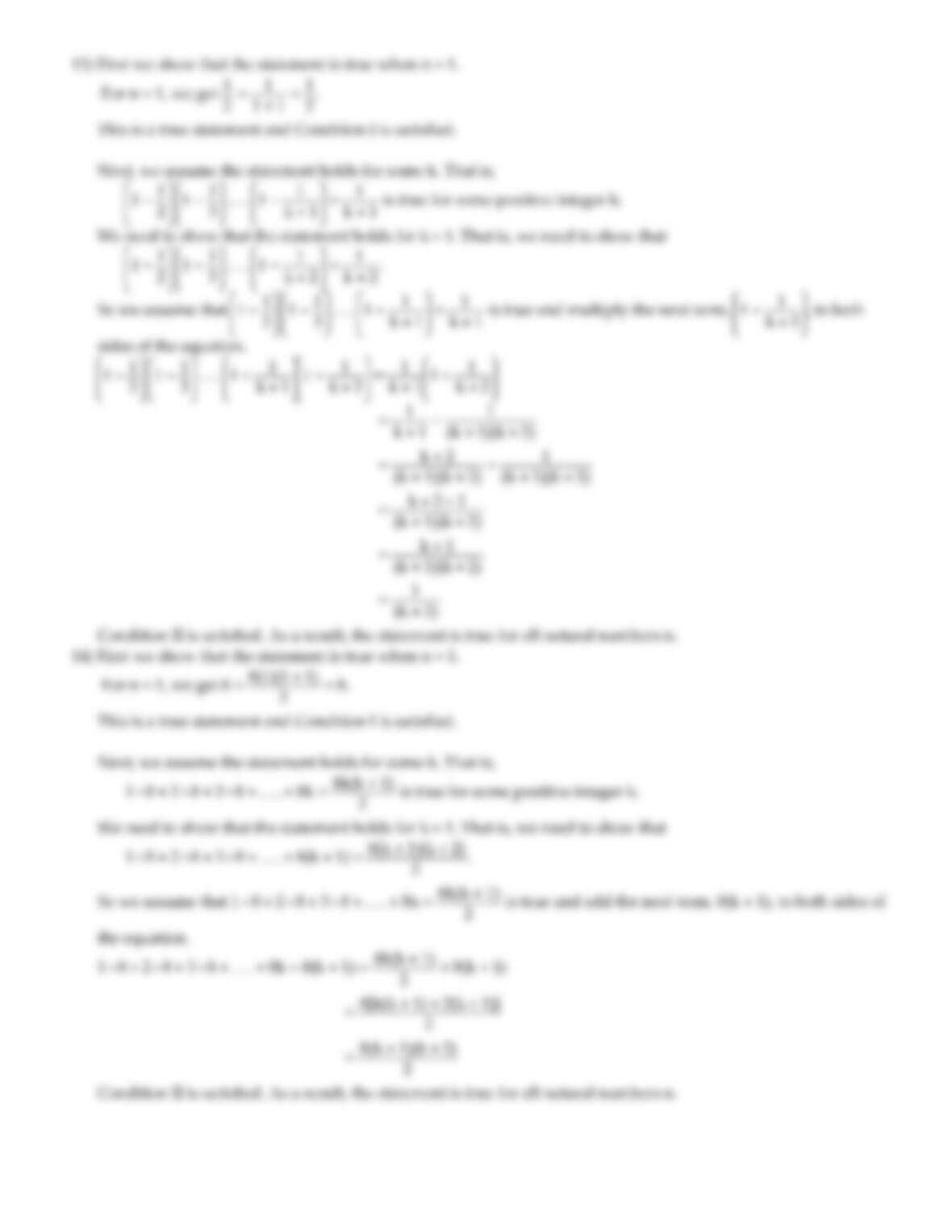
11) 12 + 42 + 72 + . . . + (3n – 2)2 = n(6n2 – 3n – 1)
2
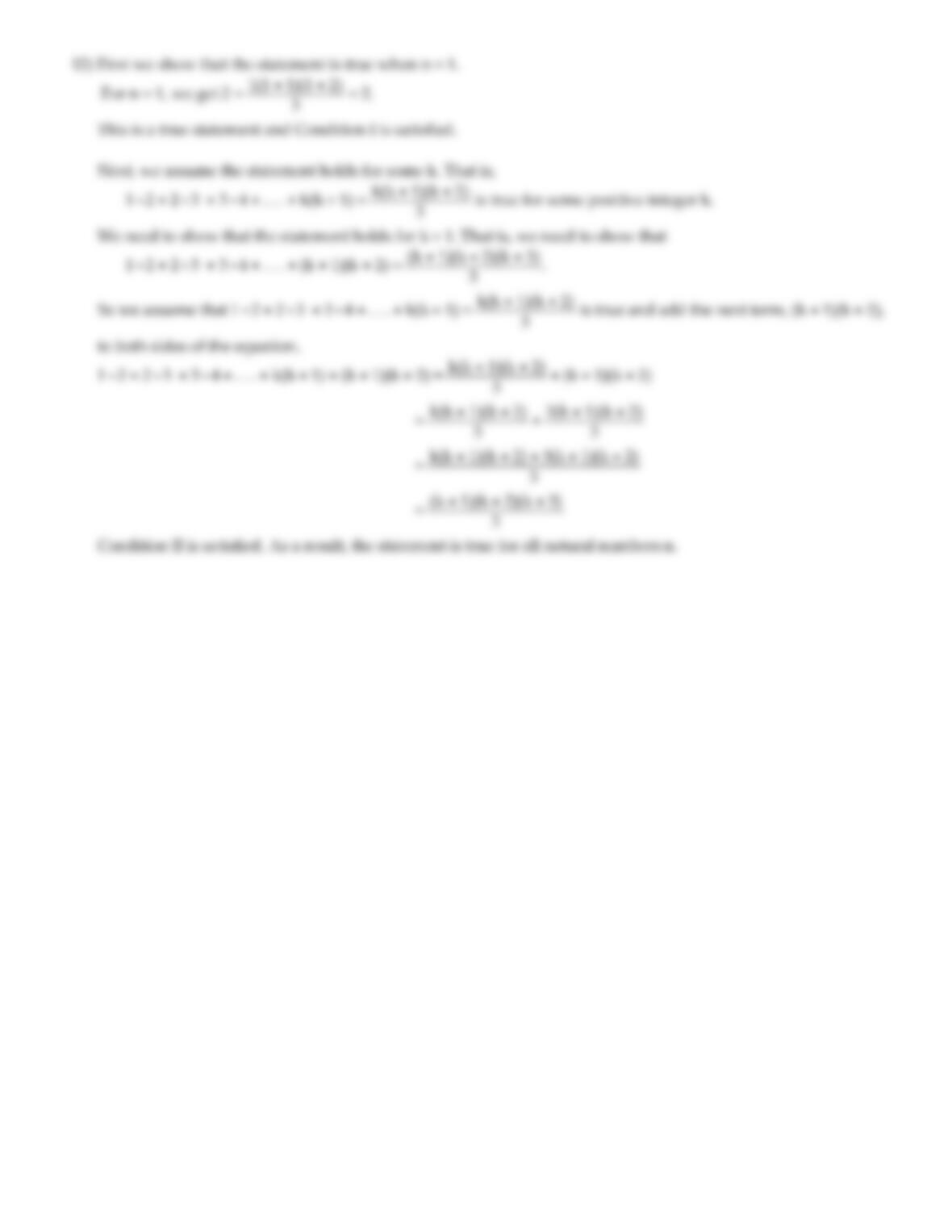
12) 1 · 2 + 2 · 3 + 3 · 4 + . . . + n(n + 1) = n(n +1)(n +2)
3
13) 1 – 1
2 1
– 1
3 . . . 1 – 1
n + 1 = 1
n + 1
14) 1 · 8 + 2 · 8 + 3 · 8 + . . . + 8n = 8n(n + 1)
2
15) 94n = 94n
MULTIPLE CHOICE. Choose the one alternative that best completes the statement or answers the question.
Solve.
16) Let P(n) represent the statement:
–3 + 3 + 9 + … + (6n – 9) = 3n2 – 6n
In the proof that P(n) is true for all integers n, n ≥ 1, what term must be added to both sides of P(k) to
show P(k +1) follows from P(k)?
A) 6k – 3 B) P(k +1) C) 6k –9 D) 6k +3
SHORT ANSWER. Write the word or phrase that best completes each statement or answers the question.
17) Let P(n) represent the statement:
–2 + 4 + 10 + … + (6n – 8) = 3n2 – 5n
In the proof that P(n) is true for all integers n, n ≥ 1, what term must be added to both sides of P(k) to
show P(k +1) follows from P(k)?
Page 23
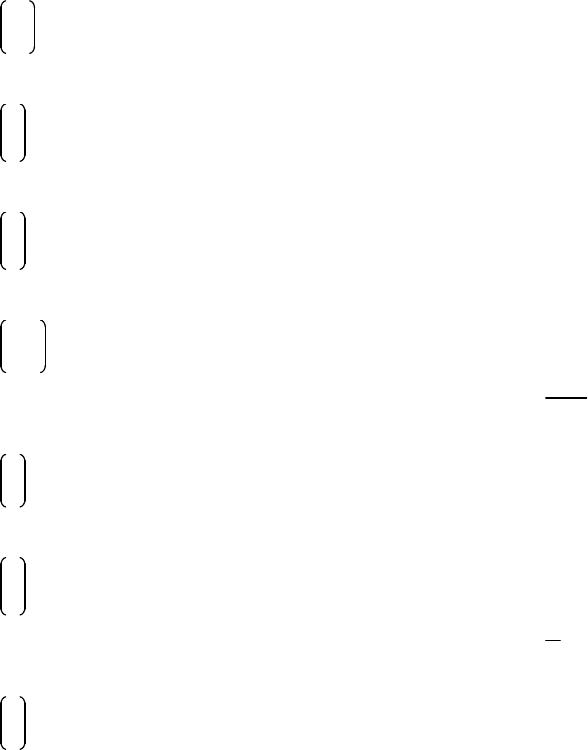
9.5 The Binomial Theorem
1 Evaluate a Binomial Coefficient
MULTIPLE CHOICE. Choose the one alternative that best completes the statement or answers the question.
Evaluate the expression.
1)
11
3
A) 165 B) 6,652,800 C) 82 D) 3
2) 5
2
A) 10 B) 5 C) 0 D) 1
3) 8
4
A) 70 B) 140 C) 1680 D) 35
4)
108
2
A) 5778 B) 11,556 C) 108!
106! D) 106
5)
4
0
A) 1 B) 24 C) 2 D) 0
6) 5
1
A) 5 B) 1 C) 5
4D) 5!
7)
4
4
A) 1 B) 24 C) 2 D) 0
2 Use the Binomial Theorem
MULTIPLE CHOICE. Choose the one alternative that best completes the statement or answers the question.
Expand the expression using the Binomial Theorem.
1) (x – 1)6
A) x6 – 6x5 +15x4 – 20x3 + 15x2 – 6x + 1B)x
6 – 6x5 – 15x4 – 20x3 – 15x2 – 6x – 6
C) x6 – 6x5 +30x4 – 120x3 + 30x2 – 6x + 1D)x
6 – 6x5 – 30x4 – 120x3 – 360x2 – 720x + 720
2) (x – 4)5
A) x5 – 20x4 + 160x3 – 640x2 + 1280x – 1024 B) x5 – 20x4 + 160x3 – 640x2 + 1280x – 4
C) x5 – 20x4 + 320x3 – 1280x2 + 1280x – 1024 D) x5 – 20x4 + 320x3 – 1280x2 + 1280x – 4
Page 24
3) (4x + 3)3
A) 64x3 + 144x2 + 108x + 27 B) 64x3 + 144x2 + 144x + 27
C) 16x6 + 12x3 + 729 D) 16x2 + 24x + 9
4) (2x + 5)4
A) 16x4 + 160x3 + 600x2 + 1000x + 625 B) 80x4 + 800 x3 + 600x2 + 5000x + 625
C) (4x2 + 10x + 25)4D) 16x3 + 160x2 + 600x + 1000
5) (4x – 1)5
A) 1024x5 – 1280x4 + 640x3 – 160x2 + 20x – 1 B) 1024x5 – 256x4 + 64x3 – 16x2 + 4x – 1
C) (16x2 – 8x + 1)5D) 1024x5 + 20x4 – 160x3 – 160x2 + 20x – 1
6) (2x2 + 1)3
A) 8x6 + 12x4 + 6x2 + 1B)(4x
4 + 4x2 + 1)3
C) 8x3 + 12x2 + 6x + 1 D) 16x8 + 8x6 + 12x4 + 6x2 + 1
7) (3x – 5y)3
A) 27x3 – 135x2y + 225xy2 – 125y3B) 27x3 – 45x2y + 75xy2 – 125y3
C) 9x3y – 15x2y2 + 25xy3D) 9x3y – 30x2y2 + 25xy3
8) (x2 – 2y)4
A) x8 – 8x6y + 24x4y2 – 32x2y3 + 16y4B) x8 – 2x6y + 24x4y2 – 16x2y3 + 16y4
C) x4 – 8x3y + 24x2y2 – 32xy3 + 16y4D) x8 – 8x6y + 24x4y2 + 8x2y3 + 16y4
9) (x2 + 5y)4
A) x8 + 20x6y + 150x4y2 + 500x2y3 + 625y4B) x6 + 15x5y + 150x4y2 + 375x2y3 + 625y4
C) x6 + 20x5y +30x4y2 + 20x2y3 + 5y4D) x8 + 15x6y + 150x4y2 + 375x2y3 + 625y4
10) (2x + y)6
A) 64x6 + 192x5y + 240x4 y2 + 160x3 y3 + 60x2y4 + 12xy5 + y6
B) 2x6 + 12x5y + 30x4 y2 + 40x3y3 + 12xy5 + y6
C) 64x6 + 192x5y + 480x4y2 + 960x3y3 + 1440x2y4 + 12xy5 + y6
D) 64x6 + 192x5y + 240x4y2 + 160x3y3 + 240x2y4 + 192xy5 + 64y6
11) (w – s)6
A) w6 – 6w5s + 15w4s2 – 20w3s3 + 15w2s4 – 6ws5 + s6
B) w6 – s6
C) w6 – 8w5s + 17w4s2 – 22w3s3 + 17w2s4 – 8ws5 + s6
D) w6 – 6w5s – 30w4s2 + 120w3s3 + 360w2s4 – 720ws5 – 720s6
12) (g – 2h)3
A) g3 – 6g2h + 12gh2 – 8h3B) g3 – 3g2h + 6gh2 – 2h3
C) g3 – 6h2g + 12hg2 – 8h3D) g3 – 8h3
Page 25
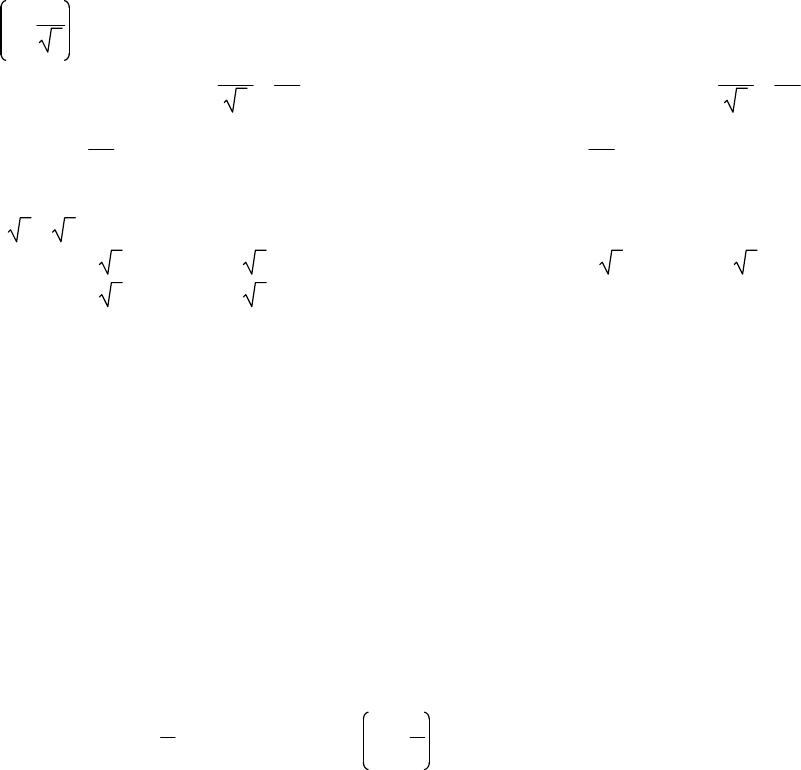
13) x – 3
x
4
A) x4 – 12x5/2 + 54x – 108
x + 81
x2B) x4 – 12x3/2 + 54x – 108
x + 81
x2
C) x4 – 81
x2D) x4 + 81
x2
14) ( x + 2)4
A) x2 + 42
x3/2 + 12x + 82x1/2 + 4B)x
2 + 22x3/2 + 6x + 42x1/2 + 4
C) x2 + 42
x1/2 + 12x + 82x1/2 + 16 D) x2 + 4
15) (px + ry)5
A) p5x5 + 5p4rx4y + 10p3r2x3y2 + 10p2r3x2y3 + 5pr4xy4 + r5y5
B) p5x5 + 5p3r2x3y2 + 5pr4xy4 + r5y5
C) p5x5 + 5prx4y + 10p3r2x3y2 + 10p2r3x2y3 + 5prxy4 + r5y5
D) p5x5 + r5y5
Use the Binomial Theorem to find the indicated coefficient or term.
16) The coefficient of x in the expansion of (4x + 3)3
A) 108 B) 144 C) 9 D) 216
17) The coefficient of x in the expansion of (3x + 5)5
A) 9375 B) 5625 C) 15,625 D) 1875
18) The coefficient of 1
x in the expansion of 2x + 1
x
3
A) 6 B) 2 C) 9 D) 3
19) The coefficient of x4 in the expansion of (3x + 4)6
A) 19,440 B) 34,560 C) 11,664 D) 23,328
20) The coefficient of x8 in the expansion of (x2 – 3)7
A) –945 B) 945 C) 2835 D) –2835
21) The 3rd term in the expansion of (3x + 8)3
A) 576x B) 216x2C) 64 D) 1152x
22) The 5th term in the expansion of (2x + 5)5
A) 6250x B) 2500x2C) 15,625 D) 1250x
23) The 10th term in the expansion of (4x + 2y)11
A) 450,560x2y9B) 225,280x2y10 C) 225,280x9y2D) 112,640x9y2
24) The 4th term in the expansion of (x + 2y)9
A) 672x6y3B) 336x6y4C) 336x3y6D) 672x3y6
Page 26
25) The 10th term in the expansion of (4x – 2y)12
A) –7,208,960x3y9B) 3,604,480x3y10 C) 3,604,480x9y3D) –1,802,240x9y3
26) The 10th term in the expansion of (x + 3y)11
A) 1,082,565x2y9B) 360,855x2y10 C) 360,855x9y2D) 1,082,565x9y2
Solve.
27) Use the Binomial Theorem to approximate (1.01)5 = (1 + 10–2)5 to 7 decimal places.
A) 1.0510101 B) 1.050101 C) 1.0550101 D) 1.0550505
28) Use the Binomial Theorem to approximate (0.98)6 = (1 – 2(10–2))6to 5 decimal places.
A) 0.88584 B) 0.85841 C) 0.88854 D) 0.88548
Page 27
Ch. 9 Sequences; Induction; the Binomial Theorem
Answer Key
9.1 Sequences
1 Write the First Several Terms of a Sequence
2 Write the Terms of a Sequence Defined by a Recursive Formula
3 Use Summation Notation
Page 28
4 Find the Sum of a Sequence Algebraically and Using a Graphing Utility
5 Solve Annuity and Amortization Problems
9.2 Arithmetic Sequences
1 Determine if a Sequence is Arithmetic
2 Find a Formula for an Arithmetic Sequence
Page 29
3 Find the Sum of an Arithmetic Sequence
9.3 Geometric Sequences; Geometric Series
1 Determine if a Sequence is Geometric
2 Find a Formula for a Geometric Sequence
Page 30
3 Find the Sum of a Geometric Sequence
4 Determine Whether a Geometric Series Converges or Diverges
Page 31
9.4 Mathematical Induction
1 Prove Statements Using Mathematical Induction
Page 32
Page 33
Page 34
Page 35
Page 36
Page 37
Page 38
Page 39
9.5 The Binomial Theorem
1 Evaluate a Binomial Coefficient
2 Use the Binomial Theorem
Page 40

Page 41