95. Marginal revenue is the change in:
a.
total revenue resulting from a one unit change in output.
b.
total revenue resulting from a change in marginal cost.
c.
price resulting from a one unit change in output.
d.
none of these.
96. If a perfectly competitive firm sells 10 units of output at a market price of $5 per unit, its marginal
revenue per unit is:
a.
$5.
c.
more than $5 but less than $50.
b.
$50.
d.
less than $5.
97. Marginal revenue is the change in:
a.
total profit brought about by selling one more unit of output.
b.
price brought about by selling one more unit of output.
c.
total revenue brought about by selling one more unit of output.
d.
output brought about by a $1 change in product price.
e.
average revenue brought about by selling one more unit of output.
98. Under perfect competition, no matter how much output is produced, the total revenue curve is:
a.
a positively-sloped line.
b.
a negatively-sloped line.
c.
a horizontal straight line.
d.
a U-shaped curve.
e.
a hill-shaped curve.
99. When the price of a good is a constant, the marginal revenue per unit of output is the same as:
a.
total revenue.
b.
average total cost.
c.
price.
d.
quantity of output.
e.
profit per unit.
100. A portrait photographer produces output in packages of 100 photos each. If the output sold increases
from 600 to 700 photos, total revenue increases from $1,200 to $1,400. The marginal revenue per
photo is:
a.
$200.
b.
$100.
c.
$20.
d.
$2.
e.
$1.
101. Which of the following is a firm’s supply curve in a perfectly competitive market?
a.
Total cost.
b.
Marginal revenue.
c.
Marginal cost.
d.
Average variable cost.
102. Suppose that 1000 identical sellers each set their profit-maximizing output level at 18 units when price
equals $10. Then what is market quantity supplied at a price of $10.
a.
100.
b.
1,000.
c.
10,000.
d.
18,000.
103. As market price increases in the short run, a profit-maximizing firm in a perfectly competitive market
will expand output along its:
a.
marginal cost curve.
c.
average variable cost curve.
b.
average total cost curve.
d.
market demand curve.
104. The supply curve of a price-taker firm in the short run is the:
a.
firm’s average variable cost curve.
b.
portion of the firm’s average total cost curve that lies above average variable cost curve.
c.
portion of the firm’s marginal cost curve that lies above average variable cost curve.
d.
firm’s marginal revenue curve.
105. A perfectly competitive firm’s short-run supply curve is the:
a.
average total cost curve.
b.
demand curve above the marginal revenue curve.
c.
same as the market supply curve.
d.
marginal cost curve above the average variable cost curve.
106. A perfectly competitive firm’s short-run supply curve is the:
a.
segment of the marginal cost curve above average fixed cost.
b.
segment of the marginal cost curve above the minimum level of average variable cost.
c.
upward-sloping segment of the marginal cost curve.
d.
both a and b.
107. Above the shutdown point, a competitive firm’s supply curve coincides with its:
a.
marginal revenue curve.
c.
average variable cost curve.
b.
marginal cost curve.
d.
average total cost curve.
108. If a competitive firm is losing money then it should:
a.
always shut down.
b.
shut down if its losses are greater than total fixed costs.
c.
shut down if its total fixed costs are greater than losses.
d.
raise its price.
109. A perfectly competitive firm’s short-run supply curve is the part of its marginal cost curve that is:
a.
upward sloping.
b.
above the minimum level of average variable cost.
c.
above average fixed cost.
d.
both a and b.
110. A perfectly competitive firm’s supply curve follows the upward-sloping segment of its marginal cost
curve above the:
a.
average total cost curve.
c.
average fixed curve.
b.
average variable cost curve.
d.
average price curve.
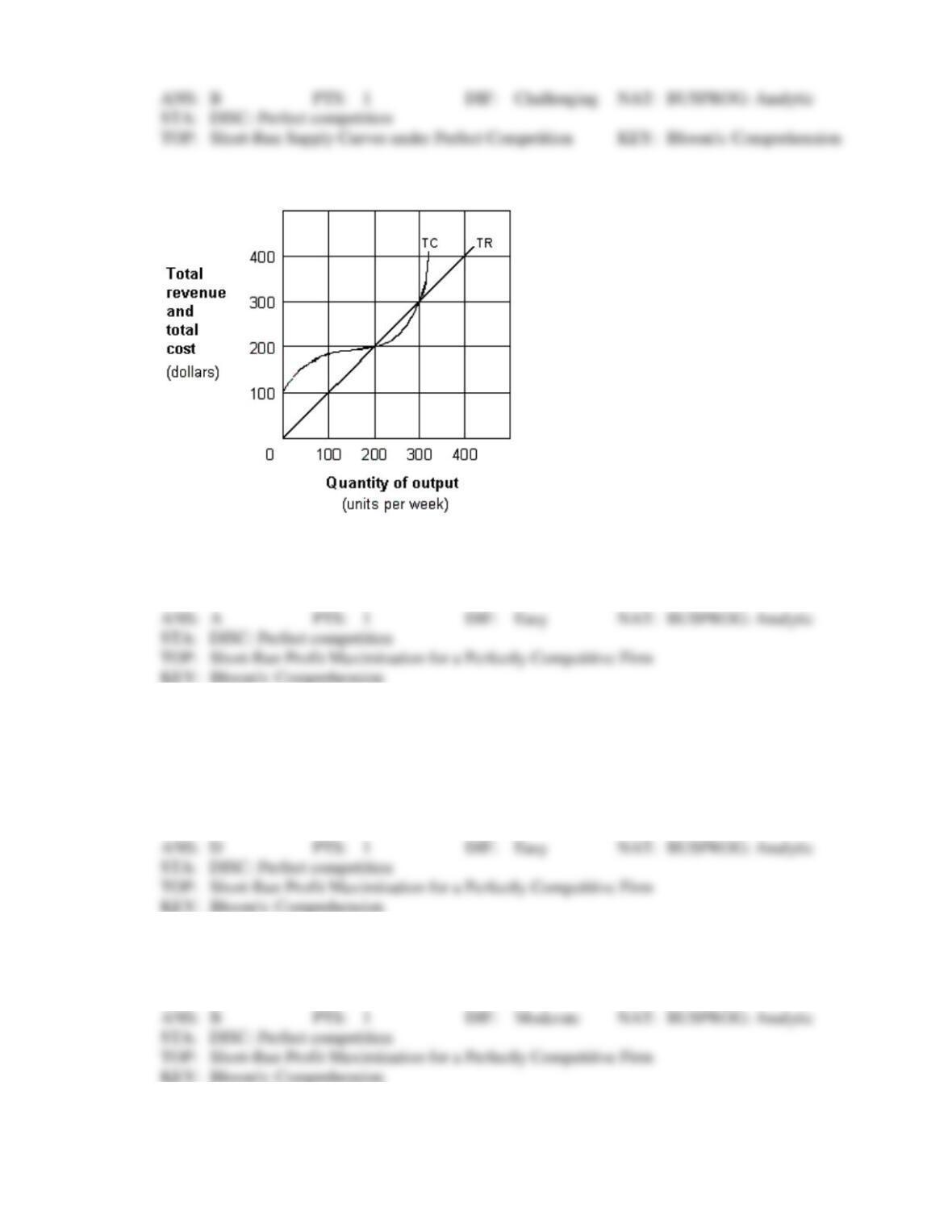
Exhibit 8-2 Total revenue and total cost graph
111. In Exhibit 8-2, if output is 200 units per week, economic profit for the firm is:
a.
zero.
c.
at its maximum.
b.
at its minimum.
d.
none of these.
112. In Exhibit 8-2, economic profit for the firm is at a maximum when output per week equals:
a.
zero units.
b.
100 units.
c.
200 units.
d.
250 units.
e.
300 units.
113. At an output of 250 units, as shown in Exhibit 8-2, marginal cost is:
a.
greater than marginal revenue.
c.
less than marginal revenue.
b.
equal to marginal revenue.
d.
none of these.
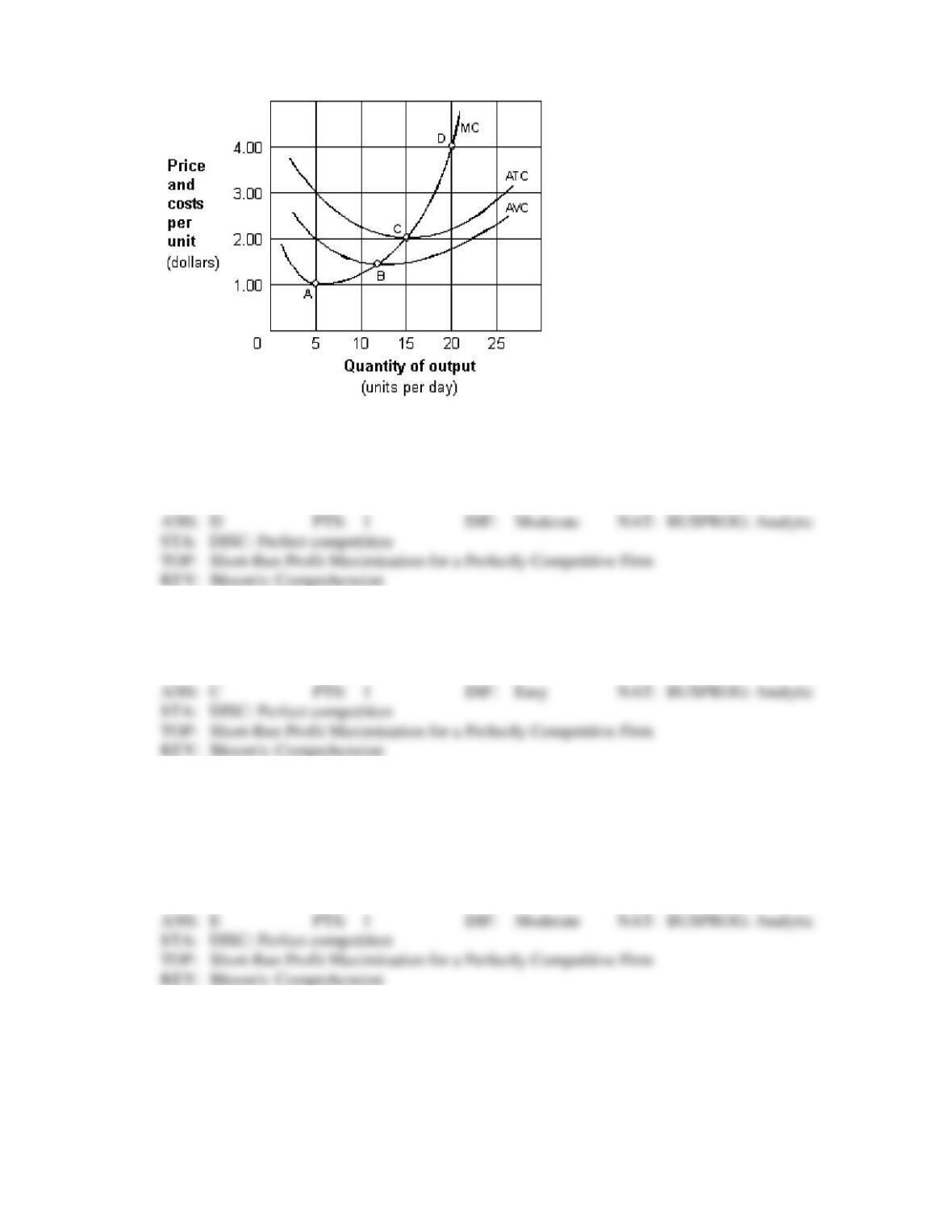
Exhibit 8-3 Cost per unit curves
114. As shown in Exhibit 8-3, if the product price is either $1.00, $1.50, $2.00, or $4.00, the firm’s
economic profit is maximum at an output of:
a.
5 units per day.
c.
15 units per day.
b.
10 units per day.
d.
20 units per day.
115. In Exhibit 8-3, if the price of the firm’s product is $2.00 per unit, the firm will produce:
a.
5 units per day.
c.
15 units per day.
b.
10 units per day.
d.
20 units per day.
116. As shown in Exhibit 8-3, the price at which the firm earns zero economic profit in the short-run is:
a.
$1.00 per unit.
b.
$1.50 per unit.
c.
$4.00 per unit.
d.
more than $2.00 per unit.
e.
$2.00 per unit.
117. If the price of the firm’s product in Exhibit 8-3 is $1.50 per unit, which intersects AVC at point B, the
firm should:
a.
continue to operate because it is earning a positive economic profit.
b.
stay in operation for the time being even though it is making a pure economic loss.
c.
shut down temporarily.
d.
shut down permanently.
118. As shown in Exhibit 8-3, the firm will produce in the short run if the price is at least equal to:
a.
$1.00 per unit (point A).
c.
$2.00 per unit (point C).
b.
$1.50 per unit (point B).
d.
$4.00 per unit (point D).
Exhibit 8-4 Marginal cost and revenue for a firm
Unit
Quantity
Marginal
Cost
Marginal
Revenue
12
$ 5
$9
13
6
9
14
7
9
15
8
9
16
9
9
17
10
9
119. In Exhibit 8-4, this firm is currently producing 14 units of output. What would you advise this firm to
do?
a.
Decrease output to 13.
b.
Increase output to 15.
c.
Remain at 14 units of output.
d.
Increase output to 16.
e.
Increase output to 17.
120. In Exhibit 8-4, this firm is currently producing 16 units of output. What would you advise this firm to
do?
a.
Decrease output to 13.
b.
Increase output to 15.
c.
Remain at 16 units of output.
d.
Decrease output to 14.
e.
Increase output to 17.
121. In Exhibit 8-4, what is this firm’s profit-maximizing rate of output?
a.
13.
b.
14.
c.
15.
d.
16.
e.
17.
122. In Exhibit 8-4, this firm is currently operating at its profit-maximizing level of output. How much
profit is the firm earning?
a.
Zero.
b.
$1.
c.
$16.
d.
−$16.
e.
Unable to determine with this information.
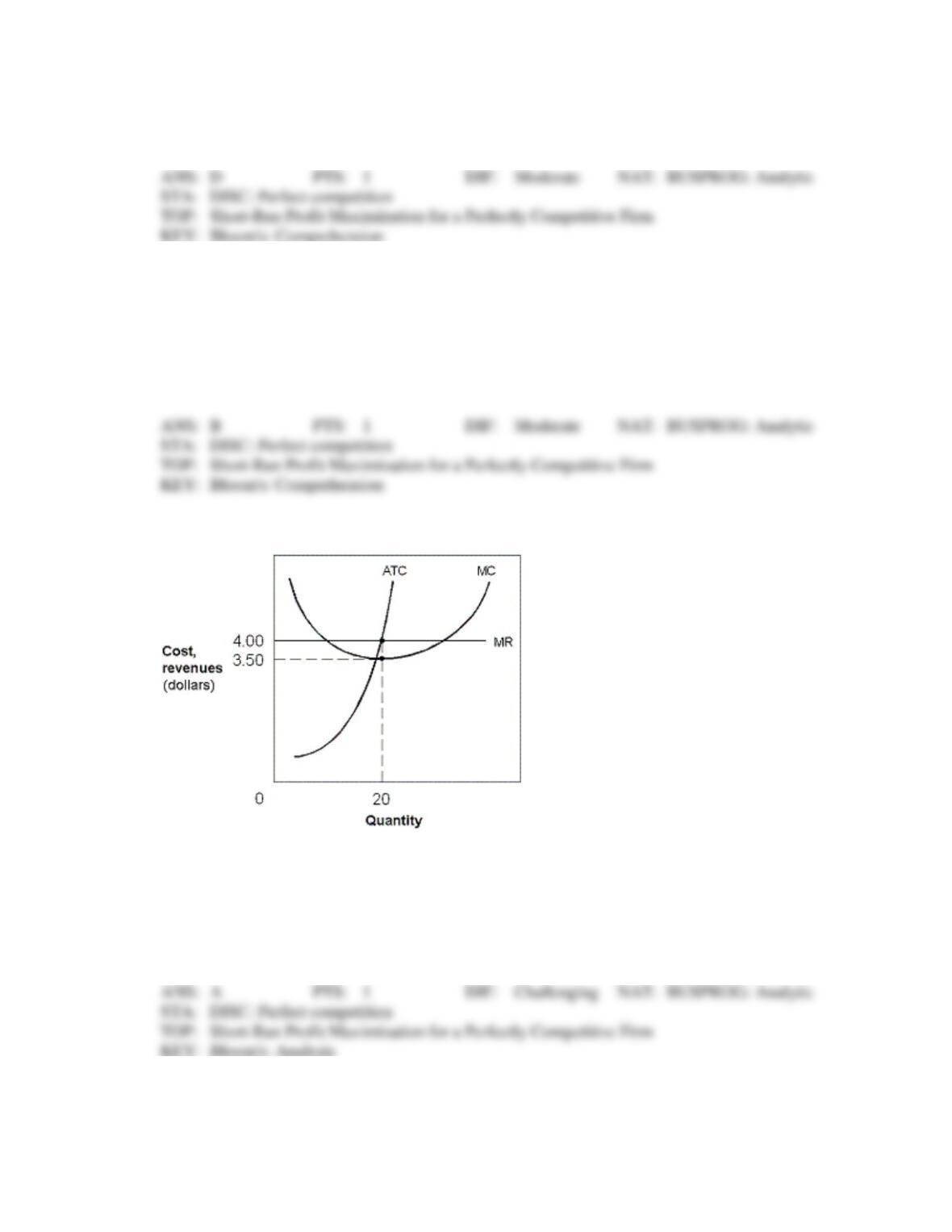
Exhibit 8-5 A firm‘s MR and MC curves
123. In Exhibit 8-5, a firm is currently producing 40 units of output. What would you advise this firm to do?
a.
Shut down.
b.
Increase output.
c.
Stay at its current output.
d.
Decrease output.
e.
Decrease price.
124. In Exhibit 8-5, suppose a firm is currently producing 50 units of output. What would you advise this
firm to do?
a.
Shut down.
b.
Increase output.
c.
Stay at its current output.
d.
Decrease output.
e.
Decrease price.
125. In Exhibit 8-5, suppose a firm is currently producing 45 units of output. What would you advise this
firm to do?
a.
Shut down.
b.
Increase output.
c.
Stay at its current output
d.
Decrease output
e.
Decrease price.
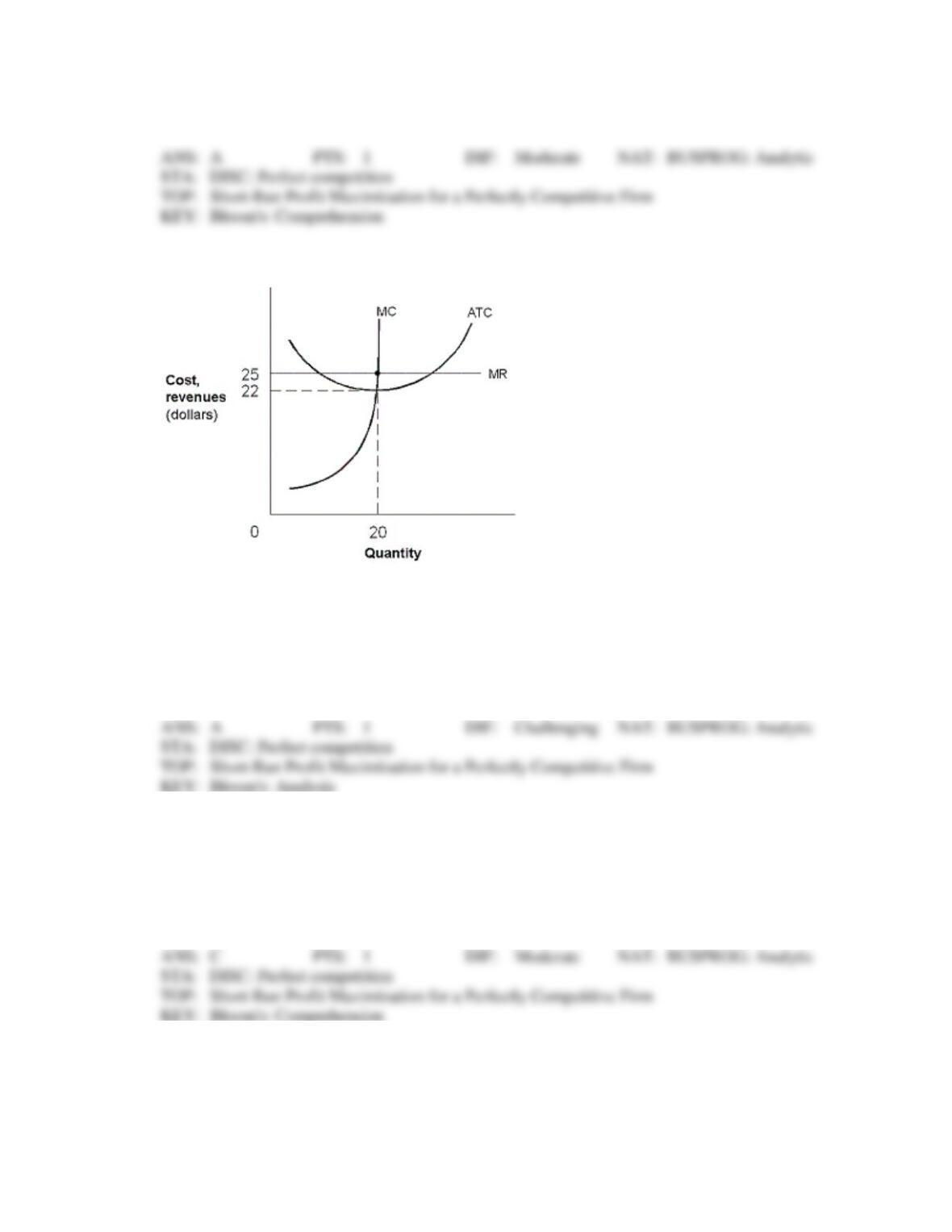
Exhibit 8-6 A firm‘s cost and MC curves
126. In Exhibit 8-6, if this firm is currently producing 20 units of output, this firm:
a.
is at its profit-maximizing point.
b.
could increase profits by increasing output.
c.
could increase profits by decreasing output.
d.
should shut down.
e.
should decrease price.
127. In Exhibit 8-6, if this firm is currently producing 20 units of output, this firm:
a.
is earning a profit of $10.
b.
is earning a profit of $.50.
c.
is losing $10.
d.
should shut down.
e.
is losing $.50
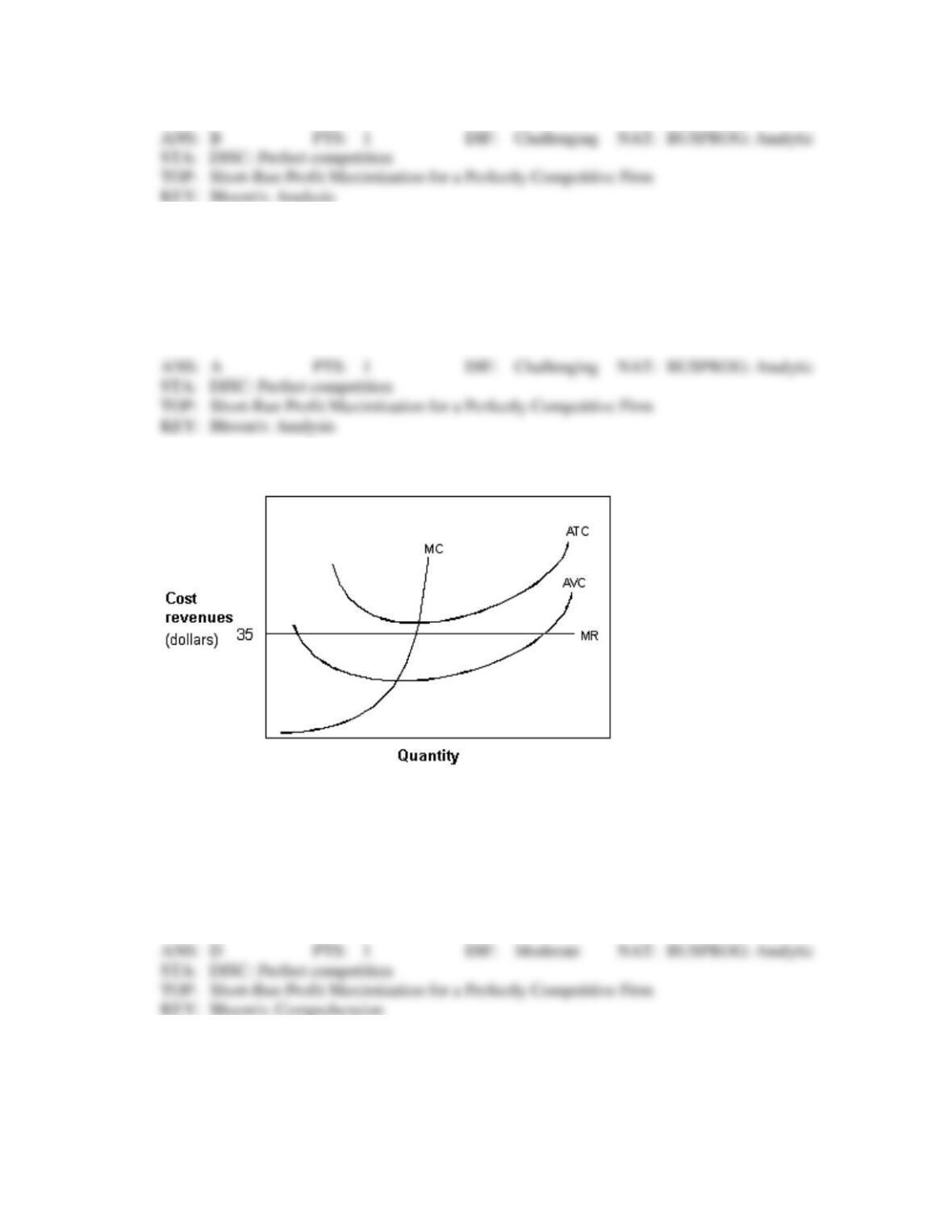
Exhibit 8-7 A firm‘s cost and MR curves
128. In Exhibit 8-7, if this firm is currently producing 20 units of output, this firm:
a.
is at its profit-maximizing point.
b.
could increase profits by increasing output.
c.
could increase profits by decreasing output.
d.
should shut down.
e.
should decrease price.
129. In Exhibit 8-7, if this firm is currently producing 20 units of output, this firm:
a.
is at its profit-maximizing point.
b.
is losing $20.
c.
is earning a total profit of $60.
d.
should shut down.
e.
is earning a total profit of $3.
130. In Exhibit 8-7, if this firm is currently producing 20 units of output, this firm:
a.
is at its profit-maximizing point.
b.
is earning a $3 profit on each item sold.
c.
is losing $3 on each item sold.
d.
should shut down.
e.
is earning a total profit of $3.
131. In Exhibit 8-7, if this firm is currently producing 20 units of output, this firm:
a.
is at its profit-maximizing point.
b.
could increase profits by increasing output.
c.
could increase profits by decreasing output.
d.
should shut down.
e.
should decrease price.
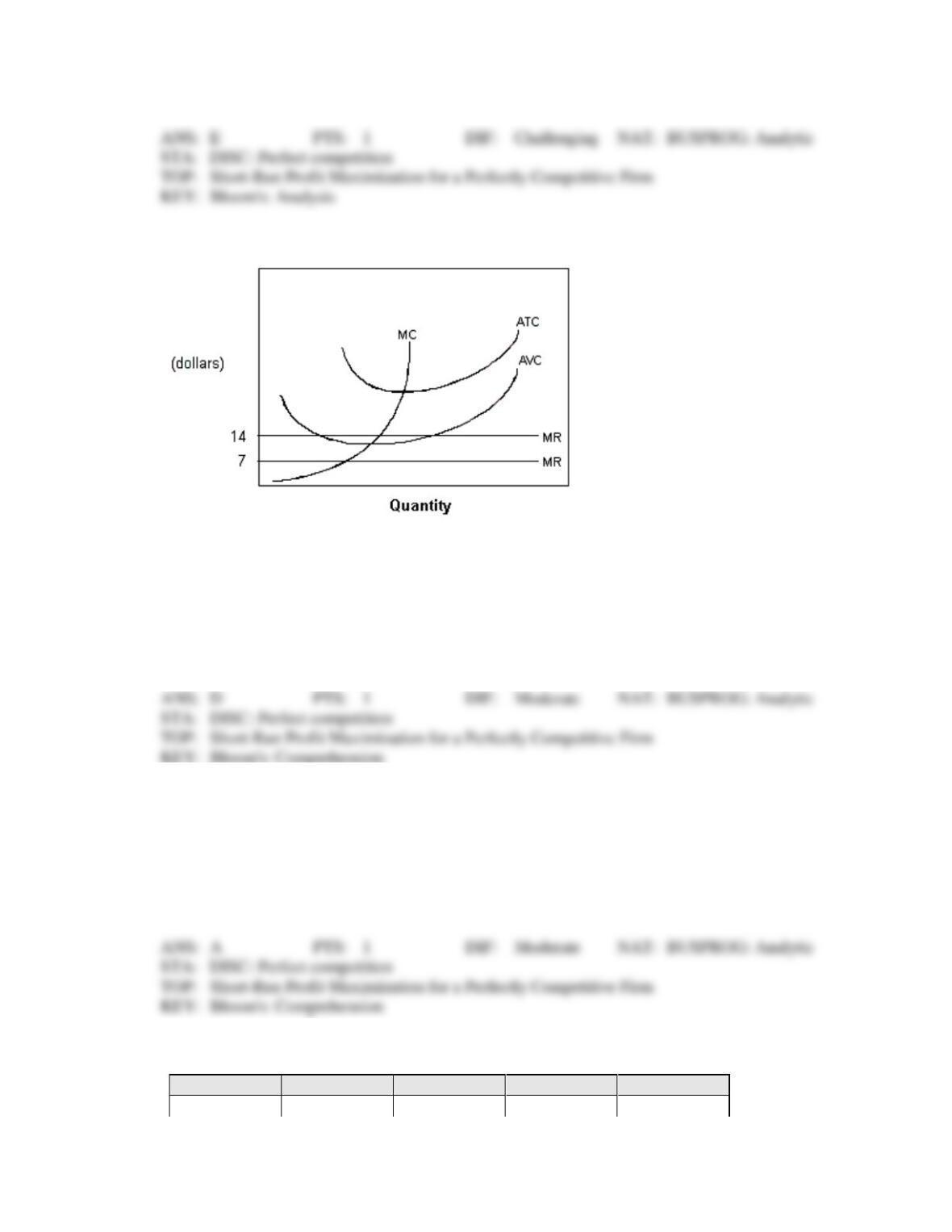
Exhibit 8-8 A firm‘s cost and marginal revenue curves
132. In Exhibit 8-8, product price in this market is fixed at $35. This firm is currently operating where MR
= MC. What do you advise this firm to do?
a.
This firm should shut down.
b.
This firm could increase profits by increasing output.
c.
This firm could increase profits by decreasing output.
d.
This firm should continue to operate at its current output.
e.
This firm should decrease price.
133. In Exhibit 8-8, product price in this market is fixed at $35. This firm is currently operating where MR
= MC. Which of the following is true?
a.
Price < AVC and this firm should shut down.
b.
This firm is earning a profit of zero.
c.
This firm could increase profits by increasing output.
d.
Price > ATC and the firm is earning a positive profit.
e.
Price > AVC, and the firm should stay at its current output.
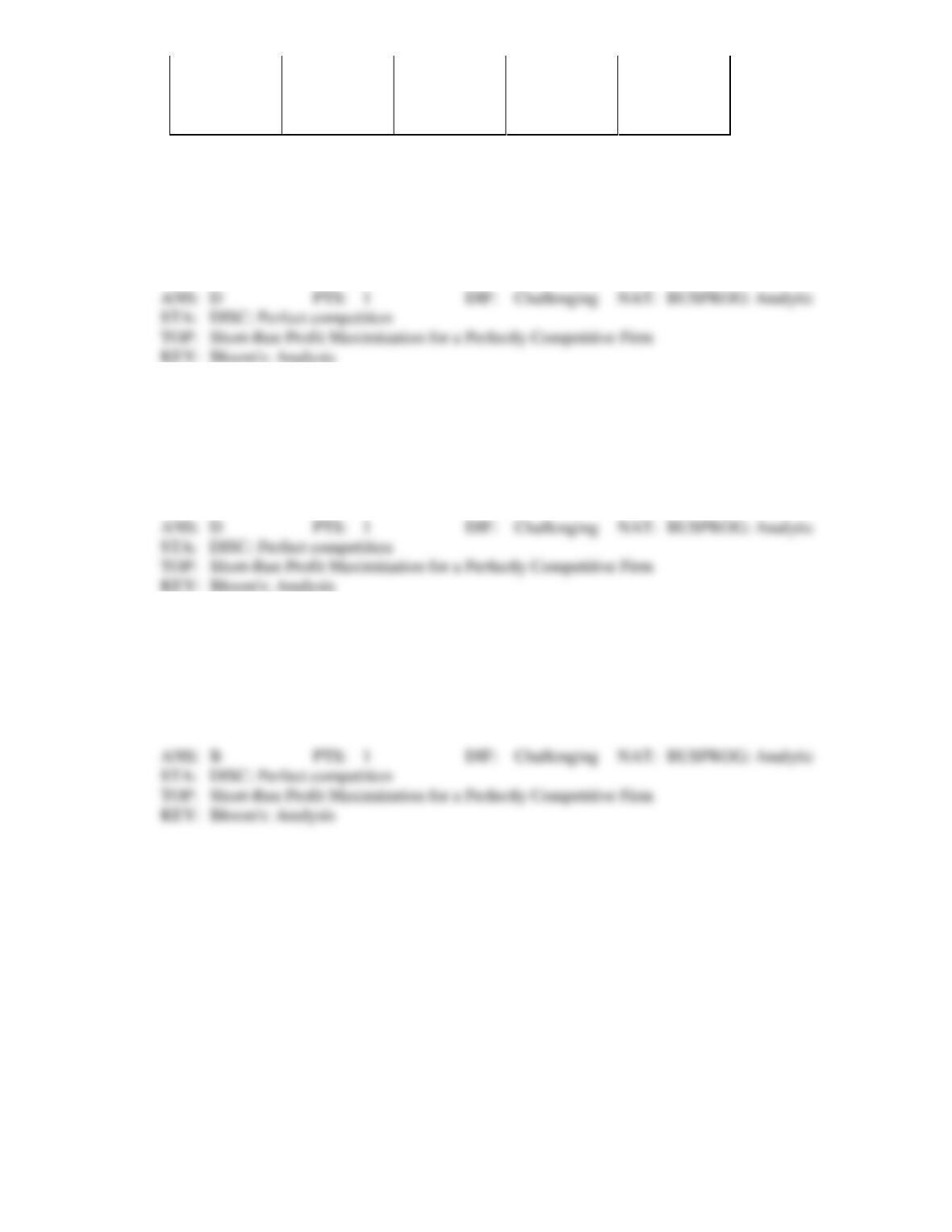
Exhibit 8-9 A firm‘s cost and marginal revenue curves
134. In Exhibit 8-9, product price in this market is fixed at $14. This firm is currently operating where MR
= MC. What do you advise this firm to do?
a.
This firm should shut down.
b.
This firm could increase profits by increasing output.
c.
This firm could increase profits by decreasing output.
d.
This firm should continue to operate at its current output.
e.
This firm should decrease price.
135. In Exhibit 8-9, product price in this market is fixed at $7. This firm is currently operating where MR =
MC. What do you advise this firm to do?
a.
This firm should shut down.
b.
This firm could increase profits by increasing output.
c.
This firm could increase profits by decreasing output.
d.
This firm should continue to operate at its current output.
e.
This firm should decrease price.
Exhibit 8-10 Price and cost data for a firm
Q
P
AVC
ATC
MC
0
$12
−
−
−
1
12
3
5
5
2
12
5
6
7
3
12
7.3
8
12
4
12
9.5
10
16
136. In Exhibit 8-10, following the rule regarding MR and MC, the most profitable output level is:
a.
0.
b.
1.
c.
2.
d.
3.
e.
4.
137. In Exhibit 8-10, the maximum possible total profit is:
a.
$36.
b.
$24.
c.
$20.
d.
$12.
e.
$8.
138. In Exhibit 8-10, MR is the same as which column?
a.
Q.
b.
P.
c.
AVC.
d.
ATC.
e.
MC.
Exhibit 8-11 A firm’s cost and marginal revenue curves
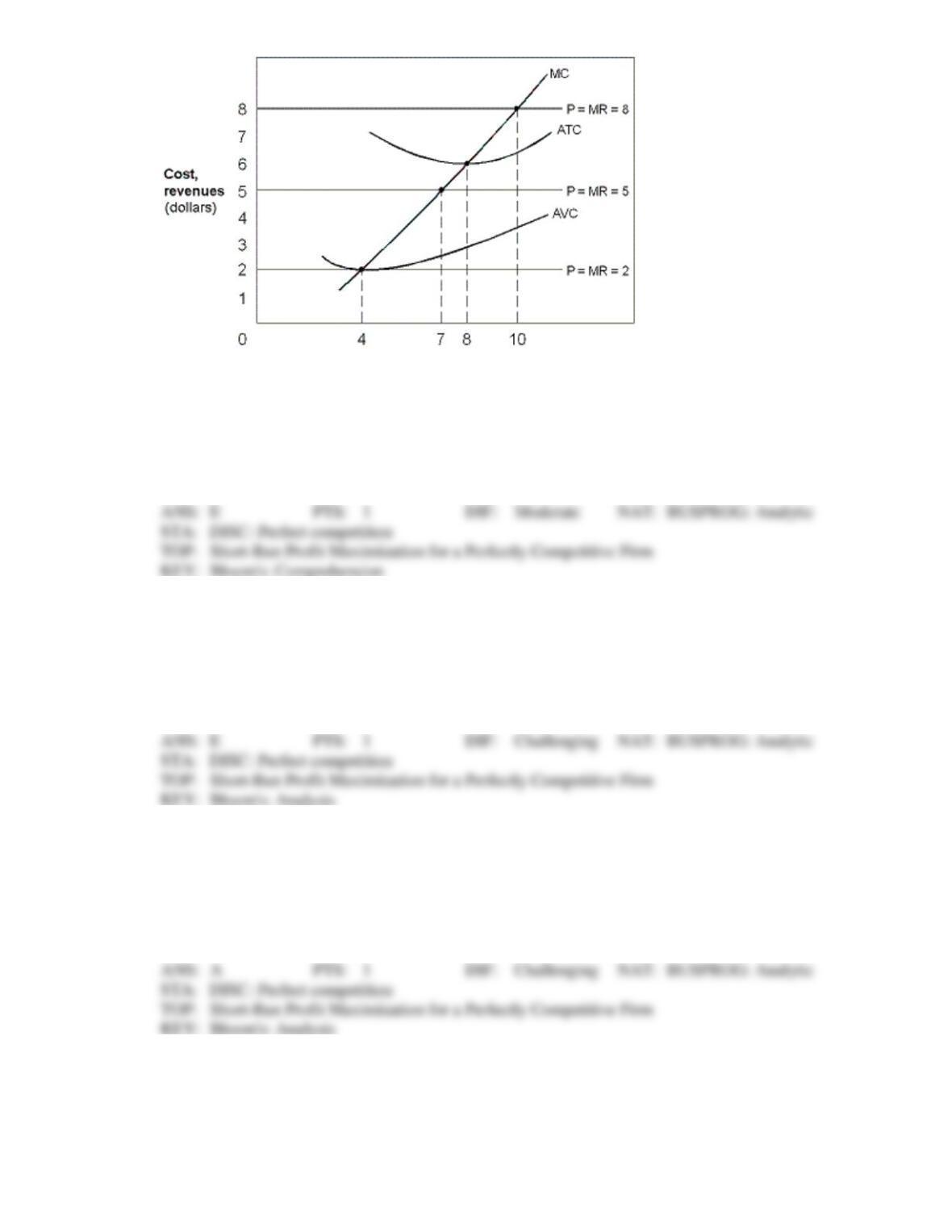
139. In Exhibit 8-11, the profit-maximizing output level at the price of $8 is:
a.
0.
b.
4.
c.
7.
d.
8.
e.
10.
140. In Exhibit 8-11, when the price is $5, the firm:
a.
is making an economic profit of $21.
b.
should produce output equal to 10.
c.
is breaking even.
d.
should shut down.
e.
should produce output equal to 7.
141. In Exhibit 8-11, when the price is $2, the profit-maximizing (or loss-minimizing) firm:
a.
should shut down and produce zero.
b.
should produce output equal to 4.
c.
is making an economic profit of $8.
d.
should try to produce more output.
e.
has total revenue equal to $20.
142. In Exhibit 8-11, when the price rises from $5 to $8, the profit-maximizing (or loss-minimizing) firm
goes from making a:
a.
loss to making a smaller loss.
b.
loss to making a larger loss.
c.
loss to making a profit.
d.
profit to making a loss.
e.
profit to making a larger profit.
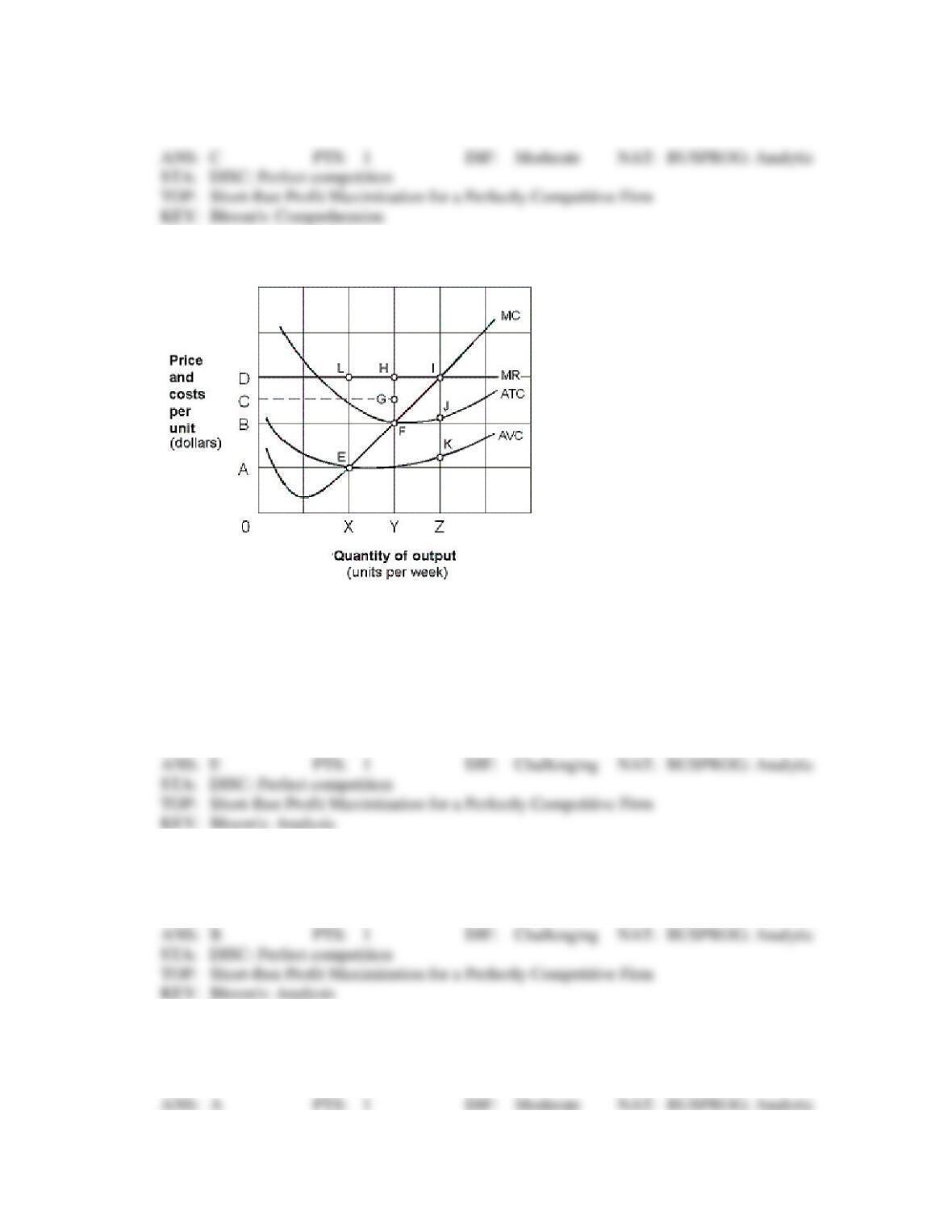
Exhibit 8-12 Marginal revenue and cost per unit curves
143. As shown in Exhibit 8-12, suppose the firm’s price is OB. The firm’s total economic profit at this price
is equal to the area of:
a.
CJID.
b.
BFHD.
c.
AEXD.
d.
CGHD.
e.
zero.
144. As shown in Exhibit 8-12, the price that will yield zero economic profit is:
a.
OA.
c.
OC.
b.
OB.
d.
OD.
145. As shown in Exhibit 8-12, the firm will not produce in the short-run if the price is below:
a.
OA.
c.
OC.
b.
OB.
d.
OD.
146. As shown in Exhibit 8-12, if the price is OD, a perfectly competitive firm maximizes profit at which
point on its marginal cost curve?
a.
E.
b.
F.
c.
I.
d.
Between E and I.
147. As shown in Exhibit 8-12, if the price is OB, the firm’s total cost of producing at its most profitable
level of output is:
a.
YF.
c.
OYFB.
b.
XL.
d.
OXEA.
148. As shown in Exhibit 8-12, if the price is OD, the firm’s total revenue at its most profitable level of
output is:
a.
OZID.
c.
OXLD.
b.
OYHD.
d.
OYFB.
149. If price is equal to OD for the firm shown in Exhibit 8-12, total profit is maximized when:
a.
output is X.
c.
output is Z.
b.
output is Y.
d.
output is greater than Z.
150. The firm shown in Exhibit 8-12 will:
a.
produce where marginal cost equals marginal revenue.
b.
be a price taker.
c.
not produce below a price of OA.
d.
all of these.
151. As shown in Exhibit 8-12, the firm’s supply curve is the:
a.
entire marginal cost curve.
b.
rising part of marginal cost beginning at E.
c.
rising part of marginal cost beginning at F.
d.
entire marginal revenue curve.
152. As shown in Exhibit 8-12, the firm will shut down in the short-run at a price below:
a.
OA.
c.
OC.
b.
OB.
d.
OD.
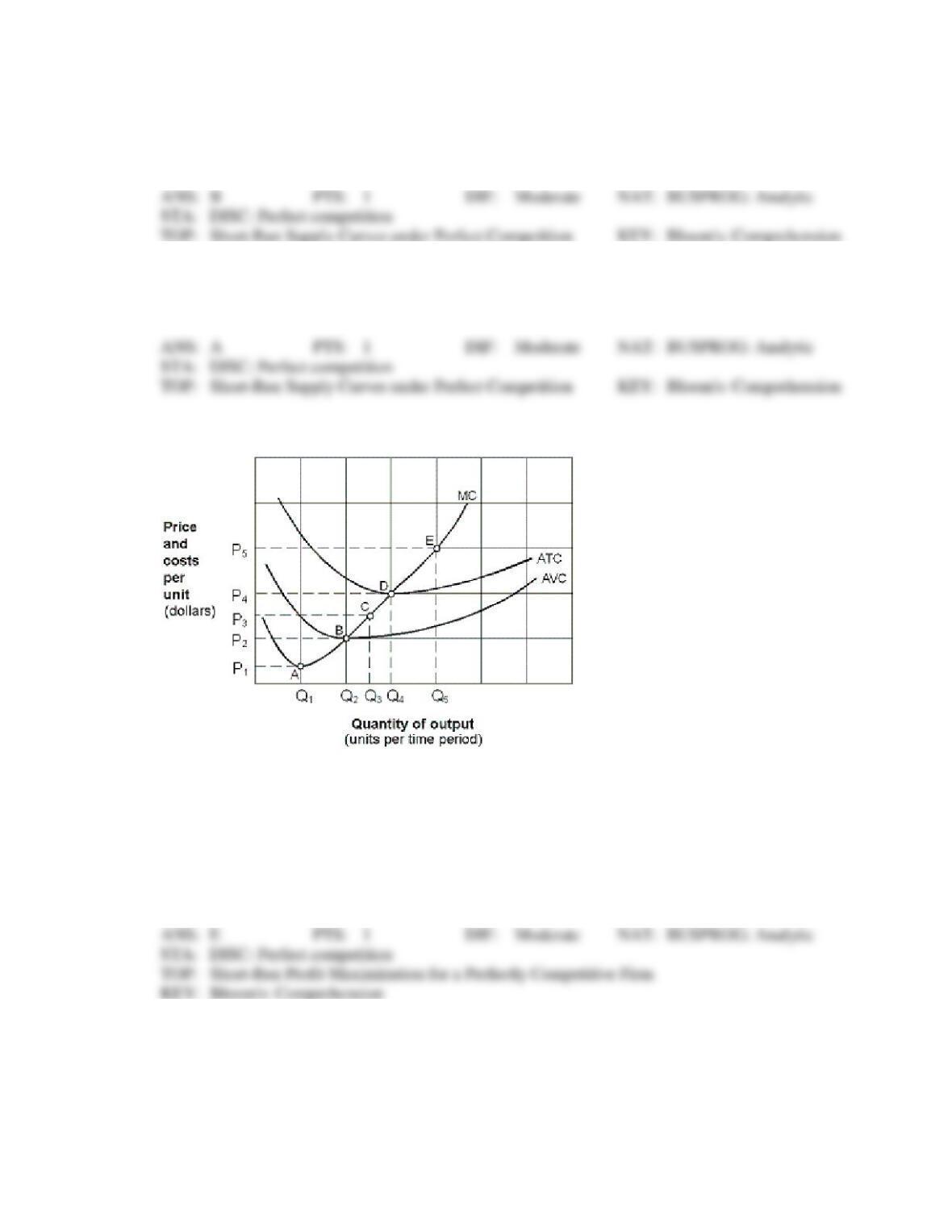
Exhibit 8-13 Price and cost per unit curves
153. As shown by the five points in Exhibit 8-13, the firm’s total economic profit is maximized when the
price is:
a.
P1.
b.
P2.
c.
P3.
d.
P4.
e.
P5.
154. In Exhibit 8-13, if the price is P3, total economic profit is maximized or economic loss minimized at
the output:
a.
Q1.
b.
Q2.
c.
Q3.
d.
Q4.
e.
Q5.
155. In Exhibit 8-13, the firm will not produce when the price is between:
a.
zero and P2.
c.
P3 and P4.
b.
P2 and P3.
d.
P4 and P5.
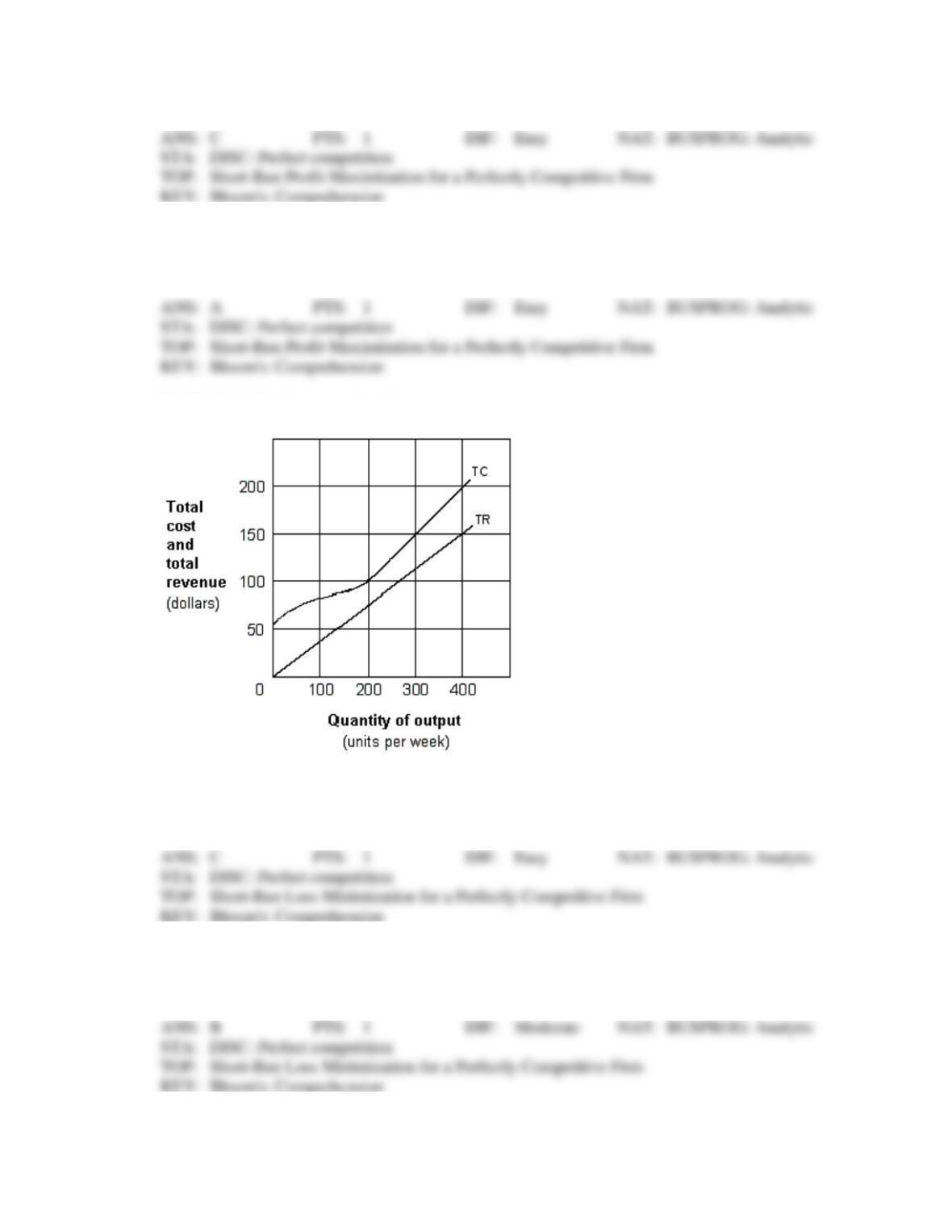
Exhibit 8-14 Total cost and total revenue curves
156. In Exhibit 8-14, if output is at 200 units per week, total economic profit for the firm is:
a.
zero.
c.
negative.
b.
positive.
d.
none of these.
157. If the firm in Exhibit 8-14 minimizes its loss at 200 units of output, marginal cost is:
a.
$75 per unit.
c.
$100 per unit.
b.
equal to marginal revenue.
d.
$175 per unit.