Chapter 6 Test Bank
True and False
1. Portfolio assessments are a good standardized measure to be used as the sole criterion for
eligibility in specialized programs.
2. Both norm-referenced assessment and informal methods of assessment could have
problems with cultural bias.
3. A deficient score on a norm-reference reading test could represent the selection of a test
with inadequate content validity for the current reading curriculum.
4. When teachers use the content of a classroom social studies text to design a test for their
students, the teacher is using a formalized assessment measure.
5. A task analysis of a chapter quiz is performed as a method of standardized assessment.
6. A teacher analyzes the classroom assignments of her students to determine what type of
mistakes the students are making. This is an example of error analysis.
7. Norm-referenced testing includes items that always represent the content accurately for
all school systems.
8. Portfolio assessment is a method of comparing a student with the performance of students
in a national sample.
9. Writing educational objectives for skills to be tested would be part of the criterion-
referenced assessment process.
10. To determine a baseline, a teacher should administer three grade/instructional level
probes and use the median score.
Multiple Choice
1. When measuring student progress against an objective, which of the following is the
teacher using?
A. Checklists
B. Worksamples
C. Criterion-referenced assessment
D. Norm-referenced assessment
2. In order to determine the exact point where a student begins to perform a math operation
incorrectly, the teacher may choose to use which of the following?
A. Error analysis
B. Portfolio assessment
C. Task analysis
D. All of the above
3. A writing sample from a fifth-grade student is an example of which of the following?
A. Permanent product
B. Work sample
C. Direct measure
D. All of the above
4. Which of the following is an example of a reading comprehension assessment device?
A. Task analysis
B. Cloze
C. Miscue analysis
D. Subtask
5. With which of the following should the teacher become familiar in order to aid the
completion of task analyses of students’ work?
A. Scope and sequence
B. Grade criterion
C. Interpolation process
D. Norming data
6. Conducting a task analysis allows the teacher to do which of the following?
A. Establish baseline data
B. Determine prerequisite skills the student may not know
C. Compare the learner against established norms
D. Take direct measurement
7. The goal against which progress is measured in curriculum-based measurement is known
as which of the following?
A. Aimline
B. Trendline
C. Error line
D. CBM line
8. When a teacher monitors progress several times each week to determine the level of skill
acquisition, the teacher is using which of the following?
A. Summative evaluation
B. Norm-referenced evaluation
C. Formative assessment
D. Standardized assessment
9. Non-standardized methods of assessment are called which of the following?
A. Formal assessments
B. Informal assessments
C. CBAs
D. CBMs
10. A student who is reading with 95% accuracy is at what level?
A. Mastery
B. Instructional
C. Difficult
D. Failure
11. When a teacher evaluates her students’ ability to read a map of bus routes while the class
is in the bus terminal, the teacher is using what type of assessment to evaluate these
skills?
A. Portfolio assessment
B. Norm-referenced assessment
C. Authentic assessment
D. All of the above
12. What type of data gathering tool would a teacher use if they wanted to find out what
types of books their students like to read?
A. CBA
B. CBM
C. Questionnaire
D. All of the Above
13. What type of data is typically acquired from a fluency probe?
A. Words correct per minute
B. Accuracy
C. Prosody
D. All of the above.
14. The Contemporary Model of Assessment is focused on which of the following?
A. Prevention and early intervention
B. Prevention of students falling behind.
C. Closely monitoring student performance
D. All of the above.
15. Curriculum-based measurement evaluates student performance against
A. An achievement goal for the year
B. The criterion established for the test
C. The curricular content taught prior to the test
D. None of the above
16. This line shows average performance on a graph and changes every time data are entered.
A. Aimline
B. Trend line
C. Error line
D. CBM line
17. Informal reading assessments take place in which domains of reading?
A. Decoding
B. Fluency
C. Comprehension
D. All of the above
18. Which of the following is an invalid way to assess decoding?
A. Retelling a story.
B. Reading isolated words.
C. Reading nonsense words.
D. All of the above
19. Which of the following is an invalid way to assess reading comprehension?
A. Paraphrase a story.
B. Answer questions about a story.
C. Conduct a miscue analysis.
D. All of the above
20. Which of the following is something you might find in a portfolio assessment?
A. Artwork
B. Journal entries
C. Reading response log
D. All of the above
21. Which of the following is a problem related to norm-referenced testing?
A. They are culturally and linguistically biased.
B. There are problems with the administration and interpretation of results.
C. They are not sensitive to small gains in academic growth.
D. All of the above
22. When are summative assessments given?
A. At the end of an instructional period
B. In the middle of the instructional period
C. Each week during the instructional period
D. All of the above
23. Which of the following represents ways that spelling errors may be evaluated?
A. Phonetic ability
B. Visualization
C. Linguistic performance
D. All of the above
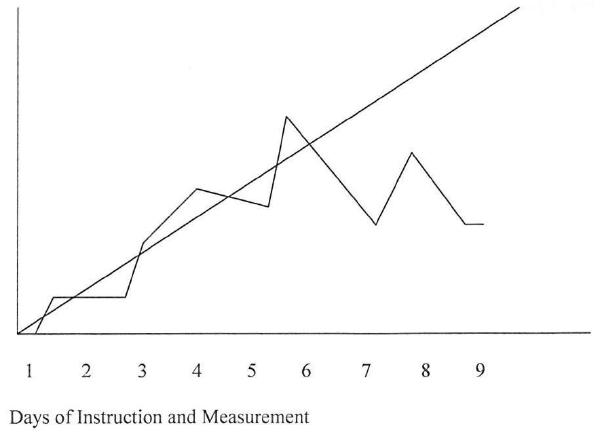
Use the graph below to answer the following questions:
24. According to the graph, it could be said that on days 1–6:
A. The student was not responding to the instruction.
B. The student was maintaining progress toward the goal.
C. The student was achieving above the level expected.
D. The student was achieving below the level expected.
25. If you were the teacher of this student, your next action should most likely be:
A. Refer the student for an evaluation
B. Call the parents
C. Analyze the instructional methods, perform error analyses and adapt the
instructional techniques that are being used
D. Continue for several more days and see if the student begins to make
progress again
Short Answer
1. Discuss the most important aspects of CBA and CBM? Highlight any differences
between the two.
2. In your own words, describe the four design criteria that should be inherent in effective
CBMs?
3. Describe how an aimline would be constructed for a progress monitoring graph.
4. Create a cloze for the following passage:
The dog and cat lived at the farm. The dog lived inside and the cat lived in the
barn. One day, the dog was left outside and it started raining. The dog decided to
go into the barn. The cat was not happy.
5. Create a maze for the following passage:
The dog and cat lived at the farm. The dog lived inside and the cat lived in the
barn. One day, the dog was left outside and it started raining. The dog decided to
go into the barn. The cat was not happy.
6. Given the following information, what is the expected weekly rate of increase in reading
for this student?
2nd grade
Baseline = 55
25 weeks of school left
Aimline = 93
7. Explain how a teacher knows when they should adjust instruction for a student.
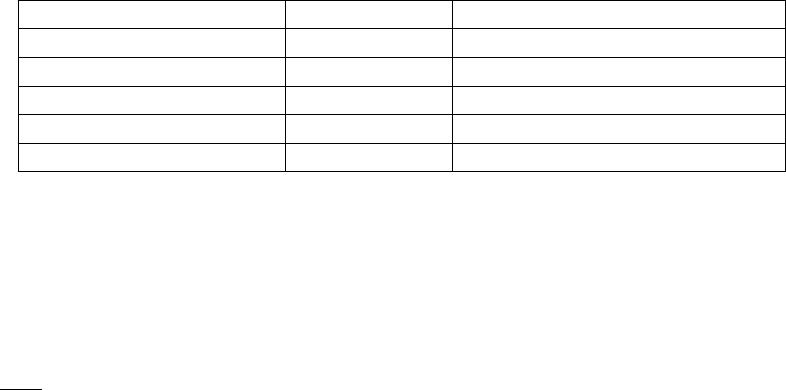
8. A teacher gave a student the following spelling test. Answer the questions that follow.
Word
Student
Correct letter sequence
clock
clok
storm
storm
lamp
lamp
sheet
shet
frame
fram
A. Determine the total correct letter sequences
B. If the criterion was set at 80%, did the student make it?
C. What types of errors do you notice the student making?
9. Given the following problem:
45
+ 35
70
A. Determine the digits correct.
B. Explain the student’s error.
10. Discuss the criterion that teachers should consider when developing criterion-referenced
tests and what the established levels of proficiency indicate.
11. Describe the function of the trendline.
12. What criterion are often used when developing criterion-referenced assessments?
Chapter 6 Test Bank Answer Key
True and False
Multiple Choice
Short Answer