CHAPTER 6 ASSESSMENTS
CURRENT EVENTS AND PUBLIC ISSUES
I. MULTIPLE CHOICE (CHOOSE THE ONE BEST RESPONSE.)
1. What is one way that elementary teachers can cultivate the virtue of civic-mindedness?
a. By developing a regular, ongoing program of instruction involving daily news and issues.
b. By requiring students to watch the local news on TV everyday.
c. By requiring students to recall the name of each president since Abraham Lincoln.
d. By telling the students what is most important in the community’s current events.
2. Which of the following is NOT a purpose provided in the text for teaching current
events/public issues at the elementary level?
a. Promoting the habit of interest in current events and social problems.
b. Promoting the growth of skills to rationally analyze current events.
c. To help students relate learning to life outside of school.
d. To encourage students to get information from encyclopedias and textbooks.
3. What, according to the text author, is a disadvantage to using current events in addition to
social studies instruction?
a. Time is allotted each day for the discussion of current events.
b. Students do not share responsibility for bringing current events to the class.
c. Students are not encouraged to read newspapers and magazines.
d. Current events are isolated from the social studies and other parts of the school program.
4. What, according to the text author, is a disadvantage to using current events to supplement
social studies instruction?
a. Teachers cannot create connections between events from long ago and those of the
present.
b. Teachers are not able to bring current events into the classroom that connect to the present
social studies unit of study.
c. The range of news stories that are appropriate may be restricted due to lack of connection
with current social studies units of study.
d. Time is taken away from other disciplines.
5. What is a disadvantage, according to the text author, to using current events as a basis for
social studies instruction?
a. Social studies subject matter cannot be found in current events.
b. It is difficult to plan for because events may not relate directly to the social studies
curriculum and resources may be difficult to gather.
c. Current events do not stimulate student interest or discussion.
d. Current events do not create a bridge between school learning and life outside of school.
6. Which of the following is NOT a special responsibility a teacher has when teaching a
controversial issue?
a. Helping to control the conversation through allowing only certain students to speak.
b. Helping students develop the disposition to be civil and open-minded.
c. Helping students to evaluate sources of information.
d. Encouraging students to pursue multiple perspectives on a single issue.
7. What, according to the author, is one of the best ways to teach current events?
a. To play videos of news clips each day in class.
b. To select events that students will agree on to promote common understanding.
c. To select events that are controversial.
d. To summarize each day’s current events for the students in a one-page handout.
8. An enduring public issue is:
a. An issue lacking controversy that citizens enjoy discussing.
b. An issue that is created by the people involved in a discussion
c. A controversial issue that does not go away when the current event ends.
d. An issue composed of several different current events.
9. What is the instructional goal for units based upon an enduring public issue?
a. To have students participate in discussions.
b. To have students discuss, read, and write on the issue.
c. To have students understand that people have not been able to resolve this issue.
d. To integrate social studies and language arts.
10. Which one of the following statements accurately explains the connection between current
events and controversial issues?
a. All current events contain controversial issues.
b. Current events that involve an enduring public issue are controversial issues.
c. All controversial issues are current events.
d. Small rural communities rarely have current events that are also controversial issues.
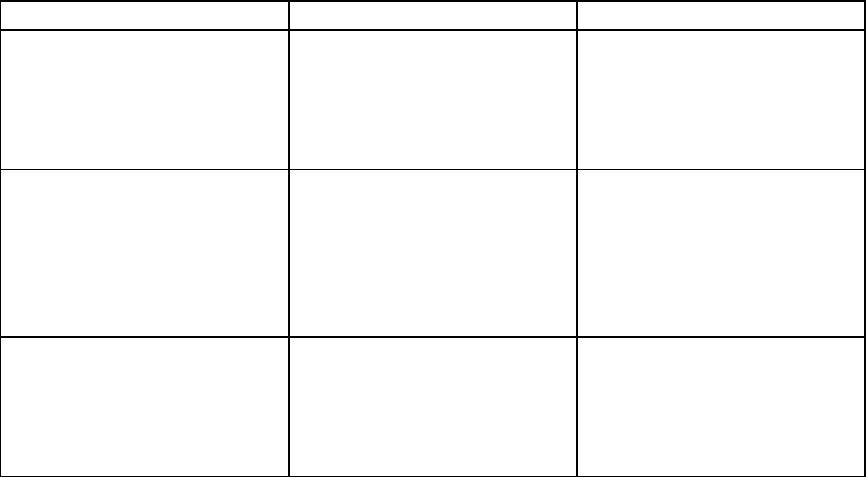
II. DATA-ORGANIZATION CHART:
Complete the chart below with information drawn from the chapter.
Three Methods for Teaching Current Events
Method
Advantages
Disadvantages
1. Teaching current events
in addition to social
studies.
2. Using current events to
supplement or reinforce
the regular social
studies program.
3. Using current events as
the basis for social
studies units.
III. SHORT ANSWER
Explain what an enduring public issue is, paying attention to each word: enduring, public, and
issue. Then, identify an enduring public issue for which a current event presently in the news
could serve as an example.
IV. EXTENDED RESPONSE
A controversy about whether a shelter for homeless families should be built in the neighborhood
of your school is getting a lot of attention in the local newspaper. You would like to discuss this
controversial issue with your class in a way that incorporates important social studies content
from a variety of disciplines, such as political science, sociology, and history. Outline your
strategy.
V. DISCUSSION
Discuss the following issue with a group of classmates. Then, use one of the rubrics found in
Chapter 3 to assess your participation.
Should teachers share their opinions on controversial issues with their students?