
Exam
Name___________________________________
SHORT ANSWER. Write the word or phrase that best completes each statement or answers the question.
Provide an appropriate response.
1)
Find and explain the mistake(s); then work the problem correctly.
(2x –5y)(2x –5y) =4x2+25y2
1)
2)
When is the square of the sum the sum of a square; i.e., when is (A + B)2=A2+B2 ?
2)
3)
In scientific notation, what is the smallest positive integer which can be multiplied by a
power of 10?
3)
4)
Scientific notation is useful with very large numbers. Explain another way that scientific
notation is useful.
4)
5)
What is the degree of term 4s4t6?
5)
6)
Identify the error in the following synthetic division:
-2 1 5
-2 -4
-14
____________
1 7 10
6)
7)
Find and explain the mistake(s); then work the problem correctly.
(2x3–3x2+ 5x – 1) – (10x3–7x2– 2x + 4) =-8x3–4x2+ 3x + 3
7)
8)
What is wrong with the following?
24x2 –12x + 6
6=24x2 – 12x + 6
6=24x2–12x + 1
8)
9)
State the remainder theorem in your own words.
9)
10)
Find and explain the mistake; then work the problem correctly.
(3x3–3x2+ 5x – 1) + (5x3–2x2– 2x + 4) =8x3+5x2+ 3x + 3
10)
11)
Explain why the difference of two polynomials in x, both of degree 5, can be of degree 4.
11)
12)
Give an example of a like term for -9m11n3.
12)
13)
The polynomial 17z3 is called a ? .
13)
14)
Explain how (a – b)2 differs from a2– b2 by expanding (a – b)2.
14)
1

15)
Is the quotient of two monomials always a monomial? Why or why not? If not, give an
example.
15)
16)
Explain how (x + y)2 differs from x2+ y2 by expanding (x + y)2.
16)
17)
The polynomial 19y6+ 15y3 is called a ? .
17)
18)
A friend suggests that the simplest way to evaluate P(0) for the polynomial P(x) =x9– 5x8
– 7x5– 28x3+ 2x –12 is to set c = 0 and use synthetic division. Do you agree? Explain.
18)
19)
What must be done to the dividend before beginning the “long division” process for
(3y5+ 8y3+ 2y2+ 3y+ 5) ÷ (9y + 4)?
19)
20)
Is the product of a monomial and a binomial always a binomial? Why or why not?
20)
21)
What is always the last step when dividing a polynomial by a polynomial?
21)
22)
What is the degree of term 8x14?
22)
23)
Can synthetic division be used to simplify the quotient x4 – 5x2 + 2x – 13
3x – 6 ? Explain. [Hint –
must the coefficients be integers?]
23)
24)
The polynomial -13s9+ 13s8+ 3 is called a ? .
24)
MULTIPLE CHOICE. Choose the one alternative that best completes the statement or answers the question.
Simplify using the product rule of exponents.
25)
–5x5·6x4
25)
A)
–30x9
B)
11x20
C)
–30x20
D)
11x9
Evaluate or simplify the exponential expression.
26)
120
26)
A)
–1
B)
1
C)
0
D)
12
Divide the polynomial by the monomial.
27)
21x6y2 – 15x7y4
3x2y
27)
A)
7x4y –5x5y3
B)
7x4–5x5y3
C)
7x5y –5x5y1
D)
7x4y –5x5y4
2

Divide using the quotient rule for exponents. Write the result with positive exponents. Assume that variables in the
denominator are not equal to 0.
28)
t2
t4
28)
A)
t2
t2
B)
t2
C)
1
t2
D)
t–4
State the conjugate of the given binomial.
29)
-4a +9b
29)
A)
-4a –9b
B)
1
-4a + 9b
C)
4a +9b
D)
4a –9b
Write the number in scientific notation.
30)
In 1997, the total value of imports and exports for Canada was $318,160,000,000.
30)
A)
$3.1816 ×10¹⁰
B)
$3.1816 ×10¹²
C)
$3.1816 ×10¹¹
D)
$318.16 ×10⁹
Solve the problem.
31)
Determine a polynomial that represents the area of a square having sides of length s = 2x – 3y.
31)
A)
4x2–12xy +9y2
B)
4x2–12x +9y
C)
4x2+12xy –9y2
D)
4x2–6xy +9y2
Simplify using the power rule of exponents and the rule for raising a product to a power.
32)
(-2x6)4
32)
A)
–16x10
B)
16x24
C)
16x10
D)
–16x24
Evaluate or simplify the exponential expression.
33)
–5-3
33)
A)
–1
125
B)
1
15
C)
–125
D)
125
Write the binomial divisor.
34)
-7 6 7 4 7
–42 245 1687
6 7 -45 322
34)
A)
x +7
B)
6x3+7x2+4x +7
C)
x +6
D)
x –6
Solve the problem.
35)
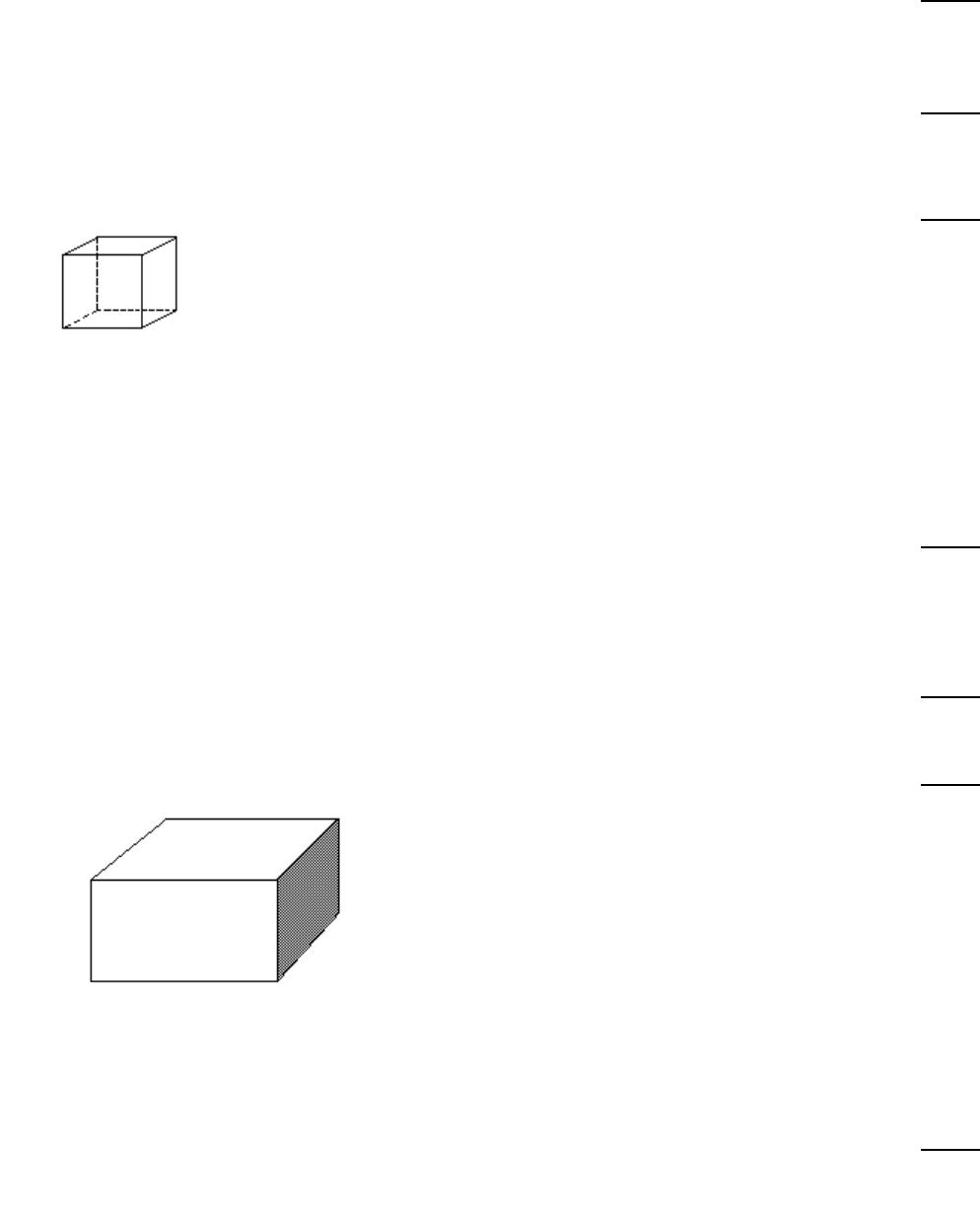
A cylinder is to have a height that is 12 feet less than the radius. Write an expression for the volume
of the cylinder in terms of the radius
35)
A)
r3+12r2
B)
2r2–24 r
C)
r3–144r2
D)
r3–12r2
3

Explain the mistake.
36)
(-5)-4 =625
36)
A)
The term –5 has been raised to the wrong power. The correct answer is (-5)-4 =125.
B)
One cannot raise a number to a negative power.
C)
A negative number raised to a power is not a real number.
D)
Apparently, the two negative signs have been cancelled, which is not correct. The correct
answer is (-5)-4 =1
(-5)4=1
625.
Simplify using the rules for raising a quotient to a power and raising a fraction to a negative power.
37)
4x3
y4
-3
37)
A)
4x9
y12
B)
64x9
y12
C)
y12
4x9
D)
y12
64x9
Simplify using scientific notation. Give your answer in scientific notation.
38)
6,570,000,000
2,833,000
38)
A)
2.32
B)
2.32 × 10³
C)
2.32 × 10⁶
D)
23.20
Solve the problem.
39)
The sun is surrounded by an extremely hot plasma called the “corona”. The average kinetic energy
E of a subatomic particle in the corona can be approximated by the model E = 3
2kT, where E is in
joules, T is the Kelvin temperature of the corona, and k is Boltzmann’s constant, k = 1.38 ×10⁻²³ J/K.
Find the average kinetic energy for a proton in a coronal region with T = 2.7 ×10⁶ K.
39)
A)
5.59 × 10⁻¹⁷ J
B)
7.41 × 10⁻¹⁷ J
C)
1.12 × 10⁻¹⁶ J
D)
5.59 × 10⁻²³ J
Use long division to divide the polynomials.
40)
2x2+ 7x – 49
2x – 7
40)
A)
x –7+3
2x – 7
B)
x +7+2
2x – 7
C)
x –10
D)
x +7
Simplify. Write the result with positive exponents only.
41)
(3x3y4)2(3y5)3
41)
A)
243x5y14
B)
9x3y9
C)
243x6y23
D)
9x6y23
Simplify using the rules for raising a quotient to a power and raising a fraction to a negative power.
42)
m9
n-3
-2
42)
A)
1
m18 n6
B)
n18
m6
C)
m11
n5
D)
–m11
n6
4

Subtract.
43)
(12x +25xy –9y) – (18x –21xy –16y)
43)
A)
47xy
B)
-6x +46xy + 7y
C)
–13x + 6xy +25
D)
-6x –46xy –25y
Multiply the binomials using FOIL.
44)
(5x – 1)(3x – 12)
44)
A)
15x2– 63x + 12
B)
8x2– 63x – 63
C)
8x2– 63x + 12
D)
15x2– 63x – 63
Provide an appropriate response.
45)
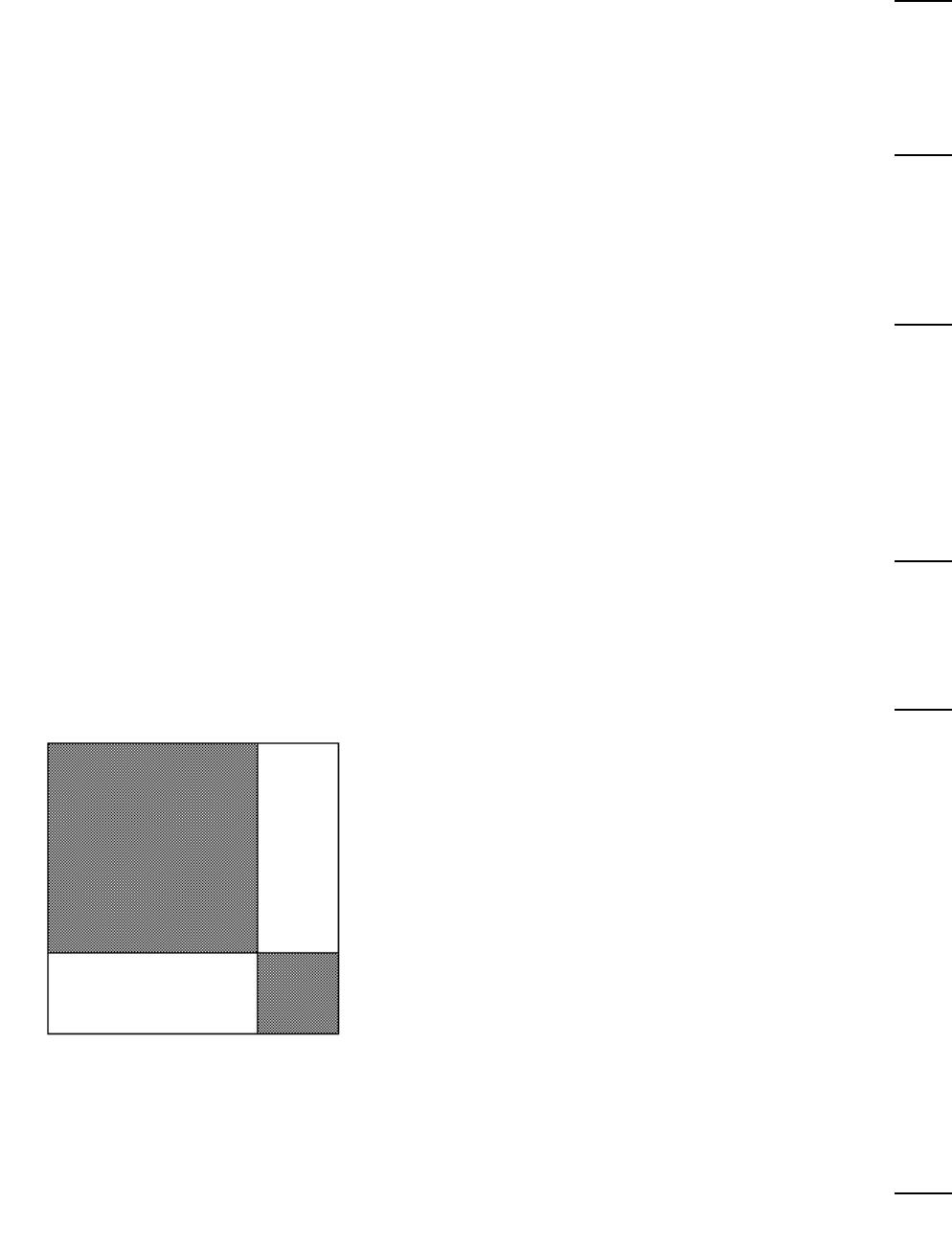
8
x
x 4
Find the total area.
45)
A)
x2+32
B)
x2+12
C)
x2+12x +32
D)
x2+8x +32
Solve the problem.
46)
A box is to be designed with a length that is four times the width, and its height is to be 4 feet more
than the length. Let w represent the width. Write an expression for the volume of the box in terms
of w.
46)
A)
4w3+16w2
B)
16w3+16w2
C)
9w +4
D)
16w2+16w
47)
Determine a polynomial that represents the area of a rectangle having length L = x + 6 and width
W = x – 3.
47)
A)
x2+3x –18
B)
4x +6
C)
x2–3x –18
D)
x2+3x +18
Use long division to divide the polynomials.
48)
x2– 4x – 21
x – 7
48)
A)
x2+ 3
B)
x + 3 +7
x – 3
C)
x + 3
D)
x – 3
Answer the question.
49)
If f(x) =x2+4x +8 and g(x) =9x –1, find (f · g)(-1).
49)
A)
–50
B)
-4
C)
-120
D)
21
5

Subtract.
50)
(7m2n –5mn +6mn2) – (3m2n +4mn –4mn2)
50)
A)
4m2n + 1
B)
4m2n –9mn +10mn2
C)
4m4n2– 9mn +10m2n4
D)
4m4n2–9m2n2+10m2n4
Multiply.
51)
8x6(5x7– 8)
51)
A)
-24x6
B)
40x13 – 8
C)
40x13 – 64x6
D)
40x7– 64
Find the product.
52)
(9m + 10)2
52)
A)
9m2+ 180m + 100
B)
9m2+ 100
C)
81m2+ 180m + 100
D)
81m2+ 100
Multiply the binomials using FOIL.
53)
(4x + 4)(4x – 9)
53)
A)
8x2– 20x – 36
B)
16x2– 20x – 36
C)
8x2– 20x – 20
D)
16x2– 20x – 20
Use long division to divide the polynomials.
54)
x2 – 11
x – 4
54)
A)
x +5
x – 4
B)
x +5
C)
x +4
D)
x +4+5
x – 4
Divide the polynomial by the monomial.
55)
10x4+ 7x3– 2x2
x2
55)
A)
5x4+ 7
2x3– 1
B)
10x4+ 7x3– 2
C)
10x4+ 7x – 2x2
D)
10x2+ 7x – 2
Multiply.
56)
(-3x2+ 8y)(-3x2– 3y + z)
56)
A)
9x4– 15x2y2– 24y2
B)
9x4– 15x2y – 24y4– 3x2yz
C)
9x2– 15xy – 3x2z – 24y2+ 8z
D)
9x4– 15x2y – 3x2z – 24y2+ 8yz
Write the number in scientific notation.
57)
Light with a wavelength of 0.0002 meters is in the infrared portion of the electromagnetic spectrum.
57)
A)
2×10⁻⁴
B)
2×10⁴
C)
2×10⁻⁵
D)
2×10⁻³
Answer the question.
58)
Find f + g, where f(x) =12 and g(x) =2.
58)
A)
14
B)
-1
C)
19
D)
11
6

Solve the problem.
59)
The kinetic energy E of an electron in a television picture tube is given by E = 1
2mv2, where E is in
joules, m is the mass of the electron in kilograms, and v is its speed in meters per second. Find the
kinetic energy of an electron if its speed is 9.8 ×10⁶ m/s. (The mass of an electron is
m = 9.109 ×10⁻³¹ kg.)
59)
A)
4.37 × 10⁻¹⁹ J
B)
4.37 × 10⁻¹⁷ J
C)
4.46 × 10⁻²⁴ J
D)
8.75 × 10⁻¹⁷ J
Multiply.
60)
(3r + 2)(3r3+ 4r2+ 2r– 3)
60)
A)
9r4+ 18r3+ 14r2– 5r– 6
B)
9r4+ 18r3+ 14r2– 9r– 6
C)
9r4+ 18r3+ 10r2– 5r– 6
D)
9r4+ 20r3+ 14r2– 5r– 6
Answer the question.
61)
If f(x) =3x +4 and g(x) =7x2–3x +3, find (f · g)(3).
61)
A)
729
B)
399
C)
175
D)
741
Divide using the quotient rule for exponents. Write the result with positive exponents. Assume that variables in the
denominator are not equal to 0.
62)
3x-6
y-4z-5
62)
A)
y4z5
3x6
B)
3y4z5
x6
C)
-3x6
y4z5
D)
yz20
3x6
Multiply.
63)
(5r2+ 4r+ 1)(r2– 3r+ 3)
63)
A)
5r4– 11r3+ 3r2+ 9r+ 3
B)
5r4– 15r3+ 3r2+ 9r+ 3
C)
5r4– 11r3+ 4r2+ 9r+ 3
D)
5r4– 15r3+ 4r2+ 9r+ 3
64)
(x –3)(9x2+ x +7)
64)
A)
9x3–26x2+10x –21
B)
9x3–28x2+4x –21
C)
9x3+26x2+4x –21
D)
9x3–26x2+4x –21
Evaluate or simplify the exponential expression.
65)
4-3
65)
A)
–64
B)
64
C)
1
12
D)
1
64
Simplify using scientific notation. Leave your answer in scientific notation.
66)
2,000,000,0002
66)
A)
4×10¹⁸
B)
4×10¹³
C)
1.6 ×10¹⁸
D)
1.6 ×10¹³
7

Evaluate or simplify the exponential expression.
67)
1
5–2
67)
A)
1
10
B)
–25
C)
1
25
D)
25
Multiply the binomials using FOIL.
68)
(2x + 1)(x – 11)
68)
A)
x2– 21x – 22
B)
x2– 11x – 21
C)
2x2– 21x – 11
D)
2x2– 22x – 11
Solve the problem.
69)
Find the perimeter of a triangle whose sides are 3x mm, 6x mm, and x mm.
x mm
6x mm 3x mm
69)
A)
10x mm
B)
10 mm
C)
9x mm
D)
9 mm
Evaluate or simplify the exponential expression.
70)
–43
70)
A)
64
B)
–64
C)
256
D)
–16
Answer the question.
71)
If p(x) =54x3+57x2–42x –6 and q(x) =6x +9, find (p/q)(x).
71)
A)
9x2–4x –1+3
6x + 9
B)
9x2–4x –1–3
6x + 9
C)
9x2–4x –1
D)
9x2–4x –1+1
x – 3
Subtract.
72)
(7w4–8wz +6wz2) – (4w4+3wz –7wz2)
72)
A)
3w8–11w2z2+13w2z4
B)
3w4–11wz +13wz2
C)
11w4+11wz +13wz2
D)
3w4–11w2z2+13wz2
Evaluate or simplify the exponential expression.
73)
2
x–4
73)
A)
2
x4
B)
8x
C)
2x4
D)
2x-4
Simplify using scientific notation. Leave your answer in scientific notation.
74)
60002
74)
A)
6×10⁶
B)
6×10⁷
C)
3.6 ×10⁷
D)
3.6 ×10⁸
8

Simplify. Write the result with positive exponents only.
75)
(2x5y2)-1
(3x3y2)3
75)
A)
2
27x14y8
B)
1
54x4y4
C)
54x14y8
D)
1
54x14y8
Multiply using the rules for special products.
76)
9r + (s + 7) 9r – (s + 7)
76)
A)
9r2+s2–14s –49
B)
9r2–s2–14s –49
C)
9r2–s2–15s –49
D)
9r2–s2–7s –49
Multiply the binomials using FOIL.
77)
(2x – 11)(x – 1)
77)
A)
x2– 13x – 14
B)
2x2– 14x + 11
C)
x2+ 11x – 13
D)
2x2– 13x + 11
State the conjugate of the given binomial.
78)
3x –2
78)
A)
–3x –2
B)
1
3x + 2
C)
–3x +2
D)
3x +2
Use long division to divide the polynomials.
79)
x2+ 16x + 60
x + 7
79)
A)
x + 9
x + 7
B)
x + 9 –3
x + 7
C)
x + 9 +3
x + 7
D)
x + 10
80)
8x2– 8x – 6
4x – 6
80)
A)
2x –2
B)
2x +1+3
4x – 6
C)
x –1+3
4x – 6
D)
2x +1
Solve the problem.
81)
Write an expression in simplest form that represents the perimeter of the rectangle. Then use the
expression to find the perimeter of the rectangle if x is 23.
x + 10
x
81)
A)
8x +40; 224
B)
2x +10; 56
C)
x(x +10); 759
D)
4x +20; 112
9

Evaluate or simplify the exponential expression.
82)
1
2x-4
82)
A)
2x-4
B)
x4
2
C)
1
2x4
D)
8x
Solve the problem.
83)
If f(x) =x2– 3, find f(x – 2).
83)
A)
x2– 4x + 4
B)
x2– 4x + 1
C)
x2+ 4
D)
x2– 5
84)
If f(x) =x2+7x –8, find f(7x –5).
84)
A)
49x2+21x –18
B)
49x2–119x –18
C)
49x2+119x +18
D)
49x2–21x –18
Use long division to divide the polynomials.
85)
x3 + 7x2+ 2x – 40
x – 2
85)
A)
x2+9x +5–4
x – 2
B)
x3+5–4x
x – 2
C)
x2+9x +20
D)
x2+5x +20
Write the number in standard form.
86)
A group of astronomers detected a radio signal that originated approximately 7.938 ×10⁵ light
years from Earth.
86)
A)
7,938,000
B)
396.9
C)
793,800
D)
79,380
Divide the polynomial by the monomial.
87)
6x8– 4x4 + x2
x
87)
A)
6x7– 4x4+x2
B)
2
C)
6x7– 4x3+ x
D)
6x8– 4x4+ x
Find the product.
88)
[(t2 – 1) + 6]2
88)
A)
t4+ 14t2+25
B)
t4+ 10t2+25
C)
t4+ 10t2–25
D)
–t4+ 10t2–25
Use the remainder theorem to find P(c).
89)
For P(x) =x3+ 5x2– 3x + 5, find P( -4).
89)
A)
161
B)
33
C)
23
D)
156
Use long division to divide the polynomials.
90)
x10– 1
x5 – 1
90)
A)
x5
B)
x5+15x – 1
C)
x5+ 1
D)
x5– 1
10

Provide an appropriate response.
91)
Determine if the expression (-2)-8 is positive or negative.
91)
A)
Positive
B)
Negative
Divide using synthetic division.
92)
5m3+ 6m2– 21m + 18
m + 3
92)
A)
5m2– 9m + 6
B)
m2+ 9m + 5
C)
m2+ 10m + 11
D)
5m2+ 9m + 6
Write the number in scientific notation.
93)
Light with a wavelength of 0.00000054 meters is green in color
93)
A)
5.4 ×10⁷
B)
5.4 ×10⁻⁷
C)
5.4 ×10⁻⁸
D)
5.4 ×10⁻⁶
Simplify using the rules for raising a quotient to a power and raising a fraction to a negative power.
94)
a4
b5
2
94)
A)
a8
b10
B)
a5
b10
C)
a8
b5
D)
a10
b8
Solve the problem using synthetic division.
95)
The area of a rectangle is described by x2– 6x – 40. If the width of the rectangle is described by x + 4,
find an expression for its length.
95)
A)
x – 40
B)
x – 10
C)
x + 10
D)
x + 4
Divide using synthetic division.
96)
(p2+ 2p – 11) ÷ (p + 5)
96)
A)
p – 4 +3
p + 5
B)
p + 3 +4
p + 5
C)
p – 3
D)
p – 3 +4
p + 5
Use long division to divide the polynomials.
97)
x3 – 13
x – 2
97)
A)
x2– 2x + 8 +13
x – 2
B)
x2+ 2x + 4
C)
x2+ 2x + 4 + -5
x – 2
D)
x2+ 2x +13
x – 2
Multiply.
98)
(a – b)(a2– ab –3b2)
98)
A)
a3– 2a2b –4ab2–3b3
B)
a3– 2a2b –3ab2+3b3
C)
a3– 2a2b –2ab2+3b3
D)
a3–2a2b +3b3
Evaluate or simplify the exponential expression.
99)
(-6a2b3)0
99)
A)
0
B)
–6
C)
–1
D)
1
11

Indicate whether the function is a constant function, linear function, quadratic function, or cubic function.
100)
c(x) = 0
100)
A)
Linear
B)
Quadratic
C)
Constant
D)
The function cannot be described by any of these terms.
Perform the indicated operations and write the resulting polynomial in descending order of degree.
101)
(6k3+3k2– k +9) – (4k3–4k2– k – 1) + (4k3+5k2– k + 1)
101)
A)
6k3–12k2+ k +10
B)
6k3+12k2+ k +11
C)
14k3+12k2– k +11
D)
6k3+12k2– k +11
Divide the polynomial by the monomial.
102)
(15y2z +8y4z5–10y3z2) ÷ (5y3z4)
102)
A)
3
yz3+8yz
5–2y
z2
B)
3
yz3+8yz
5–2
z2
C)
3
yz4+8yz
5–2
z2
D)
3y
z3+8y
5z –2
z2
Find the product.
103)
(w – 14)2
103)
A)
w2– 28w + 196
B)
196w2– 28w + 196
C)
w2+ 196
D)
w + 196
Multiply using the rules for special products.
104)
(10a + 7c)(10a – 7c)
104)
A)
10a2– 7c2
B)
100a2– 49c2
C)
100a2– 140ac – 49c2
D)
100a2+ 140ac – 49c2
Add and write the resulting polynomial in descending order.
105)
(8 + 3n6+ 2n3) + (7n6+ 3n3– 6)
105)
A)
10 + 5n6+ 2n3
B)
17n9
C)
15n6+ 6n3– 4
D)
10n6+ 5n3+ 2
Write the number in scientific notation.
106)
The population of a city is 87,000.
106)
A)
8.7 ×10⁴
B)
8.7 ×10⁻³
C)
8.7 ×10⁻⁴
D)
8.7 ×10³
Explain the mistake.
107)
(-5)4= –(5)(5)(5)(5) = –625
107)
A)
There is no mistake. The expression is correct as written.
B)
Apparently, the term –5 was raised to the wrong power. The correct answer is (-5)4= –(5)(5)(
5)(5) = –125
C)
A negative number raised to a power is not a real number.
D)
The negative sign has been factored out incorrectly. The correct answer is (-5)4= (–5)(–5)(–
5)(–5) =625
12

Use long division to divide the polynomials.
108)
p2+ 3p – 14
p + 6
108)
A)
p – 3 +4
p + 6
B)
p + 3 +4
p + 6
C)
p – 4 +3
p + 6
D)
p – 3
Simplify using the product rule of exponents.
109)
(–9x2)(–2x5)
109)
A)
18x7
B)
–11x10
C)
–11x7
D)
–18x10
Provide an appropriate response.
110)
Determine if the expression 3-11 is positive or negative.
110)
A)
Negative
B)
Positive
Simplify using scientific notation. Leave your answer in scientific notation.
111)
9003
111)
A)
7.3 × 10⁴
B)
3 × 10⁷
C)
7.3 × 10⁷
D)
7.3 × 10⁸
Answer the question.
112)
Find f + g, where 2a5+ 3a2 and g(x) =3a5– 5a2.
112)
A)
3a7
B)
5a5– 2a2
C)
5a10 – 2a4
D)
3a14
Provide an appropriate response.
113)
Tell whether or not the number is given in scientific notation.
81.85 ×10⁻⁷
113)
A)
Yes
B)
No
Multiply.
114)
12x5(-10x4+ 6x3)
114)
A)
-48x9– 48x8
B)
-48x5
C)
–120x9+ 6x3
D)
–120x9+ 72x8
Simplify using the power rule of exponents and the rule for raising a product to a power.
115)
(y5)5
115)
A)
y10
B)
25y
C)
y25
D)
10y
Simplify. Write the result with positive exponents only.
116)
(8t3u3)–2(2tu-3)2
(3tuv–6)-1(t-2u2v3)-1
116)
A)
3v3
16t5u9
B)
3
16t7u9v9
C)
3
16t5u9v9
D)
3
16t5u9v3
Perform the indicated operations and write the resulting polynomial in descending order of degree.
117)
(r3–7rs +8s2) – (6r3+ rs –6s2)
117)
A)
-5r3– 6rs + 14s2
B)
-6r3– 7rs + 2s2
C)
-5r3– 8rs + 2s2
D)
-5r3– 8rs + 14s2
13

Indicate whether the function is a constant function, linear function, quadratic function, or cubic function.
118)
y(x) =9x3–9x2–8x +10
118)
A)
Linear
B)
Quadratic
C)
Cubic
D)
Constant
Find the product.
119)
(5x – 9y)2
119)
A)
25x2+ 81y2
B)
5x2+ 81y2
C)
25x2– 90xy + 81y2
D)
5x2– 90xy + 81y2
Answer the question.
120)
If p(x) =35x5–10x4+20x2 and q(x) =5x2, find (p/q)(2).
120)
A)
52
B)
51
C)
28
D)
56
Identify the degree of the polynomial; then indicate whether the polynomial is a monomial, binomial, or trinomial or has
no special polynomial name.
121)
1
8u3v –9uv
121)
A)
degree =3; trinomial
B)
degree =4; binomial
C)
degree =3; binomial
D)
degree =6; binomial
122)
s2–5.6s +5.6s5
122)
A)
degree =5; binomial
B)
degree =5; trinomial
C)
degree =6; binomial
D)
degree = 2; trinomial
Use the remainder theorem to find P(c).
123)
For P(x) =2x5– 3x3– 4x2– 5, find P(2).
123)
A)
19
B)
–61
C)
20
D)
–51
State the conjugate of the given binomial.
124)
x +4
124)
A)
x –4
B)
1
x + 4
C)
–x –4
D)
4– x
Simplify using scientific notation. Give your answer in scientific notation.
125)
(0.000564)(4,570,000)
125)
A)
2.58 ×10³
B)
2.58 ×10⁻²⁴
C)
2.6 ×10³
D)
2.6 ×10⁻²⁴
Multiply.
126)
(2x + 8y)(-5x – 7y + 1)
126)
A)
-10x2– 54xy – 54y2
B)
-10x2– 40xy + 2x – 56y2+ 8y
C)
-10x2– 54xy + 2x – 56y2+ 8y
D)
-10x2– 14xy + 2x – 56y2
Simplify using the product rule of exponents.
127)
(6x5)(2x3)
127)
A)
12x8
B)
8x15
C)
12x15
D)
8x8
14

Multiply the binomials using FOIL.
128)
(9x2+4y2)(8x2–y2)
128)
A)
72x4+ 23x2y2–4y4
B)
72x4+ 23x2y2–5y4
C)
72x4–4y4
D)
72x4+32x2y2–4y4
Subtract.
129)
(6x2y – 5xy + 5xy2) – (3xy – 3xy2+ 4x2y)
129)
A)
2x2y – 8xy2– 2xy
B)
5x2y + 5xy2– 8xy
C)
2x2y – 8xy2– 8xy
D)
2x2y + 8xy2– 8xy
Simplify using scientific notation. Give your answer in scientific notation.
130)
(106,000,000)(140,000,000)
130)
A)
1.484 ×10¹⁶
B)
1484 ×1014
C)
1.484 ×10¹⁴
D)
1484 ×1017
Multiply.
131)
(7m + 5)(6m2+ m + 2)
131)
A)
42m3+ 19m + 10
B)
42m3+ 23m2+ 19m + 10
C)
13m2+ 19m + 10
D)
42m3+ 37m2+ 19m + 10
Multiply using the rules for special products.
132)
(2x – 2)(2x + 2)
132)
A)
4x2– 4
B)
4x2– 8x – 4
C)
2x2+ 8x – 4
D)
4x2+ 8x – 4
Simplify using the product rule of exponents.
133)
2a ·8a2
133)
A)
10a3
B)
16a4
C)
16a3
D)
2a + 8a2
Evaluate or simplify the exponential expression.
134)
–5-2
134)
A)
–25
B)
1
10
C)
–1
25
D)
25
Divide using the quotient rule for exponents. Write the result with positive exponents. Assume that variables in the
denominator are not equal to 0.
135)
12x9y8
6x5y
135)
A)
2x4y7
B)
2x2y8
C)
2x4y8
D)
6x4y8
Solve.
15
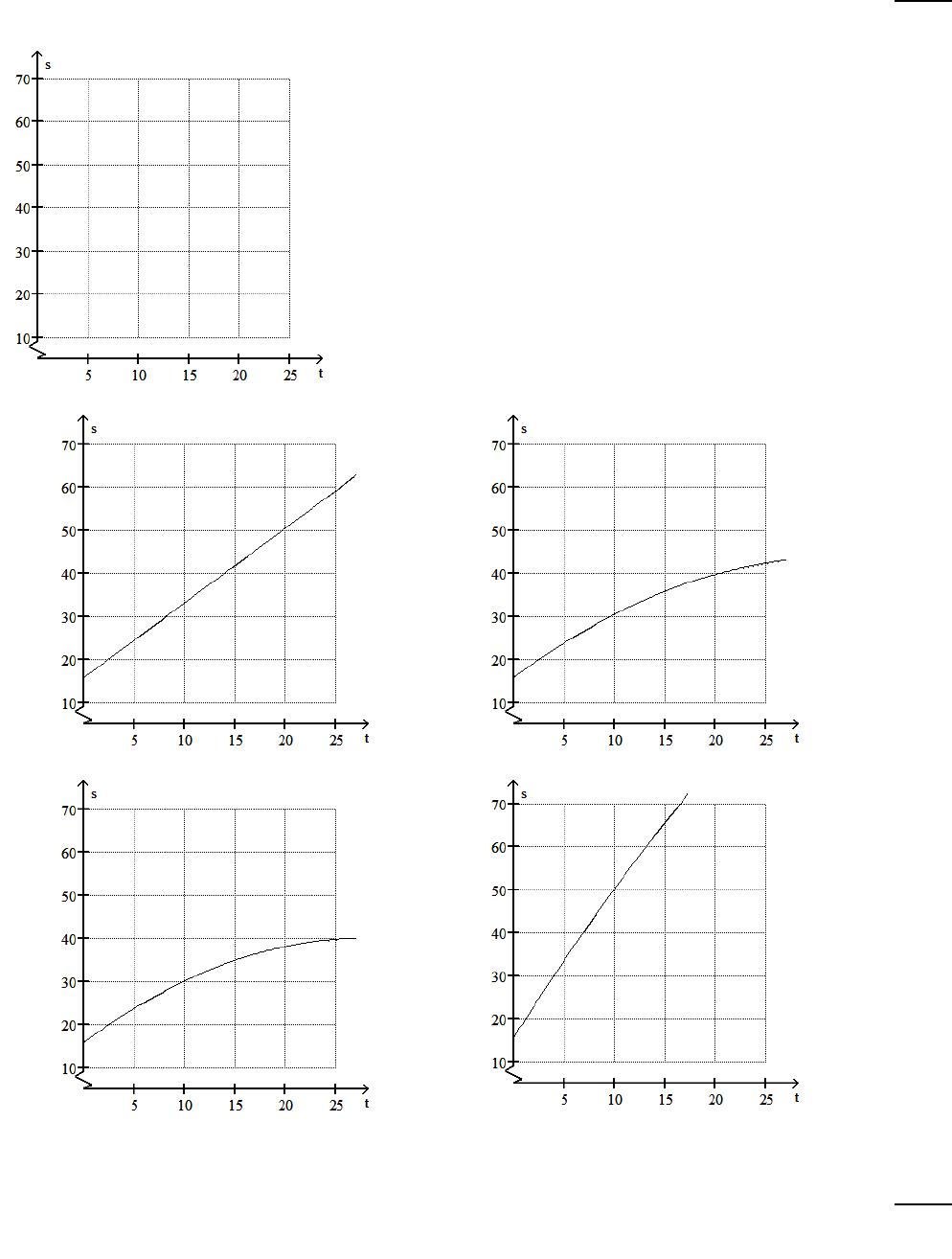
136)
The function s(t) =-0.027t2+1.74t +15.7 models the average starting salary for police officers in a
large U.S. city for the years 1975 through 2000, where t is the number of years since 1975 and s(t) is
in thousands of dollars. Graph the function for the years 1975 through 2000.
136)
A)
B)
C)
D)
Use the remainder theorem to find P(c).
137)
For P(x) =-x3+ 2x2+ 5, find P(3).
137)
A)
1
B)
48
C)
-4
D)
4
16

Indicate whether the function is a constant function, linear function, quadratic function, or cubic function.
138)
y(x) =2x3–9x
138)
A)
Cubic
B)
Linear
C)
Constant
D)
Quadratic
Multiply.
139)
-5x3(5x – 4)
139)
A)
–25x + 20
B)
–25x4– 4
C)
-5x3
D)
–25x4+ 20x3
140)
(3x2+ 5x + 5)(x2+ 5x + 1)
140)
A)
3x4+ 15x3+ 28x2+ 30x + 5
B)
3x4+ 20x3+ 33x2+ 30x + 5
C)
3x4+ 15x3+ 33x2+ 30x + 5
D)
3x4+ 20x3+ 28x2+ 30x + 5
Divide using synthetic division.
141)
(5x3– 2x2– 7x – 14) ÷ (x – 2)
141)
A)
5x2+ 8x – 23 –60
x – 2
B)
5x2– 12x – 31 –76
x – 2
C)
5x2+ 8x + 9 –32
x – 2
D)
5x2+ 8x + 9 +4
x – 2
Write the number in scientific notation.
142)
A company’s assets totaled $52,000,000.
142)
A)
$5.2 ×10⁻⁷
B)
$5.2 ×10⁸
C)
$5.2 ×10⁻⁸
D)
$5.2 ×10⁷
Answer the question.
143)
Find f – g, where f(x) =6y +18 and g(x) =-7y +12.
143)
A)
-13y – 6
B)
19y
C)
13y + 30
D)
13y + 6
Provide an appropriate response.
144)
Rank the numbers in order from smallest to largest.
2.15 ×10³, 7.76 ×10⁶, 8.02 ×10⁻³, 6.65 ×10³, 2.61 ×10⁻⁶
144)
A)
8.02 ×10⁻³ <2.61 ×10⁻⁶ <2.15 ×10³<6.65 ×10³<7.76 ×10⁶
B)
7.76 ×10⁶<6.65 ×10³<2.15 ×10³<8.02 ×10⁻³ <2.61 ×10⁻⁶
C)
2.61 ×10⁻⁶ <2.15 ×10³<6.65 ×10³<7.76 ×10⁶<8.02 ×10⁻³
D)
2.61 ×10⁻⁶ <8.02 ×10⁻³ <2.15 ×10³<6.65 ×10³<7.76 ×10⁶
Divide using synthetic division.
145)
x5 – 243
x – 3
145)
A)
x4– 3x3+ 9x2– 27x + 81
B)
x4+ 3x3+ 9x2+ 27x + 81 +–243
x – 3
C)
x4+ 3x3+ 3x2+ 3x + 3
D)
x4+ 3x3+ 9x2+ 27x + 81
17
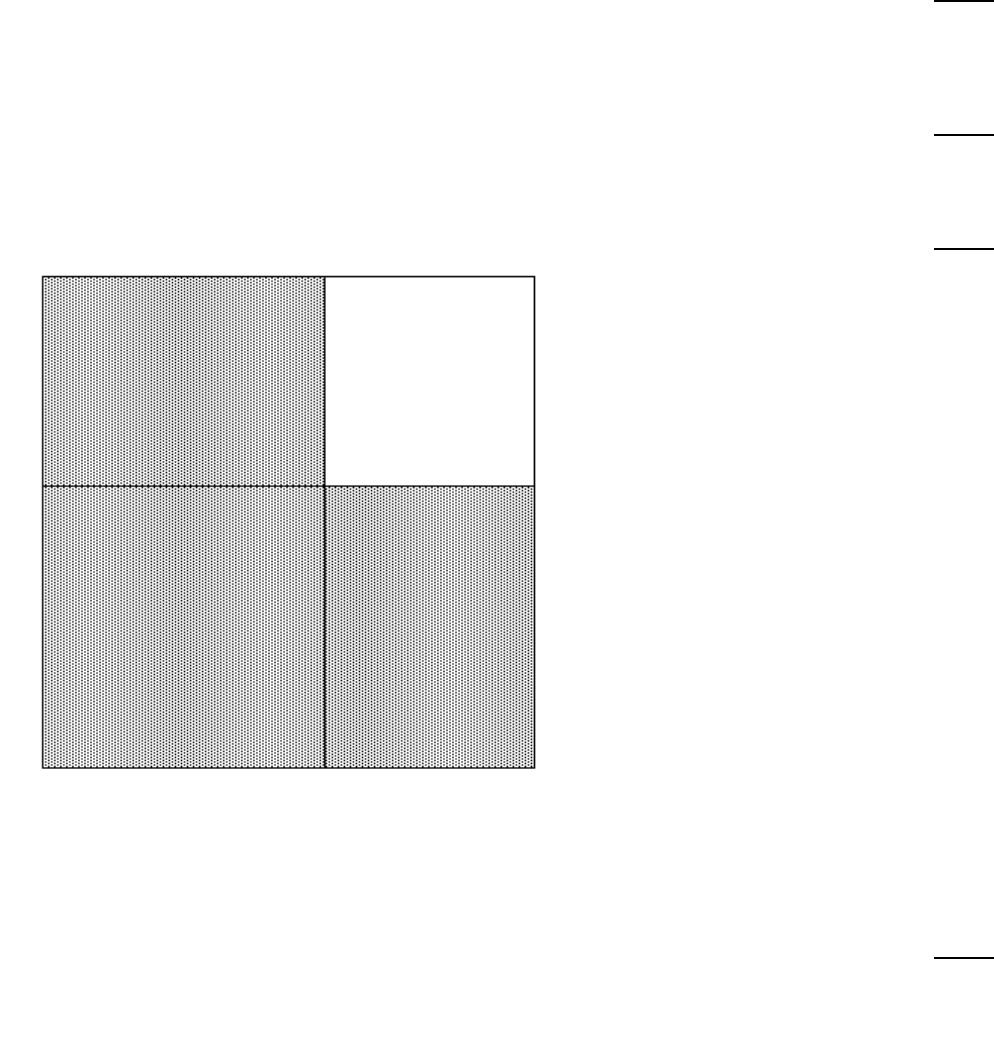
Solve the problem using synthetic division.
146)
The area of a rectangle is described by 6x2+ 55x + 56. If the width of the rectangle is described by x
+ 8, find an expression for its length.
146)
A)
6x + 7
B)
7x + 8
C)
x + 7
D)
–6x – 7
Multiply the binomials using FOIL.
147)
(x – 2)(2x – 7)
147)
A)
2x2– 11x – 11
B)
2x2+ 14x – 11
C)
2x2– 11x + 14
D)
2x2– 13x + 14
Provide an appropriate response.
148)
z
x
x z
Find a polynomial for the shaded area.
148)
A)
z2+ 2xz
B)
2xz
C)
x2+ 2xz
D)
x2+ 2xz +z2
Solve.
149)
The polynomial function h(x) = –16t2+75 describes the height of a falling object after falling t
seconds from an initial height of 75 feet. What is the height after 0.5 seconds?
149)
A)
71.0 ft
B)
67.0 ft
C)
73.1 ft
D)
79.0 ft
18

Solve the problem.
150)
Determine a polynomial that represents the area of the figure. Leave in the answer.
2x + 3
150)
A)
4x2+12x +9
B)
4x2+9
C)
4x2+12x +9
D)
4x2+9
Simplify using the power rule of exponents and the rule for raising a product to a power.
151)
(-0.2r2s7t3)2
151)
A)
-0.2r4s9t5
B)
–0.04r4s14t6
C)
0.04r4s14t6
D)
0.4r2s7t6
Write the polynomial quotient with its remainder (if there is a remainder).
152)
-2 1 7 10
–2–10
1 5 0
152)
A)
x +2
B)
x +1
5
C)
x +5
D)
x2+7x +10
Evaluate or simplify the exponential expression.
153)
–104
153)
A)
10,000
B)
40
C)
–40
D)
–10,000
Divide using the quotient rule for exponents. Write the result with positive exponents. Assume that variables in the
denominator are not equal to 0.
154)
100x10
10x2
154)
A)
90x8
B)
10x5
C)
10x8
D)
10x12
Write the binomial divisor.
155)
–11 120 99
–11 –99
1 9 0
155)
A)
x –11
B)
x +9
C)
x2+20x +99
D)
x +11
Multiply the binomials using FOIL.
156)
(x + 6y)(5x + 5y)
156)
A)
x2+ 35xy + 35y2
B)
5x2+ 35xy + 35y2
C)
5x2+ 35xy + 30y2
D)
x2+ 35xy + 30y2
19
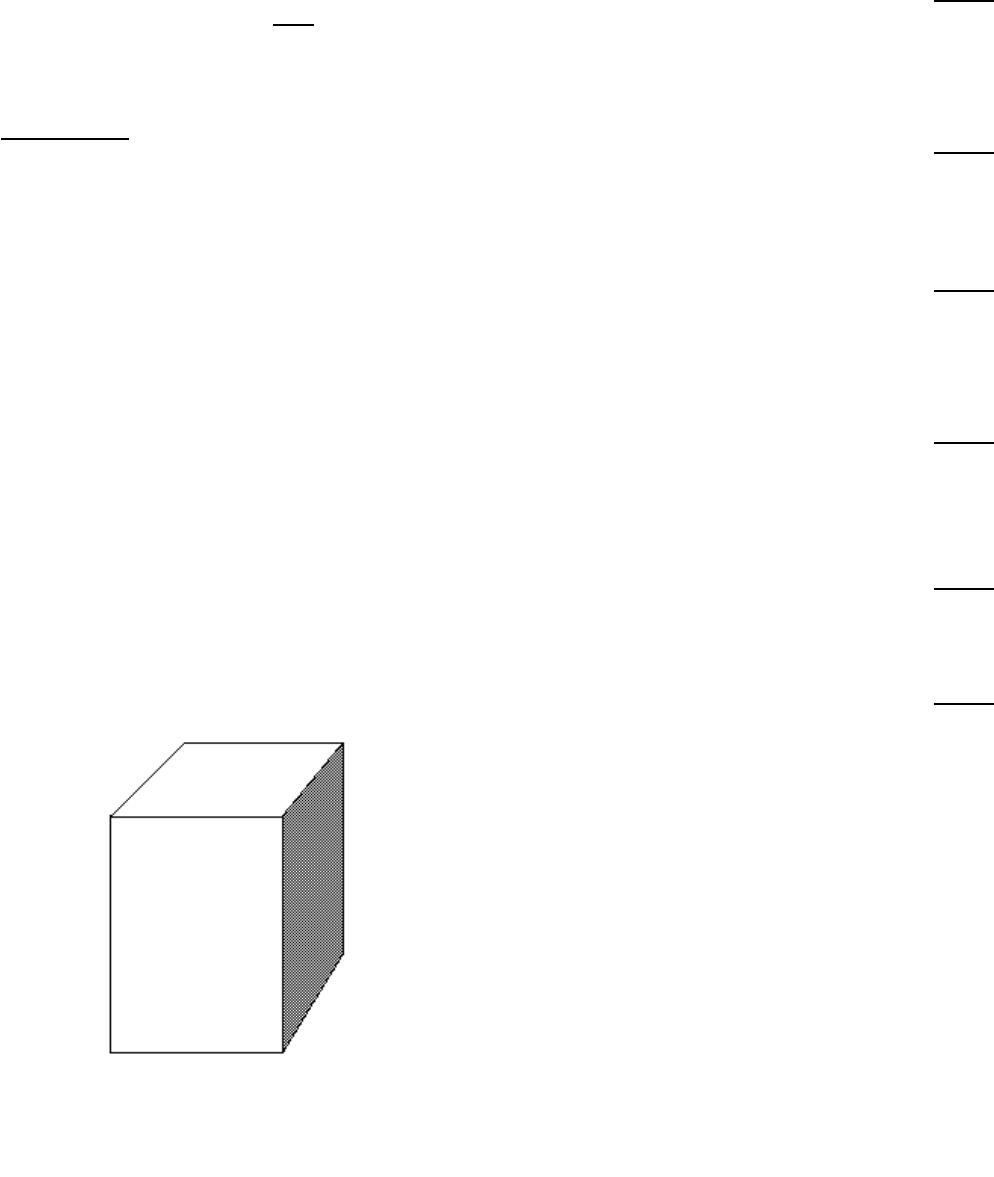
State the conjugate of the given binomial.
157)
x –7
157)
A)
7– x
B)
1
x – 7
C)
– x +7
D)
x +7
Simplify using scientific notation. Give your answer in scientific notation.
158)
20,000,000,000
33,000
158)
A)
6.06 × 10¹³
B)
5.30 × 10⁶
C)
6.06 × 10⁵
D)
0.00
Multiply.
159)
–6x4y2(9xy4– 4x3y2– xy +2)
159)
A)
-54x5y6+24x3y2+6xy –12
B)
-54x5y6+ 4x7y4–x5y3+2
C)
-54x5y6+24x7y4+6x5y3–12x4y2
D)
-54x5y6–24x7y4–6x5y3+12x4y2
Solve the problem.
160)
The volume of a box is 3p4+ 23p3+ 30p2. The height is p and the width is p + 6. What is the
length?
160)
A)
3p + 5
B)
3p3+ 5p2
C)
3p2+ 5p
D)
p2+ 5
Simplify using the product rule of exponents.
161)
(–9y)(–4y6)
161)
A)
–13y6
B)
9y – 4y6
C)
–36y7
D)
36y7
Solve the problem.
162)
Write an expression in simplest form that represents the volume of the box.
2d
d – 1
d
162)
A)
2d3–3d2
B)
4d +1
C)
2d3–2d2
D)
2d2
20
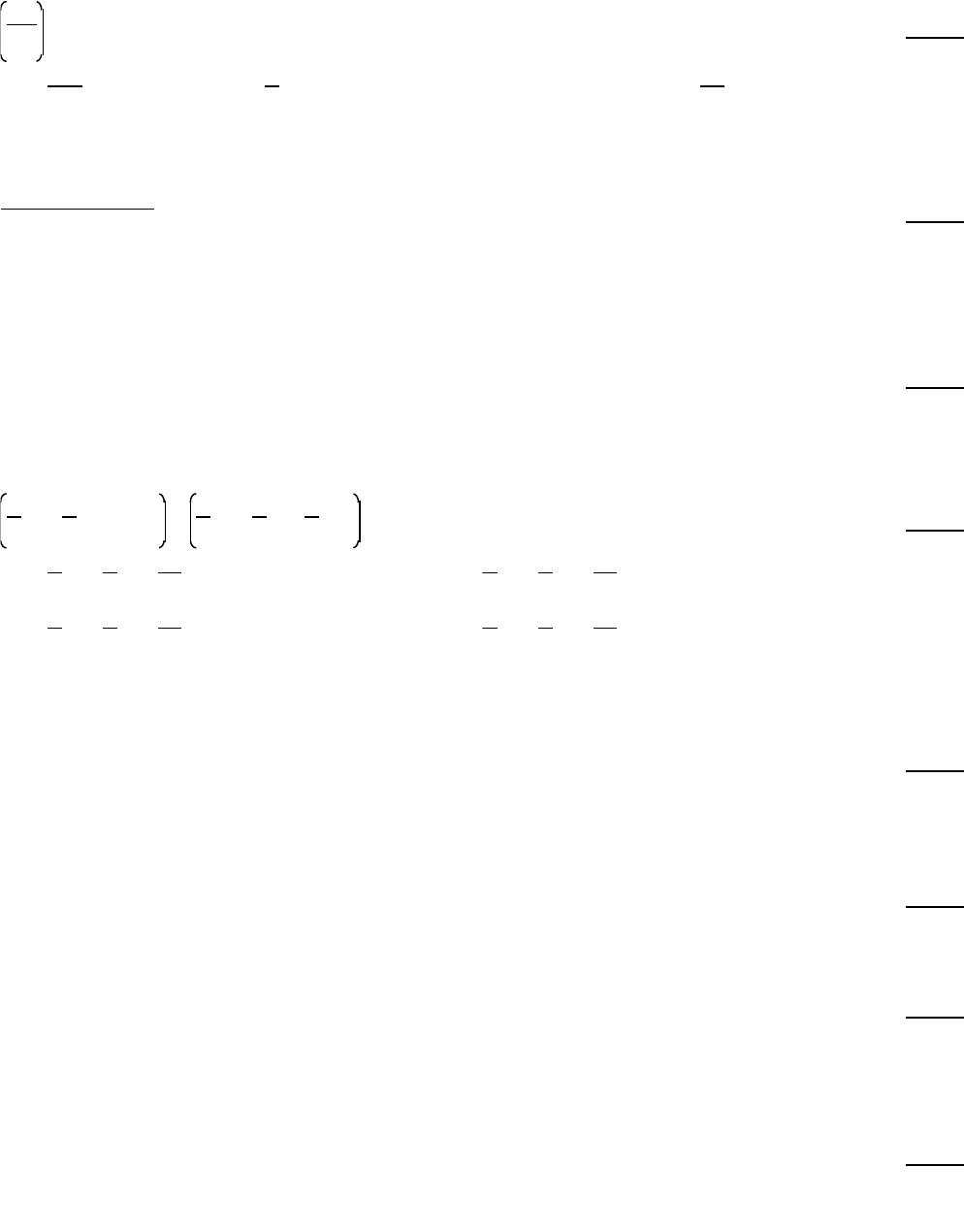
Simplify using the rules for raising a quotient to a power and raising a fraction to a negative power.
163)
2
x-1 –2
163)
A)
1
4x2
B)
4
x
C)
4x2
D)
2
x2
Use long division to divide the polynomials.
164)
3y + 9y4+ 9y3 – 1
3y2 + 1
164)
A)
3y2– 3y + 1
B)
3y2– 1
C)
3y2+ 3y
D)
3y2+ 3y – 1
Identify the degree of the polynomial; then indicate whether the polynomial is a monomial, binomial, or trinomial or has
no special polynomial name.
165)
-6a4–16a2+8a +7a6
165)
A)
degree = 4; trinomial
B)
degree = 12; none of these
C)
degree = 13; trinomial
D)
degree = 6; none of these
Subtract.
166)
1
3x3 + 1
5x2 + 5x +8 –1
6x3 + 3
5x2 – 1
3x – 3
166)
A)
1
6x3–2
5x2+16
15x +11
B)
5
6x3–2
5x2+16
15x +11
C)
1
6x3–2
5x2+16
15x – 5
D)
1
6x3–3
5x2+16
15x + 11
Identify the degree of the polynomial; then indicate whether the polynomial is a monomial, binomial, or trinomial or has
no special polynomial name.
167)
t –2t2+7t3+1
167)
A)
degree = 5; trinomial
B)
degree = 6; trinomial
C)
degree = 3; none of these
D)
degree = 1; binomial
Solve the problem.
168)
The area of a rectangle is 20m2– 10m – 30. Find the length if the width is 4m – 6.
168)
A)
20m + 5
B)
20m – 5
C)
5m + 5
D)
5m – 5
Add and write the resulting polynomial in descending order.
169)
(8.3z4+ 3.2z3–4.3z2+9.2z – 8) + (2.4z4+8.1z3– 5.2z2+ 0.8z +3.7)
169)
A)
10.7z4+7.5z3–13.3z2+10z –4.3
B)
5.9z4+11.3z3–9.5z2+10z –4.3
C)
10.7z4+11.3z3–9.5z2+10z –4.3
D)
10.7z4+11.3z3+9.5z2–10z –4.3
Solve the problem.
170)
A rectangular patio has an area of 4m3+ 25m2+ 12m – 54. Find the length if the width is 4m + 9.
170)
A)
m3+ 4m2– 6m
B)
m2+ 4m – 6
C)
m2+ 17m – 6
D)
m2– 4m+ 6
21

171)
If a submarine goes 2k3+ 11k2+ 1k – 35 miles in 2k + 5 hours, what is its rate of speed?
171)
A)
k2– 3k + 7 miles/hr
B)
k3+ 3k2– 7k miles/hr
C)
k2+ 3k – 7 miles/hr
D)
k2+ 8k – 7 miles/hr
State the conjugate of the given binomial.
172)
2m3+4n3
172)
A)
1
2m3 + 4n3
B)
–2m3+4n3
C)
–2m3–4n3
D)
2m3–4n3
Write the number in scientific notation.
173)
One centimeter is equal to 0.00001 kilometers.
173)
A)
1 ×10⁻⁵
B)
1 ×10⁵
C)
1 ×10⁻⁴
D)
1 ×10⁻⁶
Divide the polynomial by the monomial.
174)
-15x6– 35x4– 40x8
–5x6
174)
A)
8x2+ 3 +7
x
B)
8x + 3 +7
x
C)
8x + 3 +7
x2
D)
8x2+ 3 +7
x2
Multiply.
175)
(2y2+ 3y+ 5)(y2– 3y– 2)
175)
A)
2y4– 6y3– 13y2– 21y– 10
B)
2y4– 6y3– 8y2– 21y– 10
C)
2y4– 3y3– 8y2– 21y– 10
D)
2y4– 3y3– 13y2– 21y– 10
Add and write the resulting polynomial in descending order.
176)
(8x8–7x5+8x2+6) + (3x7+3x5–2x)
176)
A)
8x8+ 3x7+ 4x5+ 8x2– 2x + 6
B)
11x8– 4x5+ 8x2– 2x + 6
C)
8x8+ 3x7– 4x5+ 8x2– 2x + 6
D)
11x8– 10x5+ 8x2– 2x + 6
Indicate whether the function is a constant function, linear function, quadratic function, or cubic function.
177)
p(x) = –6x3
177)
A)
Constant
B)
Quadratic
C)
Linear
D)
Cubic
Provide an appropriate response.
178)
Tell whether or not the number is given in scientific notation.
1.485 ×10³
178)
A)
No
B)
Yes
Simplify using the product rule of exponents.
179)
28·24
179)
A)
212
B)
232
C)
412
D)
432
22

Add and write the resulting polynomial in descending order.
180)
(7+ 2x6+ 4x8+ 8x7) + (-2x7+ 9x6+ 6 + 3x8)
180)
A)
5x8+ 5x7+ 10x6+ 11
B)
24x42 + 13
C)
7x16 + 6x14 + 11x12 + 13
D)
7x8+ 6x7+ 11x6+ 13
Solve the problem.
181)
Determine a polynomial that represents the area of the figure.
x2 + x + 1
7x – 3
181)
A)
7x3–4x2–4x –3
B)
7x3+10x2+4x –3
C)
7x3–3
D)
7x3+4x2+4x –3
Evaluate or simplify the exponential expression.
182)
52
182)
A)
10
B)
25
C)
7
D)
3
Write the polynomial dividend.
183)
–11 4 9 8 5
–44 385 4147
463 –685 7540
183)
A)
–4x3–9x2–8x –5
B)
x –4
C)
4x3+9x2+8x +5
D)
x +11
Solve the problem.
184)
Write an expression in simplest form that represents the area of the rectangle.
x – 14
x
184)
A)
4x –28
B)
2x2–28x
C)
x2–14x
D)
4x +28
Simplify using the rules for raising a quotient to a power and raising a fraction to a negative power.
185)
– 1
x84
185)
A)
x32
1
B)
–x32
1
C)
–1
x32
D)
1
x32
23

Divide using synthetic division.
186)
(2x3+x2– 5x + 2) ÷ (x + 5)
186)
A)
2x2+ 11x + 10 –9
x + 5
B)
2x2– 9x + 40 –9
x + 5
C)
2x2– 9x + 40 –198
x + 5
D)
2x2– 9x – 40 –198
x + 5
Answer the question.
187)
Find f + g, where f(x) =5x +6 and g(x) =-7x +9.
187)
A)
11x + 2
B)
13x
C)
12x + 15
D)
-2x + 15
Write the number in scientific notation.
188)
Light with a wavelength of 0.00000047 meters is blue in color
188)
A)
4.7 ×10⁻⁷
B)
4.7 ×10⁻⁶
C)
4.7 ×10⁻⁸
D)
4.7 ×10⁷
Multiply.
189)
11ax7(-6ax7+ 12x5)
189)
A)
-66a2x14 + 132ax12
B)
-66ax + 132x
C)
-66a2x14 + 12x5
D)
-66a2x14 + 132x12
Simplify using the rules for raising a quotient to a power and raising a fraction to a negative power.
190)
a4
b5
-2
190)
A)
a8
b5
B)
b10
a8
C)
a8
b10
D)
a5
b10
Solve the problem using synthetic division.
191)
The area of a parallelogram is described by x2+ 5x – 14. If the base of the parallelogram is described
by x – 2, find an expression for its height.
191)
A)
x + 7 –28
x – 2
B)
x – 7 –28
x – 2
C)
x + 7
D)
x – 7
Find f(x + h) – f(x).
192)
f(x) =4x + 3
192)
A)
4h + 3
B)
4h – 3
C)
3h
D)
4h
Subtract.
193)
(5a + 6b – c) – (-6b – 3c + 2d)
193)
A)
5a + 12b + 4c – 2d
B)
5a + 12b – 2c + 2d
C)
5a + 12b + 2c – 2d
D)
5a + 12b + 2c + 2d
Multiply.
194)
(x +3)(x2– x +7)
194)
A)
x3+2x2+21
B)
x3+2x2+4x +21
C)
x3+21
D)
x3+4x2+10x +21
24

Write the number in scientific notation.
195)
The treasurer’s records showed a debt of $706,564.
195)
A)
$7.06564 ×101
B)
$7.06564 ×10⁵
C)
$7.06564 ×10⁻⁵
D)
$7.06564 ×10⁶
Divide the polynomial by the monomial.
196)
6x8– 24x5
3x2
196)
A)
2x6– 8x3
B)
–6x11
C)
6x8– 8x3
D)
2x6– 24x5
Simplify using the rules for raising a quotient to a power and raising a fraction to a negative power.
197)
m6
n9
8
197)
A)
m14
n17
B)
m48
n72
C)
–m14
n72
D)
n48
m72
Use the remainder theorem to find P(c).
198)
For P(x) =2x3– 8x2– 5x + 5, find P(-3).
198)
A)
-106
B)
102
C)
-146
D)
-2
Perform the indicated operations and write the resulting polynomial in descending order of degree.
199)
(19x +10xy –11y) – (27x –6xy –28y)
199)
A)
9x + 8xy +39
B)
–8x –16xy –39y
C)
–8x +16xy + 17y
D)
25xy
Simplify using the power rule of exponents and the rule for raising a product to a power.
200)
(-2x4)3
200)
A)
–8x12
B)
8x7
C)
–8x7
D)
8x12
Use long division to divide the polynomials.
201)
2x3 – 5x2– 10x – 6
x – 4
201)
A)
2x2+ 3x +2
B)
2x2– x +4+1
x – 4
C)
2x3+ 3x +2
x – 4
D)
2x2+ 3x +2+2
x – 4
Add and write the resulting polynomial in descending order.
202)
3
7y3 – 3y2 + 10y – 8+2y4 + 8
9y3 – y + 10
202)
A)
2y4+83
63y3– 3y2+9y +18
B)
2y4+83
63y3– 3y2+9y +2
C)
2y4+11
16y3– 3y2+9y +2
D)
2y4+83
63y3– 2y2+11y +2
25

State the conjugate of the given binomial.
203)
-5a –8b
203)
A)
5a –8b
B)
-5a +8b
C)
5a +8b
D)
1
-5a – 8b
Simplify using the rules for raising a quotient to a power and raising a fraction to a negative power.
204)
a
b4
204)
A)
a4
b
B)
4
C)
a4
b4
D)
4a
4b
Identify the degree of the polynomial; then indicate whether the polynomial is a monomial, binomial, or trinomial or has
no special polynomial name.
205)
5r2+5r –7r5
205)
A)
degree =5; trinomial
B)
degree =6; binomial
C)
degree = 2; trinomial
D)
degree =5; binomial
Simplify using the product rule of exponents.
206)
(–0.2x6)(0.4x7)
206)
A)
0.08x13
B)
0.08x42
C)
-0.08x42
D)
-0.08x13
Write the number in standard form.
207)
One millimeter is equal to 1 ×10⁻⁶ kilometers.
207)
A)
0.00001
B)
1,000,000
C)
0.0000001
D)
0.000001
Use long division to divide the polynomials.
208)
x2– 9x + 18
x – 3
208)
A)
x + 3
B)
6– x
C)
x + 6
D)
x – 6
Perform the indicated operations and write the resulting polynomial in descending order of degree.
209)
(9m2n –8mn +8mn2) – (3m2n +7mn –4mn2)
209)
A)
6m4n2– 15mn +12m2n4
B)
6m2n –15mn +12mn2
C)
6m2n – 3
D)
6m4n2–15m2n2+12m2n4
Solve the problem.
210)
Find the perimeter.
4r2+ 3r r3 + r2+ 3
8r + 9
210)
A)
r3+ 5r2+ 11r + 12
B)
5r3+ 12r + 12
C)
r3+ 4r2+ 12r + 12
D)
5r3+r2+ 11r + 12
26

Answer the question.
211)
If p(x) =10x3+ 8x2– 22x + 4 and q(x) =2x +4, find (p/q)(3).
211)
A)
204
5
B)
23
C)
0
D)
28
Perform the indicated operations and write the resulting polynomial in descending order of degree.
212)
–(r4–5r2+5r +3) – (3r4–6r3–8r –2) + (–r4+2r3+6r2+3r –2)
212)
A)
-5r4–8r3+11r2+6r –7
B)
-5r4+8r3–11r2+6r +3
C)
-5r4+8r3+11r2+6r –3
D)
-5r4+8r3+11r2+16r –3
Multiply the binomials using FOIL.
213)
(x + 11y)(x + 6y)
213)
A)
x2+ 17xy + 17y2
B)
x2+ 14xy + 66y2
C)
x2+ 17xy + 66y2
D)
x + 17xy + 66y
Add and write the resulting polynomial in descending order.
214)
(2x7– 4x6– 5x5– 1) + (7x7+ 8x6– 4x5+ 7)
214)
A)
9x14 + 4x12 – 9x10 + 6
B)
4x36 + 6
C)
9x7+ 4x6– 9x5+ 6
D)
7x7+ 7x6+ 9x5+ 3
Multiply the binomials using FOIL.
215)
(4x + 11)(x – 5)
215)
A)
4x2– 55x – 9
B)
4x2– 11x – 55
C)
4x2– 9x – 9
D)
4x2– 9x – 55
Write the number in scientific notation.
216)
The frequency of a vibration was about 100,000,000 Hz.
216)
A)
1 ×10¹⁰
B)
1 ×10⁷
C)
1 ×10⁹
D)
1 ×10⁸
Divide using synthetic division.
217)
4r3– 16r2– 12r – 40
r – 5
217)
A)
r2+ 8r + 4
B)
4r2– 4r – 8
C)
4r2+ 4r + 8
D)
4r2+ 4r +8
r – 5
Use the remainder theorem to find P(c).
218)
For P(x) =x2– 2x – 5, find P(2).
218)
A)
–5
B)
5
C)
-13
D)
-3
Write the number in scientific notation.
219)
The average distance from Mars to the Sun is 227,900,000 kilometers.
219)
A)
2.279 ×10⁷
B)
2.279 ×10⁸
C)
227.9 ×10⁶
D)
2.279 ×10⁹
Simplify using scientific notation. Give your answer in scientific notation.
220)
(0.0047)(410,000,000)
220)
A)
1.927 ×10⁵
B)
8.8 ×10¹¹
C)
1.05 ×10⁵
D)
1.927 ×10⁶
27
Multiply.
221)
(3x2+ 2x – 5)(x2– 3x – 3)
221)
A)
3x4– 7x3– 15x2+ 9x + 15
B)
3x4– 9x3– 20x2+ 9x + 15
C)
3x4– 7x3– 20x2+ 9x + 15
D)
3x4– 9x3– 15x2+ 9x + 15
Solve the problem.
222)
Assume that the volume of the earth is 5 ×10¹⁴ cubic meters and the volume of a bacterium is
2.5 ×10⁻¹⁶ cubic meters. If the earth could be filled with bacteria, how many would it contain?
222)
A)
2.0 ×1030 bacteria
B)
5.0 ×1031 bacteria
C)
2.0 ×10⁻³⁰ bacteria
D)
5.0 ×10⁻³¹ bacteria
Provide an appropriate response.
223)
Rank the numbers in order from smallest to largest.
7.53 ×10², 7.50 ×10³, 6.78 ×10⁻², 4.34 ×10⁻³, 4.33 ×10⁻¹
223)
A)
4.33 ×10⁻¹ <6.78 ×10⁻² <7.53 ×10²<4.34 ×10⁻³ <7.50 ×10³
B)
4.34 ×10⁻³ <6.78 ×10⁻² <4.33 ×10⁻¹ <7.53 ×10²<7.50 ×10³
C)
4.33 ×10⁻¹ <6.78 ×10⁻² <4.34 ×10⁻³ <7.53 ×10²<7.50 ×10³
D)
7.53 ×10²<7.50 ×10³<6.78 ×10⁻² <4.34 ×10⁻³ <4.33 ×10⁻¹
Multiply.
224)
(4m2+ 3m+ 5)(m2– 2m+ 4)
224)
A)
4m4– 8m3+ 10m2+ 2m+ 20
B)
4m4– 5m3+ 15m2+ 2m+ 20
C)
4m4– 8m3+ 15m2+ 2m+ 20
D)
4m4– 5m3+ 10m2+ 2m+ 20
Provide an appropriate response.
225)
2x 4
2x
4
Find the total area.
225)
A)
2x2+8x +16
B)
2x2+16x +16
C)
4x2+16x +16
D)
4x2+8x +16
226)
Determine if the expression (-5)-5 is positive or negative.
226)
A)
Positive
B)
Negative
28
Evaluate or simplify the exponential expression.
227)
(-3)0
227)
A)
0
B)
1
C)
–3
D)
–1
Write the number in standard form.
228)
The electrical resistance was 6.3555 ×10⁶ ohms.
228)
A)
381.33
B)
6,355,500
C)
635,550
D)
63,555,000
Solve the problem.
229)
Find a polynomial that represents the volume of the cube.
2x + 4
2x + 4
2x + 4
229)
A)
24x2+ 96x + 96
B)
8x3+ 192x + 64
C)
8x3+ 64
D)
8x3+ 48x2+ 96x + 64
Subtract.
230)
(3.3j3–6.0j2–3.5j –3.3) – (–9.7j3+3.8j2–8.6j –4.6)
230)
A)
-6.4j3+9.8j2+5.1j +1.3
B)
13j3–9.8j2+5.1j +1.3
C)
13j3+9.8j2+5.1j +1.3
D)
13j3–9.8j2–5.1j +7.9
Solve the problem.
231)
If f(x) =5x2– 3x + 5, find f(x – 1).
231)
A)
5x2+ 22x + 7
B)
5x2– 13x + 7
C)
5x2– 13x + 13
D)
-13x2+ 5x + 13
232)
Write an expression in simplest form that represents the volume of the box.
dd – 2
d + 6
232)
A)
d3+12
B)
d3+5d2–11d
C)
d3+4d2–12d
D)
3d +4
Simplify using scientific notation. Give your answer in scientific notation.
233)
(0.00000016)(1,000,000,000,000)
233)
A)
1.6 × 10⁻⁷
B)
1.6 × 10¹²
C)
1.6 × 10⁶
D)
1.6 × 10⁵
29

Identify the degree of the polynomial; then indicate whether the polynomial is a monomial, binomial, or trinomial or has
no special polynomial name.
234)
4.6x3+10
9x –5
234)
A)
degree =3; monomial
B)
degree =3; trinomial
C)
degree =4; trinomial
D)
degree =3; binomial
Find the product.
235)
(s – r)2
235)
A)
s2–sr +r2
B)
s2– 2sr –r2
C)
s2+ 2sr +r2
D)
s2– 2sr +r2
Subtract.
236)
(r3–7rs +5s2) – (9r3+ rs –2s2)
236)
A)
-8r3– 8rs + 7s2
B)
-8r3– 6rs + 7s2
C)
-9r3– 7rs + 3s2
D)
-8r3– 8rs + 3s2
Divide using the quotient rule for exponents. Write the result with positive exponents. Assume that variables in the
denominator are not equal to 0.
237)
–36x4y5z2
2x10yz7
237)
A)
–36y4
x6z5
B)
–36y5
x10z7
C)
–18xy4z
x6yz5
D)
–18y4
x6z5
Simplify using scientific notation. Leave your answer in scientific notation.
238)
-0.00002-3
238)
A)
-1.25 ×10¹³
B)
-1.25 ×10¹⁴
C)
1.25 ×10¹³
D)
1.25 ×10¹⁴
Simplify using the power rule of exponents and the rule for raising a product to a power.
239)
(-3a3b7)5
239)
A)
243a15b35
B)
243a8b12
C)
–243a15b35
D)
–243a8b12
Solve the problem.
240)
Write an expression in simplest form that represents the perimeter of the parallelogram. Then use
the expression to find the perimeter of the parallelogram if n is 14.
n + 3
n + 5
240)
A)
n2+8n +15; 323
B)
2n +8; 36
C)
4n +8; 64
D)
4n +16; 72
Find f(x + h) – f(x).
241)
f(x) =6x2– 6x – 5
241)
A)
12xh +6h2– 6h
B)
6xh +6h2– 6h
C)
12xh +6h2+ 6h
D)
6xh –6h2– 6h
Graph the function.
30
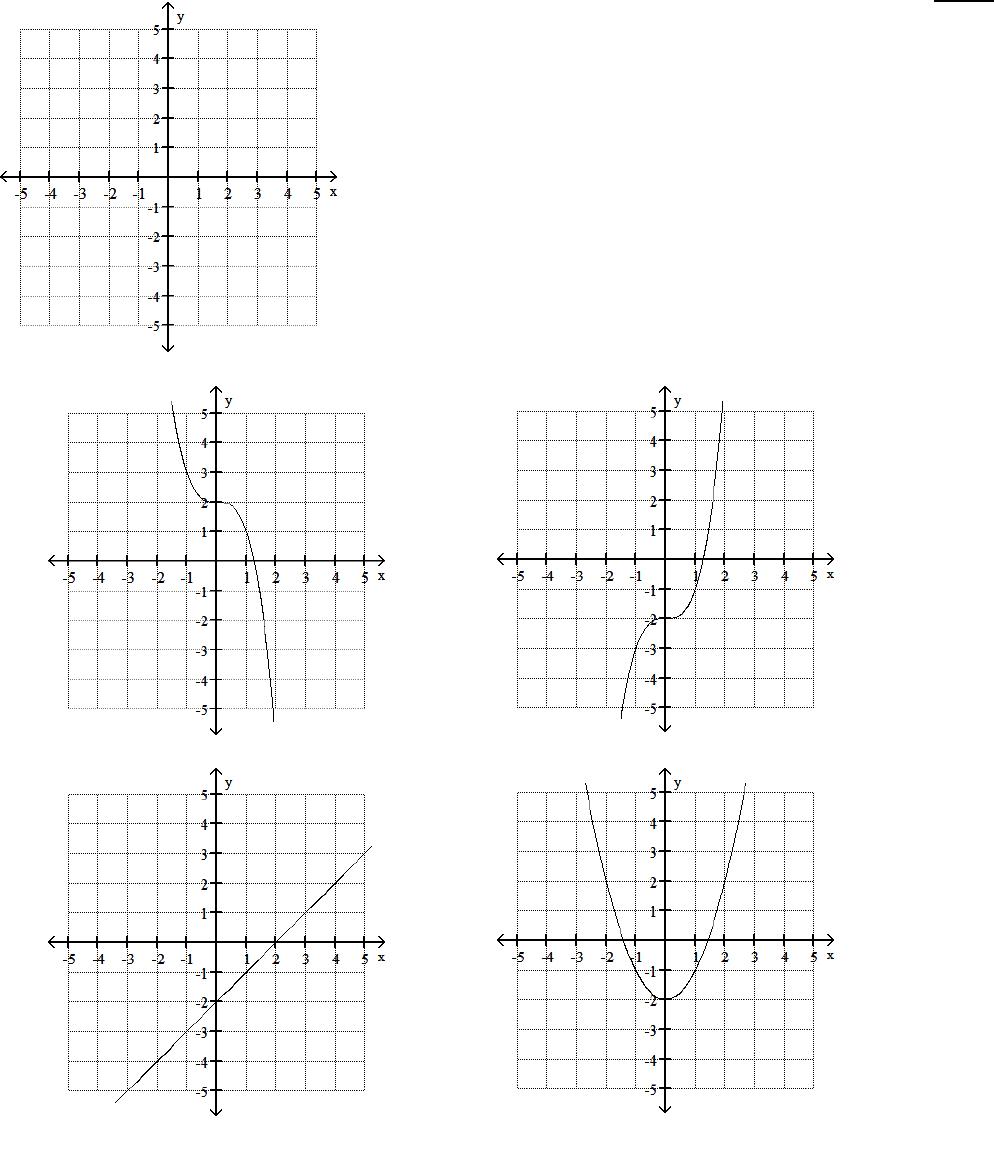
242)
f(x) =x2–2
242)
A)
B)
C)
D)
31

Divide using synthetic division.
243)
(-4x3– 10x2+ 0x – 18) ÷(x + 3)
243)
A)
4x2– 3x – 6
B)
-4x2+ 2x – 6
C)
-4x + 2
D)
-4
3 x2+-10
3 x + 0
3
Multiply.
244)
(3p – 1)(9p2+ 3p + 1)
244)
A)
9p3– 1
B)
27p3+ 12p2– 1
C)
27p3+ 1
D)
27p3– 1
Evaluate or simplify the exponential expression.
245)
(-6)4
245)
A)
–1296
B)
7776
C)
–7776
D)
1296
Perform the indicated operations and write the resulting polynomial in descending order of degree.
246)
(-2a – 2b – c) – (5b – 4c + 6d)
246)
A)
-2a – 7b + 3c – 6d
B)
-2a – 7b – 3c + 6d
C)
-2a – 7b + 5c – 6d
D)
-2a – 7b + 3c + 6d
Multiply.
247)
(7y – 4)(49y2+ 28y + 16)
247)
A)
343y3– 64
B)
343y3+ 112y2– 64
C)
49y3+ 64
D)
343y3+ 64
Divide the polynomial by the monomial.
248)
20m5n – 35m4n6 + 30m3n8
5m2n
248)
A)
4m3–7m2n5+6mn7
B)
4m3–35m4n6+30m3n8
C)
23
D)
4m7–7m6n7+6m5n9
249)
27x8+ 45x2– 54x
9x
249)
A)
3x8+ 5x2– 6x
B)
3x8+ 45x2– 54x
C)
3x7+ 5x – 6
D)
27x7+ 45x – 54
Write the number in standard form.
250)
The speed of light is 1.86 ×10⁵ miles per hour.
250)
A)
1,860,000
B)
18,600,000
C)
186,000
D)
0.0000186
Add and write the resulting polynomial in descending order.
251)
(7n5+ 6n2– 2) + (8n5+ 9n2– 3)
251)
A)
15n5+ 15n2– 5
B)
25n7
C)
15 + 15n5– 5n2
D)
6n5+ 16n2+ 3
32

Solve.
252)
The function L(x) =2x –1 represents the length of a rectangular flower garden and the function
W(x) = x + 7 represents its width. Both measurements are in yards. Write a function P(x) that
represents the perimeter and find P(6).
252)
A)
P(x) =3x +6; P(6) =24 yd
B)
P(x) =3x +6; P(6) =48 yd
C)
P(x) =6x +12; P(6) =48 yd
D)
P(x) = (2x –1)(x +7); P(6) =143 yd
Solve the problem.
253)
If f(x) =x2–5x, find f(3x +6).
253)
A)
9x2+21x +42
B)
9x2–15x +6
C)
9x2+36x +31
D)
9x2+21x +6
Multiply using the rules for special products.
254)
(10m – 13w)(10m + 13w)
254)
A)
100m2– 169w2
B)
100m2– 260mw – 169w2
C)
100m2+ 260mw – 169w2
D)
10m2– 13w2
Simplify using scientific notation. Give your answer in scientific notation.
255)
(0.000034)(0.00000021)
255)
A)
7.14 ×10¹²
B)
5.5 ×10¹²
C)
7.14 ×10⁻²
D)
7.14 ×10⁻¹²
Provide an appropriate response.
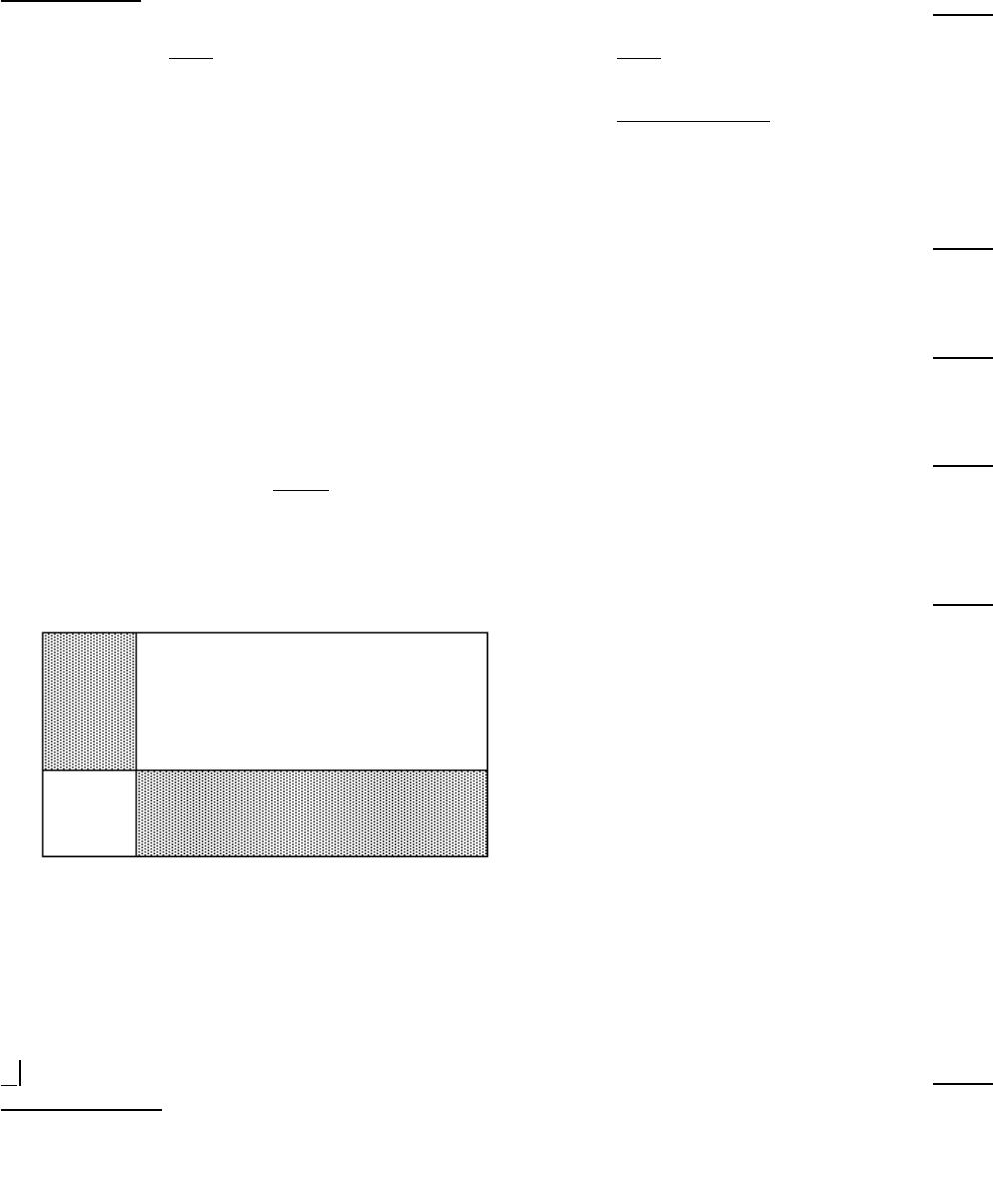
256)
a
b
b c
Find a polynomial for the shaded area.
256)
A)
a2+ bc
B)
ab + bc
C)
b2+ ab + ac + bc
D)
b2+ ac
Simplify using the power rule of exponents and the rule for raising a product to a power.
257)
(2x5)2
257)
A)
2x7
B)
4x9
C)
4x5
D)
4x10
Indicate whether the function is a constant function, linear function, quadratic function, or cubic function.
258)
y(x) =15
258)
A)
Linear
B)
Cubic
C)
Quadratic
D)
Constant
33
Divide using synthetic division.
259)
x3 – 4x2 + 5x – 7
x + 4
259)
A)
x2–8x +37 –155
x + 4
B)
x2–8x +21 –91
x + 4
C)
x3–4x2+37x –155
D)
x2–8x +37 –155
(x3 – 4x2 +5x – 7)
Use the remainder theorem to find P(c).
260)
For P(x) =7x4+ 2x3+ 6x2– 8x + 65, find P(-3).
260)
A)
440
B)
300
C)
478
D)
656
Add and write the resulting polynomial in descending order.
261)
(9x +2) + (-11x +12)
261)
A)
-2x + 14
B)
12x
C)
11x + 1
D)
20x + 14
State the conjugate of the given binomial.
262)
2x +5
262)
A)
2x –5
B)
1
2x + 5
C)
–2x +5
D)
–2x –5
Provide an appropriate response.
263)
a
b
b c
Find a polynomial for the shaded area.
263)
A)
a2+ bc
B)
a2+ ab + bc + ac
C)
ab + bc
D)
ab + ac
Write the polynomial dividend.
264)
-3 1 10 21
–3–21
1 7 0
264)
A)
x2+10x +21
B)
x +7
C)
–x2–10x –21
D)
x +3
34
Write the number in standard form.
265)
The distance from the sun to Mars is 2.29 ×10¹¹ kilometers.
265)
A)
22,900,000,000,000
B)
229,000,000,000
C)
22,900,000,000
D)
2,290,000,000,000
Use long division to divide the polynomials.
266)
(8x3– 2x2– 26x – 15) ÷(4x + 3)
266)
A)
x2– 2x – 5
B)
2x2– 2x – 5
C)
2x2– 5
D)
x2+ 2x + 5
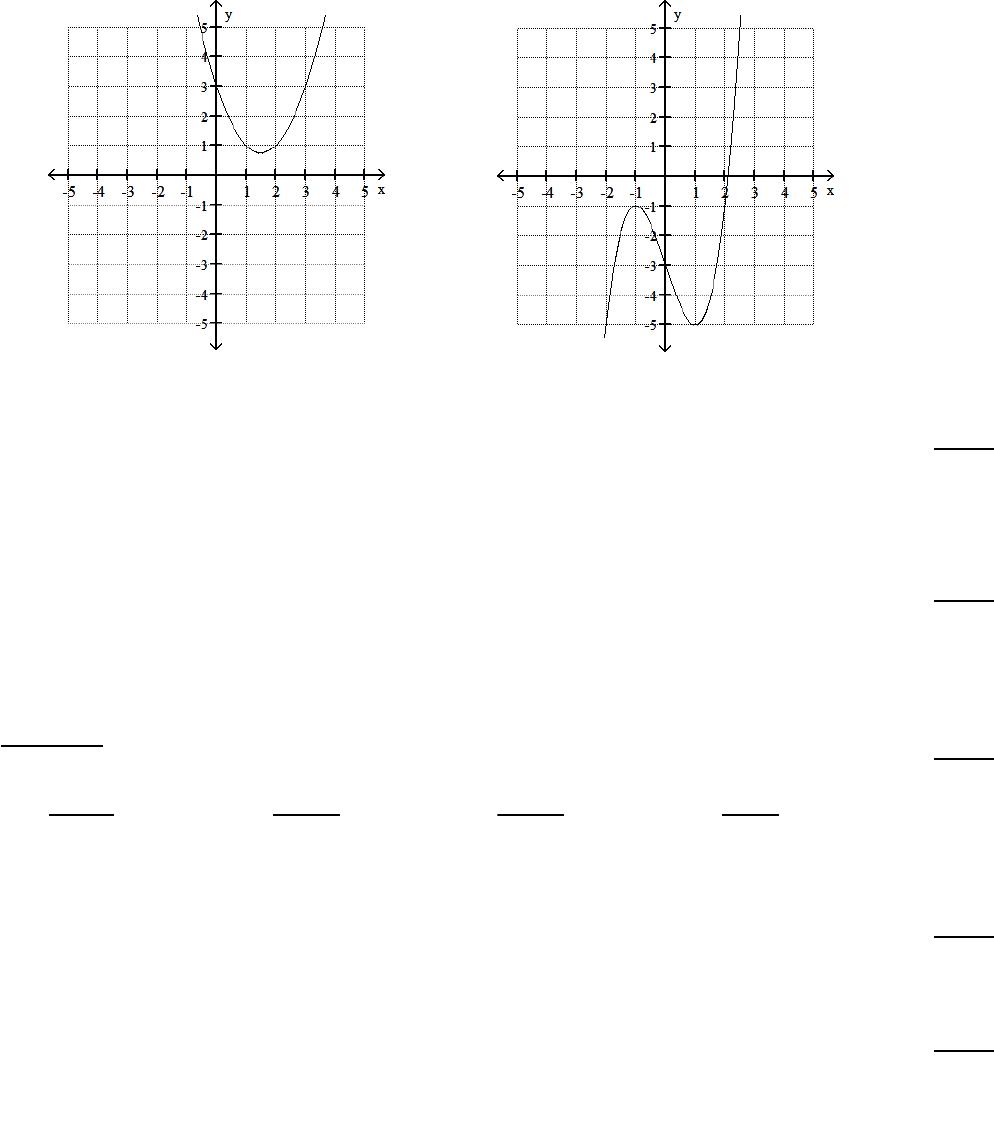
Graph the function.
267)
r(x) =x3–3x +3
267)
A)
B)
35
C)
D)
Find the product.
268)
(10x + 9y)2
268)
A)
100x2+ 81y2
B)
100x2+ 180xy + 81y2
C)
10x2+ 81y2
D)
10x2+ 180xy + 81y2
Simplify using the product rule of exponents.
269)
(-3x2y4)(-4x2y2)
269)
A)
12xy4
B)
12xy6
C)
12x6y4
D)
12x4y6
Divide using the quotient rule for exponents. Write the result with positive exponents. Assume that variables in the
denominator are not equal to 0.
270)
12x4y-2 z7
4x8y-9z-3
270)
A)
3y7
x4z10
B)
3y7z10
x4
C)
3x4z10
y7
D)
3y7z4
x4
Answer the question.
271)
Find f – g, where f(x) =4 and g(x) =5.
271)
A)
1
B)
8
C)
9
D)
–1
Perform the indicated operations and write the resulting polynomial in descending order of degree.
272)
(9.0j3–7.6j2–3.3j –2.9) – (–1.8j3+6.2j2–9.0j –5.5)
272)
A)
10.8j3–13.8j2+5.7j +2.6
B)
7.2j3+13.8j2+5.7j +2.6
C)
10.8j3+13.8j2+5.7j +2.6
D)
10.8j3–13.8j2–5.7j +8.4
36
Solve the problem.
273)
Write an expression in simplest form that represents the perimeter of the rectangle. Then use the
expression to find the perimeter of the rectangle if x is 37.
x – 13
x
273)
A)
4x –26; 122
B)
2x2–26x; 1776
C)
4x +26; 174
D)
x2–13x; 888
Solve.
274)
The function s(t) =-0.025t2+1.76t +15.4 models the average starting salary for police officers in a
large U.S. city for the years 1975 through 2000, where t is the number of years since 1975 and s(t) is
in thousands of dollars. Complete the table of ordered pairs below.
Year Years since
1975 Average Starting Salary
(1000’s of dollars)
1975 0
1980
1985
1990
1995
2000
274)
A)
Year Years since
1975 Average Starting Salary
(1000’s of dollars)
1975 015.4
1980 524.1
1985 10 32.8
1990 15 41.4
1995 20 50.1
2000 25 58.8
B)
Year Years since
1975 Average Starting Salary
(1000’s of dollars)
1975 015.4
1980 523.6
1985 10 30.5
1990 15 36.2
1995 20 40.6
2000 25 43.8
C)
Year Years since
1975 Average Starting Salary
(1000’s of dollars)
1975 015.4
1980 518.8
1985 10 20.5
1990 15 22.0
1995 20 23.6
2000 25 25.1
D)
Year Years since
1975 Average Starting Salary
(1000’s of dollars)
1975 015.4
1980 523.6
1985 10 30.4
1990 15 36.0
1995 20 40.2
2000 25 43.2
State the conjugate of the given binomial.
275)
6m3–6n3
275)
A)
6m3+6n3
B)
–6m3–6n3
C)
–6m3+6n3
D)
1
6m3 – 6n3
37

Simplify using the rules for raising a quotient to a power and raising a fraction to a negative power.
276)
5
2y -3
276)
A)
8y3
125
B)
125
8y
C)
125y3
8
D)
125
2y3
Solve the problem.
277)
Find the perimeter.
7x2+ 8x + 20
5x2– 4x + 14
277)
A)
24x2+ 8x + 68
B)
19x2+ 12x + 34
C)
12x2+ 4x + 34
D)
24x2+ 8x + 34
Write the number in standard form.
278)
A computer can do one calculation in 1.4 ×10⁻⁷ seconds.
278)
A)
0.00000014
B)
14,000,000
C)
0.000014
D)
0.000000014
Simplify using the power rule of exponents and the rule for raising a product to a power.
279)
(-5xy7)5
279)
A)
3125x5y35
B)
25xy12
C)
–3125x5y35
D)
–25xy12
Indicate whether the function is a constant function, linear function, quadratic function, or cubic function.
280)
r(x) =1
2x2–1
280)
A)
Constant
B)
Quadratic
C)
Cubic
D)
Linear
Simplify using scientific notation. Give your answer in scientific notation.
281)
(600,000,000)(7,000,000,000)
281)
A)
42 ×1018
B)
4.2 ×10¹⁸
C)
42 ×1072
D)
4.2 ×10¹⁷
Subtract.
282)
(8x3y3+6x2y2–x2y + xy2+4x +5) – (–x3y3+x2y2–x2y –4x +10)
282)
A)
9x3y3+5x2y2+ 2xy2–5
B)
9x3y3+5x2y2+ xy2+8x –5
C)
9x3y3+7x2y2+x2y +8x –5
D)
9x3y3+7x2y2– 2x2y + xy2+15
Write the number in standard form.
283)
The signal frequency was set to 7.82 ×10⁶ Hz.
283)
A)
78,200,000
B)
782,000
C)
469.2
D)
7,820,000
Evaluate or simplify the exponential expression.
284)
–30
284)
A)
–1
B)
1
C)
–3
D)
0
38
Simplify using the product rule of exponents.
285)
(-3m2z4)(3m2z2)
285)
A)
-9m6z4
B)
-9m4z6
C)
-9mz4
D)
-9mz6
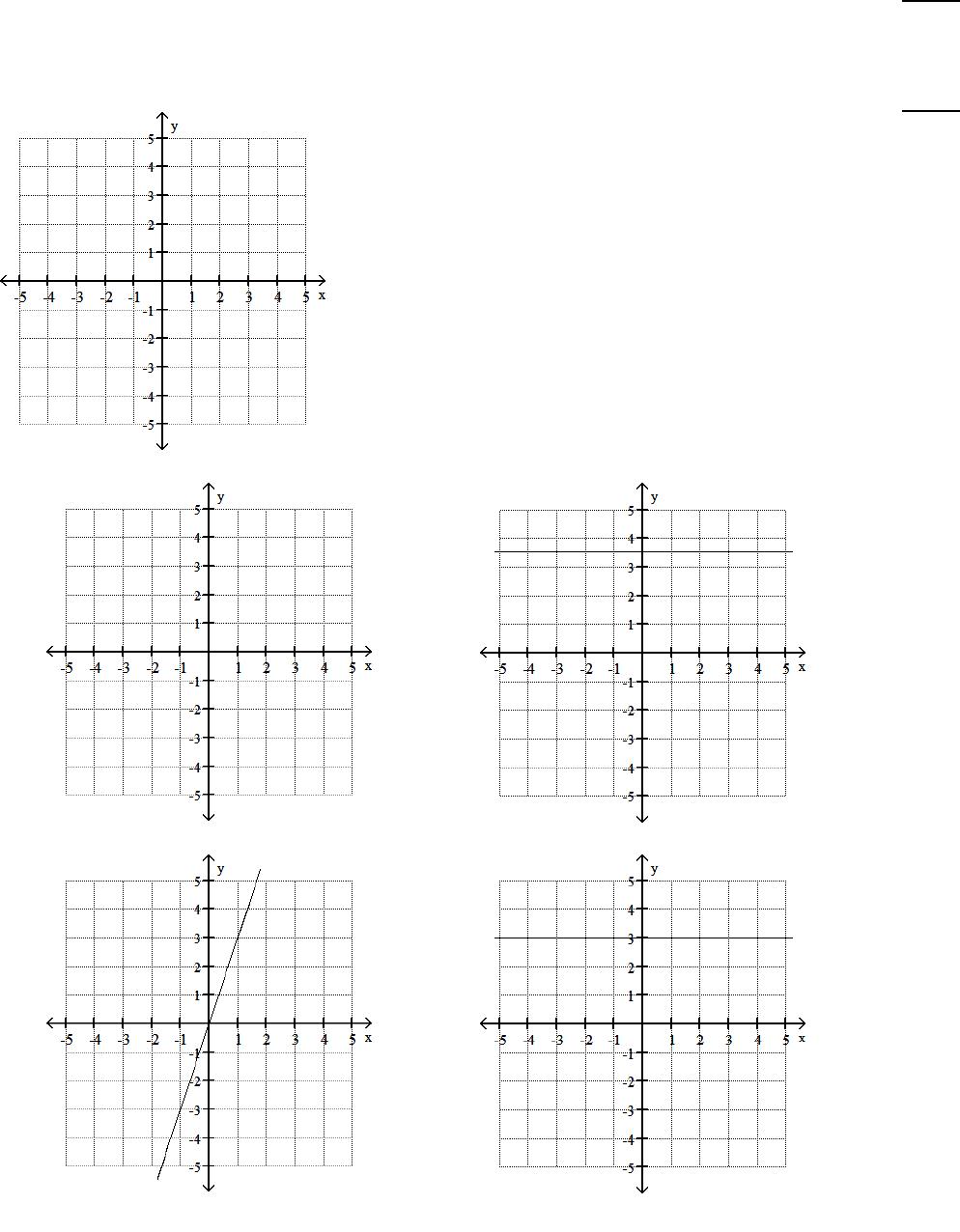
Graph the function.
286)
r(x) =3
286)
A)
B)
C)
D)
39

Divide using the quotient rule for exponents. Write the result with positive exponents. Assume that variables in the
denominator are not equal to 0.
287)
–4x6yz
36x5y2
287)
A)
–xyz
9
B)
–xz
9y
C)
–9xz
y
D)
–x
9y
Multiply using the rules for special products.
288)
(2p + 9)(2p – 9)
288)
A)
4p2– 81
B)
p2– 81
C)
4p2+ 36p – 81
D)
4p2– 36p – 81
Use the remainder theorem to find P(c).
289)
For P(x) =x6– 2x5– 3x4– 4x3– 2x2– 3x + 5, find P( 2).
289)
A)
-89
B)
-88
C)
89
D)
115
Divide using synthetic division.
290)
(8x3–4x2–2x – 1) ÷x + 1
2
290)
A)
8x2–8x + 3 –1
x + 1
2
B)
8x2–7x + 2 +-2
x + 1
2
C)
8x2–8x + 2 +-2
x + 1
2
D)
8x2–8x + 2 –1
x + 1
2
Use long division to divide the polynomials.
291)
x3+ 125
x + 5
291)
A)
x2+ 5x + 25
B)
x2– 10x + 25
C)
x2– 5x + 25
D)
x2– 5x – 25
Write the number in standard form.
292)
The treasurer’s records showed a debt of $1 ×10².
292)
A)
$10
B)
$100
C)
$1
D)
$1000
Find the product.
293)
(n + 11)2
293)
A)
n2+ 121
B)
121n2+ 22n + 121
C)
n + 121
D)
n2+ 22n + 121
40
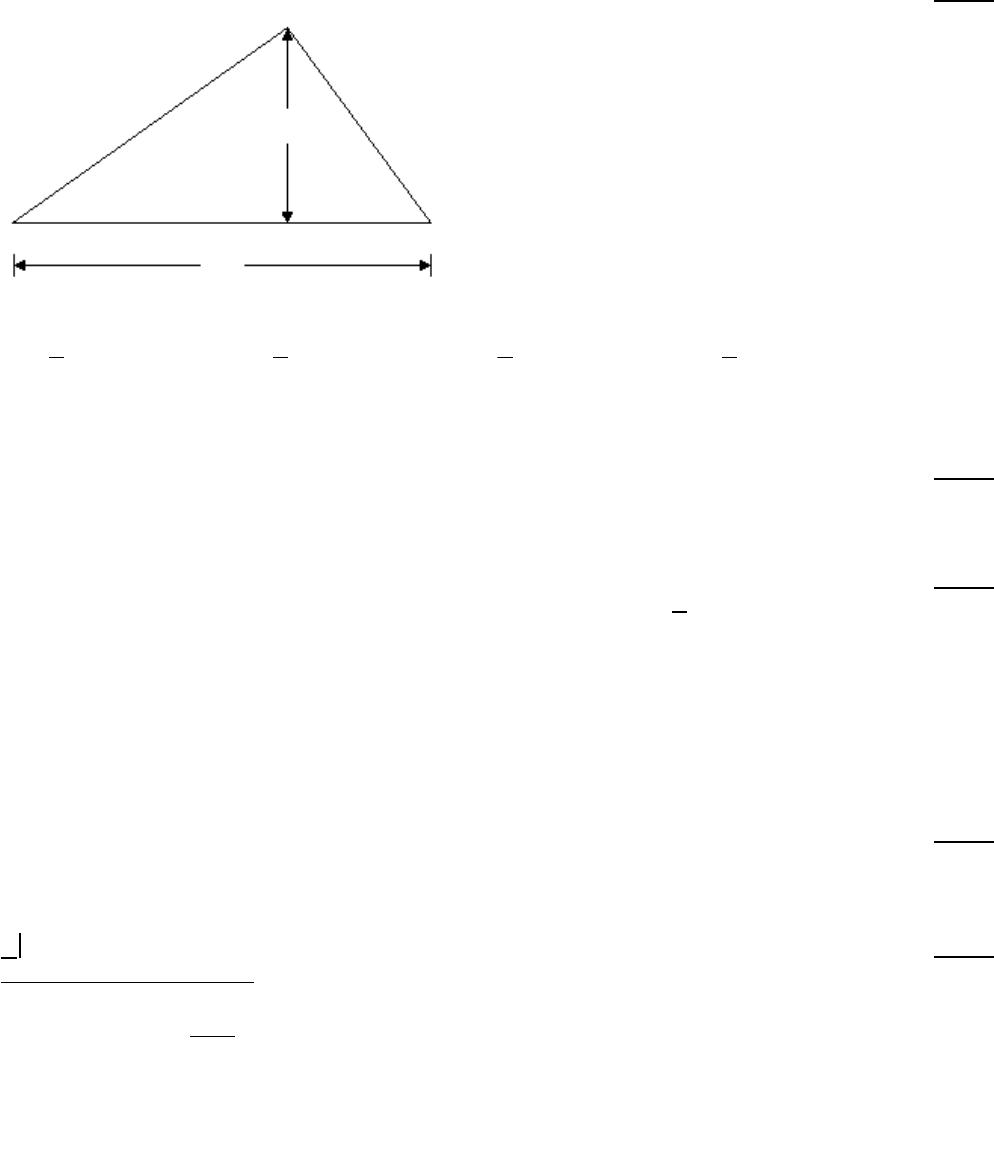
Solve the problem.
294)
xy – 6
xy
Express the area of the triangle as a polynomial.
294)
A)
1
2x2y2+3xy
B)
1
2x2y2–6xy
C)
1
2x2y2+6xy
D)
1
2x2y2–3xy
Indicate whether the function is a constant function, linear function, quadratic function, or cubic function.
295)
s(x) =6x2+6x –2
295)
A)
Constant
B)
Cubic
C)
Linear
D)
Quadratic
Solve the problem.
296)
The sun is surrounded by an extremely hot plasma called the “corona”. The average kinetic energy
E of a subatomic particle in the corona can be approximated by the model E = 3
2kT, where E is in
joules, T is the Kelvin temperature of the corona, and k is Boltzmann’s constant, k = 1.38 ×10⁻²³ J/K.
At a certain distance above the sun’s north pole, a measurement indicates that the average kinetic
energy of coronal particles is 0.00 J. Estimate the temperature in this region.
296)
A)
0.00 K
B)
2.00 ×10⁶ K
C)
3.0 ×10⁵ K
D)
3.0 ×10⁶ K
Multiply using the rules for special products.
297)
(x + 10)(x – 10)
297)
A)
x2– 100
B)
x2+ 20x – 100
C)
x2– 20
D)
x2– 20x – 100
Write the polynomial quotient with its remainder (if there is a remainder).
298)
-8 5 8 2 4
–40 256 2032
532 -254 -2028
298)
A)
5x2– 32x – 254 –2028
x + 8
B)
5x3+8x2+2x +4
C)
x +8
D)
5x3– 32x2– 254x – 2028
41

Solve the problem.
299)
Write an expression in simplest form that represents the perimeter of the triangle. Then use the
expression to find the perimeter of the triangle if x is 12.
x – 2 x
x + 6
299)
A)
3x3+12; 5196
B)
3x +8; 5196
C)
3x +6; 42
D)
3x +4; 40
Use long division to divide the polynomials.
300)
y2+ 12y + 36
y + 6
300)
A)
y +6
y + 6
B)
y2+ 6
C)
y – 6
D)
y + 6
Simplify using the product rule of exponents.
301)
(5m4z4)(2m2z2)
301)
A)
10m6z6
B)
10mz6
C)
10m6z
D)
10m6
Divide using the quotient rule for exponents. Write the result with positive exponents. Assume that variables in the
denominator are not equal to 0.
302)
m6n5
m2n2
302)
A)
m8n7
B)
m4n3
C)
m3n3
D)
(mn)7
Answer the question.
303)
Find f – g, where f(x) =4p2+9p +10 and g(x) =13p2+19p – 8.
303)
A)
-9p4– 10p2+ 18
B)
-9p2– 10p + 2
C)
-9p2– 10p + 18
D)
-9p2+ 10p – 18
Subtract.
304)
(3a3b5–5a4b2+9ab3–7ab + 14) – (11b5a3–a4b2+11ab3–3)
304)
A)
8a3b5–4a4b2–20ab3–6ab +11
B)
-5a3b5–7a4b2–20ab3–7ab +11
C)
-8a3b5–4a4b2+2ab3+7ab +15
D)
-8a3b5–4a4b2–2ab3–7ab +17
Multiply using the rules for special products.
305)
(6x2–9y)(6x2+9y)
305)
A)
36x2–81y
B)
36x4–108x2y –81y2
C)
36x4+81y2
D)
36x4–81y2
42

Divide using the quotient rule for exponents. Write the result with positive exponents. Assume that variables in the
denominator are not equal to 0.
306)
x8y3z5
x5y8z3
306)
A)
x3y5z2
B)
x3y5
z2
C)
y5
x3z2
D)
x3z2
y5
Divide using synthetic division.
307)
(x4+625) ÷ (x –5)
307)
A)
x3+5x2+25x +125+625
x – 5
B)
x3+5x2+25x +125+1250
x – 5
C)
x3+5x2+25x +125
D)
x3–5x2+25x –125+1250
x – 5
Solve the problem.
308)
The wavelength (in meters) of light of frequency (in Hertz) is given by = c
, where c is the
speed of light (c = 2.99 ×10⁸ m/s). Find the wavelength of light with a frequency of 4.7 ×10¹⁴ Hz.
308)
A)
6.36 × 10⁵m
B)
2.99 × 10⁻⁶m
C)
6.36 × 10⁻¹⁵ m
D)
6.36 × 10⁻⁷m
Use long division to divide the polynomials.
309)
x4– 81
x2– 9
309)
A)
x2– 9x + 3
B)
x2+ 3x + 3
C)
x2+ 9
D)
x2– 9
Add and write the resulting polynomial in descending order.
310)
(3a3– 6a2) + (2a3+ 3a2)
310)
A)
5a3– 3a2
B)
5a6– 3a4
C)
2a10
D)
2a5
Answer the question.
311)
If f(x) =7x +8 and g(x) =3x2–7x +4, find (f · g)(x).
311)
A)
21x3– 25x2– 28x +32
B)
21x2–49x +36
C)
21x3– 25x2– 28x
D)
21x3+ 25x2– 28x +32
Simplify using scientific notation. Give your answer in scientific notation.
312)
0.00000129
–5000
312)
A)
–5.18 ×10⁻⁴
B)
–2.59 ×10⁻¹⁰
C)
–2.59 ×10⁻⁴
D)
–5.18 ×10⁻¹⁰
Solve.
313)
A manufacturer of medical supplies produces 1–liter bags of saline solution. The cost to produce x
thousand bags of saline is given by the cost function C(x) = 1.6x2 – 4.9x + 3.7,where C is the cost in
thousands of dollars. Find the cost to produce 2000 units.
313)
A)
$300
B)
$16,700
C)
$19,900
D)
$0.3
43

Multiply.
314)
(g2–5)(g2+ g –6)
314)
A)
g4+g3–11g2–5g +30
B)
g4+g3+11g2–5g +30
C)
g4–5g2–5g +30
D)
g4+g3–5g +30
Use long division to divide the polynomials.
315)
z3– 64
z – 4
315)
A)
z2+ 4z + 16
B)
z2+ 8z + 16
C)
z2– 4z + 16
D)
z2+ 4z – 16
Solve the problem.
316)
Determine a polynomial that represents the area of a square having sides of length s = x + 7.
316)
A)
x2+14x –49
B)
x2+14x +49
C)
4x +28
D)
x2+49
Multiply.
317)
2
5p5qr4(3pr2+4qr + 2p4q2r3)
317)
A)
6
5p6qr6+8
5p5q2r5+4
5p9q3r7
B)
6
5p6qr6+8
5p5q2r5+2
5p9q3r7
C)
6
5p6q2r6+8
5p5q2r5+4
5p9q3r7
D)
2
5p6qr6+8
5p5q2r5+4
5p9q3r7
Indicate whether the function is a constant function, linear function, quadratic function, or cubic function.
318)
y(x) =9
2x –1
318)
A)
Quadratic
B)
Constant
C)
Linear
D)
Cubic
Evaluate or simplify the exponential expression.
319)
5-4
319)
A)
1
20
B)
625
C)
1
625
D)
–625
Simplify using the rules for raising a quotient to a power and raising a fraction to a negative power.
320)
a
b-6
320)
A)
6
B)
6a
6b
C)
b6
a6
D)
a6
b
Find the product.
321)
[h – (k + 4)]2
321)
A)
h2–k2–10k –24
B)
h2–k2–8k –16
C)
h2+k2– 2hk +4h –4k +16
D)
h2+k2– 2hk –8h +8k +16
44

Simplify. Write the result with positive exponents only.
322)
(8u5v)-2(5u-5v2)2
2u-2v5
322)
A)
25
128u18v3
B)
25u18v3
128
C)
5
16u18v3
D)
25
128u8v5
Simplify using scientific notation. Give your answer in scientific notation.
323)
(0.000716)(460)
323)
A)
32.936 ×10⁻²
B)
3.2936 ×101
C)
3.2936 ×10⁻¹
D)
3.2936 ×10⁻²
Answer the question.
324)
If p(x) =72x5–63x4+81x2 and q(x) =9x2, find (p/q)(x).
324)
A)
8x3–7x2+9
B)
8x3–7x2+9x
C)
8x2–7x +9
D)
8x3–8x2+12
Write the number in standard form.
325)
Light with a wavelength of 4×10⁻⁴ meters is in the infrared portion of the electromagnetic
spectrum.
325)
A)
0.004
B)
0.0004
C)
0.00004
D)
40,000
Simplify using the rules for raising a quotient to a power and raising a fraction to a negative power.
326)
2
x3
326)
A)
8x3
B)
8
x
C)
8
x3
D)
2
x3
Simplify using scientific notation. Give your answer in scientific notation.
327)
18,000,000,000,000
0.0000002
327)
A)
9×10¹⁹
B)
9×10¹⁸
C)
16 ×1018
D)
16 ×1019
Solve the problem.
328)
Determine a polynomial that represents the area of the figure.
4t + 4
4t + 4
328)
A)
16t2+16t +16
B)
8t2+32t +8
C)
16t2+16
D)
16t2+32t +16
Multiply the binomials using FOIL.
329)
(x + 3)(5x + 2)
329)
A)
5x2+ 17x + 6
B)
5x2+ 17x + 17
C)
5x2+ 6x + 17
D)
5x2+ 15x + 6
45

Multiply.
330)
11ax3(5ax7+ 3x2+ 12a)
330)
A)
55ax7+ 33x2+ 132a
B)
55a2x10 + 3x2+ 12a
C)
55a2x10 + 33ax5+ 132a2x3
D)
55a2x10 + 33ax5
Find the product.
331)
(3a – 7)2
331)
A)
9a2– 42a + 49
B)
3a2– 42a + 49
C)
9a2+ 49
D)
3a2+ 49
Solve the problem.
332)
If f(x) =x2–7, find f(2x +6).
332)
A)
2x3+6x2–14x –42
B)
4x2+24x +43
C)
4x2+24x +29
D)
4x2–24x –43
333)
Find the perimeter.
6k2+ 6x
6k2+ 6
333)
A)
12k2+ 12x
B)
12k2+ 6x + 6
C)
24k2+ 12x + 12
D)
24k2+ 24x
Use long division to divide the polynomials.
334)
x4+ 7x2+ 9
x2 + 1
334)
A)
x2+ 6 +1
B)
x2+ 6 +3
x2 + 1
C)
x2+ 6x +1
D)
x2+ 6
Identify the degree of the polynomial; then indicate whether the polynomial is a monomial, binomial, or trinomial or has
no special polynomial name.
335)
-8x2y
335)
A)
degree =2; trinomial
B)
degree =2; monomial
C)
degree =3; trinomial
D)
degree =3; monomial
Multiply.
336)
-7ax3(4ax6– 6x4– 2)
336)
A)
–28a2x9+ 42ax7+ 14ax3
B)
–28ax6+ 42x4+ 14
C)
–28a2x9+ 42ax7
D)
–28a2x9– 6x4– 2
Simplify using the power rule of exponents and the rule for raising a product to a power.
337)
(-5xy7)2
337)
A)
–25x14y14
B)
–25x2y14
C)
25x2y14
D)
25xy9
46
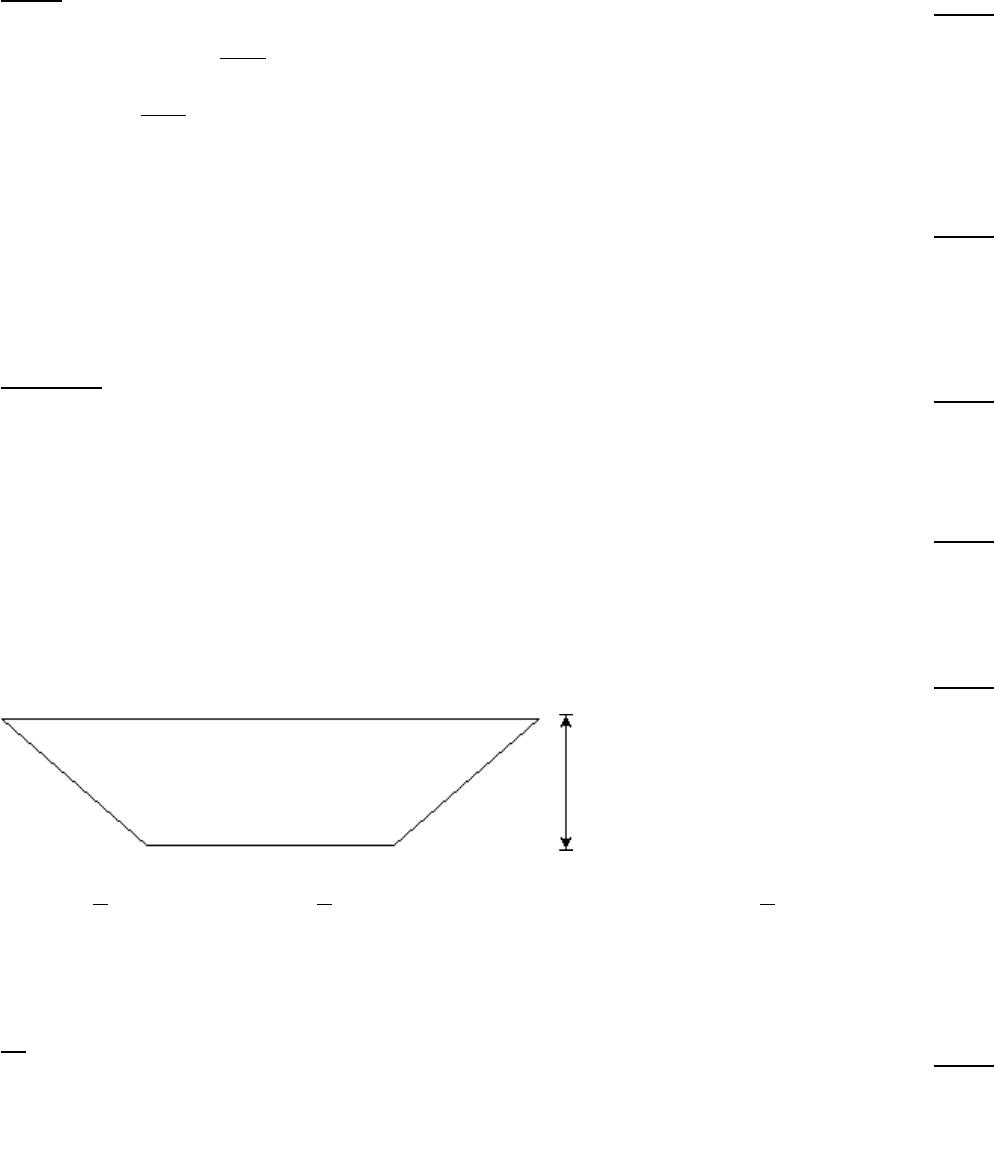
Use long division to divide the polynomials.
338)
x4 – 81
x + 3
338)
A)
x3–3x2+9x +27 +2
x + 3
B)
x3–3x2+9x –27
C)
x3–3x2–2x
x + 3
D)
x –3
Add and write the resulting polynomial in descending order.
339)
(2n5+ 8n – 6n4) + (8n4+ 4n5– 5n)
339)
A)
6n + 2n5+ 3n4
B)
6n5+ 2n4+ 3n
C)
11n10
D)
12n5+ 10n4– 11n
Use long division to divide the polynomials.
340)
x2+ 3x – 40
x + 8
340)
A)
x2– 5
B)
x + 5
C)
x2+ 4x – 32
D)
x – 5
Perform the indicated operations and write the resulting polynomial in descending order of degree.
341)
(2x3y3+6x2y2–x2y + xy2+3x +1) – (–x3y3+x2y2–x2y –3x +2)
341)
A)
3x3y3+7x2y2+x2y +6x –1
B)
3x3y3+5x2y2+ xy2+6x –1
C)
3x3y3+7x2y2– 2x2y + xy2+3
D)
3x3y3+5x2y2+ 2xy2–1
Solve the problem.
342)
Write an expression for the area in simplest form.
L +5
L – 4
L
342)
A)
L2+ 3
2L + 10
B)
L2+ 1
2L – 10
C)
L2– 3L –20
D)
L2– 3
2L – 10
Divide using the quotient rule for exponents. Write the result with positive exponents. Assume that variables in the
denominator are not equal to 0.
343)
a6
a4
343)
A)
a10
B)
1.5
C)
a2
D)
a1.5
47

Simplify using the power rule of exponents and the rule for raising a product to a power.
344)
1
3x6y2
344)
A)
1
9x12y2
B)
1
6x12y
C)
1
3x12y2
D)
1
9x8y3
Multiply.
345)
(-4y + 3)(-6y2– y + 8)
345)
A)
24y3– 35y + 24
B)
24y3– 22y2– 35y + 24
C)
24y3– 14y2– 35y + 24
D)
-2y2– 35y + 24
Answer the question.
346)
Find f – g, where f(x) =20a4+ 2a3 and g(x) = –9a4– 8a3.
346)
A)
29a4+ 10a3
B)
39a7
C)
29a4– 6a3
D)
11a4– 6a3
Evaluate or simplify the exponential expression.
347)
6x0
347)
A)
–1
B)
1
C)
0
D)
6
Identify the degree of the polynomial; then indicate whether the polynomial is a monomial, binomial, or trinomial or has
no special polynomial name.
348)
3t6+4t3+5–4t2
348)
A)
degree = 3; none of these
B)
degree = 11; none of these
C)
degree = 2; none of these
D)
degree = 6; none of these
Simplify. Write the result with positive exponents only.
349)
(5p3q6)-2(25p5q3)2
349)
A)
p4
25q-6
B)
25p4
q-6
C)
25q4
p-6
D)
25p4
q6
Simplify using scientific notation. Give your answer in scientific notation.
350)
0.089
0.000011
350)
A)
1.00 × 10⁻²
B)
0.00
C)
8.09 × 10³
D)
1.00 × 10⁴
Graph the function.
48
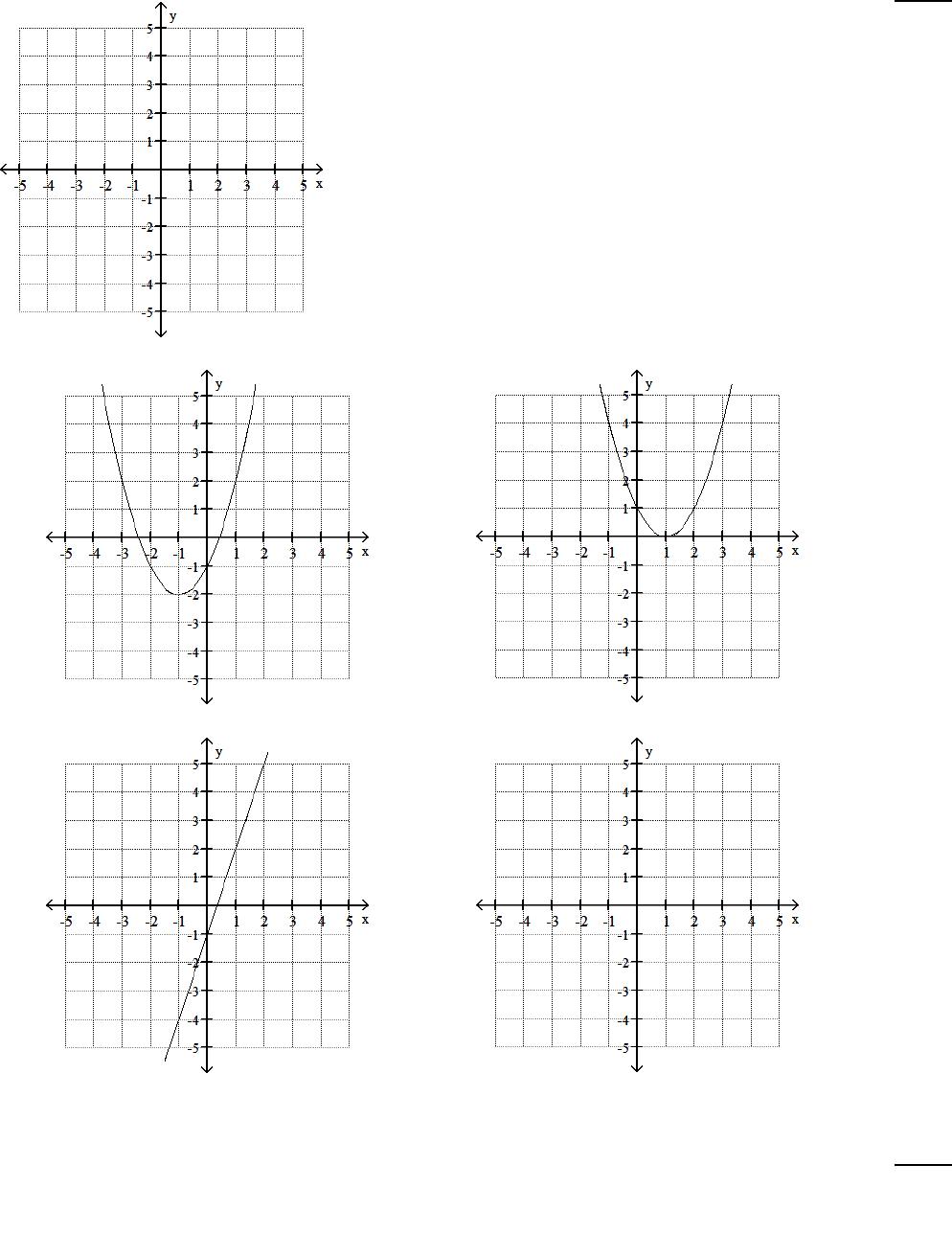
351)
g(x) =x2+2x –1
351)
A)
B)
C)
D)
Answer the question.
352)
If f(x) =x2+3x +3 and g(x) =9x –3, find (f · g)(x).
352)
A)
9x3– 24x2– 18x – 9
B)
9x3+ 24x2+ 18x – 9
C)
9x3+ 24x2+3x –3
D)
81x2– 27x + 3
49

Write the number in standard form.
353)
It takes approximately 1.578 ×10⁻⁵ miles to equal one inch.
353)
A)
0.0001578
B)
157,800
C)
0.000001578
D)
0.00001578
Perform the indicated operations and write the resulting polynomial in descending order of degree.
354)
(6w4–9wz +5wz2) – (9w4+2wz –8wz2)
354)
A)
-3w4–11wz +13wz2
B)
-3w4–11w2z2+13wz2
C)
15w4+11wz +13wz2
D)
-3w8–11w2z2+13w2z4
Identify the degree of the polynomial; then indicate whether the polynomial is a monomial, binomial, or trinomial or has
no special polynomial name.
355)
-6
355)
A)
degree = 1; monomial
B)
degree = 0; monomial
C)
degree =-6; monomial
D)
The degree and number of terms are both undefined.
356)
4x6–8x7+9x2–5
356)
A)
degree = 2; trinomial
B)
degree = 7; none of these
C)
degree = 6; none of these
D)
degree = 15; trinomial
50

Answer Key
Testname: C5
1)
Explanations will vary. The correct answer is 4x2–20xy +25y2.
2)
Now (A + B)2=A2+2AB + B2, so that (A + B)2=A2+B2 just in case 2AB = 0, that is A = 0 or B = 0. The square of the
sum is the sum of the squares in the case (at least) one of the numbers is 0.
3)
1
4)
Scientific notation is useful with very small numbers.
5)
10
6)
In order top obtain the entries in the last row, the entries in the upper two rows are being subtracted. They should be
added.
7)
Explanations will vary. The correct answer is -8x3+4x2+ 7x – 5
8)
This is a division of a trinomial by a monomial. Each term in the trinomial must be divided by the monomial, 6.
Cancellation of terms is incorrect.
The correct way to do the division is:
24x2
6–12x
6+6
6 and the correct answer is 4x2–2x + 1.
9)
Answers will vary. One possible answer follows.
Given a polynomial P(x), the remainder of P(x)
x – c is equal to P(c).
10)
Explanations will vary. The correct answer is 8x3–5x2+ 3x + 3
11)
The coefficients of the terms of degree 5 are the same and the coefficients of the terms of degree 4 are not the same.
12)
One solution is -18m11n3.
13)
monomial
14)
Expanding (a – b)2 one gets (a – b)2=a2– 2ab + b2 which differs from a2– b2 by the term –2ab and the sign of b2.
15)
The quotient of two monomials may not be a monomial just as the quotient of two integers may not be an integer. For
example, 14x divided by 7xy is equal to 2
y, which is not a monomial because there is a variable in the denominator of
the fraction. (Answers may vary.)
16)
Expanding (x + y)2 one gets (x + y)2=x2+ 2xy + y2 which differs from x2+ y2 by the term 2xy.
17)
binomial
18)
Answers will vary. One possible answer follows.
No, I do not agree. The simplest way to evaluate is by direct substitution to get P(0) = –12.
19)
Replace missing terms using 0 as the coefficient of the missing term. That is, 3y5+ 0y4+ 8y3+ 2y2+ 3y+ 5.
20)
The product of a monomial and a binomial is always a binomial. To see this, note that
axn(bxk+cxm) = abxn+k + acxn+m – no canceling is possible.
21)
Check by multiplication.
22)
14
23)
Answers will vary. One possible answer follows.
Synthetic division can be used. Divide the numerator and denominator by 3 to get
1
3x4 – 5
3x2 + 2
3x – 13
3
x – 2 . The divisor is
now of the form x – c, and synthetic division can be applied.
24)
trinomial
25)
A
26)
B
27)
A
28)
C
29)
A
51
Answer Key
Testname: C5
Answer Key
Testname: C5
53
Answer Key
Testname: C5
54
Answer Key
Testname: C5
55
Answer Key
Testname: C5
56
Answer Key
Testname: C5
57
Answer Key
Testname: C5
58