247
Chapter 5—Accounting for Merchandise Operations
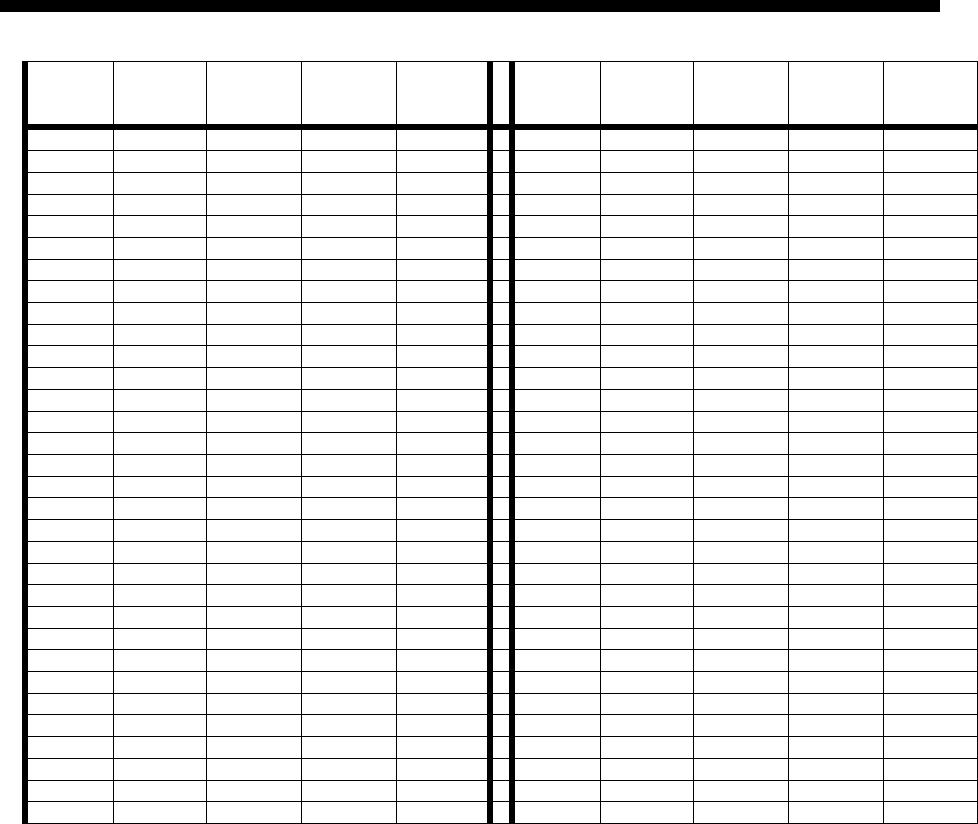
Multiple
Choice
Learning
Goal
(s)
Level of
Difficulty
AACSB
Tag
AICPA
Tag
Multiple
Choice
Learning
Goal
(s)
Level of
Difficulty
AACSB
Tag
AICPA
Tag
1
1
Easy
Analytic
Reporting
33
3
Moderate
Analytic
Reporting
2
1
Easy
Analytic
Reporting
34
3
Easy
Reflective
Reporting
3
1
Easy
Analytic
Reporting
35
3
Difficult
Analytic
Measure
4
1
Easy
Analytic
Reporting
36
3
Moderate
Reflective
Reporting
5
1
Easy
Analytic
Reporting
37
3
Difficult
Reflective
Reporting
6
2
Moderate
Analytic
Reporting
38
3
Moderate
Analytic
Reporting
7
2
Moderate
Analytic
Reporting
39
4
Moderate
Analytic
Reporting
8
2
Difficult
Analytic
Reporting
40
4
Moderate
Analytic
Measure
9
2
Moderate
Analytic
Reporting
41
4
Difficult
Analytic
Measure
10
2
Moderate
Analytic
Reporting
42
4
Difficult
Analytic
Measure
11
2
Moderate
Analytic
Measure
43
5
Moderate
Reflective
Measure
12
2
Moderate
Analytic
Reporting
44
7
Moderate
Analytic
Reporting
13
2
Easy
Reflective
Reporting
45
7
Moderate
Reflective
Reporting
14
2
Difficult
Analytic
Measure
46
8
Difficult
Analytic
Measure
15
2
Difficult
Analytic
Measure
47
8
Difficult
Analytic
Measure
16
2
Moderate
Reflective
Reporting
48
8
Difficult
Analytic
Measure
17
2
Difficult
Analytic
Measure
49
8
Difficult
Analytic
Measure
18
2
Moderate
Analytic
Measure
50
8
Difficult
Analytic
Measure
19
2
Moderate
Reflective
Reporting
51
8
Difficult
Analytic
Measure
20
2
Moderate
Reflective
Reporting
52
8
Difficult
Analytic
Measure
21
2
Moderate
Analytic
Reporting
53
8
Moderate
Analytic
Measure
22
2
Easy
Reflective
Reporting
54
8
Easy
Reflective
Measure
23
2
Easy
Reflective
Reporting
55
9
Easy
Reflective
Measure
24
2
Easy
Reflective
Reporting
56
Append
Difficult
Reflective
Reporting
25
2
Easy
Reflective
Reporting
57
Append
Moderate
Analytic
Measure
26
2
Moderate
Reflective
Reporting
58
Append
Moderate
Analytic
Measure
27
3
Moderate
Analytic
Reporting
59
Append
Moderate
Analytic
Measure
28
3
Difficult
Analytic
Measure
60
Append
Moderate
Analytic
Measure
29
3
Easy
Reflective
Reporting
61
Append
Moderate
Analytic
Measure
30
3
Easy
Reflective
Reporting
62
Append
Moderate
Analytic
Measure
31
3
Moderate
Analytic
Reporting
63
Append
Moderate
Reflective
Measure
32
3
Easy
Reflective
Reporting
64
Append
Moderate
Reflective
Measure
248 ♦ Chapter 5
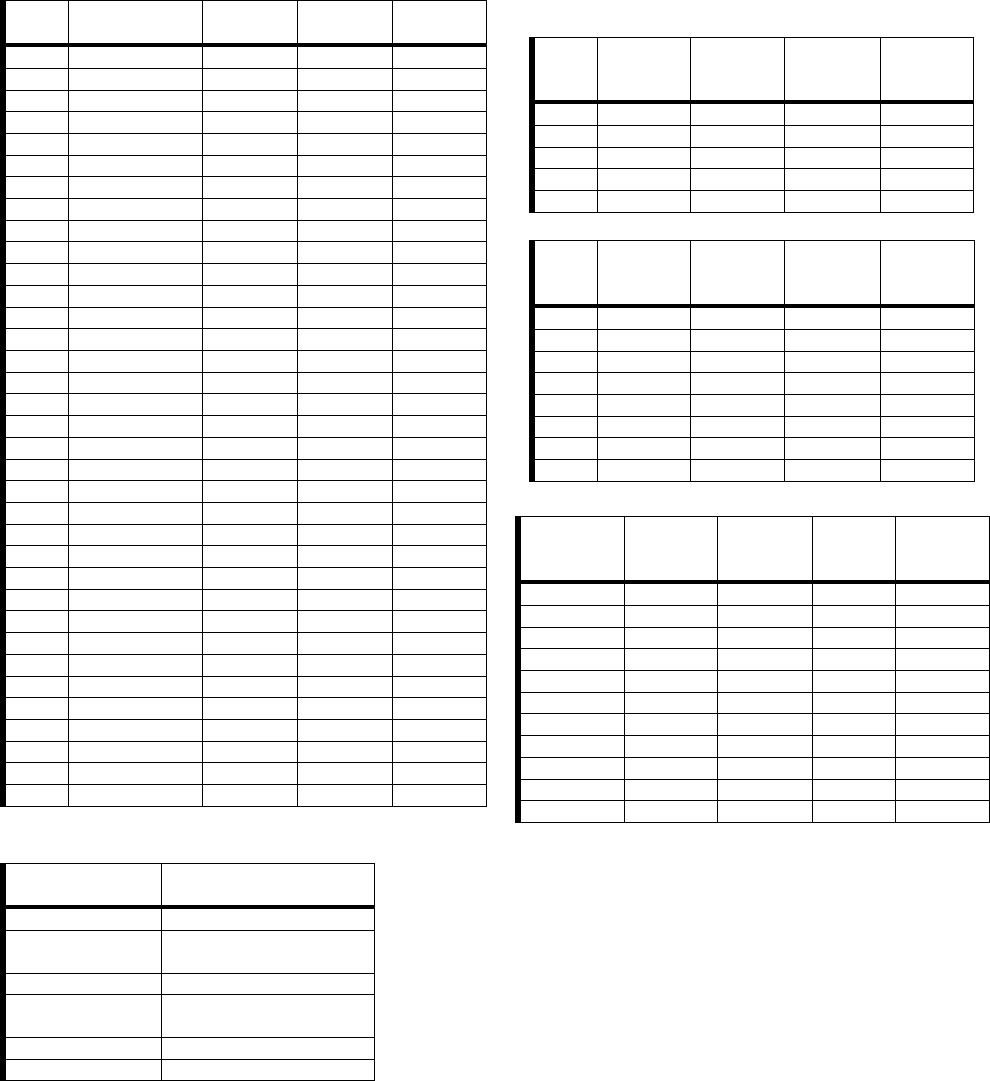
True/
False
Learning Goal
(s)
Level of
Difficulty
AACSB
Tag
AICPA
Tag
1
1
Moderate
Reflective
Reporting
2
1
Moderate
Reflective
Reporting
3
1
Moderate
Reflective
Reporting
4
1
Moderate
Reflective
Reporting
5
2
Moderate
Reflective
Reporting
6
2
Moderate
Reflective
Reporting
7
2
Moderate
Reflective
Reporting
8
2
Moderate
Reflective
Reporting
9
2
Moderate
Reflective
Reporting
10
2
Moderate
Reflective
Reporting
11
2
Moderate
Reflective
Reporting
12
2
Moderate
Reflective
Reporting
13
2
Moderate
Reflective
Reporting
14
2
Moderate
Reflective
Reporting
15
2
Moderate
Reflective
Reporting
16
2
Moderate
Reflective
Reporting
17
2
Moderate
Reflective
Reporting
18
3
Moderate
Reflective
Reporting
19
3
Difficult
Reflective
Reporting
20
3
Difficult
Reflective
Reporting
21
3
Moderate
Reflective
Reporting
22
3
Moderate
Reflective
Reporting
23
3
Moderate
Reflective
Reporting
24
4
Moderate
Reflective
Reporting
25
4
Moderate
Reflective
Reporting
26
5
Moderate
Reflective
Reporting
27
7
Moderate
Reflective
Reporting
28
8
Moderate
Analytic
Measure
29
8
Moderate
Analytic
Reporting
30
8
Moderate
Reflective
Reporting
31
8
Moderate
Reflective
Reporting
32
9
Moderate
Reflective
Reporting
33
Appendix
Moderate
Reflective
Reporting
34
Appendix
Difficult
Reflective
Reporting
35
Appendix
Moderate
Reflective
Reporting
Essay
Learning
Goal
(s)
Level of
Difficulty
AACSB
Tag
AICPA
Tag
1
1
Moderate
Reflective
Industry
2
2
Moderate
Analytic
Reporting
3
2
Difficult
Reflective
Reporting
4
2
Moderate
Reflective
Reporting
5
4
Difficult
Reflective
Reporting
6
5
Difficult
Reflective
Reporting
7
7
Difficult
Reflective
Reporting
8
8
Moderate
Reflective
Reporting
Cases
Learning
Goal
(s)
Level of
Difficulty
AACSB
Tag
AICPA
Tag
1
1
Difficult
Reflective
Reporting
2
9
Difficult
Reflective
Reporting
3
1
Difficult
Reflective
Reporting
4
9
Difficult
Analytic
Reporting
5
1
Difficult
Reflective
Reporting
Problem(s)
Learning
Goal
(s)
Level of
Difficulty
AACSB
Tag
AICPA
Tag
1
3,4
Difficult
Analytic
Reporting
2
2
Difficult
Analytic
Reporting
3
2
Difficult
Analytic
Reporting
4
3,4
Difficult
Analytic
Reporting
5
3,4
Difficult
Analytic
Reporting
6
2
Difficult
Analytic
Reporting
7
3,4
Difficult
Analytic
Reporting
8
3
Difficult
Analytic
Reporting
9
4
Difficult
Analytic
Reporting
10
4,5
Difficult
Analytic
Reporting
11
Append
Difficult
Analytic
Reporting
Difficulty Ratings
Guide
Easy
Taken nearly verbatim
from the text
Moderate
Using different expression
or application of concept
Difficult
Several reasoning steps
Accounting for Merchandise Operations ♦ 249
MULTIPLE CHOICE
1. Gross profit is determined by subtracting the cost of merchandise sold from what?
a.
The cost of merchandise purchased.
b.
Fees earned
c.
Accounts receivable
d.
Net sales.
2. Since merchandise inventory is normally sold within a year, how is it reported on the balance
sheet?
a.
As a revenue
b.
As the cost of merchandise sold
c.
It does not appear on the Balance Sheet
d.
As a current asset.
3. Merchandise inventory on hand at the end of the accounting period is reported on the balance
sheet as __________.
a.
Merchandise inventory
b.
Cost of merchandise sold
c.
Net sales
d.
Accounts receivable
4. What is subtracted from sales to arrive at net sales?
a.
Sales returns and allowances
b.
Sales discounts
c.
Both a and b
d.
Neither a nor b
5. Inventory NOT sold at the end of the period is reported as __________.
a.
Cost of goods sold
b.
Old stock
c.
Merchandise inventory
d.
Net purchases
250 ♦ Chapter 5
B. Bonds Company
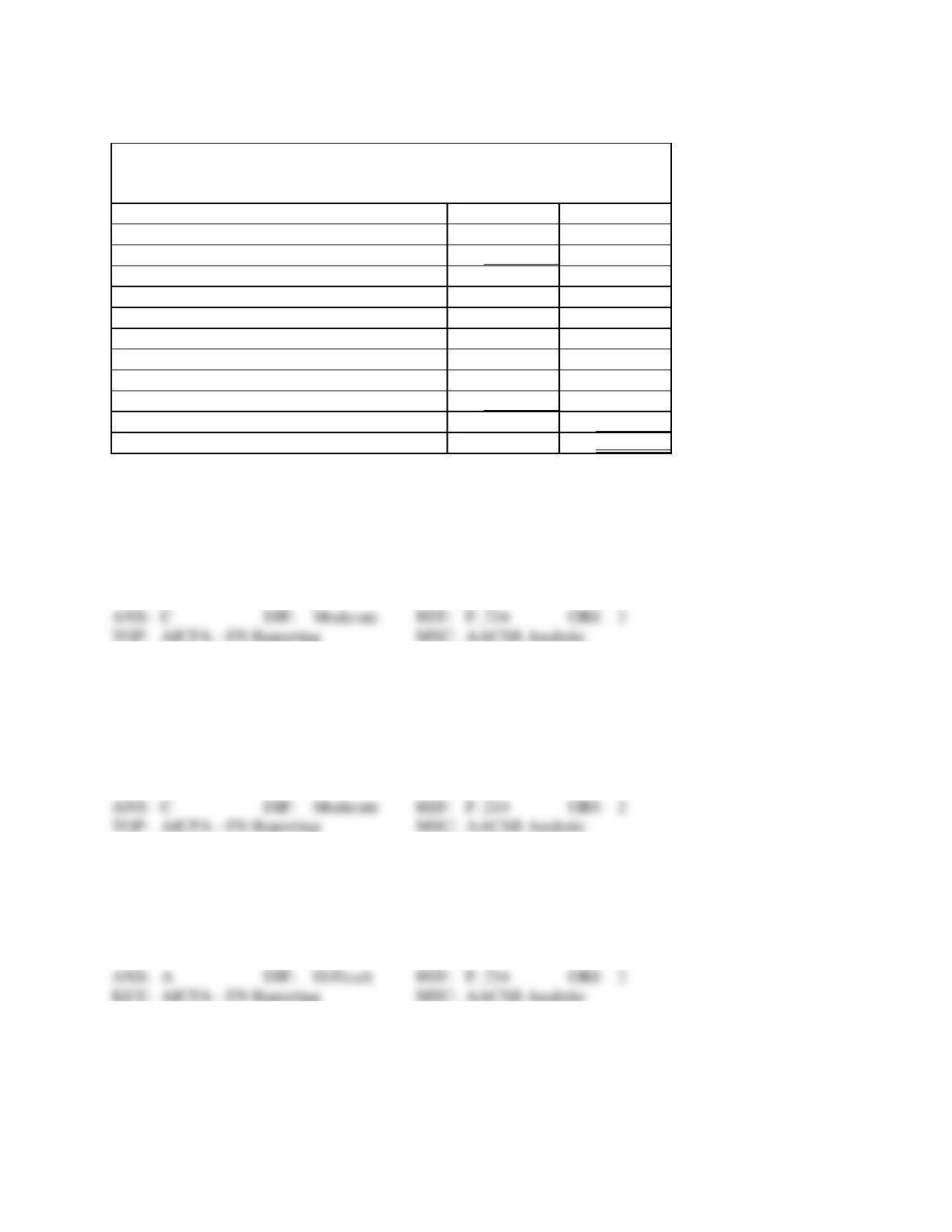
The following is a single-step income statement for the B. Bonds Company:
B. Bonds Company
Income Statement
For the Year Ended December 31, 2004
Revenues
Net Sales
$200,000
Interest Income
17,500
Total Revenues
$217,500
Expenses
Cost of Goods Sold
$ 50,000
Selling Expenses
20,000
General and Administrative Expenses
27,500
Interest Expense
12,500
Income Tax Expense
39,000
Total Expenses
159,000
Net Income
$ 58,500
6. Refer to B. Bonds Company. If the income statement were prepared in a multiple-step format,
gross margin would be __________.
a.
$ 97,500
b.
$ 127,500
c.
$ 150,000
d.
$ 152,500
7. Refer to B. Bonds Company. If the income statement were prepared in a multiple-step format,
income from operations would be __________.
a.
$ 77,500
b.
$ 80,000
c.
$ 102,500
d.
$ 97,500
8. Which of the following would be subtracted from gross profit to reach income from operations ?
a.
Operating expenses
b.
Other expenses
c.
Income taxes
d.
All of the above
Accounting for Merchandise Operations ♦ 251
9. Which of the following is NOT a subsection in a multiple-step income statement?
a.
Purchase discounts
b.
Gross profit
c.
Operating income
d.
Income before taxes
10. Tabletwon, Inc. had purchases of $45,000, purchase returns and allowances of $3,000, purchase
discounts of $4,000, and transportation in of 1,000. What is Tabletwon’s cost of merchandise
purchased?
a.
$37,000
b.
$39,000
c.
$45,000
d.
$53,000
11. West, Inc. had beginning inventory of $10,000, purchases of $25,000 and ending inventory of
$5,000. What is West’s cost of merchandise sold?
a.
$10,000
b.
$25,000
c.
$5,000
d.
$30,000
12. Hig, Inc. had the following merchandise transactions in October:
Purchases
$50,000
Purchase returns
$ 3,000
Purchase discounts
$ 1,000
Transportation
$ 2,000
What is the total cost of merchandise purchased for Hig, Inc.?
a.
$50,000
b.
$46,000
c.
$52,000
d.
$48,000
252 ♦ Chapter 5
13. Under which inventory method do inventory records NOT show the account available for sale
during the period?
a.
Periodic
b.
External
c.
Perpetual
d.
Merchandisers
Ebbe, Inc.
Ebbe, Inc. purchased merchandise for $500,000; received credit for purchase returns of $25,000,
took purchase discounts of $10,000, and paid transportation costs of $15,000.
14. Refer to Ebbe, Inc. What is the total cost of merchandise purchased?
a.
$500,000
b.
$475,000
c.
$465,000
d.
$480,000
15. Refer to Ebbe, Inc. If Ebbe, Inc. had $20,000 in beginning inventory, and sold goods costing
$300,000, what is the ending inventory balance?
a.
$500,000
b.
$520,000
c.
$200,000
d.
$220,000
16. Which method of accounting for merchandise inventory continuously shows the amount of
merchandise available for sale and the amount sold?
a.
Periodic
b.
Perpetual
c.
Purchases
d.
None of the above
17. Which of the following is NOT considered when figuring net purchases?
a.
Cost of goods sold
b.
Purchase returns
c.
Purchases discounts
d.
Purchases
Accounting for Merchandise Operations ♦ 253
18. Which expenses are subtracted from gross profit to arrive at income from operations?
a.
All expenses
b.
Cost of merchandise sold
c.
Operating expenses
d.
Sales expenses
19. Which of the following is NOT an example of selling expenses?
a.
Salespersons’ salaries
b.
Office salaries
c.
Depreciation of store equipment
d.
Advertising
20. Which of the following is NOT an administrative expense?
a.
Salespersons’ salaries
b.
Office salaries
c.
Depreciation of office equipment
d.
Office supplies used
21. If a company purchased $2,000 of merchandise on account and paid for it during the discount
period with the terms of 2/10, n/30, and the company uses the perpetual inventory system, the
journal entry would be __________.
a.
Accounts Payable 2,000
Cash 2,000
b.
Merchandise Inventory 2,000
Accounts Payable 2,000
c.
Accounts Payable 1,960
Merchandise Inventory 1,960
d.
Accounts Payable 2,000
Merchandise Inventory 40
Cash 1,960
22. Expenses that cannot be traced directly to operations are identified as __________.
a.
Other income
b.
Operating expenses
c.
Cost of goods sold
d.
Other expenses
254 ♦ Chapter 5
23. What is one criticism of the single-step income statement?
a.
It is too complex
b.
It has too many subsections
c.
Gross profit and income from operations are not available for analysis
d.
Income taxes are given too much weight
24. The single-step income statement emphasizes __________.
a.
Having several subsections
b.
Other income
c.
Other expenses
d.
Deducting all expenses in one step from all revenues
25. Which financial statement is often presented in a downward sequence with three sections,
beginning with assets?
a.
Balance sheet
b.
Statement of Retained earnings
c.
Statement of Cash Flows
d.
Income statement
26. Which of the following is NOT one of the three major sections of a balance sheet?
a.
Assets
b.
Liabilities
c.
Revenue
d.
Stockholders’ Equity
27. Which of the following journal entries would be made to record the “cost of sales” part of a sale of
merchandise which cost $1,000 using the perpetual inventory system?
a.
Cost of Merchandise Sold 1,000
Merchandise inventory 1,000
b.
Cost of Merchandise Sold 1,000
Sales 1,000
c.
Cash 1,000
Merchandise Inventory 1,000
d.
Accounts Receivable 1,000
Merchandise Inventory 1,000
Accounting for Merchandise Operations ♦ 255
28. Assume that beginning accounts receivable are $30,000, that there are sales on account of $20,000
during the period, and customers paid $10,000 on their accounts. Under the indirect method of
preparing the statement of cash flows, what is the adjustment to net income from these
transactions?
a.
Subtract $10,000 from net income
b.
Add $10,000 to net income
c.
Subtract $20,000 from net income
d.
Add $20,000 to net income
29. The total amount of accounts receivable for each individual customer is found in the __________.
a.
Controlling account
b.
Subsidiary ledger
c.
Individual ledger account
d.
Current assets
30. Individual accounts receivable accounts for each customer are maintained in a __________.
a.
Balance sheet
b.
Controlling account
c.
Subsidiary ledger
d.
Current asset
31. An appropriate entry for a sale on account would include which of the following?
a.
Accounts Receivable XXX
Sales XXX
b.
Accounts Receivable XXX
Inventory XXX
c.
Merchandise Inventory XXX
Sales XXX
d.
Accounts Receivable XXX
Cost of Merchandise XXX
32. Sometimes a(n) __________ is offered to buyers as a means of encouraging them to pay before
the end of the credit period.
a.
Accounts receivable
b.
Credit card
c.
Sales discount
d.
Cash sale
256 ♦ Chapter 5
33. If a $10,000 sale is made on January 1st, with terms of 2/10, n/30 how much would the discount be
if payment is made on January 9th?
a.
$10,000
b.
$200
c.
$1,000
d.
$0
34. The credit terms of a sale are normally indicated on a(n) __________.
a.
Purchase Order
b.
Invoice
c.
Bill of lading
d.
Account receivable
35. If Clip, Inc. sold $500,000 worth of merchandise, had $50,000 returned, and then the balance paid
during the 2% discount period, how much was Clip’s net sales?
a.
$500,000
b.
$450,000
c.
$441,000
d.
$510,000
36. Which of the following are subtracted from sales to arrive at net sales?
a.
Sales Returns
b.
Sales allowances
c.
Both are subtracted
d.
Neither are subtracted
37. When merchandise that was sold on account is returned, using the perpetual inventory system
which accounts are affected?
a.
Cash, accounts receivable, cost of goods sold, and sales returns
b.
Sales returns, accounts receivable, merchandise inventory, and cost of goods sold
c.
Sales returns, accounts receivable, purchases, and cost of goods sold
d.
Sales returns, accounts receivable, purchases, and merchandise inventory
Accounting for Merchandise Operations ♦ 257
38. Which of the following two entries would be made when a customer returns a purchase using the
perpetual inventory system?
a.
Sales Returns and Allowances XXX
Sales XXX
Merchandise Inventory XXX
Cost of Merchandise Sold XXX
b.
Sales Returns and Allowances XXX
Accounts Receivable XXX
Merchandise Inventory XXX
Accounts Receivable XXX
c.
Sales Returns and Allowances XXX
Accounts Receivable XXX
Merchandise Inventory XXX
Cash XXX
d.
Sales Returns and Allowances XXX
Accounts Receivable XXX
Merchandise Inventory XXX
Cost of Merchandise Sold XXX
39. Which of the following is an example of a purchase of inventory on account?
a.
Merchandise Inventory XXX
Cost of Merchandise Sold XXX
b.
Merchandise Inventory XXX
Accounts Payable XXX
c.
Merchandise Inventory XXX
Cash XXX
d.
Accounts Payable XXX
Merchandise Inventory XXX
40. Merchandise is purchased for $5,000 with terms of 1/15, n/30 and $100 of transportation costs are
incurred. If the purchase is paid within the discount period what is the total cost applied to this
merchandise?
a.
$5,000
b.
$4,250
c.
$5,050
d.
$5,100
258 ♦ Chapter 5
41. Pumpkin Head purchased $3,000 of merchandise from Jones Corp. on account. Pumpkin Head
paid within ten days when the terms were 1/15 n/30. If Pumpkin Head paid on day 20, what would
the journal entry be?
a.
Accounts Payable 3,000
Merchandise inventory 30
Cash 2,970
b.
Accounts Receivable 3,000
Merchandise inventory 30
Cash 2,970
c.
Accounts Payable 3,000
Cash 3,000
d.
Cash 3,000
Accounts Payable 3,000
42. Pumpkin Head purchased $3,000 of merchandise from Jones Corp. on account. Pumpkin Head
paid within ten days when the terms were 1/15 n/30. Record the journal entry for the payment by
Pumpkin Head which uses the perpetual inventory system.
a.
Accounts Payable 3,000
Merchandise inventory 30
Cash 2,970
b.
Accounts Receivable 3,000
Merchandise inventory 30
Cash 2,970
c.
Accounts Payable 3,000
Cash 3,000
d.
Cash 3,000
Accounts Payable 3,000
43. In which instance does the seller pay transportation costs?
a.
FOB shipping point
b.
FOB manufacturing point
c.
FOB destination
d.
The buyer always pays this cost.
44. Show the journal entry to record $500 in inventory shrinkage.
a.
Merchandise inventory 500
Cost of merchandise sold 500
b.
Cost of merchandise sold 500
Merchandise inventory 500
c.
Inventory shrinkage 500
Merchandise inventory 500
d.
Merchandise inventory 500
Inventory shrinkage 500
Accounting for Merchandise Operations ♦ 259
45. A recent study estimated that inventory shrinkage exceeds $30 billion annually. Which of the
items below are causes of inventory shrinkage?
a.
Shoplifting
b.
Employee theft
c.
Errors in recording inventory
d.
All are considered shrinkage
46. If ending inventory is miscounted and thus understated by $10,000, what is the effect on net
income?
a.
It is overstated by $10,000
b.
It is understated by $10,000
c.
There is no effect; this is an inventory error
d.
There is no effect this period; it will be in next period
47. If ending inventory is miscounted and thus understated by $10,000. If this inventory error went
undetected in the next year, what would be the effect on net income?
a.
It is overstated by $10,000
b.
It is understated by $10,000
c.
There is no effect; this is an inventory error
d.
There is no effect this period; it happened last period
Zapa Company
Assume Zapa Company incorrectly counted its physical inventory at December 31, 2004 as
$150,000 instead of $200,000 (someone forgot to count the inventory in one warehouse).
However, the inventory count on December 31, 2005 was correct.
48. Refer to Zapa Company. Which of the following is true about the unadjusted book inventory at
December 31, 2005?
a.
It is overstated by $10,000
b.
It is correct
c.
It is understated by $10,000
d.
None of the above
49. Refer to Zapa Company. What is the effect on cost of merchandise sold for 2004?
a.
It is overstated by $50,000
b.
It is correct
c.
It is understated by $50,000
d.
None of the above
260 ♦ Chapter 5
50. Refer to Zapa Company. What is the effect on current assets on the December 31, 2004 balance
sheet?
a.
They are overstated by $50,000
b.
They are correct
c.
They are understated by $50,000
d.
None of the above
51. If the cost of merchandise sold is overstated by $50,000, what is the effect on net income?
a.
It is overstated by $50,000
b.
It is correct
c.
It is understated by $50,000
d.
None of the above
52. If an inventory error is NOT detected, how many years does it take to correct itself on the Income
statement and balance sheet?
a.
One year
b.
Two years
c.
Three years
d.
Four years
53. Consigned merchandise is often displayed along with the consignee’s own merchandise. If this
consigned merchandise on hand at the end of the year is included in the consignee’s inventory. The
ending balance of inventory would be __________.
a.
Correctly stated
b.
Understated
c.
Overstated
d.
Just right
54. Which of the following is NOT an example of an inventory error?
a.
Miscounting the physical inventory
b.
Using incorrect costs for the inventory
c.
Including in inventory items not owned by the business
d.
All are examples of inventory errors.
Accounting for Merchandise Operations ♦ 261
55. Two important profitability measures analysts use in assessing efficiency and effectiveness of a
merchandiser’s operations are
a.
gross profit and operating profit
b.
cash and retained earnings
c.
dividends and total assets
d.
net cash flow from operations and retained earnings
56. Which financial statement reconciles net income with net cash flows from operating activities?
a.
Balance sheet
b.
Statement of Retained earnings
c.
Statement of Cash Flows
d.
Income statement
57. Under the indirect method on preparing the statement of cash flows, depreciation expense is
__________ net income in the cash flows from operating activities section.
a.
Subtracted from
b.
Added to
c.
Not used
d.
Cannot tell from the information given
58. Under the indirect method on preparing the statement of cash flows, increases in current assets are
__________ net income in the cash flows from operating activities section.
a.
Subtracted from
b.
Added to
c.
Not used
d.
Cannot tell from the information given
59. Under the indirect method on preparing the statement of cash flows, decreases in current assets are
__________ net income in the cash flows from operating activities section.
a.
Subtracted from
b.
Added to
c.
Not used
d.
Cannot tell from the information given
262 ♦ Chapter 5
60. Under the indirect method on preparing the statement of cash flows, increases in current liabilities
are __________ net income in the cash flows from operating activities section.
a.
Subtracted from
b.
Added to
c.
Not used
d.
Cannot tell from the information given
61. Under the indirect method on preparing the statement of cash flows, a decrease in accounts
payable is __________ net income in the cash flows from operating activities section.
a.
Subtracted from
b.
Added to
c.
Not used
d.
Cannot tell from the information given
62. UNI, Inc. purchased $50,000 of equipment for cash. How does this transaction impact the cash
flow from investing activities section on the statement of cash flows?
a.
Decreases operating activities by $50,000
b.
Decreases equipment by $50,000
c.
Decreases the investing activities section by $50,000
d.
There is no change as it was a cash transaction
63. A payment of dividends decreases which section on the statement of cash flows?
a.
Operating activities
b.
Investing activities
c.
Financing activities
d.
None of the above
64. Which of the following would NOT affect the operating activities section of the statement of cash
flows, using the indirect method?
a.
Decrease in merchandise inventory
b.
Payment on a note payable
c.
Decrease in unearned rent
d.
Depreciation expense
Accounting for Merchandise Operations ♦ 263
TRUE/FALSE
1. The operating activities of a service business and a merchandising business are the same.
2. A service business reports the revenues from services as revenues or fees earned.
3. Service businesses involve the buying and selling of merchandise.
4. In a service business, cost of merchandise sold is subtracted from revenues to determine gross
profit.
5. The income statement format that contains several sections and subsections is multiple-step
Income statement.
6. Sales are the total amount charged the company for inventory by suppliers.
7. Sales returns are granted by the seller to customers who returned damaged or defective
merchandise.
8. Sales discounts are granted by the seller to customers for payment at the end of the month.
9. Purchase discounts refer to returned merchandise.
264 ♦ Chapter 5
10. The calculation of net purchases includes purchases, purchase returns and allowances, purchase
discounts, and transportation in.
11. The method of accounting for merchandise inventory by taking a physical count is called the
perpetual inventory method.
12. Most large retailers and many small merchandising businesses use perpetual inventory systems.
13. In a merchandising firm, interest earned on investments would be classified as other income.
14. Revenue from sources other than the primary operating activity of a business is called other
income.
15. Interest expense is an example of an expense classified under “other expense”.
16. A criticism of a single-step income statement is that net income is NOT available for analysis.
17. The statement of cash flows agrees with the amount of cash reported on the income statement..
18. The chart of accounts for a service firm will be the same as the chart of accounts for a
merchandising firm..
19. When merchandise is sold under the perpetual inventory system, sales must be recorded and the
cost of merchandise sold must be recorded..
Accounting for Merchandise Operations ♦ 265
20. A subsidiary ledger is created for the account of each individual customer that owes the business
payment for merchandise sold. Accounts payable is the controlling account.
21. If payment is required on delivery, this is known as the credit period.
22. The sales discount account is a contra account to Sales.
23. A credit memorandum is sent to customers when merchandise that has been sold on account is
returned.
24. Purchase discounts reduce sales.
25. A debit memorandum informs the seller that merchandise has been returned and the buyer will
credit accounts payable due to the seller.
26. Merchandise sold FOB destination that is in transit at year-end is owned by the seller and should
be included in the seller’s ending inventory.
27. The difference between the physical count of inventory and the amount of inventory in the
accounting records is called inventory slack.
28. Errors in the physical inventory count at the end of the accounting period affect both the income
statement and balance sheet.
266 ♦ Chapter 5
29. Overstating ending inventory will misstate the financial statements.
30. Items on consignment are owned by another retailer, called a consignor.
31. A consignee normally earns a commission or fee when consigned goods are sold.
32. As with most performance metrics, gross profit and operating income are best analyzed over time
in whole dollar amounts rather than as percentages.
33. The direct method of preparing net cash flows from operating activities analyzes each transaction
and its effect on cash flows.
34. The indirect method of preparing the statement of cash flows reconciles net income with net cash
flows from operating activities.
35. An increase in notes payable would increase the financing activities section on the statement of
cash flows.