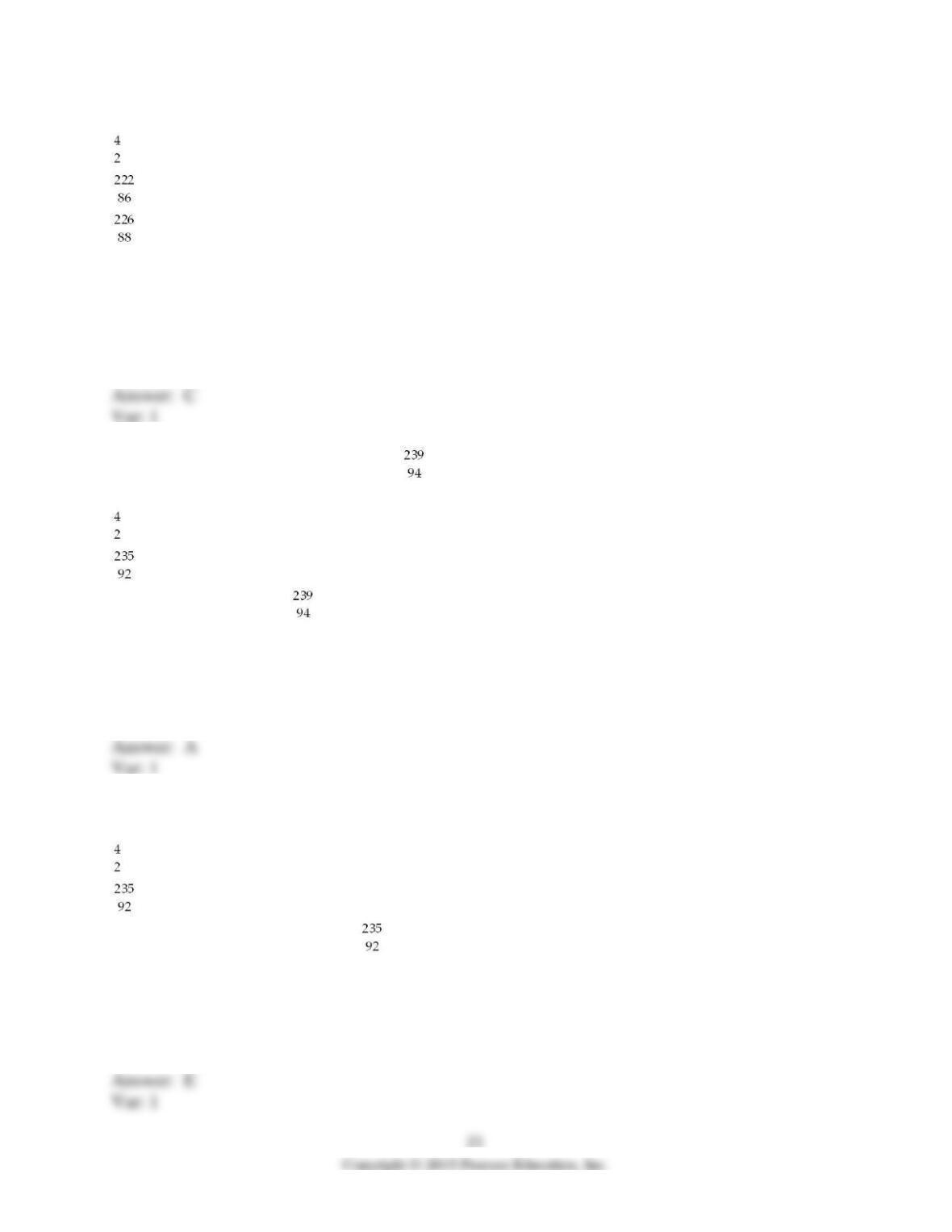
14) Radium-226 decays into radon-222 plus an alpha particle. The relevant masses are
He: 4.002603 u
Rn: 222.017570 u
Ra: 226.025402 u
How much energy is released in this process? (1 u = 931.5 MeV/c2)
A) 4.24 MeV
B) 3.76 MeV
C) 4.87 MeV
D) 5.05 MeV
E) 5.39 MeV
15) When a stationary plutonium-239, Pu, decays into uranium-235 plus an alpha particle, the
energy released in the process is 5.24 MeV. The following masses are known:
He: 4.002603 u
U: 235.043924 u
What is the mass of the Pu nucleus, in amu? (1 u = 931.494 MeV/c2)
A) 239.05215 u
B) 239.02775 u
C) 239.00189 u
D) 238.99919 u
E) 238.98884 u
16) When a stationary plutonium-239 nucleus decays into a uranium-235 nucleus plus an alpha
particle, the energy released in the process is 5.24 MeV. The following masses are known:
He: 4.002603 u
U: 235.043924 u
What is the kinetic energy of the U nucleus? (1 u = 931.5 MeV/c2)
A) 0.0829 MeV
B) 0.0837 MeV
C) 0.0852 MeV
D) 0.0863 MeV
E) 0.0877 MeV
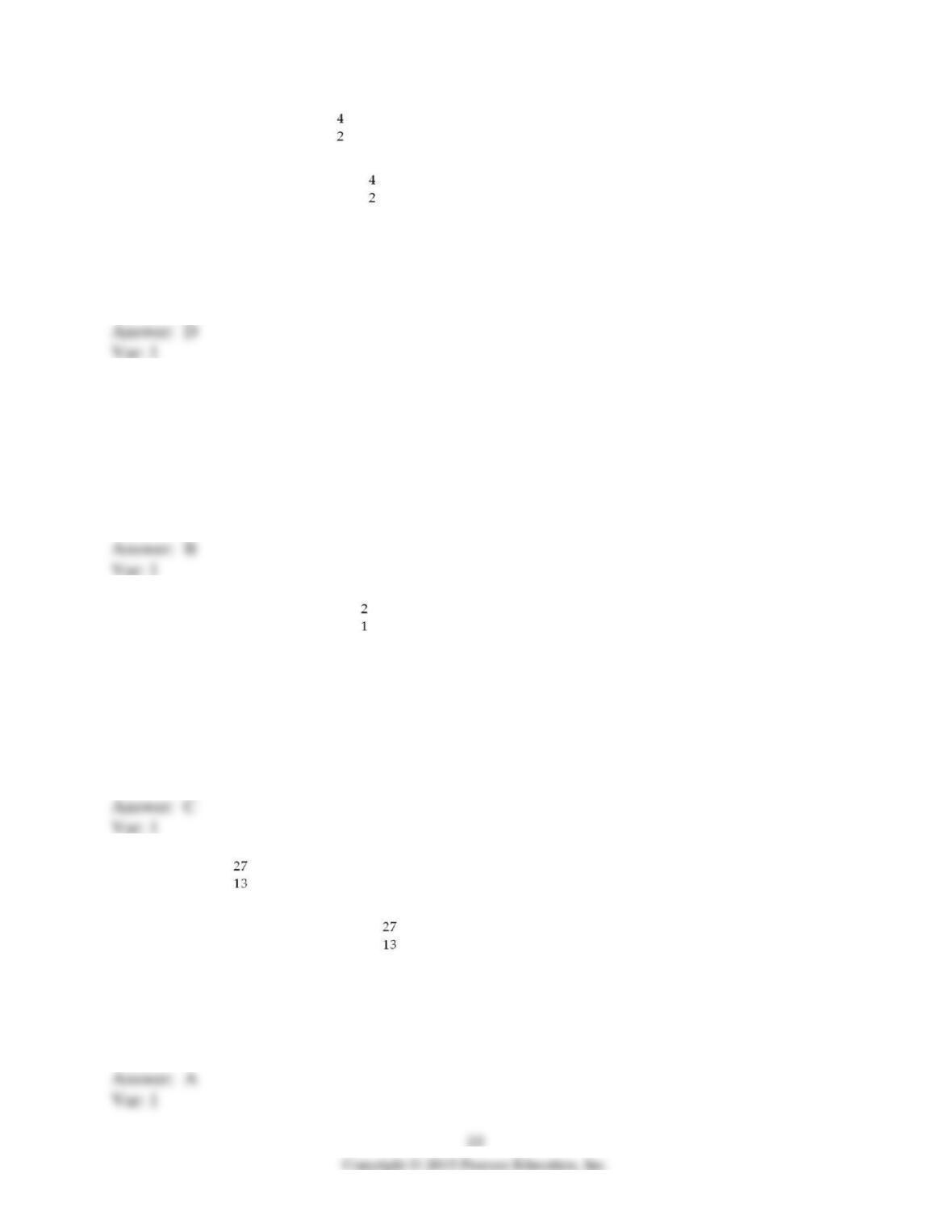
17) The neutral helium atom, He, has a mass of 4.002603 u, a neutron has a mass of 1.008665
u, a proton has a mass of 1.007277 u, and a neutral hydrogen atom has a mass of 1.007825 u.
What is the binding energy of the He nucleus? (1 u = 931.5 MeV/c2)
A) 20.5 MeV
B) 22.4 MeV
C) 27.3 MeV
D) 28.3 MeV
E) 23.4 MeV
18) A carbon-14 nucleus decays to a nitrogen-14 nucleus by beta-minus decay. How much
energy (in MeV) is released if carbon-14 has a mass of 14.003242 u and nitrogen-14 has a mass
of 14.003074 u? (1 u = 931.5 MeV/c2)
A) 0.0156 MeV
B) 0.156 MeV
C) 1.56 MeV
D) 15.6 MeV
19) The neutral deuterium atom, H, has a mass of 2.014102 u; a neutral ordinary hydrogen
atom has a mass of 1.007825 u; a neutron has a mass of 1.008665 u; and a proton has a mass of
1.007277 u. What is the binding energy of the deuterium nucleus? (1 u = 931.5 MeV/c2)
A) 1.1 MeV
B) 1.7 MeV
C) 2.2 MeV
D) 2.9 MeV
E) 3.4 MeV
20) The neutral Al atom has a mass of 26.981539 u; a neutral hydrogen atom has a mass of
1.007825 u; a neutron has a mass of 1.008665 u; and a proton has a mass of 1.007277 u. What is
the binding energy per nucleon for Al? (1 u = 931.5 MeV/c2)
A) 8.3 MeV
B) 6.7 MeV
C) 5.4 MeV
D) 3.4 MeV
E) 2.8 MeV
23
21) The carbon in our bodies was formed in nuclear reactions in long-dead stars. How much
energy was released when the right number of 4He nuclei combined to make 12C? The mass of
4He is 3728.40 MeV/c2 and the mass of 12C is 11,177.93 MeV/c2.
A) 7.27 MeV
B) 372 MeV
C) 8.42 MeV
D) 2.11 MeV
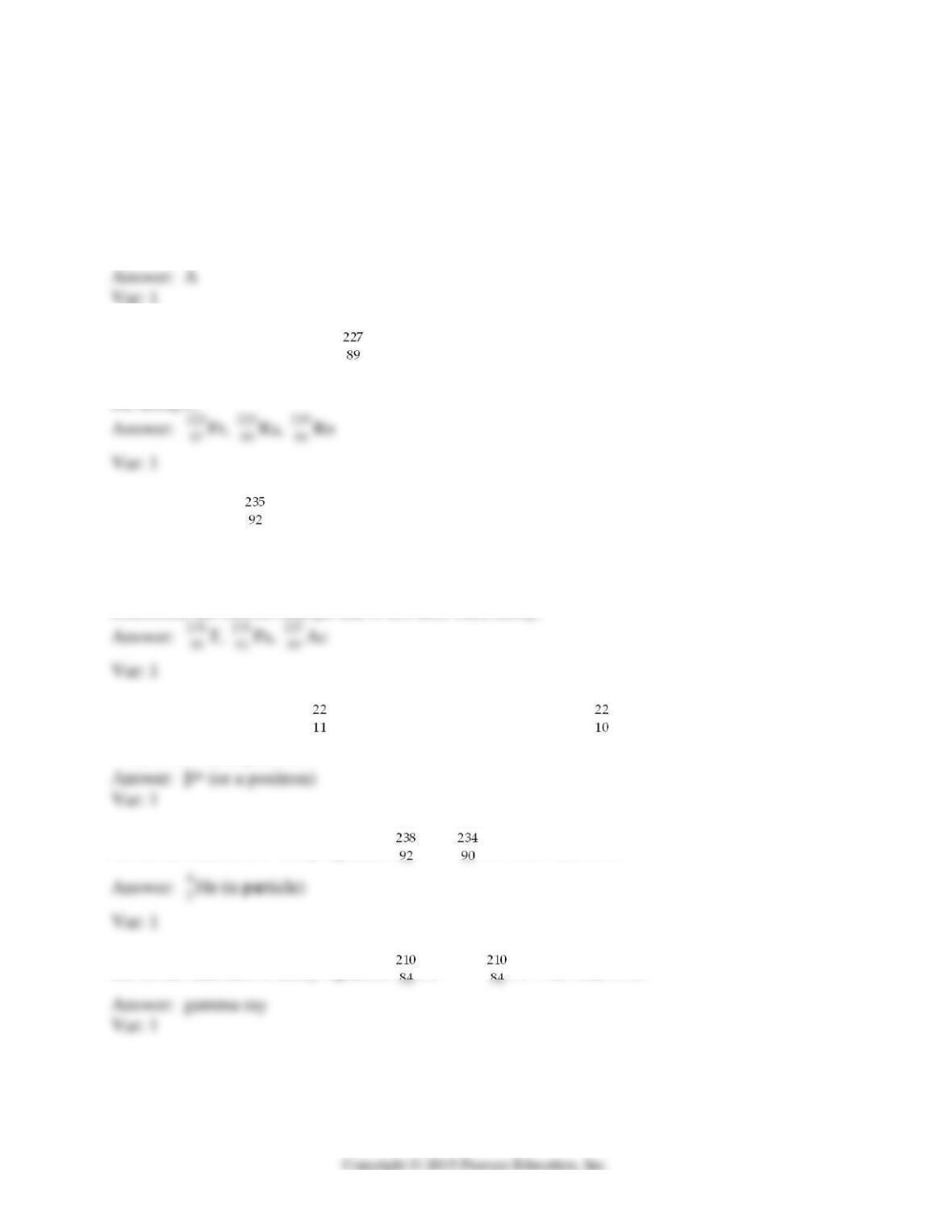
22) Suppose that starting with , the following sequence of decays occurs: first an alpha decay,
then a beta-minus decay, and finally another alpha decay. What isotope is left after each one of
the decays?
23) Starting with U, assume that the following three decays occur in sequence:
(1) alpha decay
(2) beta-minus decay
(3) alpha decay
Determine the correct isotope that is left after each decay.
24) A sodium-22 nucleus, Na, decays into a neon-22 nucleus, Ne, and one other particle.
What is the other particle?
25) In the radioactive decay equation → Th + X, what is X?
26) In the radioactive decay equation Po* → Po + X, what is X?
24
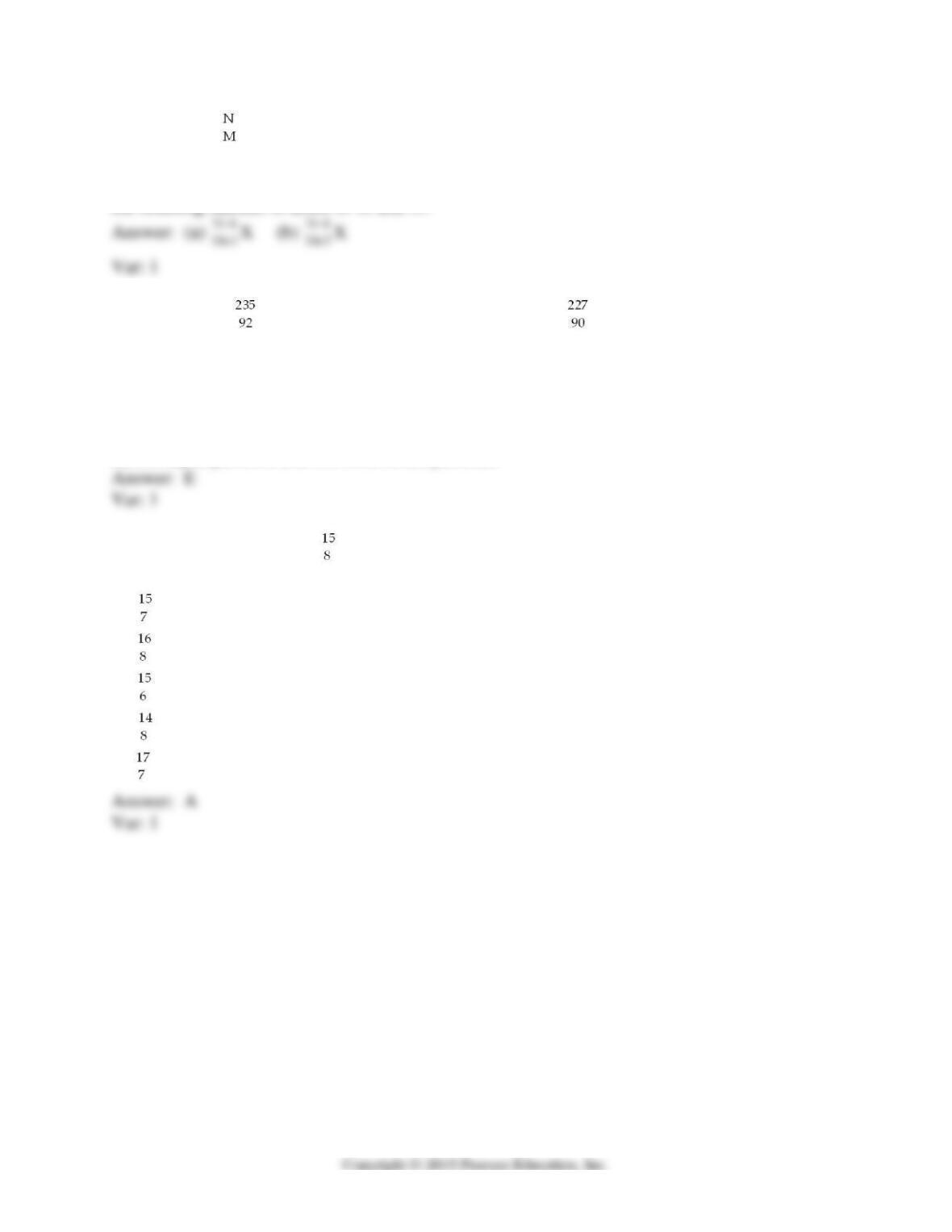
27) A nucleus X undergoes one alpha decay followed by 3 beta-minus decays.
(a) What is the resulting nucleus in terms of M and N?
(b) If there had been 3 beta-plus decays instead of the beta-minus decays, what would have been
the resulting nucleus in terms of M and N?
28) The isotope U is radioactive and decays in a series to Th. In this series, the particles
ejected from the nucleus are
A) one alpha particle and three beta-minus particles.
B) three alpha particles and one beta-minus particle.
C) one alpha particle and four beta-minus particles.
D) four alpha particle and one beta-minus particle.
E) two alpha particles and two beta-minus particles.
29) An oxygen-15 nucleus, O, decays to another atomic nucleus by emitting a β+ ray. What is
the other atomic nucleus?
A) N
B) F
C) C
D) C
E) N
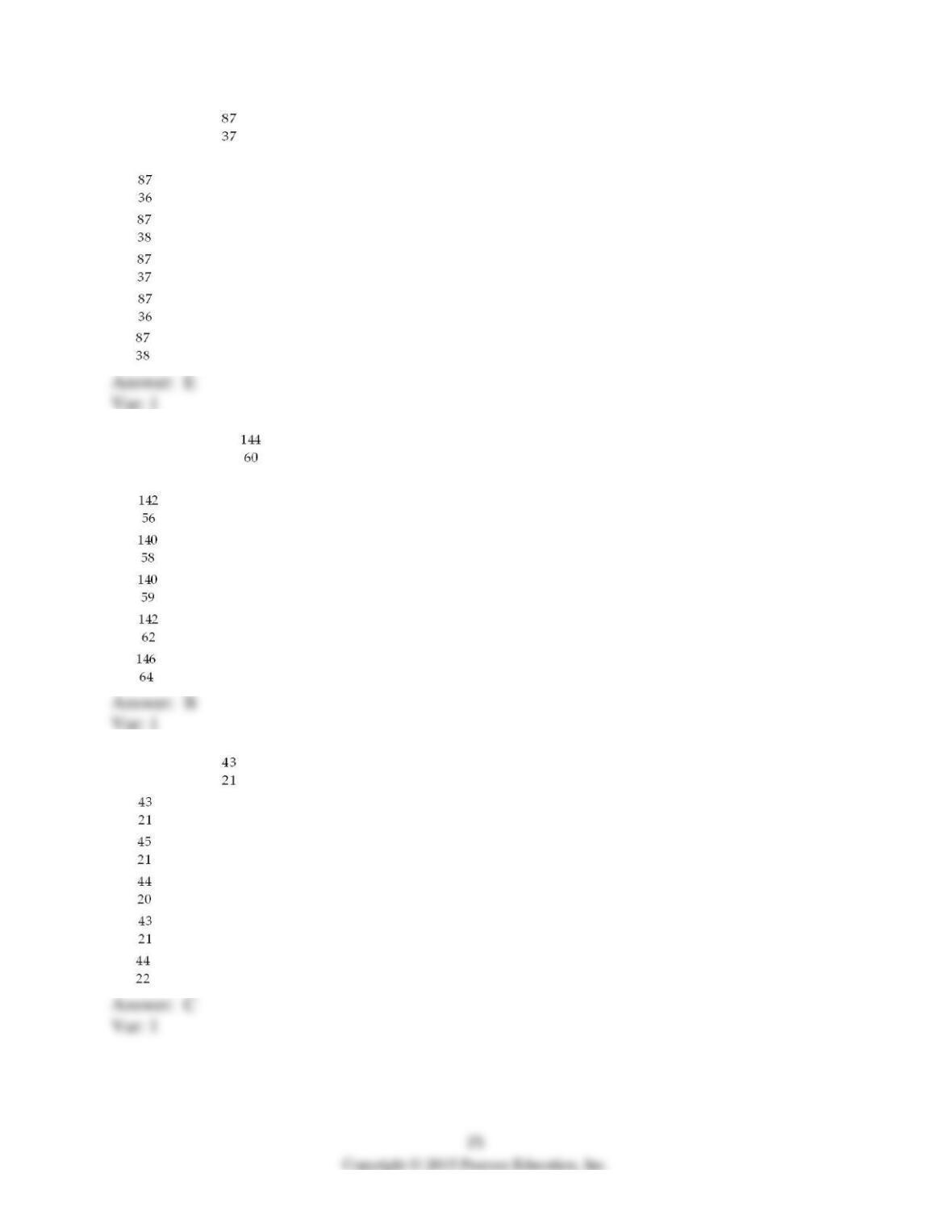
30) Rubidium Rb is a naturally occurring isotope that undergoes β– decay. What isotope is the
product of this decay?
A) Kr
B) Kr
C) Rb
D) Sr
E) Sr
31) Neodymium Nd is an isotope that undergoes alpha decay. What isotope is the product of
this decay?
A) Ba
B) Ce
C) Pr
D) Sm
E) Gd
32) Scandium Sc decays by emitting a positron. What isotope is the product of this decay?
A) Sc
B) Sc
C) Ca
D) Ca
E) Ti
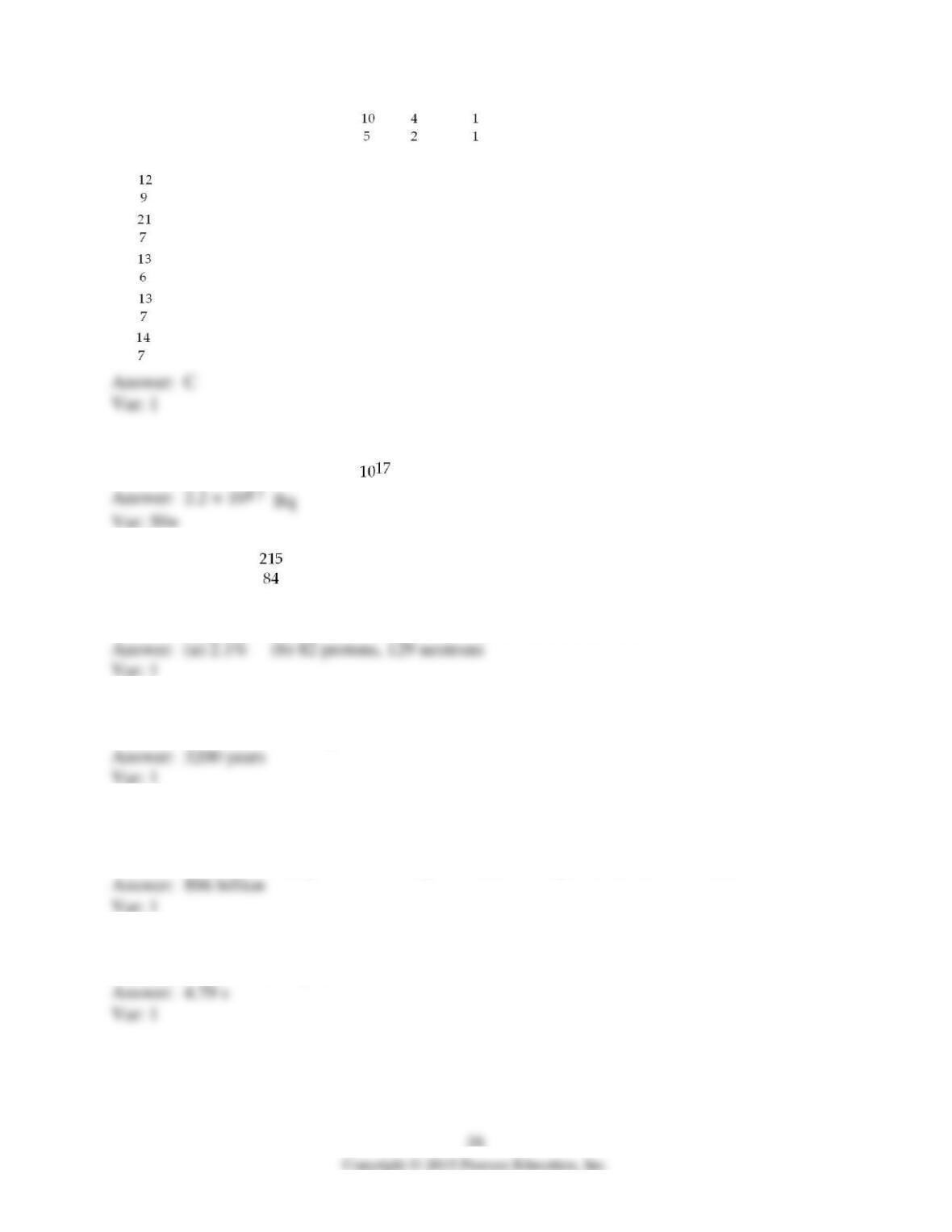
33) A nuclear reaction is shown: B + He → H + ? . Which one of the following isotopes is
the missing nuclear product?
A) F
B) N
C) C
D) N
E) N
34) The unstable isotope 234Th decays by β emission with a half-life of 24.5 days. If the initial
decay rate of the sample is 6.2 × Bq, what is the decay rate after 37 days?
35) Polonium-215, Po, undergoes alpha decay with a half-life of 1.8 ms.
(a) What percent of the original polonium-215 is left after 0.010 s?
(b) How many protons and neutrons does the daughter nucleus contain?
36) Given that the half-life for radium-226 is 1600 y, how long is the “quarter-life” (that is, the
time for the radiation to decay to one-fourth of its initial level)?
37) Suppose that in a certain collection of nuclei there were initially 1024 billion nuclei, and 20.0
minutes later there was only 1.00 billion nuclei left, the others having decayed. On the basis of
this information, how many nuclei would you estimate decayed in the first 6.00 minutes?
38) The decay rate of a radioactive sample decreases from 175 kBq to 12.4 kBq in 18.3 s. What
is the half-life of this sample?
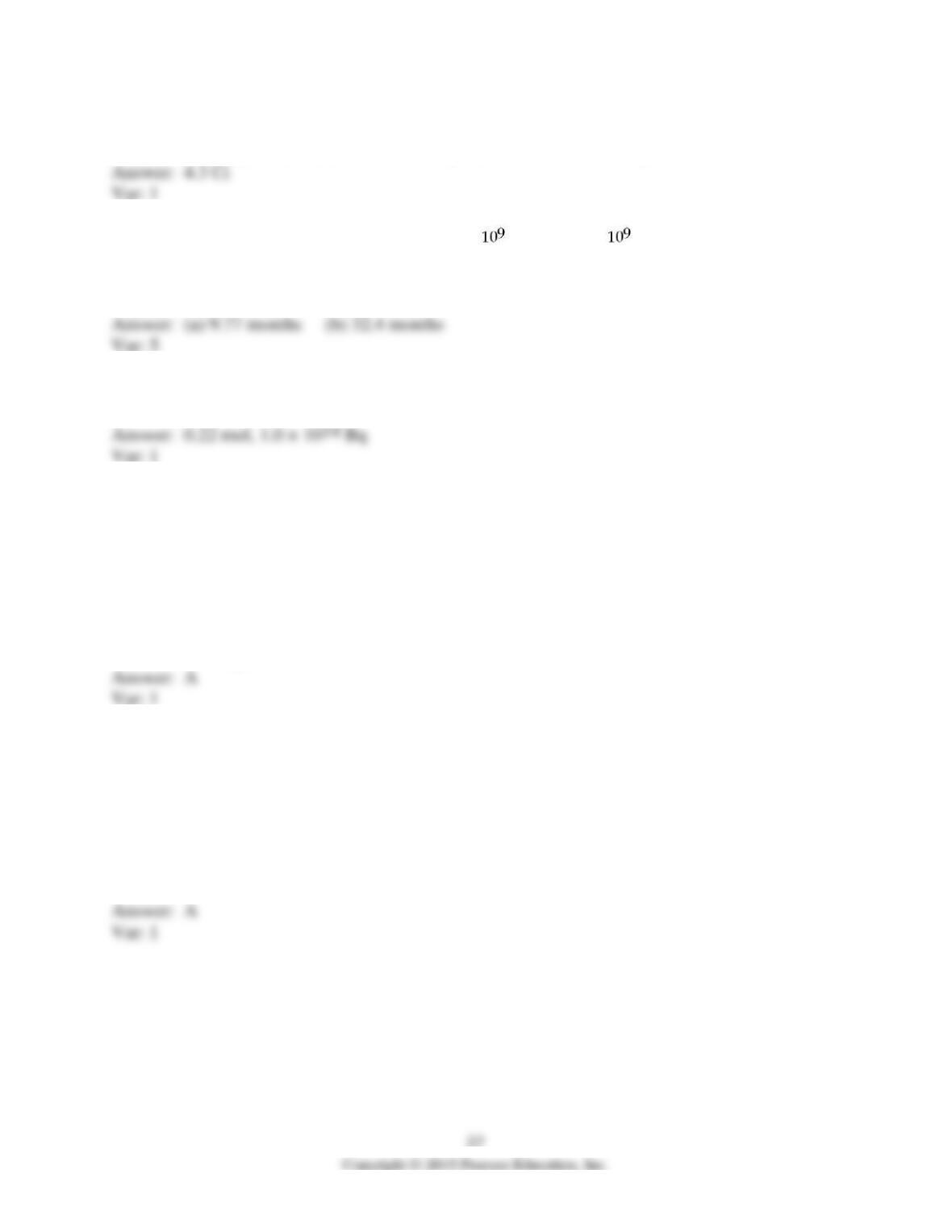
39) A radioactive substance containing 4.0 × 10¹⁶ unstable atoms has a half-life of 2.0 days.
What is its activity (in curies, Ci) after 1.0 day? (1 Ci = 3.70 × 10¹⁰ Bq)
40) The activity of a sample reduces from 7.55 × Bq to 5.11 × Bq in 5.50 months.
(a) What is its half life?
(b) How many months from the start must one wait for the activity to decrease to 10% of its
original value?
41) A 1.0-mol sample of an isotope is decaying with a half-life of 28 y. After 61 y, how many
moles of this isotope are left and what is its activity in Bq?
42) The atom 40K decays radioactively to the gas 40Ar. An ancient rock is found to contain
enough 40Ar gas to indicate that 77.0% of the 40K in the rock has decayed to 40Ar since the
rock solidified. (Any previous argon would have boiled out of liquid rock.) How long ago did the
rock solidify? The half-life of 40K is 1.25 billion years.
A) 2.65 billion years
B) 0.471 billion years
C) 1.80 billion years
D) 0.324 billion years
43) The half-life of radon-222 is 3.83 d. If a sample of radon initially contains 6.00 × 10⁸ radon
atoms, how many of them are left after 10.0 d?
A) 9.82 × 10⁷
B) 7.67 × 10⁷
C) 8.34 × 10⁸
D) 7.29 × 10⁸
E) 8.56 × 10⁸
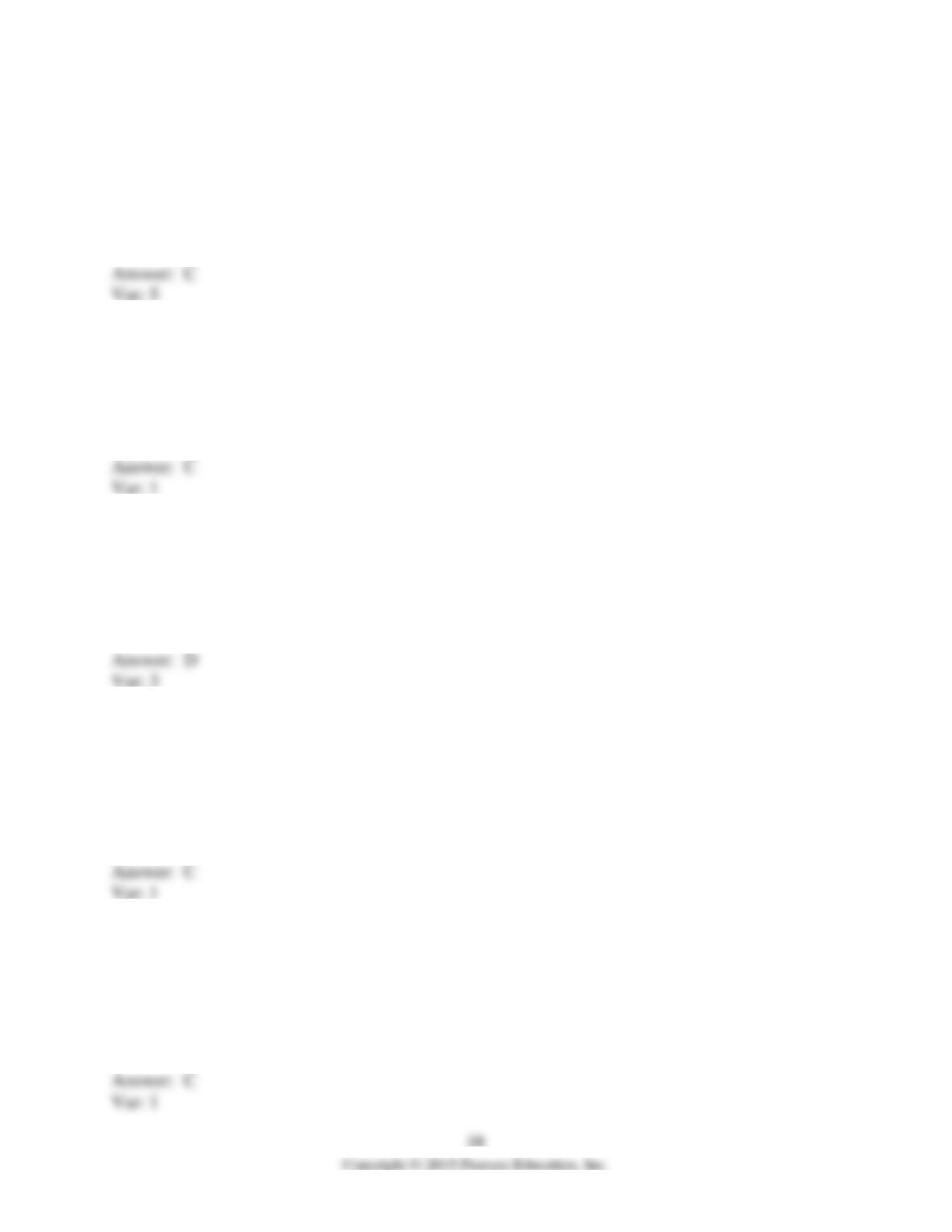
44) The number of radioactive nuclei in a particular sample decreases to one-eighth of its
original number in 9 days. What is the half-life of these nuclei?
A) 9/8 days
B) 2 days
C) 3 days
D) 8 days
E) 10 days
45) A thallium source with a half-life of 3.7 years was certified at 10 kBq ten years ago. What is
its activity now?
A) 4.7 kBq
B) 3.3 kBq
C) 1.5 kBq
D) 1.0 kBq
46) A radioactive sample has a half-life of 10 min. What fraction of the sample is left after 40
min?
A) 1/2
B) 1/4
C) 1/8
D) 1/16
47) A radioactive substance with a half-life of 3.0 days has an initial activity of 2400 Bq. What
is its activity after 6.0 days?
A) 1200 Bq
B) 1800 Bq
C) 600 Bq
D) 300 Bq
E) 150 Bq
48) A sample containing 4.0 × 10¹⁸ atoms of a radioactive isotope decays with a half-life of 2.3
years. How many undecayed atoms are left after 3.7 years?
A) 2.5 × 10¹⁸
B) 1.7 × 10¹⁸
C) 1.3 × 10¹⁸
D) 1.1 × 10¹⁸
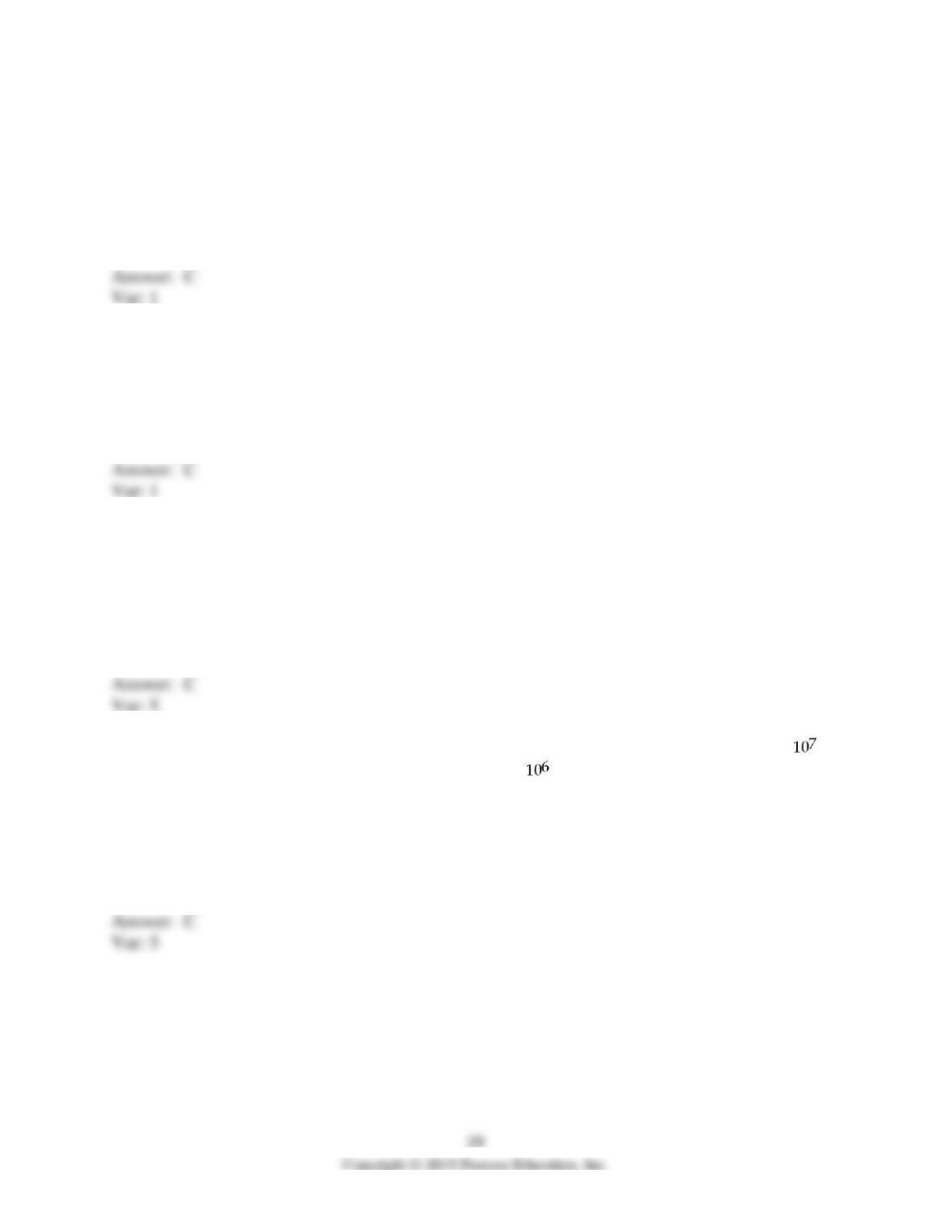
49) How long would it take 4.00 × 10²⁰ atoms to decay to 1.00 × 10¹⁹ atoms if their half-life
was 14.7 years?
A) 29.4 years
B) 58.8 years
C) 78.2 years
D) 147 years
50) How long will it take a 4.50-kBq sample of material to reach an activity level of 0.140 kBq if
the half-life of the sample is 435 years?
A) 14,478 years
B) 3245 years
C) 2178 years
D) 1993 years
51) Rutherfordium-261 has a half-life of 1.08 min. How long will it take for a sample of
rutherfordium to lose one-third of its nuclei?
A) 1.02 min
B) 1.62 min
C) 0.632 min
D) 2.70 min
E) 3.24 min
52) Fermium-253 has a half-life of 3.00 days. If a sample of fermium originally has 7.37 ×
nuclei, how long will it take for there to be only 3.36 × fermium-253 nuclei left in this
sample?
A) 2.75 days
B) 9.80 days
C) 13.4 days
D) 15.7 days
E) 58.6 days
53) The half-life of a radioactive material is 4.5 days. How many days are required for a sample,
with an initial activity of 1.0 × 10⁵ Bq, to decay to an activity of 100 Bq?
A) 45 days
B) 36 days
C) 54 days
D) 31 days
54) A hospital patient has been given a sample of 131I , which has a half-life of 8.04 days. This
sample is decaying at 5.9 times the acceptable level for exposure to the general public. How long
must the patient wait for the decay rate of the sample to reach the acceptable level?
A) 21 days
B) 14 days
C) 9.9 days
D) 8.9 days
55) Plutonium has a half life of 2.4 × 10⁴ years. How long does it take for 99.0% of the
plutonium to decay?
A) 1.6 × 10² y
B) 1.6 × 10³ y
C) 1.6 × 10⁴ y
D) 1.6 × 10⁵ y
E) 1.6 × 10⁶ y
56) One material used in nuclear bombs is 239Pu, with a half-life of 24,000 years. How long
must we wait for a buried stockpile of this substance to decay to 1/1000 of its original activity?
A) 1,200,000 years
B) 240,000 years
C) 150,000 years
D) 82,000 years
E) 1,500 years
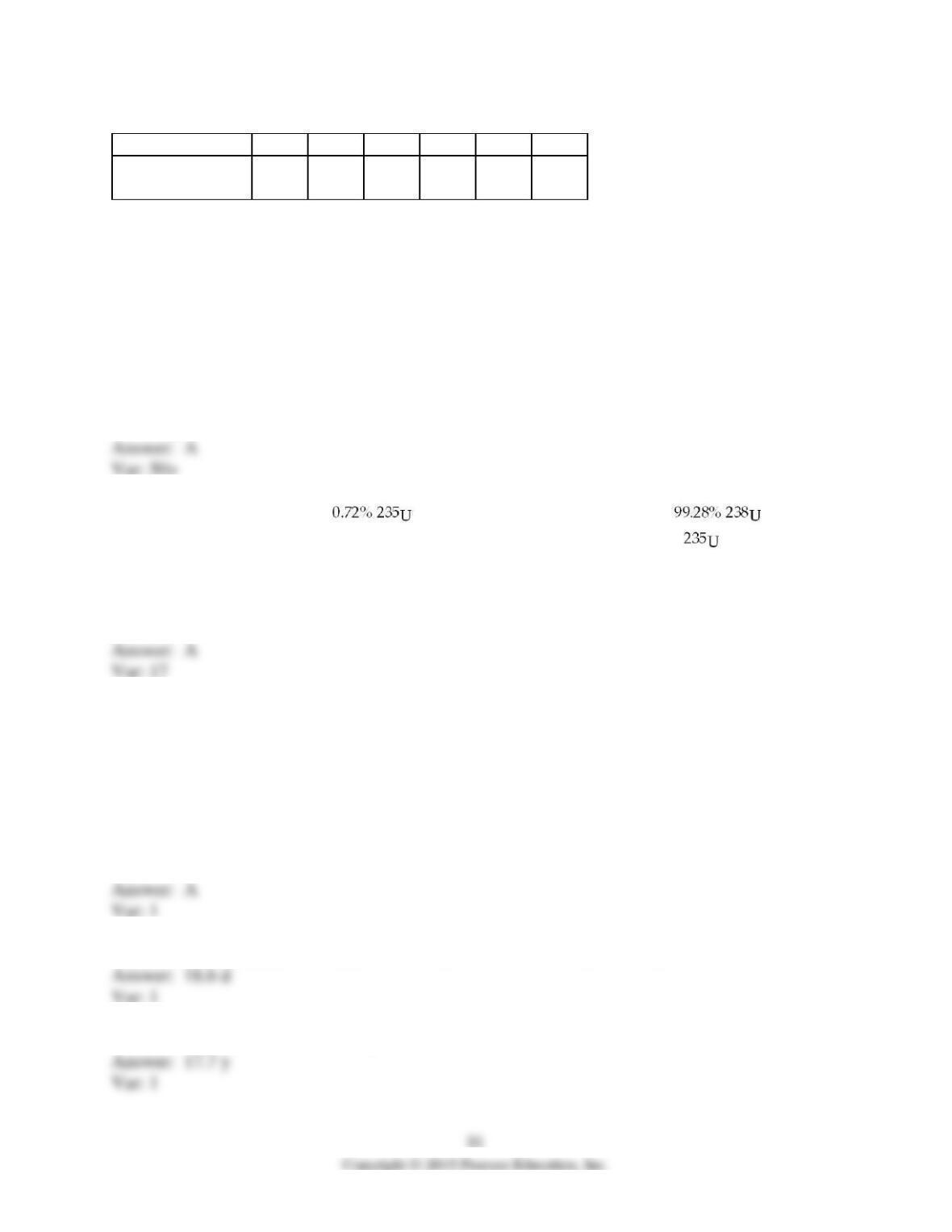
57)
Time (days)
0
2
6
11
19
30
Counts per
Minute
1000
899
726
556
356
200
In a laboratory accident, a work area is contaminated with radioactive material. Health physicists
monitor the area during a 30-day period and obtain the data shown in the table. The accident
occurred at time t = 0 days. They determine that it will not be safe for workers to enter the area
until the radioactivity level has dropped to 16 counts per minute. Of the choices listed, which
one is the earliest time after the accident that workers could safely return?
A) 77 days
B) 90 days
C) 102 days
D) 65 days
E) 48 days
58) Today, uranium contains (half-life = 0.70 billion years) and (half-life
= 4.5 billion years). At a time 1.9 billion years ago, what was the fraction of in uranium?
A) 3.53%
B) 4.72%
C) 4.90%
D) 6.76%
59) An air sample is contaminated with 15O, which has a half-life of 2.03 minutes. You can pass
it through a long pipe to allow it to decay until it can be safely released into the atmosphere. If
the speed of the gas in the pipe is 1.1 m/s, how long must the pipeline be for the sample to decay
to 3.0% of its original activity?
A) 680 m
B) 8.0 m
C) 72 m
D) 250 m
60) The mean life (time constant) of rubidium-86 is 26.8 d. What is its half-life?
61) The half-life of tritium is 12.3 y. What is its mean life (time constant)?
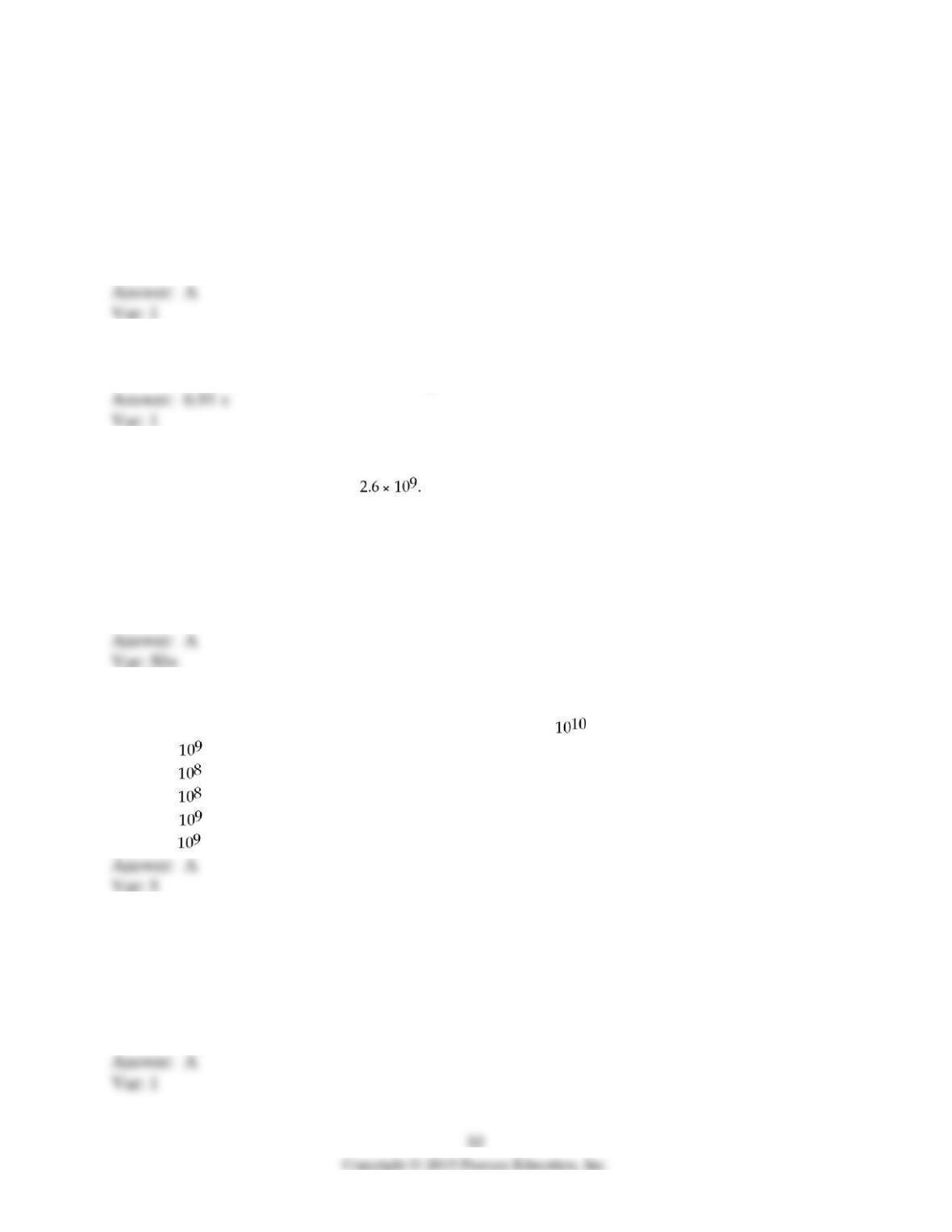
62) The mean life (time constant) of radon-222 is 5.526 d. If a sample of radon initially contains
6.00 × 10⁸ radon atoms, how many of them are left after 10.0 d?
A) 9.82 × 10⁷
B) 7.67 × 10⁷
C) 8.34 × 10⁸
D) 7.29 × 10⁸
E) 8.56 × 10⁸
63) The decay rate of a radioactive sample decreases from 175 kBq to 12.4 kBq in 18.3 s. What
is the mean life (time constant) of this sample?
64) A radioactive source emits 2.4-MeV neutrons at the rate of 7100 neutrons per second. The
number of atoms in the source is What is the activity of the source, in curies (Ci)? (1.00
Ci = 3.70 × 10¹⁰ Bq)
A) 190 nCi
B) 1900 nCi
C) 19 nCi
D) 71 nCi
E) 710 nCi
65) A certain substance has a half-life of 5.0 hours. How many nuclei of the substance are
required to give an initial activity of 6.0 μCi? (1 Ci = 3.7 × Bq)
A) 5.8 × nuclei
B) 8.5 × nuclei
C) 6.3 × nuclei
D) 3.2 × nuclei
E) 2.4 × nuclei
66) Fermium-253 has a half-life of 3.00 days. A sample of fermium has 3.88 × 10⁶ nuclei. What
is the initial activity of this sample?
A) 10.4 Bq
B) 10.4 kBq
C) 12.9 Bq
D) 12.9 kBq