155. The Fed is concerned about stock market booms because the booms
a. increase consumption spending.
b. increase investment spending.
c. increase both consumption and investment spending.
d. None of the above is correct.
156. Which of the following actions might we logically expect to result from rising stock prices?
a. Jim decreases his consumption spending.
b. Firms sell fewer shares of new stock.
c. Firms spend more on investment.
d. None of the above is correct.
157. If the stock market booms, then
a. aggregate demand increases, which the Fed could offset by increasing the money supply.
b. aggregate supply increases, which the Fed could offset by increasing the money supply.
c. aggregate demand increases, which the Fed could offset by decreasing the money supply.
d. aggregate supply increases, which the Fed could offset by decreasing the money supply.
158. If the stock market booms, then
a. aggregate demand increases, which the Fed could offset by purchasing bonds.
b. aggregate supply increases, which the Fed could offset by selling bonds.
c. aggregate demand increases, which the Fed could offset by selling bonds.
d. aggregate supply increases, which the Fed could offset by purchasing the money supply.
159. If the stock market crashes, then
a. aggregate demand increases, which the Fed could offset by increasing the money supply.
b. aggregate demand increases, which the Fed could offset by decreasing the money supply.
c. aggregate demand decreases, which the Fed could offset by increasing the money supply.
d. aggregate demand decreases, which the Fed could offset by decreasing the money supply.
160. If the stock market crashes, then
a. aggregate demand decreases, which the Fed could offset by purchasing bonds.
b. aggregate demand decreases, which the Fed could offset by selling bonds.
c. aggregate demand increases, which the Fed could offset by selling bonds.
d. aggregate demand increases, which the Fed could offset by purchasing the money supply.
161. Suppose that the Federal reserve is concerned about the effects of falling stock prices on the
economy. What could it do?
a. buy bonds to raise the interest rate
b. buy bonds to lower the interest rate
c. sell bonds to raise the interest rate
d. sell bonds to raise the interest rate
162. When the Fed decreases the money supply, we expect
a. interest rates and stock prices to rise.
b. interest rates and stock prices to fall.
c. interest rates to rise and stock prices to fall.
d. interest rates to fall and stock prices to rise.
163. When the Fed increases the money supply, we expect
a. interest rates and stock prices to rise.
b. interest rates and stock prices to fall.
c. interest rates to rise and stock prices to fall.
d. interest rates to fall and stock prices to rise.
164. Changes in the interest rate help explain
a. only the slope of, not shifts of aggregate demand.
b. only shifts of, not the slope of aggregate demand.
c. both the slope of and shifts of aggregate demand.
d. neither the slope nor shifts of aggregate demand.
165. Changes in the interest rate
a. shift aggregate demand whether they are caused by changes in the price level or by changes
in fiscal or monetary policy.
b. shift aggregate demand if they are caused by changes in the price level, but not if they are
caused by changes in fiscal or monetary policy.
c. shift aggregate demand if they are caused by fiscal or monetary policy, but not if they are
caused by changes in the price level.
d. do not shift aggregate demand.
166. Because the liquidity-preference framework focuses on the
a. short run, it assumes the price level adjusts to bring the money market to equilibrium.
b. short run, it assumes the interest rate adjusts to bring the money market to equilibrium.
c. long run, it assumes the price level adjusts to bring the money market to equilibrium.
d. long run, it assumes the interest rate adjusts to bring the money market to equilibrium.
167. According to the theory of liquidity preference, if the interest rate rises
a. people want to hold more money. This response is shown by moving to the right along the
money demand curve.
b. people want to hold more money. This response is shown by shifting the money demand curve
right.
c. people want to hold less money. This response is shown by moving to the left along the money
demand curve.
d. people want to hold less money. This response is shown by shifting the money demand curve
left.
168. According to the theory of liquidity preference, if output decreases
a. people want to hold more money. This response is shown as a movement along the money
demand curve.
b. people want to hold more money. This response is shown as a shift of the money demand
curve.
c. people want to hold less money. This response is shown as a movement along the money
demand curve.
d. people want to hold less money. This response is shown as a shift of the money demand
curve.
169. If the Federal Reserve increases the money supply, then initially there is a
a. shortage in the money market, so people will want to sell bonds.
b. shortage in the money market, so people will want to buy bonds.
c. surplus in the money market, so people will want to sell bonds.
d. surplus in the money market, so people will want to buy bonds.
170. If the Federal Reserve decreases the money supply, then initially there is a
a. shortage in the money market, so people will want to sell bonds.
b. shortage in the money market, so people will want to buy bonds.
c. surplus in the money market, so people will want to sell bonds.
d. surplus in the money market, so people will want to buy bonds.
171. If the Federal Reserve increases the money supply, then initially people want to
a. sell bonds so the interest rate rises.
b. sell bonds so the interest rate falls.
c. buy bonds so the interest rate rises.
d. buy bonds so the interest rate falls.
172. If money demand shifted to the right and the Federal Reserve desired to return the interest rate to
its original value, it could
a. buy bonds to increase the money supply.
b. buy bonds to decrease the money supply.
c. sell bonds to increase the money supply.
d. sell bonds to decrease the money supply.
173. To decrease the interest rate the Federal Reserve could
a. buy bonds. The fall in the interest rate would increase investment spending.
b. buy bonds. The fall in the interest rate would decrease investment spending.
c. sell bonds. The fall in the interest rate would increase investment spending
d. sell bonds. The fall in the interest rate would decrease investment spending.
174. Which of the effects listed below increases the quantity of goods and services demanded when
the price level falls and decreases the quantity of goods and services demanded when the price
level rises?
a. the wealth effect
b. the interest-rate effect
c. the exchange-rate effect
d. All of the above are correct.
175. The exchange-rate effect is based, in part, on the idea that
a. a decrease in the price level reduces the interest rate.
b. an increase in the price level causes investors to move some of their funds overseas.
c. an increase in the price level causes domestic goods to become less expensive relative to
foreign goods.
d. a decrease in the price level reduces spending on net exports.
176. For the U.S. economy, money holdings are a
a. large part of household wealth, and so the interest-rate effect is large.
b. large part of household wealth, and so the wealth effect is large.
c. small part of household wealth, and so the interest-rate effect is small.
d. small part of household wealth, and so the wealth effect is small.
177. When the interest rate is above the equilibrium level,
a. the quantity of money that people want to hold is less than the quantity of money that the
Federal Reserve has supplied.
b. people respond by buying interest-bearing bonds or by depositing money in interest–bearing
bank accounts.
c. bond issuers and banks respond by lowering the interest rates they offer.
d. All of the above are correct.
178. When the interest rate is below the equilibrium level,
a. the quantity of money that the Federal Reserve has supplied exceeds the quantity of money
that people want to hold.
b. people respond by selling interest-bearing bonds or by withdrawing money from interest-
bearing bank accounts.
c. bond issuers and banks respond by lowering the interest rates they offer.
d. All of the above are correct.
179. Charisse is of the opinion that the interest rate depends on the economy’s saving propensities
and investment opportunities. Most economists would say that Charisse’s opinion is
a. Keynesian in nature, and that her view is more valid for the long run than for the short run.
b. classical in nature, and that her view is more valid for the long run than for the short run.
c. Keynesian in nature, and that her view is more valid for the short run than for the long run.
d. classical in nature, and that her view is more valid for the short run than for the long run.
180. Marcus is of the opinion that the theory of liquidity preference explains the determination of the
interest rate very well. Most economists would say that Marcus’s opinion is
a. Keynesian in nature, and that his view is more valid for the long run than for the short run.
b. classical in nature, and that his view is more valid for the long run than for the short run.
c. Keynesian in nature, and that his view is more valid for the short run than for the long run.
d. classical in nature, and that his view is more valid for the short run than for the long run.
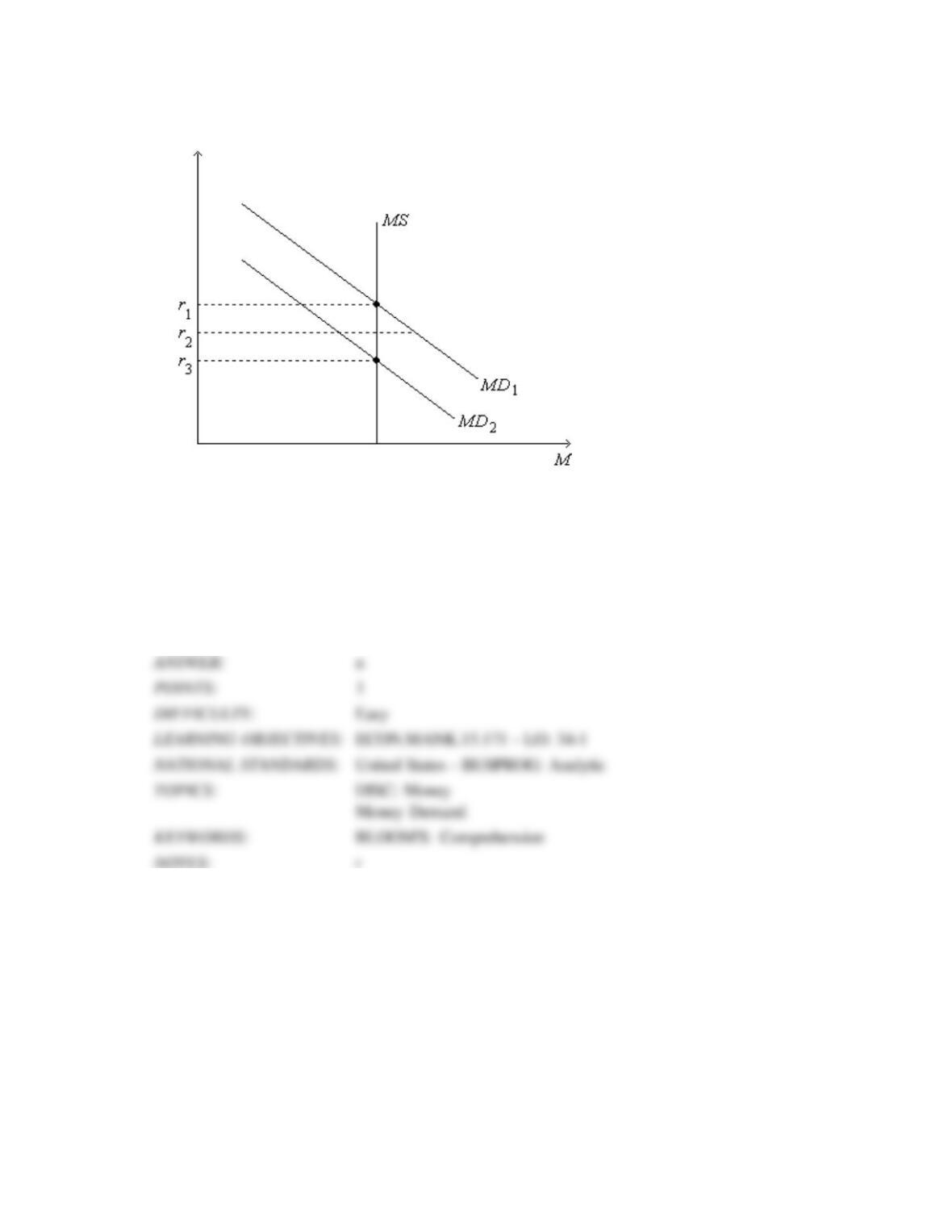
Figure 34-4. On the figure, MS represents money supply and MD represents money demand.
181. Refer to Figure 34-4. Which of the following events could explain a shift of the money–
demand curve from MD1 to MD2?
a. a decrease in the price level
b. a decrease in the cost of borrowing
c. an increase in the price level
d. an increase in the cost of borrowing
182. Refer to Figure 34-4. Which of the following events could explain a decrease in the
equilibrium interest rate from r1 to r3?
a. a decrease in the price level
b. a decrease in the number of firms building new factories and buying new equipment
c. an increase in the price level
d. an increase in the number of firms building new factories and buying new equipment
183. Refer to Figure 34-4. Suppose the money-demand curve is currently MD1. If the current
interest rate is r2, then
a. the quantity of money that people want to hold is less than the quantity of money that the
Federal Reserve has supplied.
b. people will respond by selling interest-bearing bonds or by withdrawing money from interest–
bearing bank accounts.
c. bond issuers and banks will respond by lowering the interest rates they offer.
d. in response, the money-demand curve will shift rightward from its current position to establish
equilibrium in the money market.
184. Refer to Figure 34-4. Suppose the money-demand curve is currently MD2. If the current
interest rate is r2, then
a. in response, the money-demand curve will shift rightward from its current position to establish
equilibrium in the money market.
b. people will respond by selling interest-bearing bonds or by withdrawing money from interest-
bearing bank accounts.
c. bond issuers and banks will respond by lowering the interest rates they offer.
d. there is a shortage of money.
185. Refer to Figure 34-4. Suppose the current equilibrium interest rate is r1. Which of the
following events would cause the equilibrium interest rate to increase?
a. The Federal Reserve increases the money supply.
b. Money demand increases.
c. The price level decreases.
d. All of the above are correct.
186. Refer to Figure 34-4. Suppose the current equilibrium interest rate is r3. Which of the
following events would cause the equilibrium interest rate to decrease?
a. The Federal Reserve increases the money supply.
b. Money demand decreases.
c. The price level decreases.
d. All of the above are correct.
187. Refer to Figure 34-4. Suppose the current equilibrium interest rate is r1. Let Y1 represent the
corresponding quantity of goods and services demanded, and let P1 represent the corresponding
price level. Starting from this situation, if the Federal Reserve increases the money supply and if
the price level remains at P1, then
a. there will be an increase in the equilibrium quantity of goods and services demanded.
b. there will be a decrease in the equilibrium quantity of goods and services demanded.
c. there will be an increase in the equilibrium interest rate.
d. fewer firms will choose to borrow to build new factories and buy new equipment.
188. Refer to Figure 34-4. Suppose the current equilibrium interest rate is r3. Let Y3 represent the
corresponding quantity of goods and services demanded, and let P3 represent the corresponding
price level. Starting from this situation, if the Federal Reserve decreases the money supply and if
the price level remains at P3, then
a. there will be an increase in the equilibrium quantity of goods and services demanded.
b. there will be a decrease in the equilibrium interest rate.
c. the aggregate-demand curve will shift to the right.
d. fewer firms will choose to borrow to build new factories and buy new equipment.
189. “Monetary policy can be described either in terms of the money supply or in terms of the
interest rate.” This statement amounts to the assertion that
a. rightward shifts of the money-supply curve cannot occur if the Federal Reserve decides to
target an interest rate.
b. the activities of the Federal Reserve’s bond traders are irrelevant if the Federal Reserve
decides to target an
interest rate.
c. changes in monetary policy aimed at expanding aggregate demand can be described either as
increasing the money supply or as increasing the interest rate.
d. our analysis of monetary policy is not fundamentally altered if the Federal Reserve decides to
target an interest rate.
190. “Monetary policy can be described either in terms of the money supply or in terms of the
interest rate.” This statement amounts to the assertion that
a. shifts of the money-supply curve cannot occur if the Federal Reserve decides to target an
interest rate.
b. the aggregate-demand curve will not shift in response to Federal Reserve actions if the Fed
decides to target an interest rate.
c. changes in monetary policy aimed at contracting aggregate demand can be described either
as decreasing the money supply or as raising the interest rate.
d. the activities of the Federal Reserve’s bond traders are irrelevant if the Federal Reserve
decides to target an
interest rate.
191. In response to the sharp decline in stock prices in October 1987, the Federal Reserve
a. increased the money supply and increased interest rates.
b. increased the money supply and decreased interest rates.
c. decreased the money supply and increased interest rates.
d. decreased the money supply and decreased interest rates.
192. In response to the sharp decline in stock prices in October 1987, the Federal Reserve
a. increased interest rates, and the economy avoided a recession.
b. increased interest rates, but the economy was unable to avoid a recession.
c. decreased interest rates, and the economy avoided a recession.
d. decreased interest rates, but the economy was unable to avoid a recession.
193. The interest rate that the Federal Reserve pays banks on the reserves they hold is called the
a. open-market rate.
b. discount rate.
c. preference rate.
d. None of the above are correct.