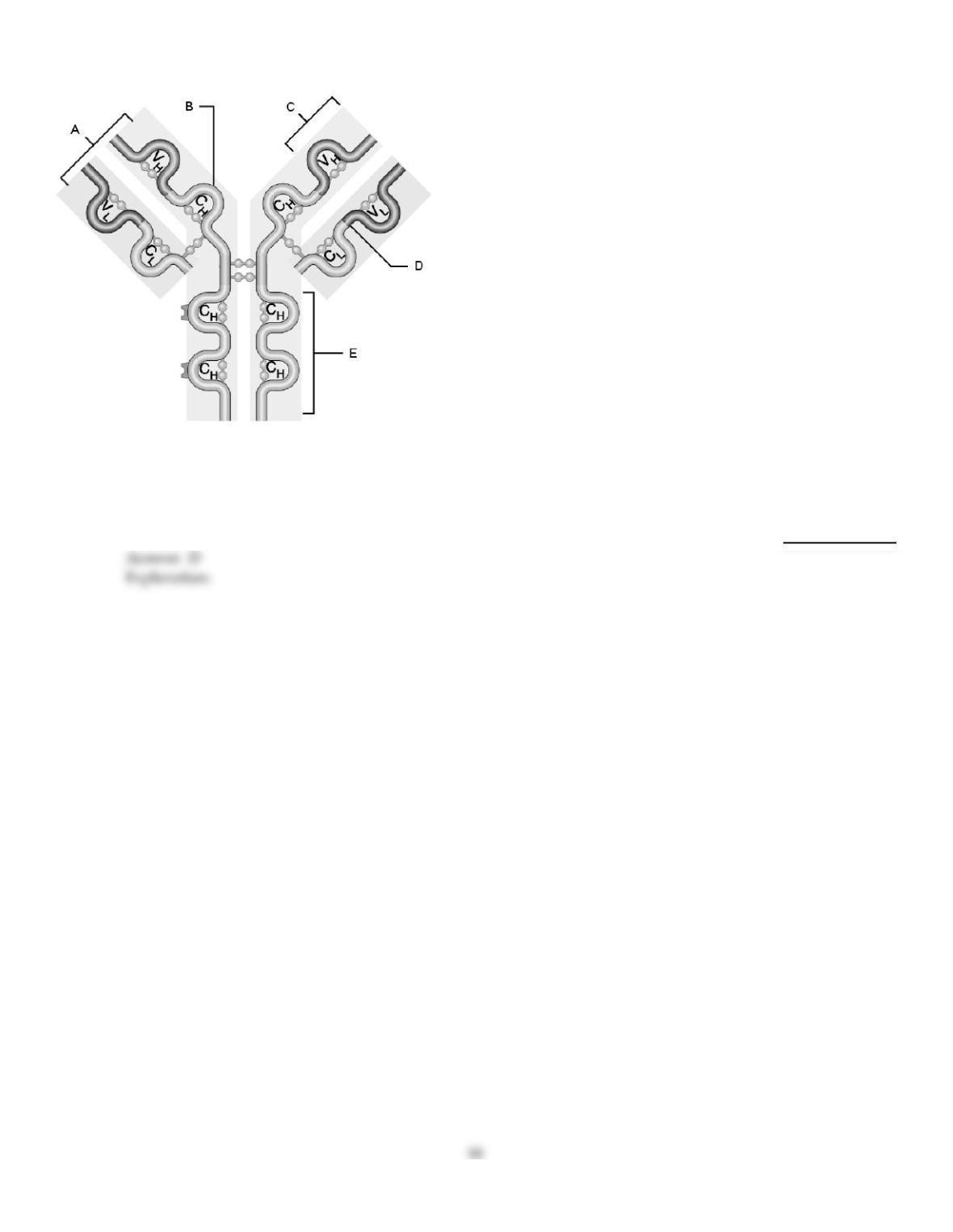
Figure 21.1
Using Figure 21.1, match the following:
72)
Light chain.
72)
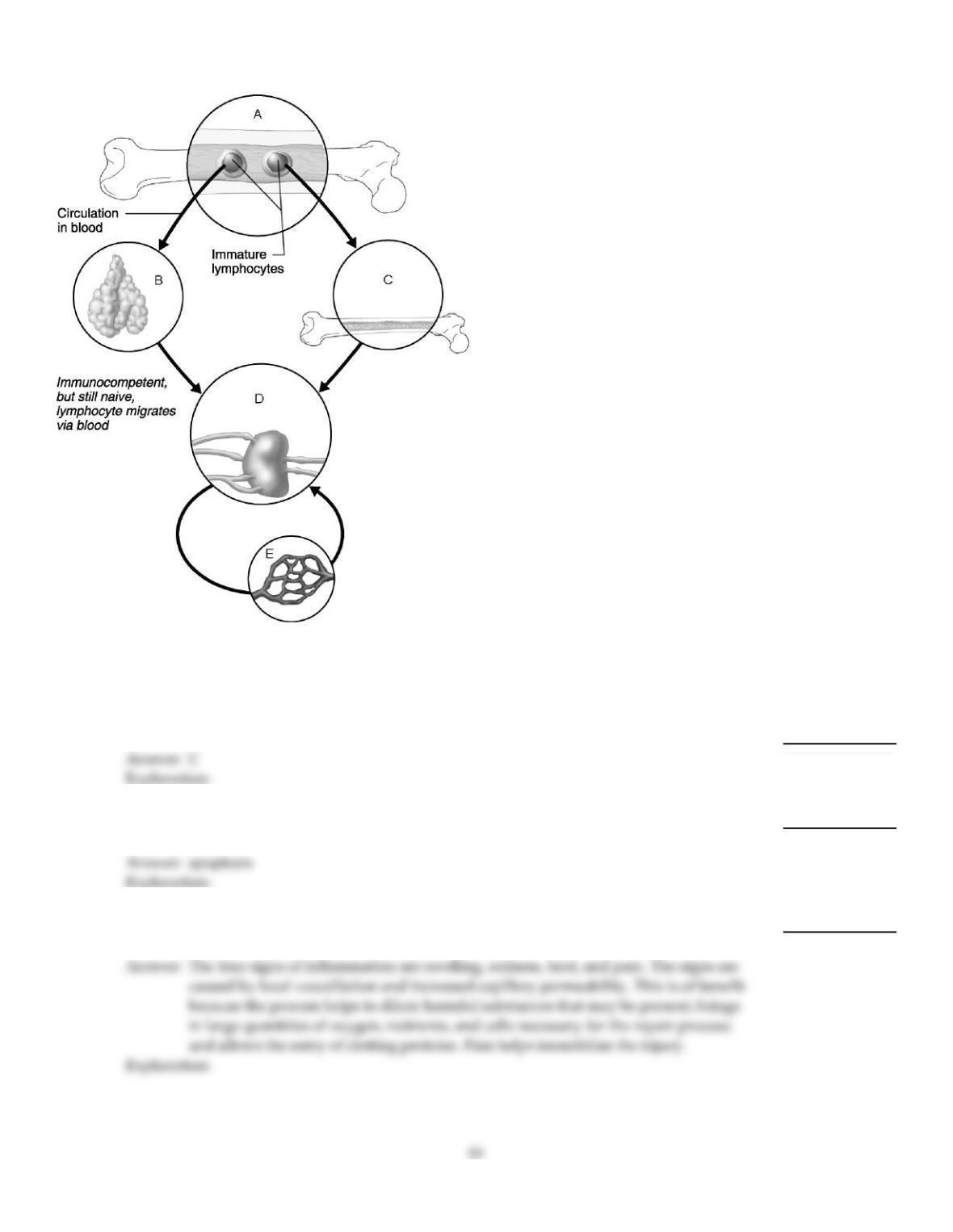
Figure 21.2
Using Figure 21.2, match the following:
73)
Area where B cells become immunocompetent.
73)
74)
Failure of developing T cells to recognize self MHC during positive selection results in
________.
74)
75)
What are the signs of inflammation, and how does inflammation serve as a protective
function?
75)
76)
Pure antibody preparations specific for a single antigenic determinant are called ________
antibodies.
76)
77)
Natural killer cells can lyse and kill cancer cells and virus–infected body cells ________ the
immune system is activated.
77)
78)
Elderly people tend to develop cancer more frequently than younger people. Give an
explanation for this observation that relates to immune function.
78)
79)
An autoimmune disease that severely impairs renal function is ________.
79)
80)
Suppressor factors are ________ that suppress the immune system.
80)
81)
What is the most likely type of hypersensitivity associated with an agonizingly itchy case
of poison ivy, appearance of hives after eating shellfish, or a positive TB test?
81)
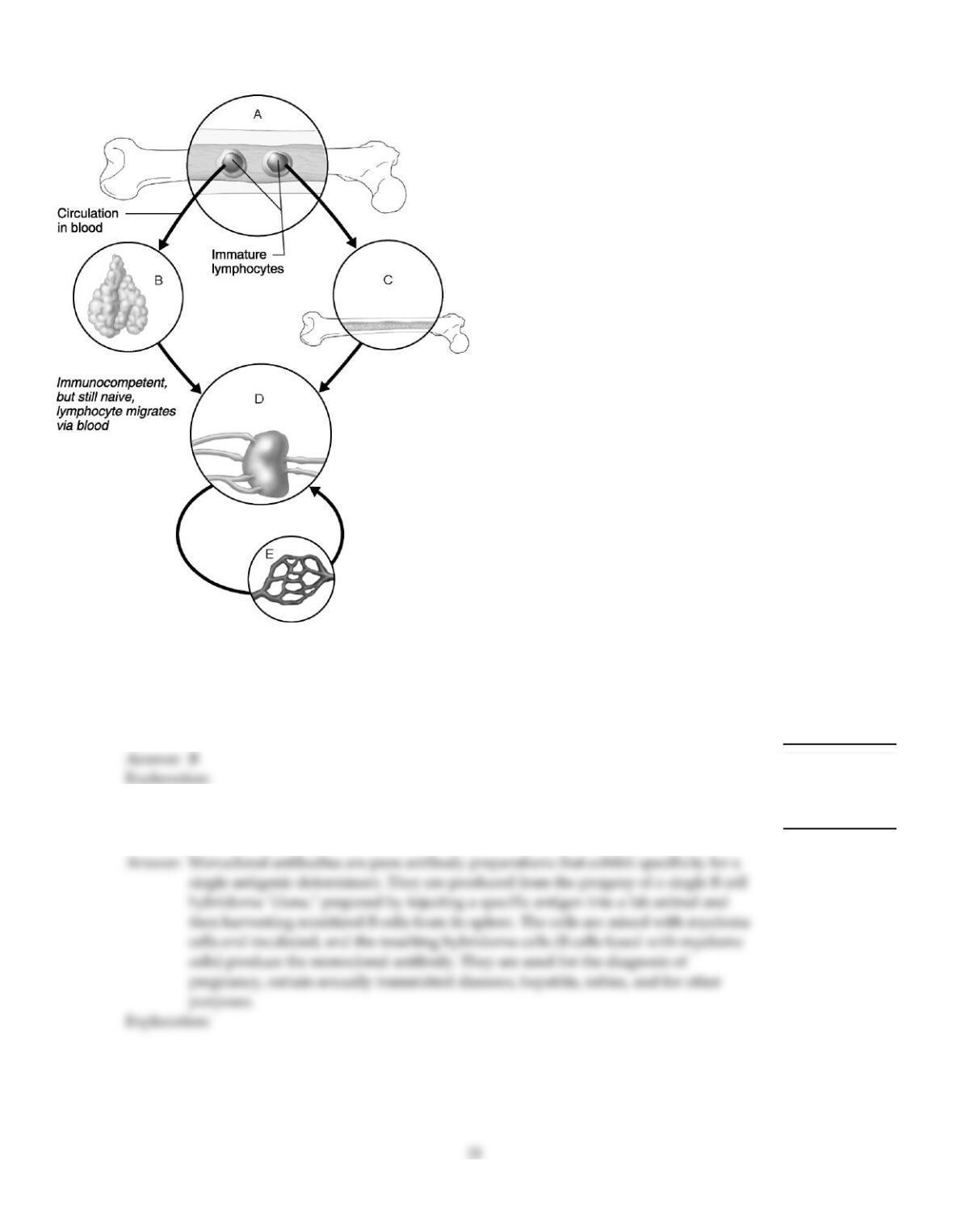
Figure 21.2
Using Figure 21.2, match the following:
82)
Area where T cells become immunocompetent.
82)
83)
What are monoclonal antibodies? How are they produced, and what are some of their
clinical uses?
83)
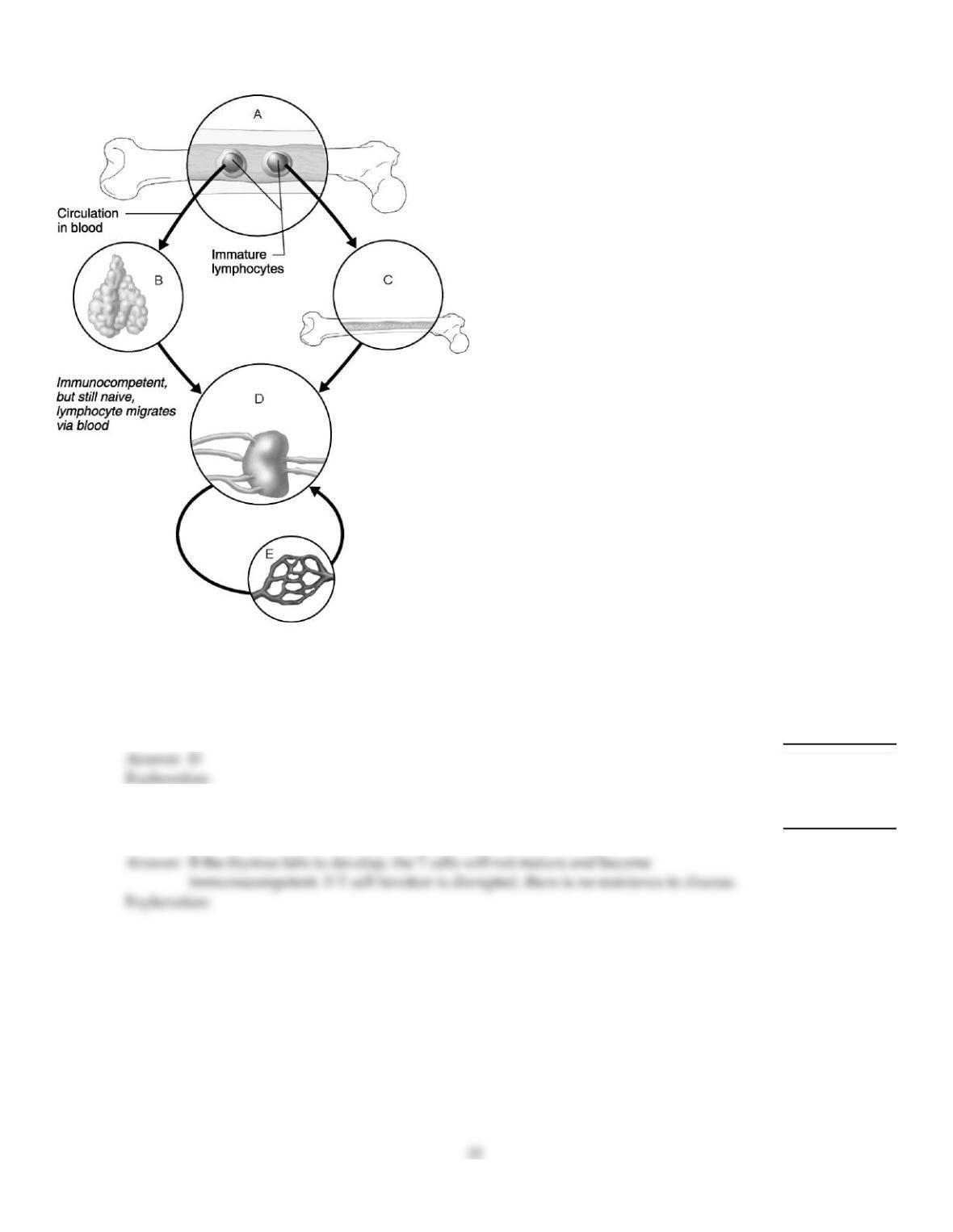
Figure 21.2
Using Figure 21.2, match the following:
84)
Area seeded by immunocompetent B and T cells.
84)
85)
Children born without a thymus must be kept in a germ–free environment if they are to
survive. Explain why this is necessary.
85)
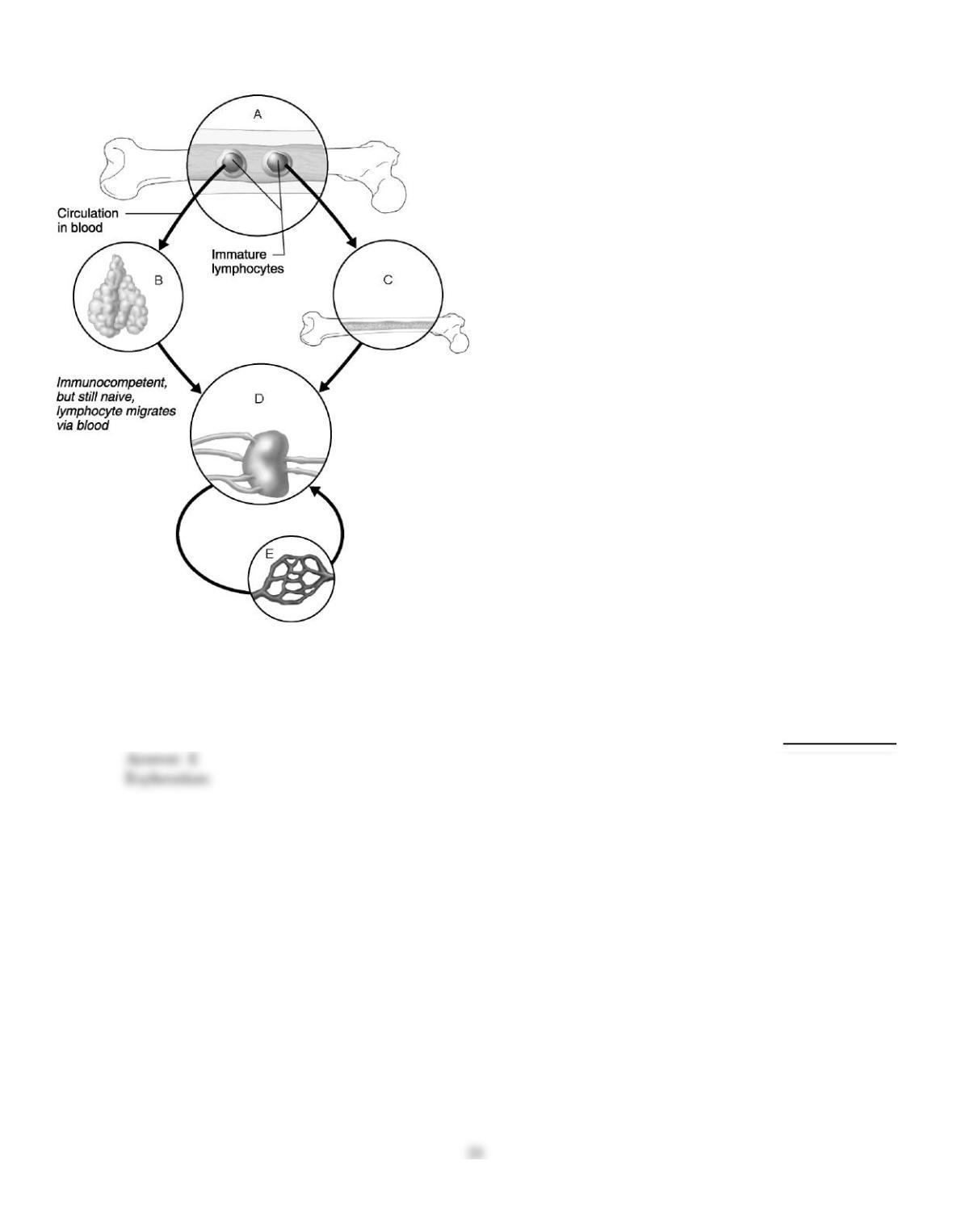
Figure 21.2
Using Figure 21.2, match the following:
86)
Area where activated immunocompetent B and T cells recirculate.
86)
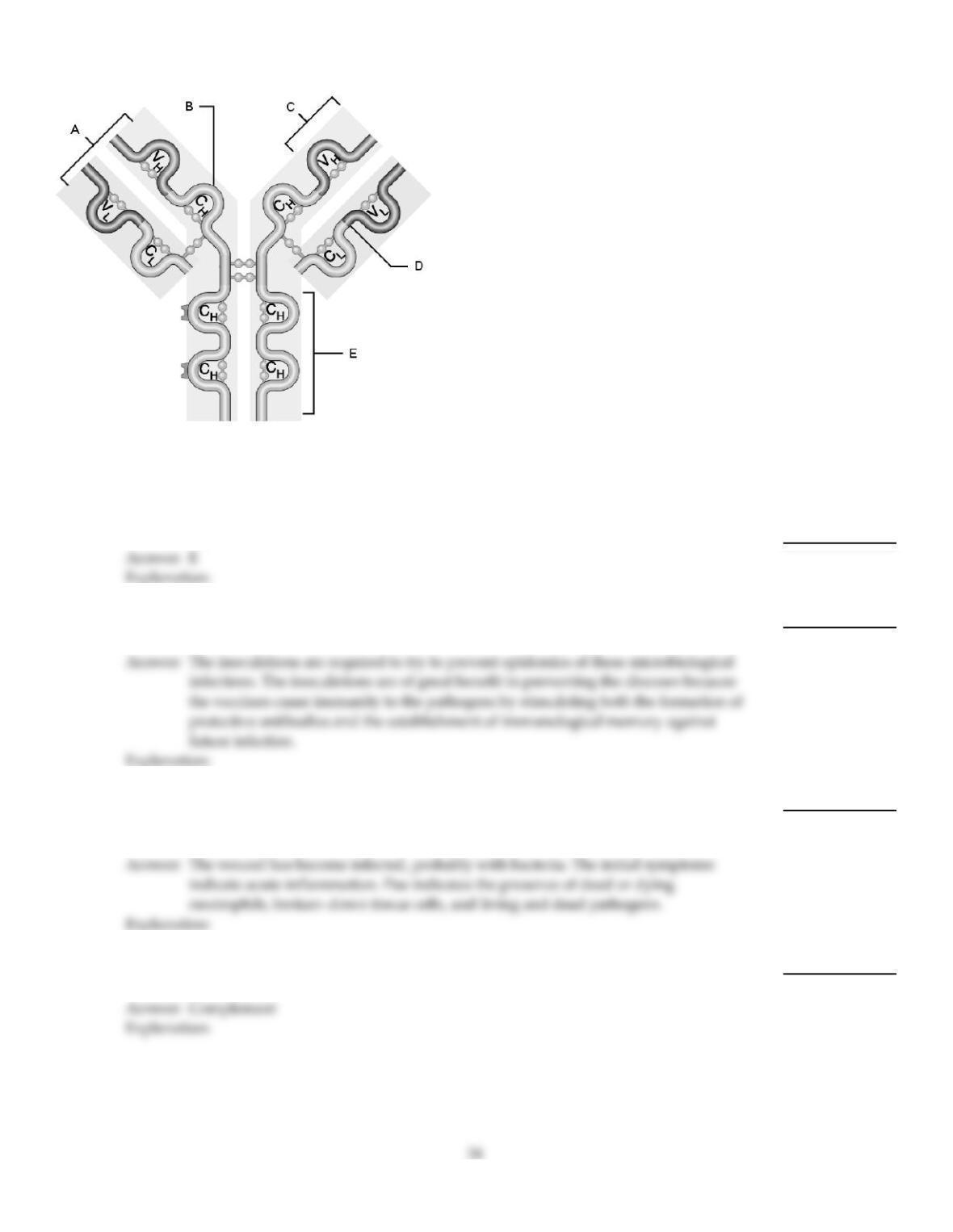
Figure 21.1
Using Figure 21.1, match the following:
87)
Constant region.
87)
88)
Why do schools require inoculations for childhood diseases such as mumps, measles, and
whooping cough? Why are the inoculations of value?
88)
89)
Tom gets a cut on his hand. After several days he notes swelling, pain, heat, and redness.
Upon opening the wound to relieve the pressure, the presence of pus is noted. What has
happened to the wound?
89)
90)
A group of at least 20 plasma proteins that normally circulate in an inactive state and are a
major mechanism for destroying foreign substances in the body are referred to as ________.
90)
91)
Name four autoimmune diseases.
91)
TRUE/FALSE. Write ‘T’ if the statement is true and ‘F’ if the statement is false.
92)
Somatic recombination by B cells allows each B cell to form its own unique antibody genes.
92)
93)
The classical complement pathway involves antibodies.
93)
94)
Both T cells and B cells must accomplish double recognition: They must simultaneously recognize
self and nonself to be activated.
94)
95)
Antibodies cn act both intracellularly and extracellularly.
95)
96)
It is our genes, not antigens, that determine what specific foreign substances our immune system
will be able to recognize and resist.
96)
97)
Virus infected cells secrete complement to “warn” other cells of the presence of virus.
97)
98)
A given pathogen will provoke either a cell–mediated response or an antibody–mediated response
but not both.
98)
99)
Some immunocompetent cells will never be called to service in our lifetime.
99)
100)
Anaphylactic shock can result from an immediate hypersensitivity where the allergen enters the
blood.
100)
101)
Soluble proteins secreted by plasma cells are called antibodies.
101)
102)
Substances capable of triggering the adaptive immune system and provoking an immune response
are called antigens.
102)
103)
The respiratory burst produced by some macrophages releases free radicals.
103)
104)
Monoclonal antibodies can be specific for several antigenic determinants.
104)
105)
Fever is seldom beneficial because it speeds up the cellular metabolic rate and will not allow
antigen–antibody reactions to occur.
105)
106)
The directional movement of cells in response to chemicals is called chemotaxis.
106)
107)
Cellular ingestion and destruction of particulate matter is called phagocytosis.
107)
108)
Adaptive immunity is provided only by lymphocytes that secrete antibodies.
108)
109)
A transfusion reaction is a subacute hypersensitivity to foreign red blood cells.
109)
110)
The mechanism of the “lethal hit” of cytotoxic T cells and NK cells involves a protein called
perforin.
110)
MATCHING. Choose the item in column 2 that best matches each item in column 1.
Match the following:
111)
Absence results in no immune
response
A)
Helper T cell
111)
Match the following:
112)
Main antibody of both primary and
secondary immune response.
A)
IgG
112)

Match the following:
113)
Enables quick and efficient response to
secondary exposure to antigen
A)
Memory cell
113)
Match the following:
114)
Third line of defense.
A
A)
Immune response
114)
Match the following:
115)
Along with IgM, this is a B cell
receptor.
A
A)
IgD
115)
Match the following:
116)
Kills cancer cells and virus infected
body cells
A
A)
Cytotoxic T cell
116)
Match the following:
117)
First to peak during a primary
immune response.
A
A)
IgM
117)
Match the following:
118)
Second line of defense.
B
119)
Adaptive defense system.
A
119)
A)
Immune response
118)
Match the following:
120)
Forms antibody producing cells
A
A)
B cell
120)
Match the following:
121)
Protects mucosal barriers.
A
121)
A)
IgA
Match the following:
122)
Slows or stops the immune response
A
122)
A)
Regulatory T cell
Match the following:
123)
Innate defense system.
A
123)
A)
Inflammatory response and skin and
Match the following:
124)
Involved in allergies.
A
A)
IgE
124)
A
Match the following:
125)
First line of defense.
A)
Intact skin and mucous membranes
125)
ESSAY. Write your answer in the space provided or on a separate sheet of paper.
126)
Nursing care of a patient with acquired immune deficiency syndrome (AIDS) includes monitoring of T
lymphocyte counts. Explain why.
127)
A 36–year–old man enters the hospital in an extremely debilitated condition. He has purple–brown skin lesions
(a symptom of Kaposi‘s sarcoma) and a persistent cough. A physical examination reveals swollen lymph nodes,
and laboratory tests find a very low lymphocyte count. Information taken during the personal history reveals
that he has multiple sex partners with whom he frequently engages in unprotected sex. What is likely to be the
man’s problem and what is his outlook?
128)
A physician orders Tylenol for a temperature greater than 101 degrees F. The patient’s temperature is 100.4 F.
Explain the rationale for not medicating a fever of 100.4 F.
129)
A young girl requires a liver transplant due to failure of her liver to function. What is required for her to have a
good prognosis and why?
130)
A woman comes into the hospital emergency room complaining that she is having problems swallowing and
her neck is swelling. She has a history of radiation treatment to her neck as a child for acne. What could be the
problem?
131)
After receiving penicillin intravenously, a 32–year–old male patient has an anaphylactic reaction. The nurse
understands that therapeutic management includes what critical items?
132)
When the white blood cell count is depressed, the classic signs of infection such as redness, heat, and swelling
are not manifested. In this case, the nurse should avoid administering aspirin. Explain why.
A

133)
Max is bitten by a rattlesnake while on a camping trip. His friends immediately apply ice packs to the bitten
area to slow the spread of the protein–based toxin; they then rush him to an emergency facility. What treatment
would be given and why?
Answer Key
Testname: C21
Answer Key
Testname: C21
31
Answer Key
Testname: C21
Answer Key
Testname: C21
33