Chemistry: A Molecular Approach, 2e (Tro)
Chapter 21 Biochemistry
Multiple Choice Questions
1) Type I diabetes develops when the pancreas does not make enough ________.
A) cholesterol
B) sucrose
C) blood
D) insulin
E) iron
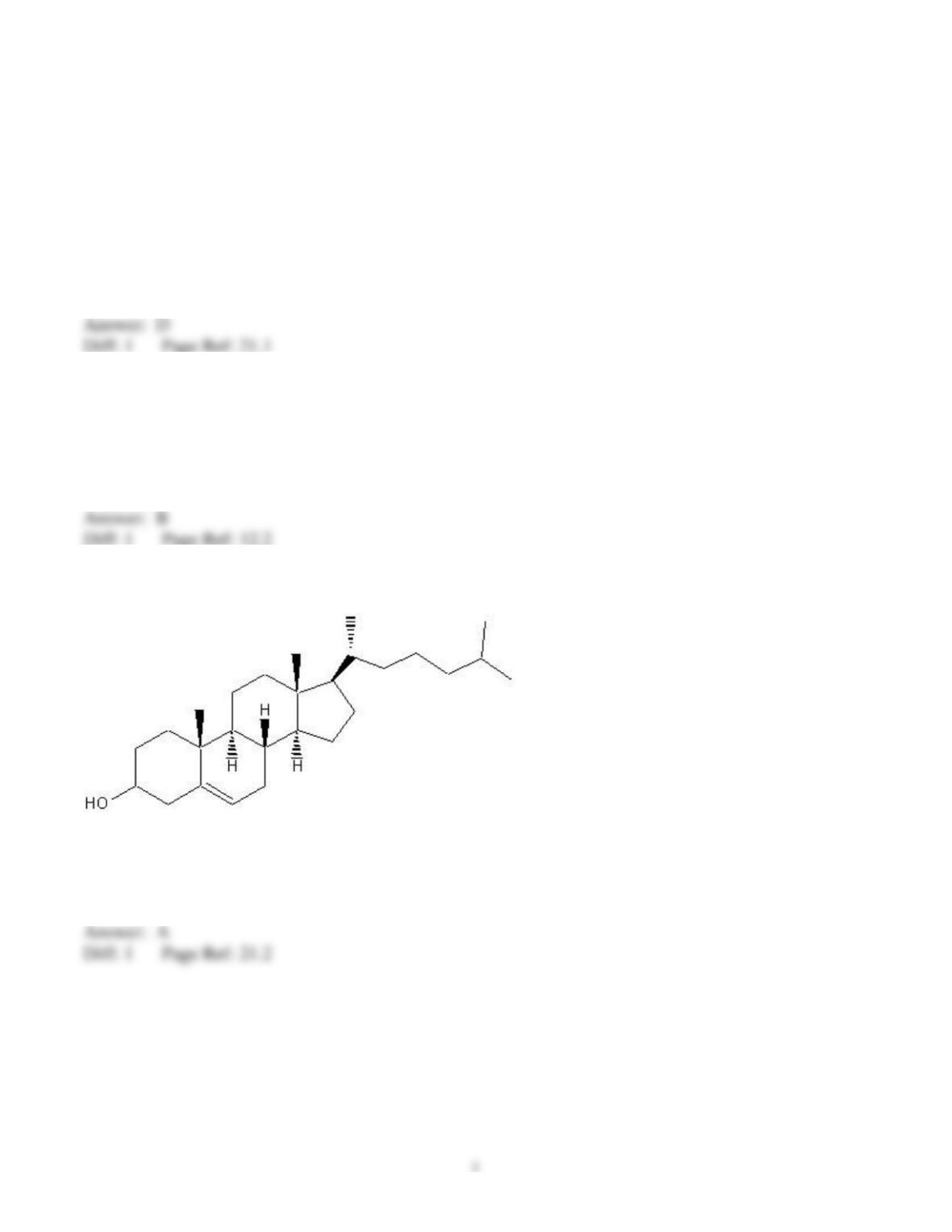
2) Identify the compound that is a steroid.
A) glucose
B) cholesterol
C) sucrose
D) tristearin
E) glycerin
3) What type of lipid is the following compound?
A) steroid
B) phospholipid
C) glycolipid
D) fatty acid
E) triglyceride
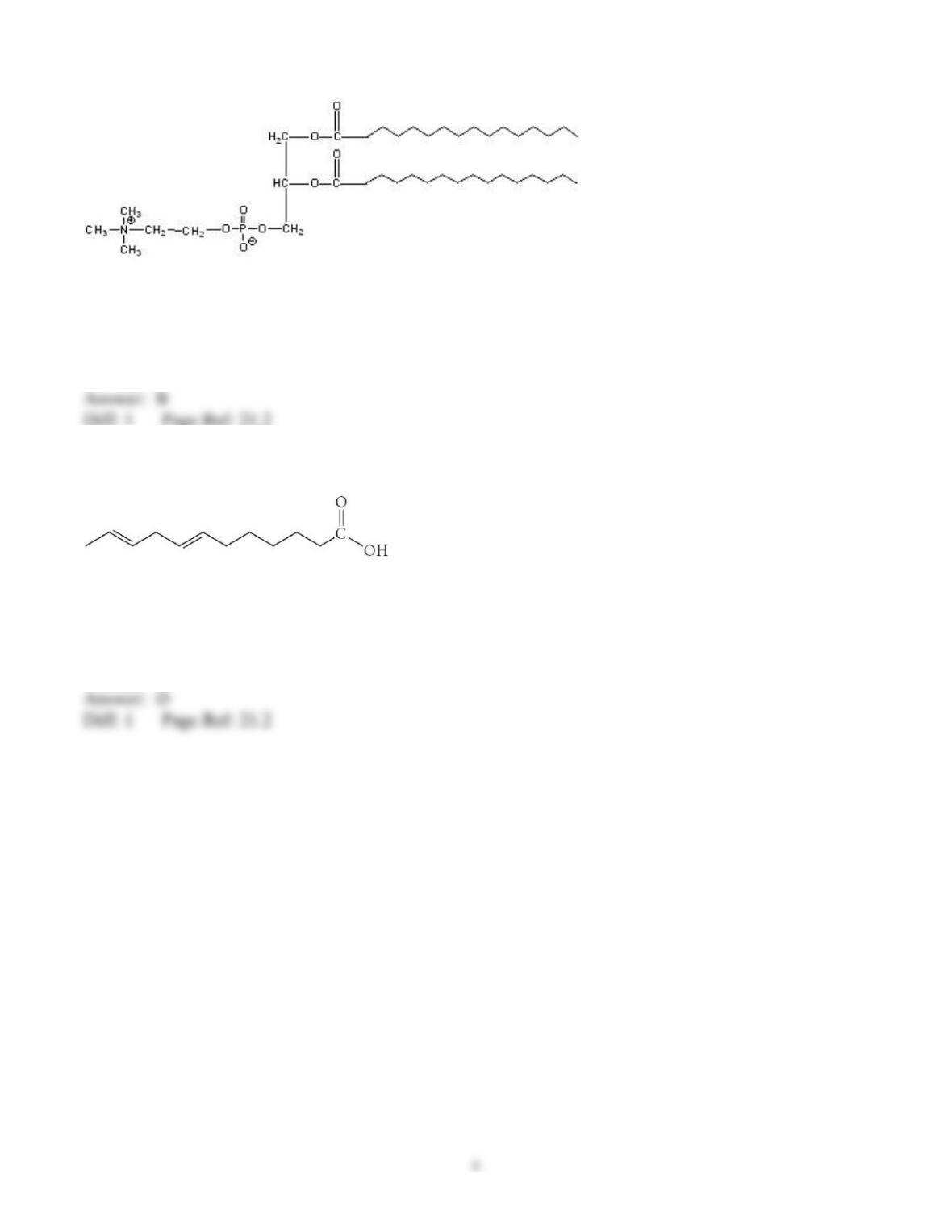
4) What type of lipid is the following compound?
A) steroid
B) phospholipid
C) glycolipid
D) fatty acid
E) triglyceride
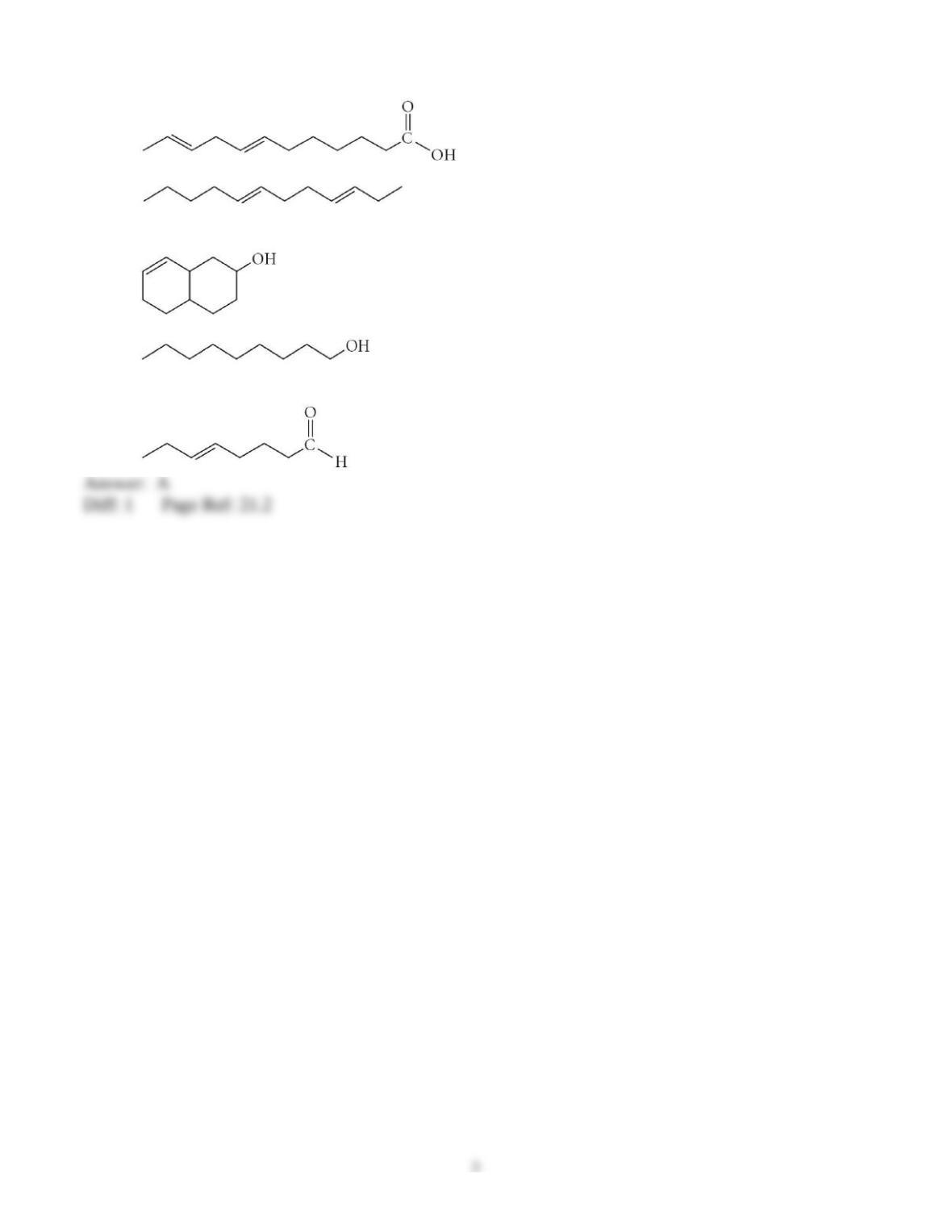
5) What type of lipid is the following compound?
A) steroid
B) phospholipid
C) glycolipid
D) fatty acid
E) triglyceride
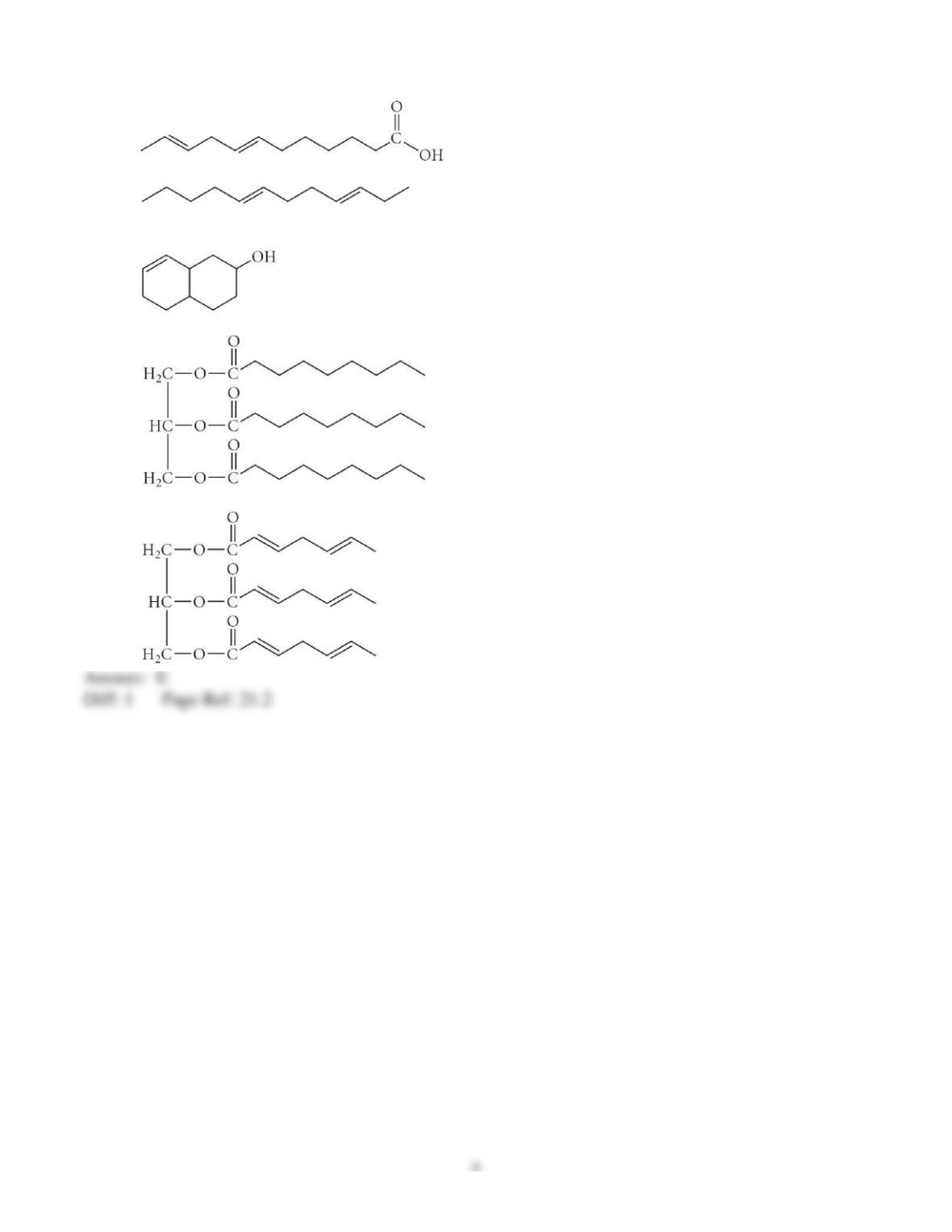
6) Choose the polyunsaturated fatty acid from the compounds below.
A)
B)
C)
D)
E)
7) Choose the polyunsaturated triglyceride from the compounds below.
A)
B)
C)
D)
E)
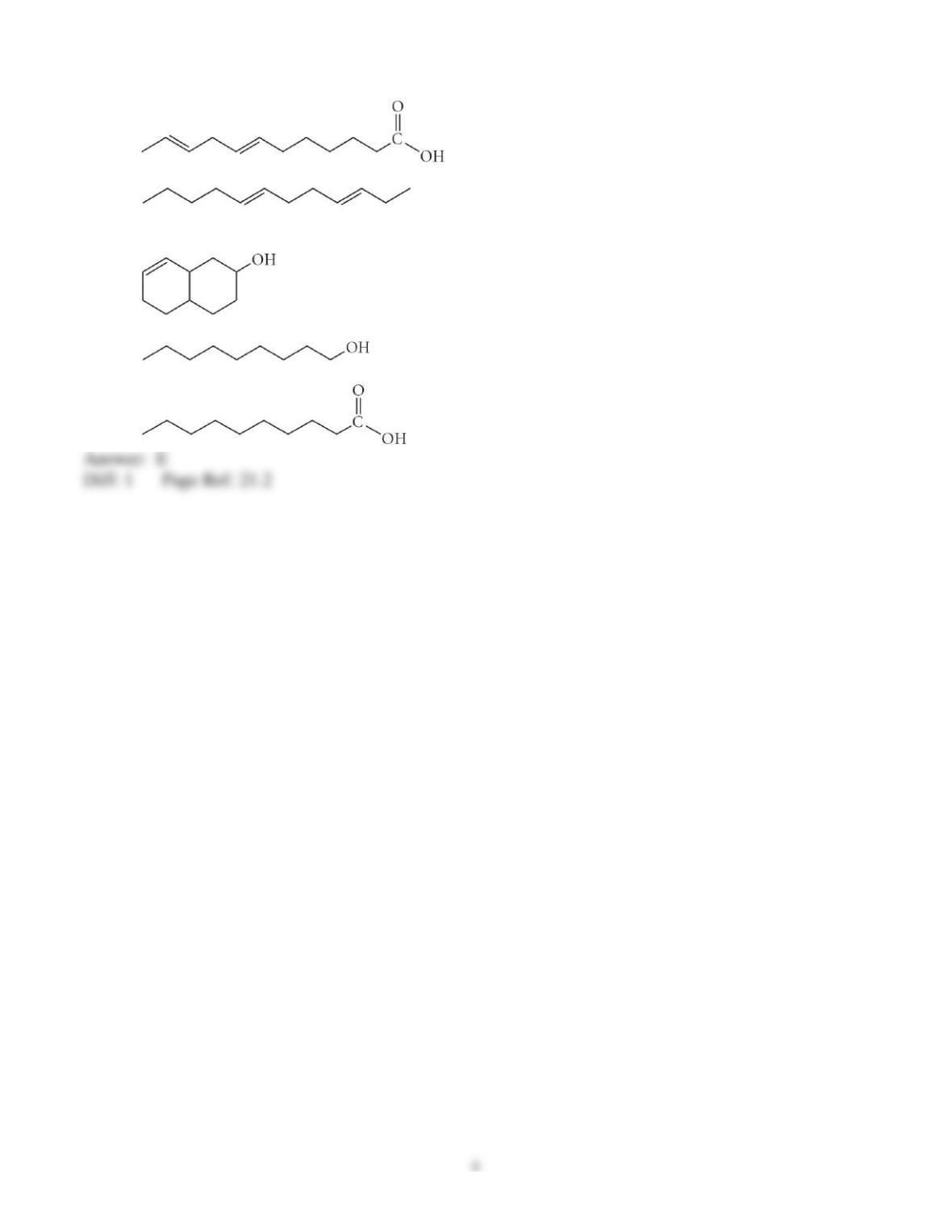
8) Choose the saturated fatty acid from the compounds below.
A)
B)
C)
D)
E)
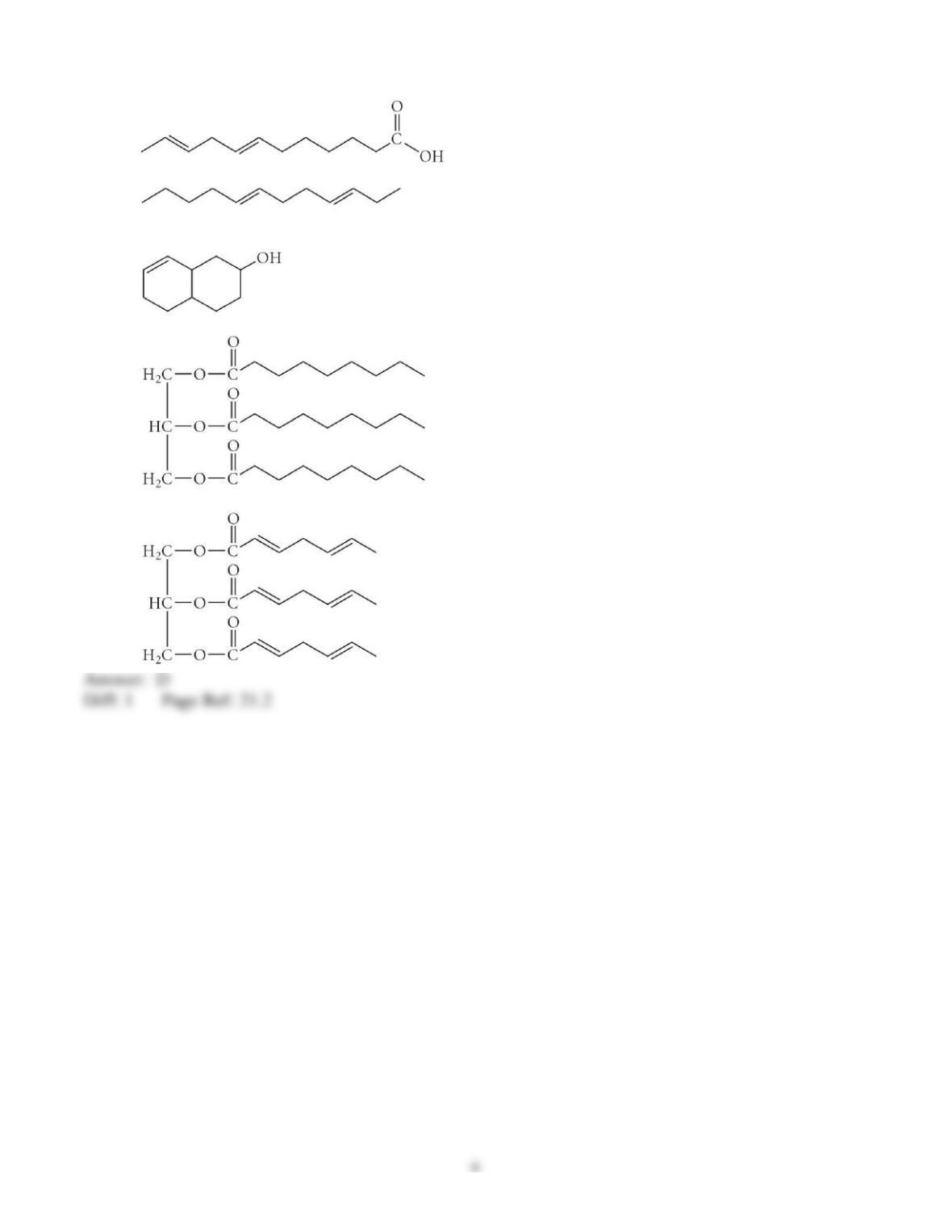
9) Choose the saturated triglyceride from the compounds below.
A)
B)
C)
D)
E)
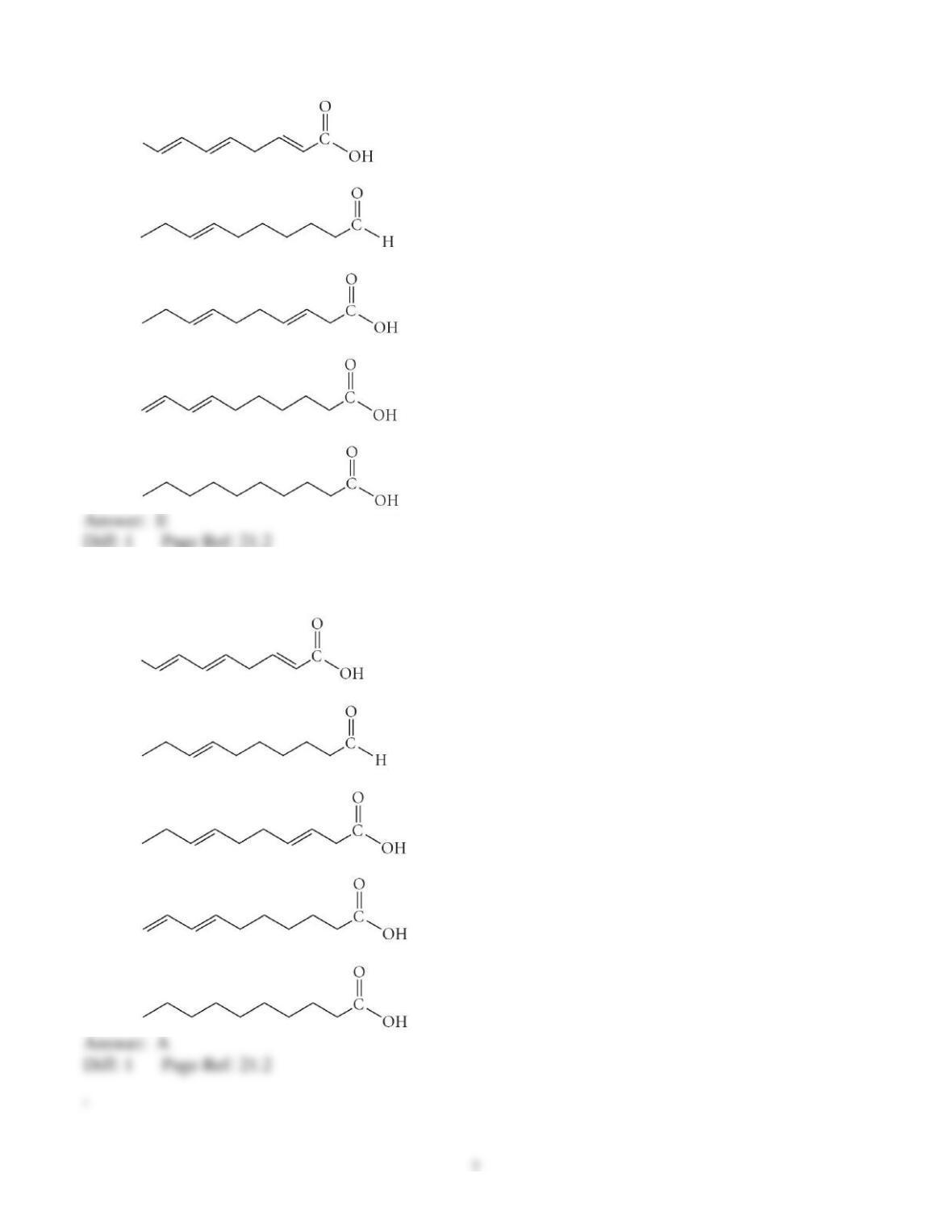
10) Which of the following fatty acids is most likely to be a solid at room temperature?
A)
B)
C)
D)
E)
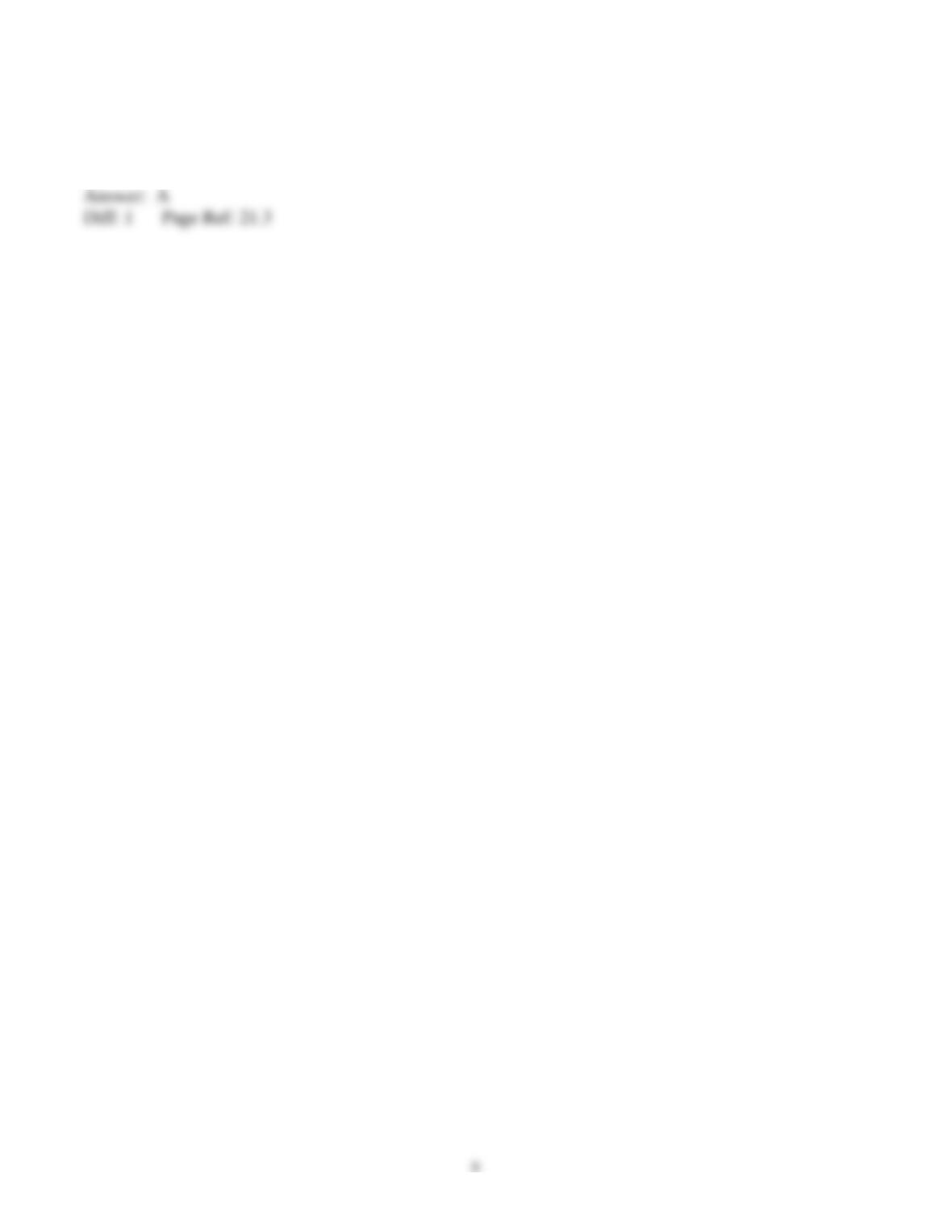
11) Which of the following fatty acids is most likely to be a liquid at room temperature?
A)
B)
C)
D)
E)
12) Identify the most abundant organic substance on earth.
A) cellulose
B) fructose
C) glucose
D) surcrose
E) maltose
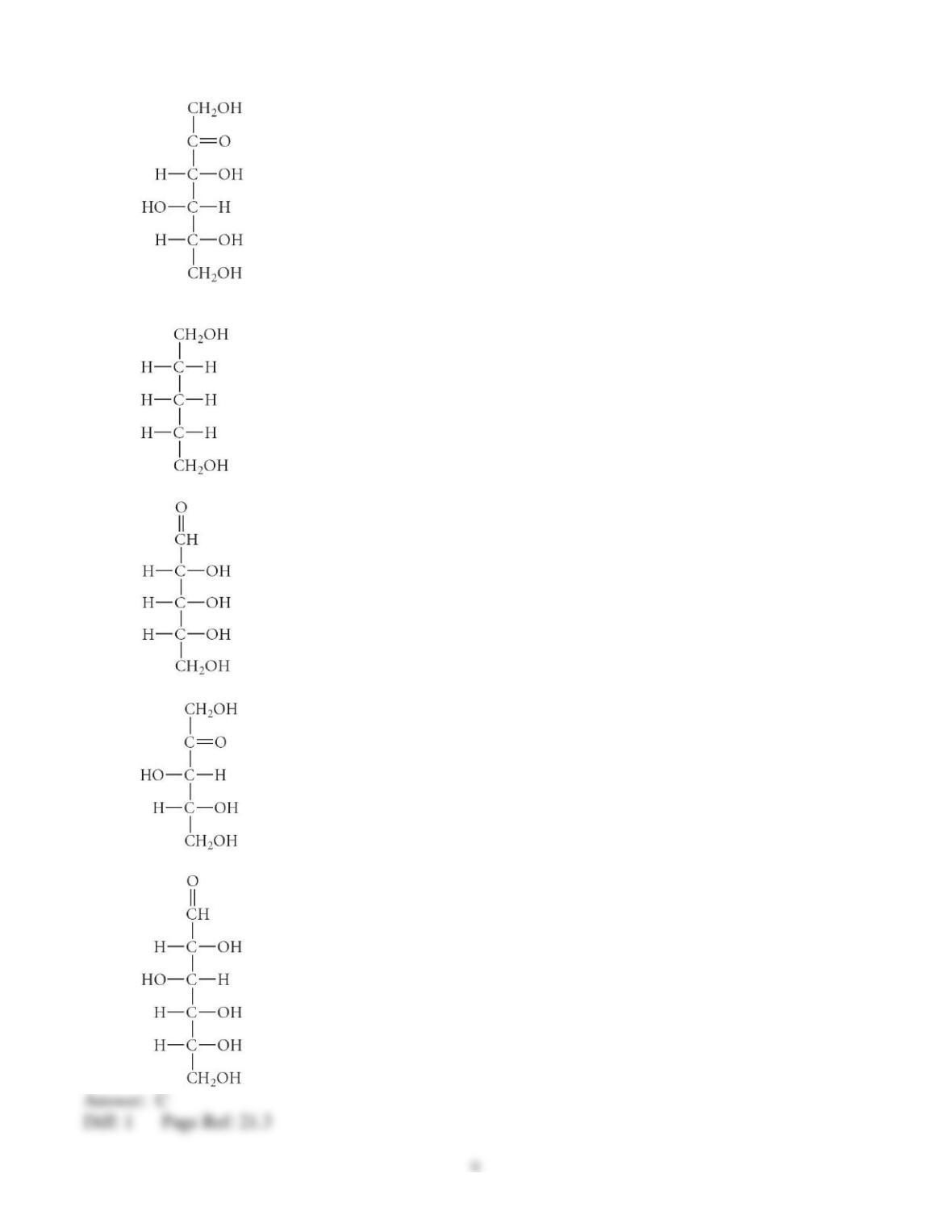
13) Which of the following is an example of an aldopentose?
A)
B)
C)
D)
E)

10
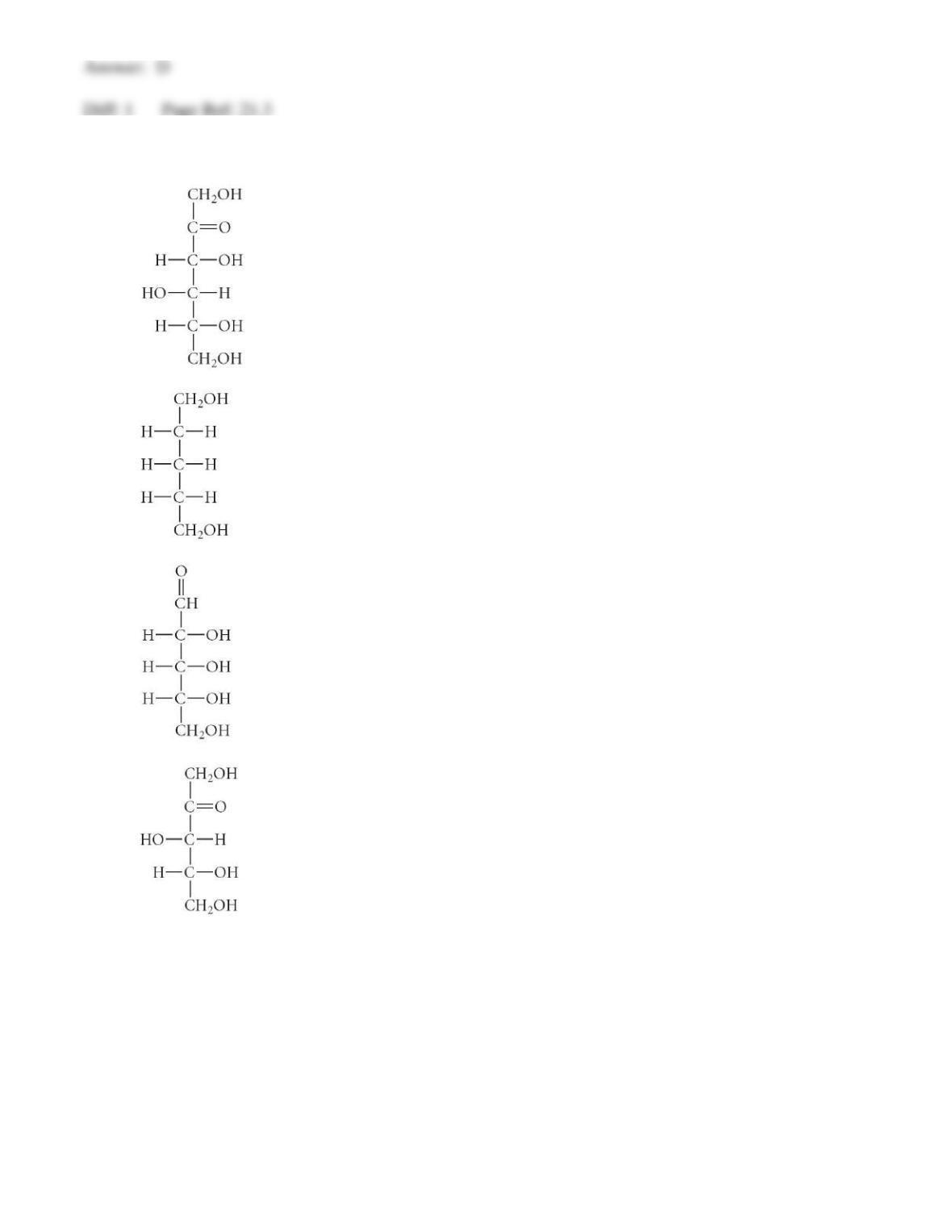
14) Which of the following is an example of a ketopentose?
A)
B)
C)
D)
E)
11
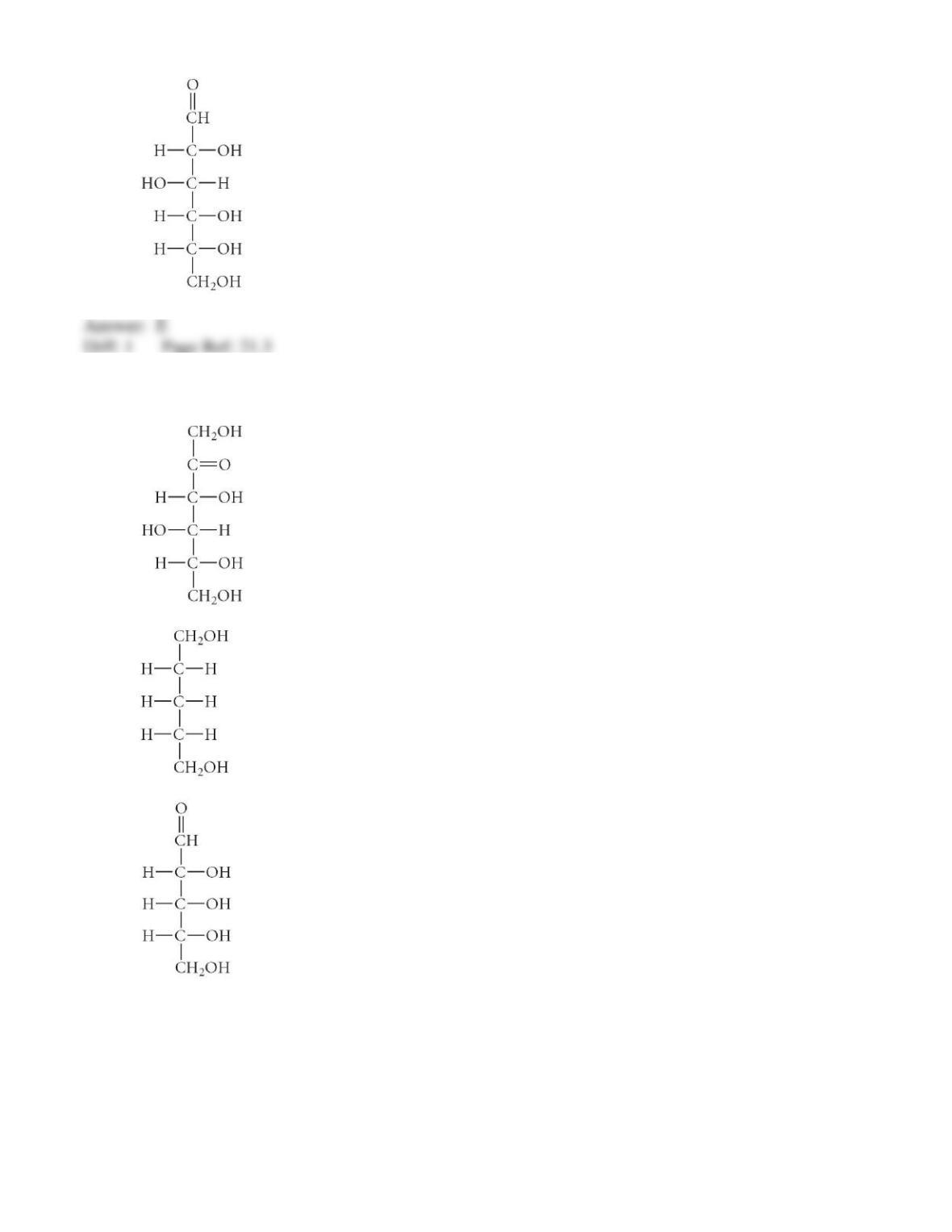
15) Which of the following is an example of an aldohexose?
A)
B)
C)
D)
12
E)
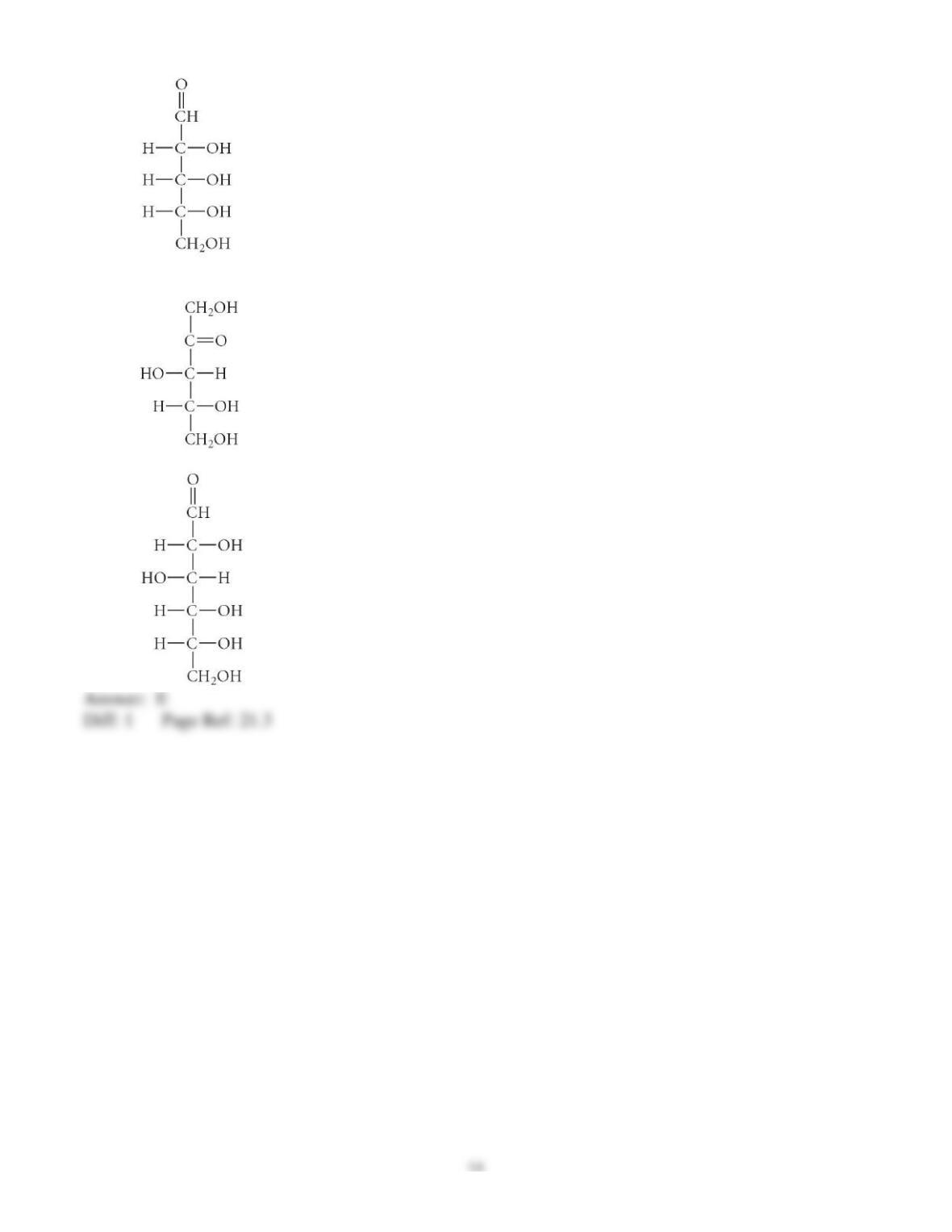
16) Which of the following is an example of a ketohexose?
A)
B)
C)

13
D)
E)
17) Identify glucose.
A)
B)
C)
D)
E)