Chemistry: A Molecular Approach, 3e (Tro)
Chapter 19 Radioactivity and Nuclear Chemistry
Multiple Choice Questions
1) Identify the scientist(s) that were awarded the Nobel Prize in physics for the discovery of
radioactivity in 1903.
A) Johannes Geiger, Marie Curie
B) Albert Einstein
C) Antoine-Henri Becquerel, Marie Curie, Pierre Curie
D) Ernest Rutherford, Johannes Geiger
E) Galileo Galilei
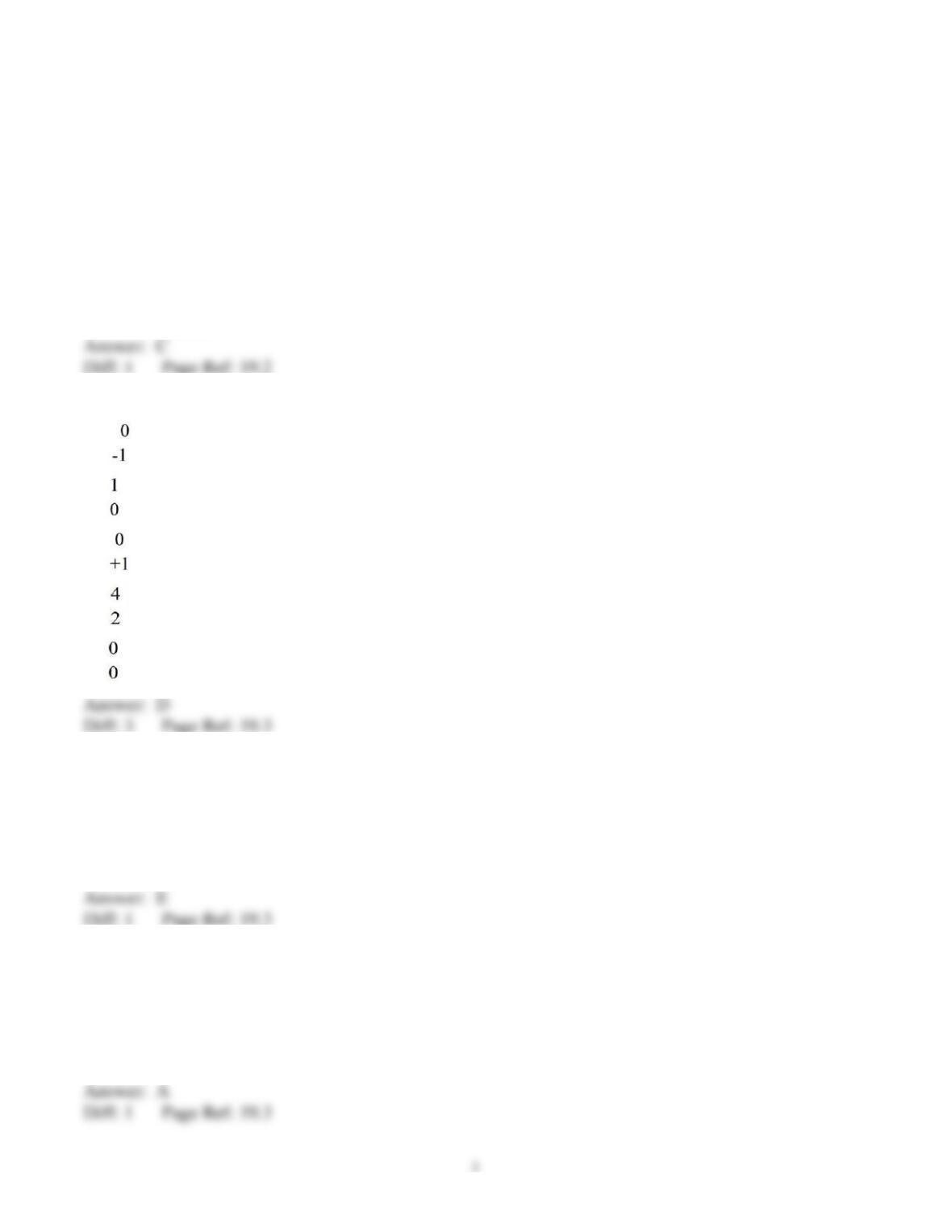
2) Identify an alpha particle.
A) e
B) n
C) e
D) He
E) γ
3) Which of the following statements is TRUE?
A) Positrons are similar in ionizing power and penetrating power to beta particles.
B) A positron is the antiparticle of the electron.
C) Beta decay occurs when a neutron changes into a proton while emitting an electron.
D) An alpha particle is a helium 2+ ion.
E) All of the above are true.
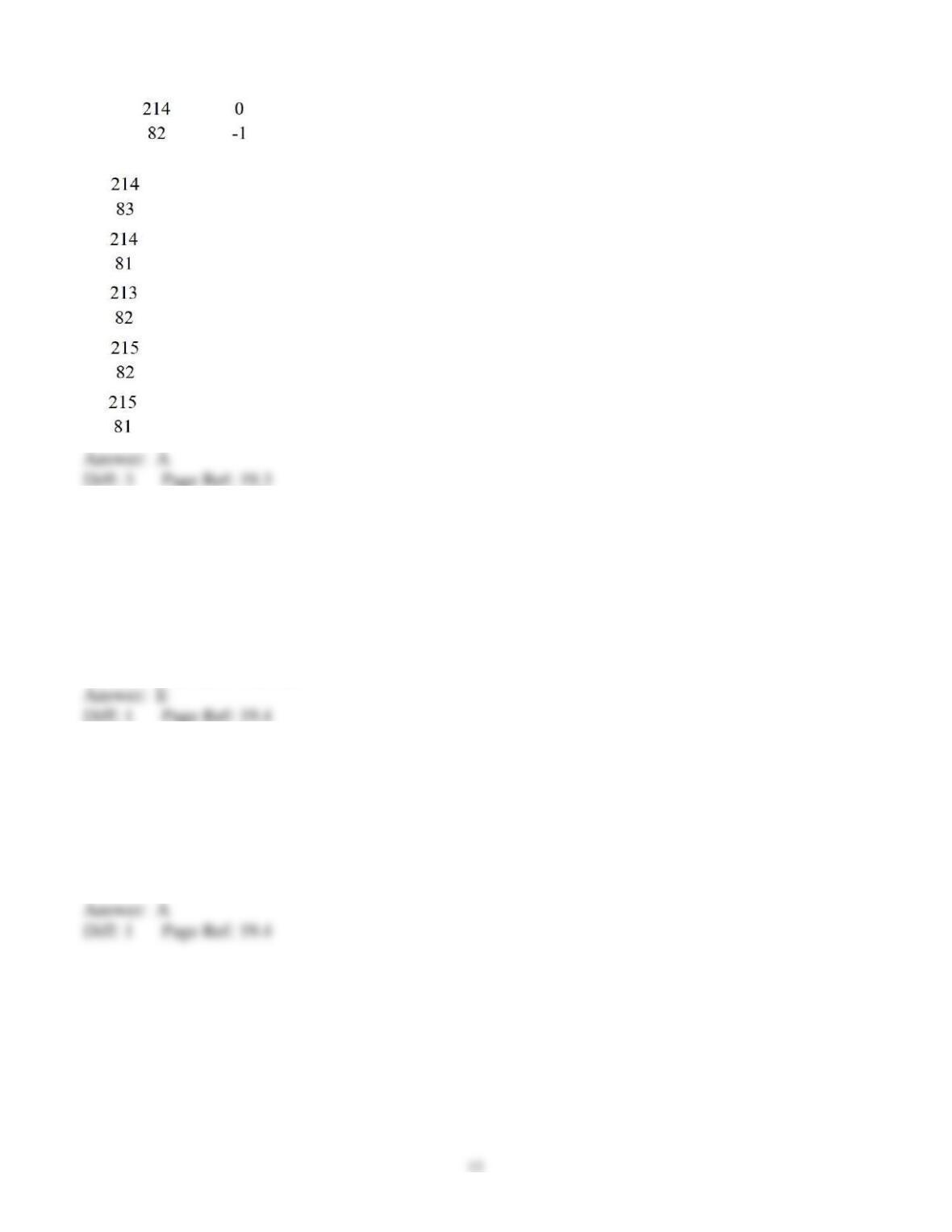
4) Which of the following statements is TRUE?
A) Gamma rays have the lowest ionizing power of any radioactivity.
B) Alpha radiation has the highest penetrating power of any radioactivity.
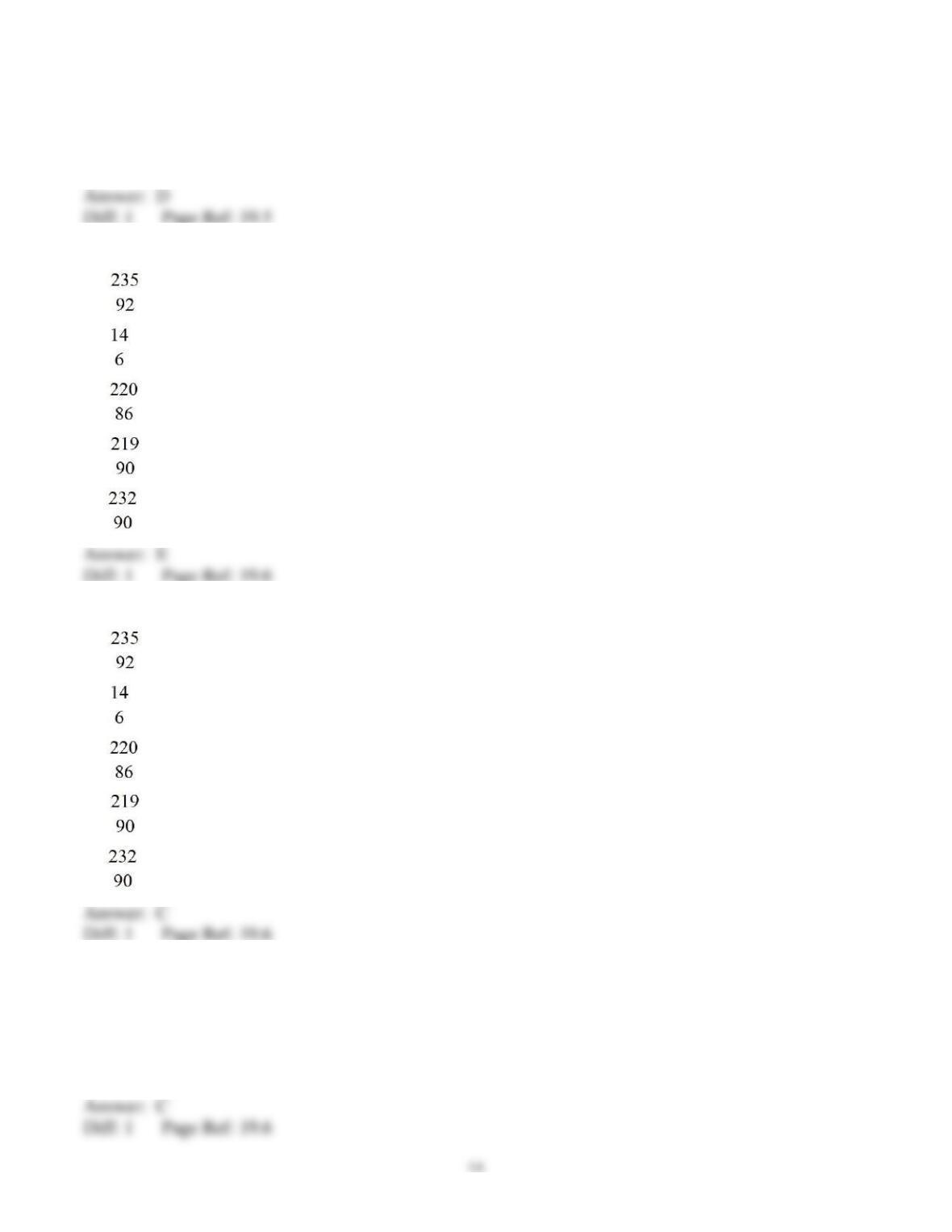
C) Beta emitters will do more damage than alpha emitters within the body.
D) Beta radiation has the highest ionizing power of any radioactivity.
E) None of the above are true.
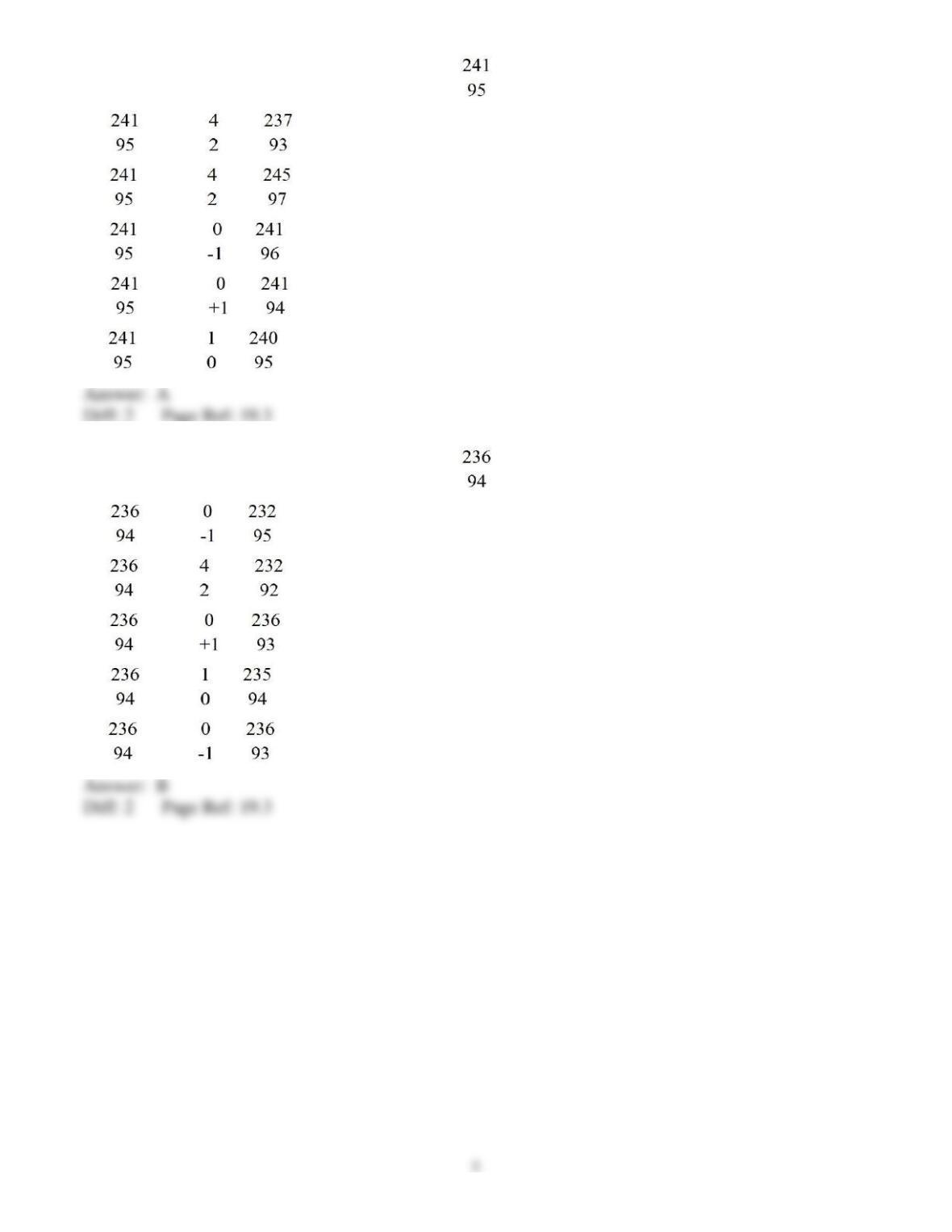
5) Write a nuclear equation for the alpha decay of Am.
A) Am → He + Np
B) Am → He + Bk
C) Am → e + Cm
D) Am → e + Pu
E) Am → n + Am
6) Write a nuclear equation for the alpha decay of Pu.
A) Pu → e + Am
B) Pu → He + U
C) Pu → e + Np
D) Pu → n + Pu
E) Pu → e + Np
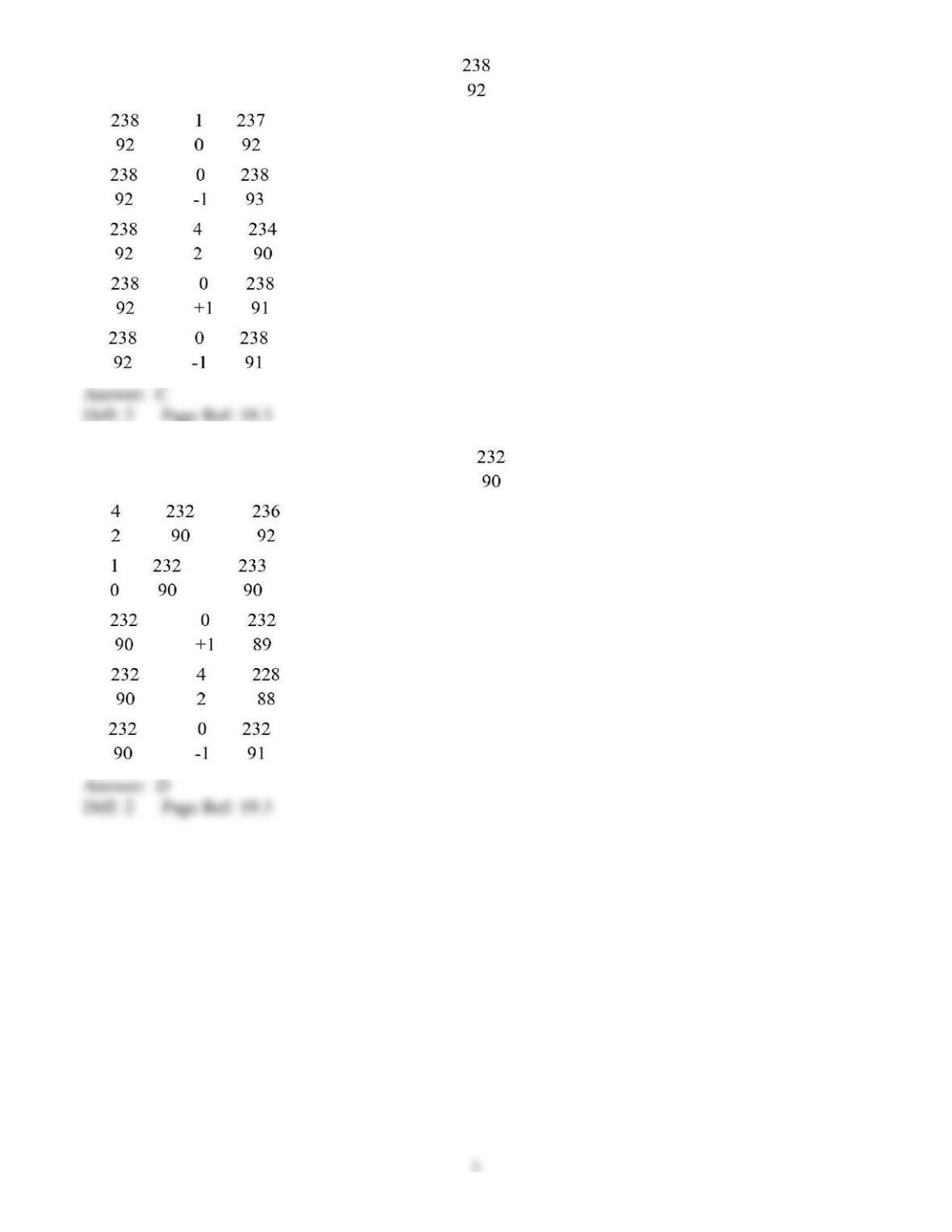
7) Write a nuclear equation for the alpha decay of U.
A) U → n + U
B) U → e + Np
C) U → He + Th
D) U → e + Pa
E) U → e + Pa
8) Write the nuclear equation for the alpha decay of Th.
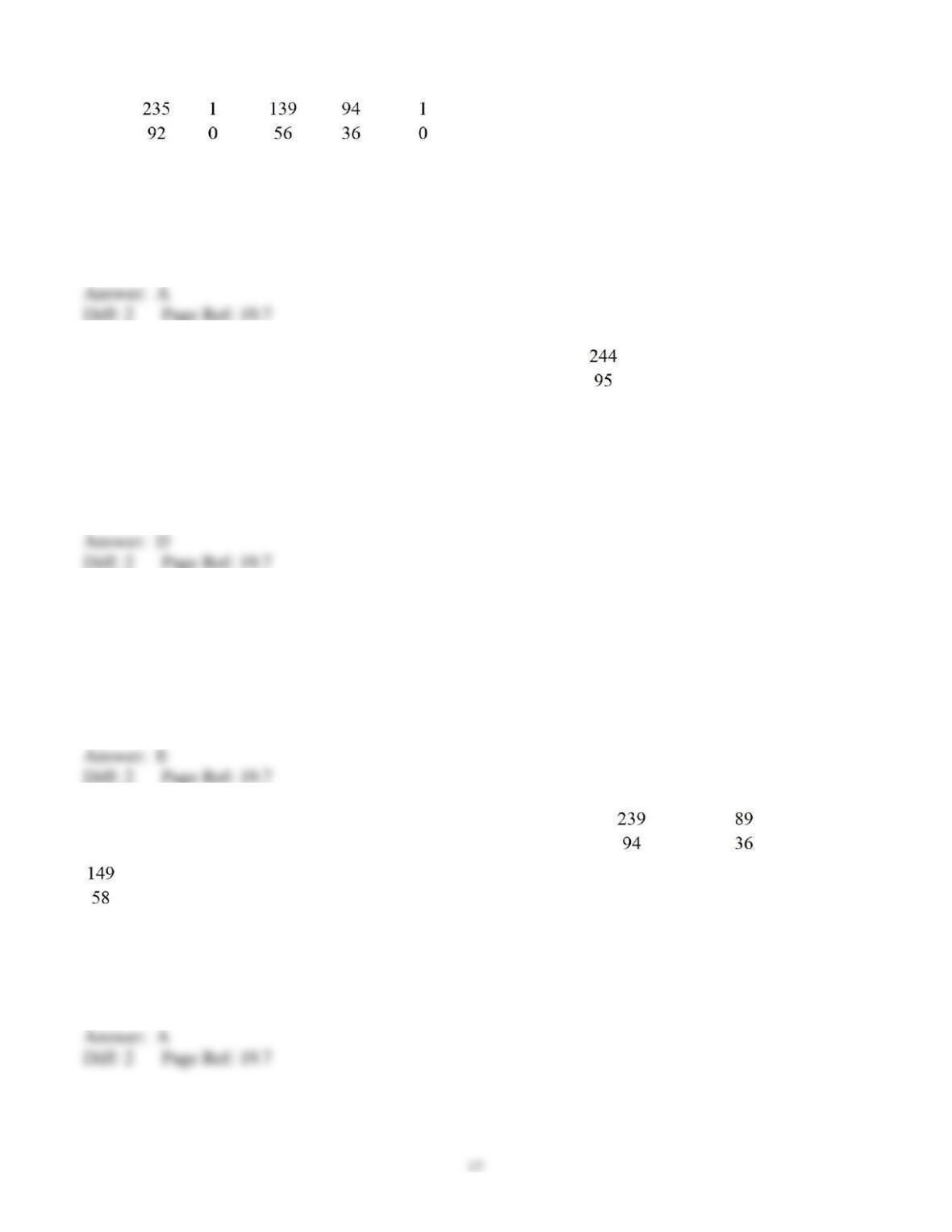
A) He + Th → U
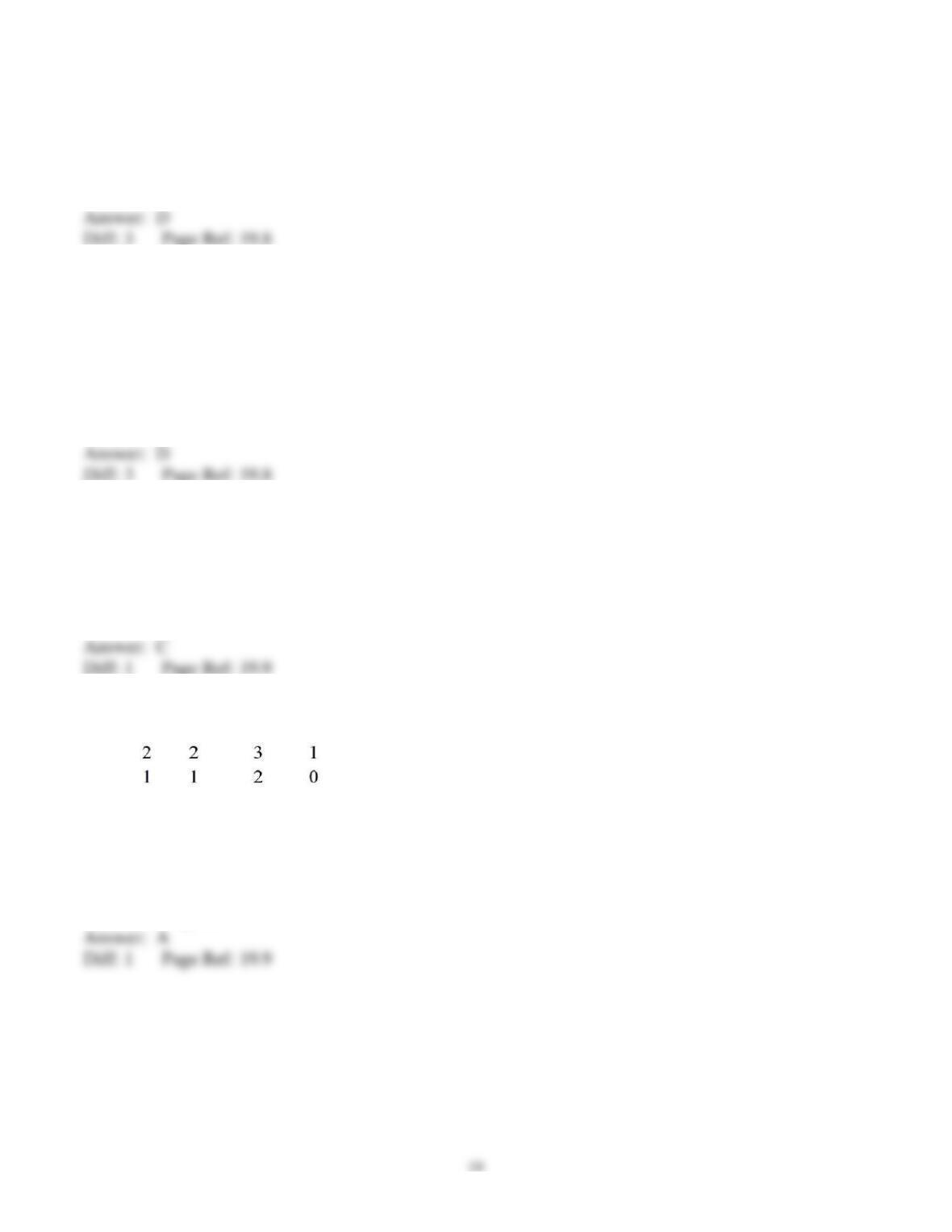
B) n + Th → Th
C) Th → e + Ac
D) Th → He + Ra
E) Th → e + Pa
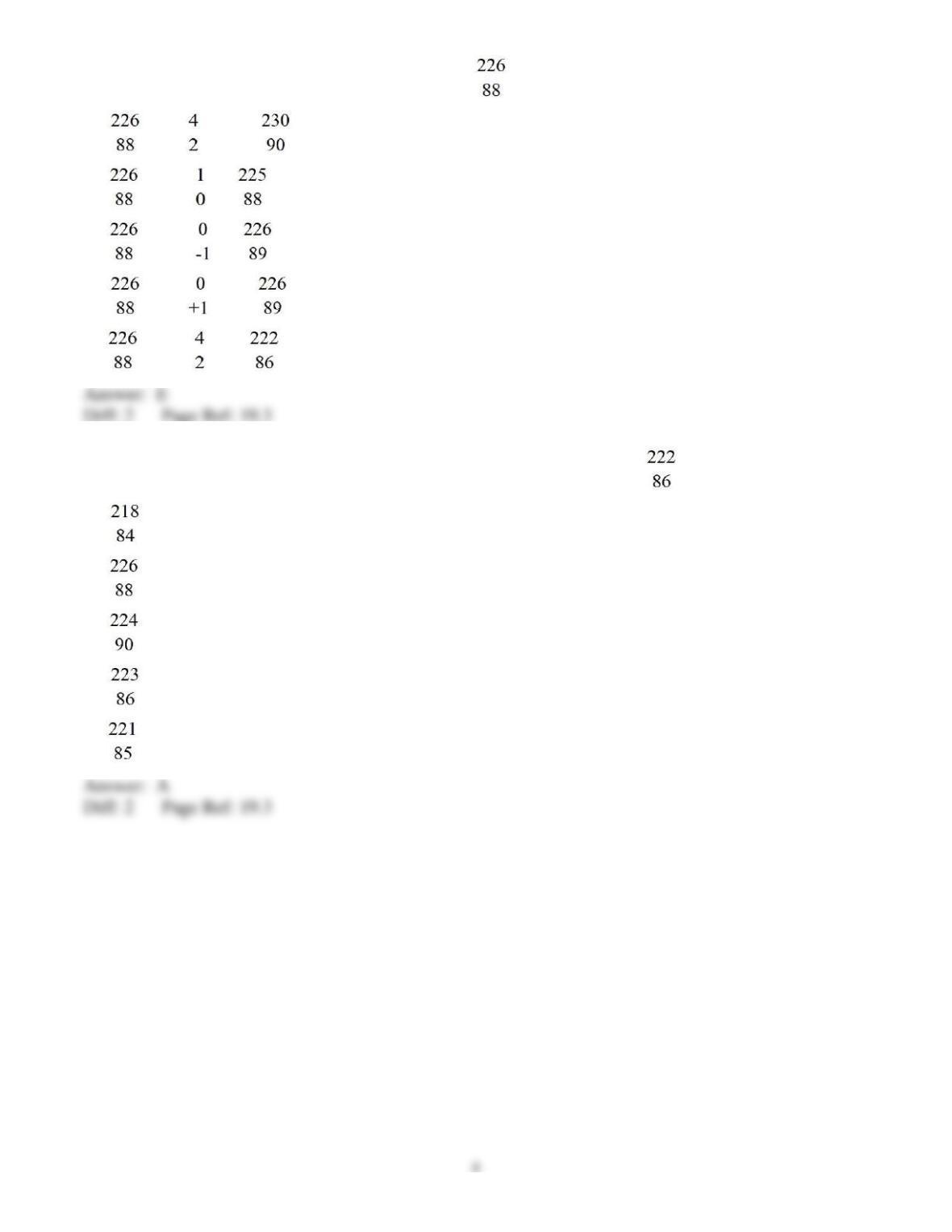
9) Write the nuclear equation for the alpha decay of Ra.
A) Ra + He → Th
B) Ra → n + Ra
C) Ra → e + Ac
D) Ra + e → Ac
E) Ra → He + Rn
10) Determine the identity of the daughter nuclide from the alpha decay of Rn.
A) Po
B) Ra
C) Th
D) Rn
E) At
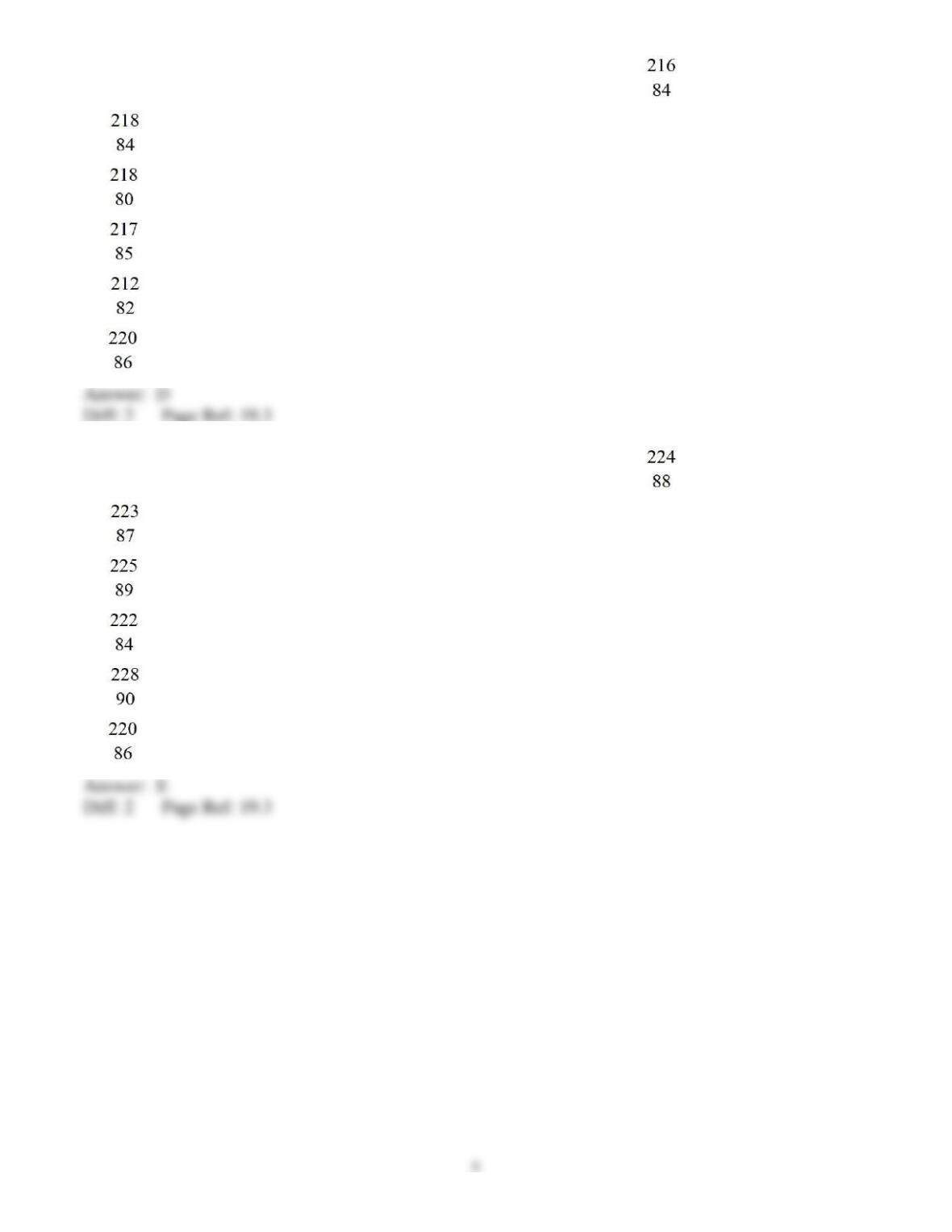
11) Determine the identity of the daughter nuclide from the alpha decay of Po.
A) Po
B) Hg
C) At
D) Pb
E) Rn
12) Determine the identity of the daughter nuclide from the alpha decay of Ra.
A) Fr
B) Ac
C) Po
D) Th
E) Rn
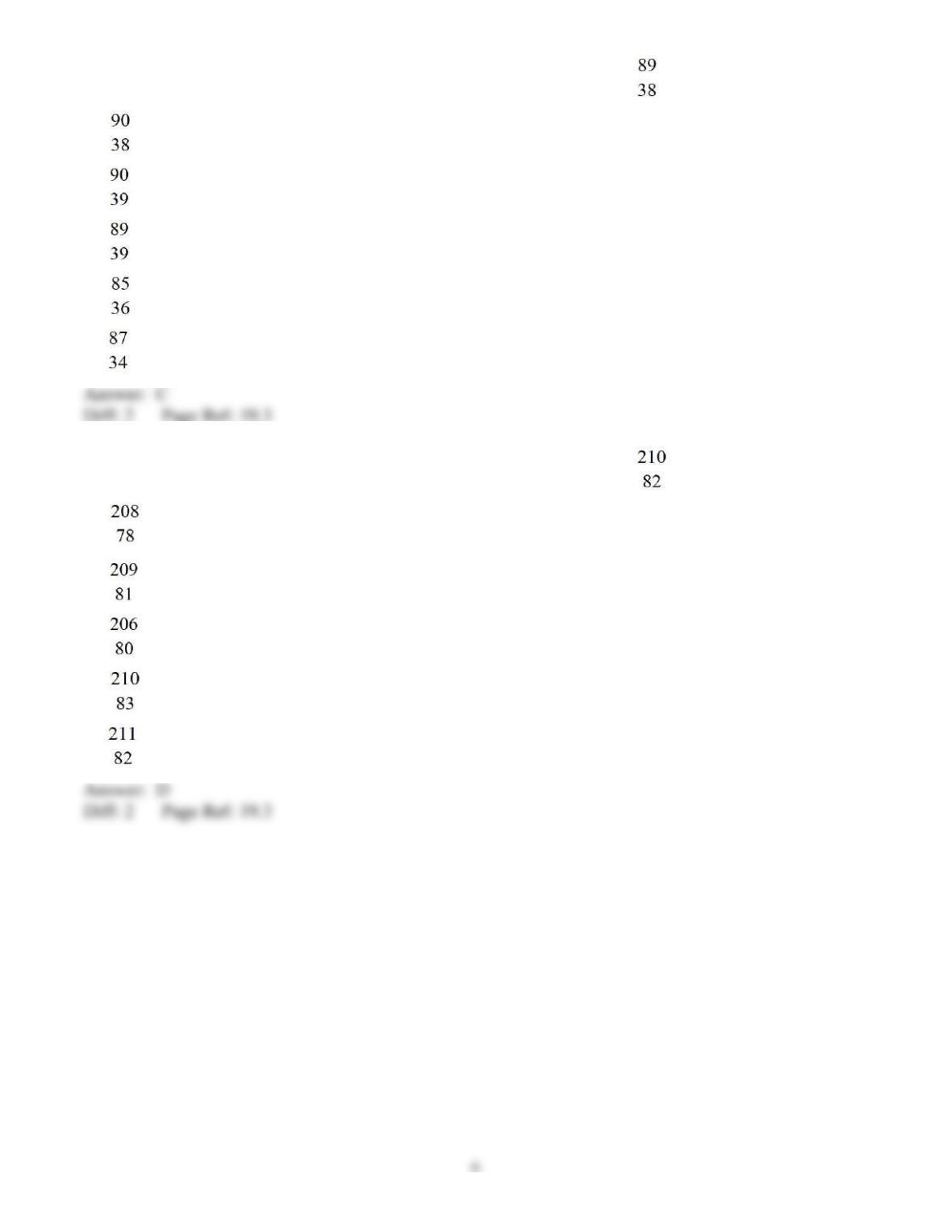
13) Determine the identity of the daughter nuclide from the beta decay of Sr.
A) Sr
B) Y
C) Y
D) Kr
E) Se
14) Determine the identity of the daughter nuclide from the beta decay of Pb.
A) Pt
B) Tl
C) Hg
D) Bi
E) Pb

15) Determine the identity of the daughter nuclide from the beta decay of Tc.
A) Ru
B) Rh
C) Nb
D) Mo
E) Ru
16) Determine the identity of the daughter nuclide from the positron emission of C.
A) B
B) N
C) C
D) B
E) N

17) Determine the identity of the daughter nuclide from the positron emission of N.
A) O
B) C
C) O
D) B
E) F
18) Determine the identity of the daughter nuclide from the positron emission of O.
A) C
B) F
C) N
D) N
E) C

19) Determine the identity of the daughter nuclide from the electron capture by Rb.
A) Kr
B) Sr
C) Br
D) Y
E) Kr
20) Determine the identity of the daughter nuclide from the electron capture by Fe.
A) Co
B) Mn
C) Co
D) Mn
E) Cr
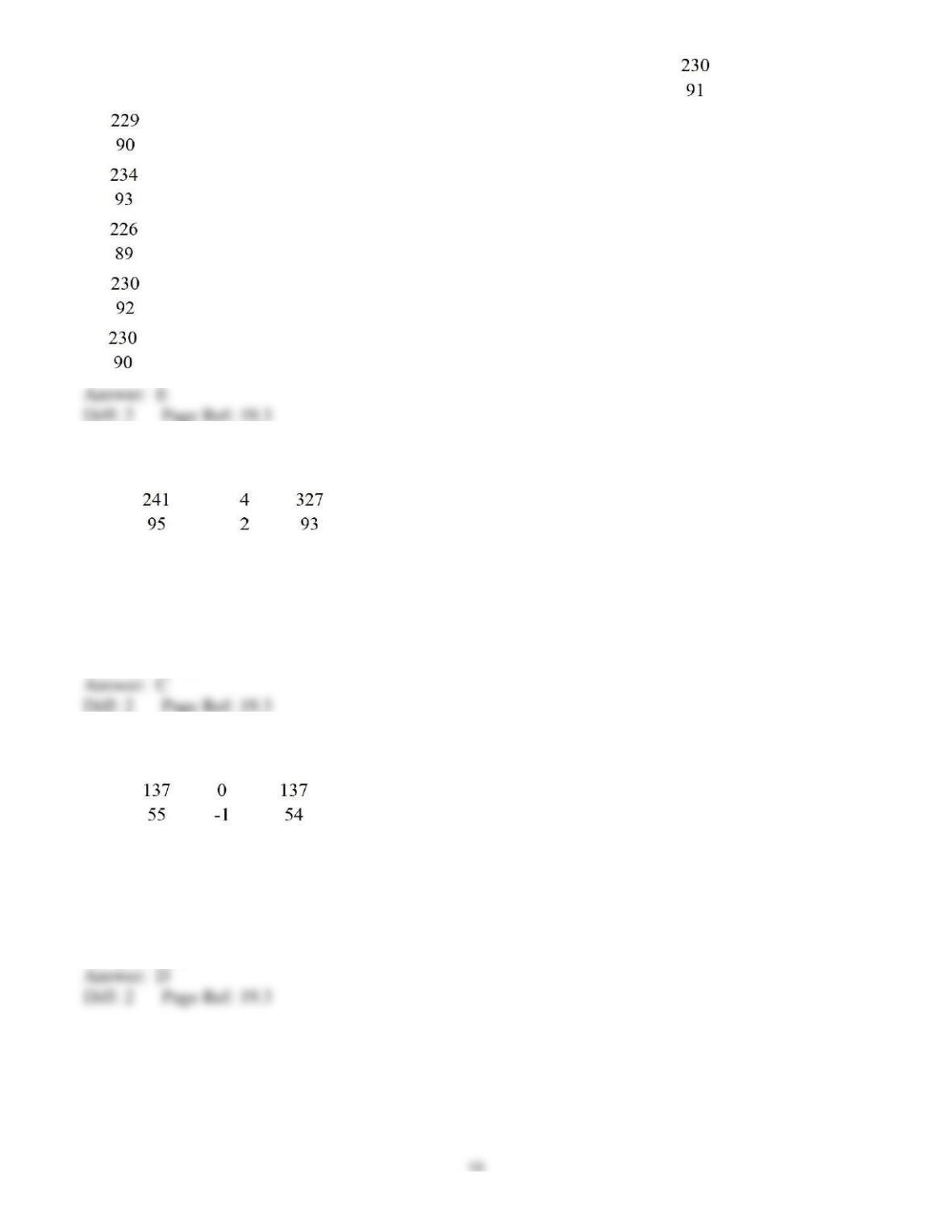
21) Determine the identity of the daughter nuclide from the electron capture by Pa.
A) Th
B) Np
C) Ac
D) U
E) Th
22) The following reaction represents what nuclear process?
Am → He + Np
A) beta emission
B) neutron bombardment
C) alpha emission
D) electron capture
E) positron emission
23) The following reaction represents what nuclear process?
Cs + e → Xe
A) beta emission
B) positron emission
C) gamma emission
D) electron capture
E) alpha capture
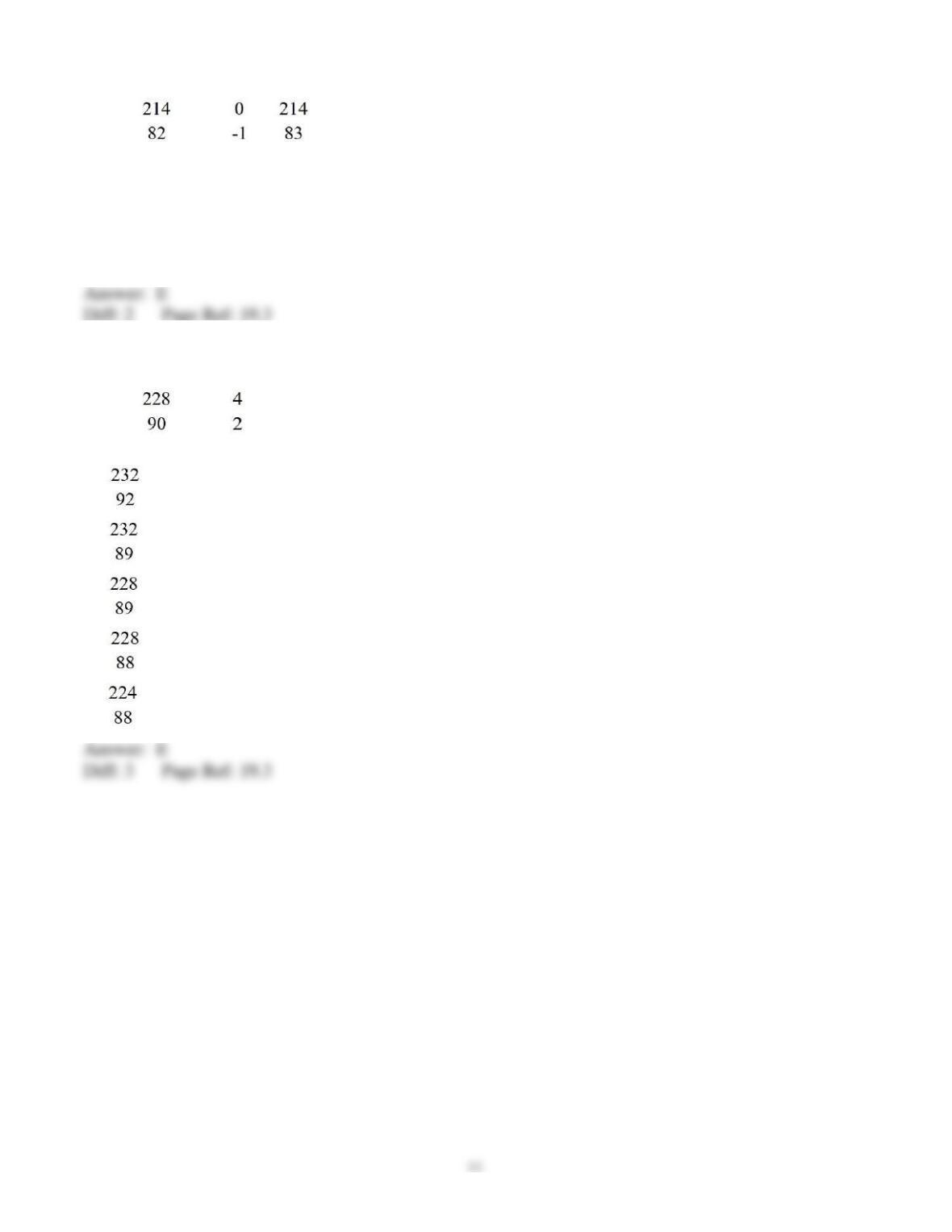
24) The following reaction represents what nuclear process?
Pb → e + Bi
A) alpha emission
B) gamma emission
C) electron capture
D) neutron bombardment
E) beta emission
25) Identify the missing particle in the following nuclear equation:
Th → He + ?
A) U
B) Ac
C) Ac
D) Ra
E) Ra
26) Identify the missing particle in the following nuclear equation:
Pb → e + ?
A) Bi
B) Tl
C) Pb
D) Pb
E) Tl
27) Which of the following statements is TRUE?
A) If N/Z ratio is too high, there are too many protons and the nuclide will undergo positron emission or
electron capture.
B) If N/Z ratio lies somewhere below 1, the nuclide is stable.
C) If N/Z ratio is too low, there are too many neutrons and the nuclide will undergo beta decay.
D) The valley of stability is the geographic location where many of the known nuclides were first
discovered.
E) None of the above are true.
28) Nuclides above the valley of stability can become more stable through which of the following
processes?
A) beta emission
B) positron emission
C) gamma emission
D) electron capture
E) neutron bombardment
29) Nuclides below the valley of stability can become more stable through which of the following
processes?
A) gamma emission
B) beta emission
C) positron emission
D) neutron emission
E) neutron bombardment
30) Which of the following nuclides are most likely to decay via beta decay?
A) I-131
B) Ar-40
C) F-18
D) Zr-90
E) Pb-206
31) Which of the following nuclides are most likely to decay via beta decay?
A) I-126
B) Al-24
C) N-13
D) Cs-137
E) Na-20
32) Which of the following nuclides are most likely to decay via positron emission?
A) Cs-137
B) I-131
C) Al-24
D) K-42
E) N-14
33) Which of the following nuclides are most likely to decay via positron emission?
A) Na-26
B) I-121
C) Ca-42
D) S-30
E) Sb-122
34) Identify the instrument(s) used to detect radiation.
A) film-badge dosimeter
B) Geiger-Muller counter
C) scintillation counter
D) all of the above
E) none of the above
35) Identify the nuclide that has the longest half-life.
A) U
B) C
C) Rn
D) Th
E) Th
36) Identify the nuclide that has the shortest half-life.
A) U
B) C
C) Rn
D) Th
E) Th
37) Identify the technique used to predict the age of the Shroud of Turin.
A) uranium-238 to lead-206
B) potassium-40 to argon-40
C) carbon-14 to nitrogen-14
D) none of the above
E) all of the above
38) Identify the elements used in radiometric dating.
A) carbon-14 to nitrogen-14
B) uranium-238 to lead-206
C) potassium-40 to argon-40
D) none of the above
E) all of the above
39) Fluorine-18 undergoes positron emission with a half-life of 1.10 x 10² minutes. If a patient is given
a 248 mg dose for a PET scan, how long will it take for the amount of fluorine-18 to drop to 83 mg?
(Assume that none of the fluorine is excreted from the body.)
A) 99 minutes
B) 1.74 × 10² minutes
C) 1.32 × 10² minutes
D) 3.00 × 10² minutes
E) 2.11 × 10² minutes
40) The age of an ancient tree trunk is estimated using radiocarbon dating. If the trunk has a C-14 decay
rate that is 34% of what it is in living plants, how old is the trunk? The half-life of C-14 is 5730 years.
A) 2.92 × 10⁴ years
B) 1.94 × 10⁴ years
C) 8.92 × 10³ years
D) 5.31 × 10³ years
E) 1.74 × 10² years
41) An archaeologist graduate student found a leg bone of a large animal during the building of a new
science building. The bone had a carbon-14 decay rate of 14.8 disintegrations per minute per gram of
carbon. Living organisms have a decay rate of 15.3 disintegrations per minute. How old is the bone?
A) 53.3 years
B) 275 years
C) 111 years
D) 25 years
E) 83 years
42) The nuclide As-76 has a half-life of 26.0 hours. If a sample of As-76 weighs 344 g, what mass of
As-76 remains after 538 minutes?
A) 67.8 g
B) 271 g
C) 144 g
D) 437 g
E) 251 g
43) A geological sample is found to have a Pb-206/U-238 mass ratio of 0.337/1.00. Assuming there was
no Pb-206 present when the sample was formed, how old is it? The half-life of U-238 is 4.5 × 10⁹
years.
A) 7.3 × 10¹¹ years
B) 1.4 × 10¹⁰ years
C) 2.4 × 10¹⁰ years
D) 2.1 × 10⁹ years
E) 7.1 × 10⁹ years
44) The splitting of a heavy nucleus to form two or more lighter ones is called ________.
A) radioactive cleavage
B) nuclear fission
C) nuclear fusion
D) radioactive merge
E) half life
45) The splitting of the uranium atom is an example of ________.
A) radioactive cleavage
B) nuclear fission
C) nuclear fusion
D) radioactive merge
E) half life
46) Give the goal of the Manhattan project.
A) to build an hydrogen bomb
B) to build the first particle accelerator at Cornell
C) to build an atomic bomb
D) to build the first nuclear reactor to generate electricity for Manhattan
E) to set up the electrification of Manhattan using DC current
47) The following reaction represents what nuclear process?
U + n → Ba + Kr + 3 n
A) nuclear fission
B) nuclear fusion
C) electron capture
D) alpha decay
E) beta emission
48) Write a nuclear equation to describe the spontaneous fission of Am to form I-134 and Mo-107.
Determine how many neutrons are produced in the reaction.
A) 0
B) 1
C) 2
D) 3
E) 4
49) Write a nuclear equation to describe the neutron induced fission of U-235 to form Xe-134 and Sr-
100. Determine how many neutrons are produced in the reaction.
A) 4
B) 3
C) 1
D) 0
E) 2
50) Write a nuclear equation to describe the neutron induced fission of Pu to form Kr and
Ce. Determine how many neutrons are produced in the reaction.
A) 2
B) 0
C) 3
D) 1
E) 4
18
51) Define mass defect.
A) the difference in mass between an atom and the sum of its separate components
B) an atom with too many neutrons
C) the difference in mass between a radioactive atom and a nonradioactive atom
D) energy released in a radioactive reaction
E) energy absorbed in a radioactive reaction
52) Calculate the mass defect in Fe-56 if the mass of an Fe-56 nucleus is 55.921 amu. The mass of a
proton is 1.00728 amu and the mass of a neutron is 1.008665 amu.
A) 0.528 amu
B) 3.507 amu
C) 0.564 amu
D) 1.056 amu
E) 0.079 amu
53) Calculate the mass defect in Mo-96 if the mass of a Mo-96 nucleus is 95.962 amu. The mass of a
proton is 1.00728 amu and the mass of a neutron is 1.008665 amu.
A) 0.197 amu
B) 0.795 amu
C) 0.212 amu
D) 0.812 amu
E) 0.188 amu
54) Calculate the mass defect in Ni-59 if the mass of a Ni-59 nucleus is 58.69344 amu. The mass of a
proton is 1.00728 amu and the mass of a neutron is 1.008665 amu.
A) 0.232 amu
B) 0.779 amu
C) 0.230 amu
D) 0.775 amu
E) 0.221 amu
55) Determine the binding energy of an O-16 nucleus. The O-16 nucleus has a mass of 15.9905 amu. A
proton has a mass of 1.00728 amu, a neutron has a mass of 1.008665 amu, and 1 amu is equivalent to
931 MeV of energy.
A) 8.84 MeV
B) 128 MeV
C) 138 MeV
D) 78.1 MeV
E) 38.2 MeV
56) Determine the binding energy of an F-19 nucleus. The F-19 nucleus has a mass of 18.99840325
amu. A proton has a mass of 1.00728 amu, a neutron has a mass of 1.008665 amu, and 1 amu is
equivalent to 931 MeV of energy.
A) 142 MeV
B) 796 MeV
C) 1080 MeV
D) 143 MeV
E) 145 MeV
57) Determine the binding energy per nucleon of an Mg-24 nucleus. The Mg-24 nucleus has a mass of
24.30506. A proton has a mass of 1.00728 amu, a neutron has a mass of 1.008665 amu, and 1 amu is
equivalent to 931 MeV of energy.
A) 0.3050 MeV
B) 8.83 MeV
C) 0.113 MeV
D) 106 MeV
E) 4.41 MeV
58) The combination of two light nuclei to form a heavier nuclei is called ________.
A) radioactive cleavage
B) nuclear fission
C) nuclear fusion
D) radioactive merge
E) half life
59) The following reaction represents what nuclear process?
H + H → He + n
A) nuclear fusion
B) alpha emission
C) beta emission
D) nuclear fission
E) neutron capture