
Chapter 17 – Biotechnology
Clarify Question
•
What is the key concept addressed by the question?
•
What type of thinking is required?
•
What key words does the question contain and what do they mean?
Gather Content
•
What do you already know about restriction enzymes?
Consider Possibilities
•
Consider the different answer options. Which can you rule out?
Choose Answer
•
Given what you now know, what information and/or problem solving approach is most
likely to produce the correct answer?

Chapter 17 – Biotechnology
Reflect on Process
•
Did your problem-solving process lead you to the correct answer? If not, where did the
process break down or lead you astray? How can you revise your approach to produce a
more desirable result?
Chapter 17 – Biotechnology
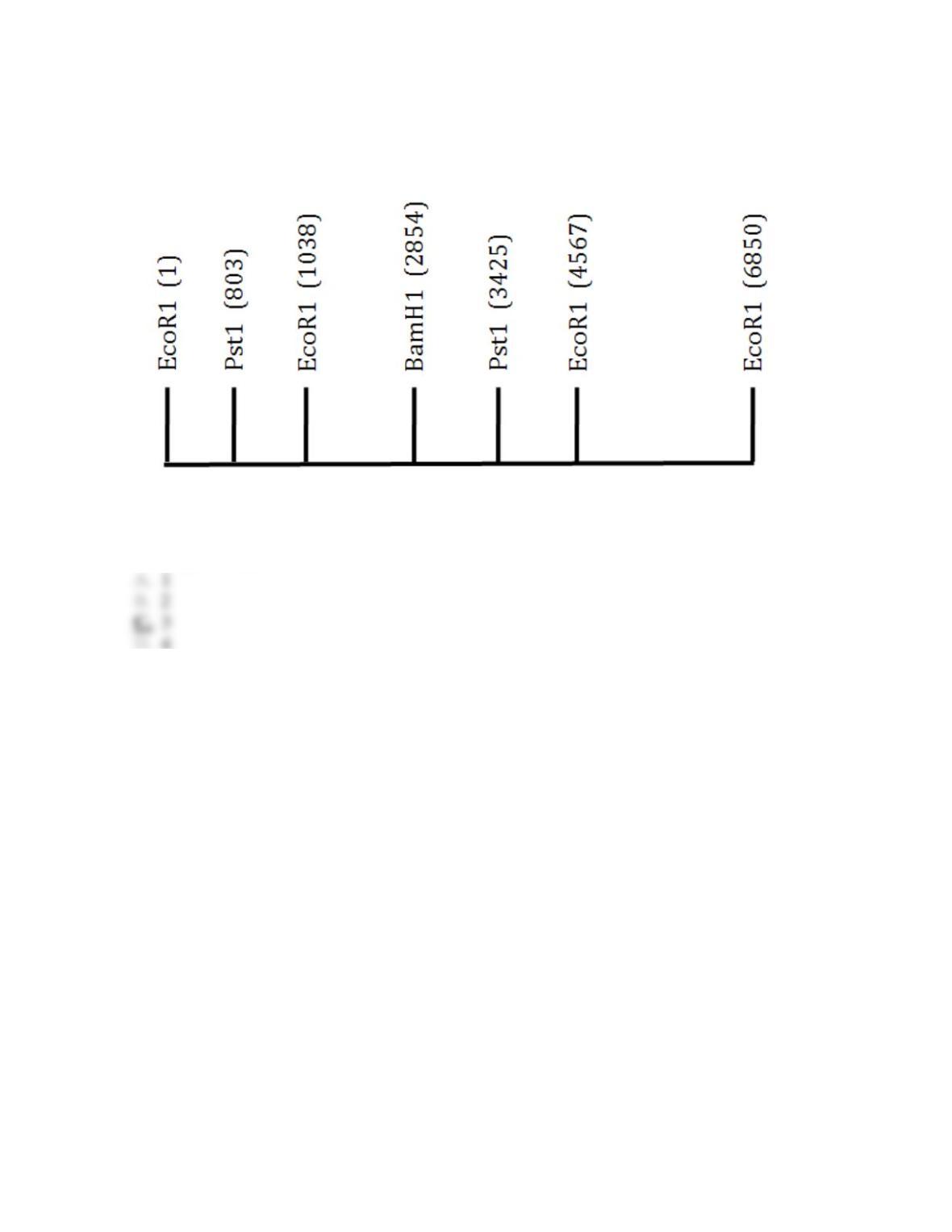
31. A 6.85 kb EcoRI fragment of DNA is shown below. The location of several restriction
sites is indicated. Scale is approximate.
If you were to completely digest this fragment of DNA with PstI, how many pieces of DNA
would you obtain?
Chapter 17 – Biotechnology
Clarify Question
•
What is the key concept addressed by the question?
o This question addresses restriction enzymes.
•
What type of thinking is required?
the problem and determine the answer.
Gather Content
•
What do you already know about restriction enzymes?
Consider Possibilities
•
What other information is related to the question? Which information is most useful?
Choose Answer
•
Given what you now know, what information and/or problem solving approach is most
likely to produce the correct answer?
Reflect on Process
•
Did your problem-solving process lead you to the correct answer? If not, where did the
process break down or lead you astray? How can you revise your approach to produce a
more desirable result?

Chapter 17 – Biotechnology
Chapter 17 – Biotechnology
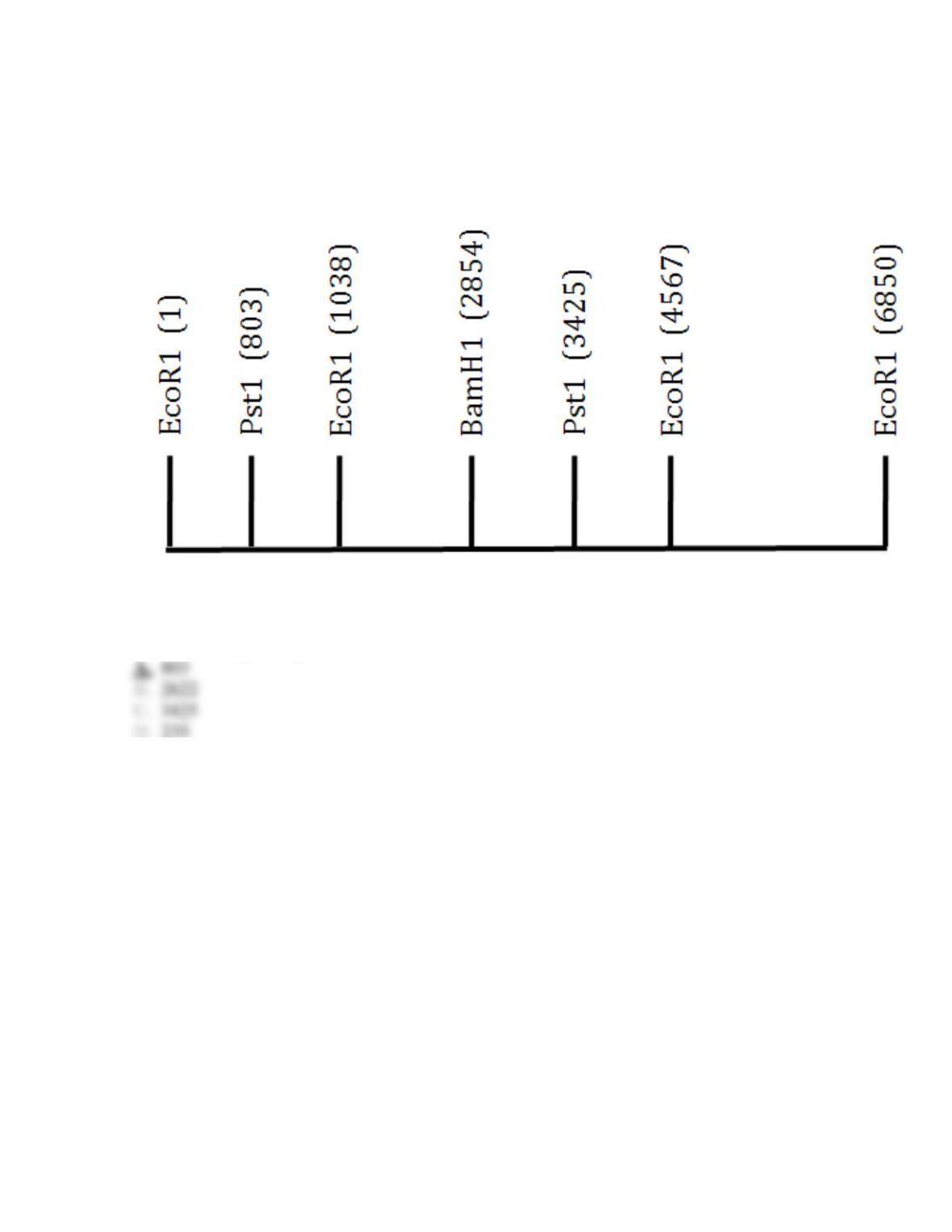
32. A 6.85 kb EcoRI fragment of DNA is shown below. The location of several restriction
sites is indicated. Scale is approximate.
If you were to digest this DNA with PstI, which length of DNA fragment would migrate the
fastest on an agarose gel?
Chapter 17 – Biotechnology
Clarify Question
•
What is the key concept addressed by the question?
•
What type of thinking is required?
•
What key words does the question contain and what do they mean?
Gather Content
•
What do you already know about restriction enzymes?
Consider Possibilities
•
What other information is related to the question? Which information is most useful?
Choose Answer
•
Given what you now know, what information and/or problem solving approach is most
likely to produce the correct answer?
Reflect on Process
•
Did your problem-solving process lead you to the correct answer? If not, where did the

Chapter 17 – Biotechnology
process break down or lead you astray? How can you revise your approach to produce a
more desirable result?
33. You are the scientific consultant for a television show about forensic analysis. In an
upcoming episode, investigators will compare the DNA of a suspect and a DNA sample
collected from the victim’s fingernails. You are to write up a brief explanation of the
technique required for comparing the DNA. Which technique should you explain?

Chapter 17 – Biotechnology
Clarify Question
•
What is the key concept addressed by the question?
•
What type of thinking is required?
•
What key words does the question contain and what do they mean?
Gather Content
•
What do you already know about molecular techniques?
Consider Possibilities
•
Consider the different answer options. Which can you rule out?
Choose Answer
•
Given what you now know, what information and/or problem solving approach is most
likely to produce the correct answer?
Reflect on Process
•
Did your problem-solving process lead you to the correct answer? If not, where did the
process break down or lead you astray? How can you revise your approach to produce a
more desirable result?

Chapter 17 – Biotechnology
34. Which of the following types of information would be most useful in an effort to move a
DNA fragment from one plasmid vector to another, using molecular cloning techniques?

Chapter 17 – Biotechnology
Clarify Question
•
What is the key concept addressed by the question?
•
What type of thinking is required?
•
What key words does the question contain and what do they mean?
Gather Content
•
What do you already know about molecular cloning techniques?
Consider Possibilities
•
Consider the different answer options. Which can you rule out?
Choose Answer
•
Given what you now know, what information and/or problem solving approach is most
likely to produce the correct answer?
Reflect on Process
•
Did your problem-solving process lead you to the correct answer? If not, where did the
process break down or lead you astray? How can you revise your approach to produce a
more desirable result?

Chapter 17 – Biotechnology
35. Which of the following two enzymes are needed to construct a cDNA library?

Chapter 17 – Biotechnology
Clarify Question
•
What is the key concept addressed by the question?
•
What type of thinking is required?
•
What key words does the question contain and what do they mean?
Gather Content
•
What do you already know about DNA libraries?
Consider Possibilities
•
Consider the different answer options. Which can you rule out?
Choose Answer
•
Given what you now know, what information and/or problem solving approach is most
likely to produce the correct answer?
Reflect on Process
•
Did your problem-solving process lead you to the correct answer? If not, where did the
process break down or lead you astray? How can you revise your approach to produce a
more desirable result?

Chapter 17 – Biotechnology
Check All That Apply Questions
36. Select the experiments that can be characterized as reverse genetics: (check all that
apply)
37. Both DNA replication and PCR require: (check all that apply)
Multiple Choice Questions
38. Investigators have found a new species bacteria that lives under both aerobic and
anaerobic conditions. They hypothesize that different genes are expressed in each condition.
What experiment could test this hypothesis and identify important genes?

Chapter 17 – Biotechnology
Clarify Question
•
What is the key concept addressed by the question?
•
What type of thinking is required?
unfamiliar situation.
o Aerobic and anaerobic conditions refer to conditions with or without oxygen.
Gather Content
•
What do you already know about gene expression?
Consider Possibilities
•
Consider the different answer options. Which can you rule out?
Choose Answer
•
Given what you now know, what information and/or problem solving approach is most
likely to produce the correct answer?
Reflect on Process
•
Did your problem-solving process lead you to the correct answer? If not, where did the
process break down or lead you astray? How can you revise your approach to produce a
more desirable result?

Chapter 17 – Biotechnology
39. Three scientists are using different forms of PCR for their research. Abby wants to
determine changes in gene expression levels in a tissue, so she uses ______. Bob is trying to
extract genetic information from a wooly mammoth fossil, so he uses ______. Chris needs to
express a gene in bacteria that matches the form expressed in kidney cells, so she uses
______.
Chapter 17 – Biotechnology
Clarify Question
•
What is the key concept addressed by the question?
•
What type of thinking is required?
Gather Content
•
What do you already know about PCR techniques?
Choose Answer
•
Given what you now know, what information and/or problem solving approach is most
likely to produce the correct answer?
Reflect on Process
•
Did your problem-solving process lead you to the correct answer? If not, where did the
process break down or lead you astray? How can you revise your approach to produce a
more desirable result?