500 ♦ Chapter 10
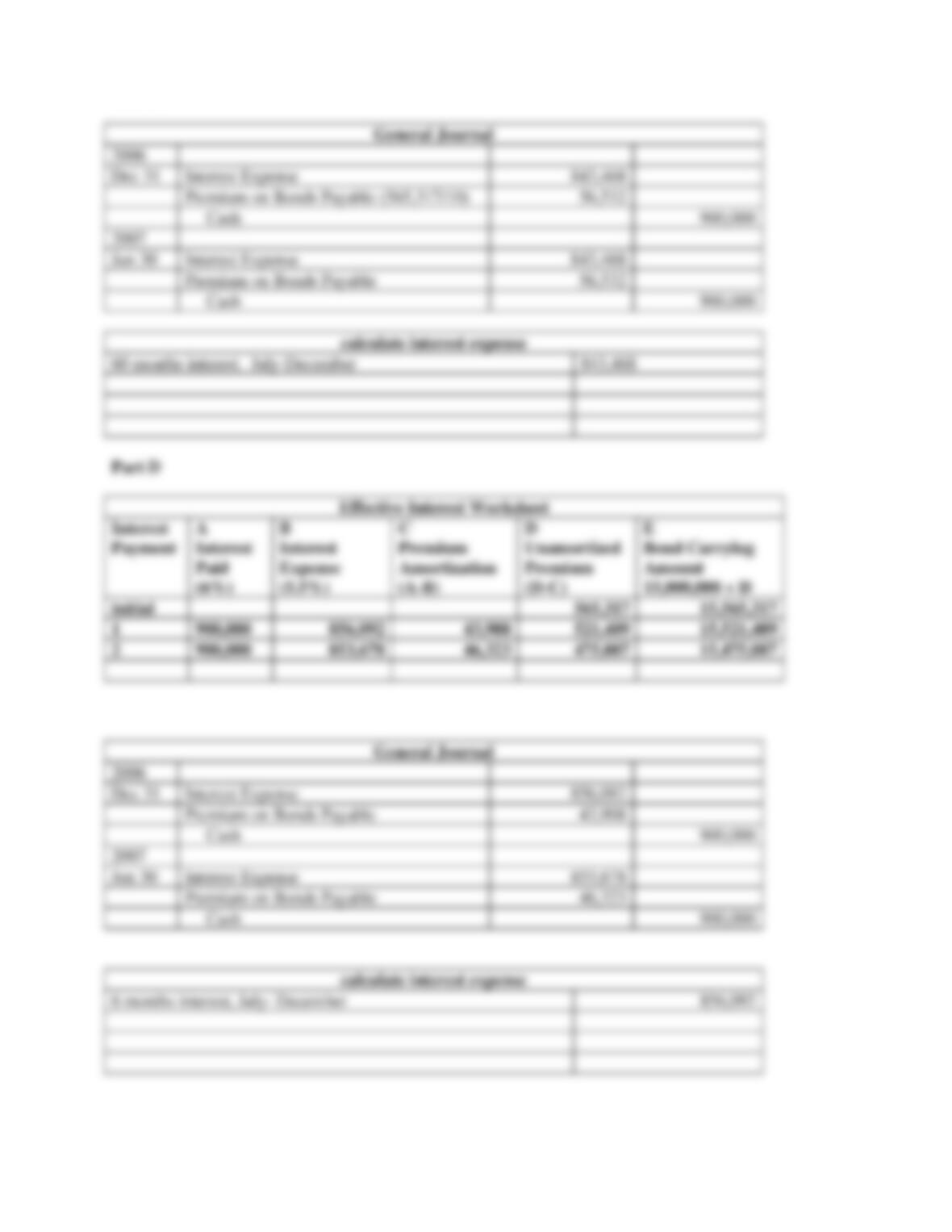
Part C
Liabilities ♦ 501
15. Paddlewheel, Inc. produces and sells specialized paddles to equipment producers. On July 1, 2006,
Paddlewheel, Inc. issued $5,000,000 of 5-year, 13% bonds priced to yield an effective interest rate
of 12%. Interest on the bonds is payable semiannually on December 31 and June 30. The fiscal
year of the company is the calendar year.
The following are excerpts from the present value tables.
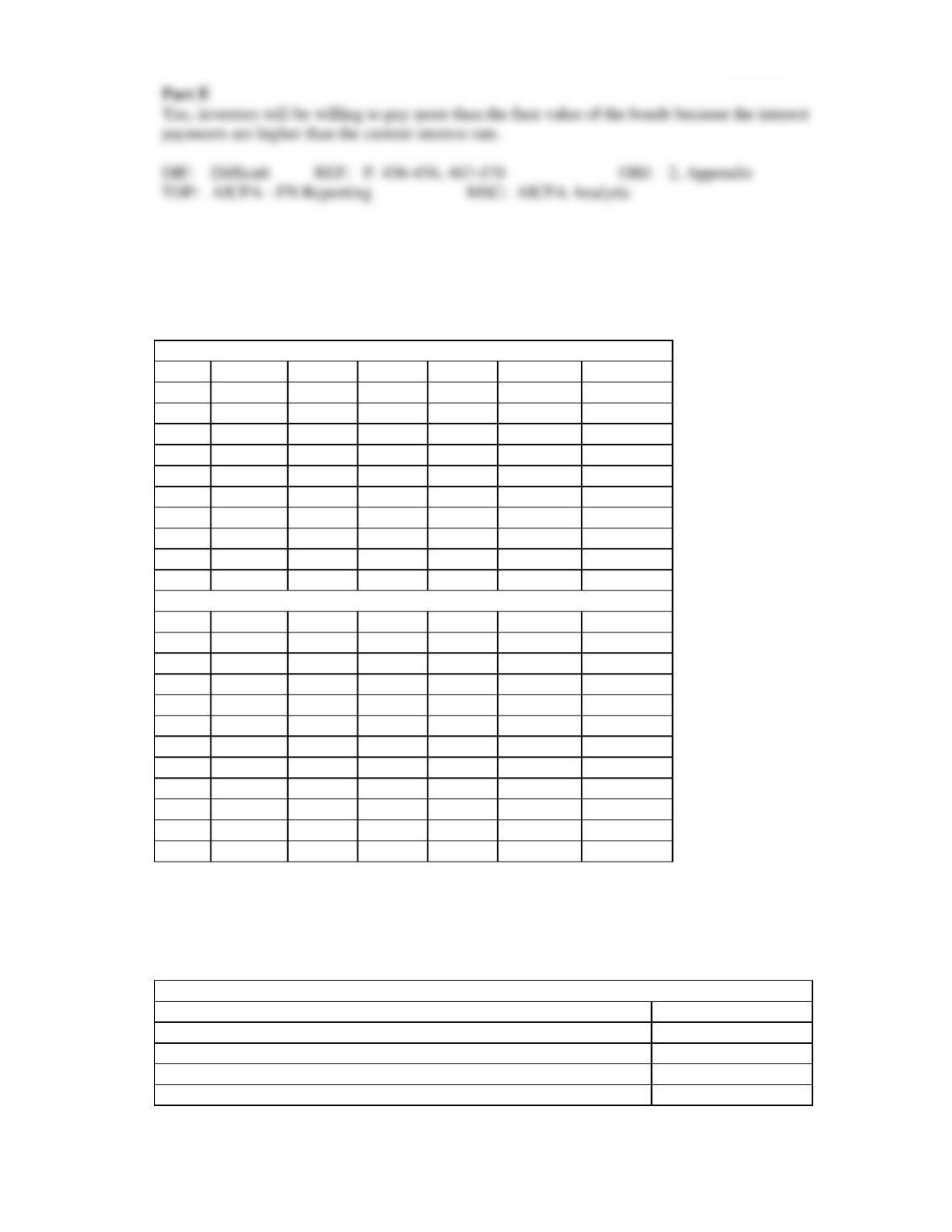
Present Value of $1 at Compound Interest Due in n Periods
n\ i
5.5%
6%
6.5%
11%
12%
13%
1
0.94787
0.94334
0.93897
0.90090
0.89286
0.88496
2
0.89845
0.89000
0.88166
0.81162
0.79719
0.78315
3
0.85161
0.83962
0.82785
0.73119
0.71178
0.69305
4
0.80722
0.79209
0.77732
0.65873
0.63552
0. 61332
5
0.76513
0.74726
0.72988
0.59345
0.56743
0. 54276
6
0.72525
0.70496
0.68533
0.53464
0.50663
0.48032
7
0.68744
0.66506
0.64351
0.48166
0.45235
0.42506
8
0.65160
0.62741
0.60423
0.43393
0.40388
0.37616
9
0. 61763
0.59190
0.56735
0.39092
0.35061
0.33288
10
0.58543
0.55840
0.53273
0.35218
0.32197
0.29459
Present Value of an Ordinary Annuity of $1 per Period
n\ i
5.5%
6%
6.5%
11%
12%
13%
1
0.94787
0.94340
0.93897
0.90090
0.89286
0.88496
2
1.84632
1.83339
1.82063
1.71252
1.69005
1.66810
3
2.69793
2.67301
2.64848
2.44371
2.40183
2.36115
4
3.50515
3.46511
3.42580
3.10245
3.03735
2.97447
5
4.27028
4.21236
4.15568
3.69590
3.60478
3.51723
6
4.99553
4.91732
4.84101
4.23054
4.11141
3.99755
7
5.68297
5.58238
5.48452
4.71220
4.56376
4.42261
8
6.33457
6.20979
6.08875
5.14612
4.96764
4.79677
9
6.95220
6.80169
6.65610
5.53705
5.32825
5.13166
10
7.53763
7.36009
7.18883
5.88923
5.65022
5.42624
Round answers to the nearest whole dollar.
Part A
Calculate the selling price of the bonds and the amount of bond premium or discount upon
issuance.
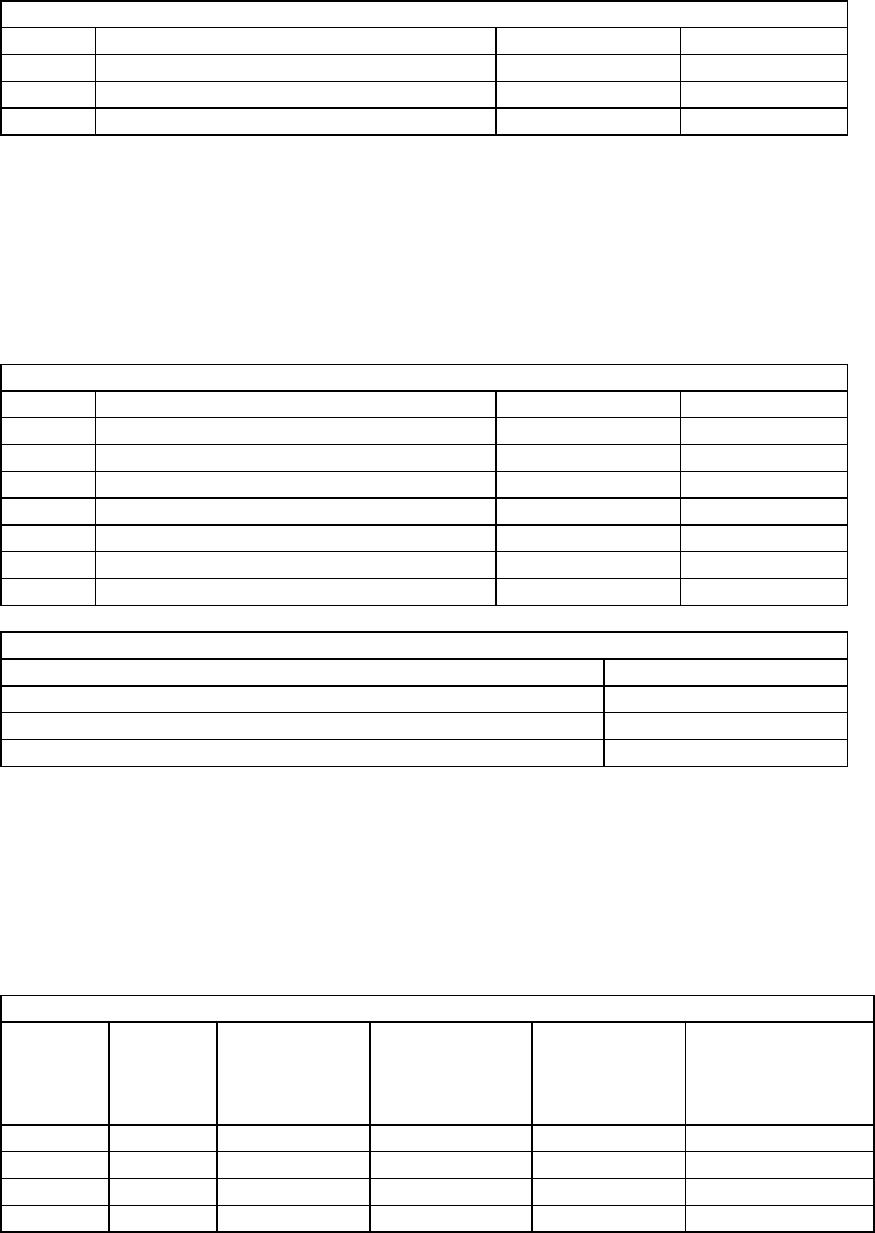
calculate selling price
502 ♦ Chapter 10
Part B
Record the journal entry in the General Journal for the amount of cash proceeds from the sale of
the bonds.
General Journal
Part C
Using the straight-line method,
a) record the entries for the first semiannual interest payment on December 31, 2006,
including the amortization of the bond premium.
b) record the interest payment on June 30, 2007, and the amortization of the bond
premium.
c) determine the total interest expense for 2006.
General Journal
calculate interest expense
Part D
Using the effective interest method,
a) record the entries for the first semiannual interest payment on December 31, 2006,
including the amortization of the bond premium.
b) record the interest payment on June 30, 2007, and the amortization of the bond
premium.
c) determine the total interest expense for 2006.
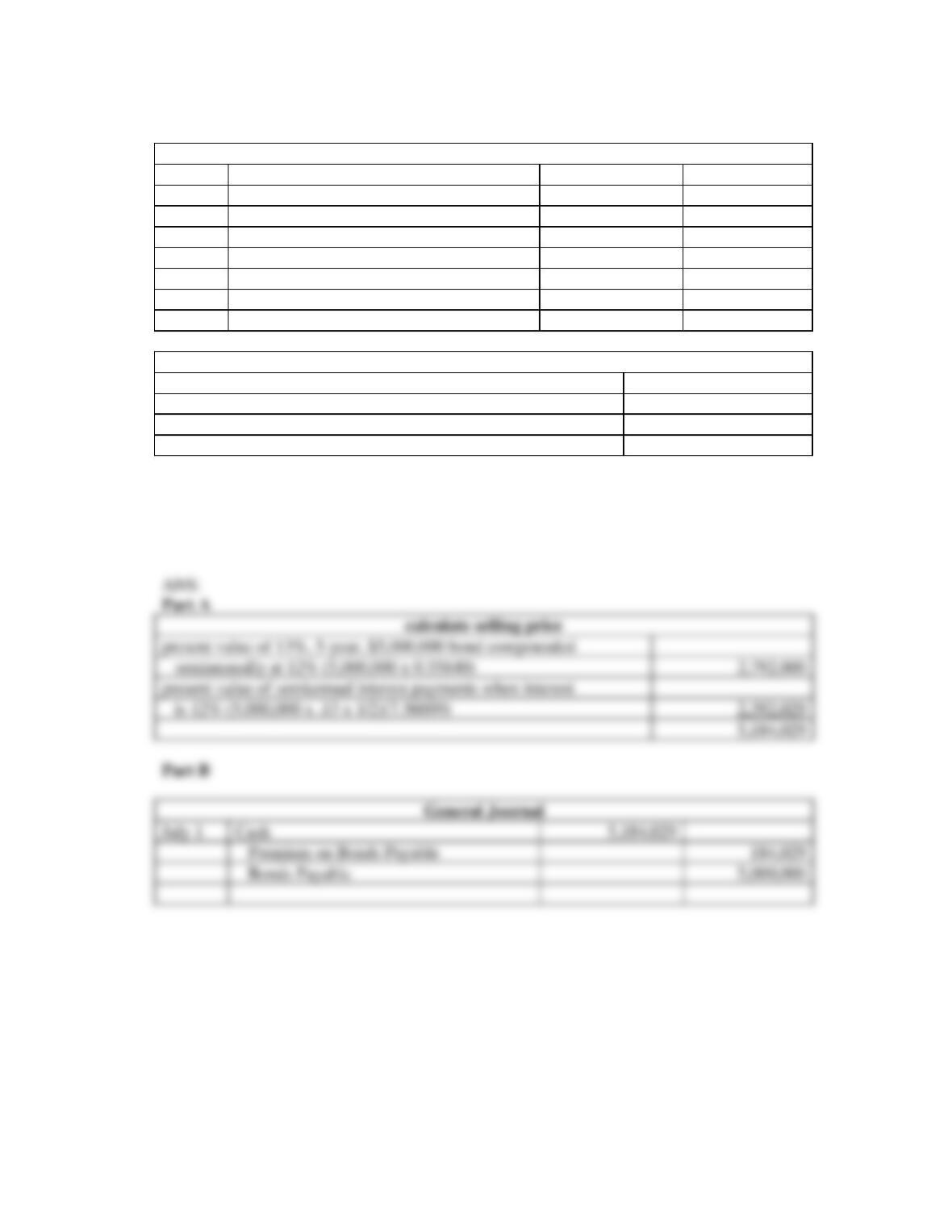
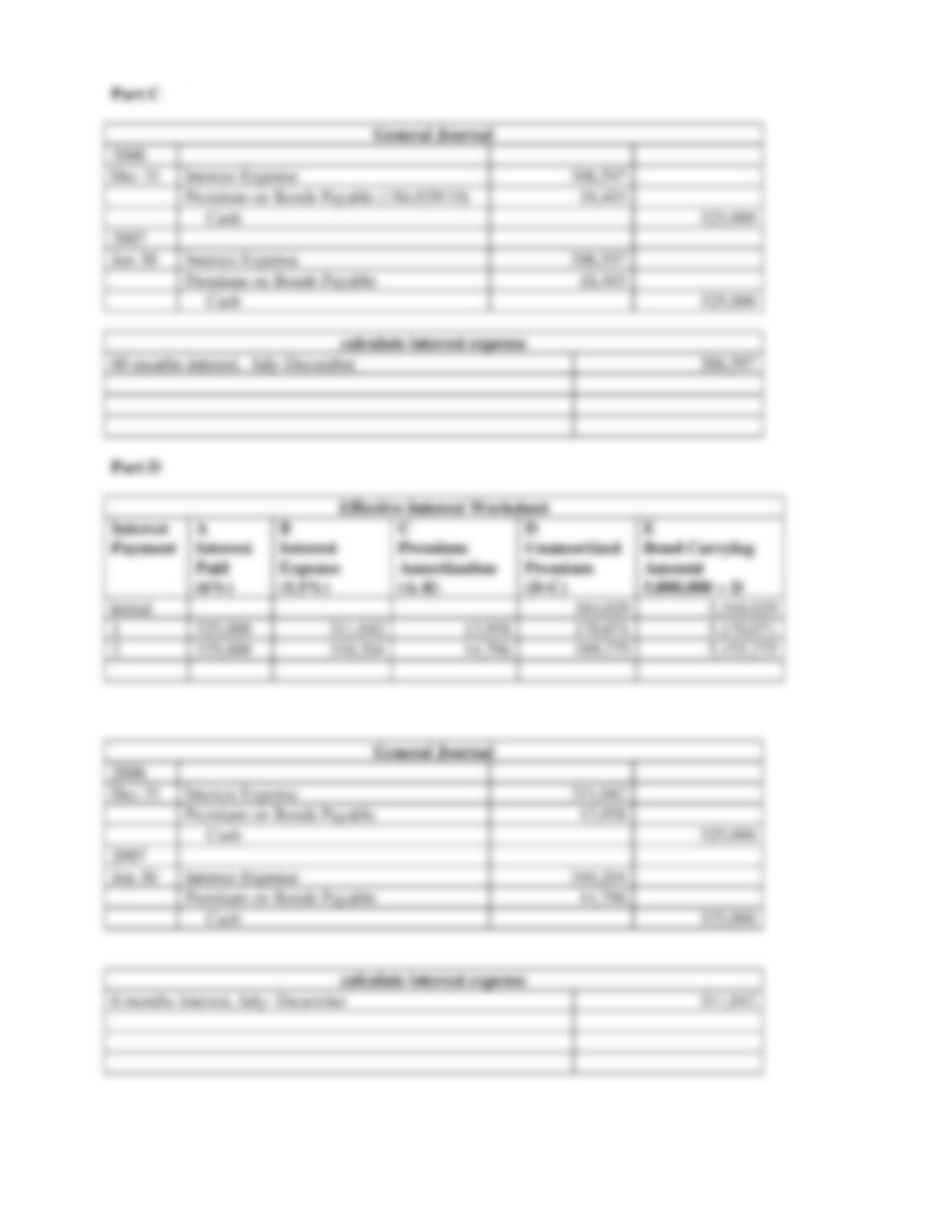
Effective Interest Worksheet
Interest
Payment
A
Interest
Paid
B
Interest
Expense
C
Premium
Amortization
D
Unamortized
Premium
E
Bond Carrying
Amount
Liabilities ♦ 503
General Journal
calculate interest expense
Part E
Will the bond proceeds always be greater than the face amount of the bonds when the contract rate
is greater than the market rate of interest? Explain
504 ♦ Chapter 10
Liabilities ♦ 505
16. Turbo Machines, Inc. produces and sells specialized boosters to the aircraft industry. On July 1,
2006, Turbo Machines, Inc. issued $1,000,000 of 5-year, 12% bonds when the market rate of
interest is 13%. Interest on the bonds is payable semiannually on December 31 and June 30. The
fiscal year of the company is the calendar year.
The following are excerpts from the present value tables.
Present Value of $1 at Compound Interest Due in n Periods
n\ i
5.5%
6%
6.5%
11%
12%
13%
1
0.94787
0.94334
0.93897
0.90090
0.89286
0.88496
2
0.89845
0.89000
0.88166
0.81162
0.79719
0.78315
3
0.85161
0.83962
0.82785
0.73119
0.71178
0.69305
4
0.80722
0.79209
0.77732
0.65873
0.63552
0. 61332
5
0.76513
0.74726
0.72988
0.59345
0.56743
0. 54276
6
0.72525
0.70496
0.68533
0.53464
0.50663
0.48032
7
0.68744
0.66506
0.64351
0.48166
0.45235
0.42506
8
0.65160
0.62741
0.60423
0.43393
0.40388
0.37616
9
0. 61763
0.59190
0.56735
0.39092
0.35061
0.33288
10
0.58543
0.55840
0.53273
0.35218
0.32197
0.29459
Present Value of an Ordinary Annuity of $1 per Period
n\ i
5.5%
6%
6.5%
11%
12%
13%
1
0.94787
0.94340
0.93897
0.90090
0.89286
0.88496
2
1.84632
1.83339
1.82063
1.71252
1.69005
1.66810
3
2.69793
2.67301
2.64848
2.44371
2.40183
2.36115
4
3.50515
3.46511
3.42580
3.10245
3.03735
2.97447
5
4.27028
4.21236
4.15568
3.69590
3.60478
3.51723
6
4.99553
4.91732
4.84101
4.23054
4.11141
3.99755
7
5.68297
5.58238
5.48452
4.71220
4.56376
4.42261
8
6.33457
6.20979
6.08875
5.14612
4.96764
4.79677
9
6.95220
6.80169
6.65610
5.53705
5.32825
5.13166
10
7.53763
7.36009
7.18883
5.88923
5.65022
5.42624
Please round calculations to the nearest whole dollar.
Part A
Calculate the selling price of the bonds and the amount of bond premium or discount upon
issuance.
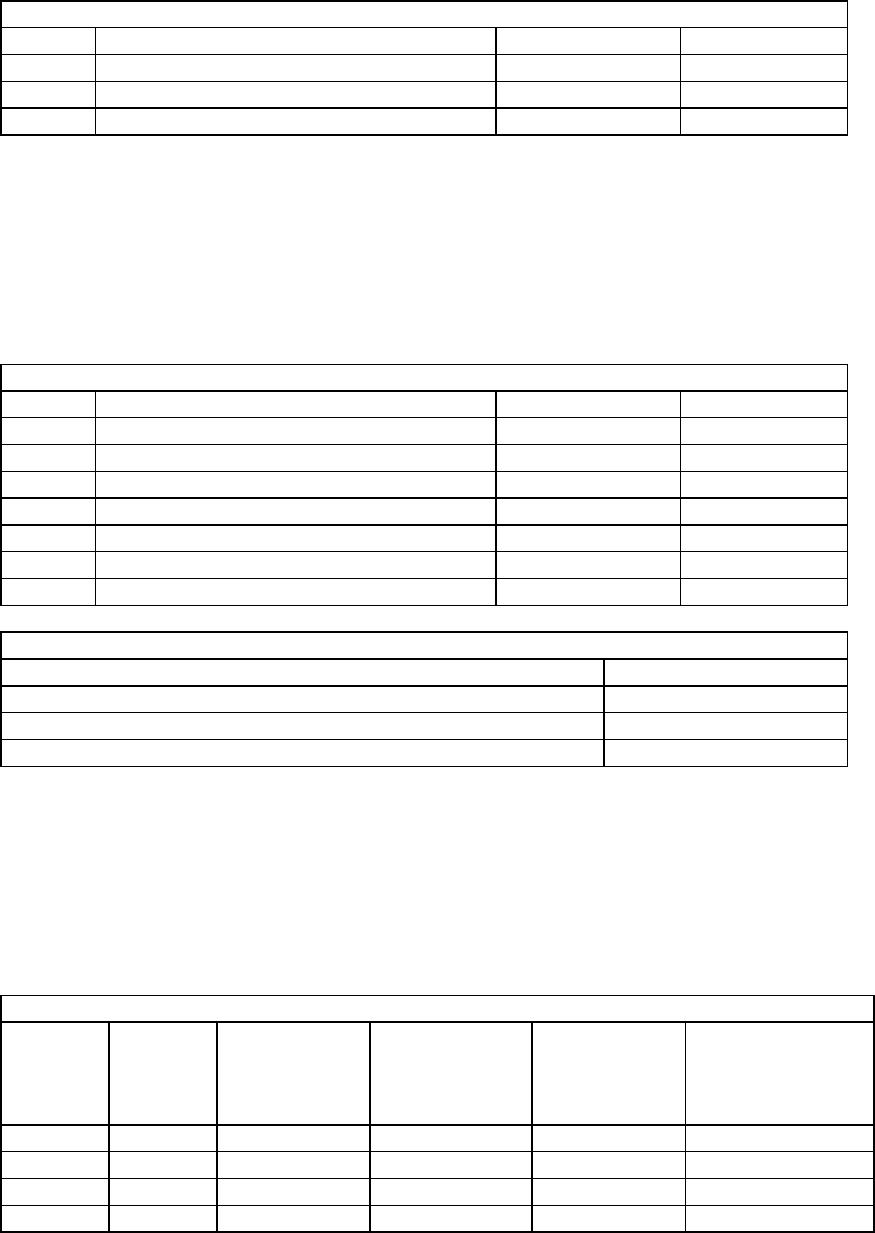
calculate selling price
506 ♦ Chapter 10
Part B
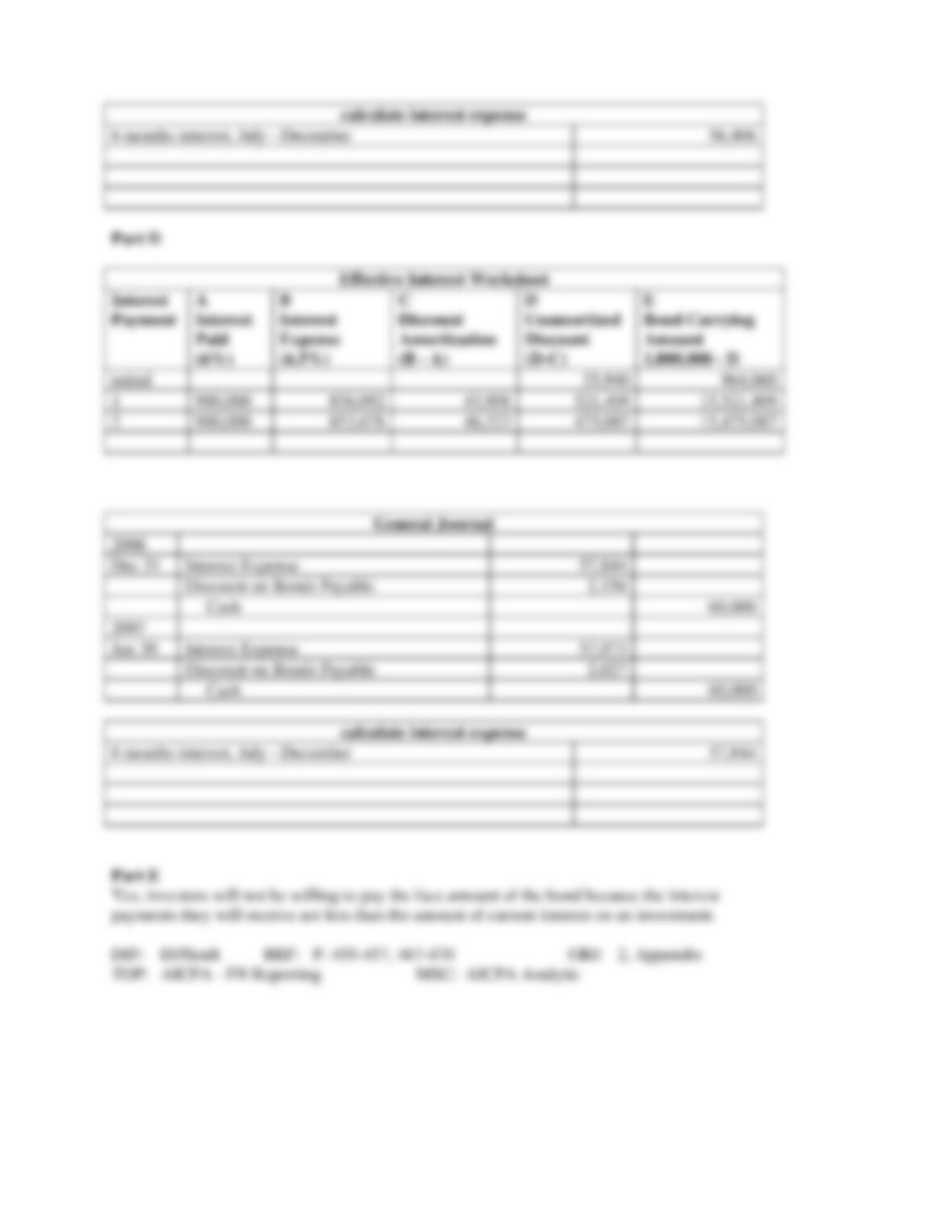
Record the journal entry in the General Journal for the amount of cash proceeds from the sale of
the bonds.
General Journal
Part C
Using the straight-line method,
a) record the entries for the first semiannual interest payment on December 31, 2006,
including the amortization of the bond discount.
b) record the interest payment on June 30, 2007, and the amortization of the bond
discount.
c) determine the total interest expense for 2006.
General Journal
calculate interest expense
Part D
Using the effective interest method,
a) record the entries for the first semiannual interest payment on December 31, 2006,
including the amortization of the bond discount.
b) record the interest payment on June 30, 2007, and the amortization of the bond
discount.
c) determine the total interest expense for 2006.
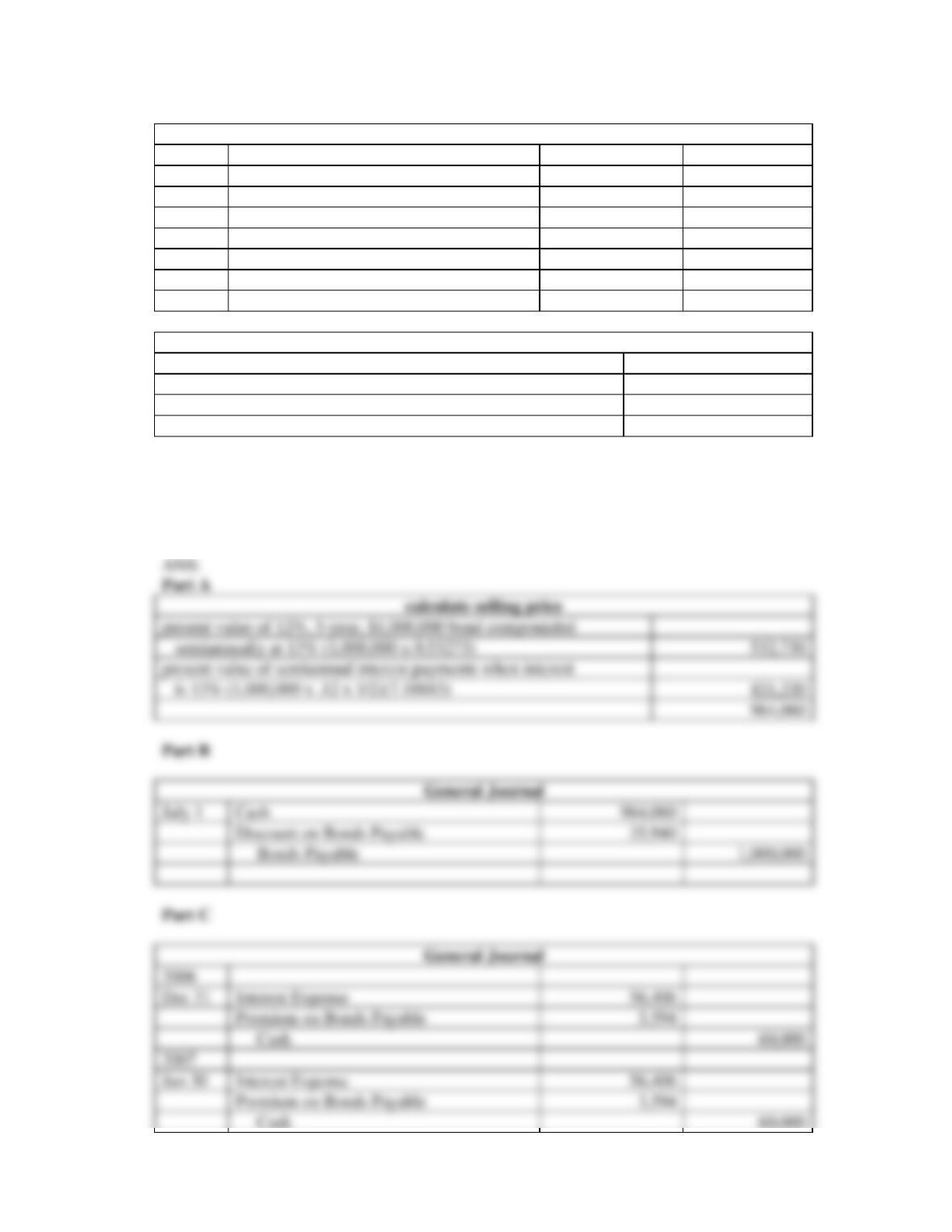
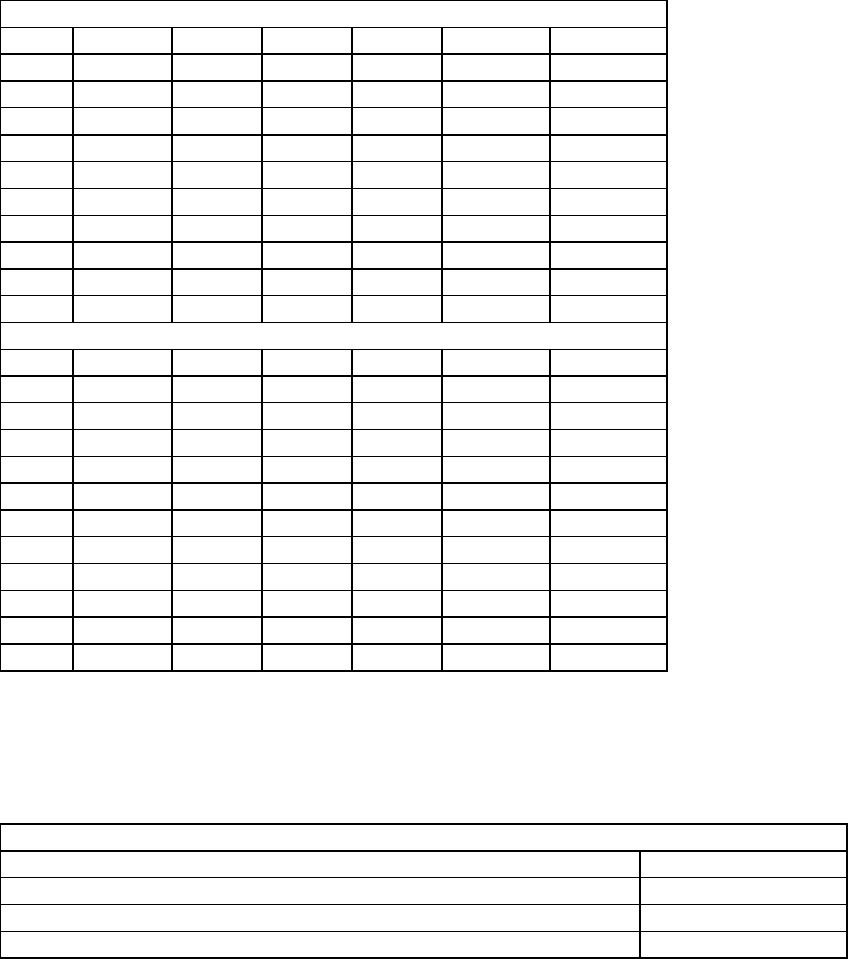
Effective Interest Worksheet
Interest
Payment
A
Interest
Paid
B
Interest
Expense
C
Discount
Amortization
D
Unamortized
Discount
E
Bond Carrying
Amount
Liabilities ♦ 507
General Journal
calculate interest expense
Part E
Will the bond proceeds always be less than the face amount of the bonds when the contract rate is
less than the market rate of interest? Explain
General Journal
508 ♦ Chapter 10
Liabilities ♦ 509
17. Jadot, Inc. produces and sells specialized parts for the sailing industry. On July 1, 2006, Jadot, Inc.
issued $2,000,000 of 5-year, 11% bonds when the market rate of interest is 12%. Interest on the
bonds is payable semiannually on December 31 and June 30. The fiscal year of the company is the
calendar year.
The following are excerpts from the present value tables.
Present Value of $1 at Compound Interest Due in n Periods
n\ i
5.5%
6%
6.5%
11%
12%
13%
1
0.94787
0.94334
0.93897
0.90090
0.89286
0.88496
2
0.89845
0.89000
0.88166
0.81162
0.79719
0.78315
3
0.85161
0.83962
0.82785
0.73119
0.71178
0.69305
4
0.80722
0.79209
0.77732
0.65873
0.63552
0. 61332
5
0.76513
0.74726
0.72988
0.59345
0.56743
0. 54276
6
0.72525
0.70496
0.68533
0.53464
0.50663
0.48032
7
0.68744
0.66506
0.64351
0.48166
0.45235
0.42506
8
0.65160
0.62741
0.60423
0.43393
0.40388
0.37616
9
0. 61763
0.59190
0.56735
0.39092
0.35061
0.33288
10
0.58543
0.55840
0.53273
0.35218
0.32197
0.29459
Present Value of an Ordinary Annuity of $1 per Period
n\ i
5.5%
6%
6.5%
11%
12%
13%
1
0.94787
0.94340
0.93897
0.90090
0.89286
0.88496
2
1.84632
1.83339
1.82063
1.71252
1.69005
1.66810
3
2.69793
2.67301
2.64848
2.44371
2.40183
2.36115
4
3.50515
3.46511
3.42580
3.10245
3.03735
2.97447
5
4.27028
4.21236
4.15568
3.69590
3.60478
3.51723
6
4.99553
4.91732
4.84101
4.23054
4.11141
3.99755
7
5.68297
5.58238
5.48452
4.71220
4.56376
4.42261
8
6.33457
6.20979
6.08875
5.14612
4.96764
4.79677
9
6.95220
6.80169
6.65610
5.53705
5.32825
5.13166
10
7.53763
7.36009
7.18883
5.88923
5.65022
5.42624
Please round calculations to the nearest whole dollar.
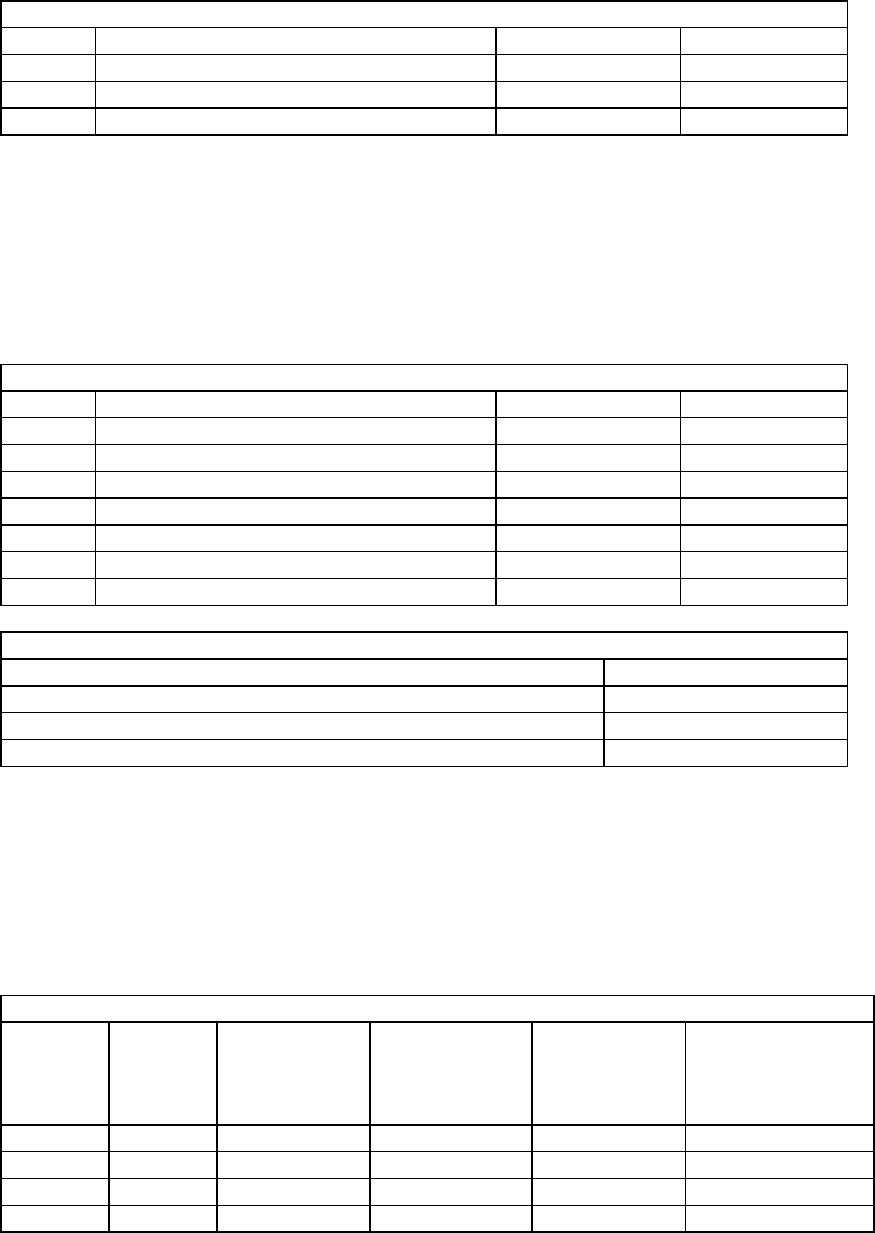
Part A
Calculate the selling price of the bonds and the amount of bond premium or discount upon
issuance.
calculate selling price
510 ♦ Chapter 10
Part B
Record the journal entry in the General Journal for the amount of cash proceeds from the sale of
the bonds.
General Journal
Part C
Using the straight-line method,
a) record the entries for the first semiannual interest payment on December 31, 2006,
including the amortization of the bond discount.
b) record the interest payment on June 30, 2007, and the amortization of the bond
discount.
c) determine the total interest expense for 2006.
General Journal
calculate interest expense
Part D
Using the effective interest method,
a) record the entries for the first semiannual interest payment on December 31, 2006,
including the amortization of the bond discount.
b) record the interest payment on June 30, 2007, and the amortization of the bond
discount.
c) determine the total interest expense for 2006.
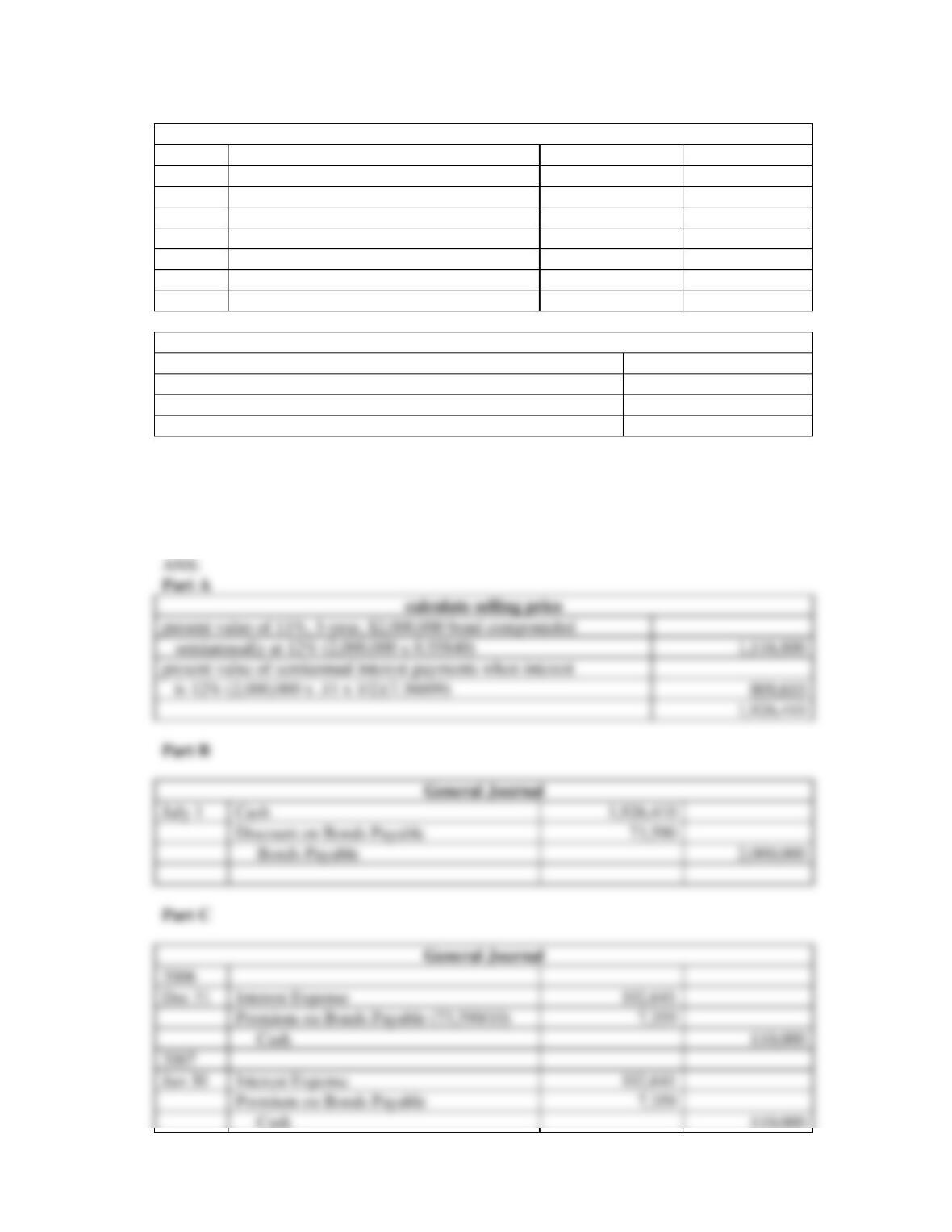
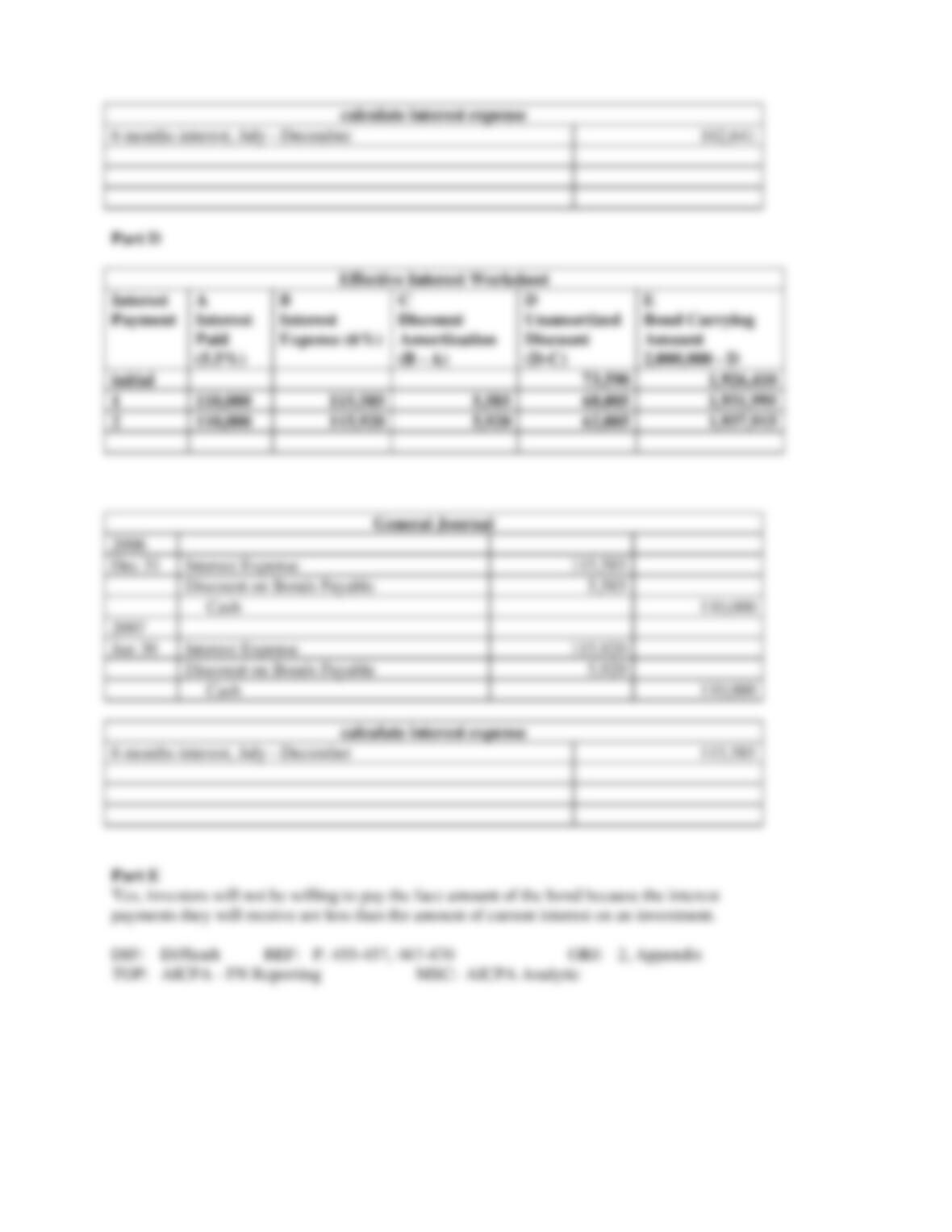
Effective Interest Worksheet
Interest
Payment
A
Interest
Paid
B
Interest
Expense
C
Discount
Amortization
D
Unamortized
Discount
E
Bond Carrying
Amount
Liabilities ♦ 511
General Journal
calculate interest expense
Part E
Will the bond proceeds always be less than the face amount of the bonds when the contract rate is
less than the market rate of interest? Explain
General Journal
512 ♦ Chapter 10
Liabilities ♦ 513
CASE
1. A company discloses the following information regarding liabilities in its annual report:
Current Liabilities
(amounts in
thousands)
Accounts Payable
$1,210
Notes Payable
2,500
Payroll Withholdings
422
Payroll Taxes
185
Accrued wages and vacation
65
Warranty Liability
97
Income Tax
20
Long-Term Liabilities
Pensions and Post-Retirement Benefits
2,926
Bonds Payable
3,500
(a)
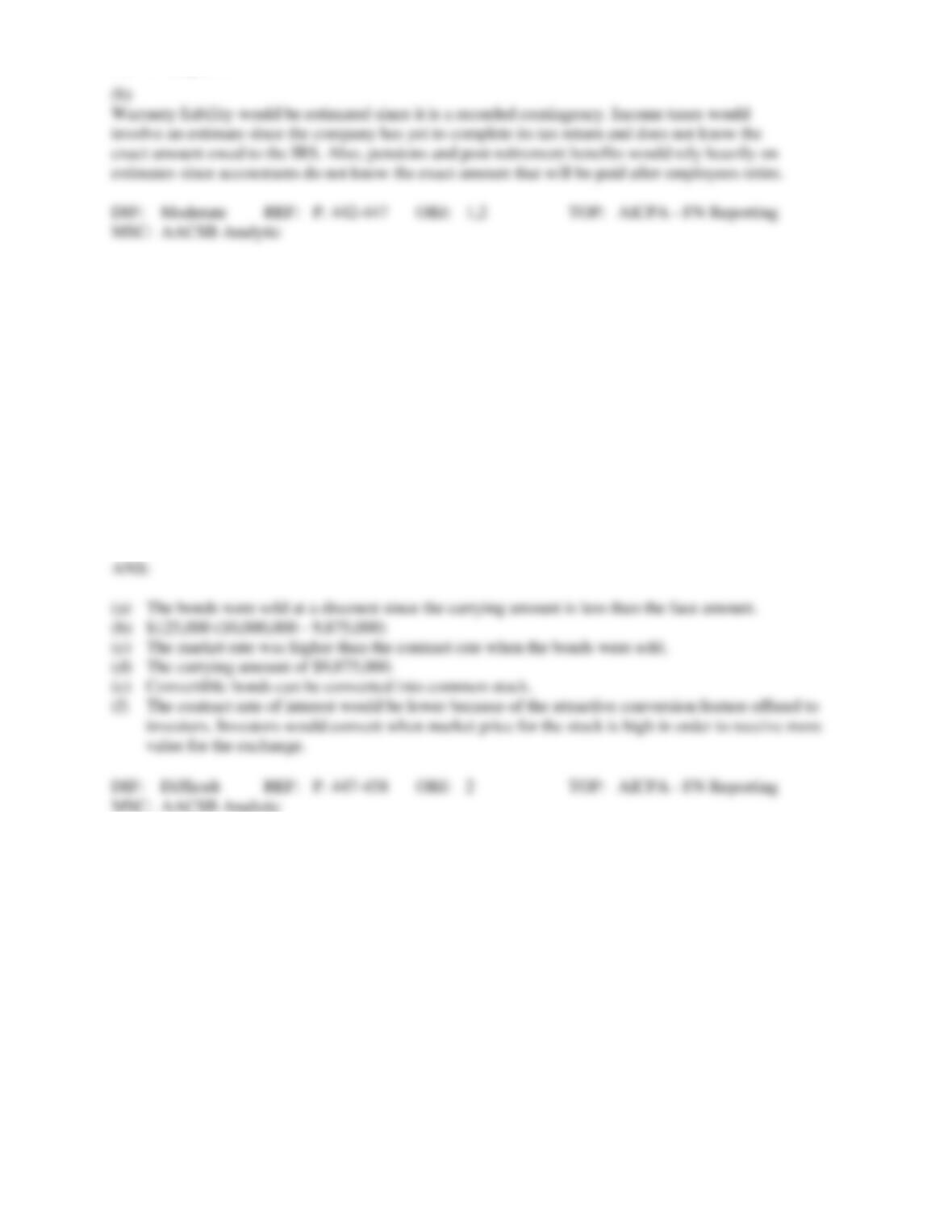
Describe briefly how each liability may have resulted.
(b)
Indicate which liabilities would be estimated by the accountants.
514 ♦ Chapter 10
2. Assume you are reading the following note to the financial statements:
. . . long-term liabilities consist of 9%, $10 million in convertible bonds due 2010. The carrying
amount of the bonds is $9,875,000 . . .
Answer the following questions:
(a)
Were the bonds sold at a premium or discount? Explain.
(b)
How much is the current unamortized premium or discount?
(c)
When the bonds were sold, was the market rate higher or lower than the contract rate?
(d)
What amount would be reported on the balance sheet under long-term liabilities?
(e)
Explain what is meant by the term convertible bonds.
(f)
If bonds are convertible, explain how this might affect the contract rate and when would investors be
likely to exercise this option.
(a)
The bonds were sold at a discount since the carrying amount is less than the face amount.
(b)
$125,000 (10,000,000 – 9,875,000)
(c)
The market rate was higher than the contract rate when the bonds were sold.
(d)
The carrying amount of $9,875,000.
(e)
Convertible bonds can be converted into common stock.
Liabilities ♦ 515
3. Two companies report the following information:
Company A
Company B
Current Assets:
Cash and cash equivalents
$ 2,500
$ 42,600
Receivables net
$ 541,000
$ 785,000
Merchandise Inventory
$ 415,000
$ 985,100
Prepaid Expenses
$ 126,000
$ 375,500
Other Current Assets
$ 21,400
$ 56,500
Total Current Assets
$1,105,900
$2,244,700
Total Current Liabilities
$ 376,000
$1,420,000
(a)
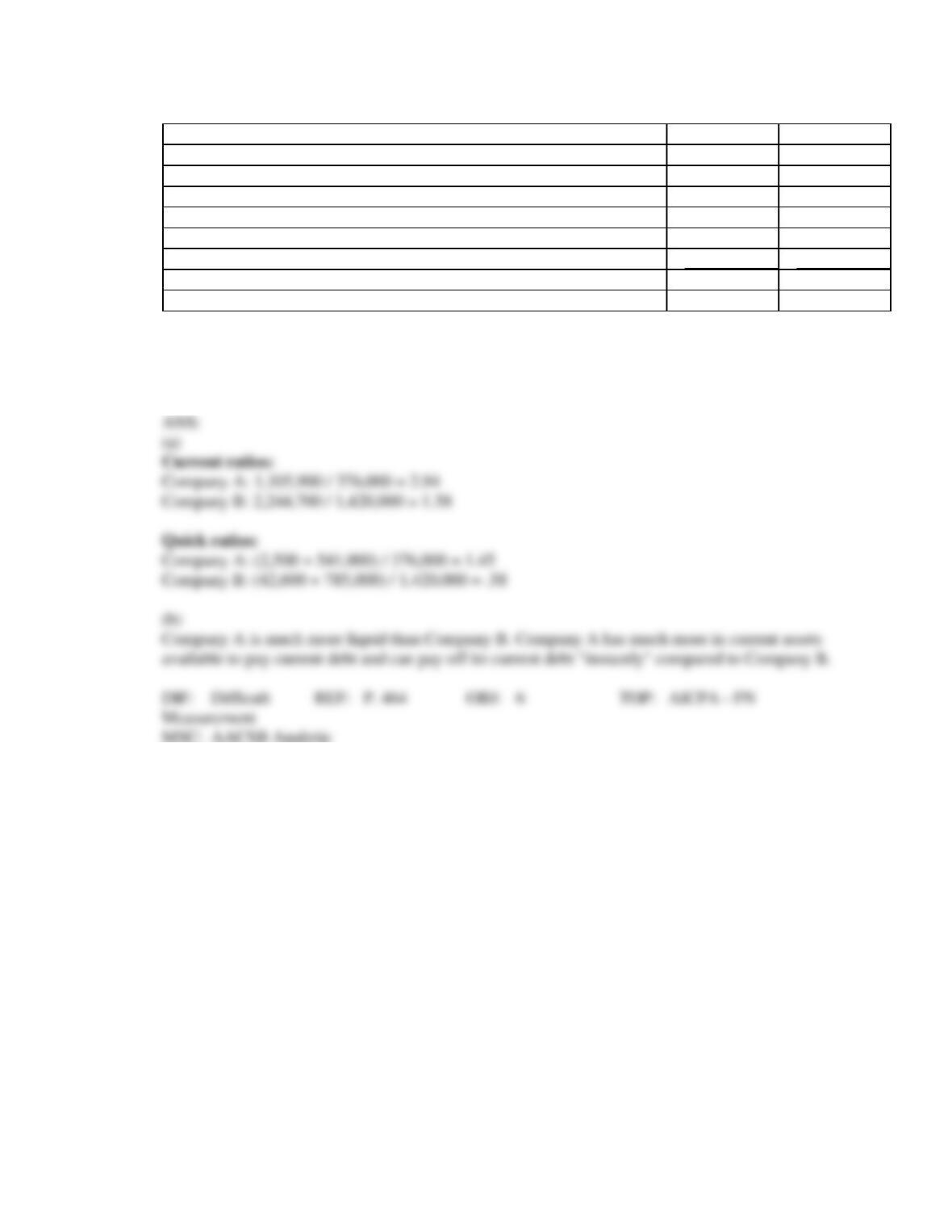
Calculate the current ratio and quick ratio for both companies.
(b)
Interpret the ratios calculated from part one.
516 ♦ Chapter 10
4. Two companies report the following information:
Company A
Company B
Total Current Assets
$124,000
$ 87,000
Total Assets
$978,000
$725,000
Total Current Assets
$ 85,000
$ 82,000
Total Liabilities
$734,000
$327,000
Total Stockholders Equity
$244,000
$398,000
Income Before Taxes
$621,000
$154,000
Net Income
$452,000
$102,600
Interest Expense
$ 76,500
$ 34,000
(a)
Calculate the total liabilities to total asset ratio and the number of times interest charges were earned
ratio for both companies. (Round answers to two decimal places.)
(b)
Interpret the ratios calculated from part a.