1
Multiple Choice
Identify the choice that best completes the statement or answers the question.
____ 1. In which way can art be categorized?
a.
geographically
b.
historically
c.
chronologically
d.
thematically
e.
all of the above
____ 2. What’s missing in this definition of art? Art is primarily a ____ medium that is used to express our ideas
about our human experience and the world around us.
a.
human
b.
visual
c.
spiritual
d.
historical
____ 3. Art is a ____ phenomenon.
a.
natural
b.
scientific
c.
geographical
d.
human
____ 4. Art has several functions, including (choose the best answer):
a.
serving as a profession in society
b.
providing economic benefits to the artist
c.
protesting social injustice
d.
decorating museum walls
e.
all of the above
____ 5. Aesthetics is:
a.
a branch of philosophy
b.
a study of creativity
c.
a study of art and its effects
d.
none of the above
e.
all of the above
____ 6. Popular art includes:
a.
gallery displays
b.
calendars
c.
museum works
d.
art history slides
____ 7. Craft refers to which of the following?
a.
painting
b.
sculpture
c.
pottery
d.
architecture
____ 8. The components of an artwork include perception, response, creativity, and ____.
a.
expression
b.
beauty
c.
energy
d.
quality
____ 9. Content and form are interchangeable in a work of art.
a.
True
b.
False
____ 10. Van Gogh was not a member of another stylistic group.
a.
True
b.
False
____ 11. Ancient Egypt had an ever-changing artistic style.
a.
True
b.
False
____ 12. The content of a work of art refers to ____.
a.
its size
b.
its media
c.
its meaning
d.
its form
____ 13. An equestrian sculpture is one that includes a ____.
a.
caryatid
b.
ceremonial mask
c.
horse
d.
elements of nature
____ 14. In ancient Rome, ____ sculptures were seen as the ultimate symbol of imperial dignity and power.
a.
caryatid
b.
keystone
c.
equestrian
d.
kitsch
____ 15. In a work of art, the word “composition” refers to ____.
a.
the physical material used by the artist
b.
the arrangement of the formal elements of art
c.
the technical style used by the artist
d.
the physical texture of the work
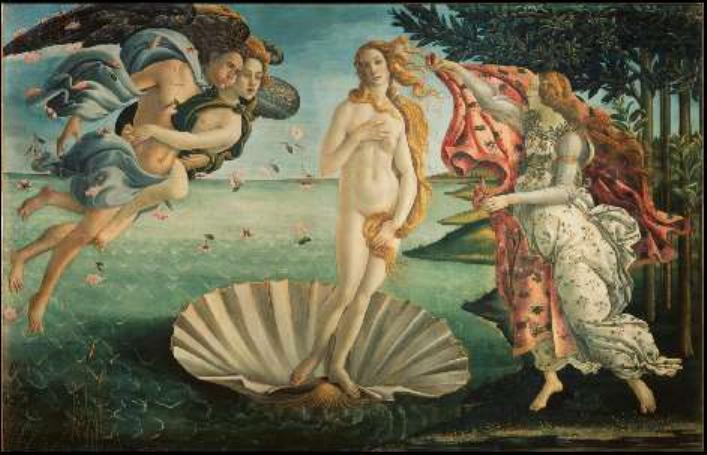
____ 16. This artwork would be classified as ____.
a.
fine art
b.
applied art
c.
naive art
d.
classical art
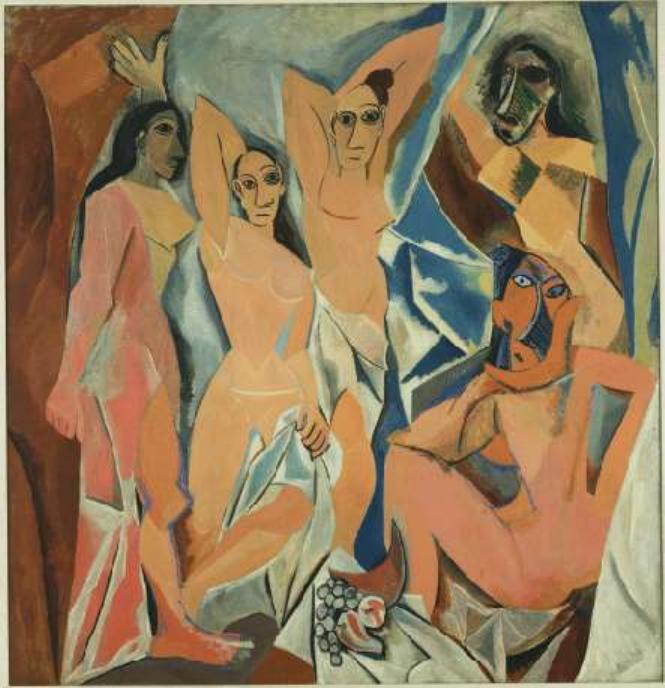
____ 17.
This painting was a catalyst for the ____ movement in art.
a.
Futurist
b.
Dadaist
c.
Surrealist
d.
Cubist
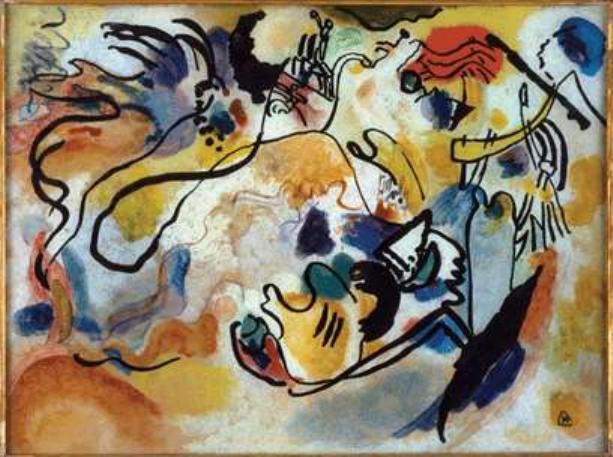
____ 18.
Stylistically this painting would be categorized as ____ art.
a.
naturalistic
b.
expressionist
c.
representational
d.
classical
Essay
19. In a paragraph, discuss the idea that artwork must have two ingredients (innovation and artistic self-
expression). Is this a valid idea? How and why? Give an example from the book. Can art be considered art
without these ingredients? How and why? Give an example from the book.
20. Discuss the difference between “high” and “low” art. How can you tell which is which? What does the setting
have to do with the different classifications?
21. Write a paragraph on the meaning of “kitsch” in art.
22. Discuss the difference between nonobjective and abstract art.
23. Is it acceptable for artists to copy others’ styles? Explain.
24. Discuss the various meanings the term “classical” has in reference to style.
25. Discuss how art can function as “cultural documents.” Reference a specific culture and works of art.
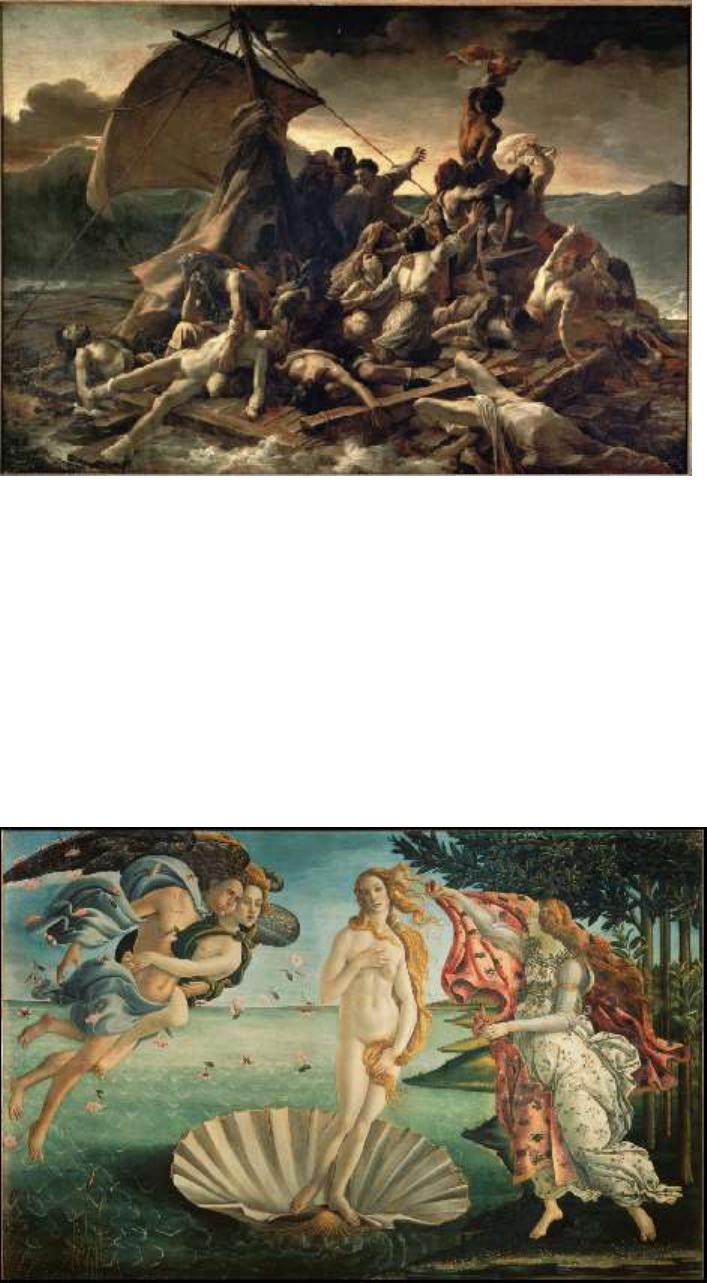
26.
Discuss why this work was controversial when it was first exhibited. Did critics unanimously declare it to be
art? Why?
True/False
Indicate whether the statement is true or false.
____ 27. Traditional Chinese paintings were not made from life, but from memory.
____ 28. Art is always a serious endeavor and never functions as entertainment.
____ 29. Regardless of culture, content is always readily apparent in a work of art.
____ 30. When this image was painted, its idealized concept of human beauty was at odds with medieval notions of the
body as sinful.
____ 31. Art is whatever a society or a culture determines is art.
____ 32. Every culture, both past and present, has a word that corresponds to ours for art.
____ 33. Contemporary art and popular culture often share the same images.
Completion
Complete each statement.
_____ 34. ____________________ styles of art convey intense emotions.
a.
Naturalistic
b.
Idealized
c.
Abstract
d.
Expressive
_____ 35. Ceramics, glass, jewelry, weaving, and woodworking are categorized as ____________________.
a.
kitsch
b.
ethnic art
c.
crafts
d.
fine art
_____ 36. Art is primarily a ____________________ medium used to express ideas about our human experience and the
world around us.
a.
visual
b.
tactile
c.
literal
d.
visceral
____ 37. The visual form of a work of art is the ____________________ embodiment of an idea.
a.
literal
b.
psychological
c.
historical
d.
physical
____ 38. Art has ____________________ form, which includes the materials used to make the artwork, its formal
elements, and its overall composition.
a.
visual
b.
conceptual
c.
iconographic
d.
contextual
____ 39. ____________________ is the mass of ideas associated with a work of art.
a.
Function
b.
Content
c.
Aesthetics
d.
Context
____40. When artists challenge existing conventions of art, they are considered to be ________________.
a.
expressive
b.
academic
c.
kitsch
d.
avant-garde
____ 41. Objects or images are categorized as ____________________ if they have an emotional appeal that is
generalized, superficial, or sentimental.
a.
naturalistic
b.
surreal
c.
kitsch
d.
abstract
____42. ____________________ is the manner of expression that is characteristic of art made by an individual artist,
from a historic period or from an entire civilization.
a.
Context
b.
Content
c.
Iconography
d.
Style
1
Answer Section
MULTIPLE CHOICE
ESSAY
TRUE/FALSE
COMPLETION